Oct 2026
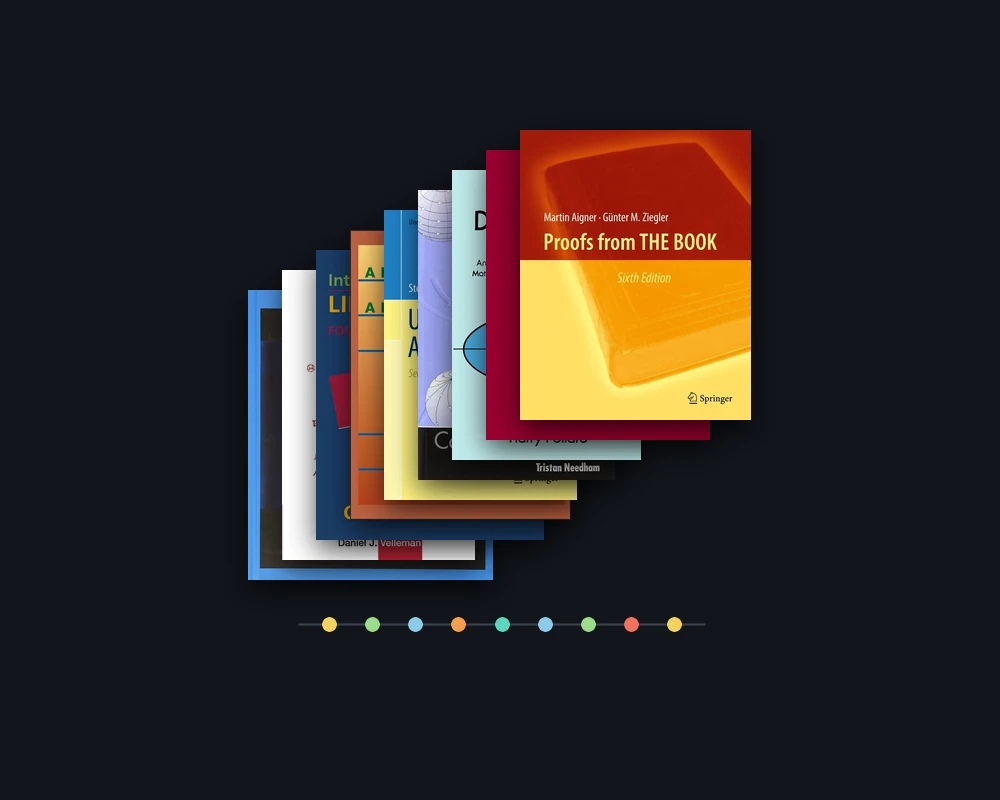
How to Learn Mathematics: A Self-Study Roadmap
A course-by-course, book-by-book roadmap for learning undergraduate mathematics on your own, with a prerequisite map, a readiness check and a study planner.
Read
Long reads — science, math, history, and the web worth your attention.
Oct 2026
A course-by-course, book-by-book roadmap for learning undergraduate mathematics on your own, with a prerequisite map, a readiness check and a study planner.
Read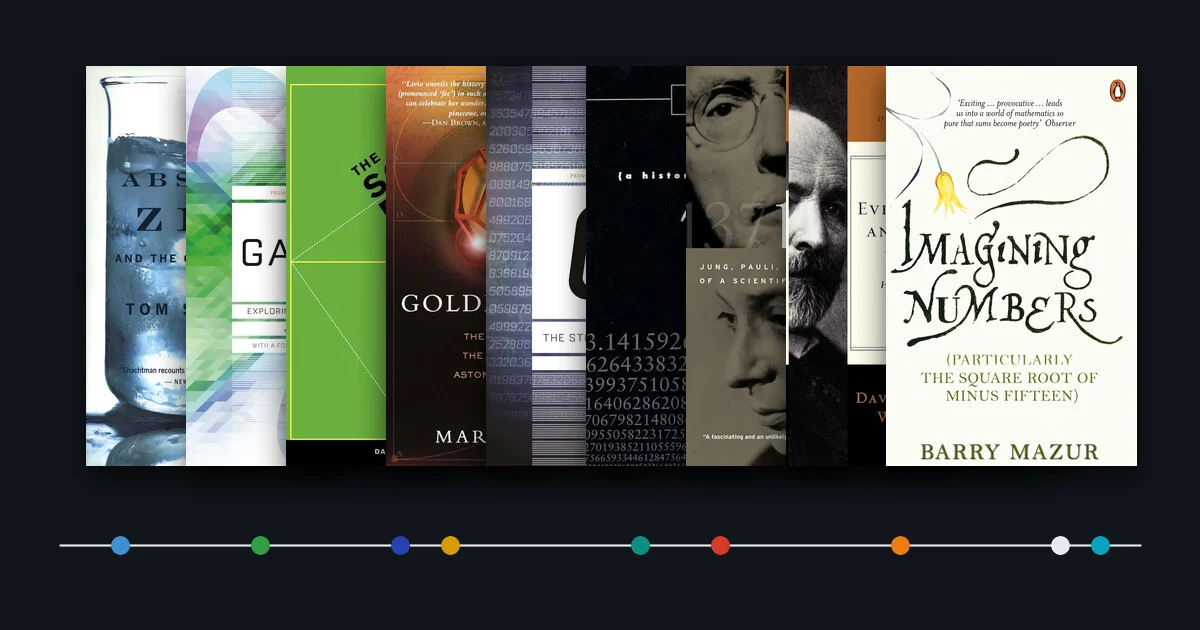
Oct 2026
π, e, i, the golden ratio, Euler’s constant, √2, infinity, 137 and absolute zero — twelve books, each the biography of a single number.
Read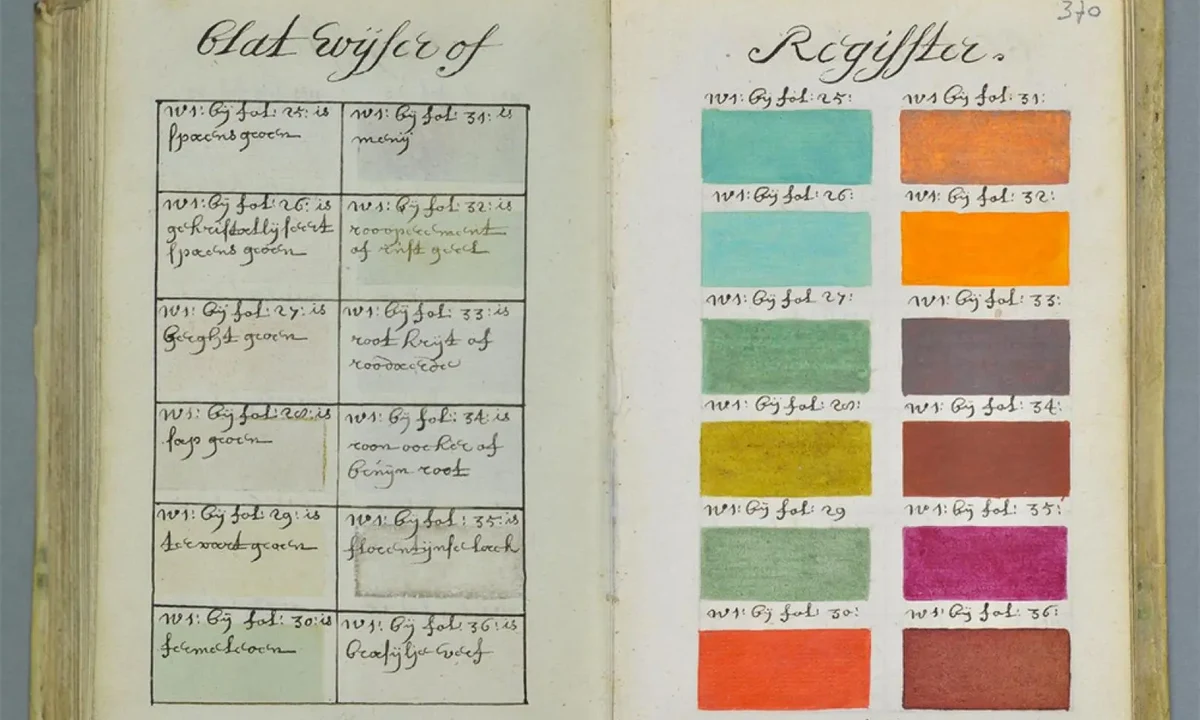
Oct 2026
In 1692 a man in Delft thinned every watercolor with one, two and three parts water and painted them across nearly eight hundred pages. One copy survives.
Read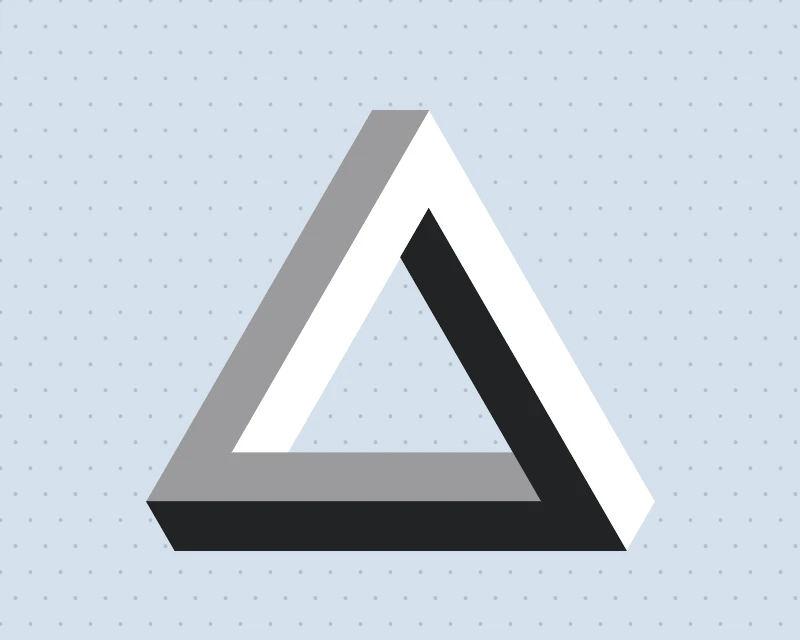
Oct 2026
Three beams that close on paper and never close in the world, from Reutersvärd's nine cubes to Escher's Waterfall and a five-dimensional embedding.
Read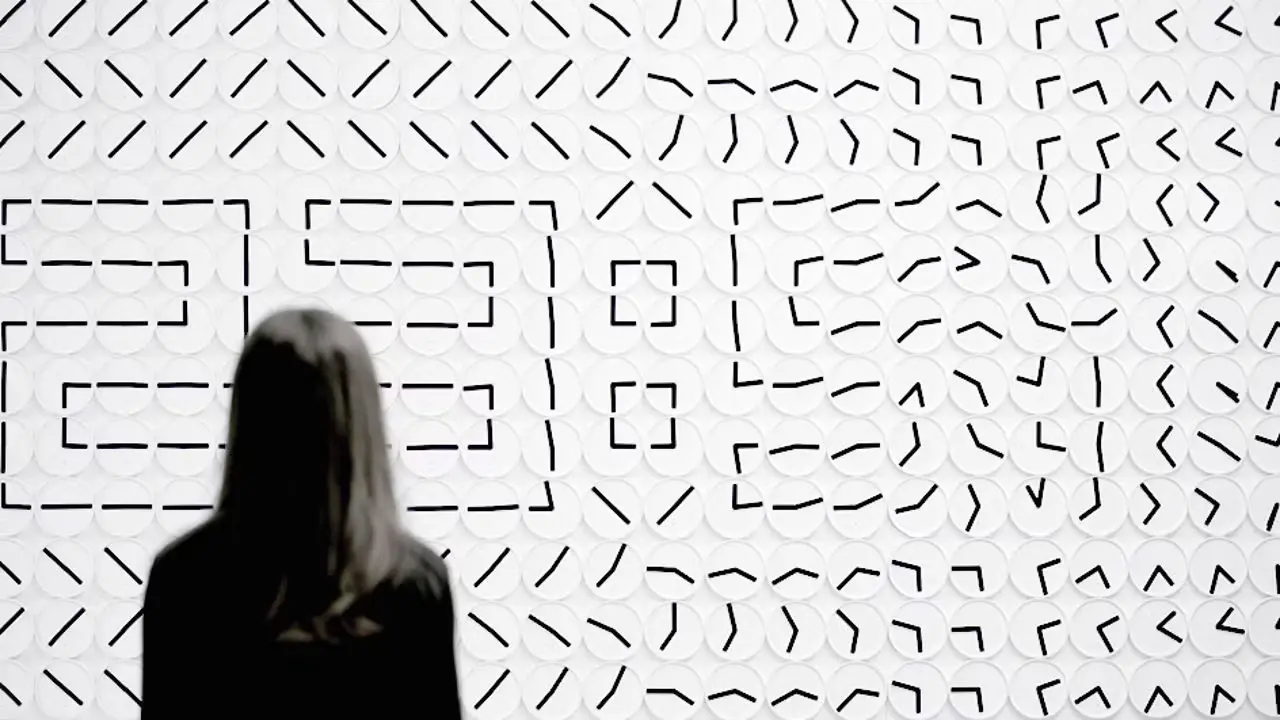
Oct 2026
The Stockholm studio that lines up analog clocks and makes them write the time.
Read
Oct 2026
223 textbooks and lecture notes that physicists and universities give away, from a first look at motion to string theory, sorted by subject, level and kind.
Read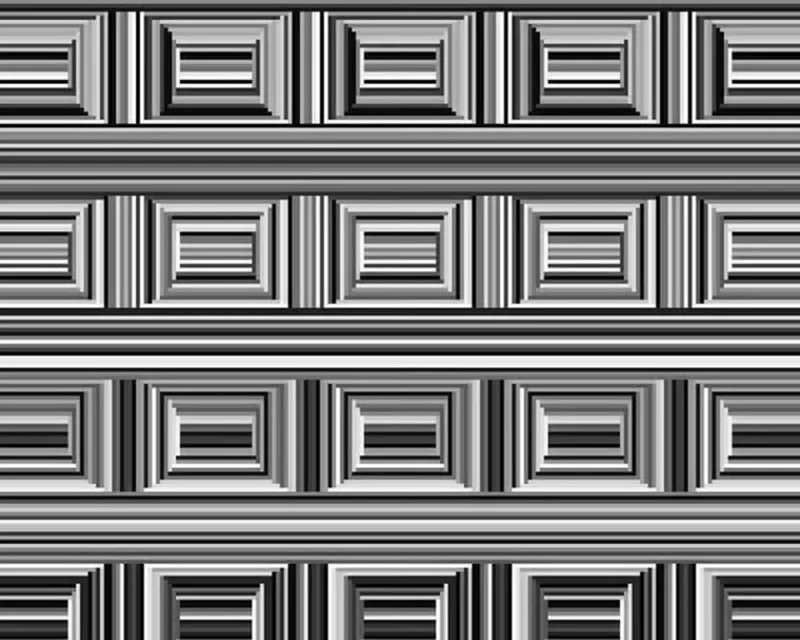
Oct 2026
Sixteen circles sit in plain sight in Anthony Norcia's Coffer illusion, yet most of us see only rectangles. Line ends, shading, and the Pantheon's 140 coffers.
Read
Oct 2026
How siteswap, the notation jugglers use, packs seven balls, two heights and two private balls per hand into the three digits 966.
Read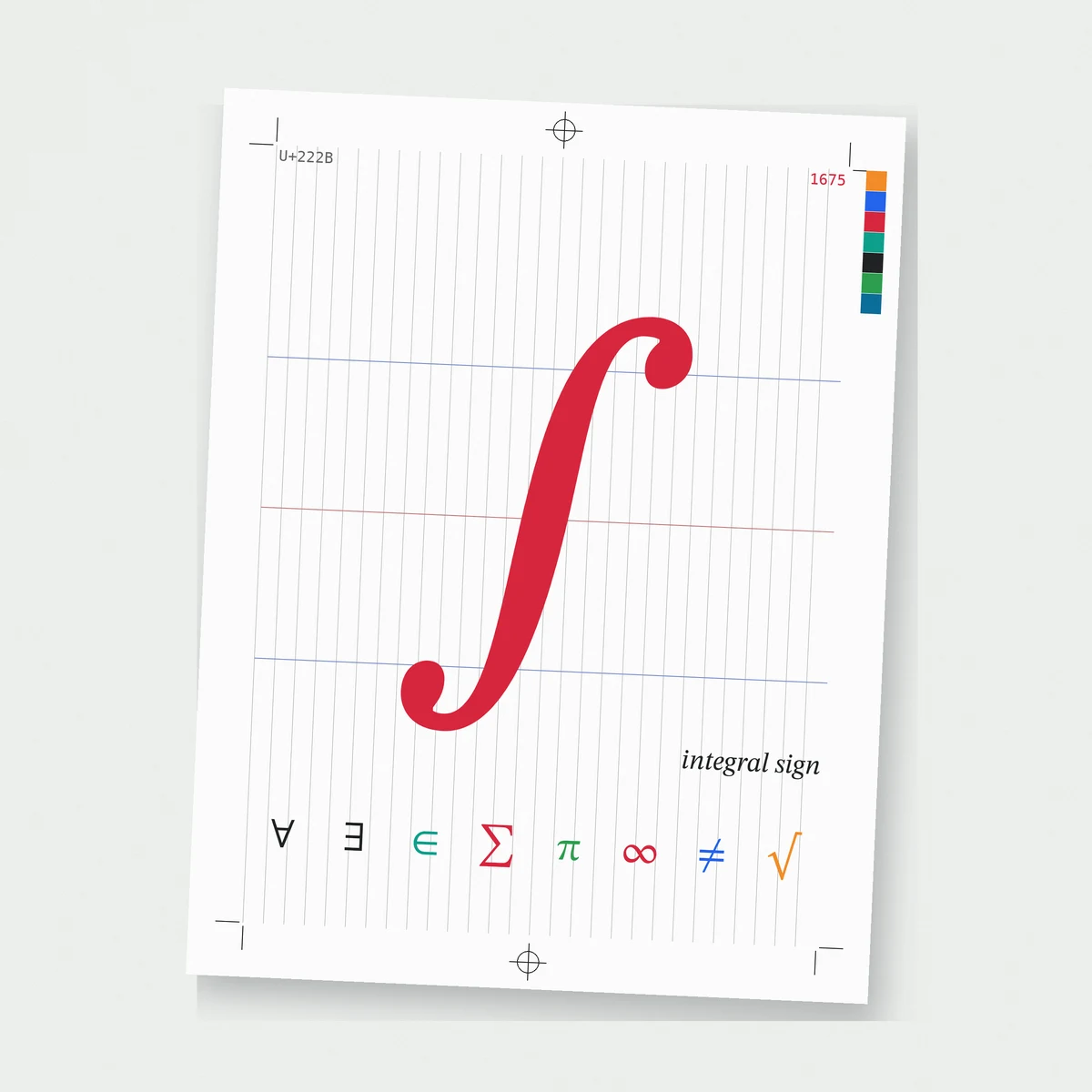
Oct 2026
62 math symbols with their names, meaning, an example read aloud, LaTeX code, Unicode code point and who first put each one on paper.
Read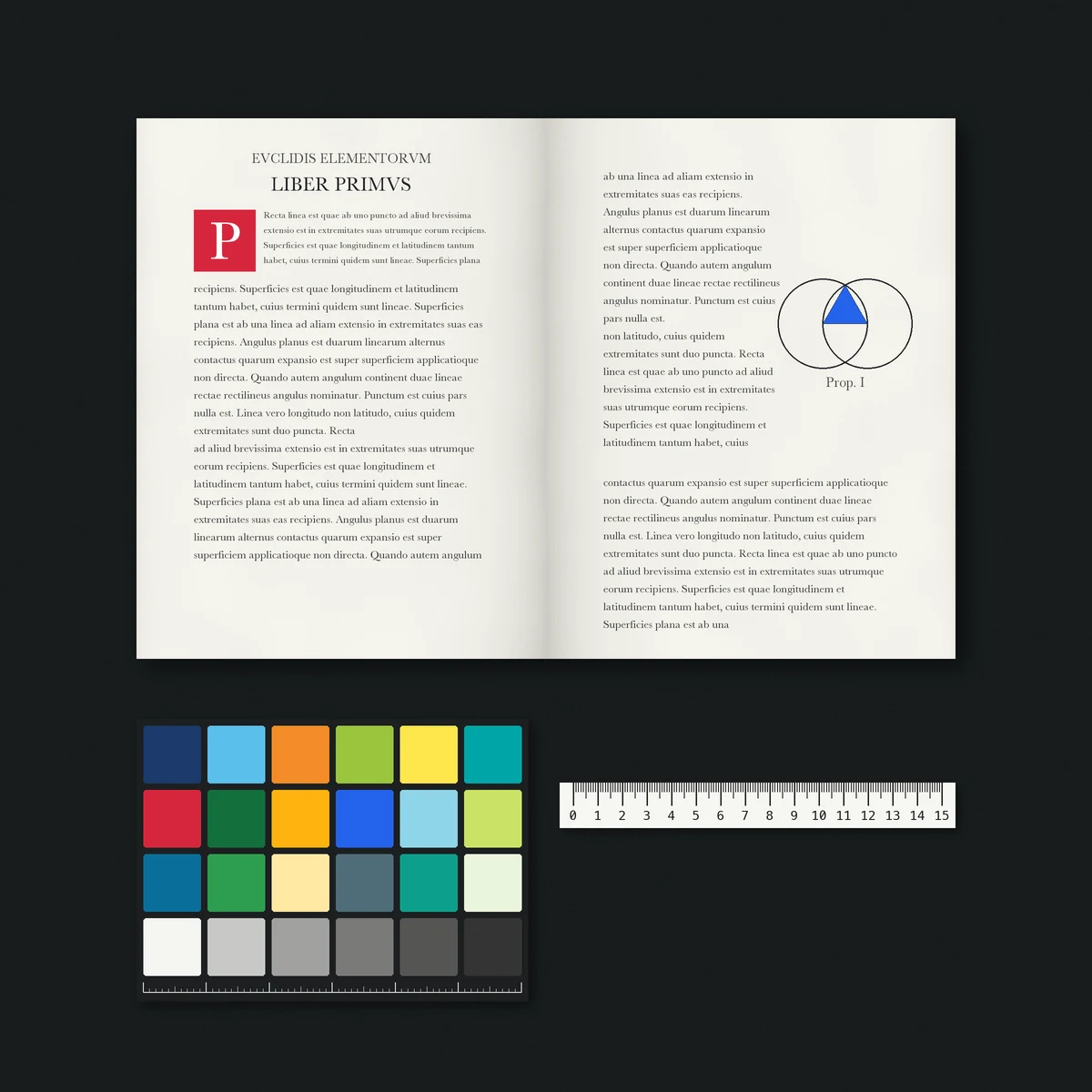
Oct 2026
From the Rhind Papyrus to Principia Mathematica, 29 historic math books that libraries have scanned and opened to everyone, each with a free link.
Read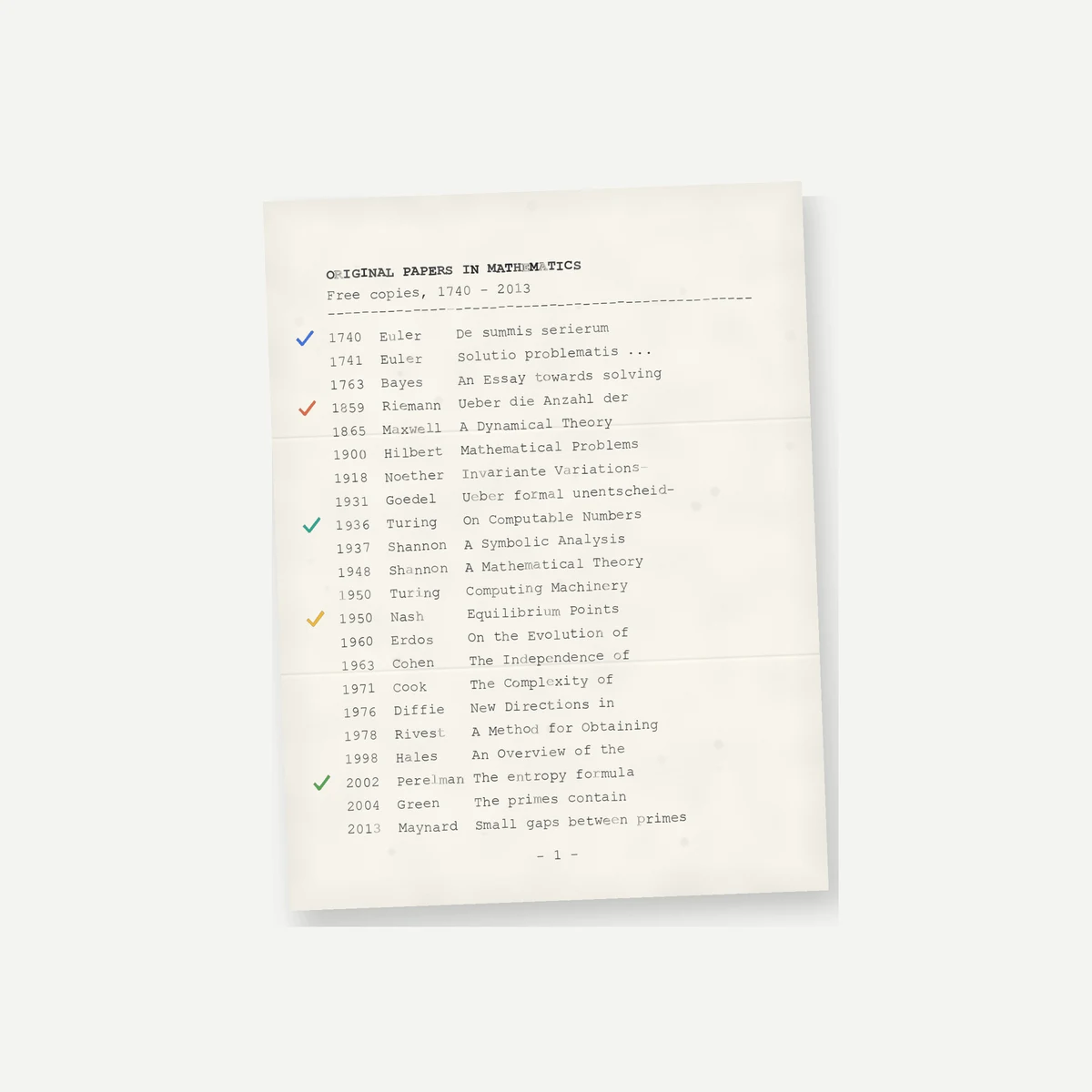
Oct 2026
From Euler to Perelman, 22 papers that changed mathematics, each with its journal, language, page count and a free link to the original.
Read
Sep 2026
From a student's clay tablet to the prize Perelman turned down, four thousand years of mathematics copied from hand to hand.
Read
Sep 2026
125 textbooks that mathematicians give away on their own pages, from high school algebra to graduate analysis, sorted by subject, level and format.
Read
Sep 2026
A reading order for anyone moving from computing answers to writing proofs, from the first textbook all the way to Gödel.
Read
Sep 2026
The largest circle that fits inside the right triangle with sides 3, 4 and 5 has a radius of exactly 1. There are three ways to see this, and the third one leads straight to the numbers 1, 2 and 3.
Read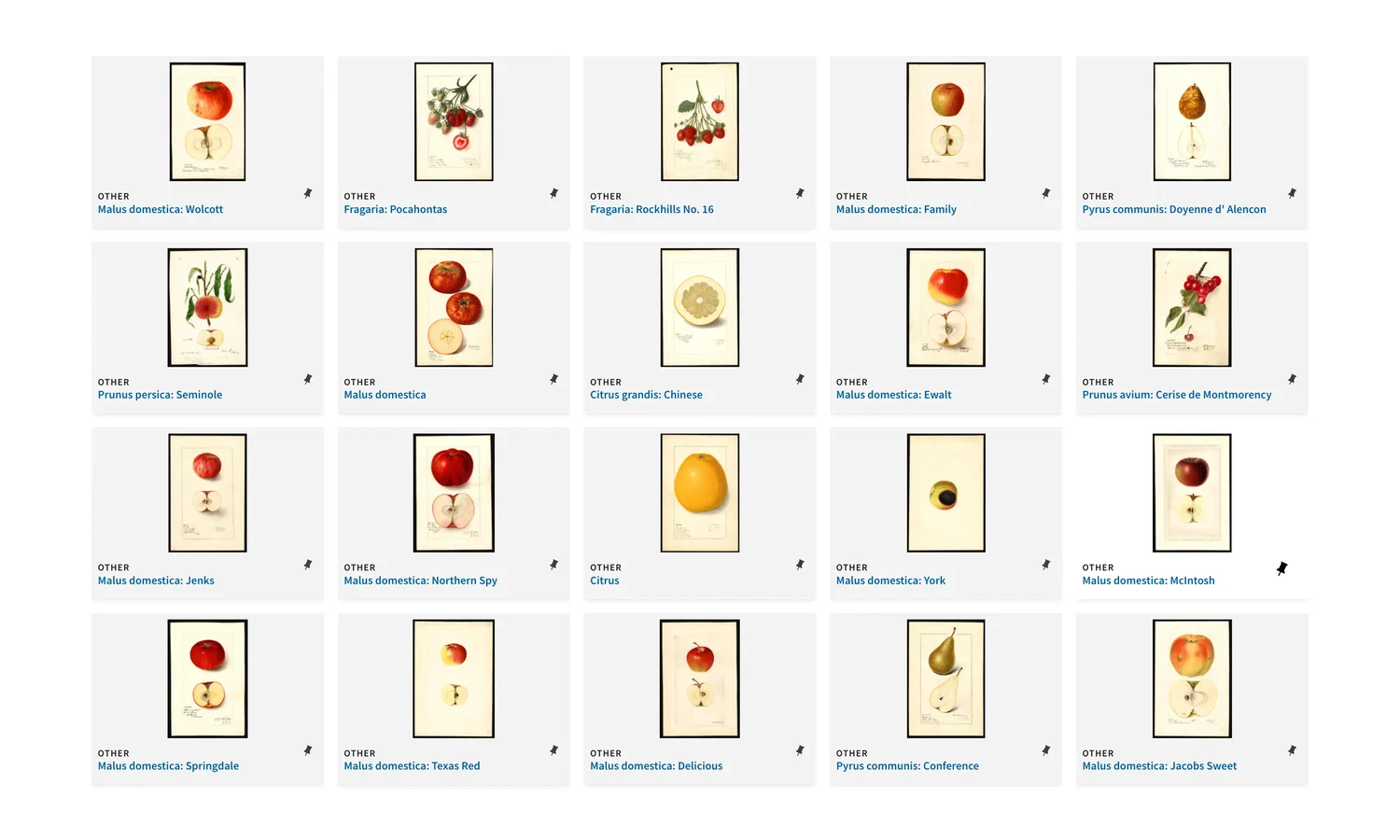
Sep 2026
In the years when photography could not hold a colour, the US Department of Agriculture hired painters to record the country's fruit, and fifty-six years later it was left with an archive of 7,497 pages.
Read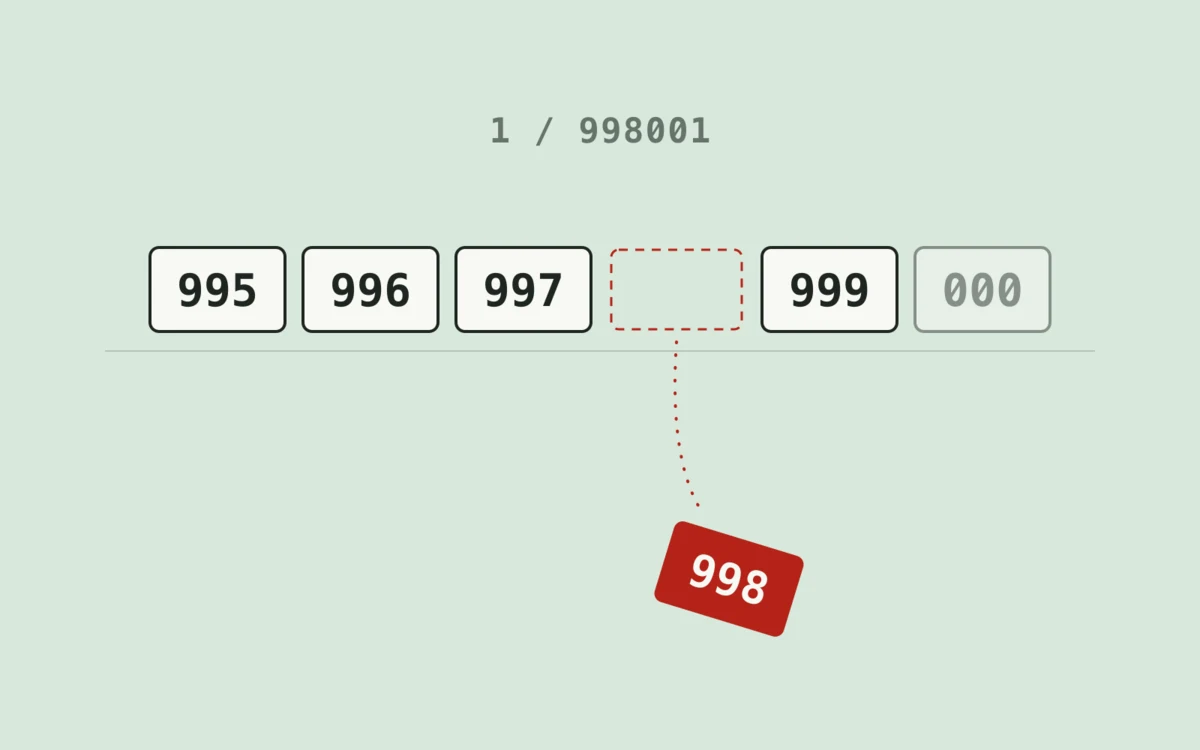
Sep 2026
Divide 1 by 998001 and every three-digit number from 000 to 999 falls out after the decimal point in order, all except one.
Read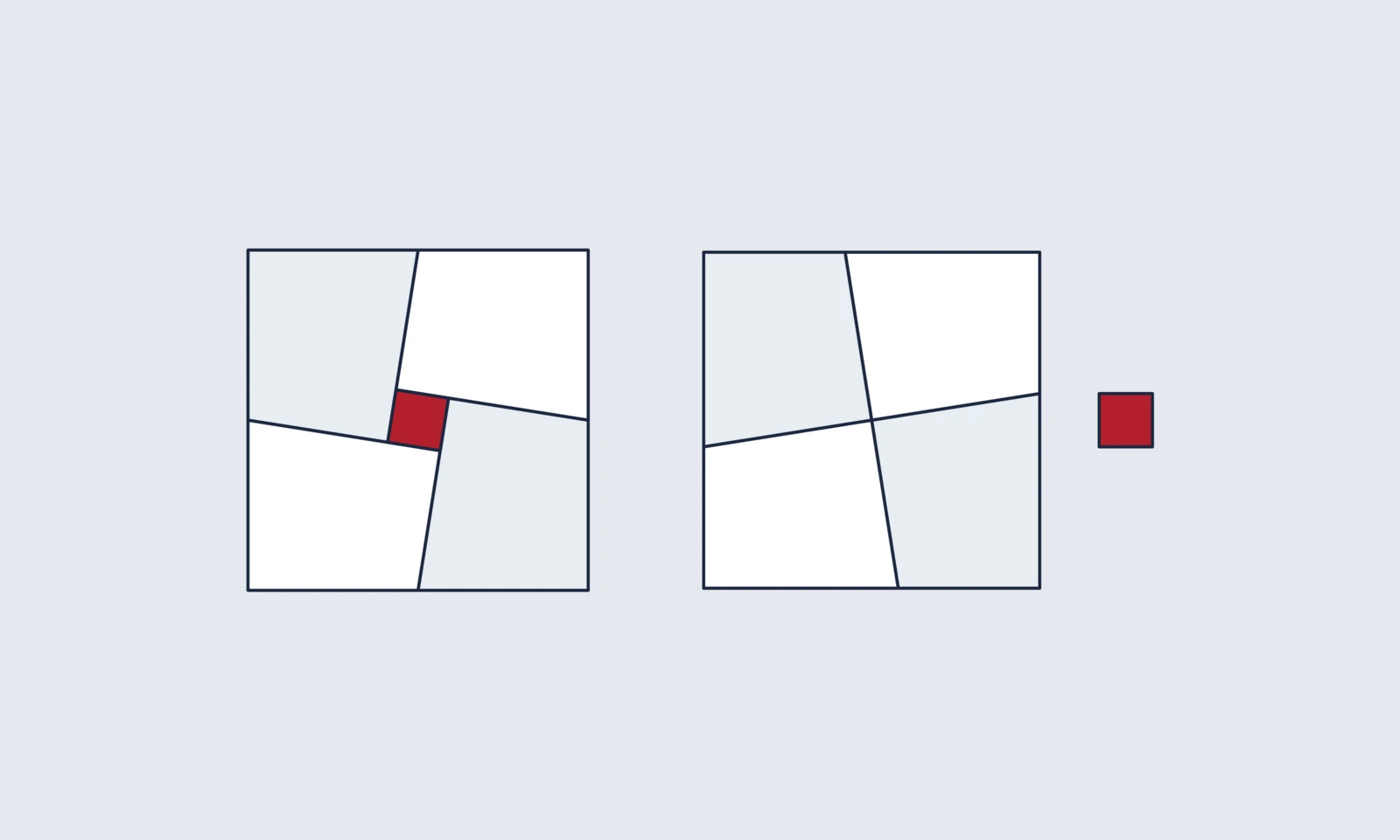
Sep 2026
Four pieces and a small square make a square. Turn the pieces and they make the same square without it. Nothing is stretched, and the gap is Pythagoras.
Read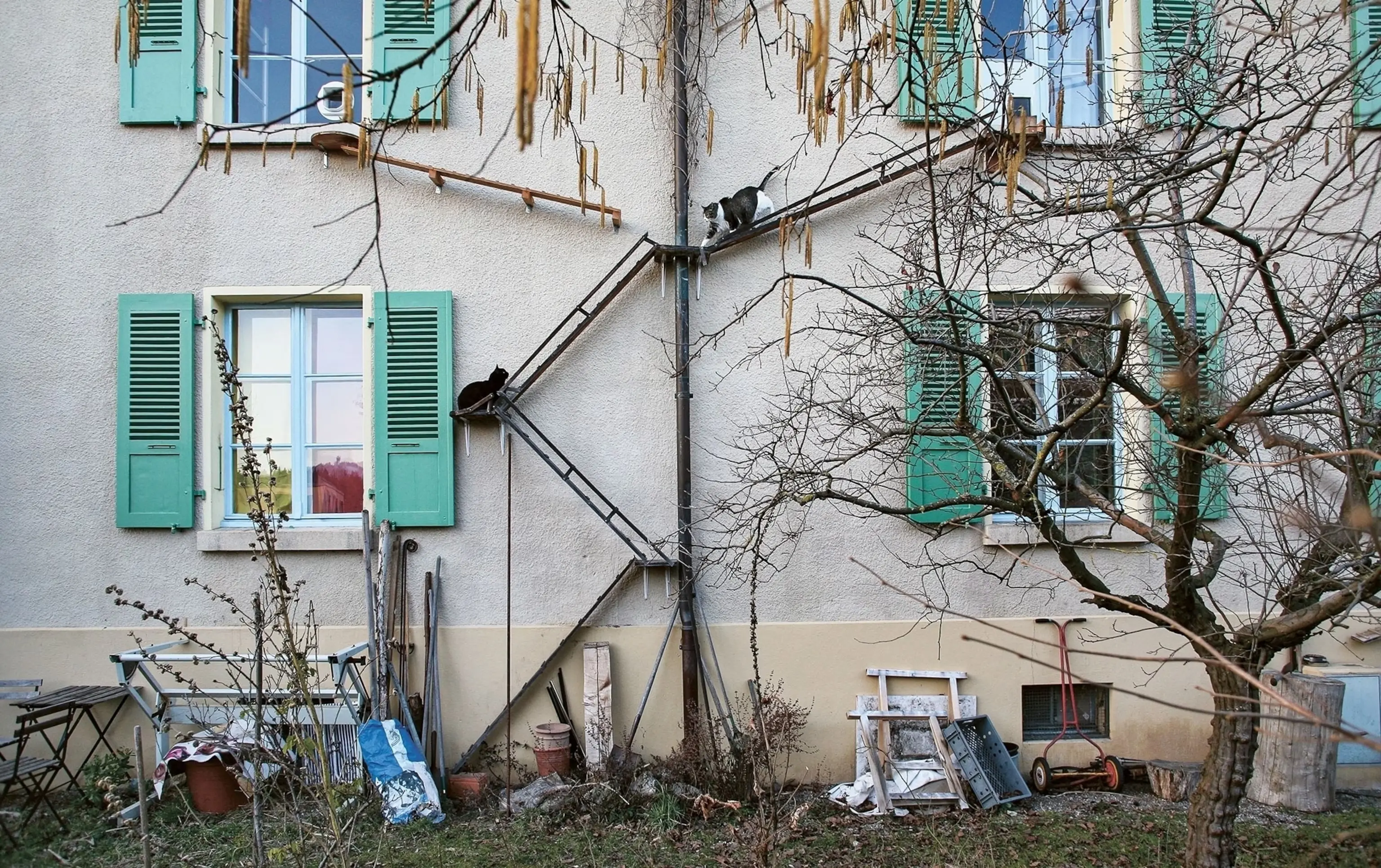
Sep 2026
In Bern people nail timber to their facades so the cat can reach the fourth floor. A designer photographed hundreds of them, and the zigzag costs no extra wood.
Read
Sep 2026
Roman law, an English court, the Turkish Civil Code and the Swedish constitution look at one branch crossing one fence and give four different answers.
Read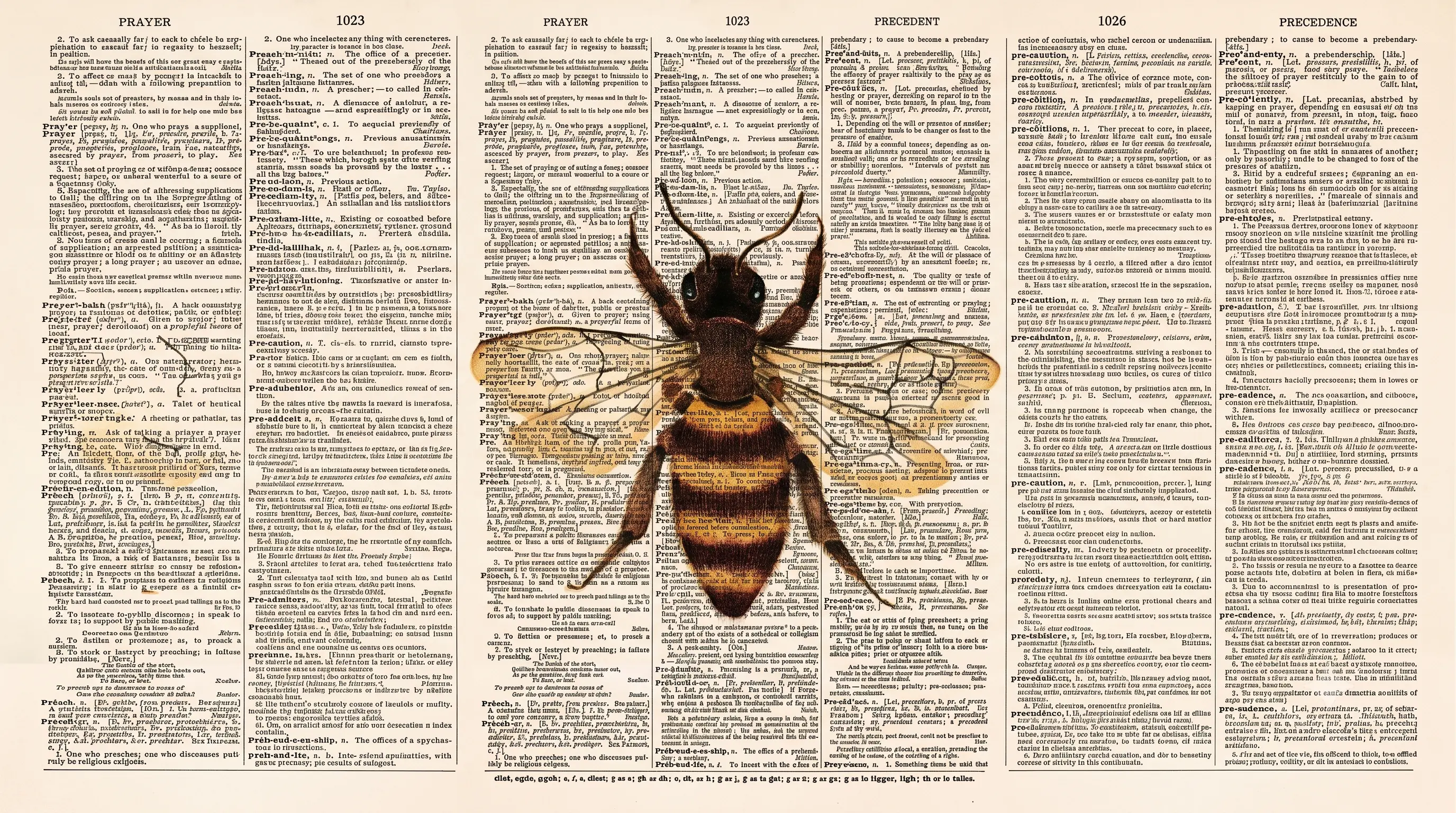
Aug 2026
Seventeen books about bees and beekeeping: swarm democracy, the waggle dance, honey-hunting history, and three novels — and what each one actually gives you.
Read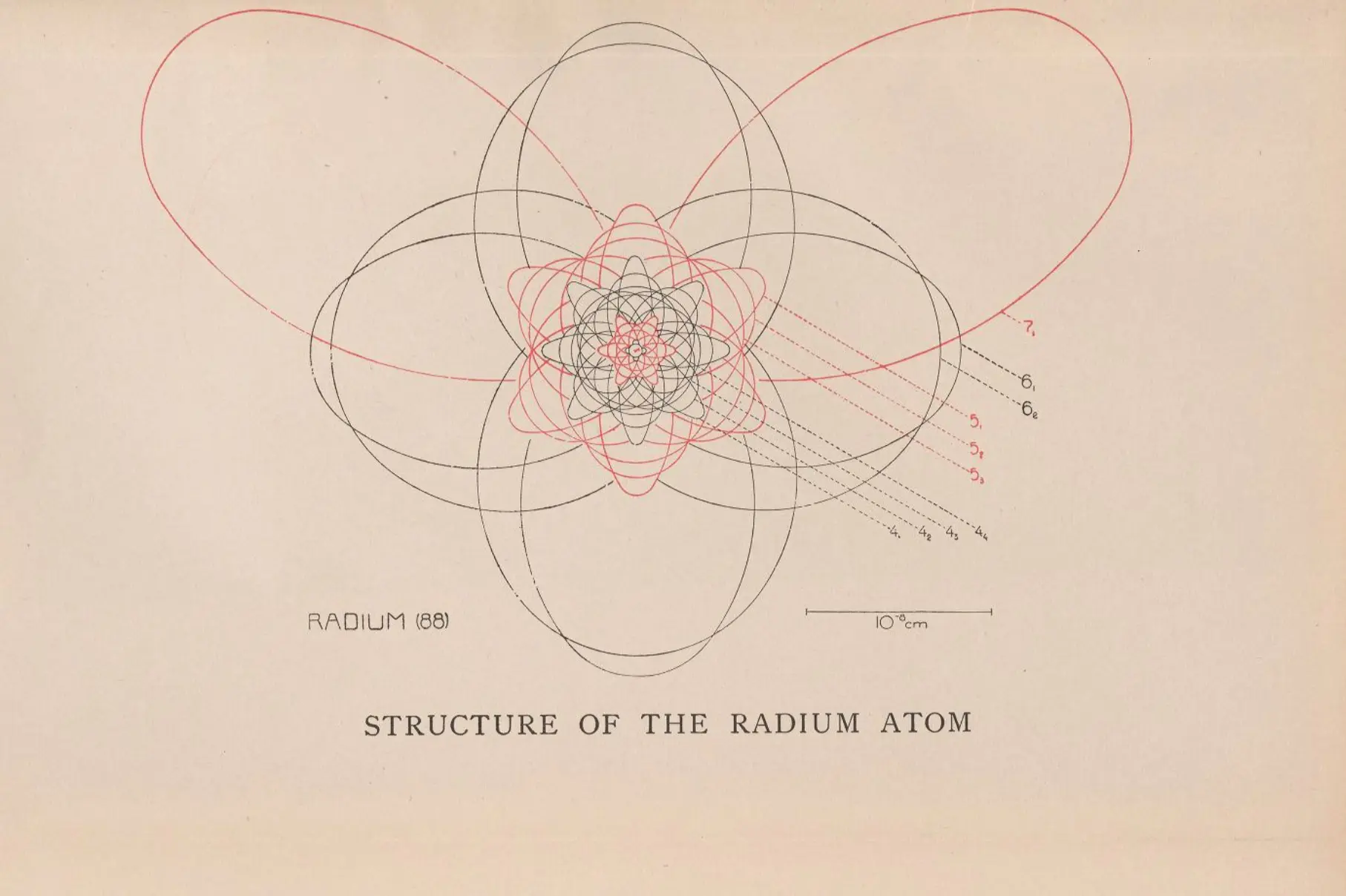
Aug 2026
For a century this red and black plate has circulated as Niels Bohr's own sketch. It is a folded insert at the back of a 1922 Copenhagen book, and nobody knows who drew it.
Read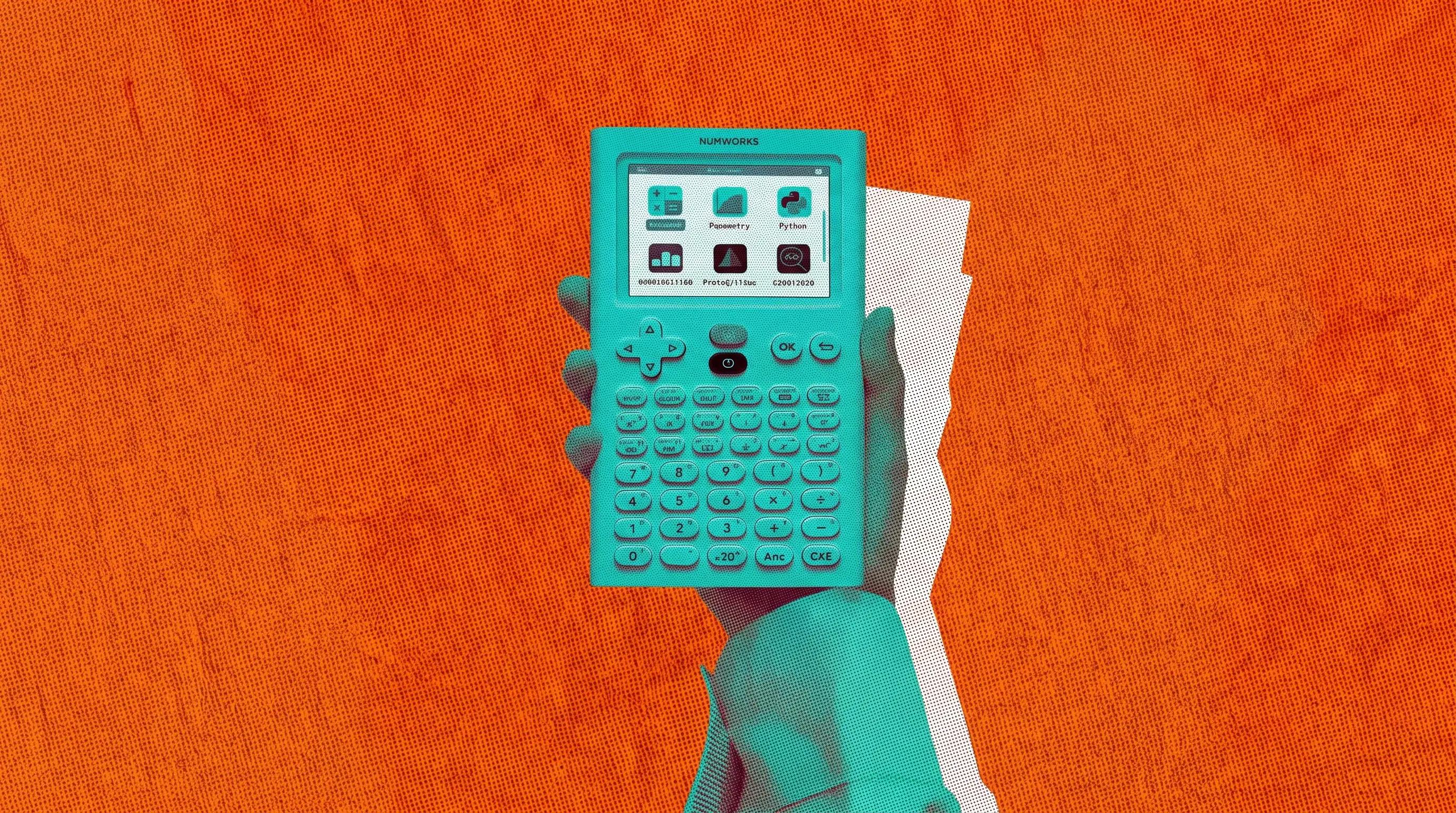
Aug 2026
When you are working through derivatives and integrals, the machine's job is not to hand you the answer. It is to let you see the thing you are thinking about.
Read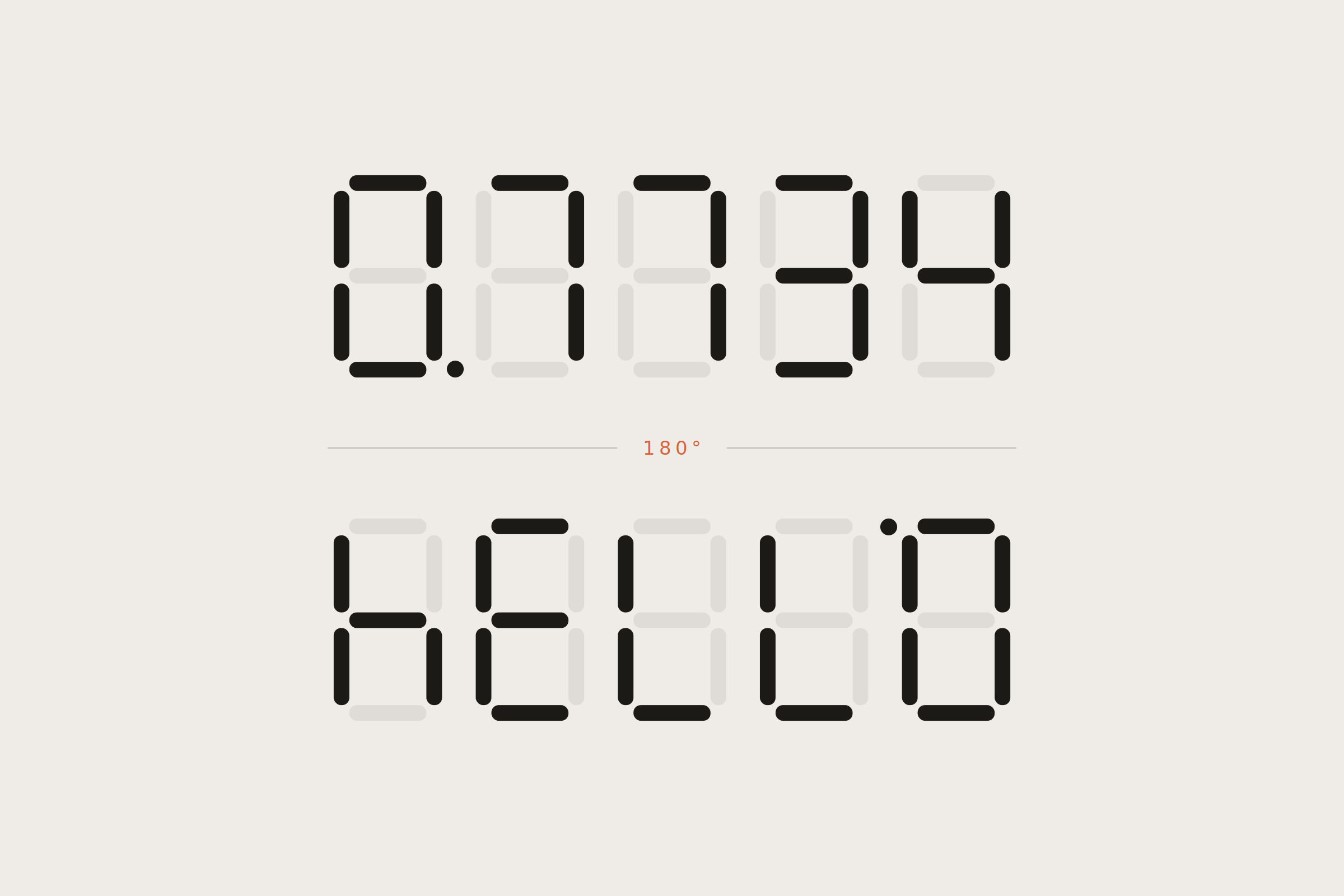
Aug 2026
Type 07734, turn the calculator upside down, and it says hello. Nobody designed this. It simply happened, and it has been played under school desks for fifty years.
Read
Aug 2026
A film that builds three hours of tension out of a physicist walking through rooms and arguing with people. What went on behind the screen is every bit as interesting as what ended up on it.
Read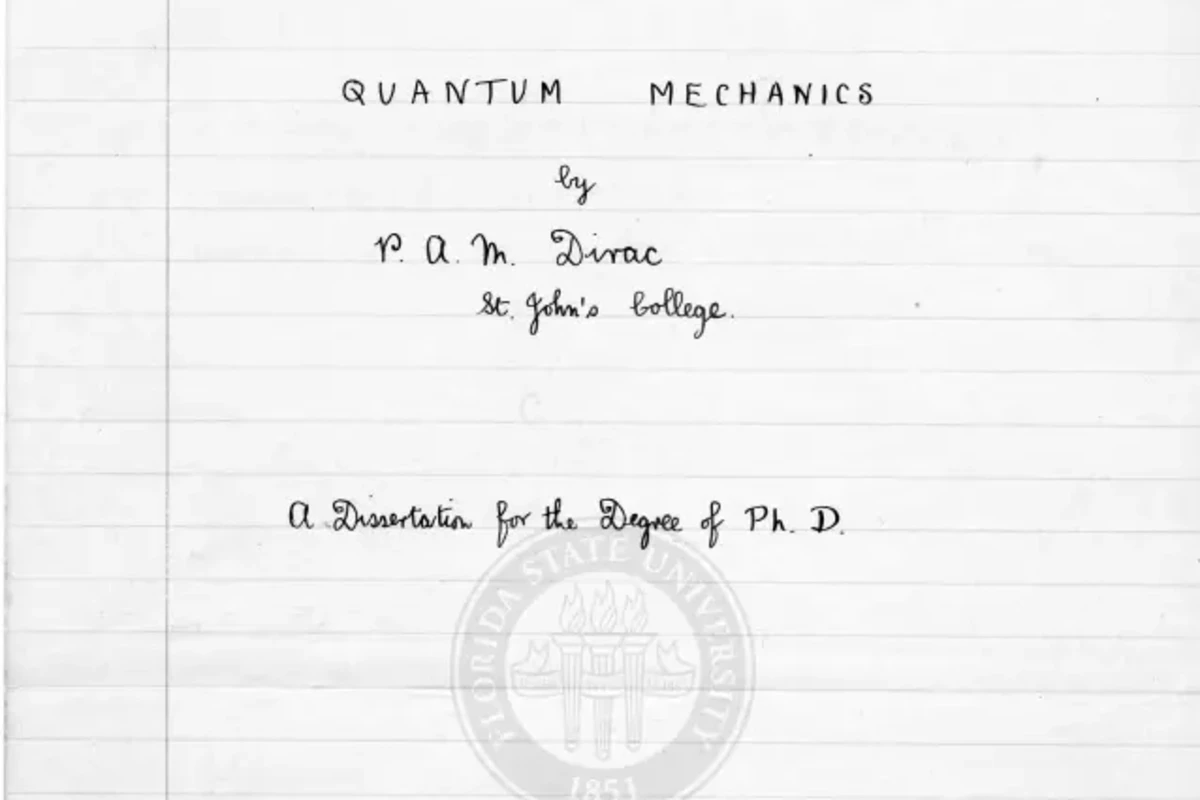
Aug 2026
The first doctoral thesis ever written on quantum mechanics is called nothing more than Quantum Mechanics, and all of it is in ink, in longhand, with the crossings-out left in.
Read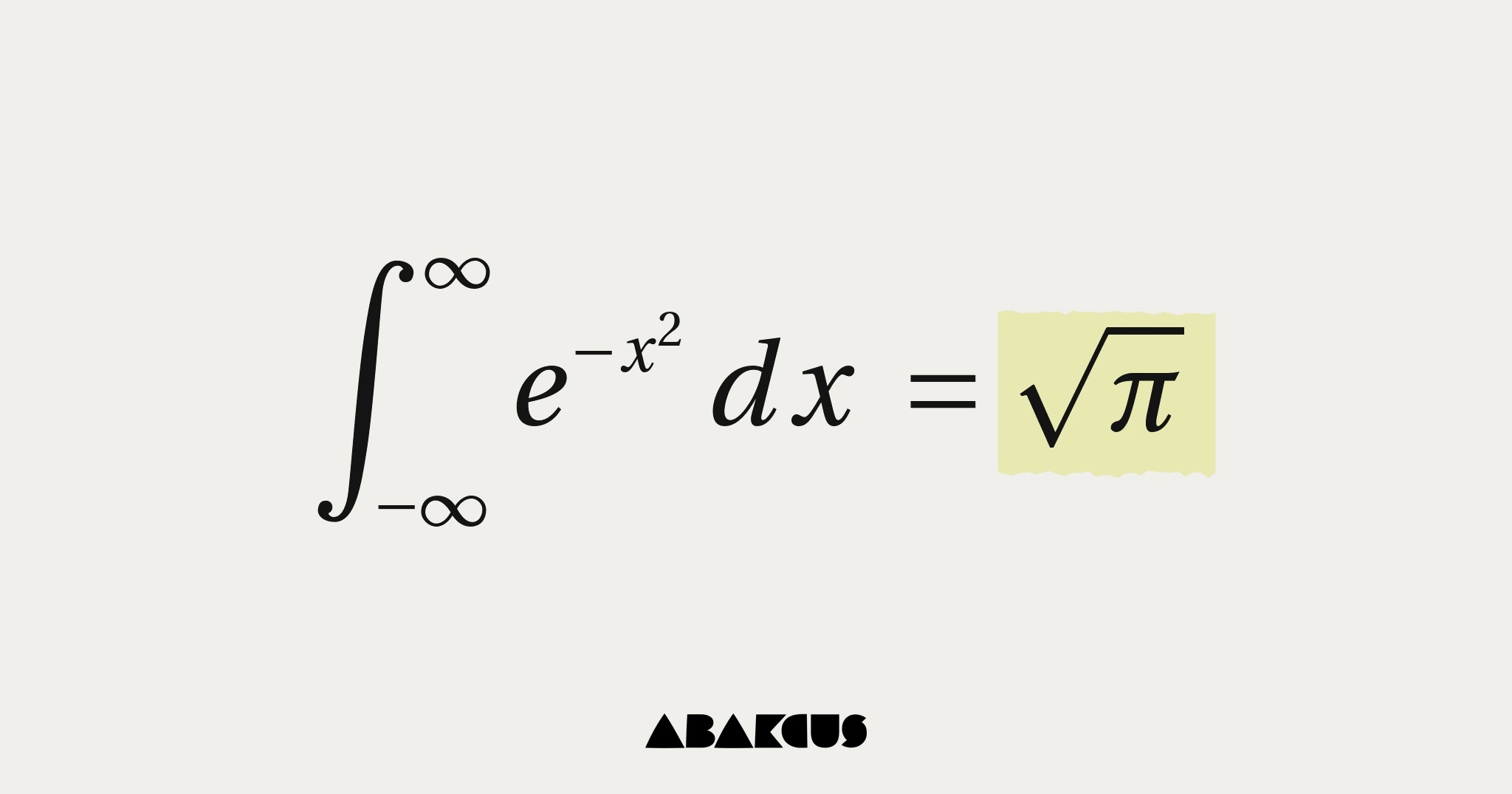
Aug 2026
There is no circle in e^(−x²), and no elementary antiderivative either. Square the integral, move to the plane, switch to polar coordinates — and π walks out in four lines.
Read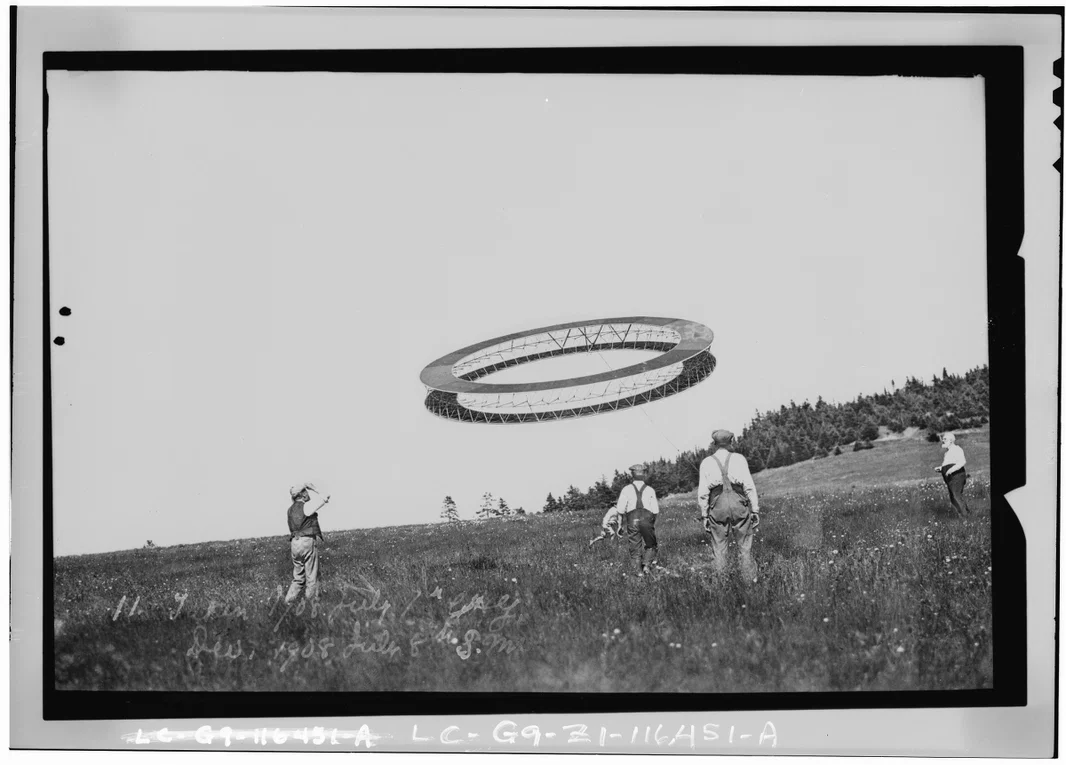
Jul 2026
After the telephone, Bell spent years on a Nova Scotia hilltop sending red-silk pyramids into the sky. He stopped enlarging the kite and started copying it — and flew a Sierpiński tetrahedron decades before mathematics named it.
Read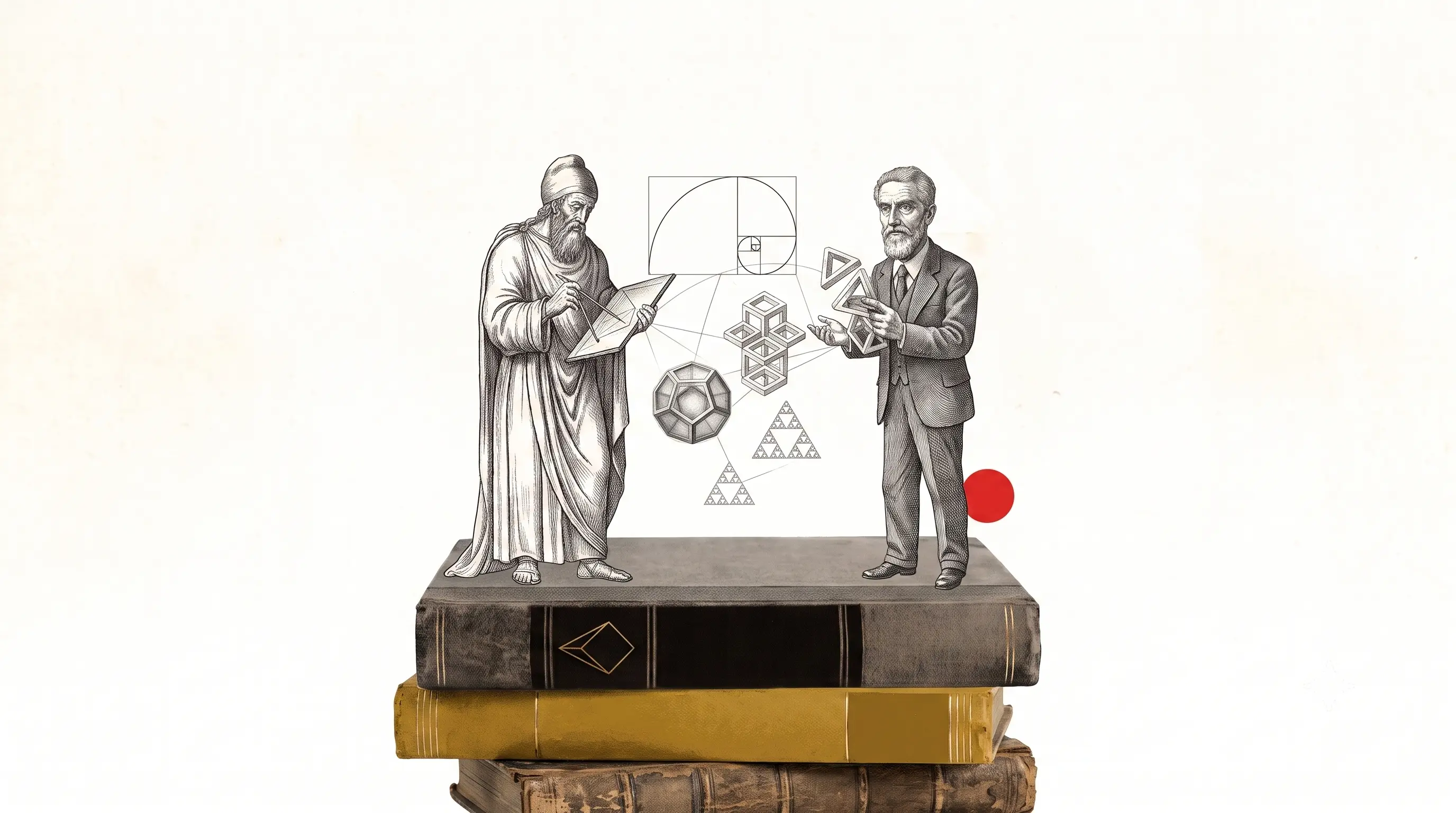
Jul 2026
The beautiful, the rigorous, and the hard to find — six shelves running from Byrne's colored Euclid to the geometry of pasta, and the thesis that mathematicians and designers love the same books.
Read
Jul 2026
Nobody loves music because it is useful. Nobody plays football because sport is good for you. A manifesto on why mathematics is good for nothing — and, for that very reason, good for everything.
Read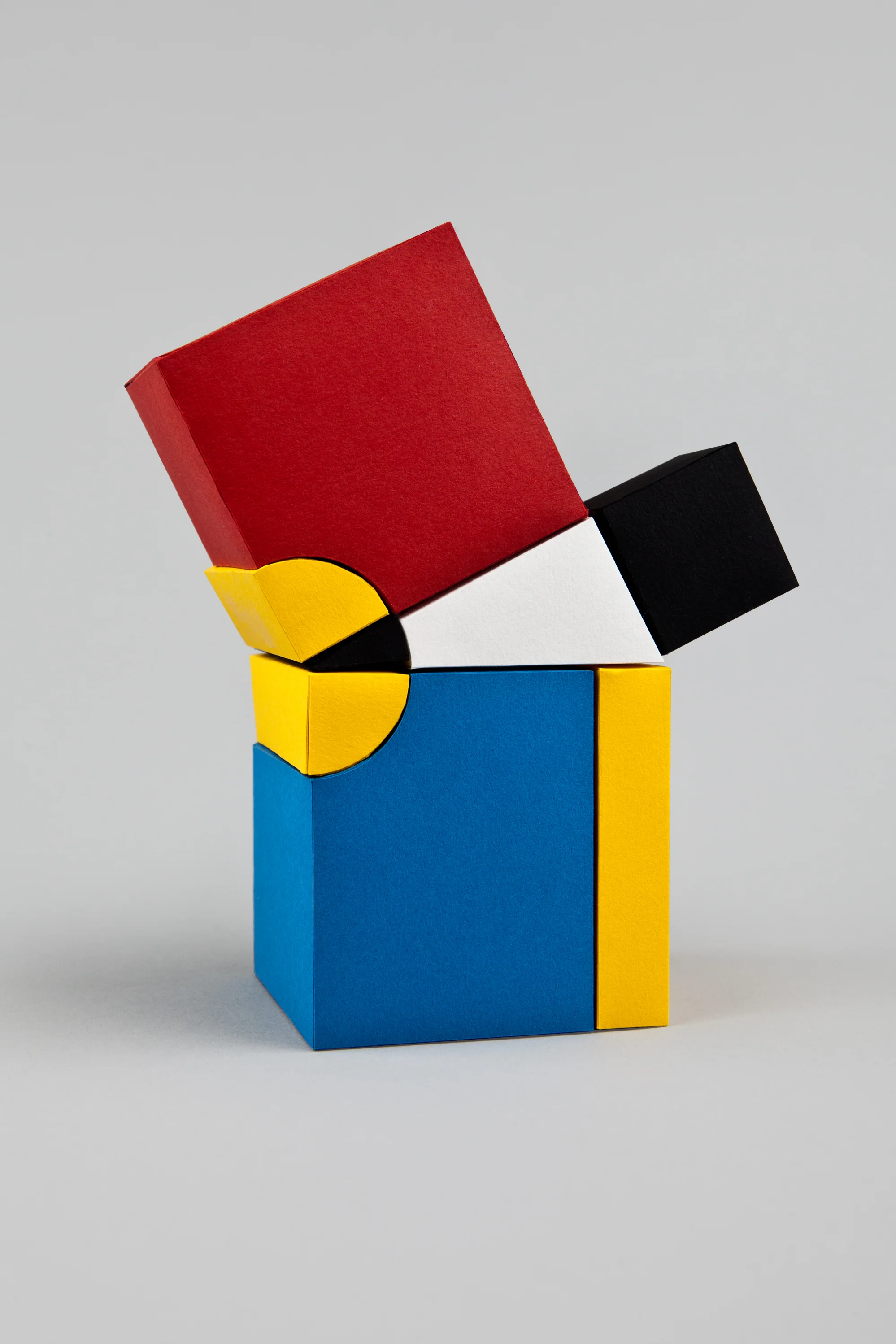
Jul 2026
In 1847 Oliver Byrne turned Euclid’s proofs into coloured figures. A hundred and sixty-five years later, paper engineer Helen Friel lifted those same figures off the page and folded them into three dimensions.
Read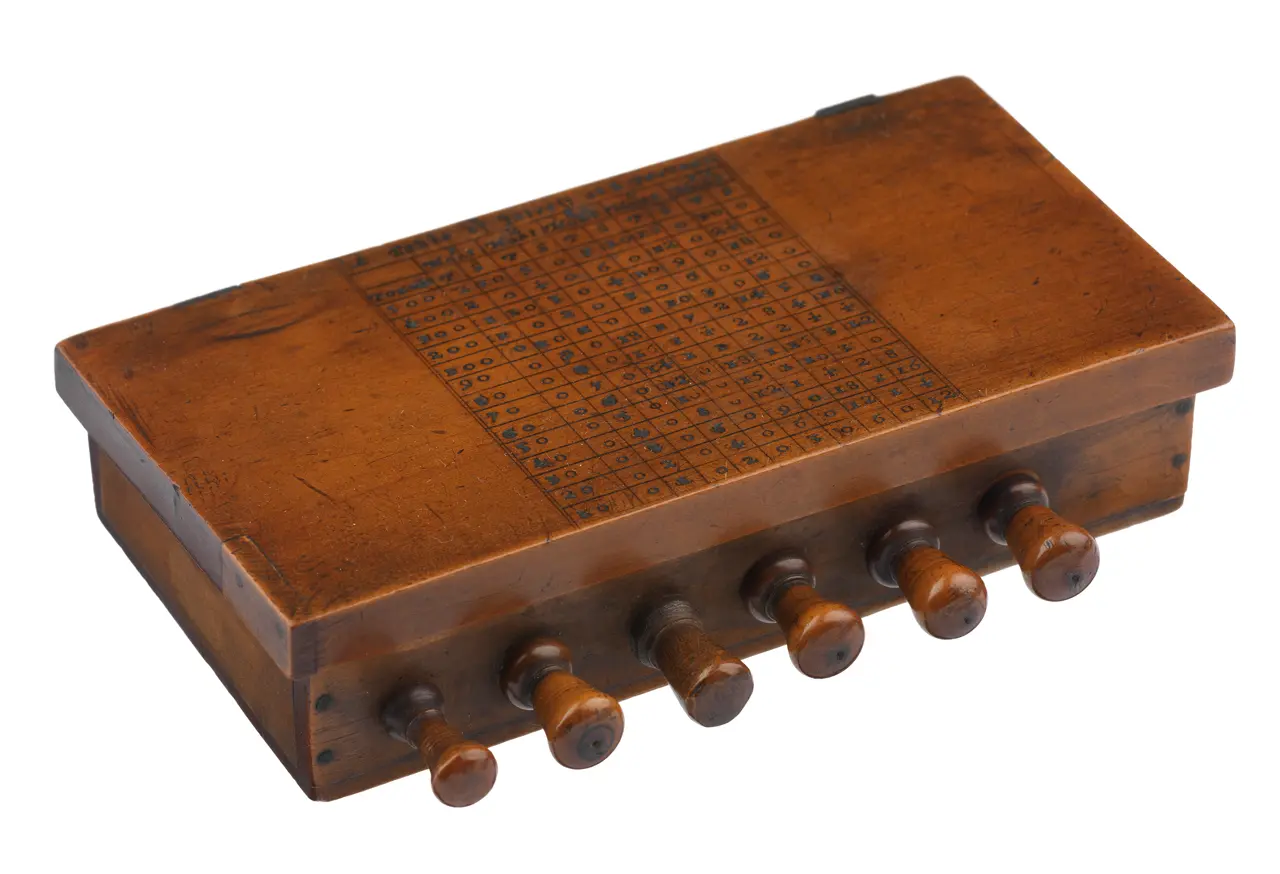
Jul 2026
In 1617, a dying Scottish laird described a handful of ivory rods in his final book. Those rods became the pocket calculator Europe carried for the next two centuries.
Read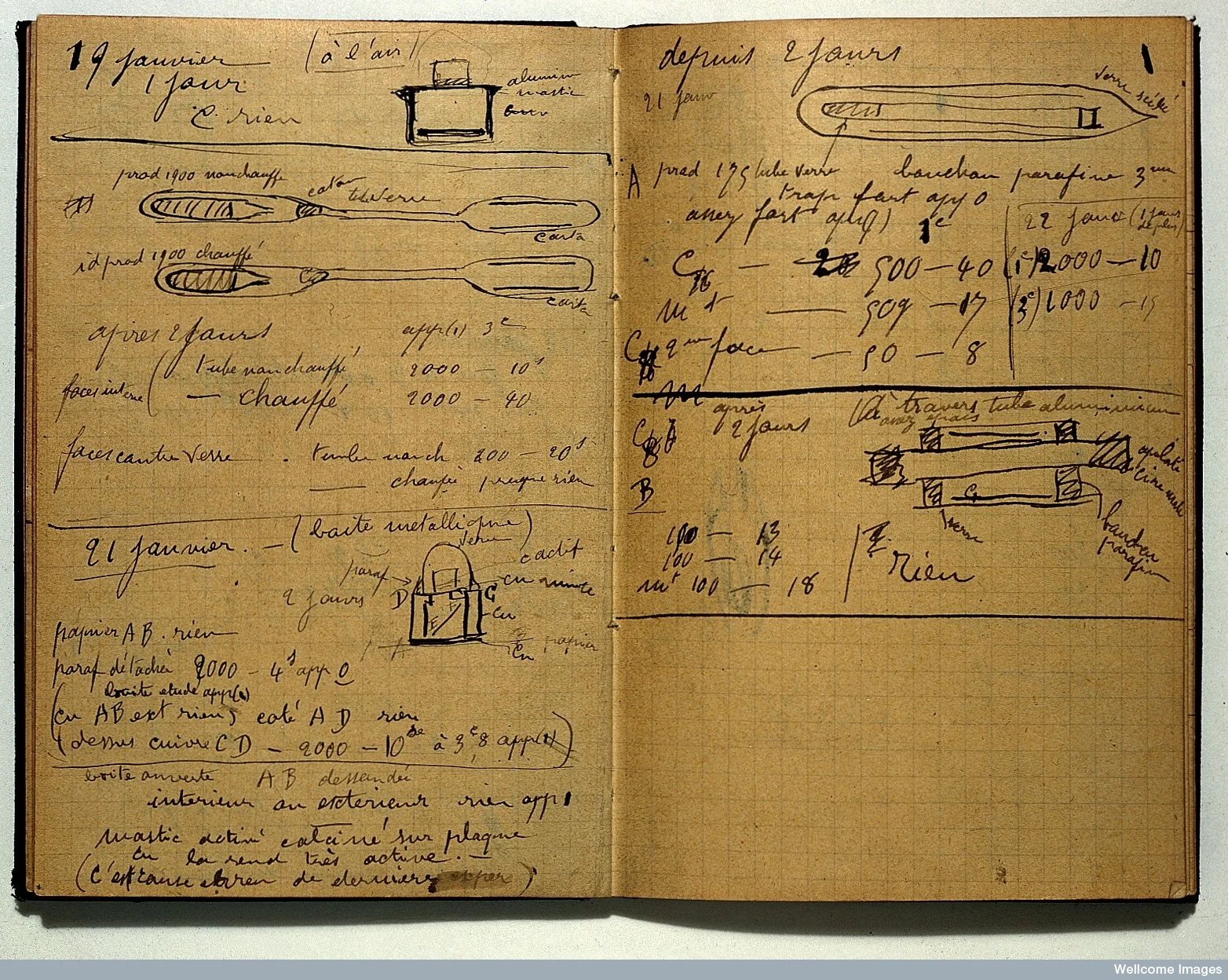
Jul 2026
Marie Curie's laboratory notebooks are still radioactive a hundred and thirty years later. The National Library of France keeps them in lead-lined boxes. To turn the pages, you sign a waiver first.
Read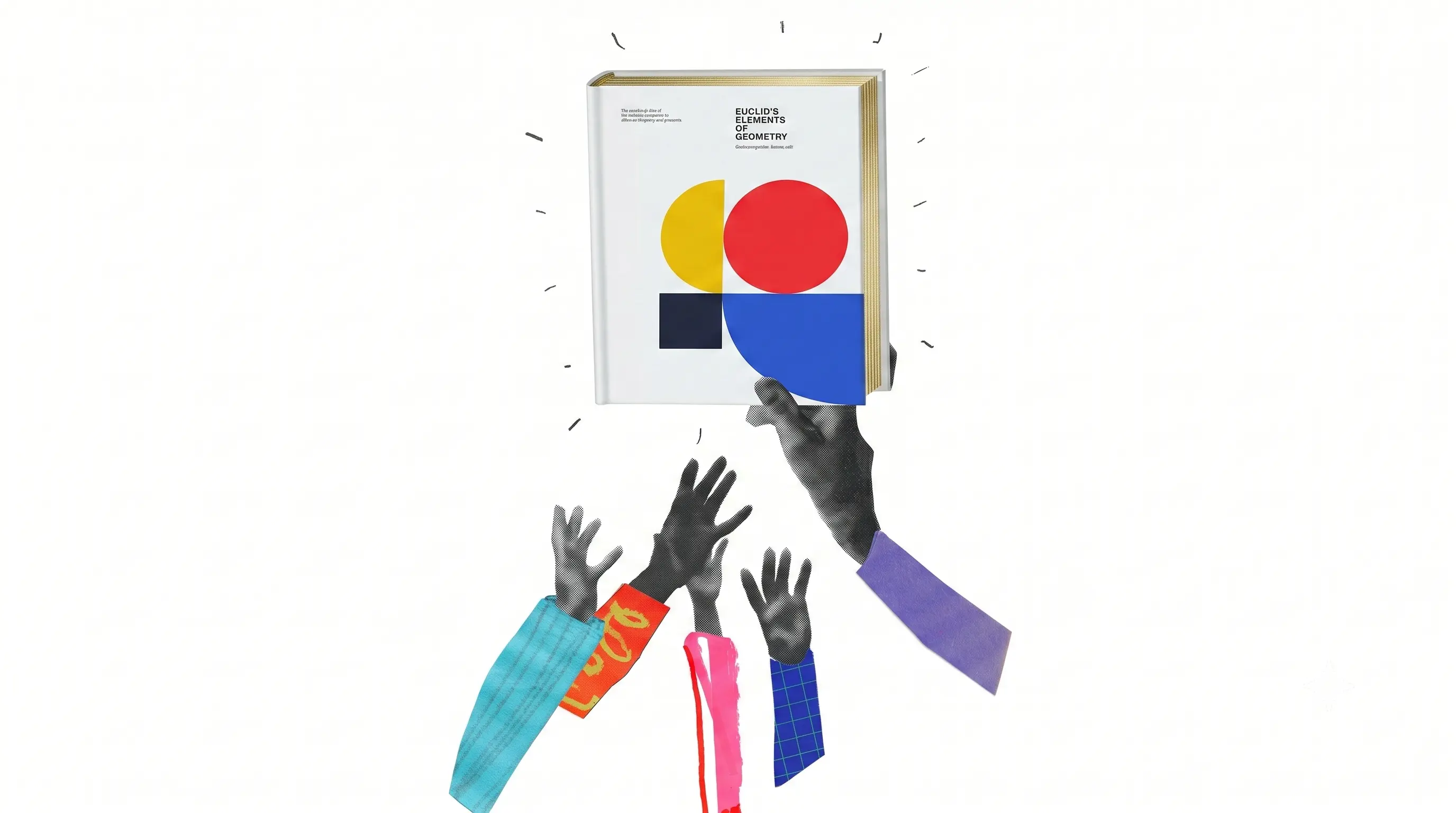
Jul 2026
A small publisher in Barcelona turns the most important texts in the history of science — Newton, Euclid, Gauss, Turing — into design objects.
Read
Jul 2026
What does the author of the world's best-selling calculus textbook do with the money? He builds a five-storey concert hall into the slope of a Toronto ravine, with door handles cast in the shape of the integral sign, and lives inside it.
Read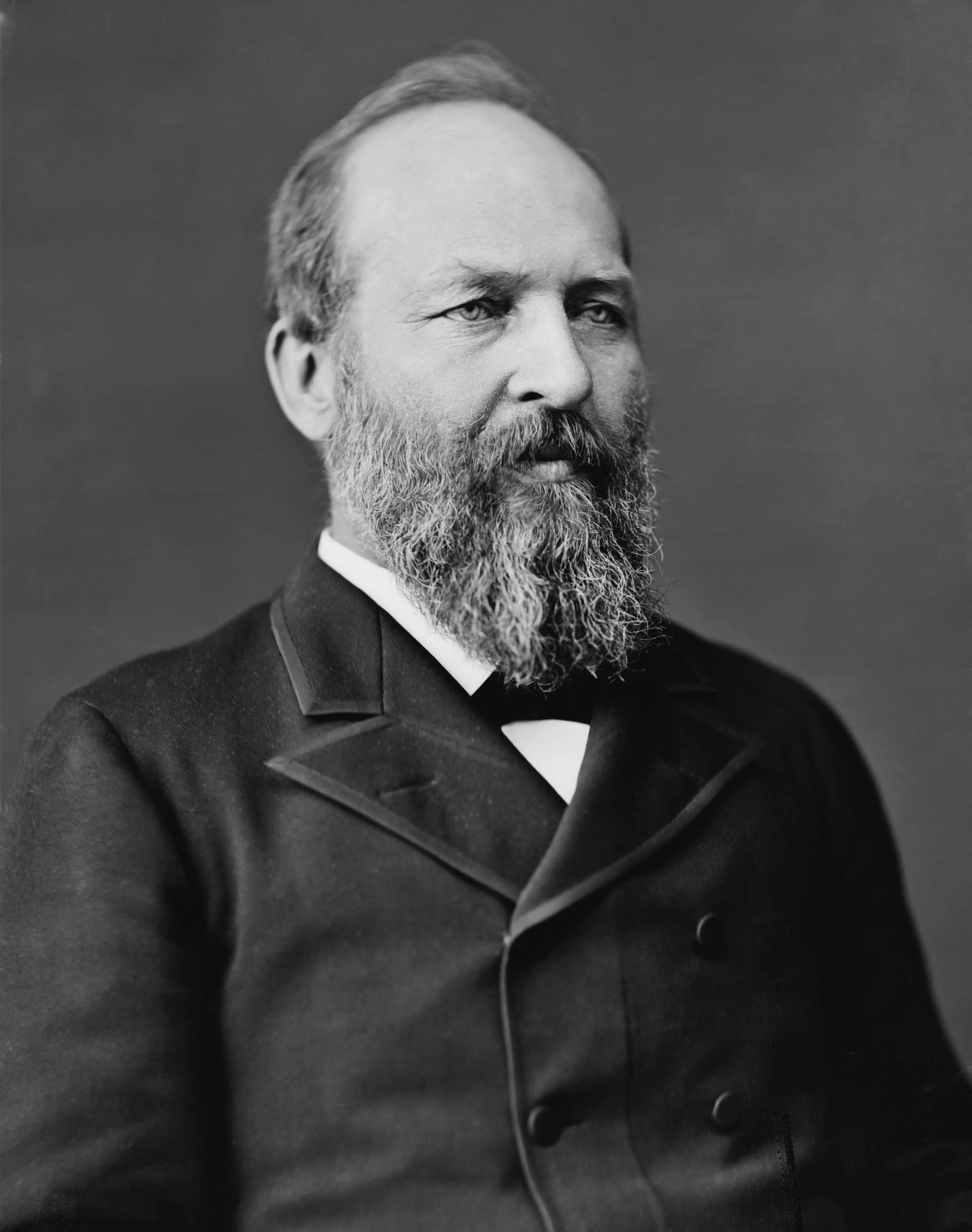
Jul 2026
In 1876, a congressman from Ohio proved a 2,400-year-old theorem in a hallway of the Capitol using nothing but a trapezoid. Five years later he was president.
Read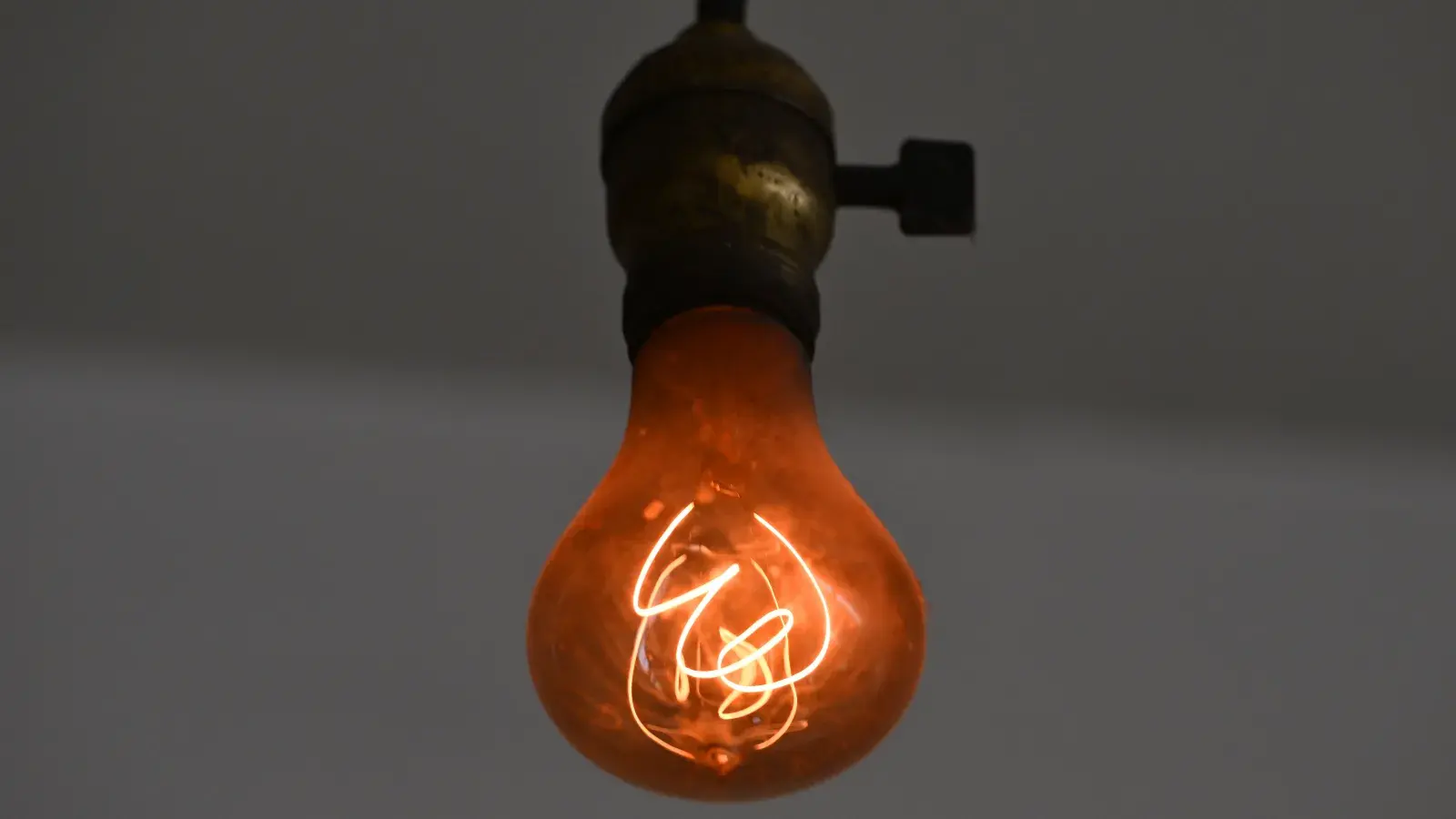
Jul 2026
A hand-blown carbon-filament bulb in a Livermore fire station has burned for over 1,090,000 hours since June 1901 — while the industry around it later learned to make bulbs die in 1,000.
Read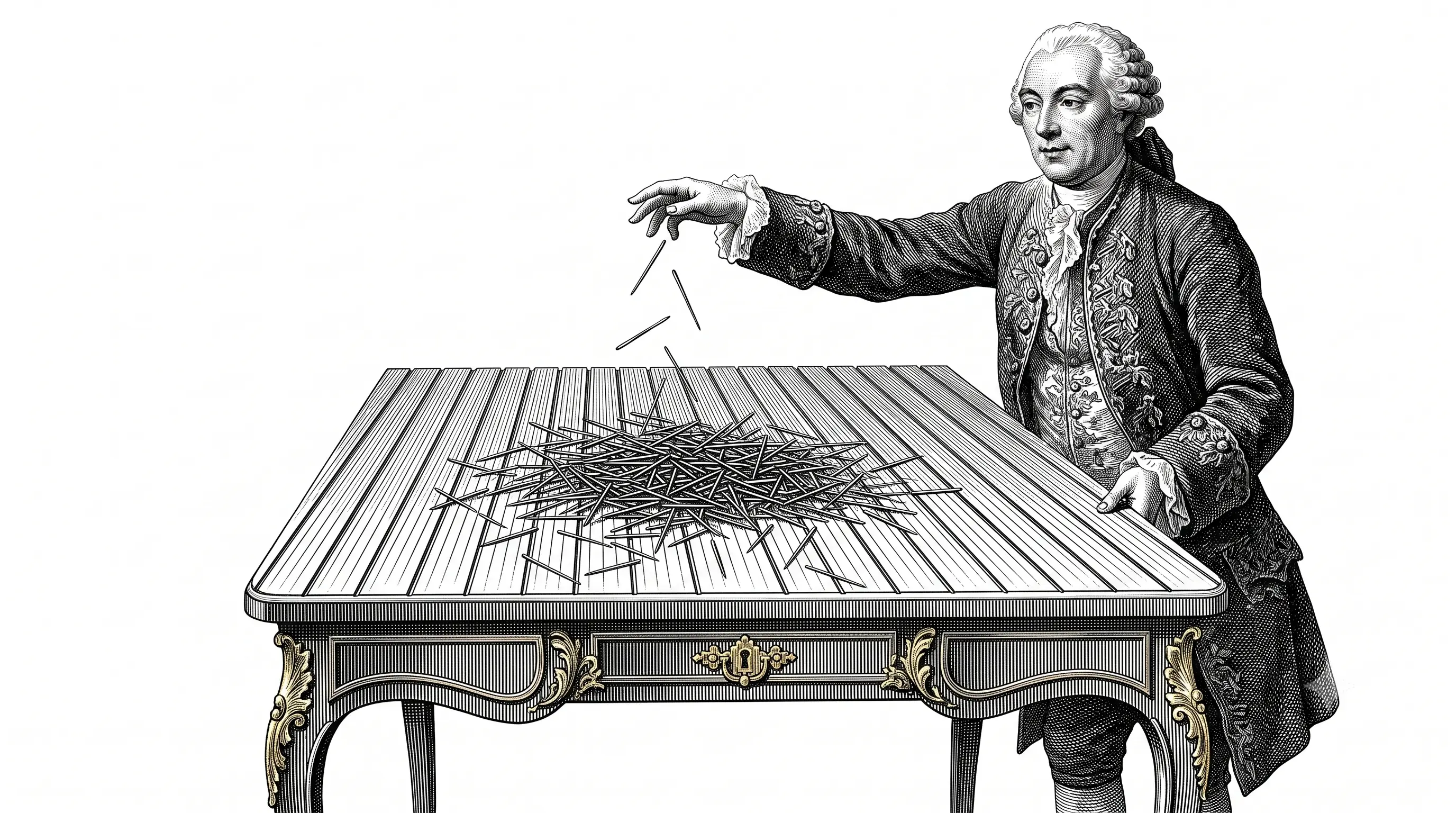
Jul 2026
In 1733, a French naturalist showed that dropping a needle on a ruled floor produces π — exactly, without a circle in sight.
Read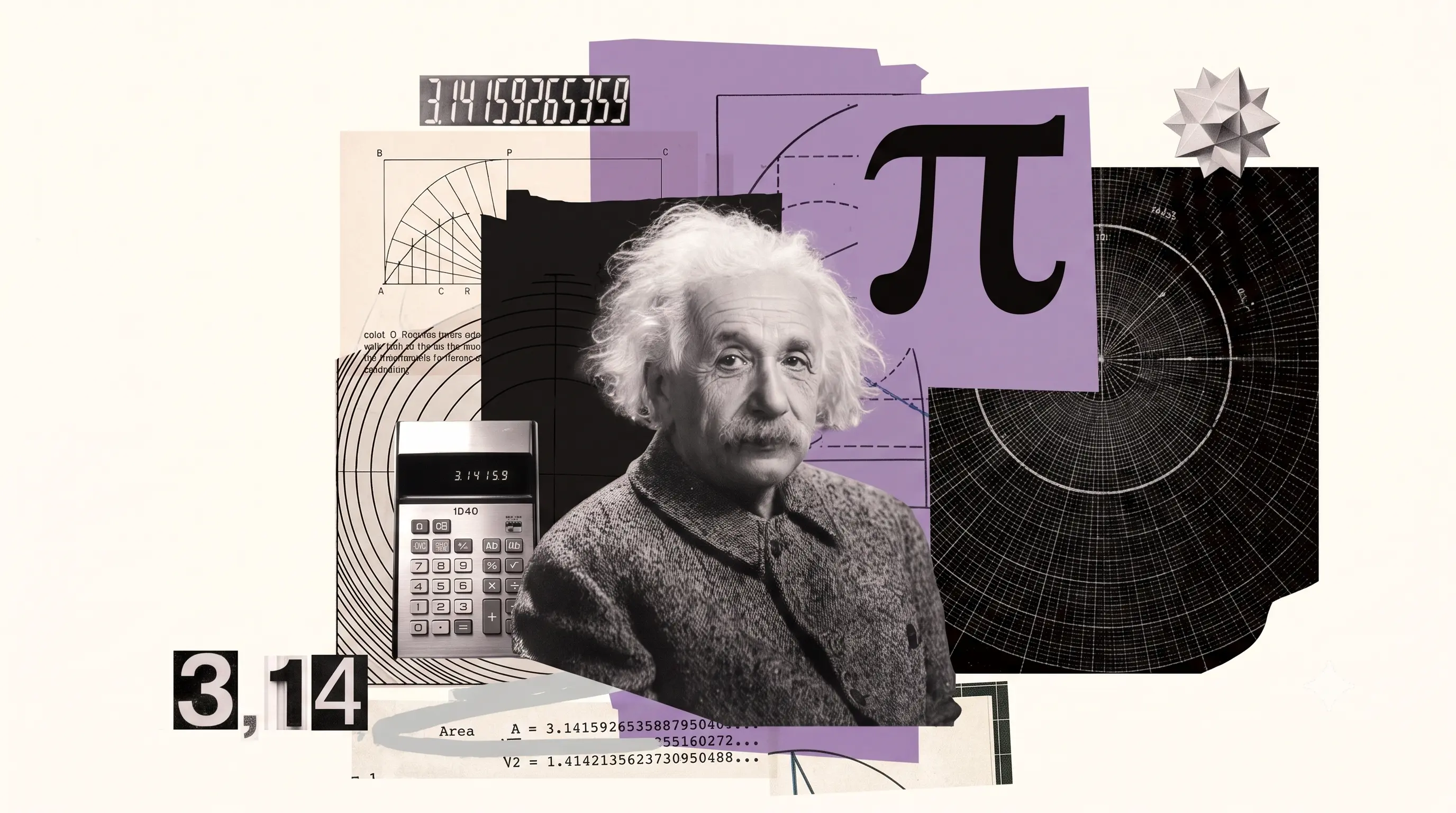
Jul 2026
From Pythagoras to chaos theory — the seventeen short lines holding up the skeleton of civilization, and where each one still lives in everyday life.
Read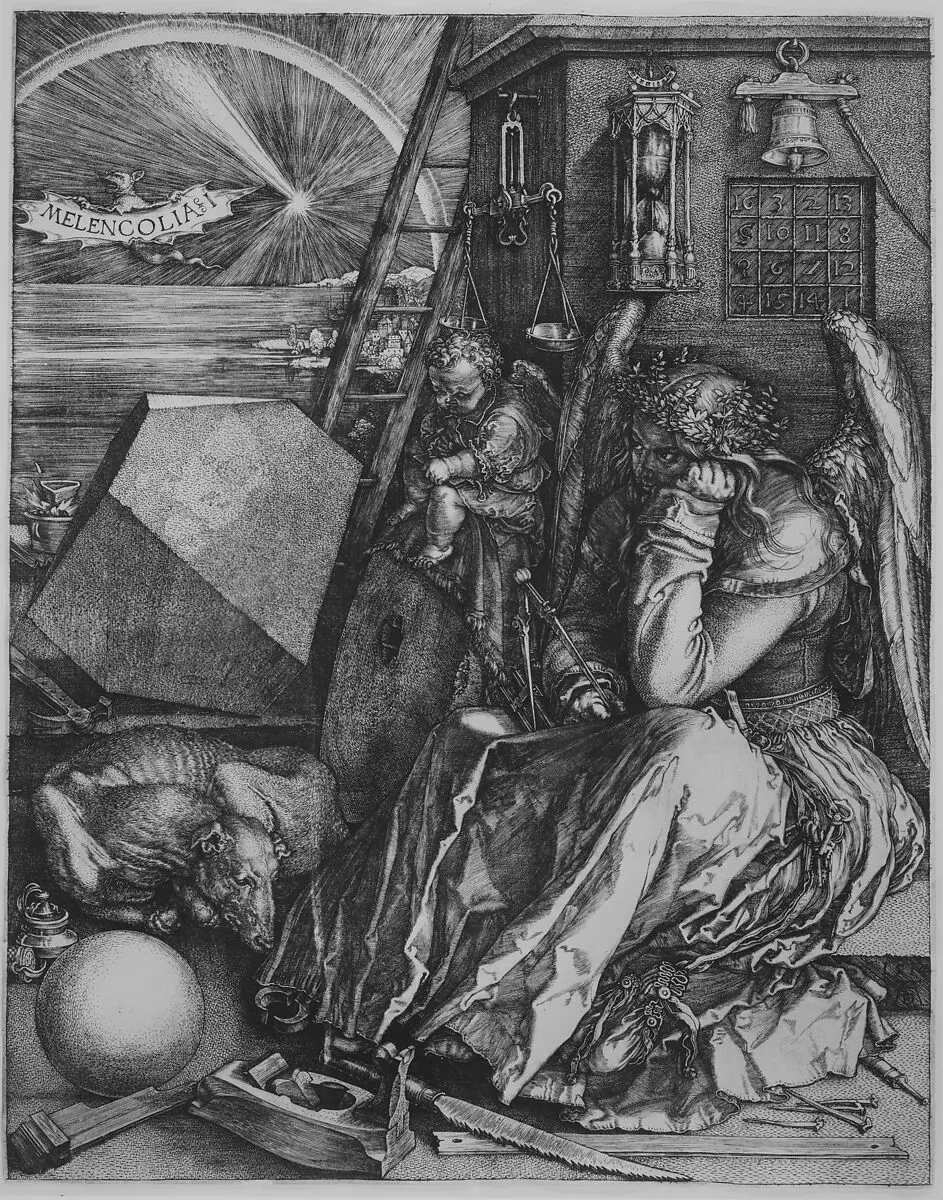
Jul 2026
In 1514, as Albrecht Dürer painted a portrait of sorrow, he pinned a talisman into its corner. That talisman is one of the most brilliant magic squares in all of European art.
Read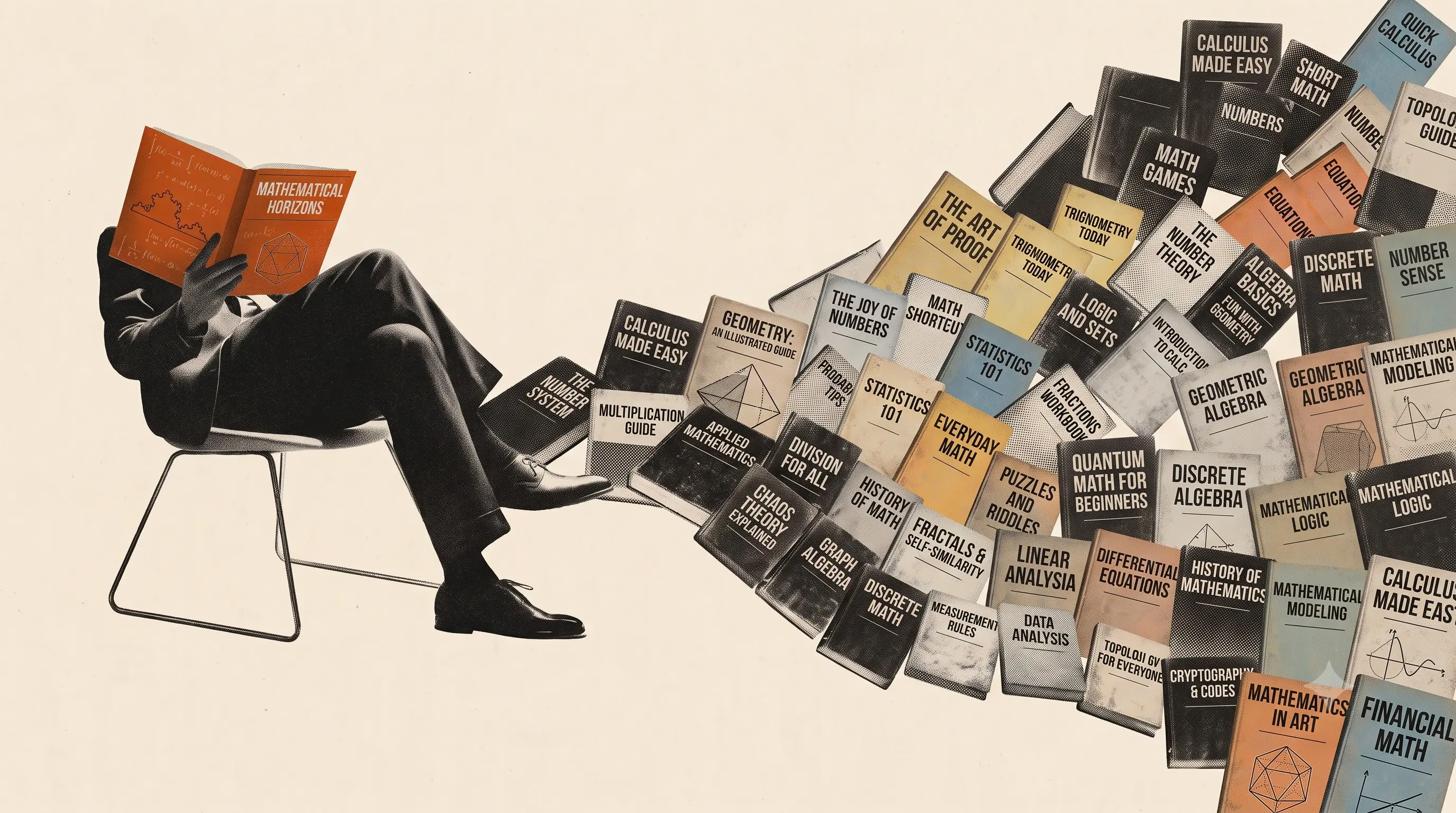
Jul 2026
Every one of them under 200 pages — classics, modern picks, novels, and a three-book starting route for beginners.
Read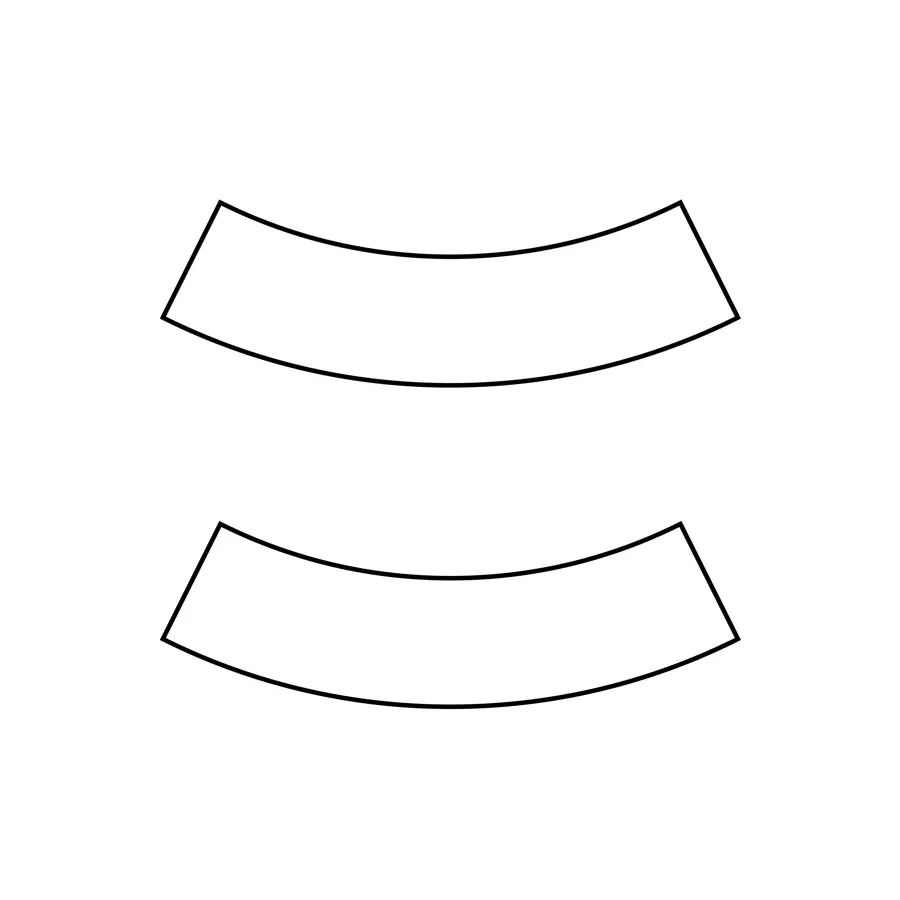
Jul 2026
Cut two arcs from one template. Stack them. The lower one swells — yet a ruler says they are equal to the millimeter. Joseph Jastrow, 1892.
Read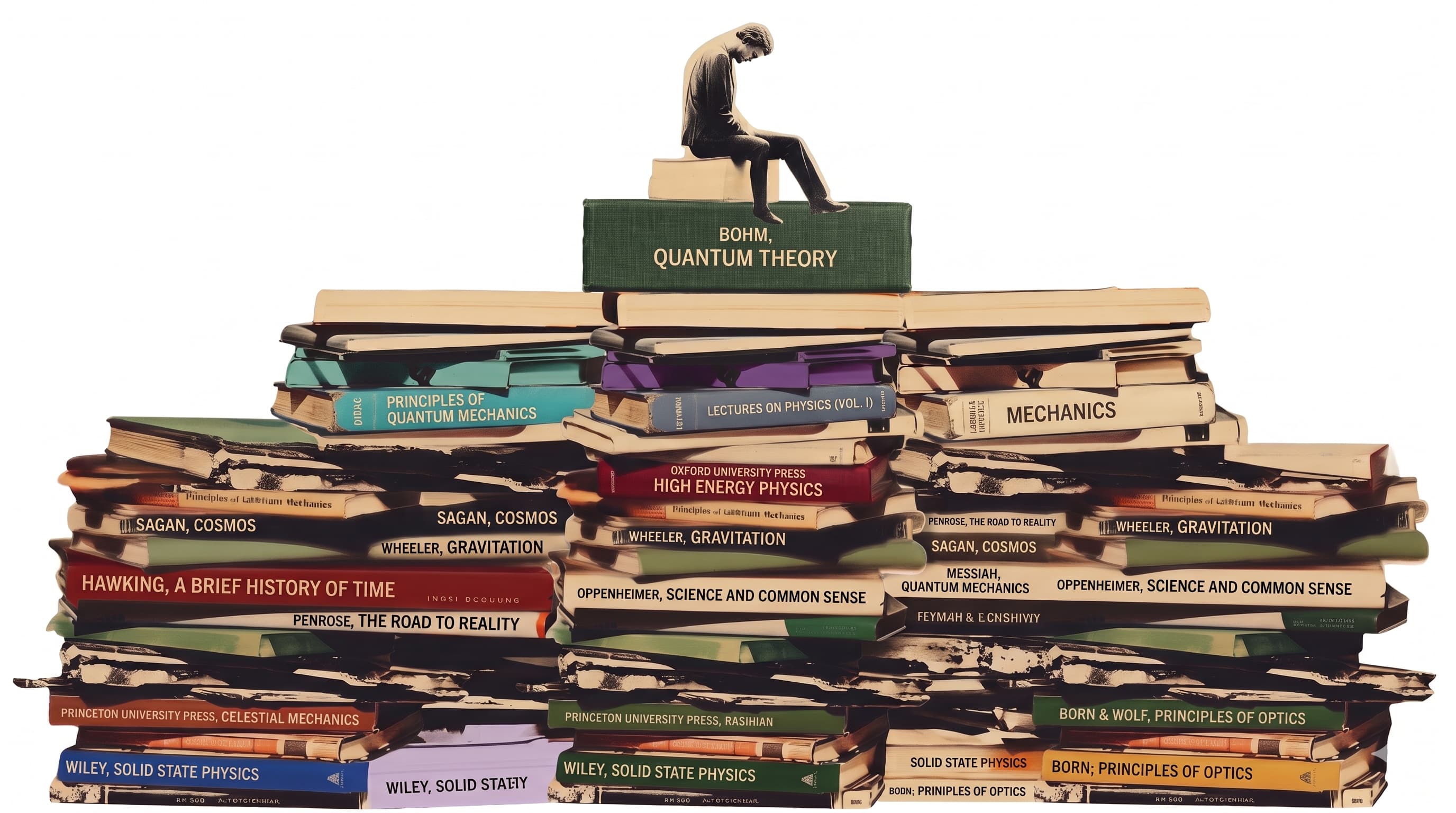
Jun 2026
A four-year undergraduate physics reading list — the books a Harvard physics student actually used, from Feynman and Kleppner to Jackson, Sakurai, and Ashcroft & Mermin, with a note on why each earned its place.
Read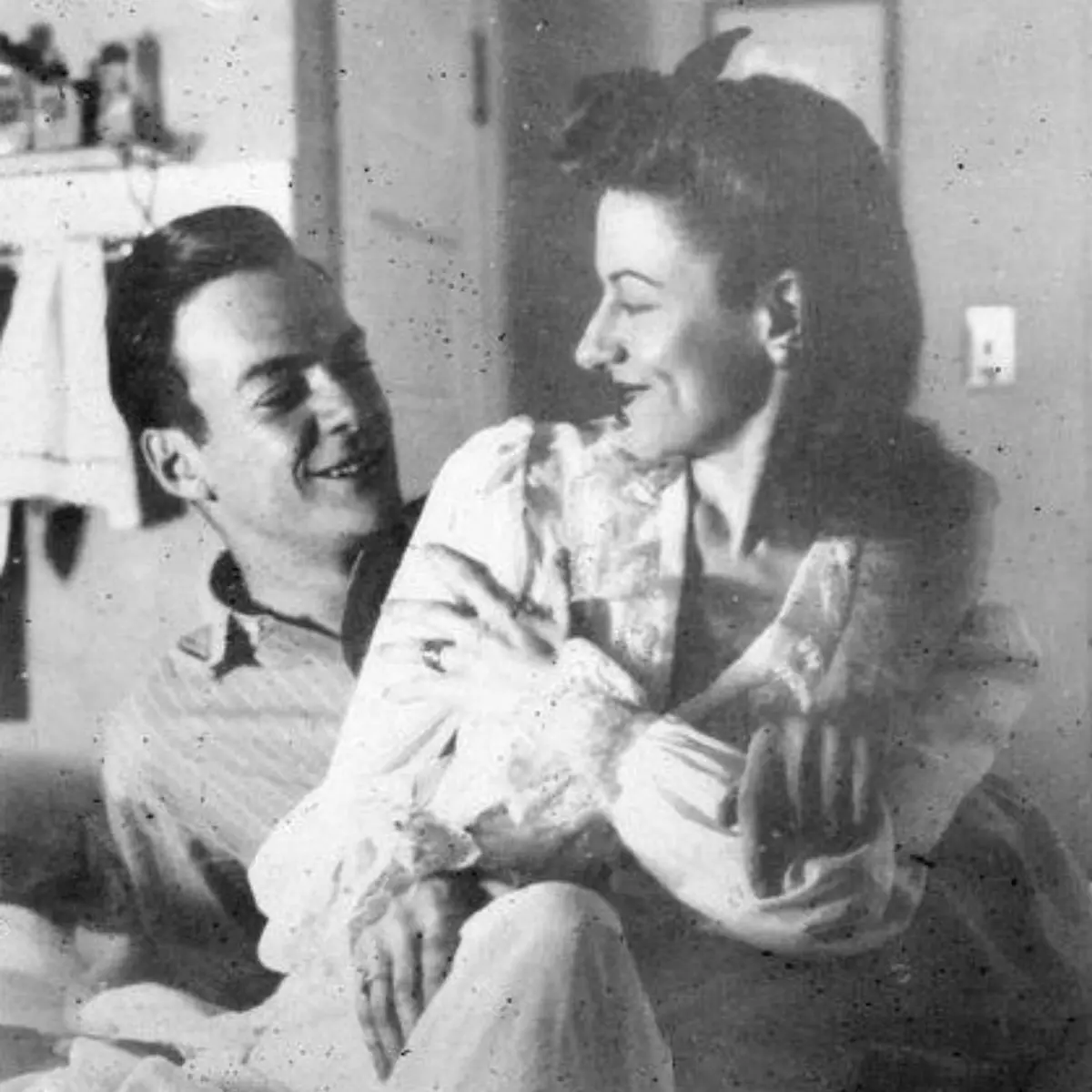
Jun 2026
Sixteen months after Arline died, the most rational physicist of his century wrote her a love letter he never mailed — and sealed it for forty-two years.
Read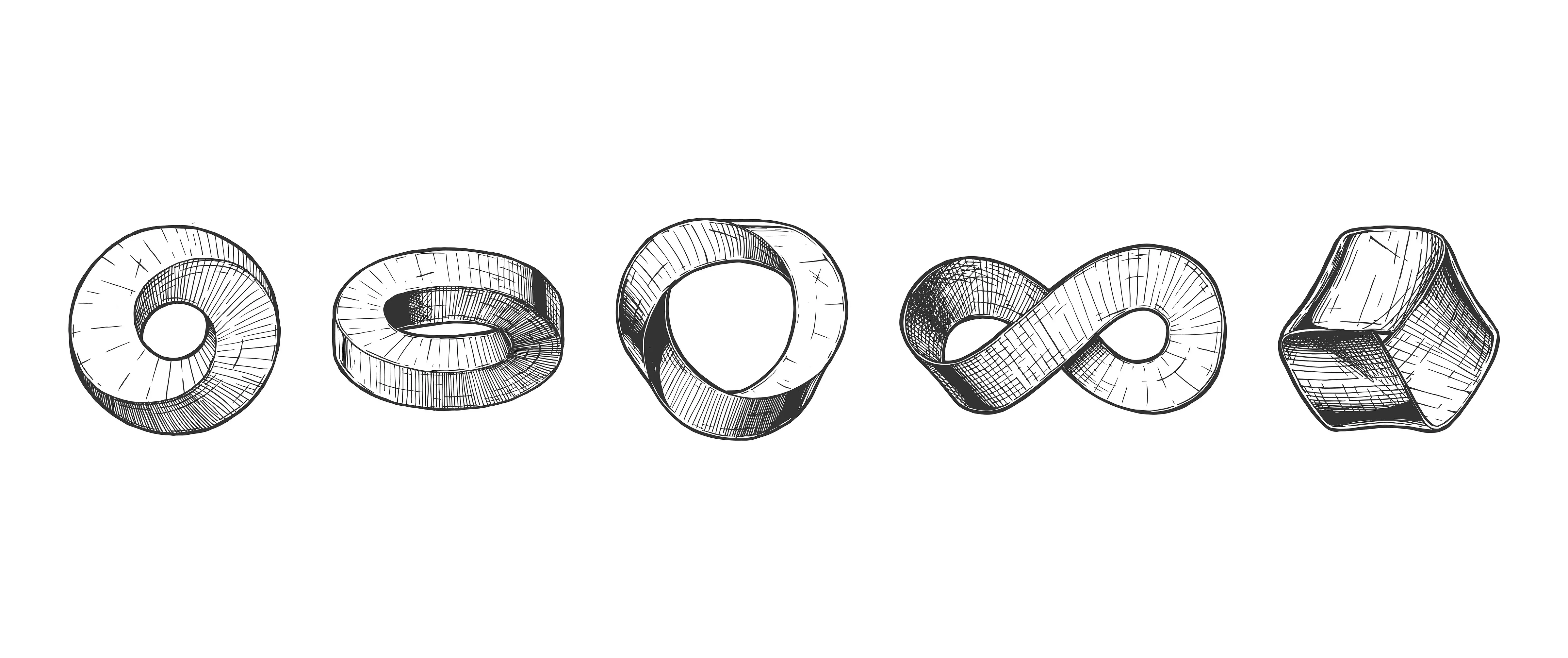
Jun 2026
A half twist turns a two-sided loop into a one-sided object — from Möbius and Listing in 1858 to the recycling symbol in your pocket.
Read
Jun 2026
Not a pile of recommendations. A path — the order to read in, the choices to make, and the places people quietly give up.
Read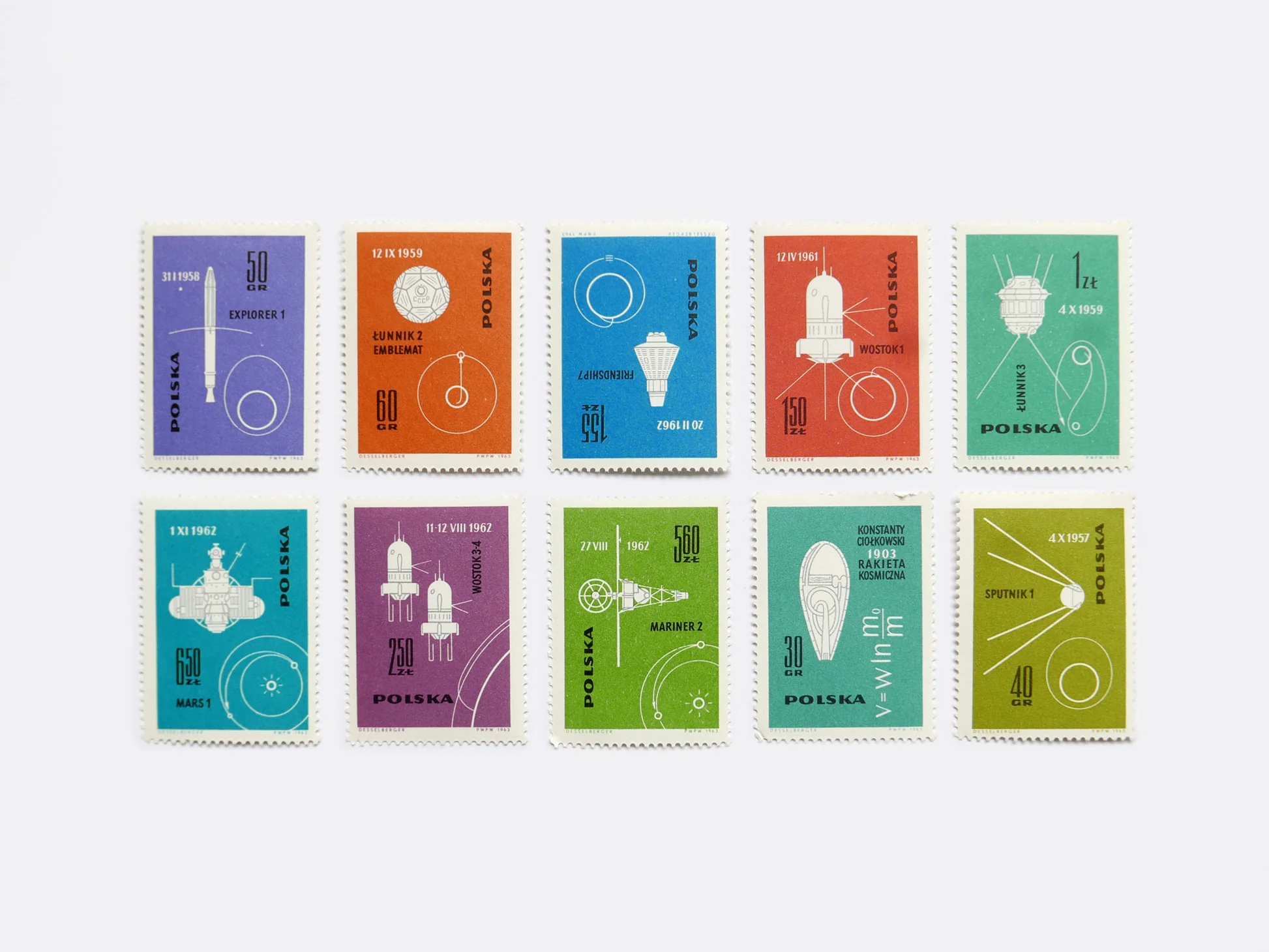
Jun 2026
In the middle of the Cold War, the Polish post gathered the spacecraft of the first six years onto a single sheet, drawn in thin lines.
Read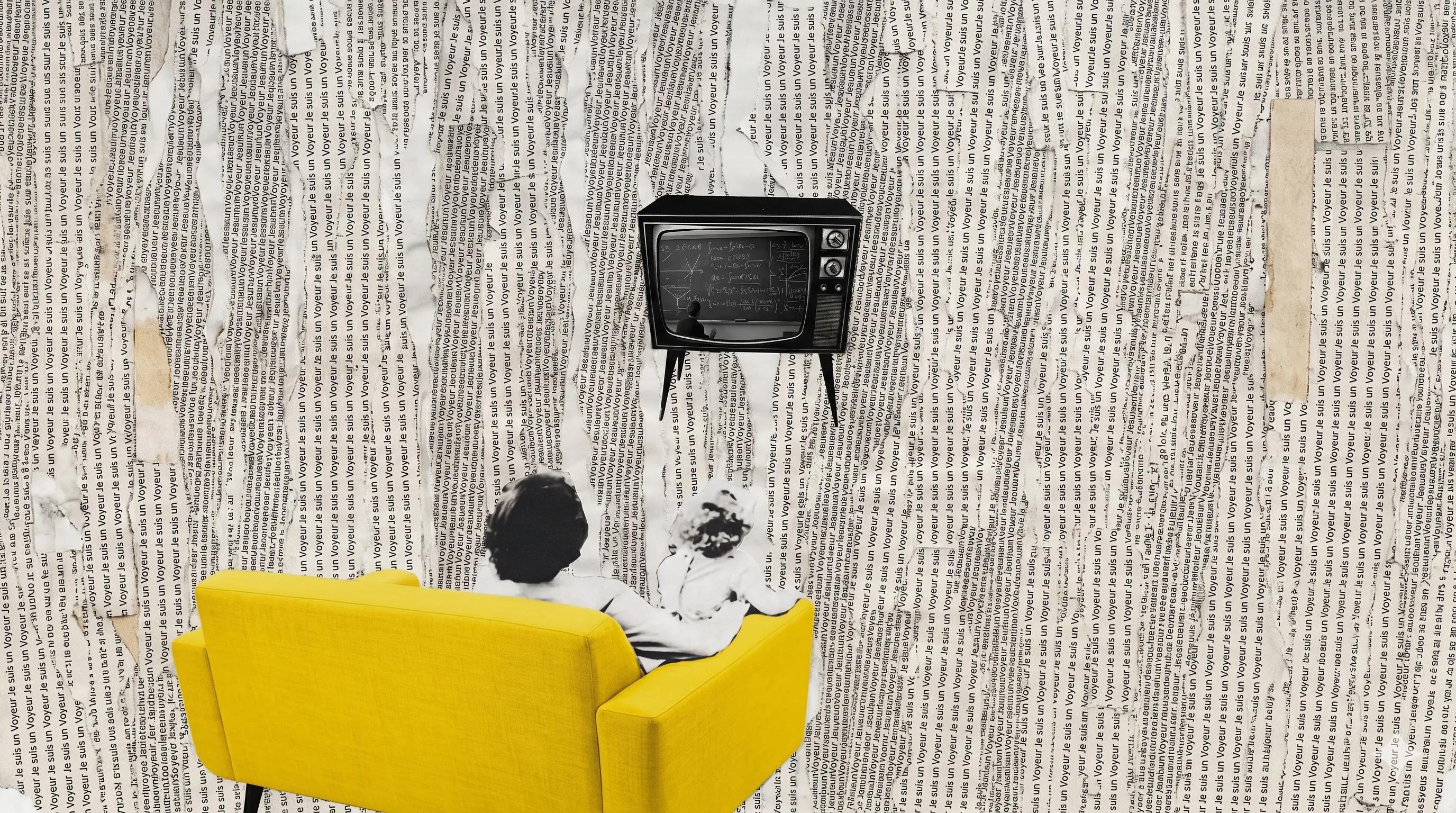
Jun 2026
A Beautiful Mind, Good Will Hunting, Pi, Proof, The Imitation Game, Hidden Figures — twenty-three films where the mathematics is never really about the numbers, but about the people wrestling with them.
Read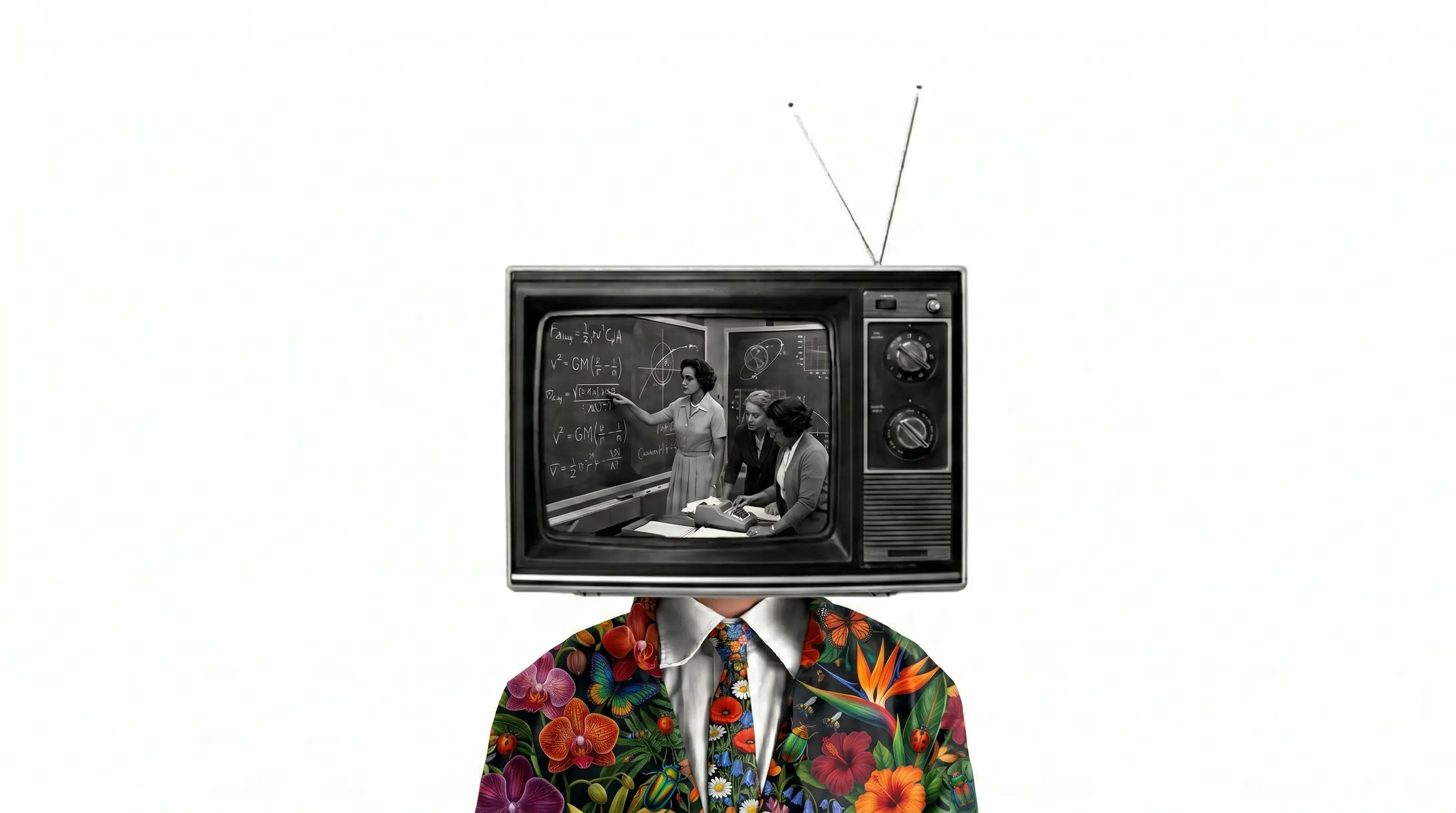
May 2026
A Beautiful Mind, Stand and Deliver, Hidden Figures, Moneyball, X+Y — five films where the mathematics is not decoration but the reason the movie exists, each adapted from a documented real life.
Read
May 2026
Ninety-four days after his friend died, Robert Thomason dreamed the idea that cracked a fifteen-year problem in algebraic K-theory — and listed the dead man as coauthor.
Read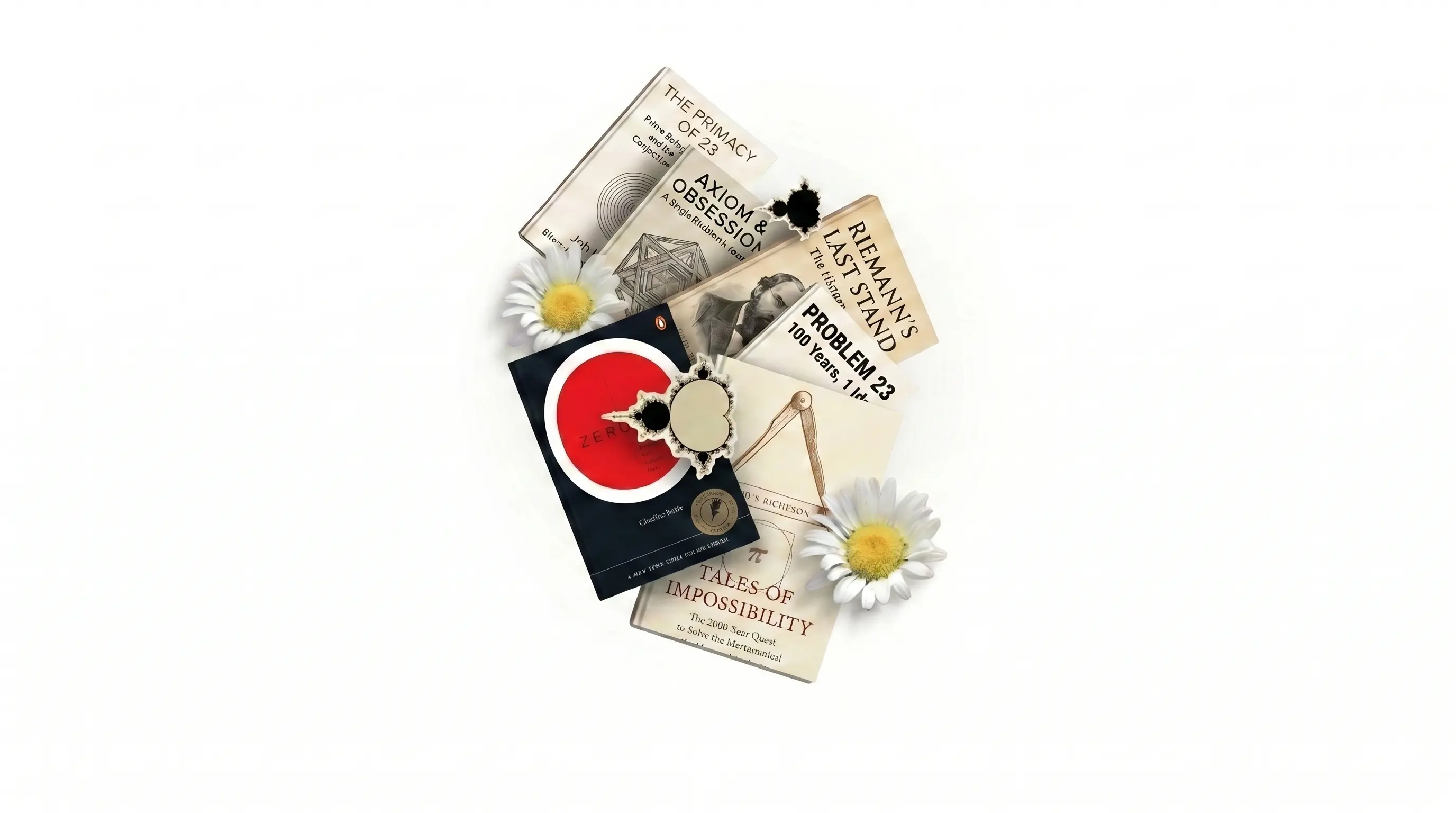
May 2026
Riemann, Fermat, Poincaré, Goldbach, Gödel — twenty-three books that each orbit a single mathematical problem, a single question, sometimes a single number.
Read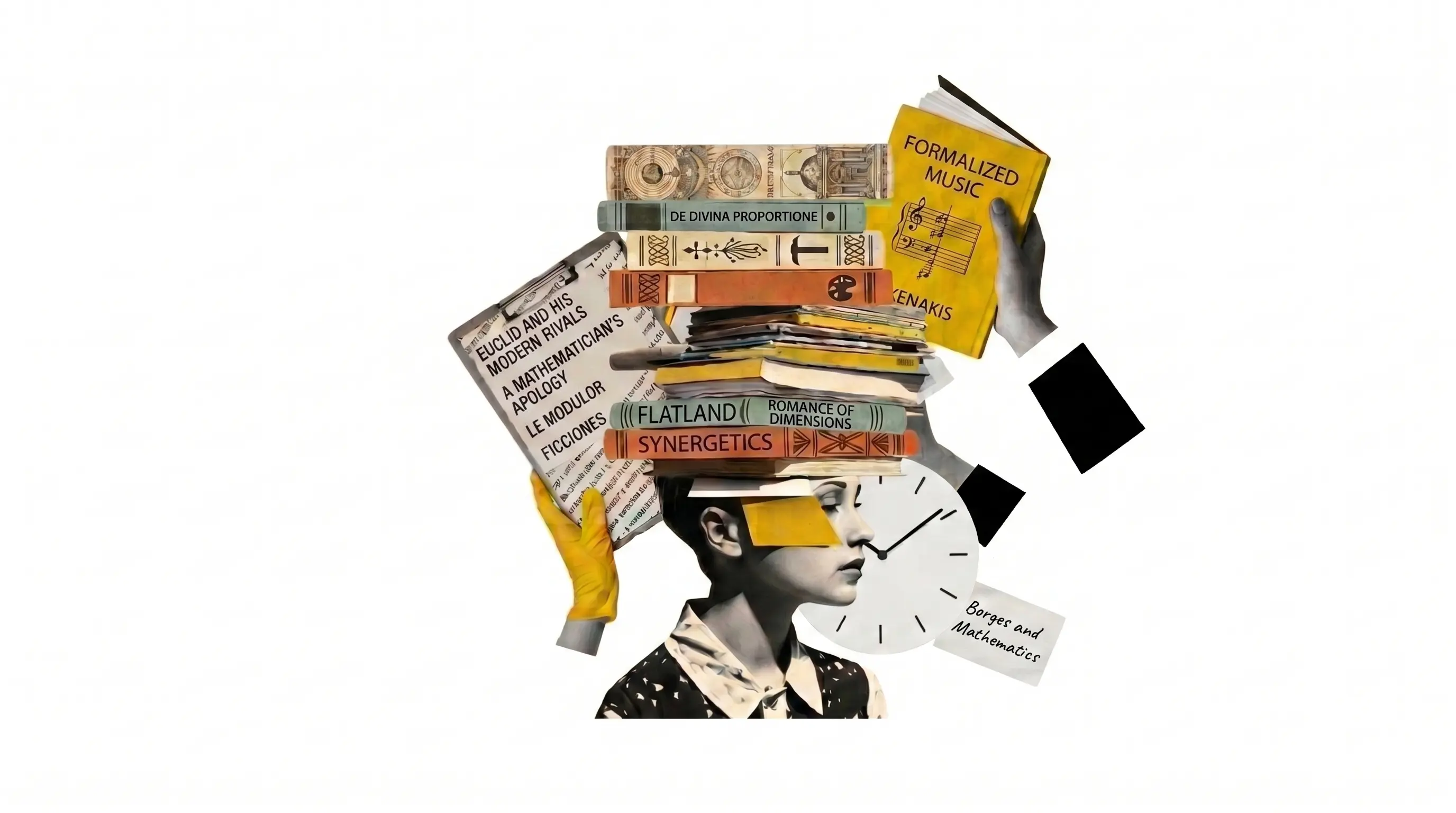
May 2026
Pacioli, Dürer, Carroll, Borges, Xenakis — fourteen books on mathematics written by painters, composers, architects, and novelists who never held a faculty position.
Read
May 2026
Every May, the forests of Tennessee pulse with yellow-green light for two weeks. Tens of thousands of Photinus carolinus fireflies synchronize their flashes without any conductor — pure mathematics in action.
Read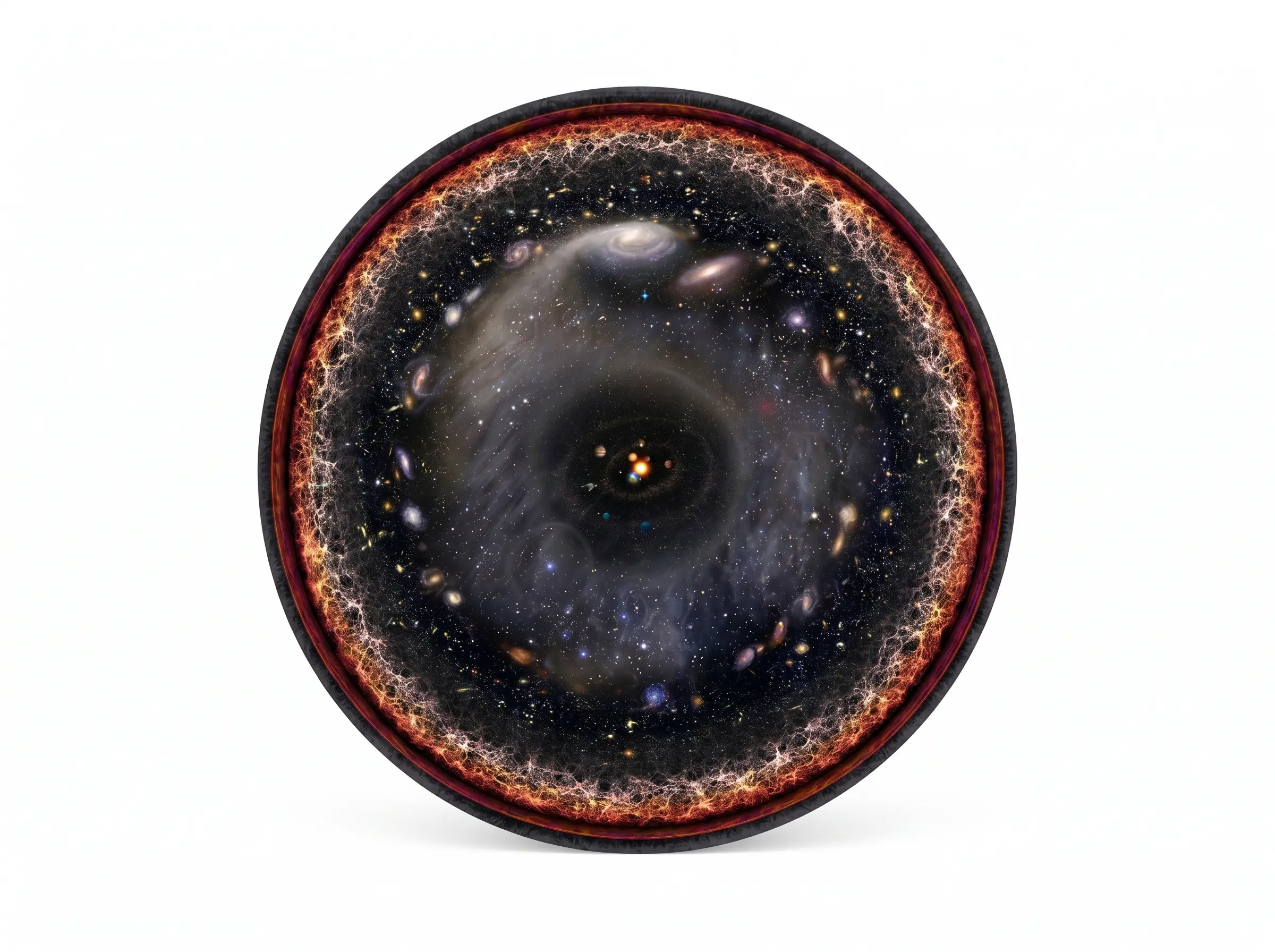
May 2026
How one image fit the entire observable universe — 93 billion light-years across — into a circle you can hold. The idea came from folding paper for a birthday party.
Read
May 2026
Not the mug with the pi symbol. Thirteen objects — a Galton Board, a Klein bottle, a Helicone — each one built on a real mathematical idea.
Read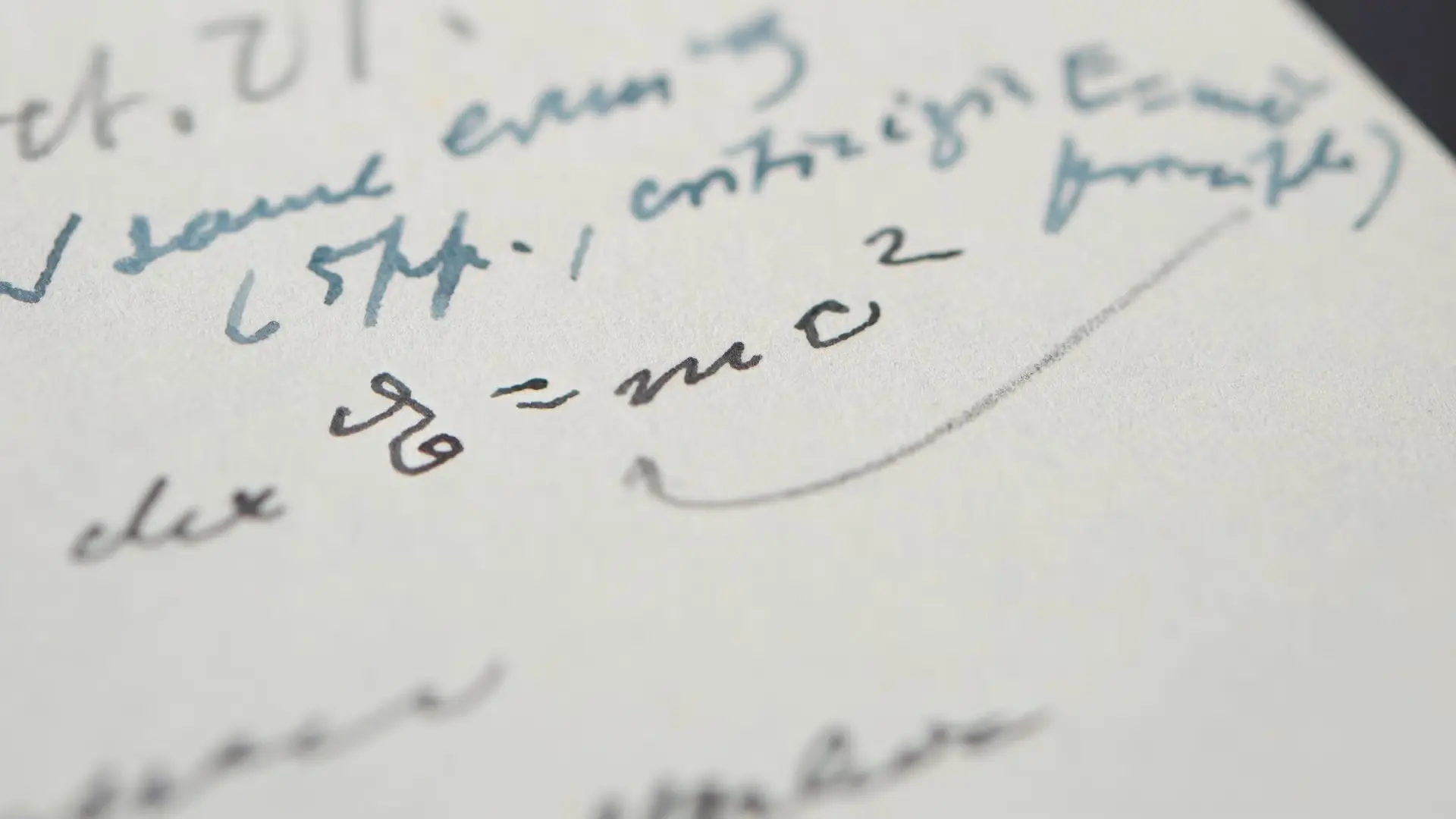
May 2026
The world's most recognized equation did not appear in its familiar form in 1905. The paper trail from Einstein's journal paper to the 1912 manuscript to the 1946 letter.
Read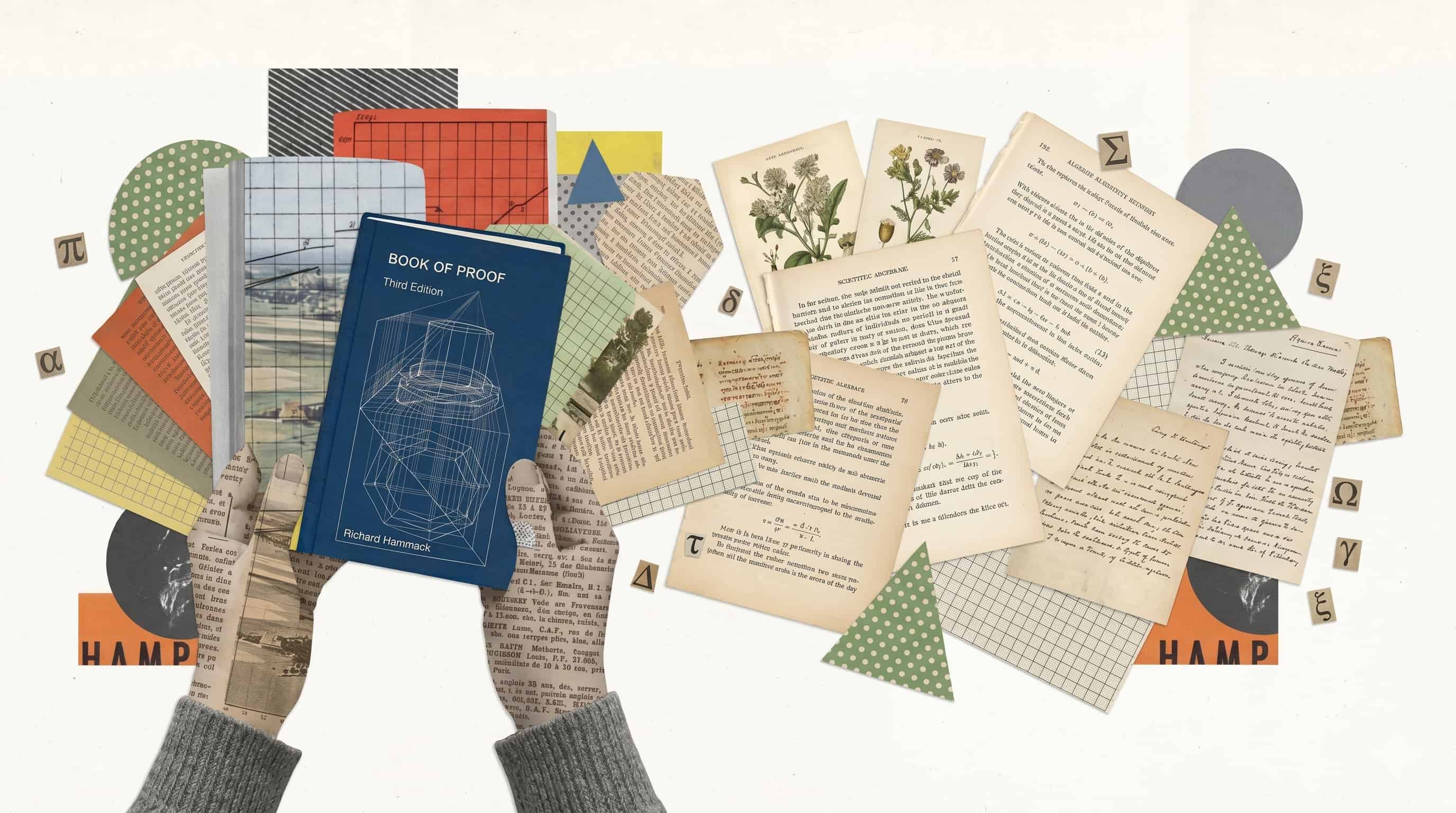
May 2026
Mathematical thinking is a skill, not a talent. Five books that teach proof, logic, and the art of constructing an argument so airtight no counterexample can survive it.
Read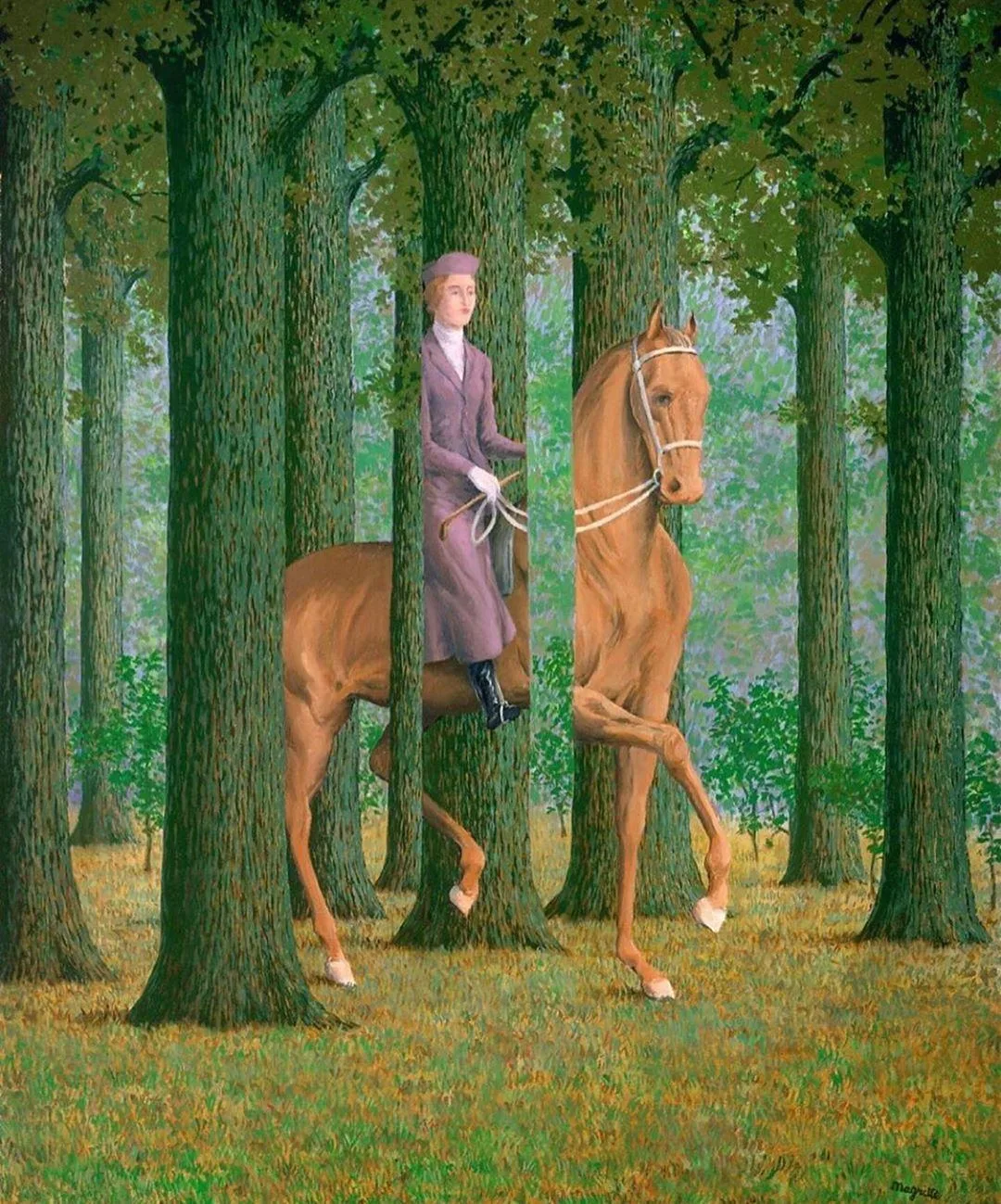
May 2026
In 1965, Magritte painted a woman on horseback through a forest. Everything is real. Nothing is possible. A 2023 study in the Journal of Vision finally explains exactly how he did it.
Read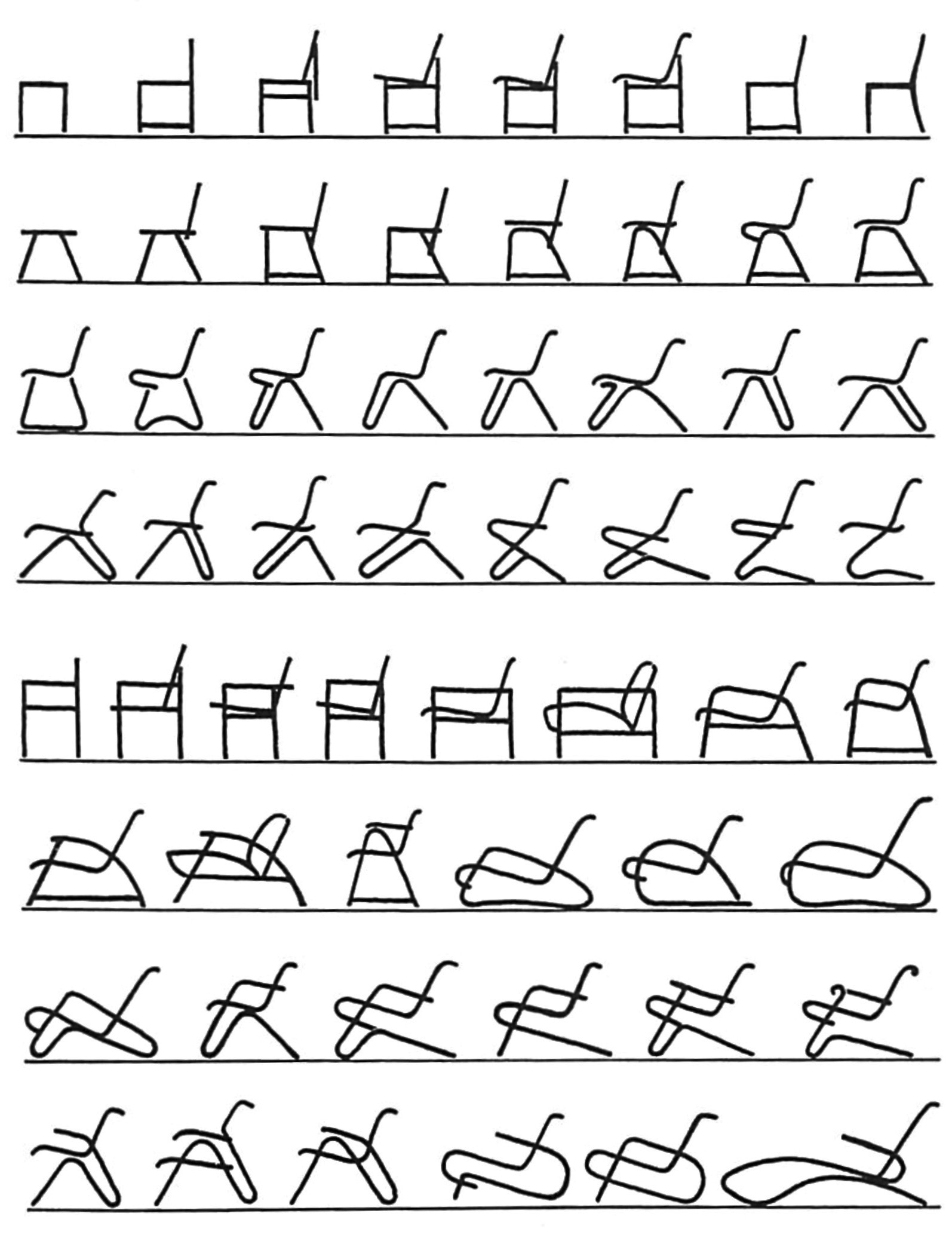
May 2026
Erich Dieckmann's 1931 morphological matrix: 8 rows, 64 variations, from rigid geometry to near-abstraction. The clearest single-page argument for design research the Bauhaus produced.
Read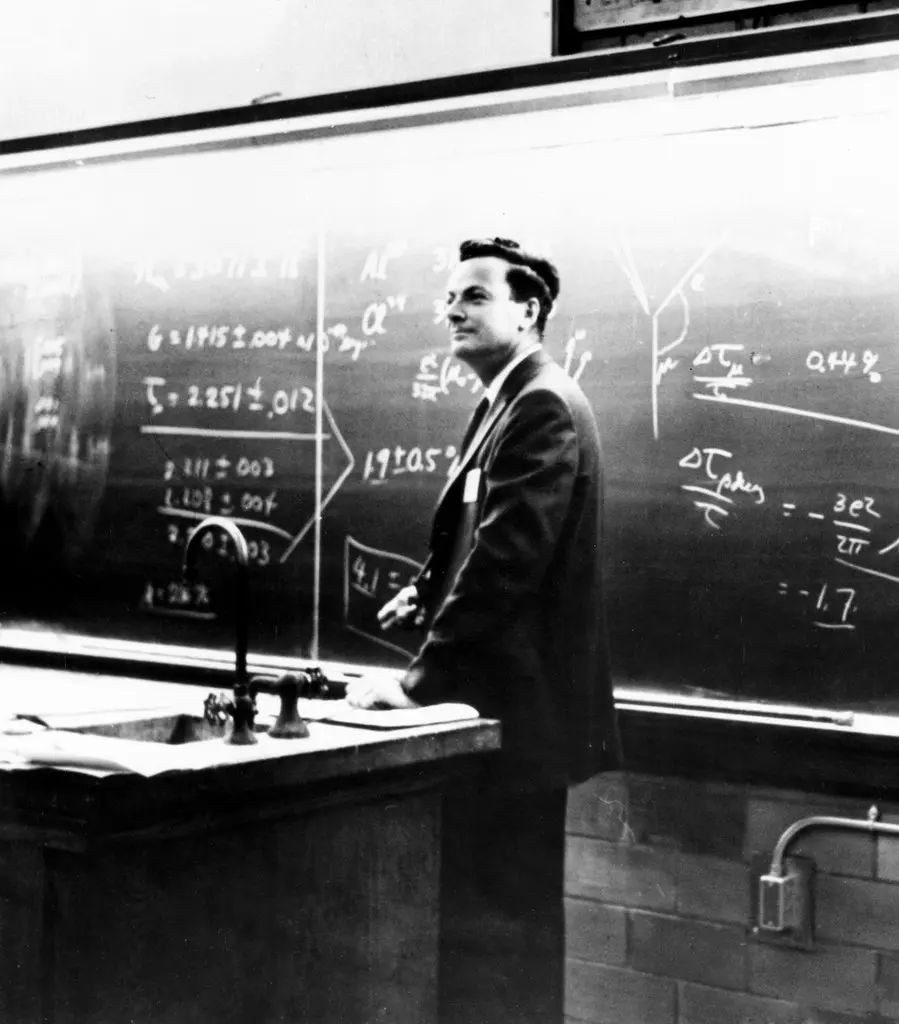
Apr 2026
In 1965, Feynman read 500 pounds of math textbooks and wrote the sharpest critique in the history of mathematics education. Sixty years later, the problem is still with us.
Read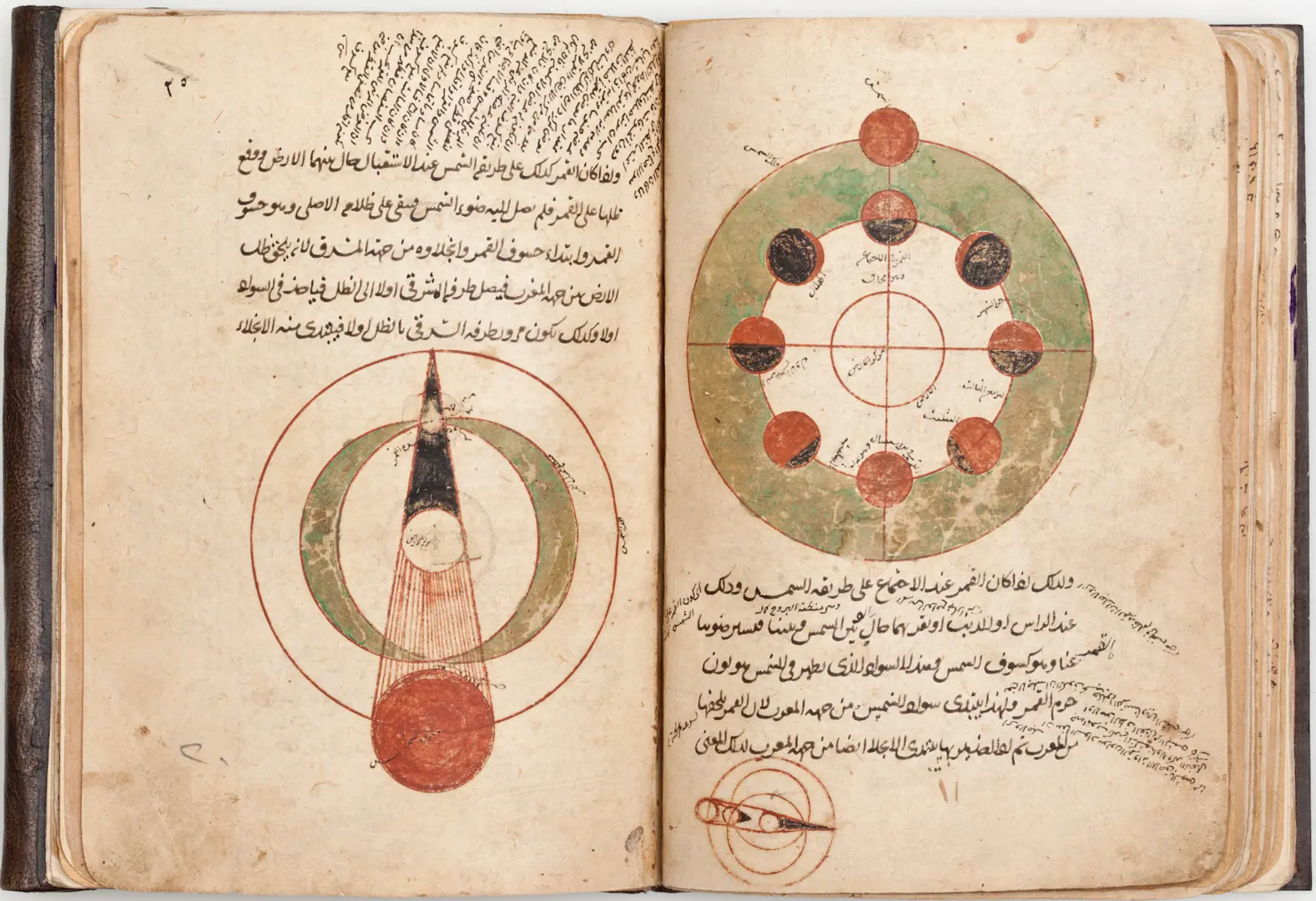
Apr 2026
Written one year before its author died in the Mongol conquest of Khwarazm, al-Jaghmini's Mulakhkhas became the most widely copied Arabic astronomy textbook ever made.
Read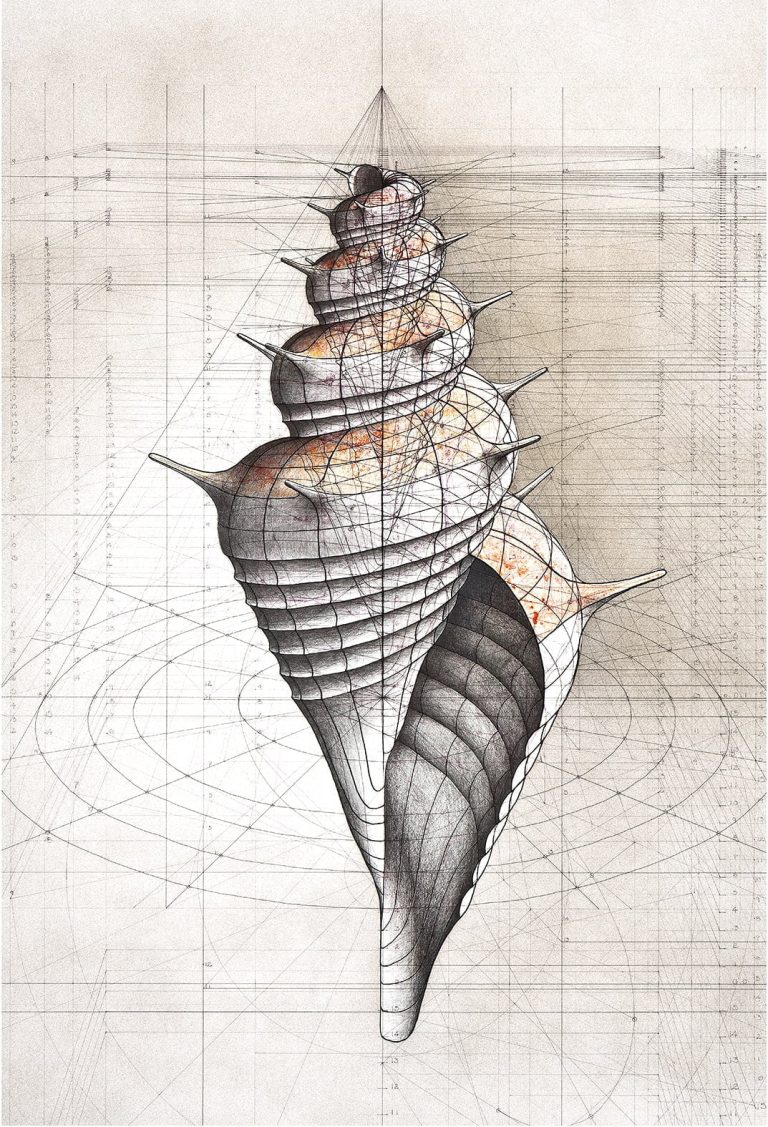
Apr 2026
Rafael Araujo spends 100 hours on a single drawing — no software, no undo. A selection of his most stunning hand-drawn golden ratio illustrations.
Read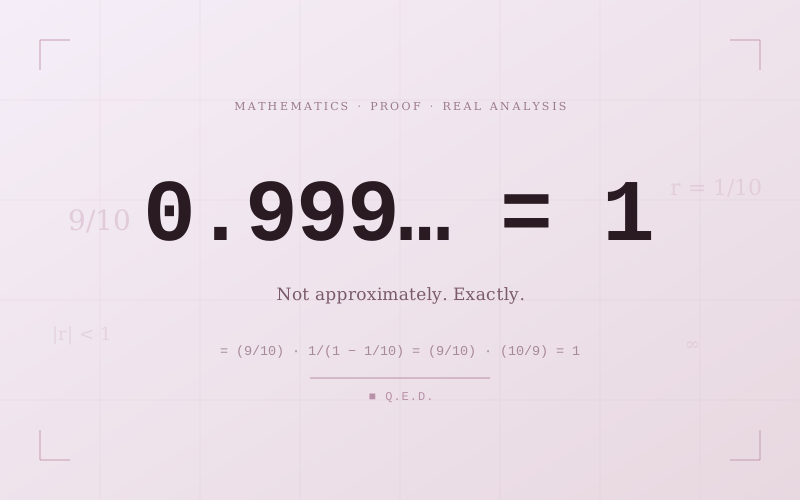
Apr 2026
It looks strange. It feels wrong. But 0.999… is not ‘almost 1’ — it is exactly 1. Here is the geometric series proof that settles the matter in five steps.
Read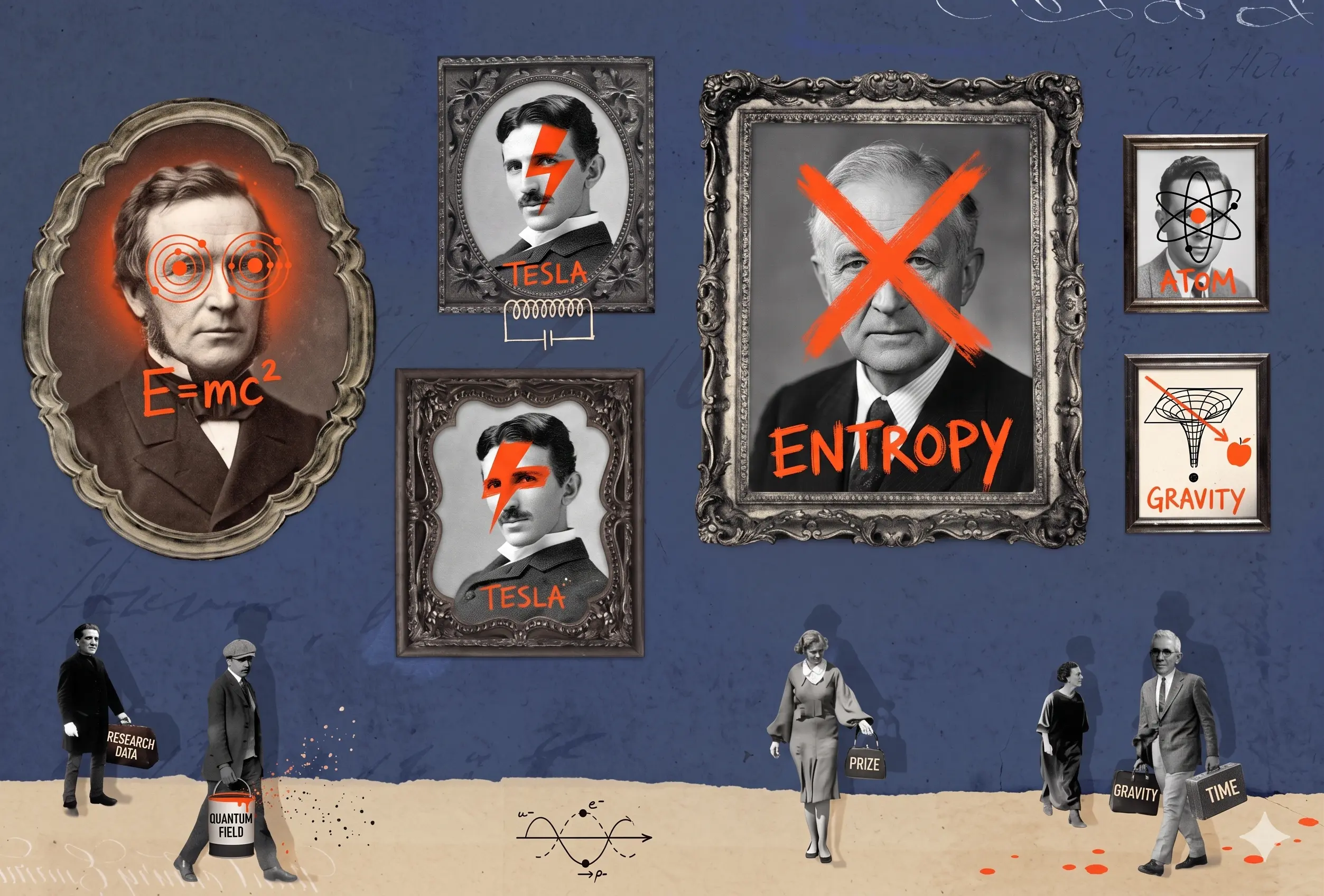
Apr 2026
String theory, quantum mechanics, entropy, general relativity — 24 poster designs by 2046 Print Shop that turn physics concepts into beautiful objects worth hanging on a wall.
Read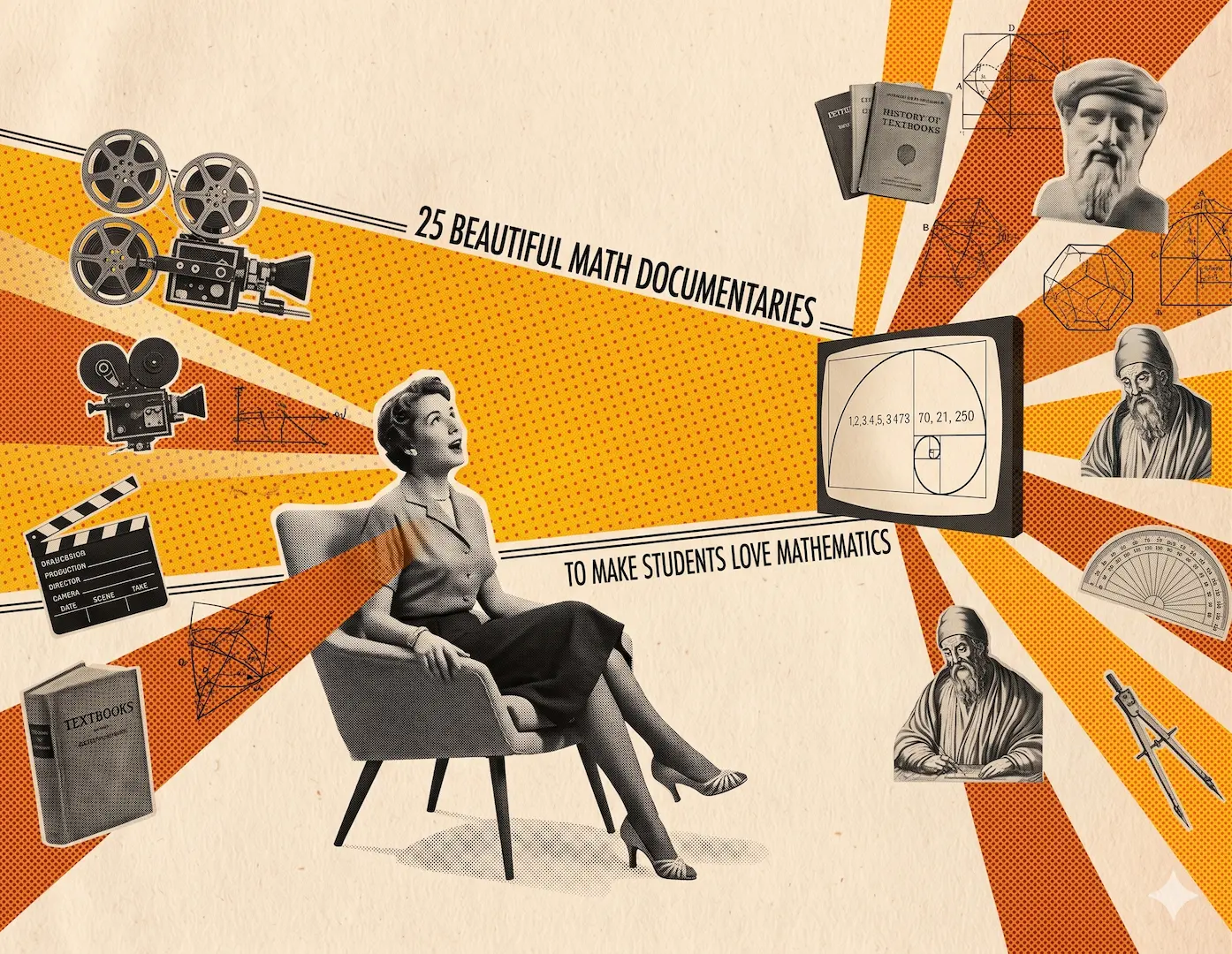
Apr 2026
A Trip to Infinity, The Proof, N Is a Number — 25 documentaries that show the other face of mathematics: obsession, beauty, and the particular madness of chasing a question.
Read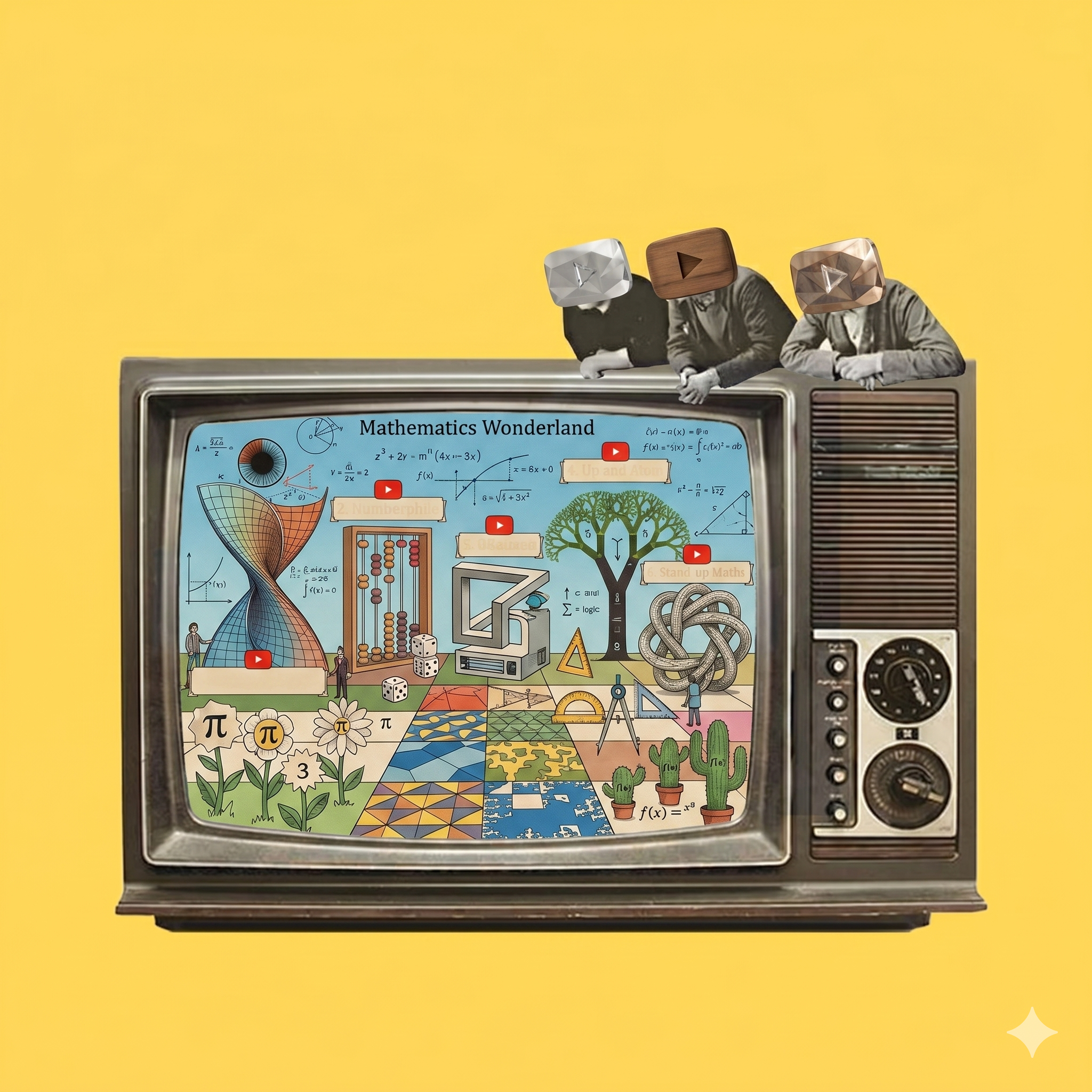
Apr 2026
Numberphile, 3Blue1Brown, Eddie Woo, Socratica, Khan Academy — five YouTube channels built by people who loved mathematics first, and only then turned the camera on.
Read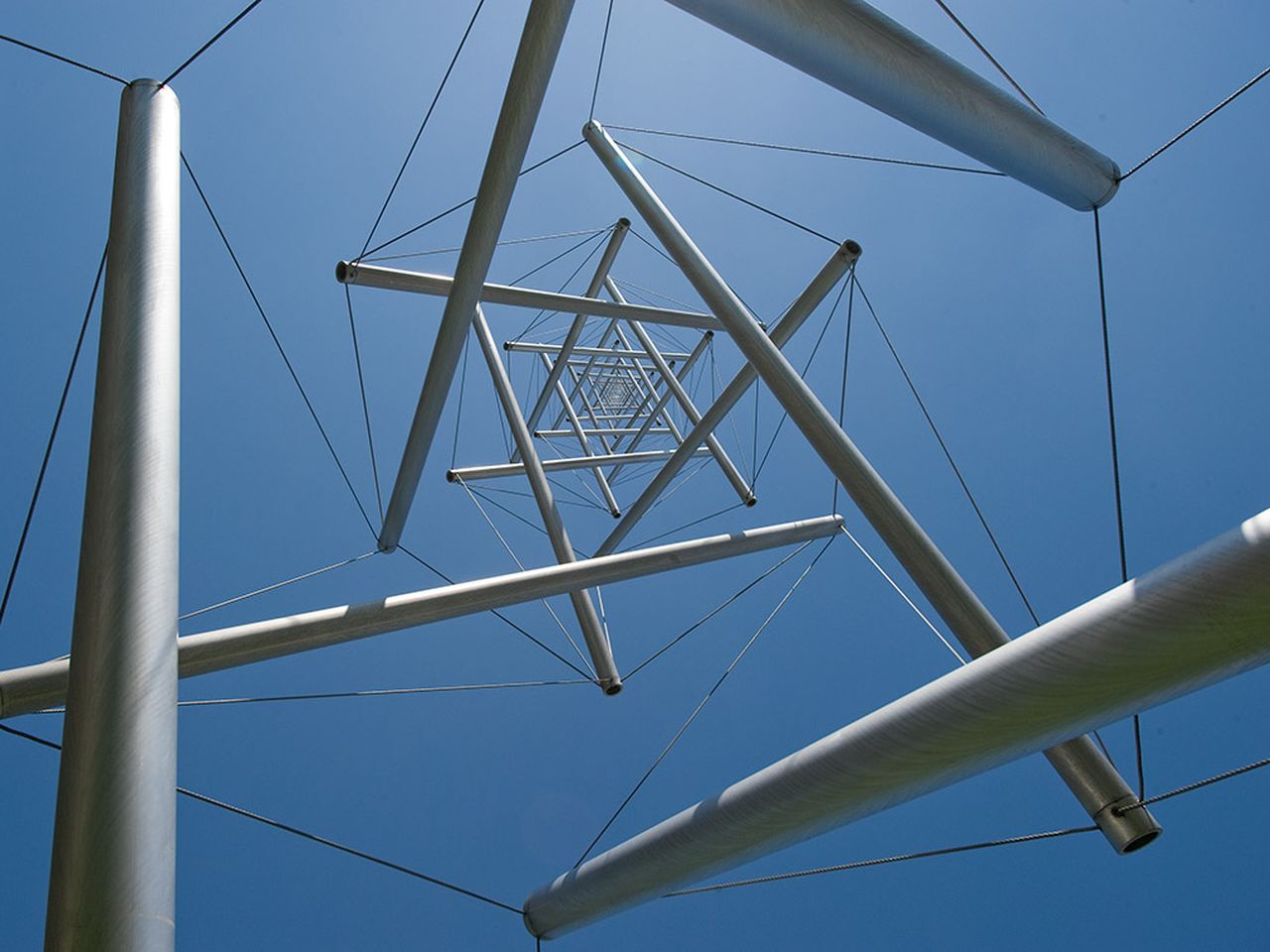
Apr 2026
60 feet tall, 14 inches of ground contact. No aluminum tube touches another. The whole thing holds up because of what isn't there.
Read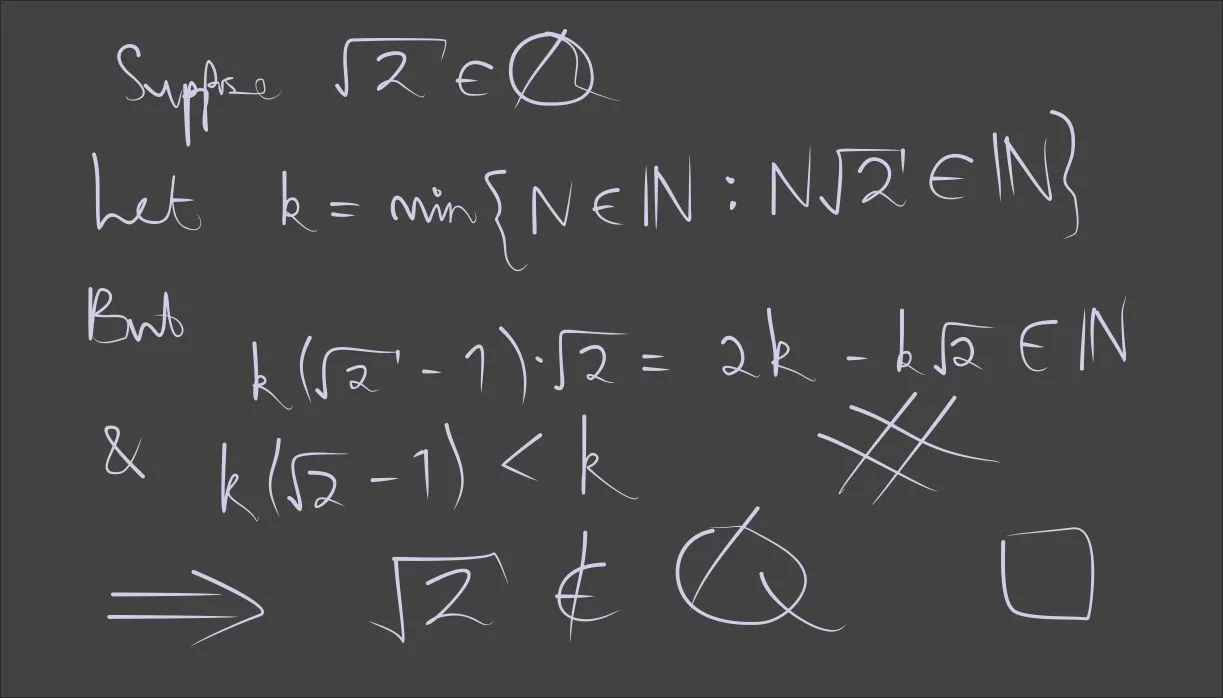
Apr 2026
Most proofs that √2 is irrational use prime factorization. This one uses something simpler: if a smallest natural number witnessing rationality existed, you could always find a smaller one.
Read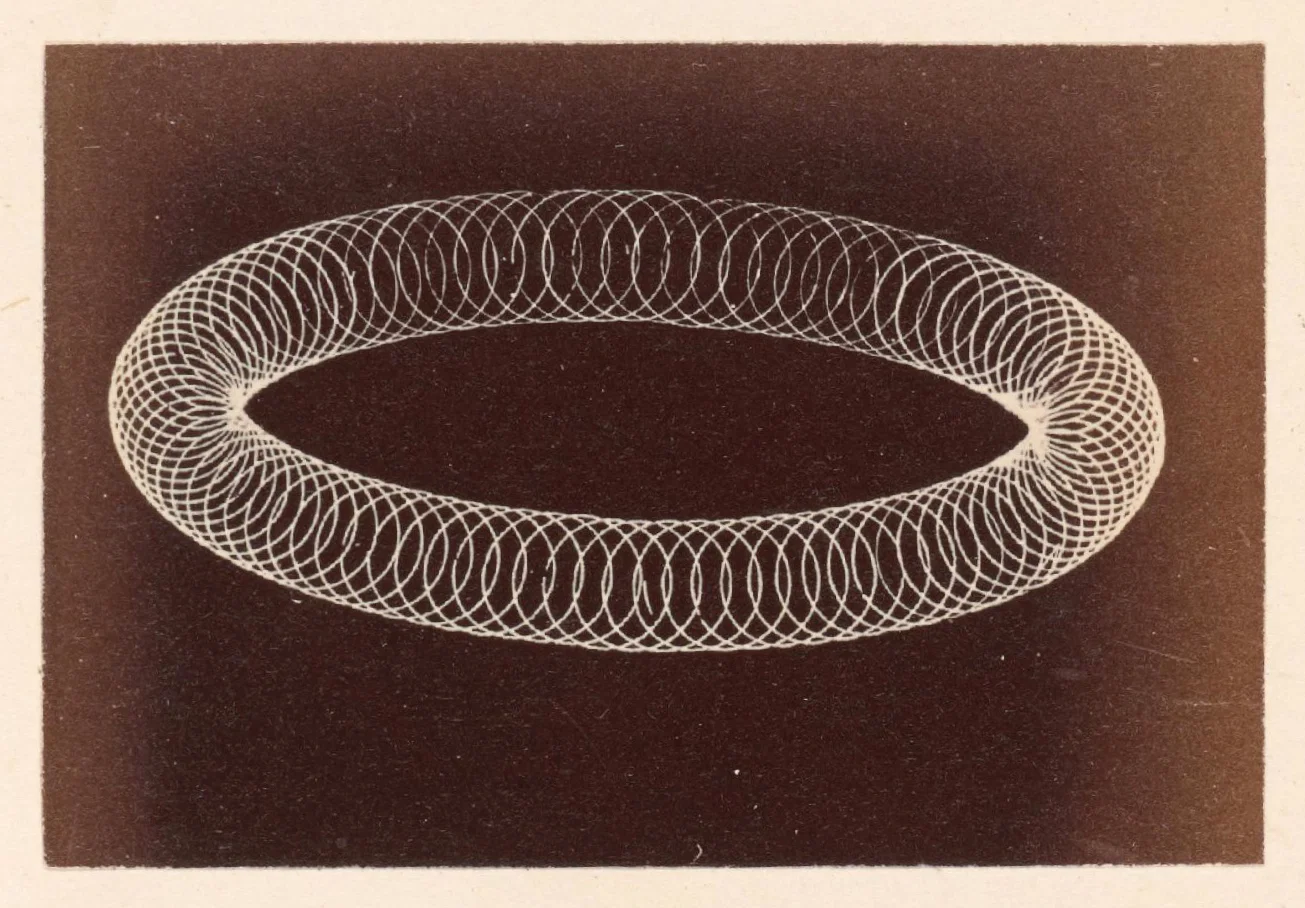
Apr 2026
Victorian ornamental turning produced spirograph-like geometric forms of extraordinary precision — not drawn, not sculpted, but calculated by a machine that ran on mathematics.
Read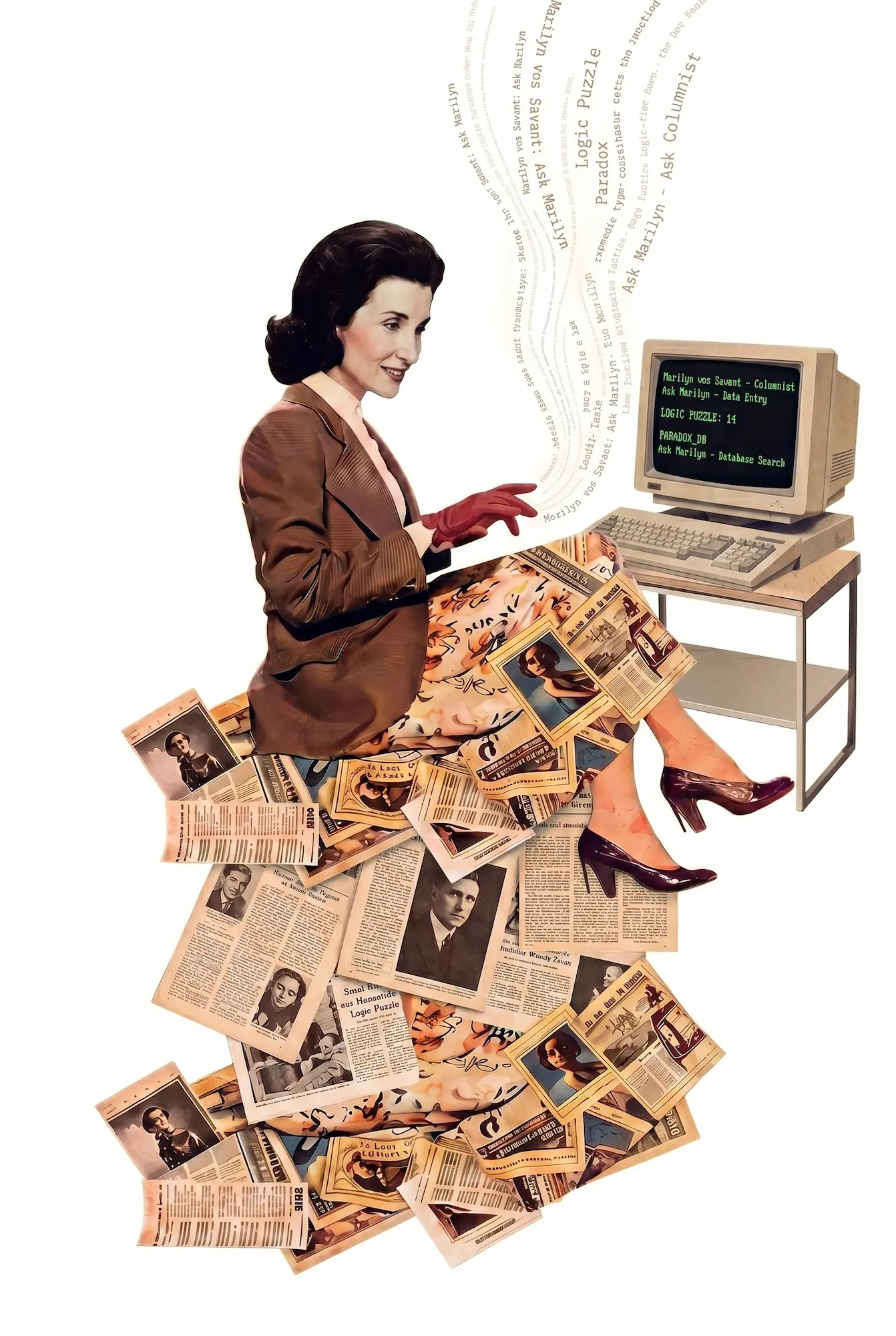
Apr 2026
In 1990, Marilyn vos Savant answered a probability puzzle correctly. Nearly 10,000 people — many of them academics — wrote to tell her she was wrong. She was not.
Read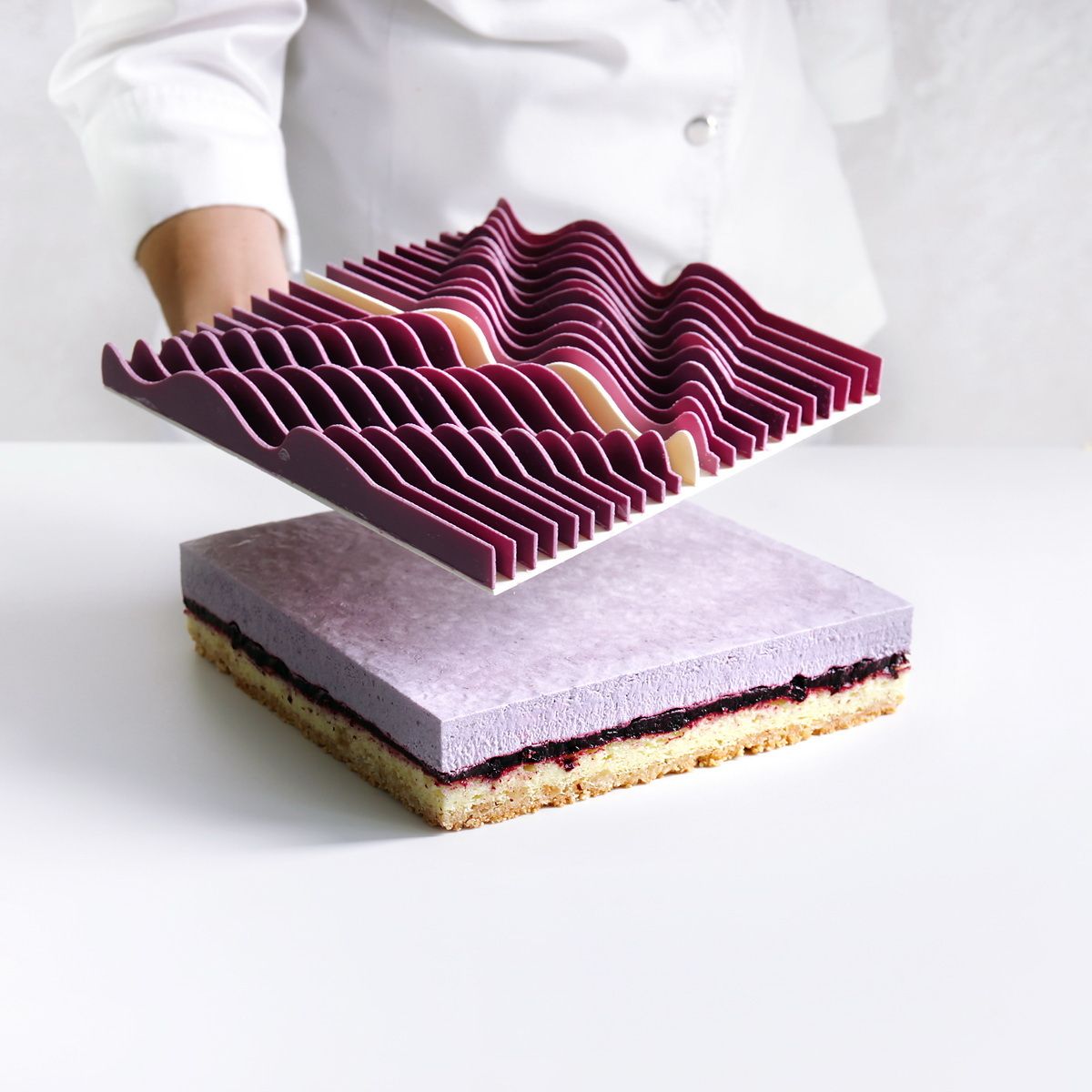
Apr 2026
Dinara Kasko and artist José Margulis built kinetic sculptures from CNC-cut chocolate. They were assembled, admired, and eaten — which was the point.
Read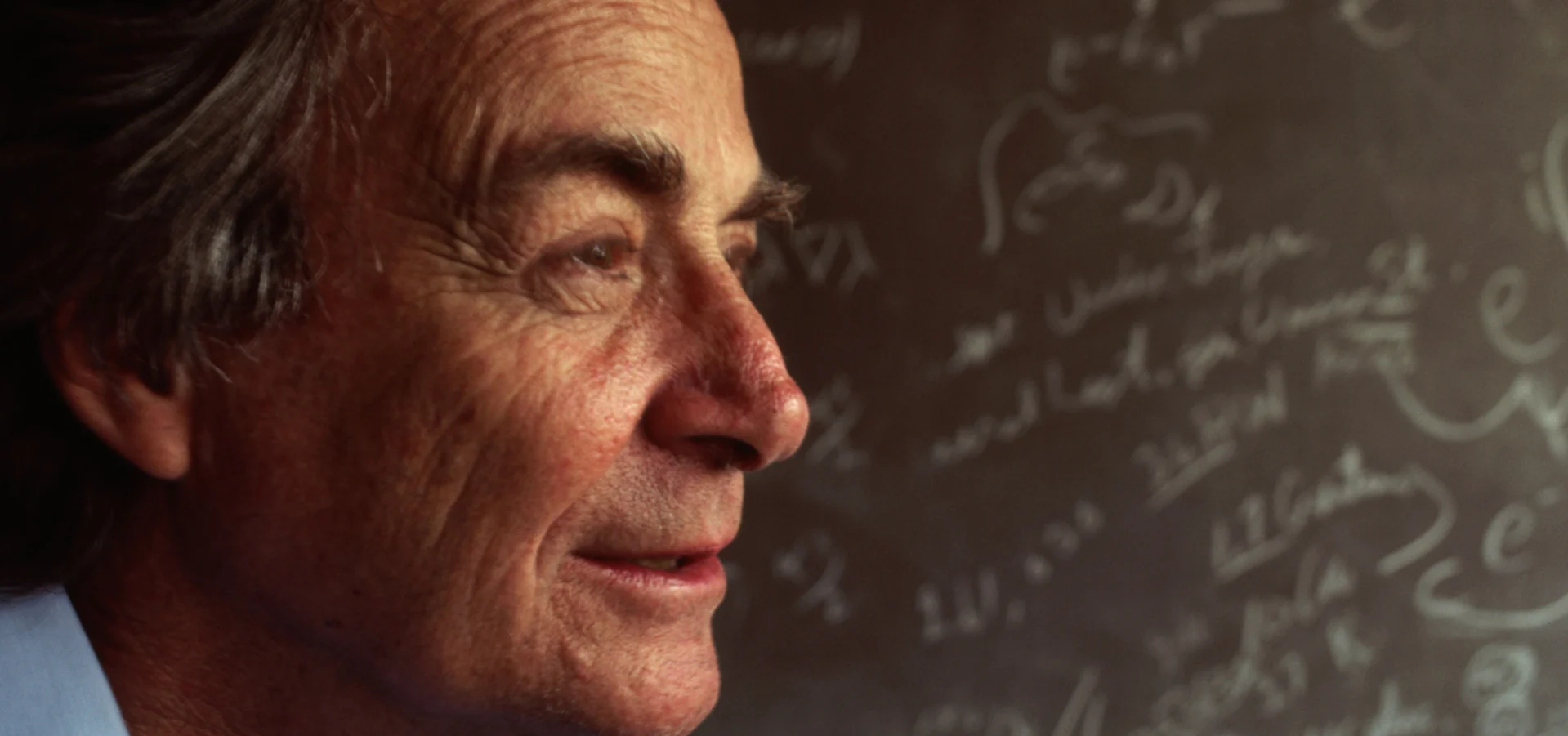
Apr 2026
The four-step learning method developed by Nobel Prize-winning physicist Richard Feynman. How it works, why it works, and how to apply it to anything.
Read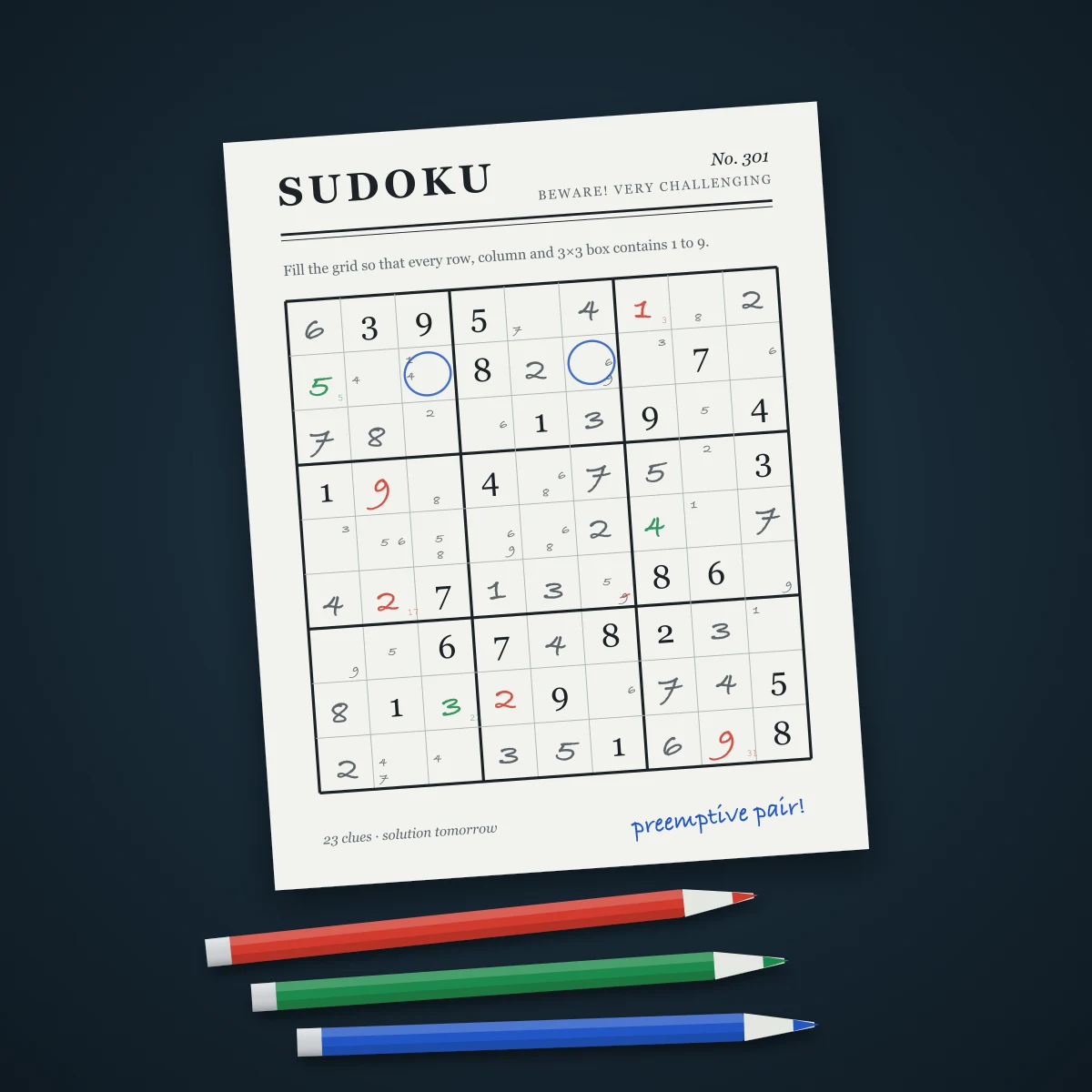
Apr 2026
How many Sudokus there are, why no puzzle gets below 17 clues, how computers and pencils solve them, and the 810-edge graph hiding in the grid.
Read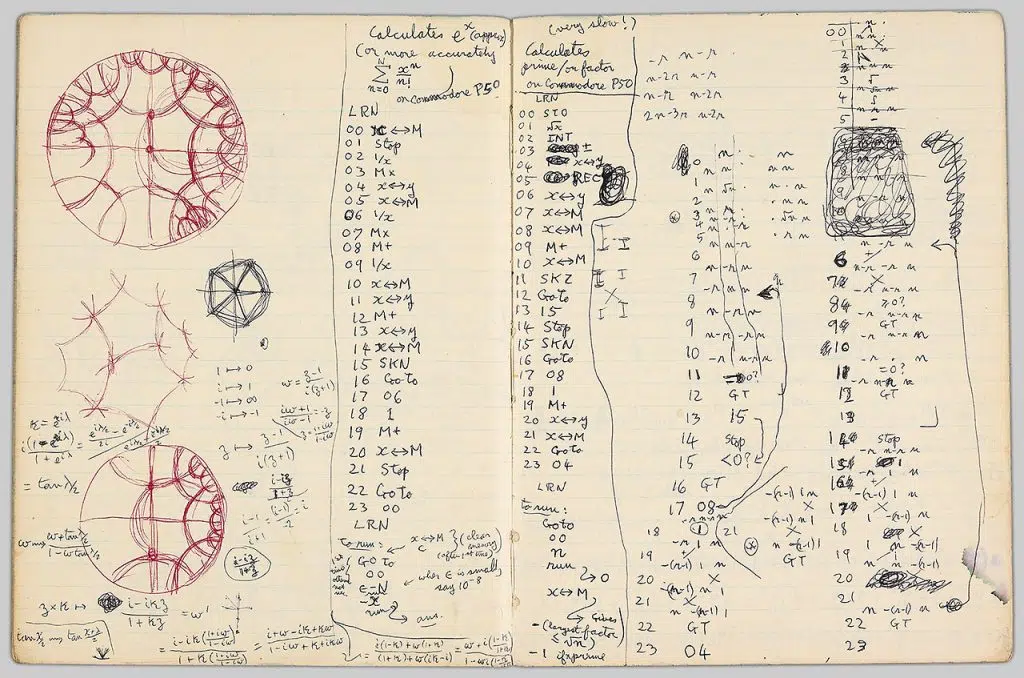
Apr 2026
Handwritten pages of spinor algebra, twistor diagrams, Penrose tiling prototypes, and Cayley algebra — alongside programs for a 1978 pocket calculator.
Read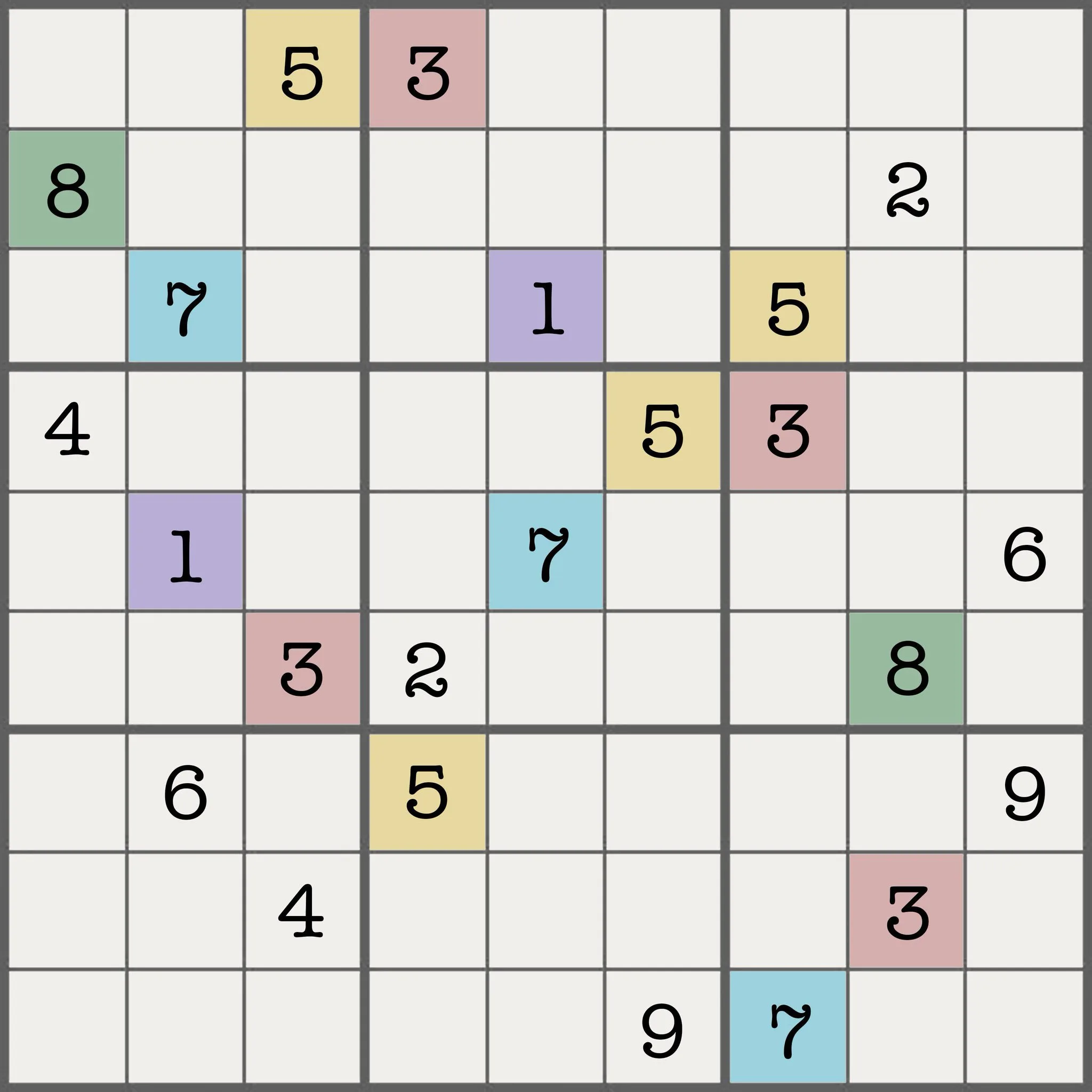
Apr 2026
Arto Inkala's 2012 puzzle: 4.5% trivialization rate, 153 human attempts, three months to design — and what “hardest” actually measures.
Read
Apr 2026
MIT's first algebra entrance exam. The questions haven't changed. Everything else — tuition, class size, acceptance rate — is unrecognisable.
Read
Apr 2026
A Leicester paper applied Newtonian mechanics to Pinocchio’s nose — exponential growth, oak, and a hard limit at thirteen.
Read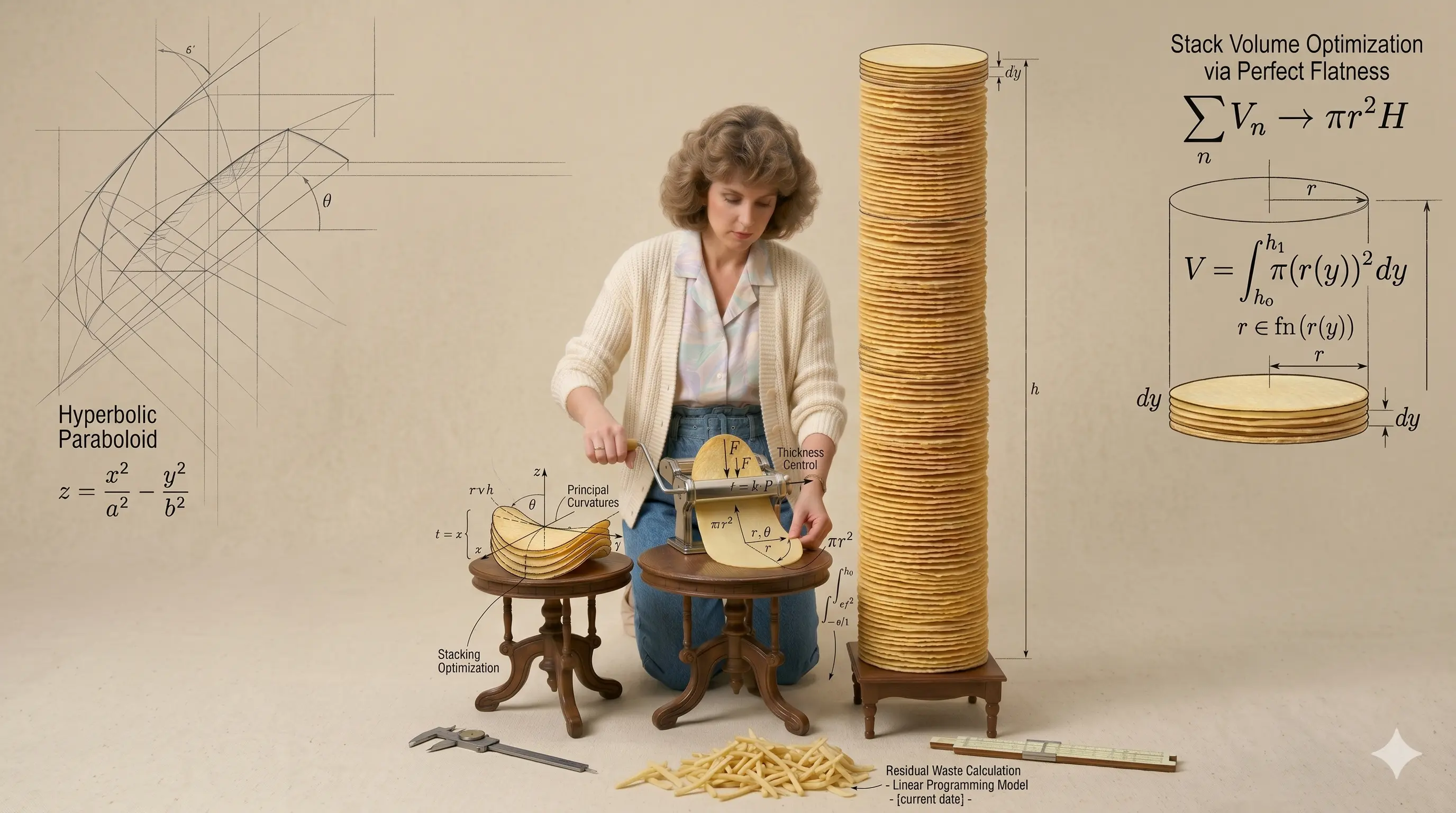
Apr 2026
A Pringle is a hyperbolic paraboloid — stack, snap, can, and factory physics.
Read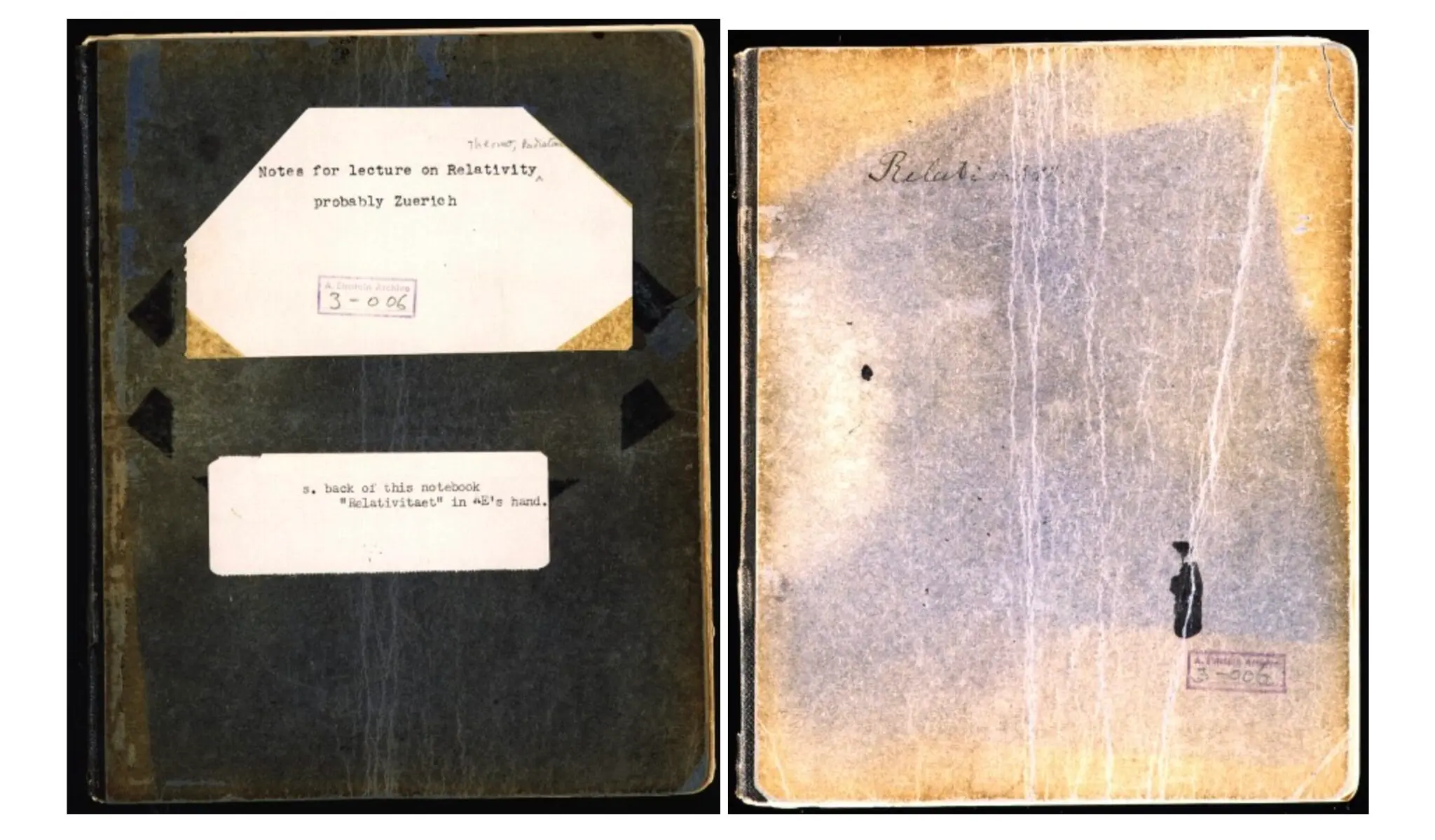
Apr 2026
Zurich, 1912–1913 — puzzles, line elements, wrong turns, and the path to November 1915.
Read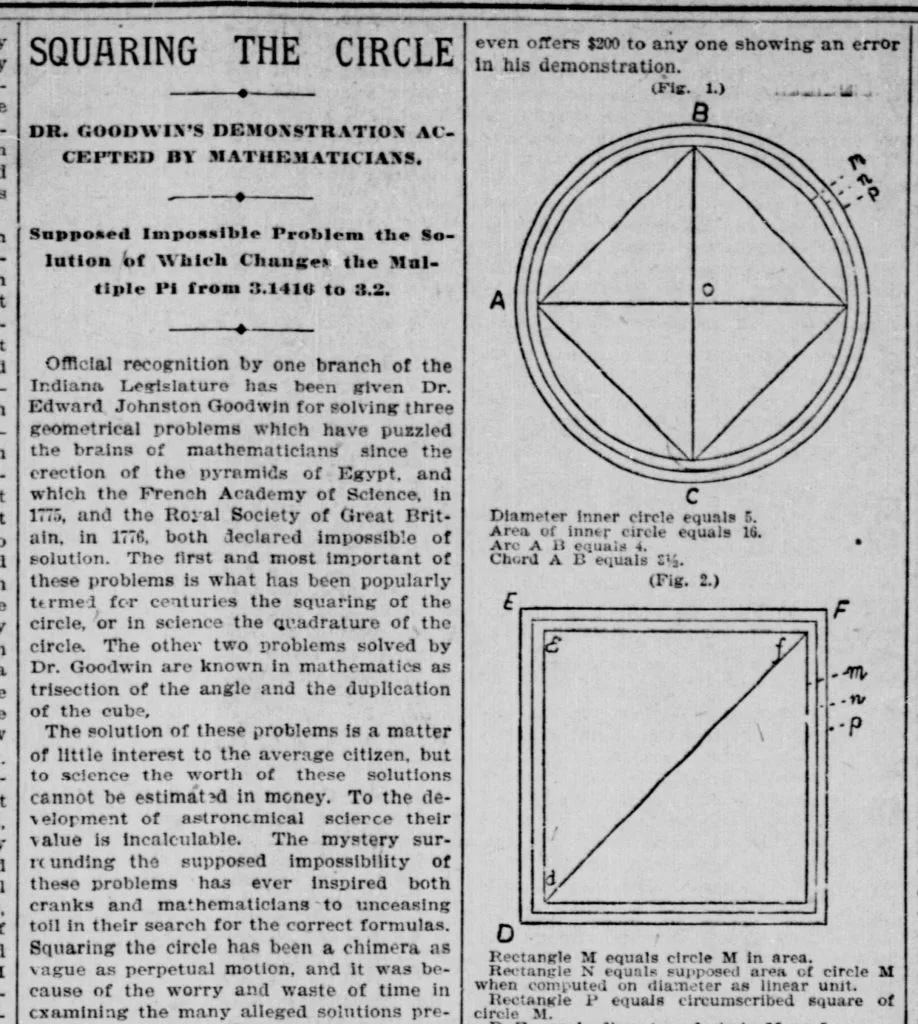
Apr 2026
1897 — Indiana’s House passed a bill that implied π = 3.2. Then a mathematician walked in.
Read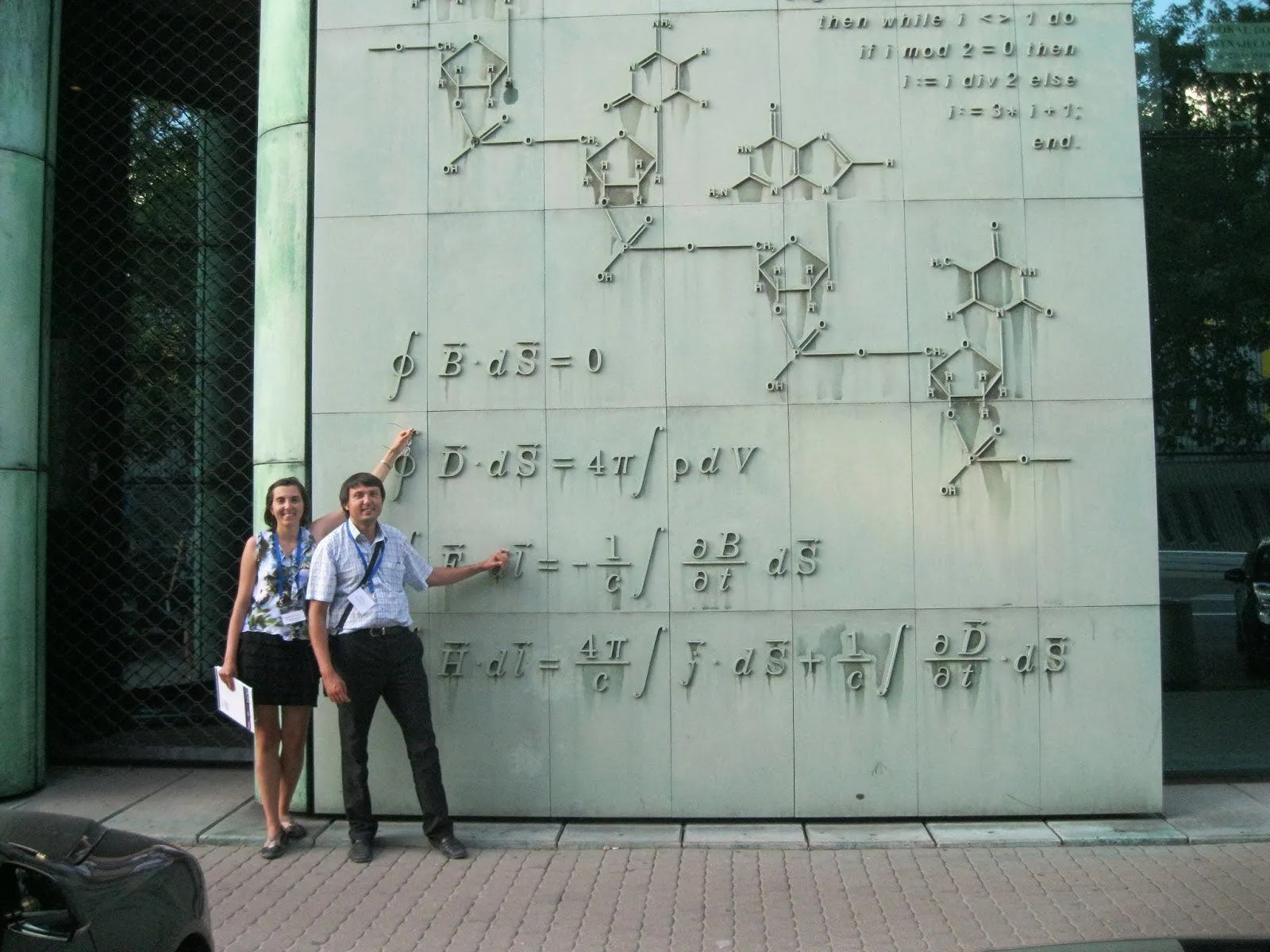
Apr 2026
Maxwell in stone on Warsaw’s physics library — integral form, street level, no apologies.
Read
Apr 2026
Eleven predators removed in a year. The twelfth took four and a half more — 10,400 trap nights, 3,500 baits, and one fox that ate insects instead.
Read
Apr 2026
Henry Billingsley’s 1570 English Euclid — paper solids that still beat a headset
Read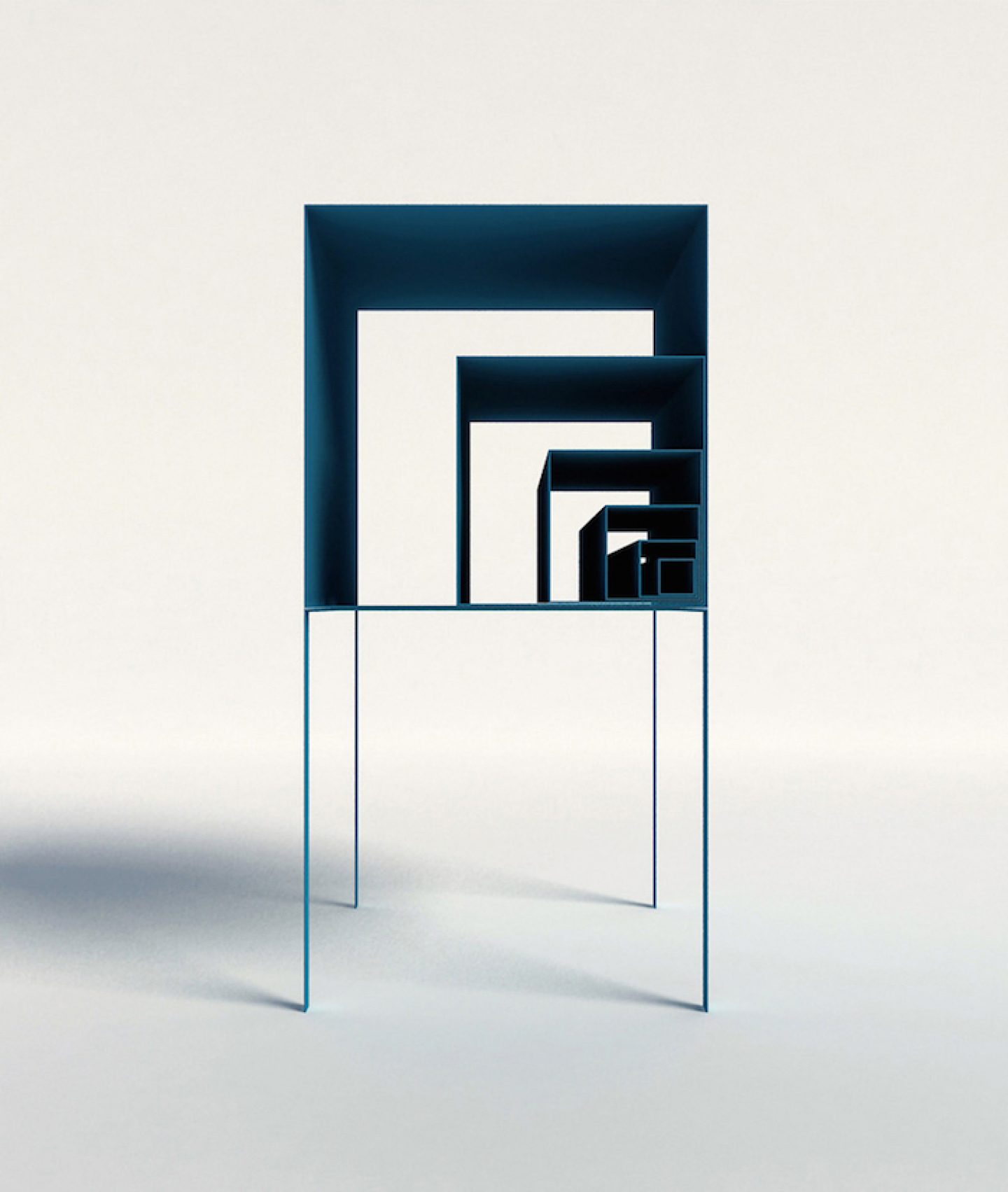
Mar 2026
Peng Wang’s modular shelf — six rectangles, one famous sequence
ReadJan 2026
Not a chart to memorize — a pattern to understand on the unit circle
Read