Abakcus
← Back to home

Abakcus — Book Lists

14 Mathematics Books Written by Artists, Architects, and Writers

Curated by Abakcus

14 Mathematics Books Written by Artists, Architects, and Writers

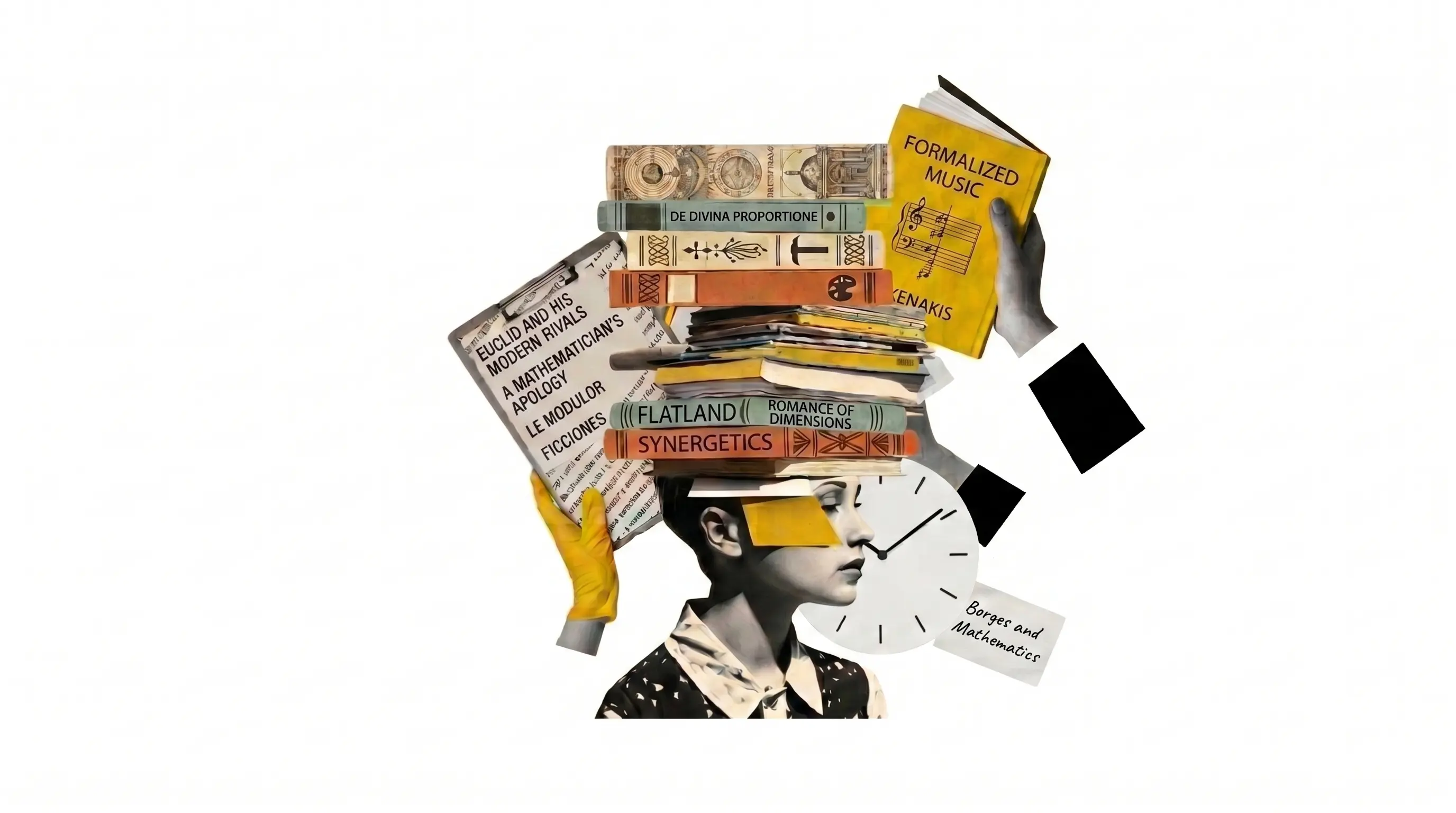
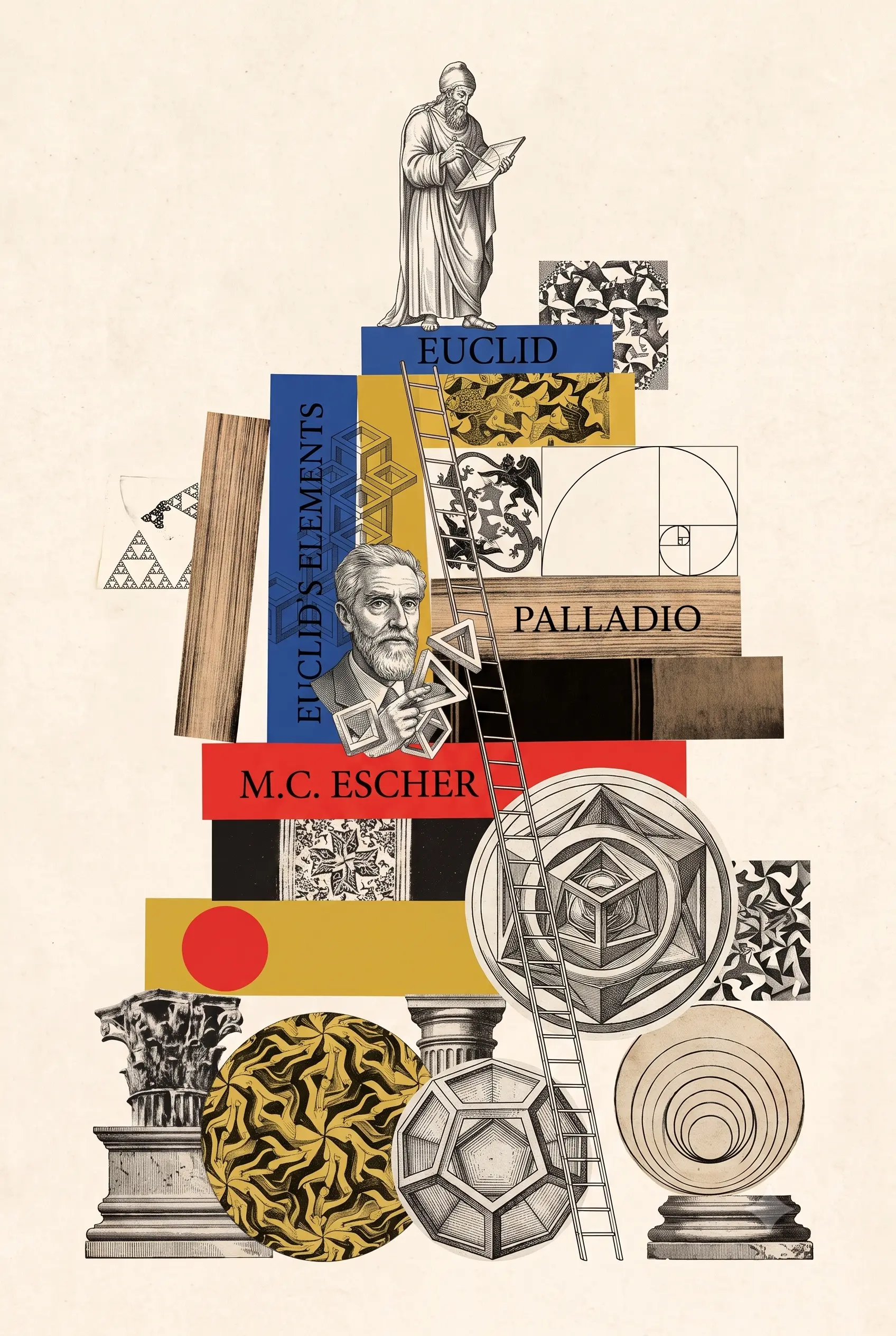
Mathematics has always had uninvited guests. Painters working in studios, composers in concert halls, designers in architecture offices, novelists in libraries — none of them had any business with a mathematics department. No faculty position, no peer-reviewed papers. But the books on this list were written by them, because the problem they were working on took them there and left them no other way out.

Dürer traveled to Italy to understand perspective and came back to write the first mathematics book in German. Xenakis ran out of musical language and turned to kinetic gas theory — not unlike the way physics can be made visible in sound. Le Corbusier refused to leave the question of proportion unsolved and spent six years on it. Borges noticed that the number of books in his library could not fit inside the universe and wanted to know exactly how many more there were. These books were born from that necessity — which is why they look different from professional mathematical writing. Less careful in some places, far more alive in others.

Here are fourteen of the best.

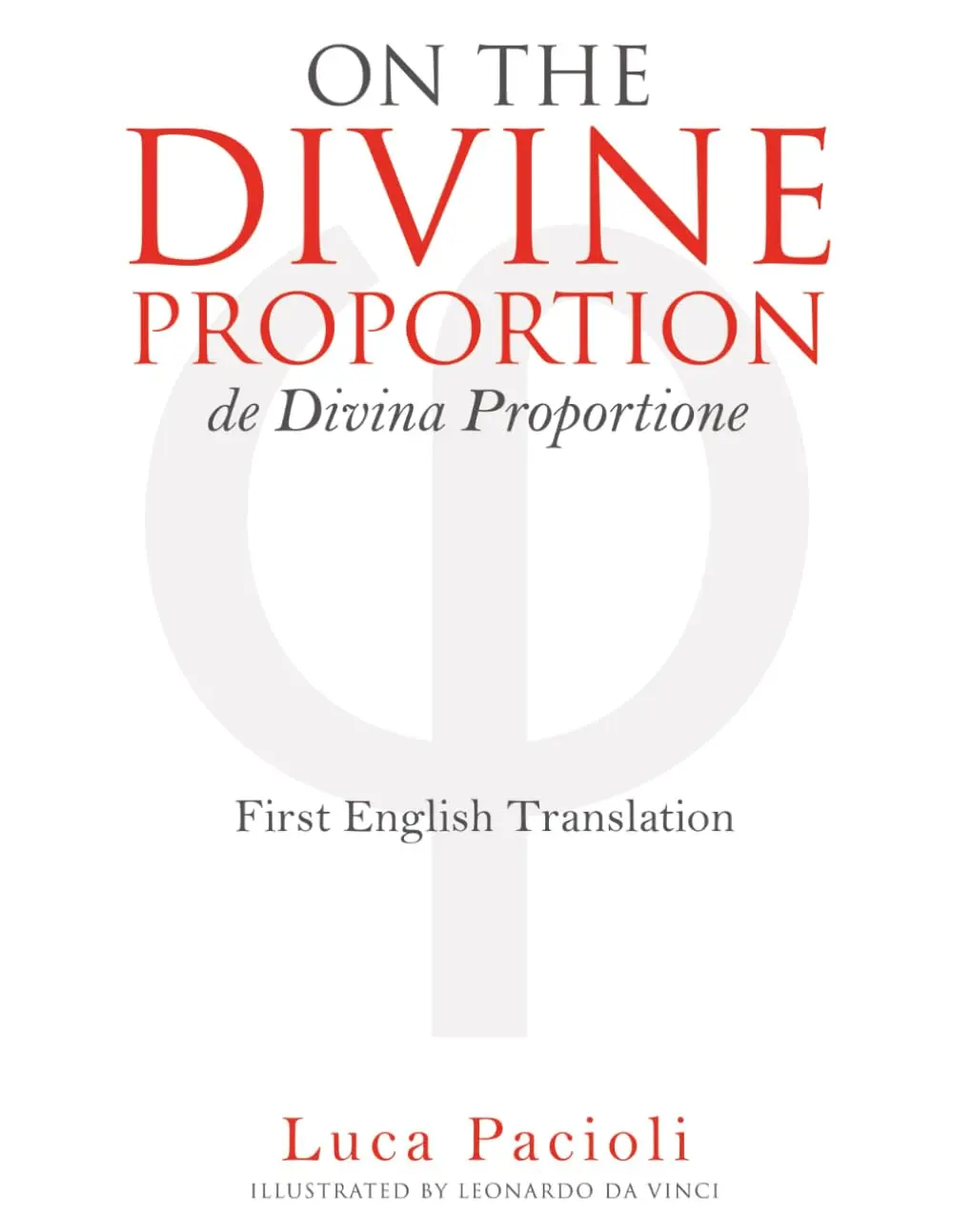
Cover: De Divina Proportione by Luca Pacioli
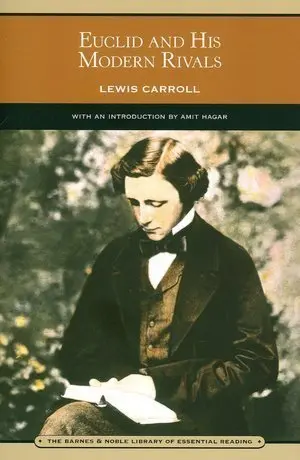
Cover: Euclid and His Modern Rivals by Lewis Carroll
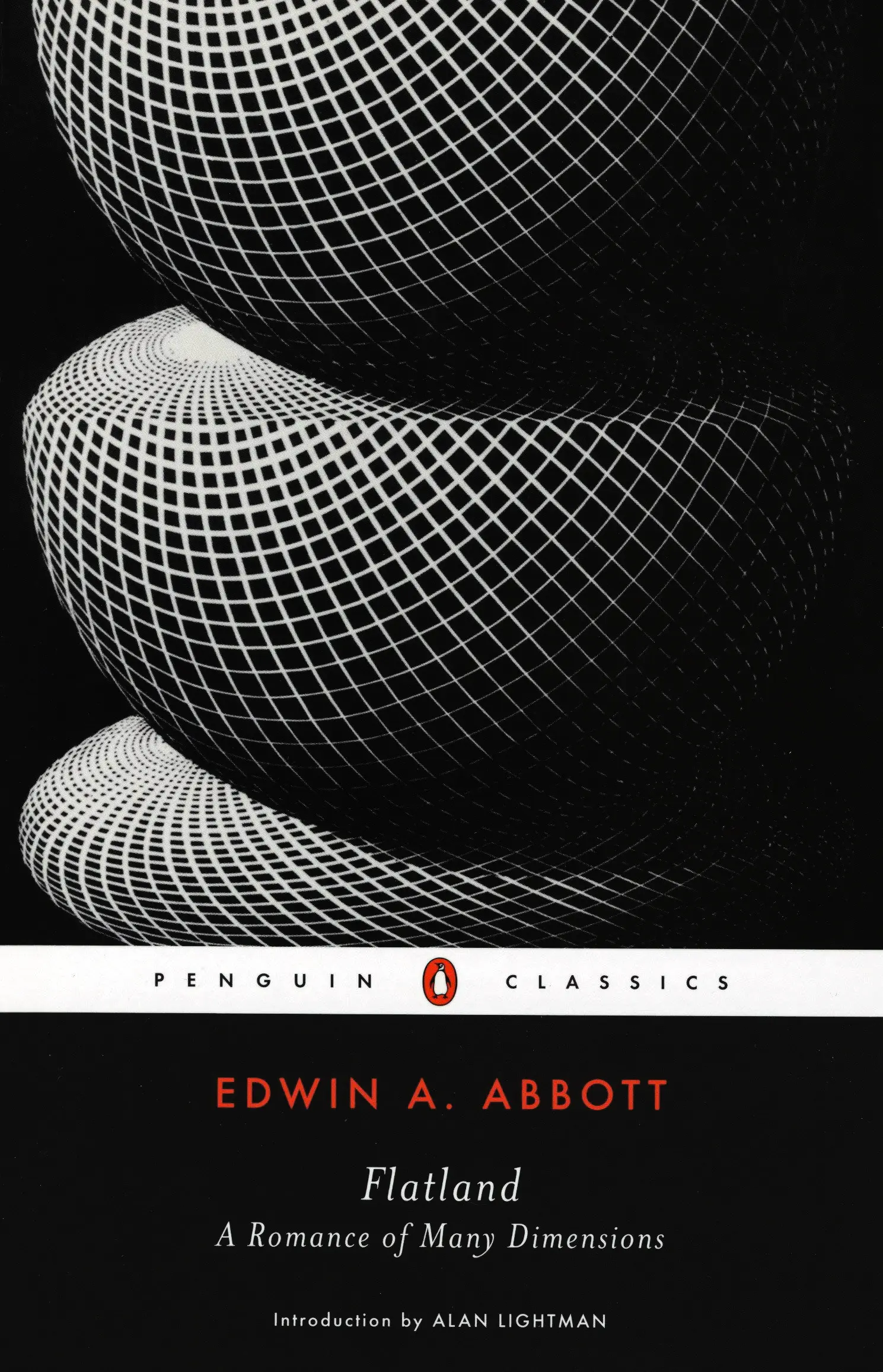
Cover: Flatland by Edwin A. Abbott
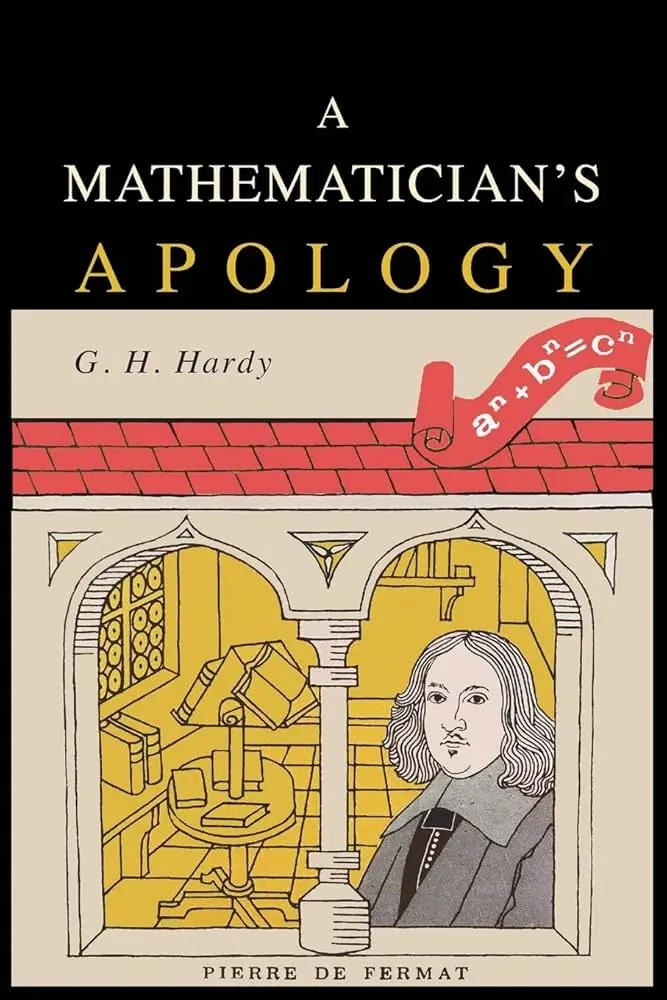
Cover: A Mathematician's Apology by G. H. Hardy
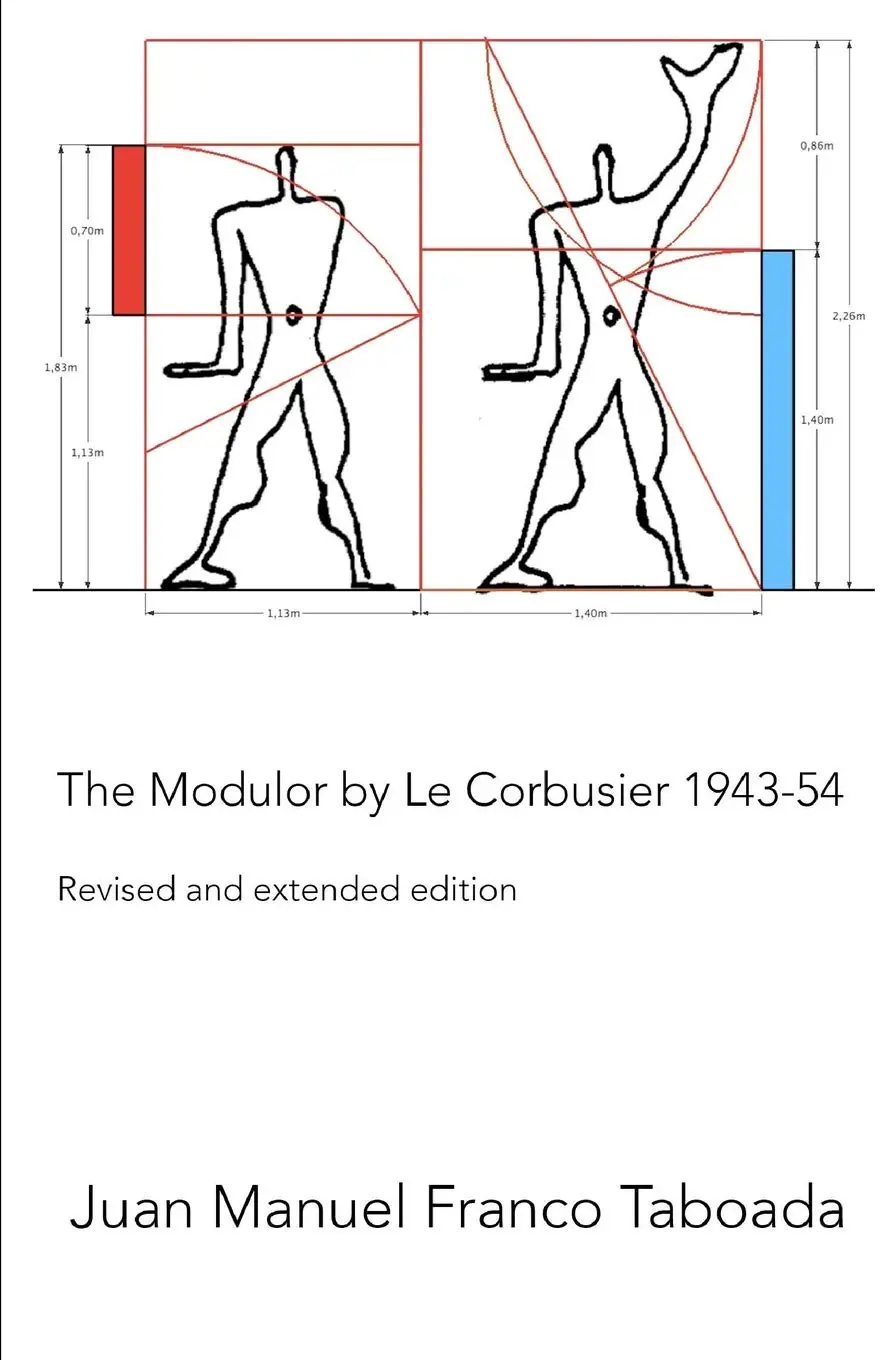
Cover: Le Modulor by Le Corbusier
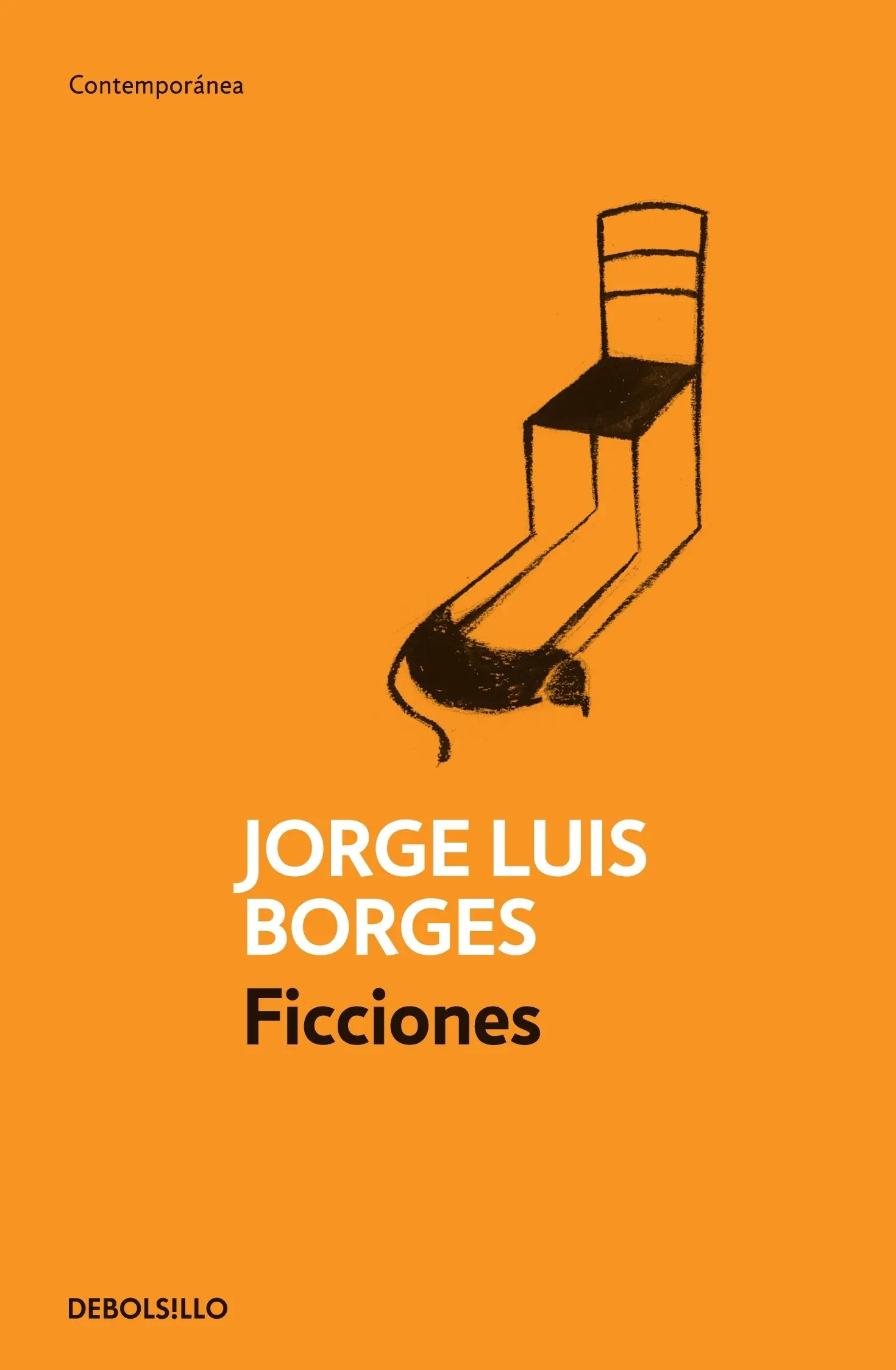
Cover: Ficciones by Jorge Luis Borges
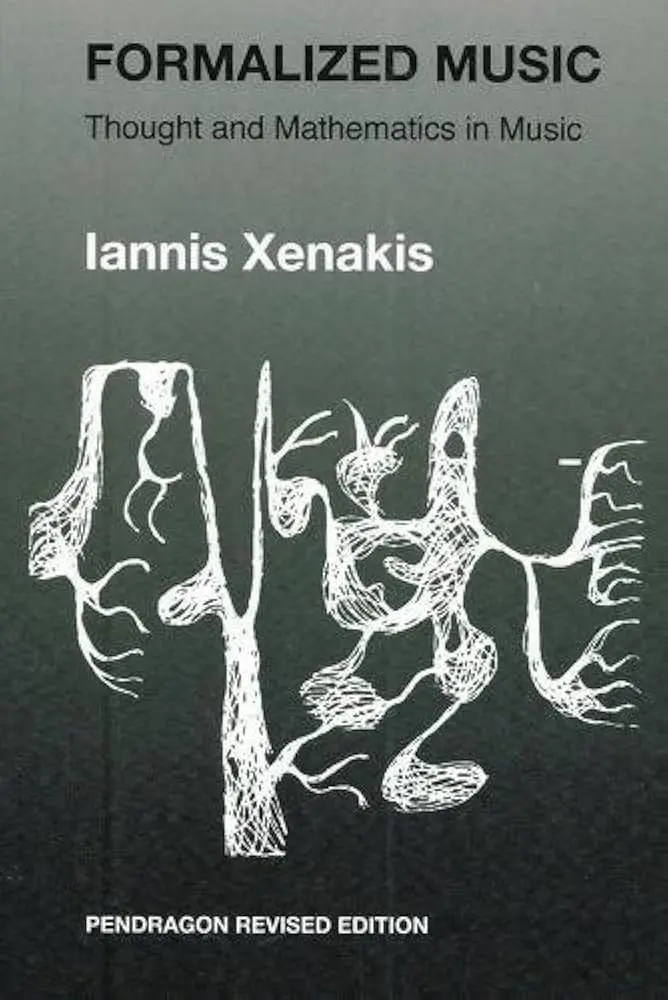
Cover: Formalized Music by Iannis Xenakis
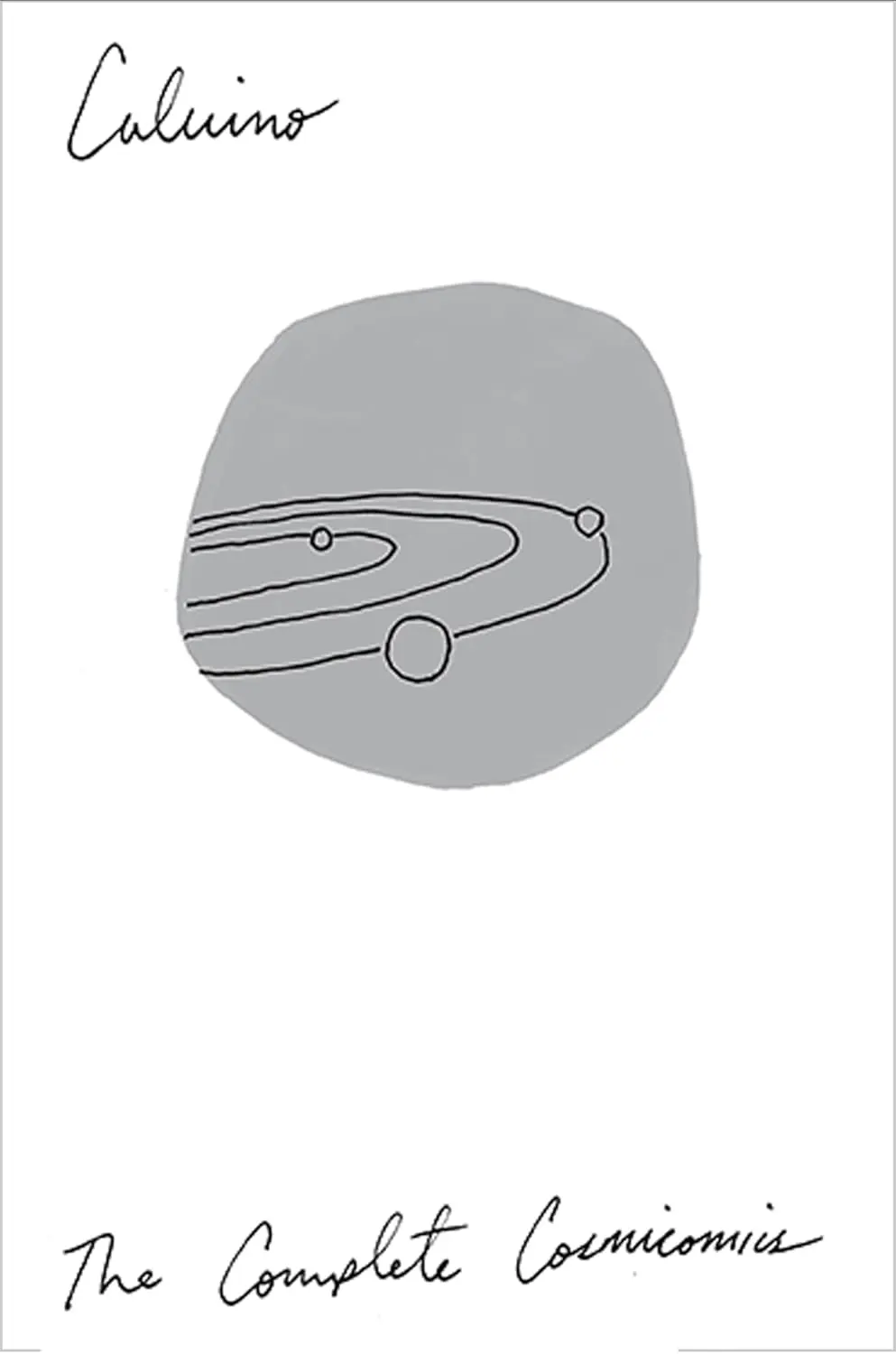
Cover: Cosmicomics by Italo Calvino
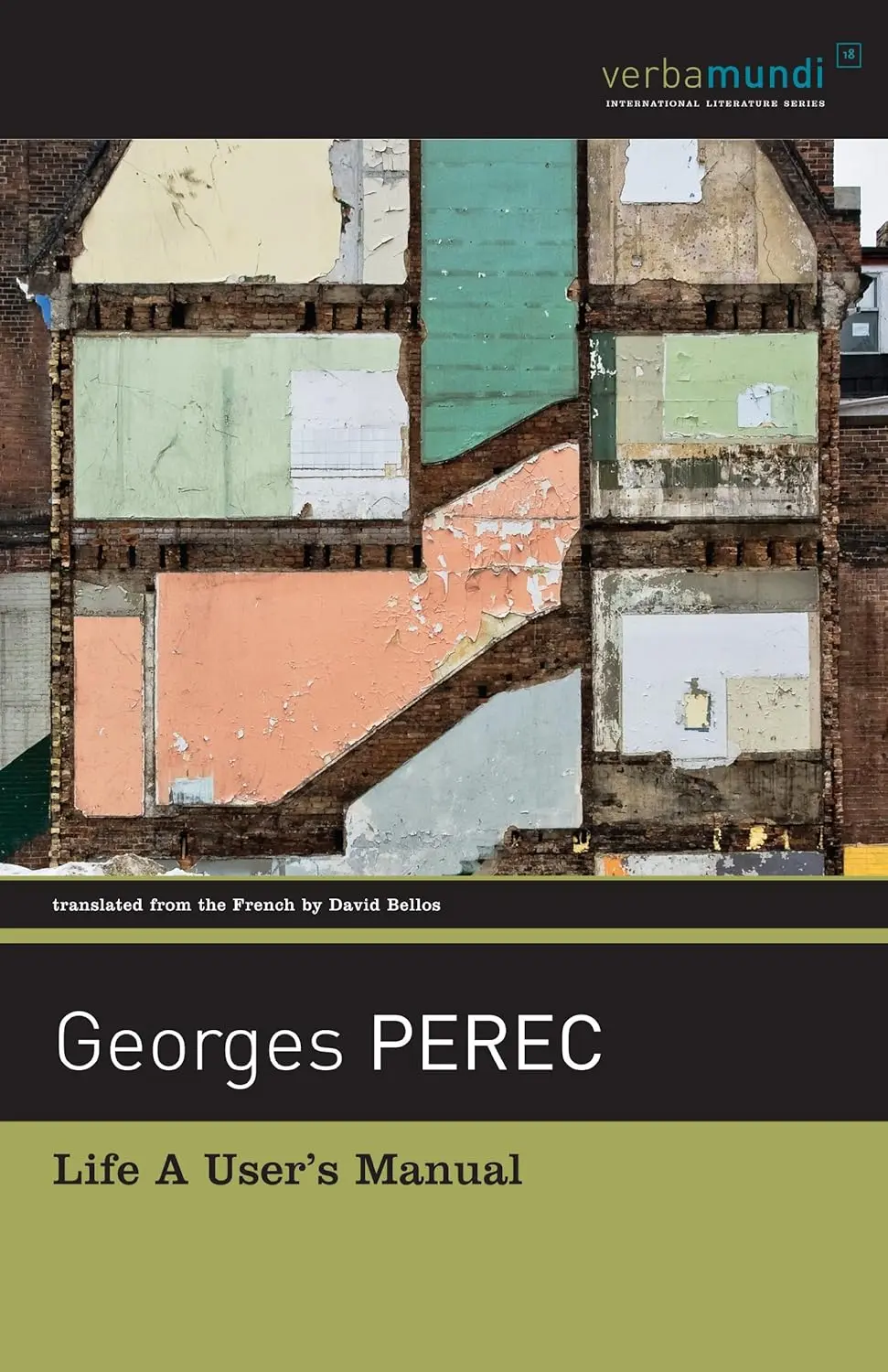
Cover: Life: A User's Manual by Georges Perec
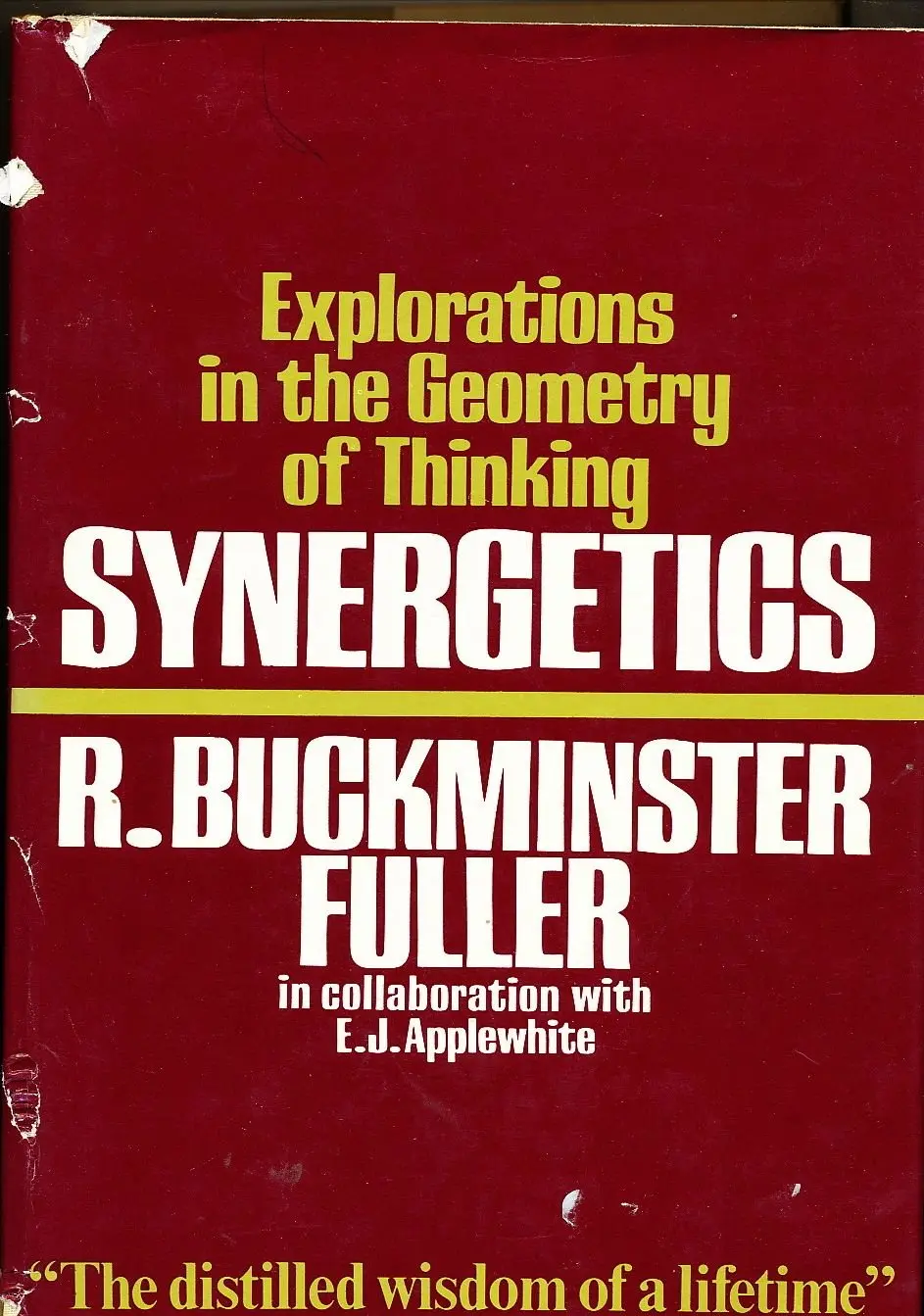
Cover: Synergetics by R. Buckminster Fuller
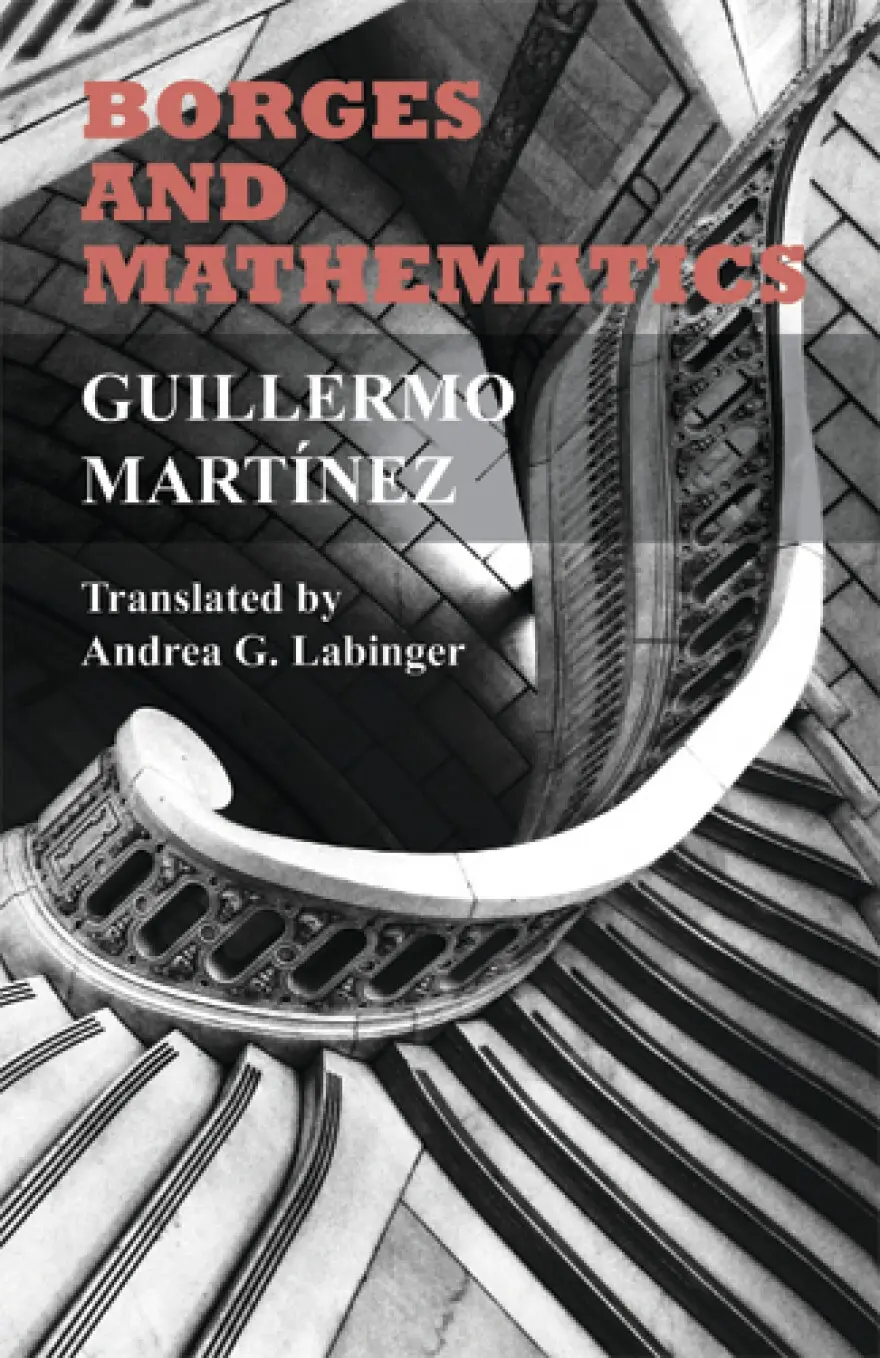
Cover: Borges and Mathematics by Guillermo Martínez
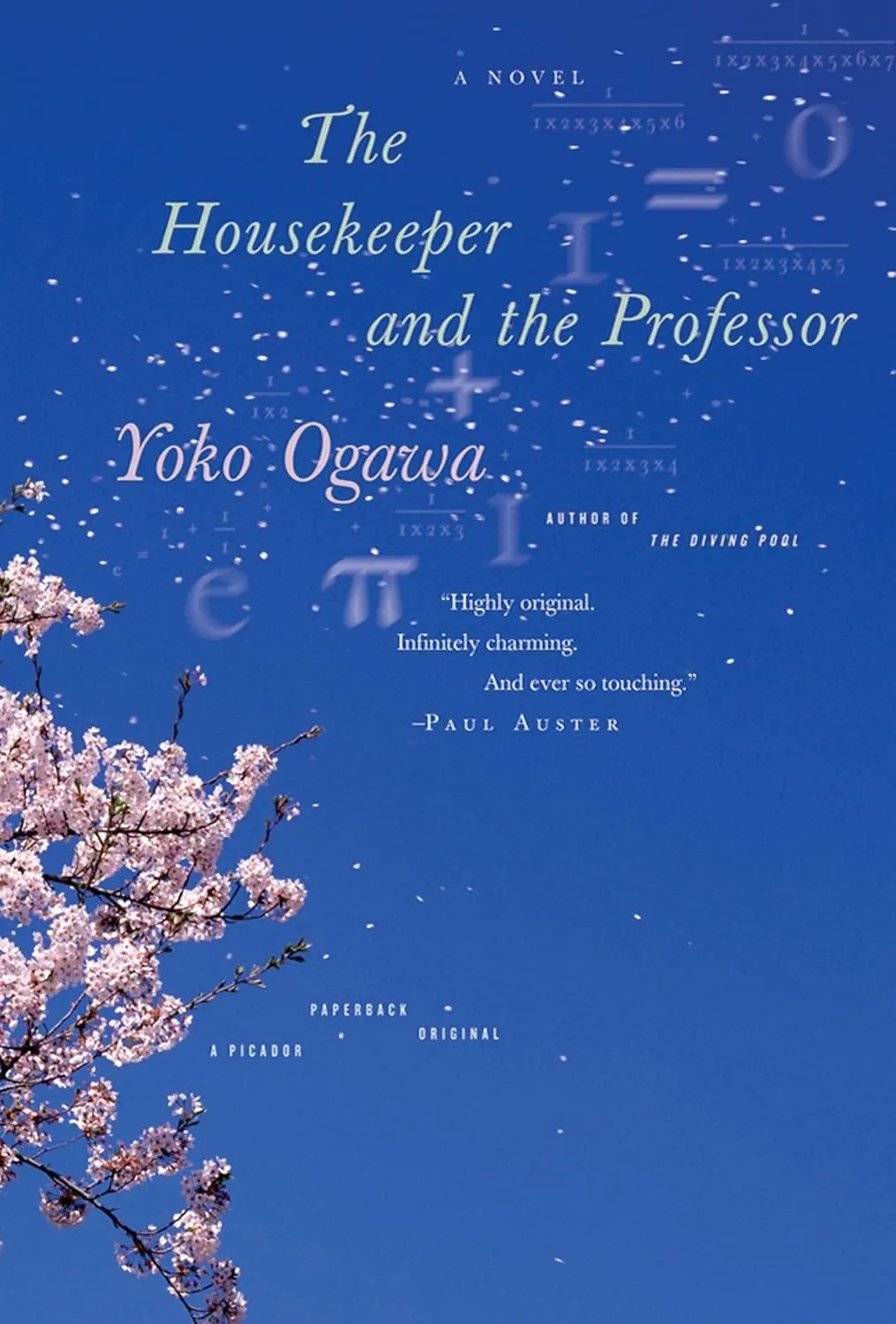
Cover: The Housekeeper and the Professor by Yoko Ogawa
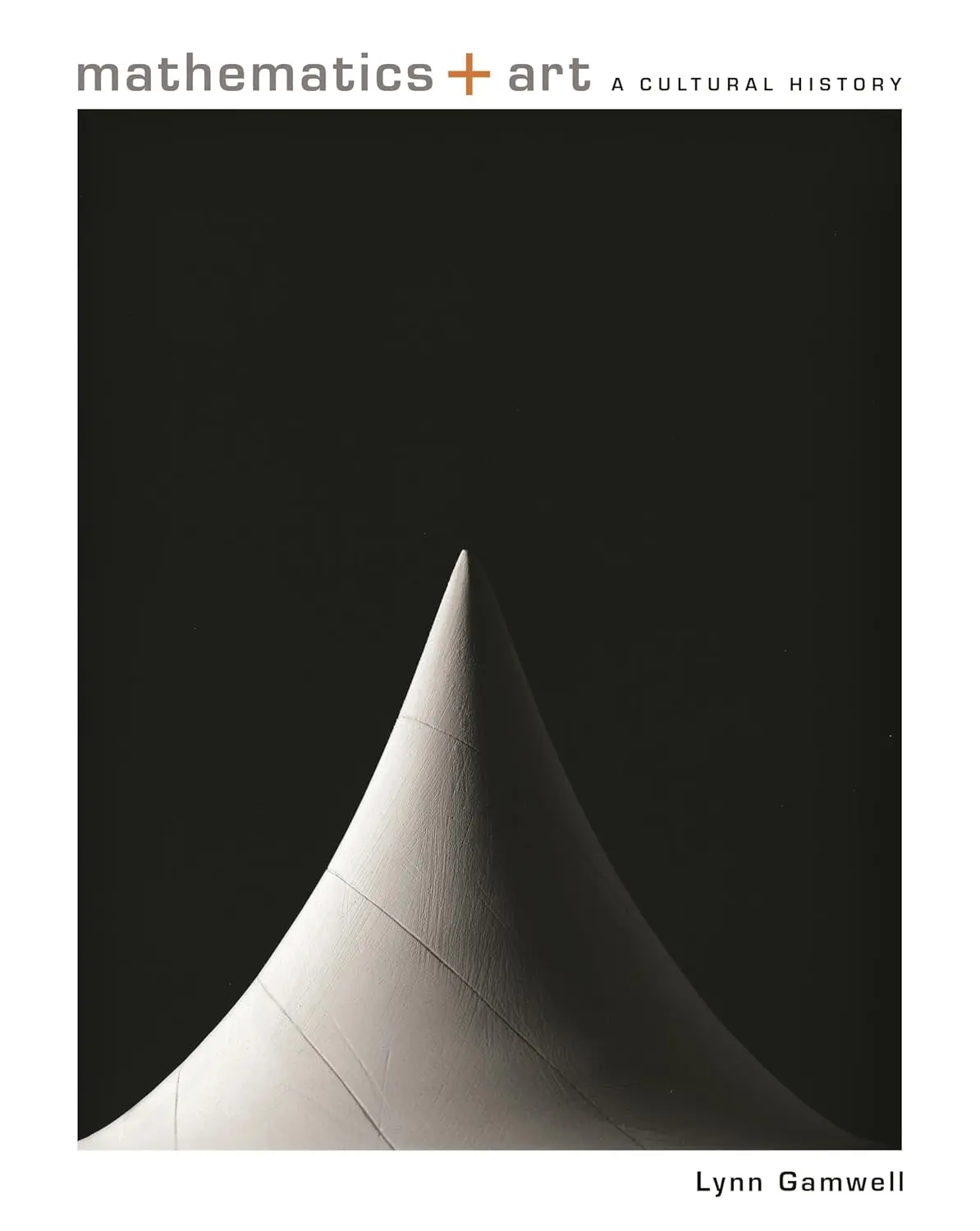
Cover: Mathematics + Art by Lynn Gamwell
  1. 01

    De Divina Proportione

    Luca Pacioli · 1509 · Illustrated by Leonardo da Vinci

    Pacioli was a Franciscan friar who had essentially invented double-entry bookkeeping. But his real obsession was the golden ratio. In 1498, at the court of Ludovico Sforza in Milan, living under the same roof as his neighbor Leonardo da Vinci, he wrote this three-part treatise. Leonardo drew the illustrations — sixty polyhedra rendered in skeletal form, their internal structure fully visible — and these drawings are among the most beautiful mathematical images ever made. The book examines the golden ratio's relationship to geometry, architecture, and proportion, argues that the ratio carries divine qualities, and closes with a treatise on perspective. It is the only book illustrated by Leonardo that was published during his lifetime. Two manuscript copies survive: one in Geneva, one in Milan.
  2. 02

    Four Books on Measurement

    Albrecht Dürer · 1525

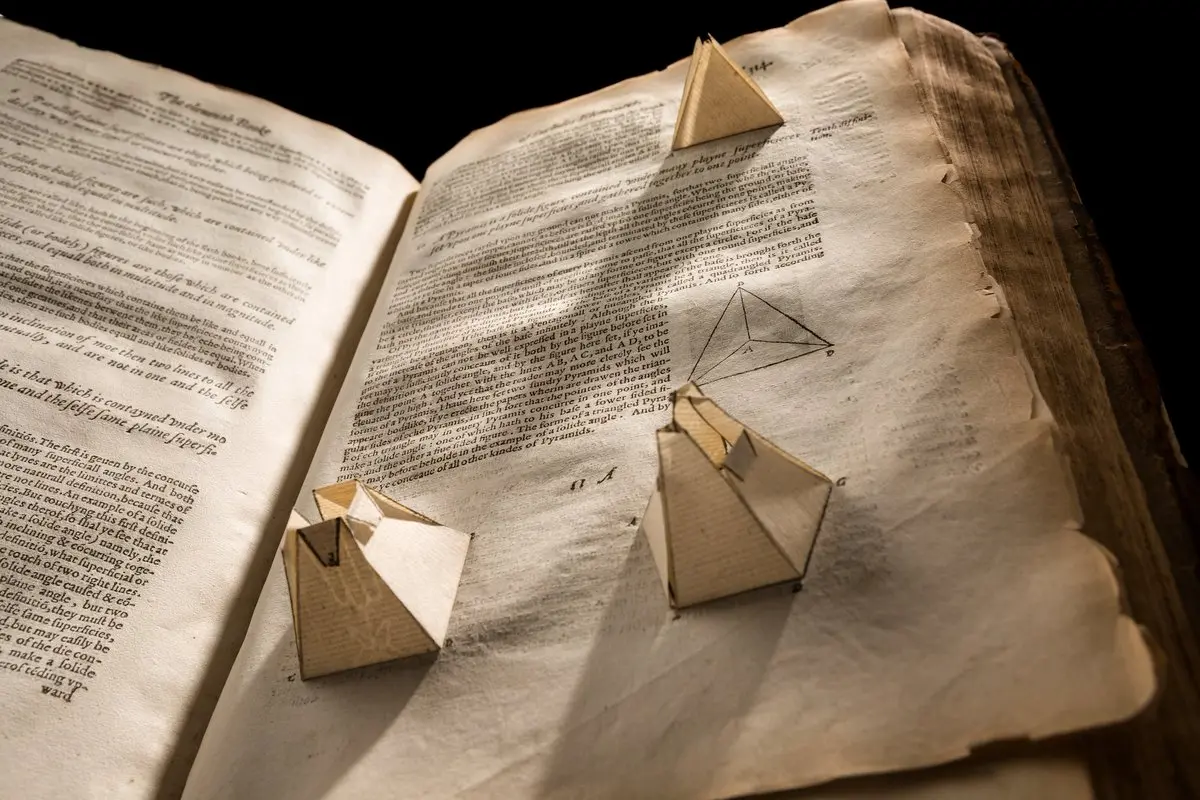
    Dürer was the greatest printmaker of the Northern Renaissance, and he had traveled to Italy specifically to learn mathematics — meeting Pacioli, studying perspective. When he returned to Germany, he wrote this book: the first mathematics text ever published in German. Its four sections cover the construction of plane curves, two-dimensional figures, three-dimensional solids, and the application of geometry to architecture, engineering, and typography. Dürer's draftsmanship announces itself throughout: his nets of polyhedra, unfolded flat onto the page, are precise enough to cut out and assemble — not unlike the paper solids in a later English Elements. He made small errors in the conic sections, but the perspective section remained a standard reference across Europe for well over a century.
  3. 03

    Euclid and His Modern Rivals

    Lewis Carroll · 1879

    Charles Dodgson — Lewis Carroll — was not only the author of Alice but also a mathematics lecturer at Christ Church, Oxford, where he taught geometry for decades. This book, written in the form of a dramatic comedy set in Hell, argues that Euclid's Elements is the only correct textbook for teaching elementary geometry, and that the thirteen modern rivals he examines are all either worse or functionally identical. The format is deliberately absurd — Euclid himself appears as a character on stage — but the mathematical arguments are rigorous. Dodgson examines each rival's treatment of parallel lines, his greatest obsession, with the same precision he brought to logic puzzles. It is funnier than most mathematics and more careful than most comedies.
  4. 04

    Flatland: A Romance of Many Dimensions

    Edwin A. Abbott · 1884

    Abbott was a schoolmaster and Shakespeare scholar who published this book under the pseudonym "A. Square." Its narrator is a square living in a two-dimensional world — a flat plane where women are line segments and men's social rank is determined by the number of their sides. The story turns on a visitation from a sphere arriving from three-dimensional space, who pulls the square briefly into a dimension he cannot comprehend and then returns him. Abbott wrote the book as a satire of Victorian class hierarchy, but its lasting legacy is as an exploration of dimension: what it means to live inside a space, what it feels like to be unable to perceive one level above your own, and what the landscape of mathematics can say about geometries no human eye has ever seen.
  5. 05

    A Mathematician's Apology

    G. H. Hardy · 1940

    Hardy was a pure mathematician — one of the great ones — but this book is not mathematics. It is an old man's defense of his life's work, written at a time when he knew his productive years were finished. He argues that mathematics is an art, that mathematical beauty is real and distinguishable from mere cleverness, and that the only mathematics worth doing is useless mathematics, insulated from practical application. The argument is elitist, melancholic, and occasionally wrong — but there are very few books that communicate the inner experience of mathematical thinking with this much honesty. Hardy asks what it means to spend a life on ideas most people cannot understand, and answers with a candor most scientists do not allow themselves. (We spent more time with the book in our essay on A Mathematician's Apology.)
  6. 06

    Le Modulor

    Le Corbusier · 1950

    Le Corbusier spent six years developing the Modulor — a proportional system based on the golden ratio, the Fibonacci sequence, and the physical dimensions of a man with his arm raised — before publishing it in 1950. The system was designed as a universal scale of measurement that would reconcile the human body with mathematical beauty, making it impossible for architects to design spaces that felt wrong. After hearing Le Corbusier explain it, Einstein said it was a scale that makes the bad difficult and the good easy. Whether that is entirely true depends on the building, but the mathematics underlying the Modulor is genuinely elegant: two interlocking Fibonacci series, both anchored to the body, cascading outward in both directions toward infinity.
  7. 07

    Ficciones

    Jorge Luis Borges · 1944

    Borges was not a mathematician. He had no formal training and freely admitted it. What he had instead was an intuition for the kinds of problems mathematics produces when pushed to its limits: infinite libraries, self-referencing maps, labyrinths with no center, sets of all possible books. "The Library of Babel" alone handles combinatorial explosion with more vividness than most textbooks manage. The story describes a library containing every possible 410-page book — every combination of characters that fits in that format — and works through the implications with the composure of someone who has actually thought about what infinity means. Borges arrived at these ideas through philosophy and literature, not mathematics — which may be why they are still this strange.
  8. 08

    Formalized Music: Thought and Mathematics in Composition

    Iannis Xenakis · 1963

    Xenakis was a Greek-French composer, architect, and engineer who had worked in Le Corbusier's Paris office before turning entirely to music. This book, first published in French in 1963, explains his method: using stochastic mathematical functions — drawn from probability theory, kinetic gas theory, set theory — to compose music. He was not using mathematics as a metaphor. He was applying Maxwell-Boltzmann distributions to determine the density of sound events per unit of time. The result is one of the stranger objects in the literature: a music theory book that requires differential equations, written by someone who had previously been responsible for calculating the concrete structure of a housing block in Marseilles. FORTRAN code is included in the appendix.
  9. 09

    Cosmicomics

    Italo Calvino · 1965

    Each story in Cosmicomics begins with a scientific or mathematical statement — about the distance between galaxies, the rotation of the solar system, the formation of the moon — and then tells a story set inside that statement, narrated by Qfwfq, a being who has existed since before the universe began. Calvino used the format to ask what it feels like to live inside mathematics: to be present at the moment space became curved, to witness the appearance of the first signs. The mathematics is real — the physical premises are accurate — and the stories are genuinely strange. Calvino was a member of Oulipo, the French movement that applied mathematical constraints to literature — not unlike the rule-bound play of the Literature Clock — and the structural precision of these stories reflects that discipline even when the content is purely fantastical.
  10. 10

    Life: A User's Manual

    Georges Perec · 1978

    Perec was also an Oulipo member, and the constraint governing this novel is mathematical: a knight's tour of a 10×10 grid representing the rooms of a Parisian apartment building, organized so that every pair of rooms is visited in a specific order determined by a Latin square. The novel describes the contents of each room at a single moment — 8 pm on June 23, 1975 — and through those descriptions constructs the entire history of the building and its inhabitants. The structure is invisible while reading and overwhelming when understood. Perec had published La Disparition in 1969 — a 300-page novel written without the letter E — and Les Revenentes the following year, which uses only E as its vowel. Both belong on this list, but Life is the masterpiece.
  11. 11

    Synergetics: Explorations in the Geometry of Thinking

    R. Buckminster Fuller · 1975

    Fuller described himself as an engineer, inventor, mathematician, architect, cartographer, philosopher, poet, cosmogonist, comprehensive designer, and choreographer. Synergetics is the book where he attempted to unify most of these. His central argument: the coordinate system Western mathematics inherited from Descartes — three perpendicular axes, space divided into cubes — is unnatural and inefficient; nature actually operates on 60-degree geometry: tetrahedra, octahedra, the closest-packing of spheres. The mathematics is heterodox and occasionally imprecise, but the spatial intuitions are extraordinary. In 1985, chemists discovered a new carbon molecule shaped like a geodesic dome and named it buckminsterfullerene. They did not ask Fuller's permission because he had died two years earlier.
  12. 12

    Borges and Mathematics

    Guillermo Martínez · 2003

    Martínez is both a novelist — The Oxford Murders has been translated into thirty-five languages — and a PhD in mathematics, which makes this book unusual: it was written by someone who actually knows both fields. The two central lectures examine how Borges used mathematical ideas in his fiction — infinity, self-reference, Zeno's paradoxes, the diagonal argument — and whether he understood them correctly. The answer, largely, is yes: Borges had a genuine mathematical intuition that exceeded his formal training. The remaining essays address the relationship between literature and logic more broadly, including a serious treatment of whether a short story can be understood as a logical system. The book is short, dense, and worth reading twice.
  13. 13

    The Housekeeper and the Professor

    Yoko Ogawa · 2003

    Ogawa is a Japanese novelist with no mathematical background, and this novel is not technically about mathematics. It is about a mathematician whose memory resets every eighty minutes after a traffic accident — he cannot form new long-term memories and lives entirely in the present, his jacket covered in notes reminding him who he is. The mathematics in the book — amicable numbers, perfect numbers, the beauty of zero — is accurate and carefully chosen, but functions as a kind of emotional language: a means by which the mathematician makes contact with the world without needing continuity of memory. The novel won Japan's Booksellers' Award and sold a million paperback copies in two months. It remains one of the most accurate portraits of what mathematicians actually find beautiful.
  14. 14

    Mathematics + Art: A Cultural History

    Lynn Gamwell · 2016

    Gamwell is an art historian, and this 576-page book is the most comprehensive account of the relationship between mathematics and visual art ever assembled. It begins in ancient Egypt and ends with digital art, covering Islamic geometric patterns, Renaissance perspective, the influence of non-Euclidean geometry on Cubism, the role of topology in abstract sculpture, and the use of fractal algorithms in contemporary digital work — territory that also runs through natural form in art. Gamwell does not simplify the mathematics — she explains the actual content of the ideas — but always returns to the question of how those ideas became visible in art, which is the harder question. The book is lavishly illustrated, meticulously researched, and structured so that art historians and mathematicians can both read it without condescension.