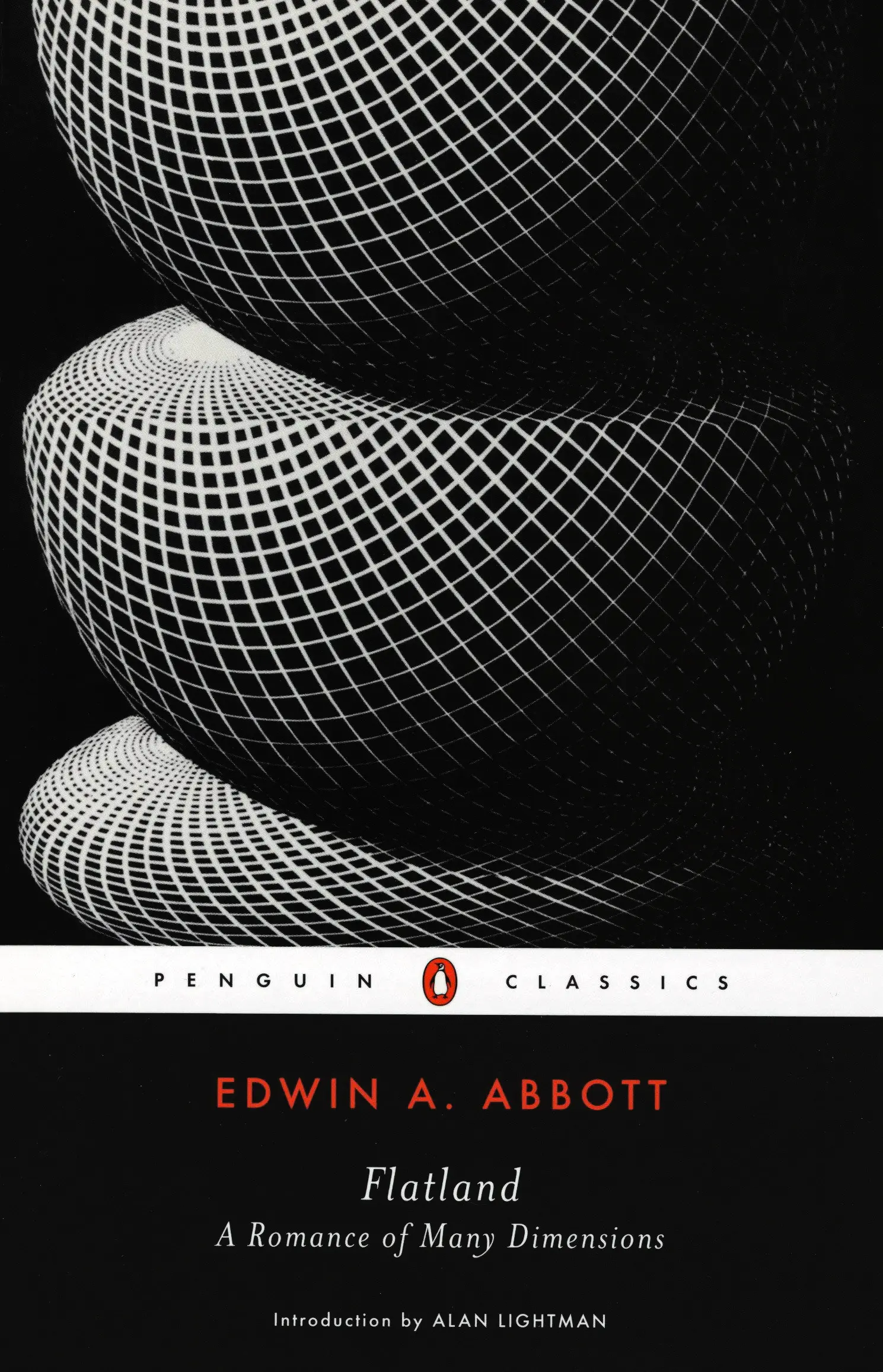
Flatland
Edwin A. Abbott
96 ppReading List · Mathematics
Every one of them under 200 pages.
Abakcus · A Curated List

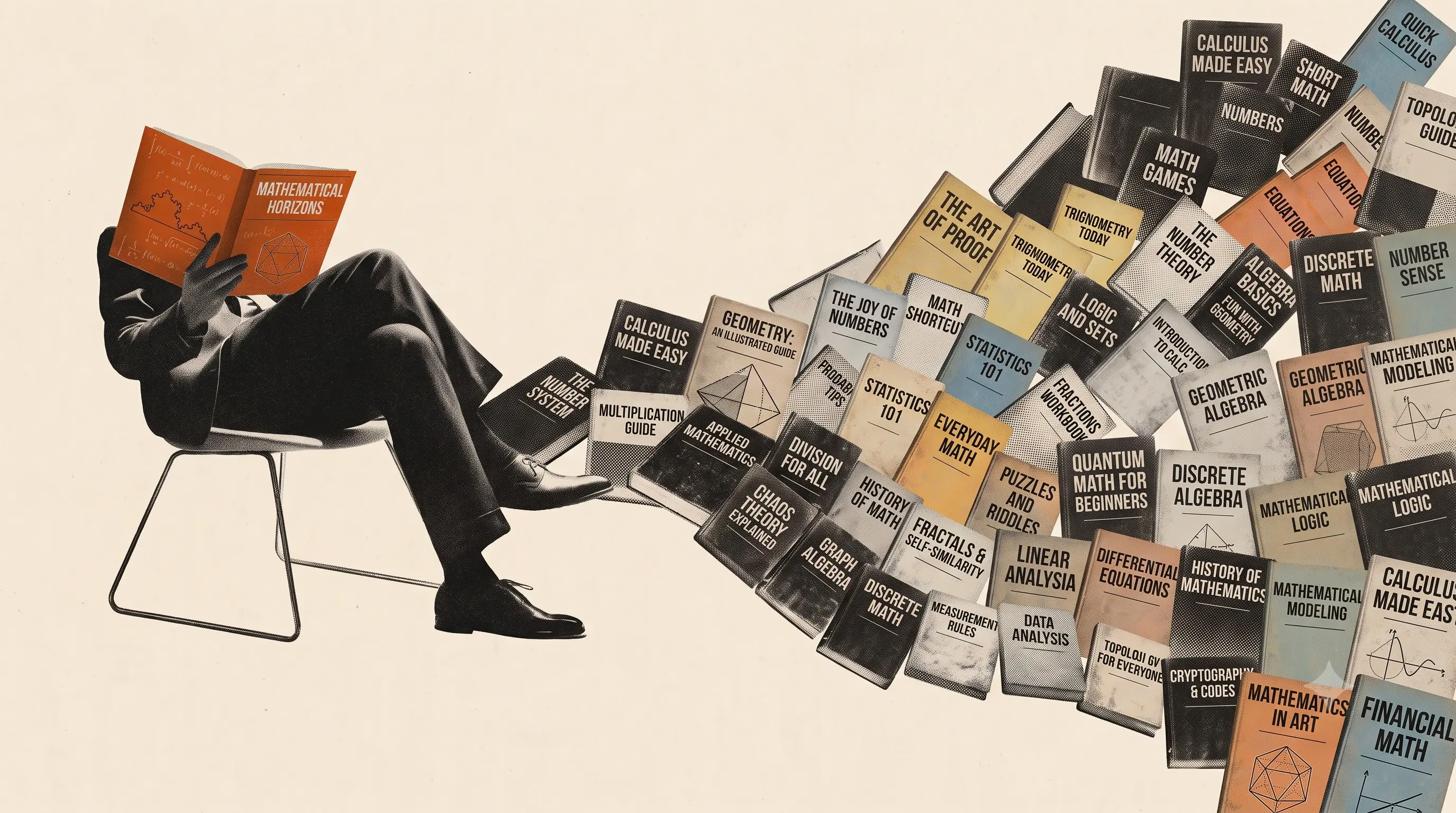
There's a stubborn prejudice about math books: a serious one is supposed to be thick. It should have some heft when you pull it off the shelf, and it should intimidate you a little when you open the cover. It isn't hard to guess where this idea comes from. Most of us met mathematics through thousand-page textbooks and exercise sets with no visible end. We came to believe that the thicker the book, the deeper the mathematics.
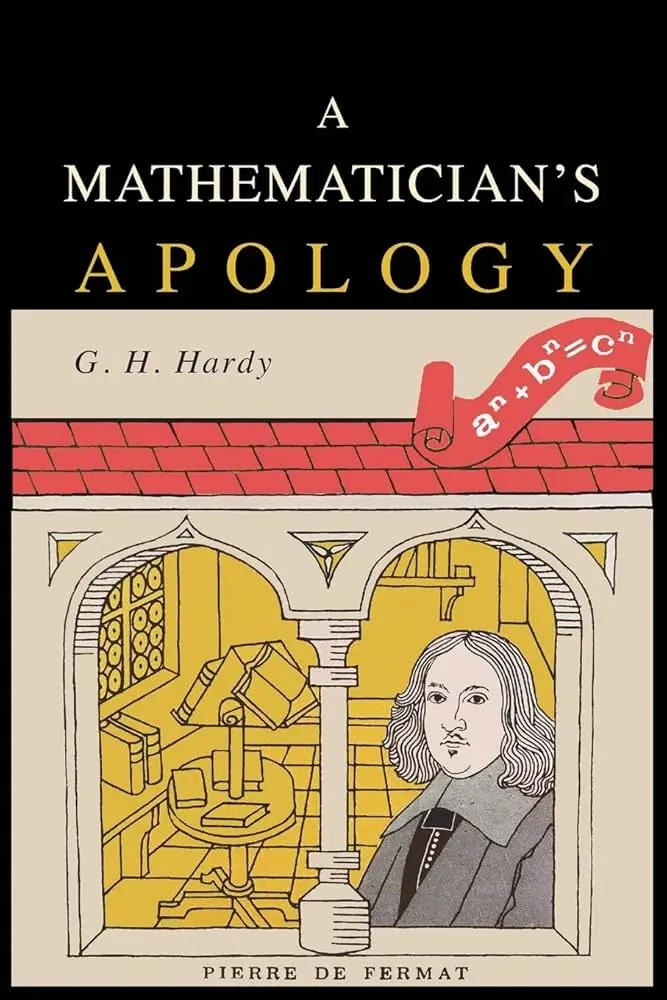
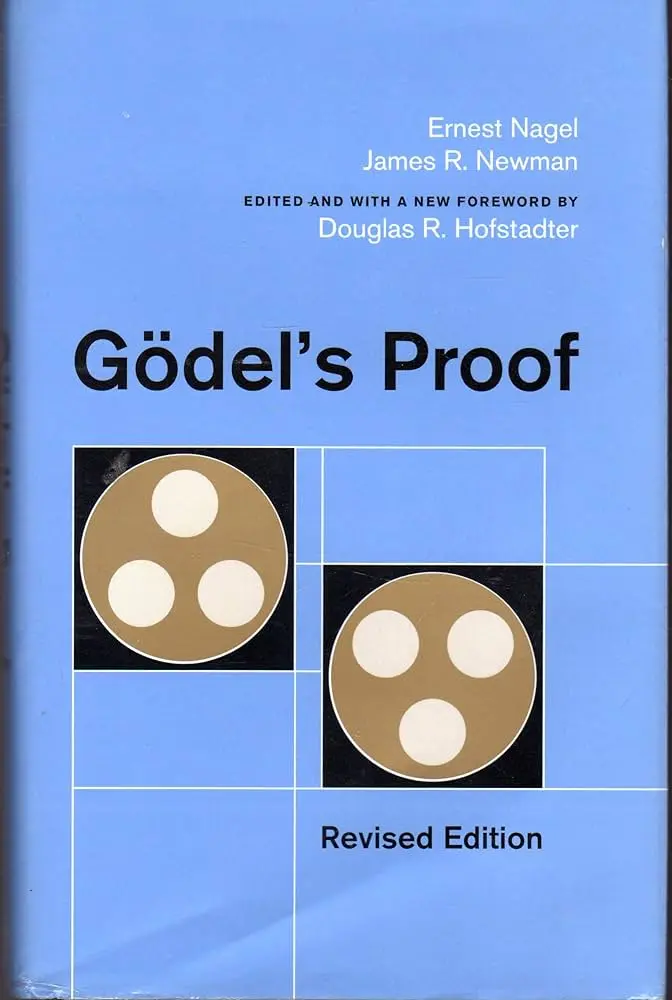
The history of the subject says the opposite. Most of the truly influential books in this field are surprisingly slim. Hardy wrote the finest defense of mathematics ever written in 150 pages. The best book explaining Gödel's century-shaking theorem to an ordinary reader runs 160 pages. Flatland teaches four-dimensional thinking in 96 pages and has never gone out of print in 140 years. A good idea does not grow with the page count. If anything, thinness is a virtue, because it forces the author to give up ornament and filler. A writer with only 150 pages has to earn every sentence.
Short books have another advantage: they end. Don't underestimate the power of that plain fact. Half-finished thick books breed guilt on the shelf; finished thin books breed confidence. That feeling of having read a math book cover to cover is what opens the door to the next one. If you want to give someone on bad terms with mathematics a fresh start, don't hand them a thousand-page brick. Hand them something that finishes over a weekend.
I used three criteria in building this list. First, the book had to be under 200 pages. It shifts by a few pages from edition to edition, but that's the line. Second, no mathematical training required to read it. Nothing here asks for more than high school math, and most ask for even less. Third, the book had to be findable today at a reasonable price. I left out rare editions that require hunting through secondhand shops.
The result is a list of 25 books. There are classics, there are new arrivals, there are novels, and there's even a love story. At the end I've added four books that creep just past 200 pages but that I couldn't bring myself to cut. And for anyone unsure where to begin, there's a three-book starting route at the close.

The youngest book in this section is half a century old. It's no accident that they're still in print, still read, and still recommended. Each set such a high bar in its subject that no one who came after has cleared it.
Edwin A. Abbott
96 ppG. H. Hardy
150 ppErnest Nagel & James R. Newman
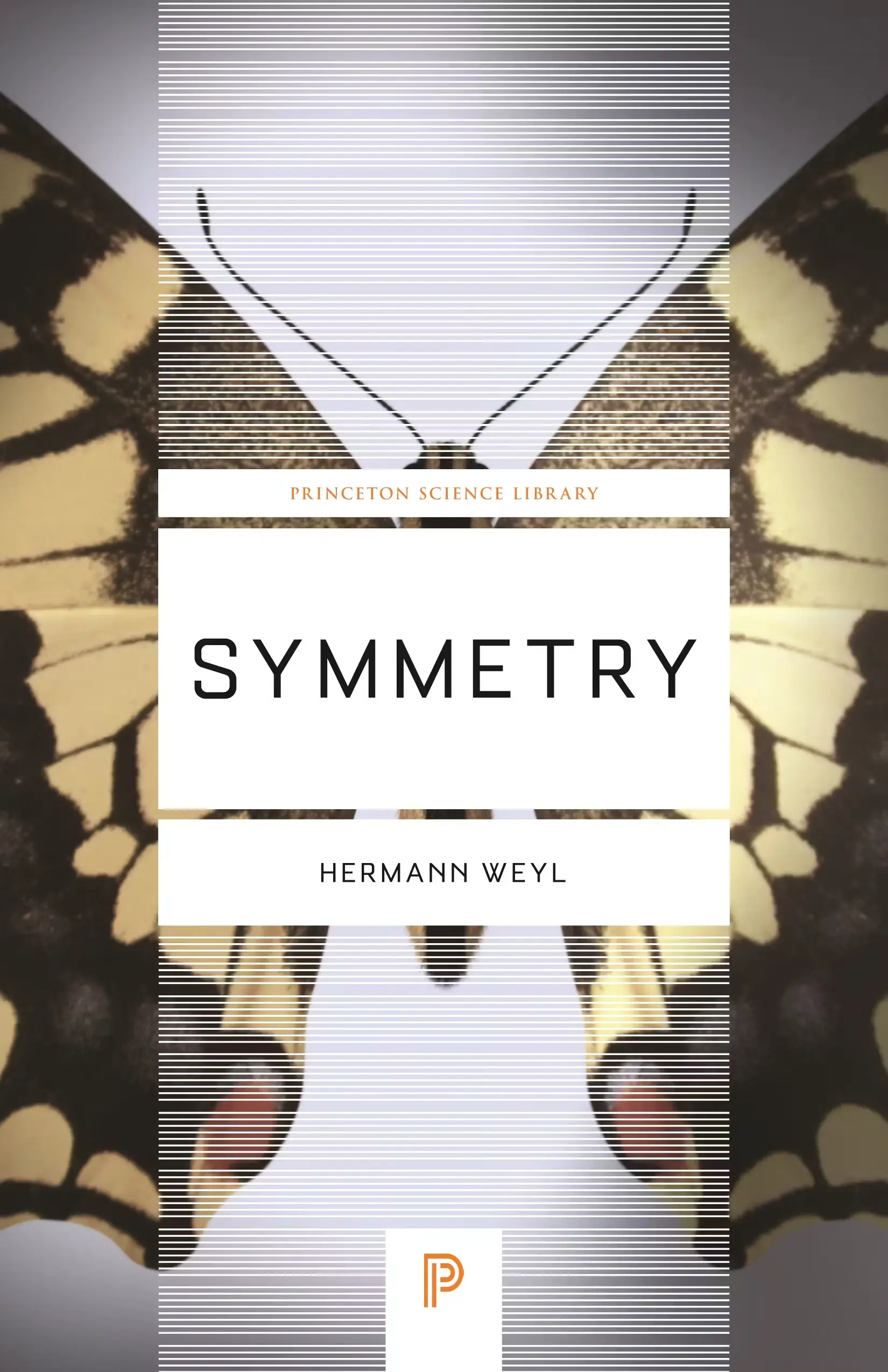
160 ppHermann Weyl
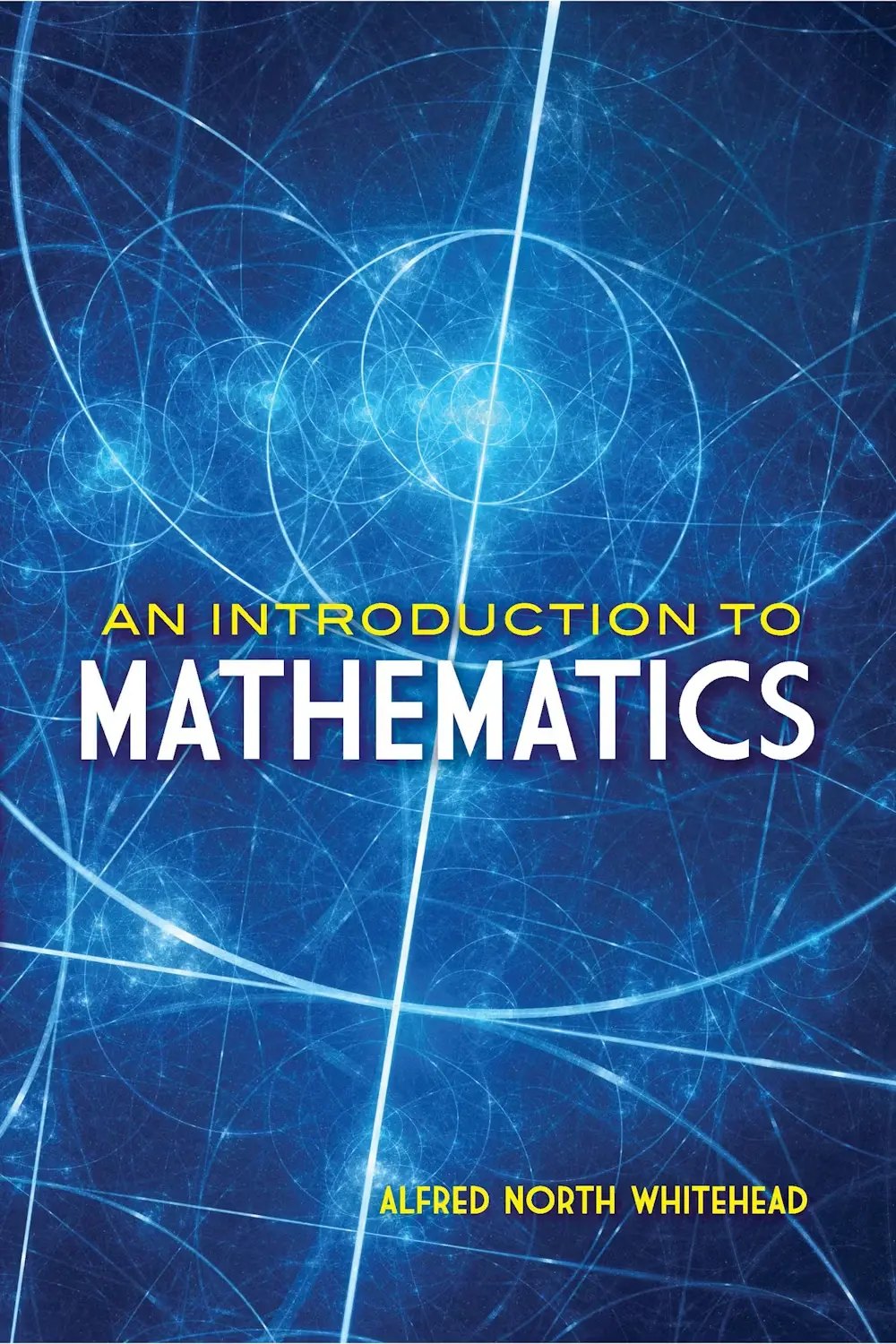
168 ppAlfred North Whitehead
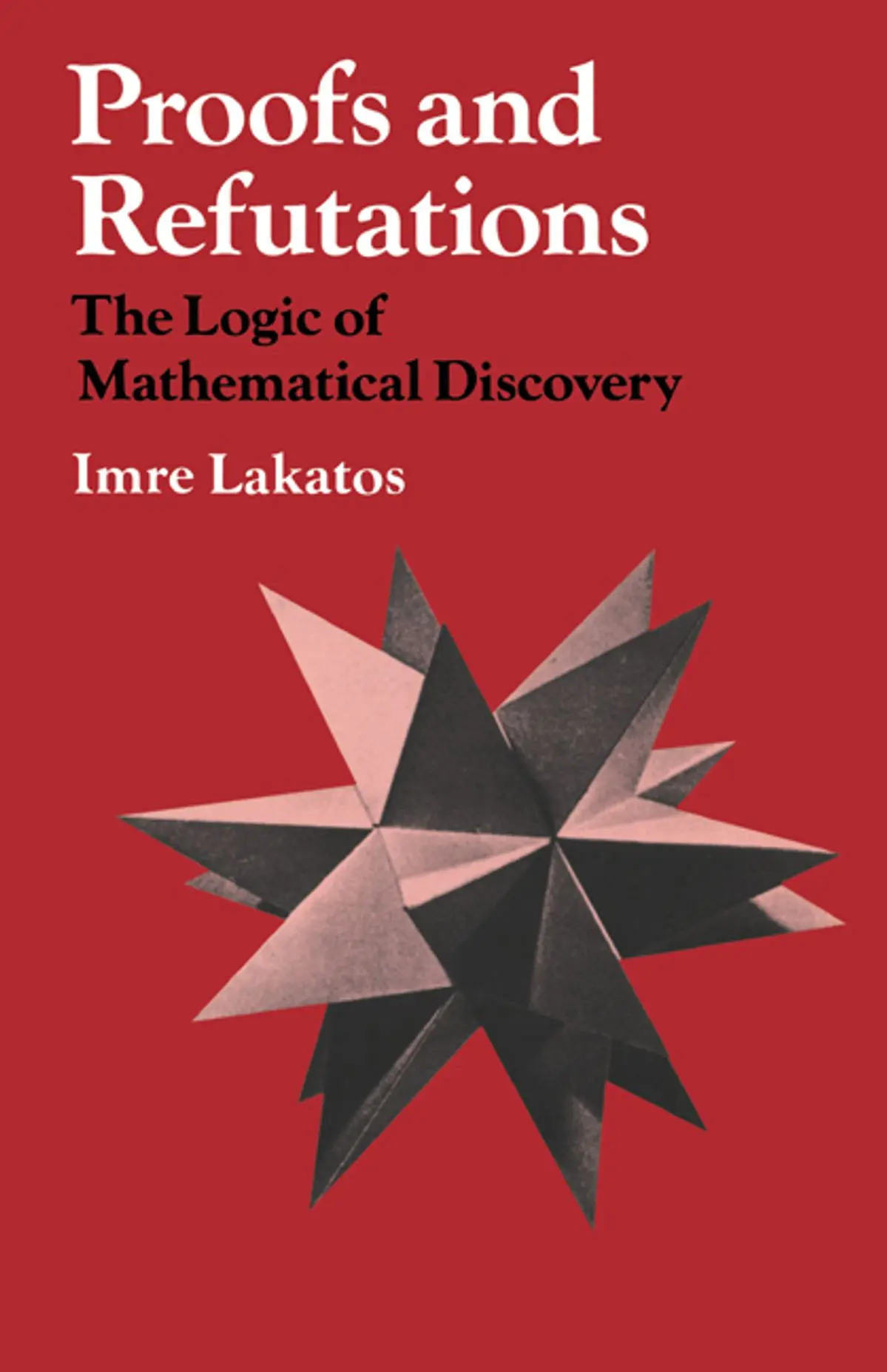
190 ppImre Lakatos
170 ppJacques Hadamard
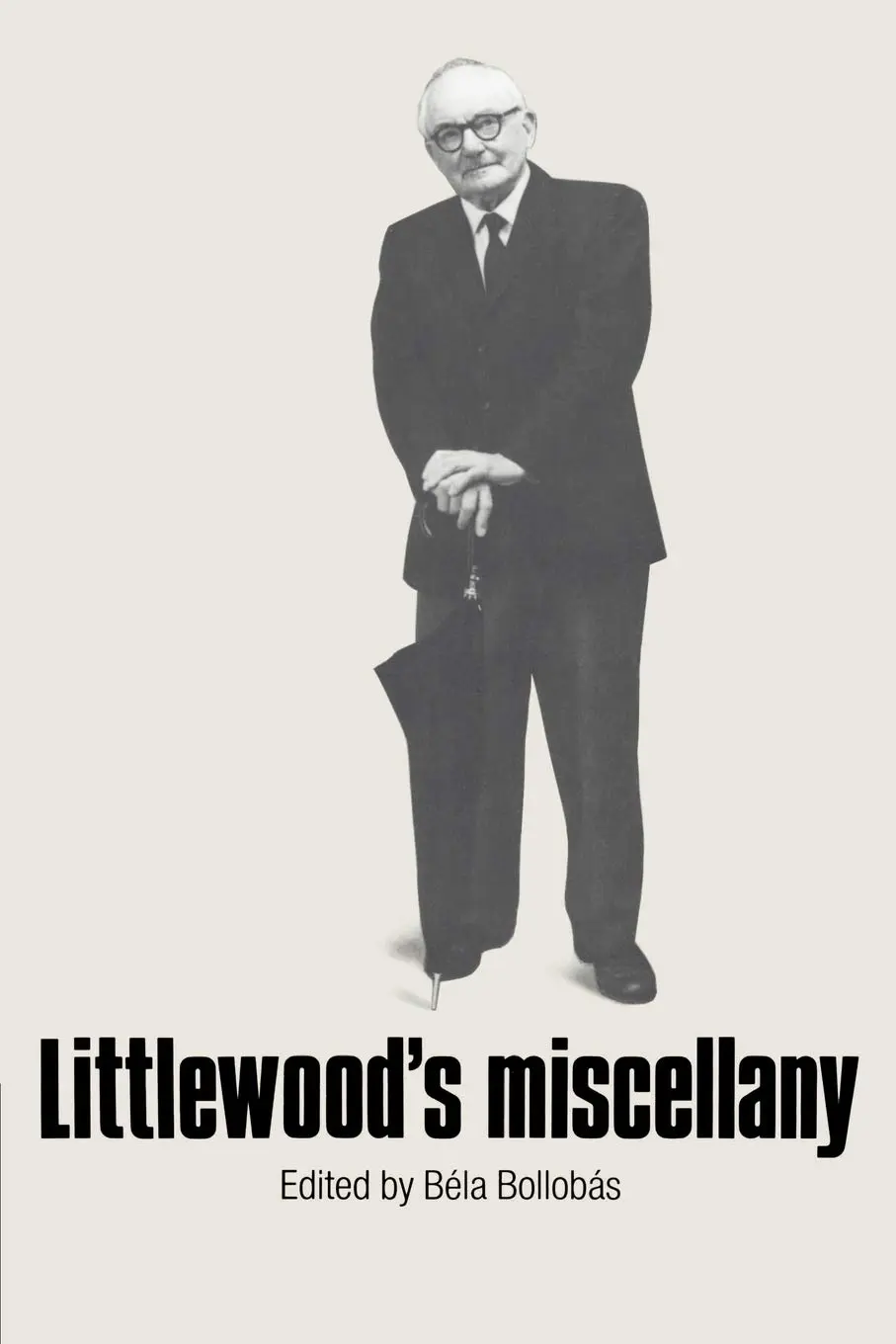
145 ppJ. E. Littlewood
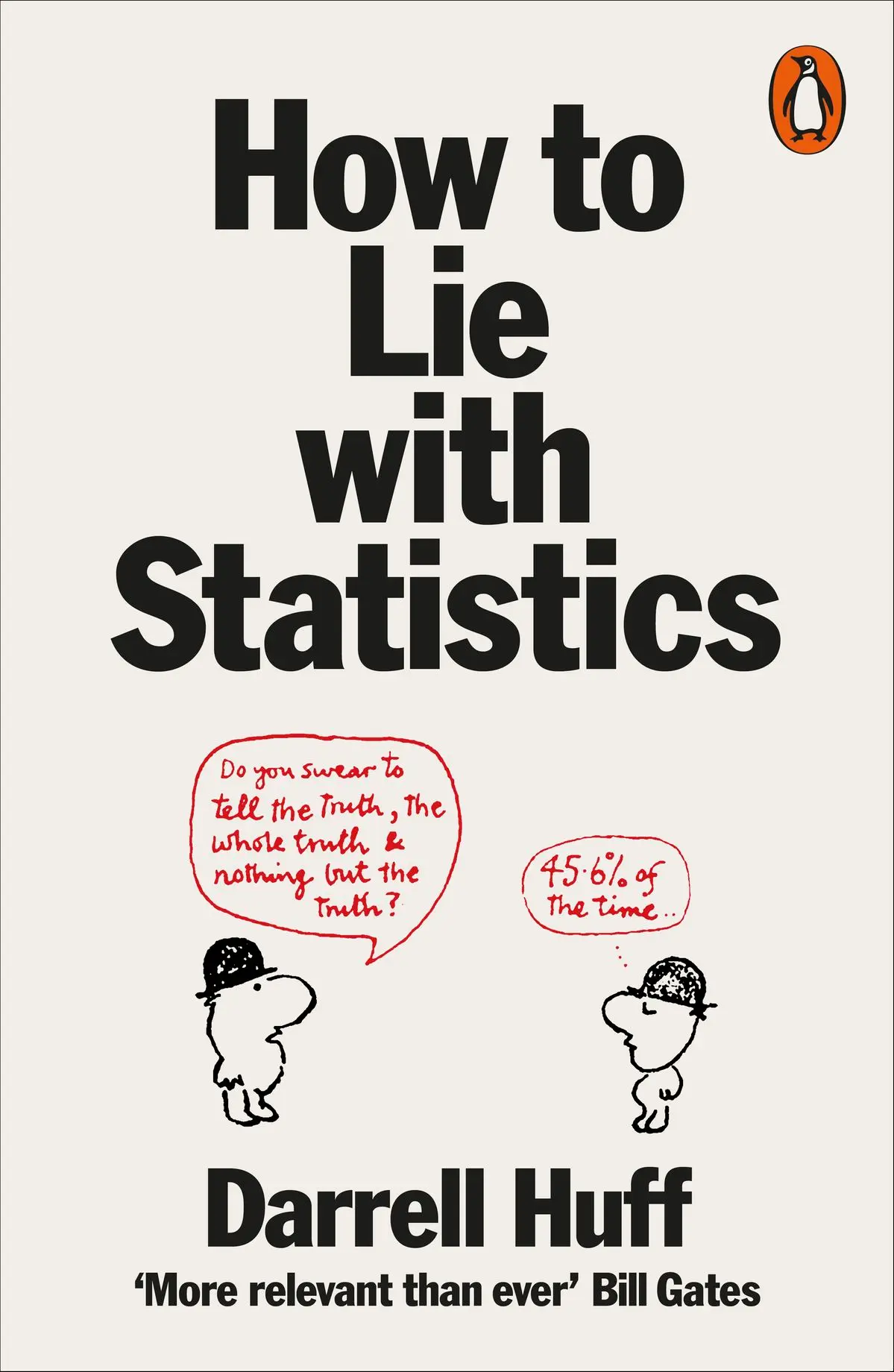
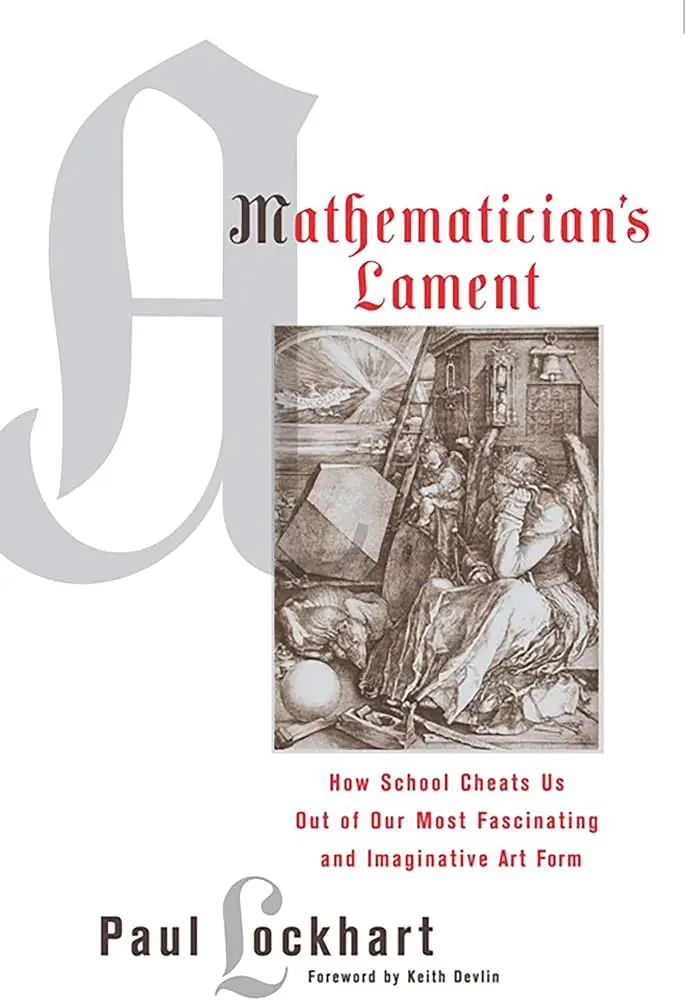
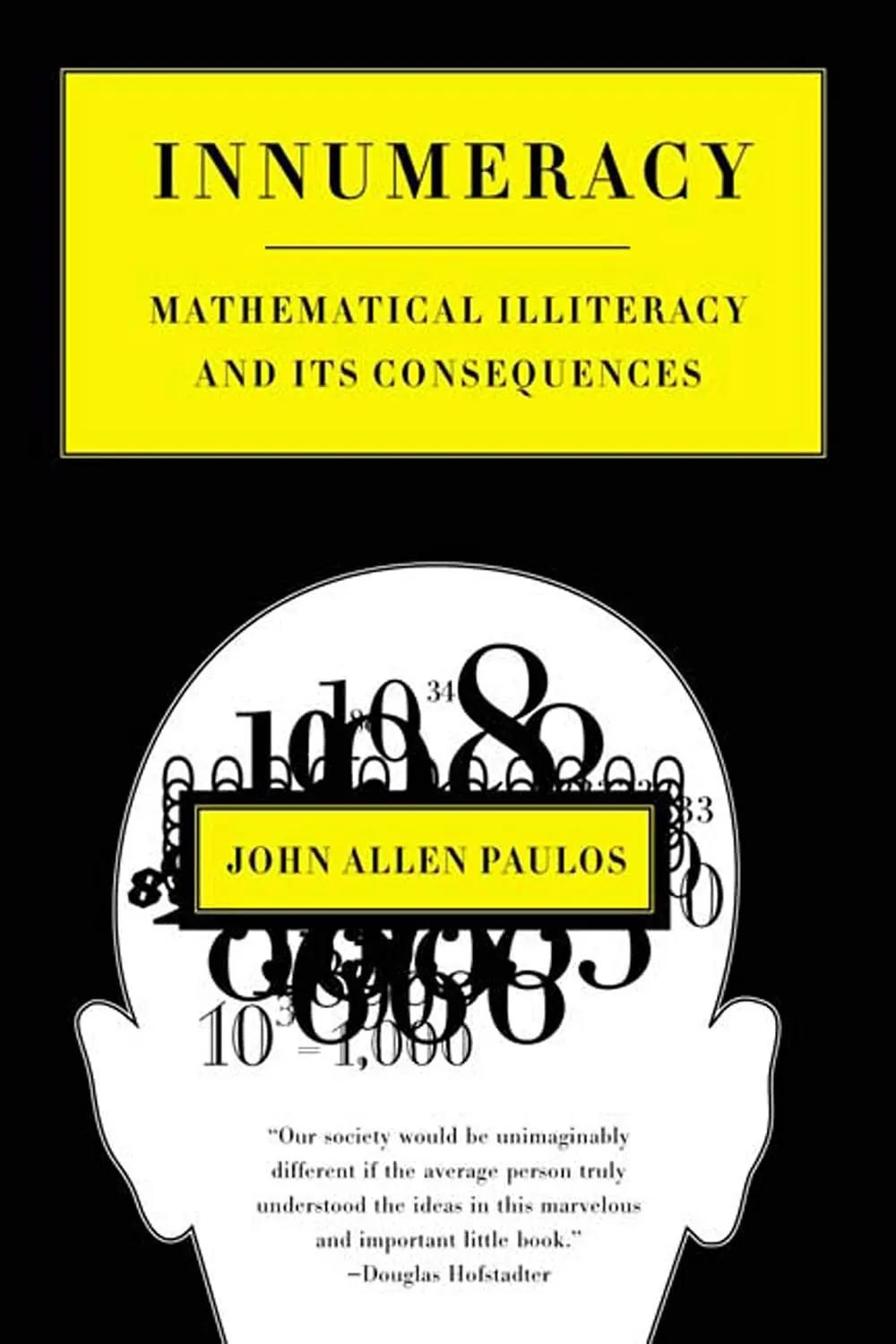
140 ppThe best slim math books of the last seventy years, unbowed by the shadow of the classics. What these share is that each is a book with a single concern. Every one of them takes up one matter and carries it all the way through.
Darrell Huff
144 ppPaul Lockhart
140 ppJohn Allen Paulos
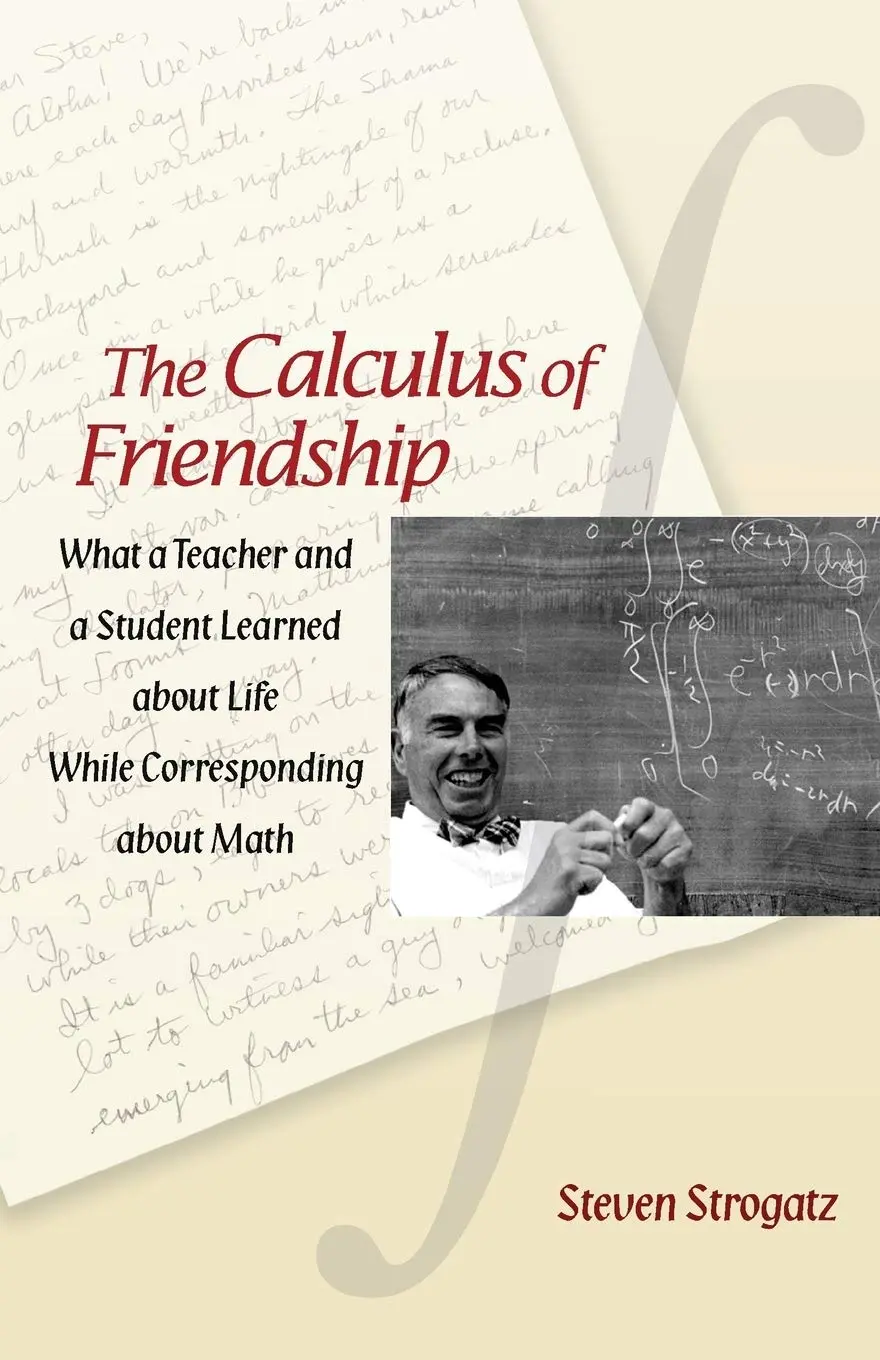
180 ppSteven Strogatz
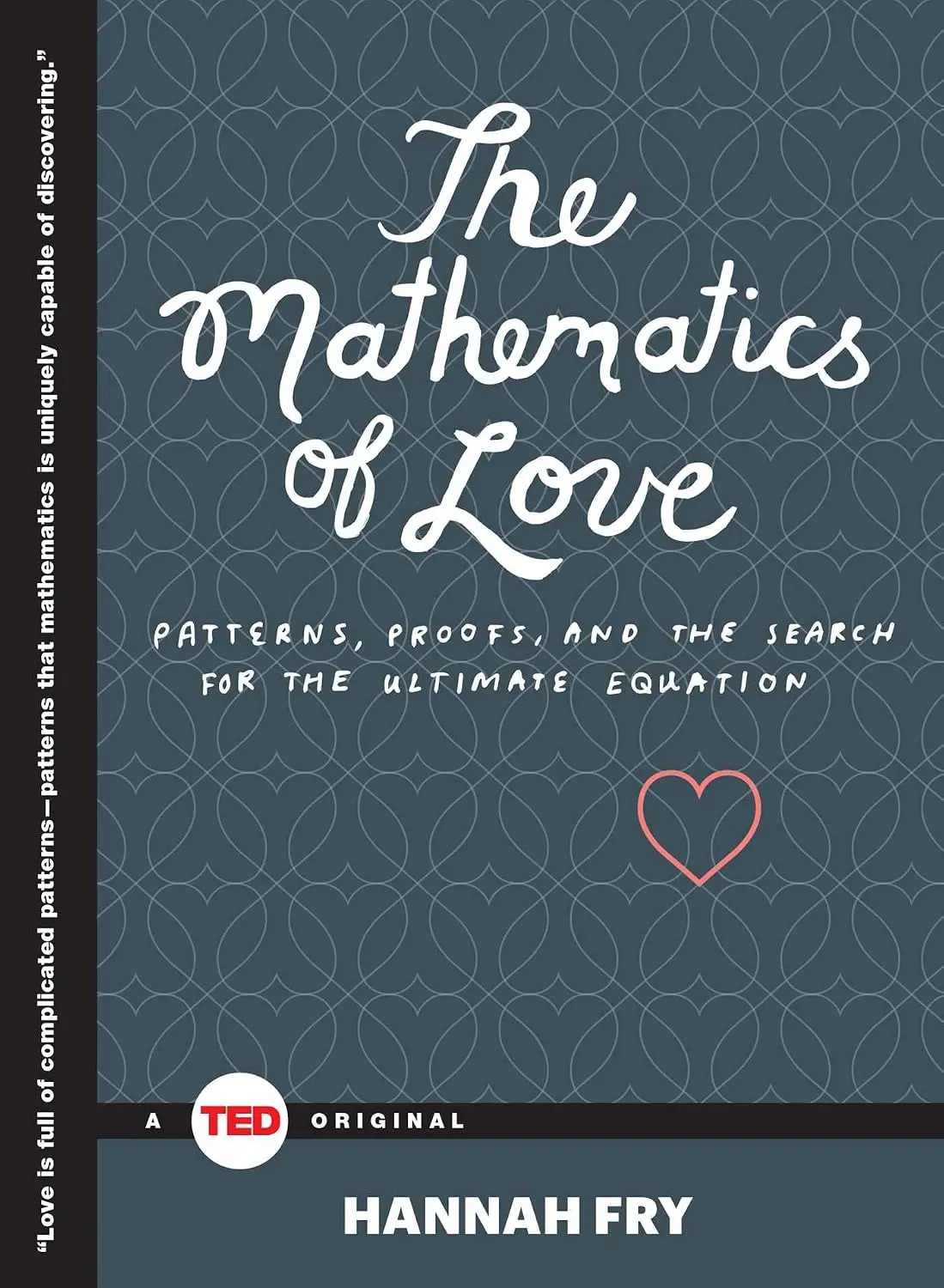
170 ppHannah Fry
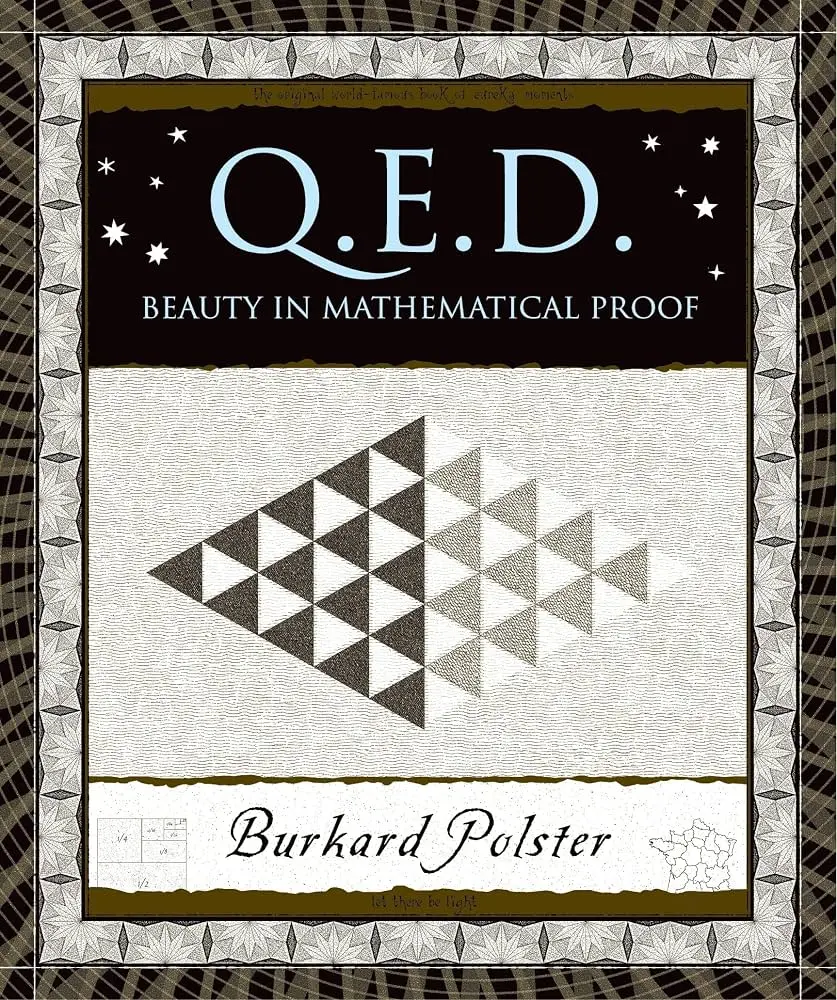
130 ppBurkard Polster
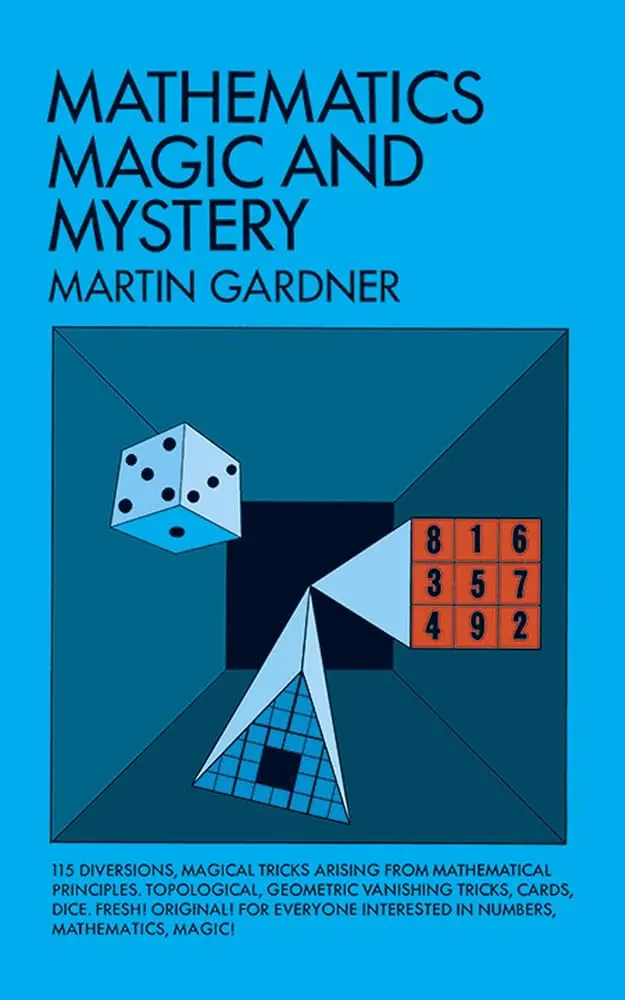
64 ppMartin Gardner
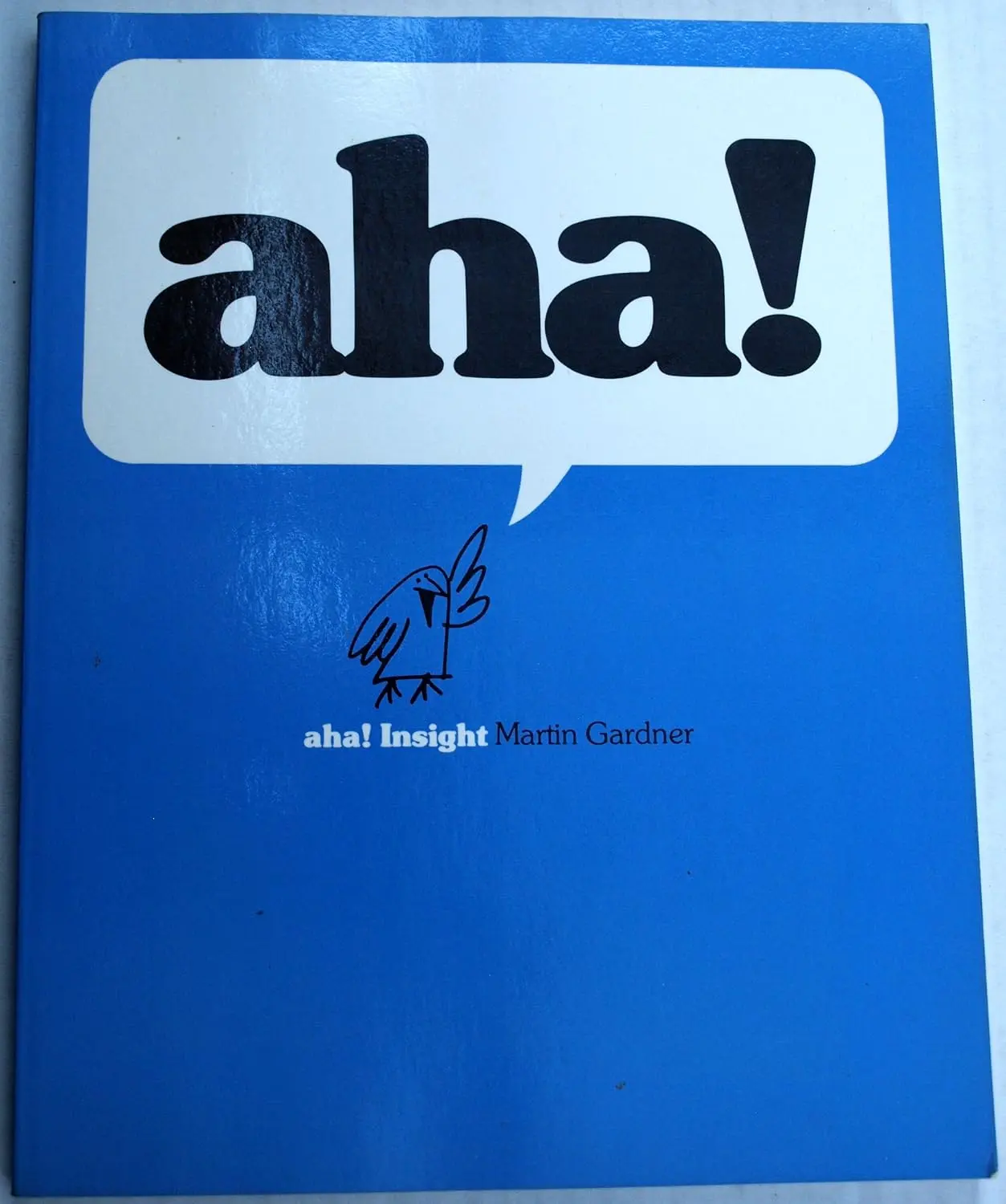
180 ppMartin Gardner
176 ppOxford's Very Short Introductions series is a phenomenon in itself: hundreds of pocket-sized books, each written by an expert in its field. Three from the mathematics shelf earn a place on this list.
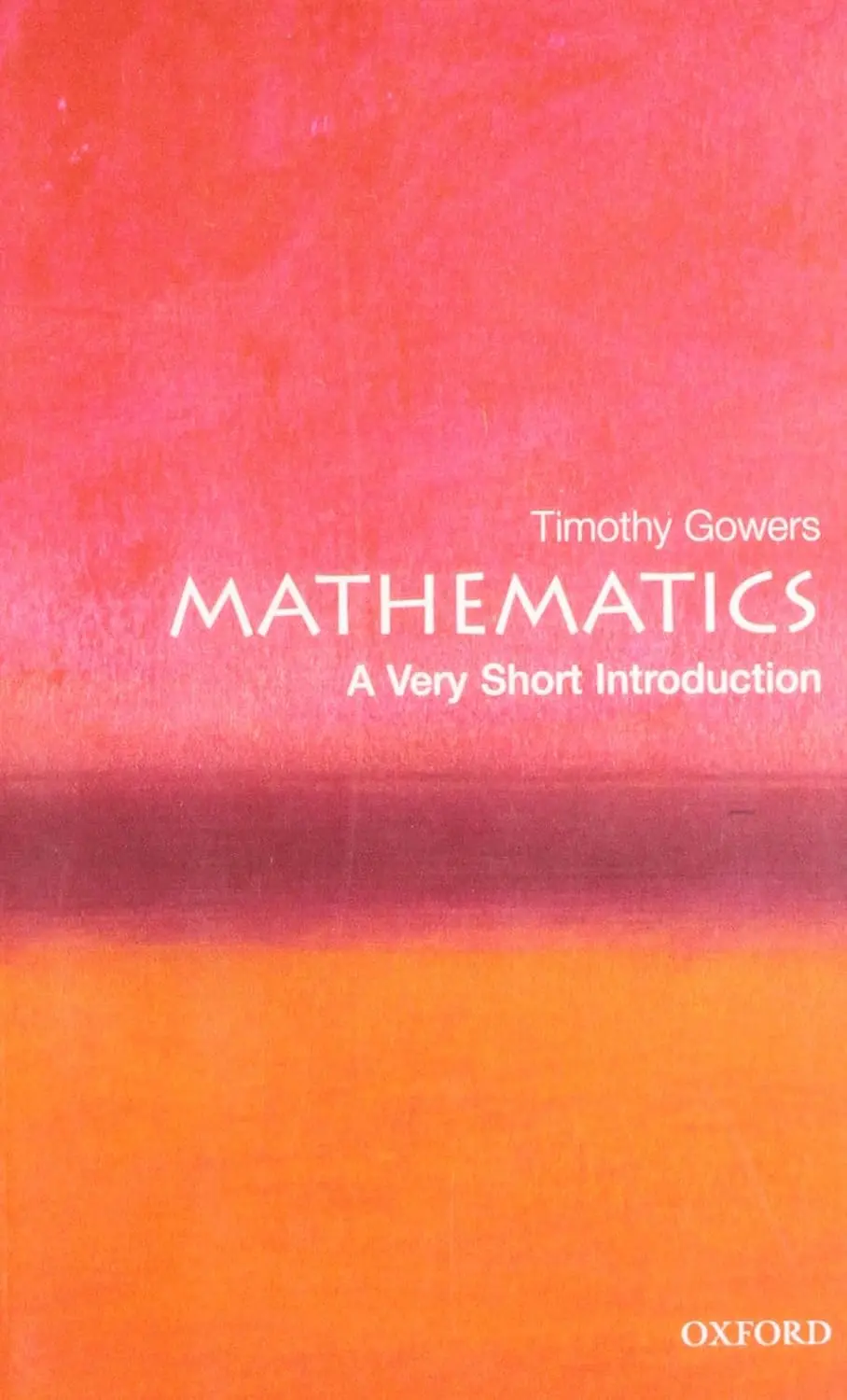
Timothy Gowers
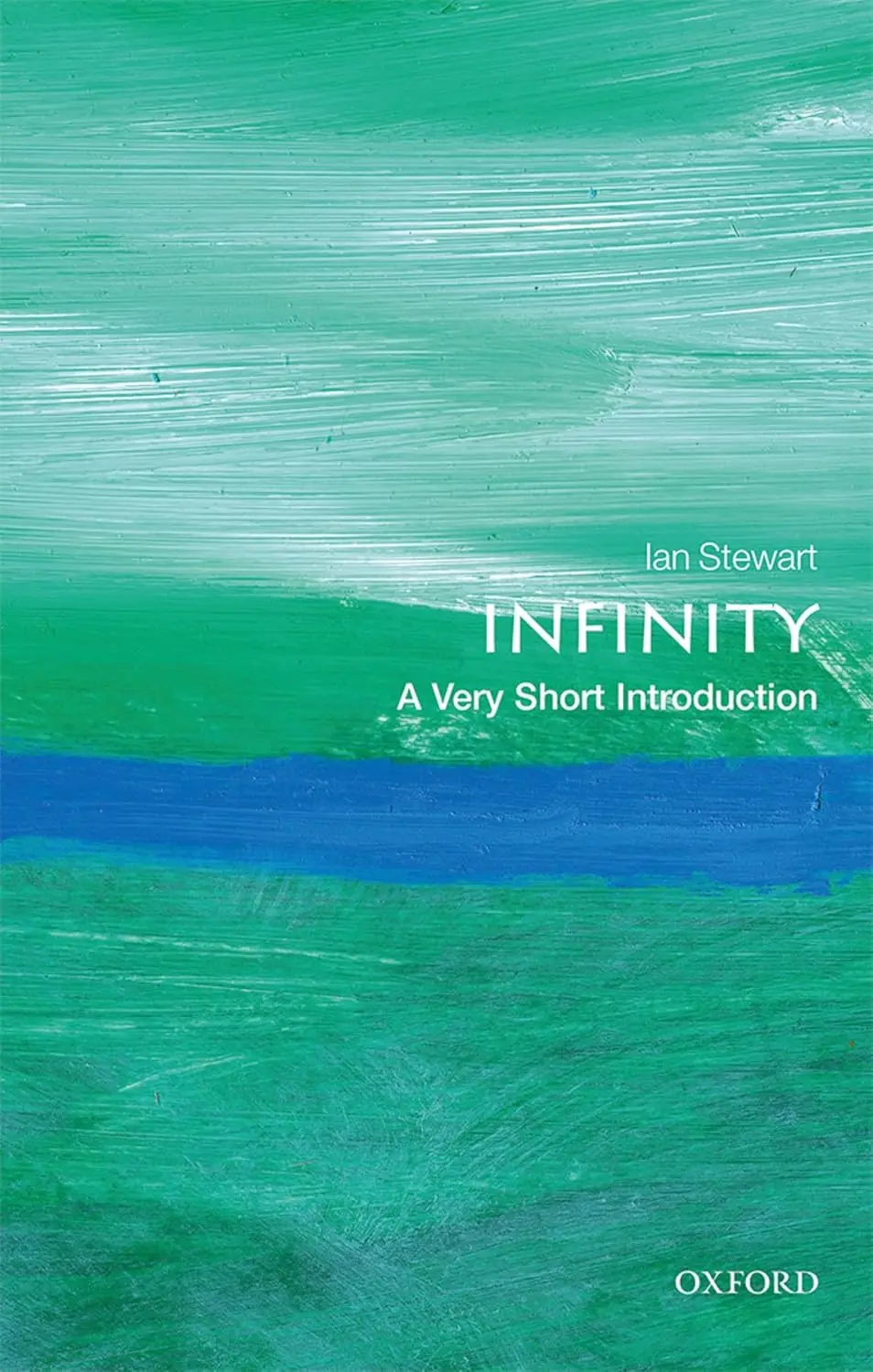
145 ppIan Stewart
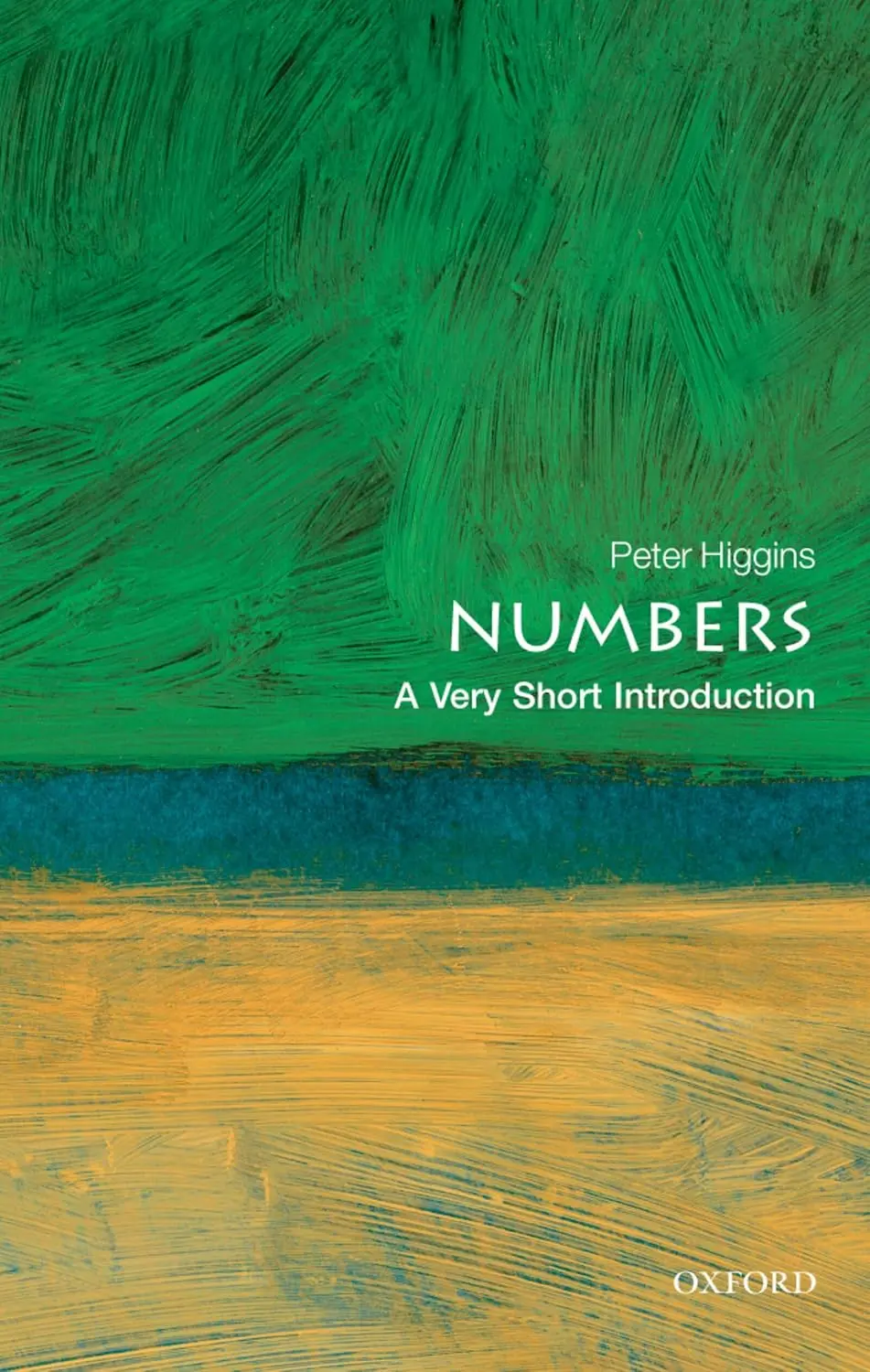
145 ppPeter M. Higgins
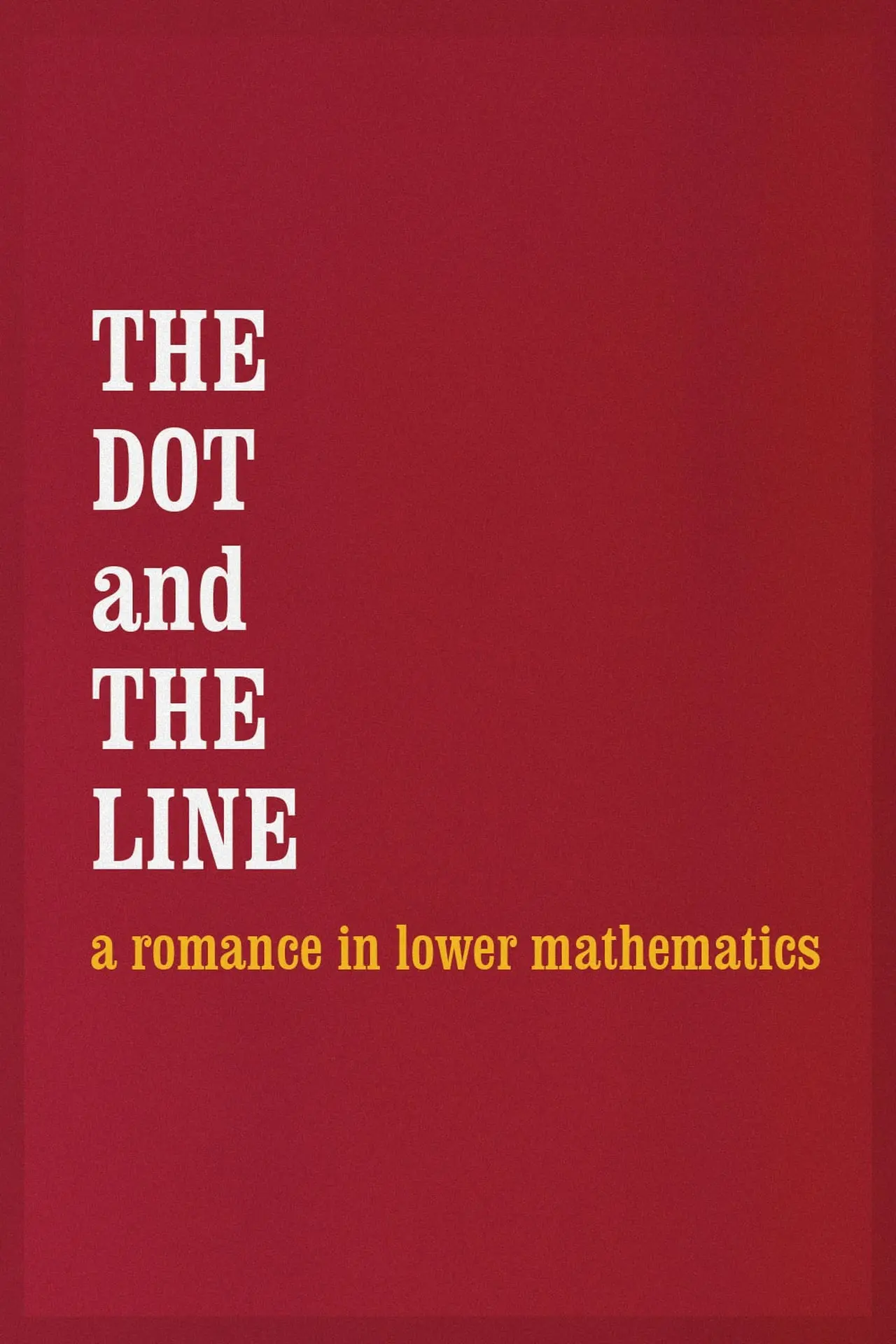
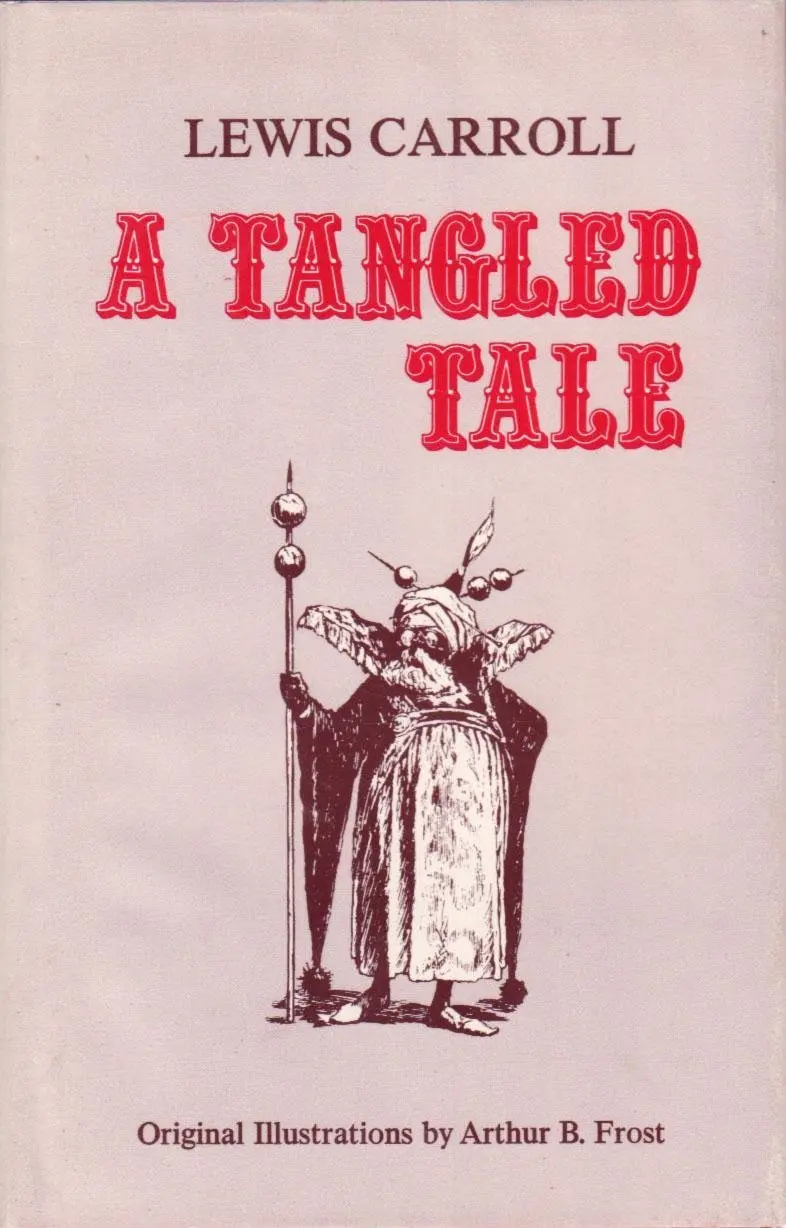
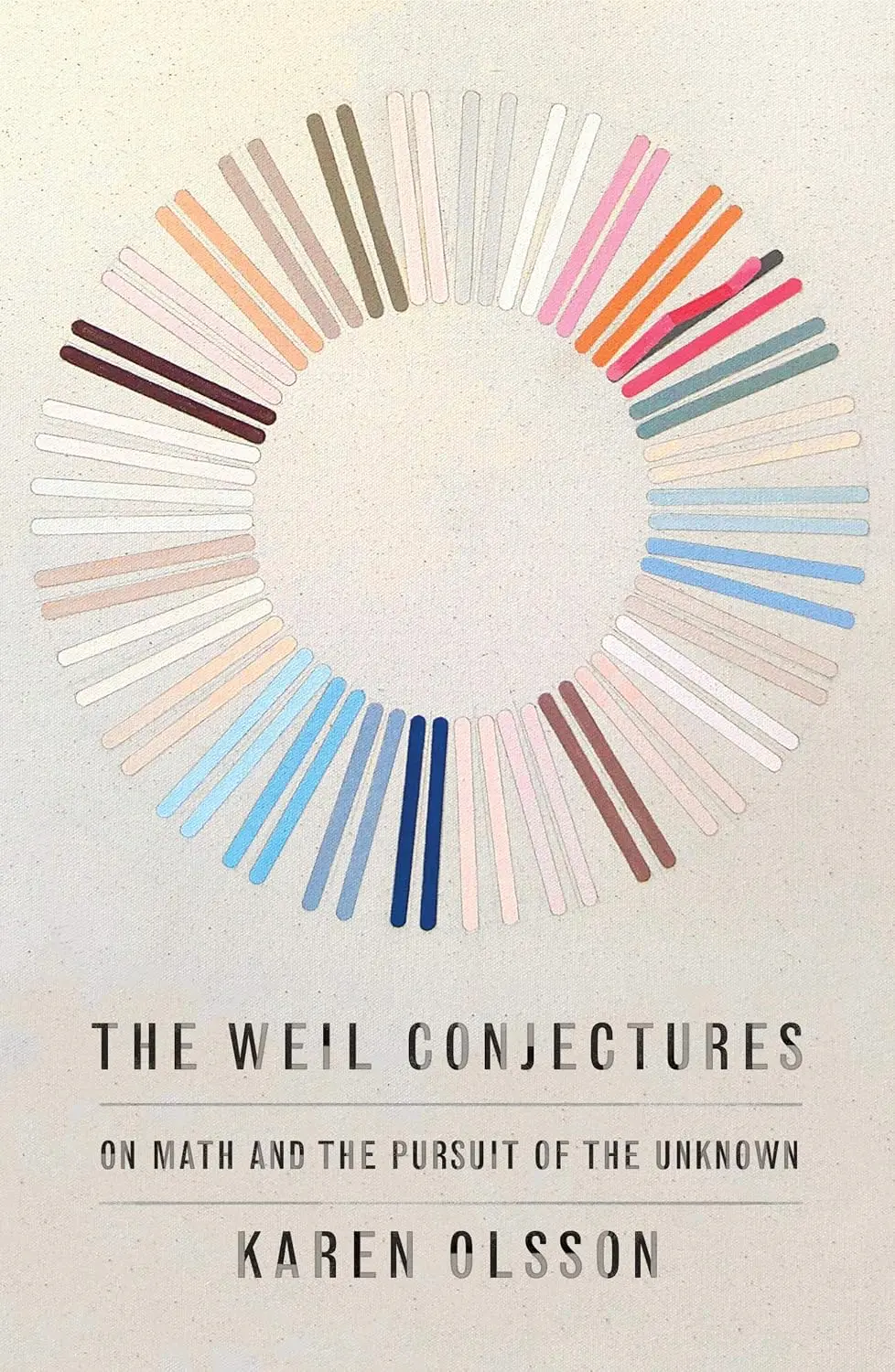
140 ppMathematics doesn't only live in math books. The four books in this section come from the novel, story, and essay shelves, but each has mathematics beating at its heart.
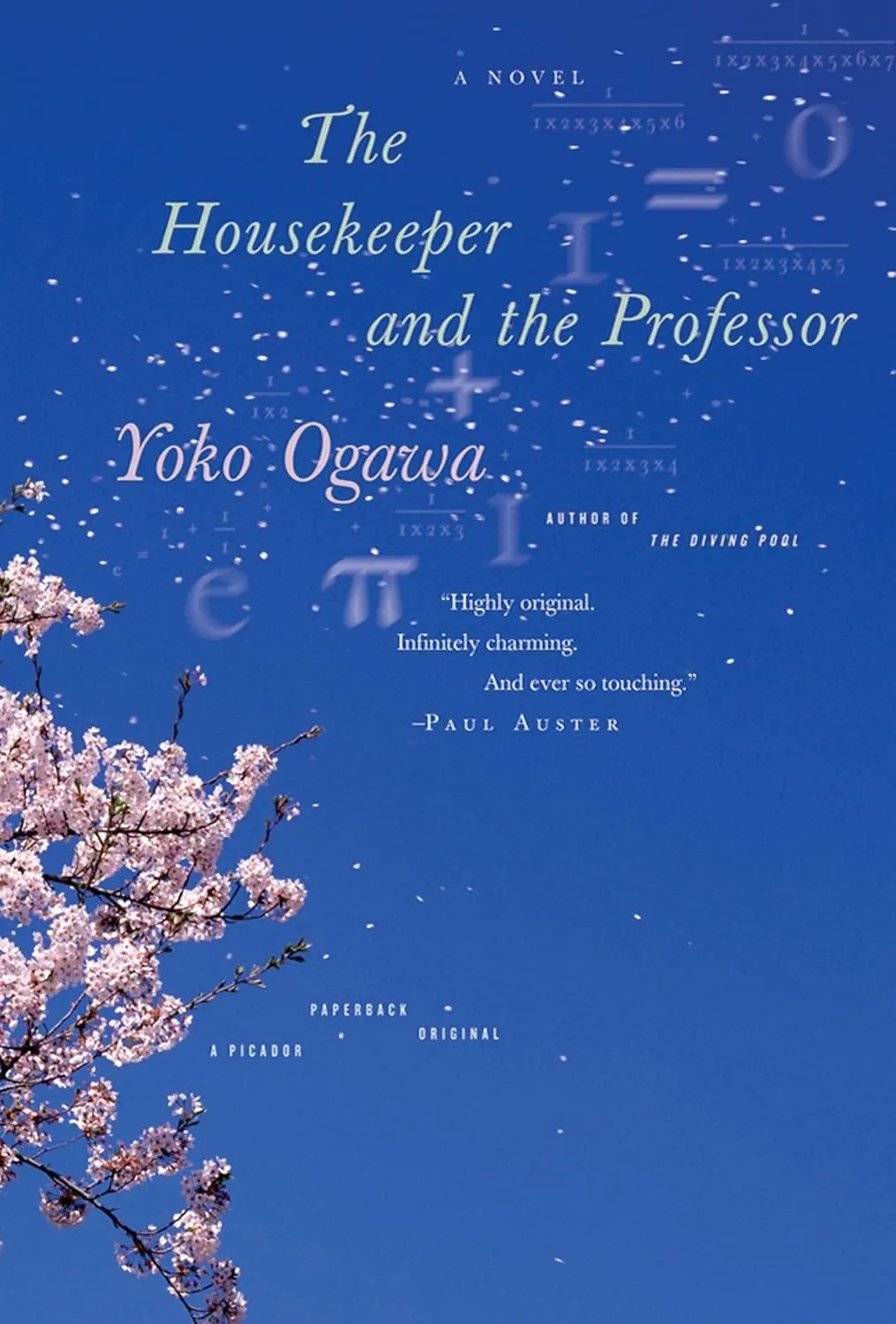
Yoko Ogawa
180 ppNorton Juster
96 ppLewis Carroll
150 ppKaren Olsson
200 ppA rule is a rule, but every rule has its exceptions. These four books cross the page limit, yet I couldn't bring myself to cut them. It would have been wrong to lose these books over fifty extra pages.
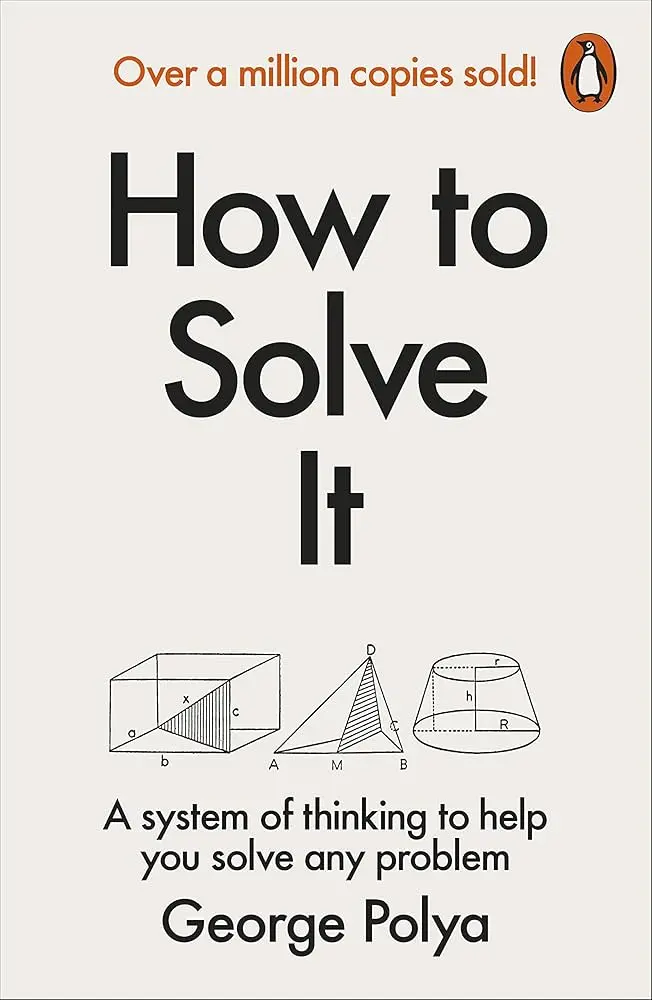
George Polya
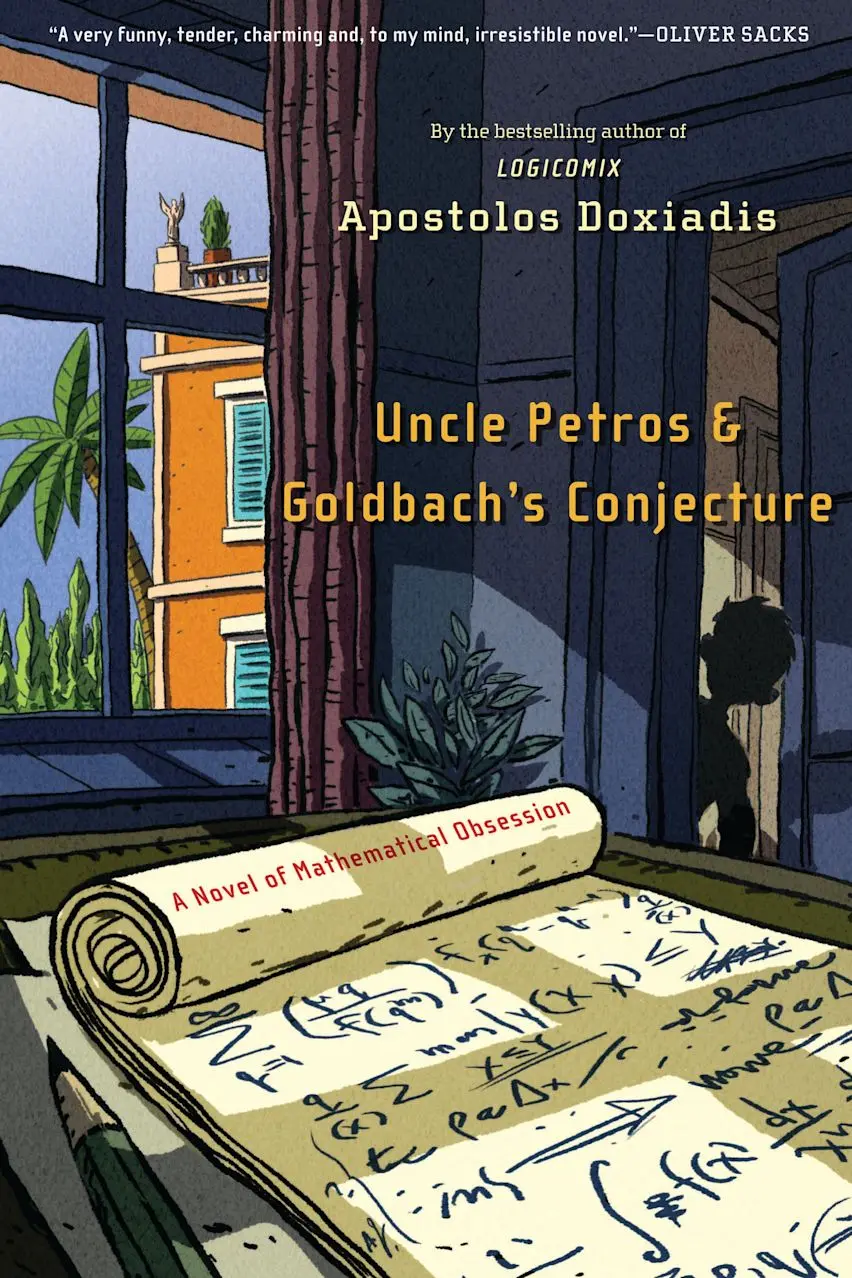
250 ppApostolos Doxiadis
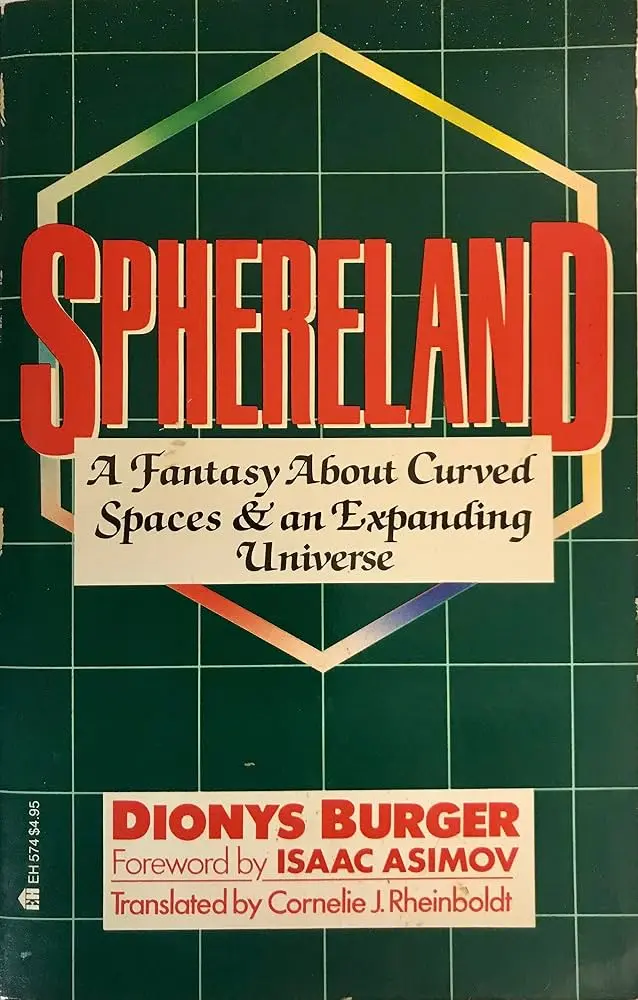
210 ppDionys Burger
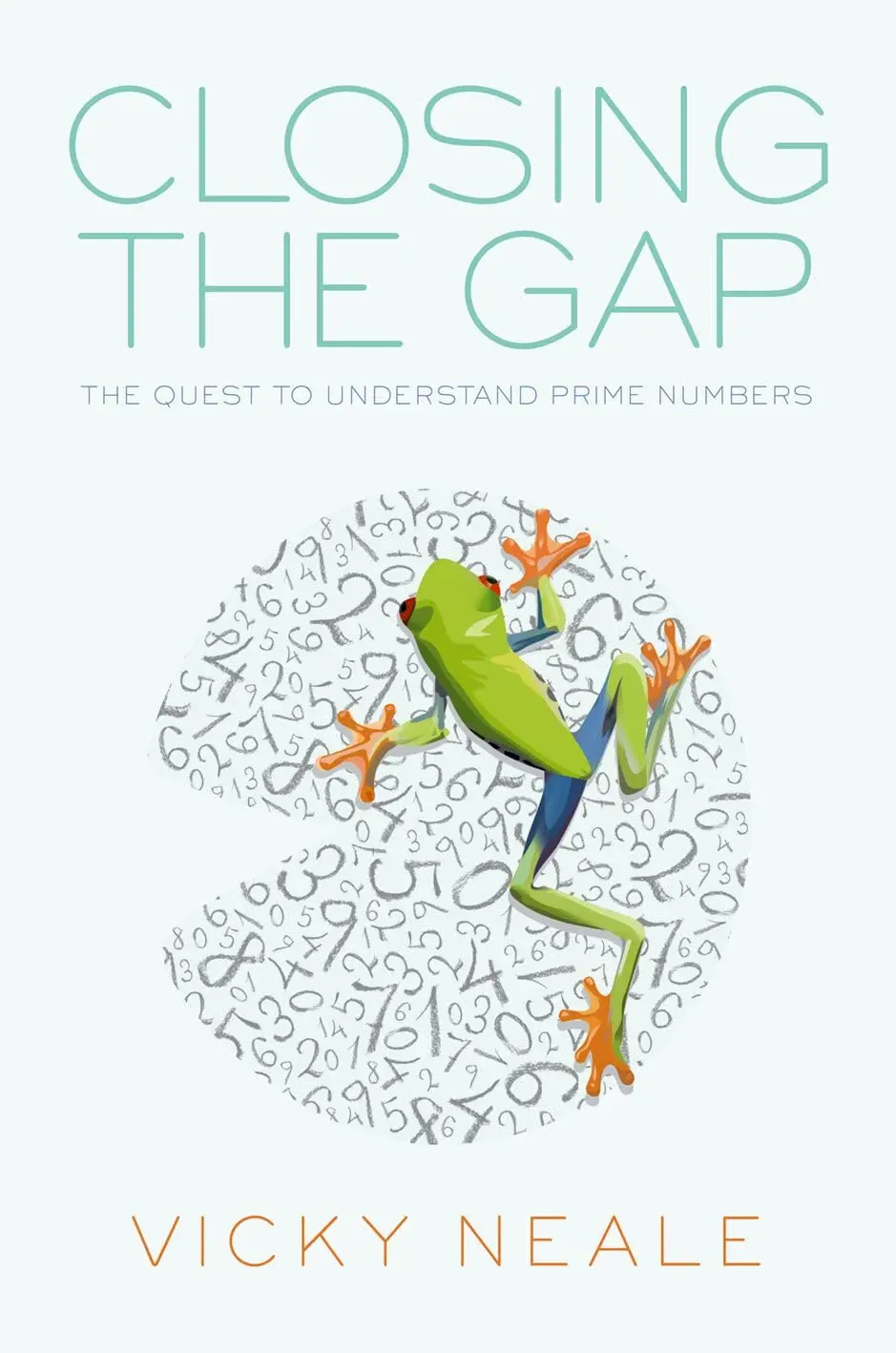
210 ppVicky Neale
210 ppTwenty-five books can feel like a crowd. If you have no idea where to begin, let me suggest a three-book route.
First, Flatland. Because it's short, unforgettable, and has been enlarging its readers without tiring them for a hundred and forty years. Then Gödel's Proof. Because truly understanding a deep idea has an altogether different flavor from having merely heard of it, and this book gives you that flavor in 160 pages. Last, A Mathematician's Apology. Because once the first two books have shown you what mathematics is, no one has explained better than Hardy why the whole pursuit is worth it.
Together those three don't come to 400 pages. Not even half of an average textbook. You don't need long holidays, silent libraries, or empty calendars to read mathematics. A thin book, an evening, and a little curiosity are enough.
Keep wandering
A few more pieces in the same spirit — math, design, and slow attention.

A Self-Learner's Roadmap Through 30+ Great Math Books
Not a pile of recommendations. A path — the order to read in, the choices to make, and the places people quietly give up.
Open
Five Books That Teach You to Think Like a Mathematician
Mathematical thinking is a skill, not a talent. Five books that teach proof, logic, and the art of constructing an argument so airtight no counterexample can survive it.
Open
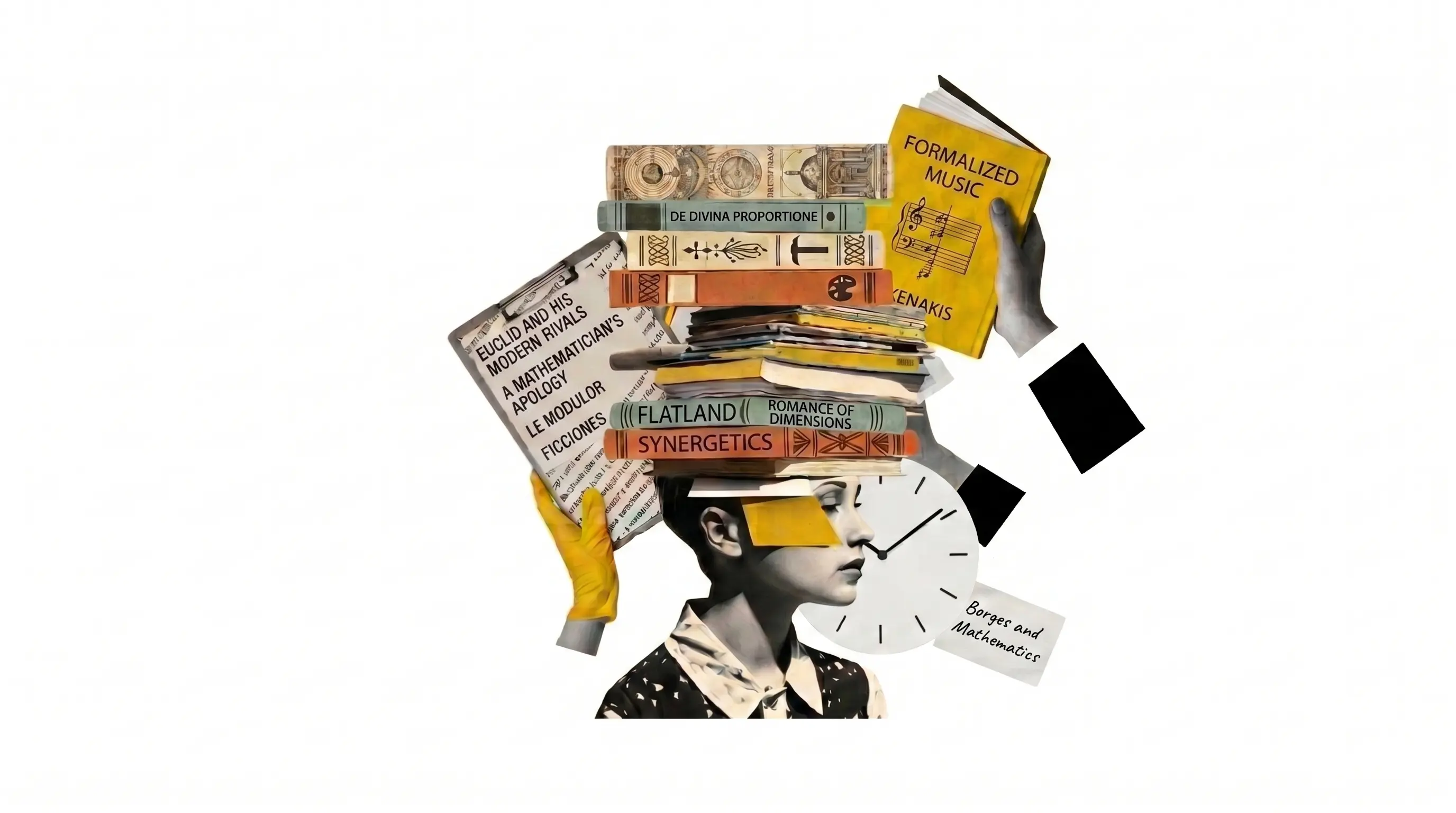
14 Mathematics Books Written by Artists, Architects, and Writers
Pacioli, Dürer, Carroll, Borges, Xenakis — fourteen books on mathematics written by painters, composers, architects, and novelists who never held a faculty position.
Open
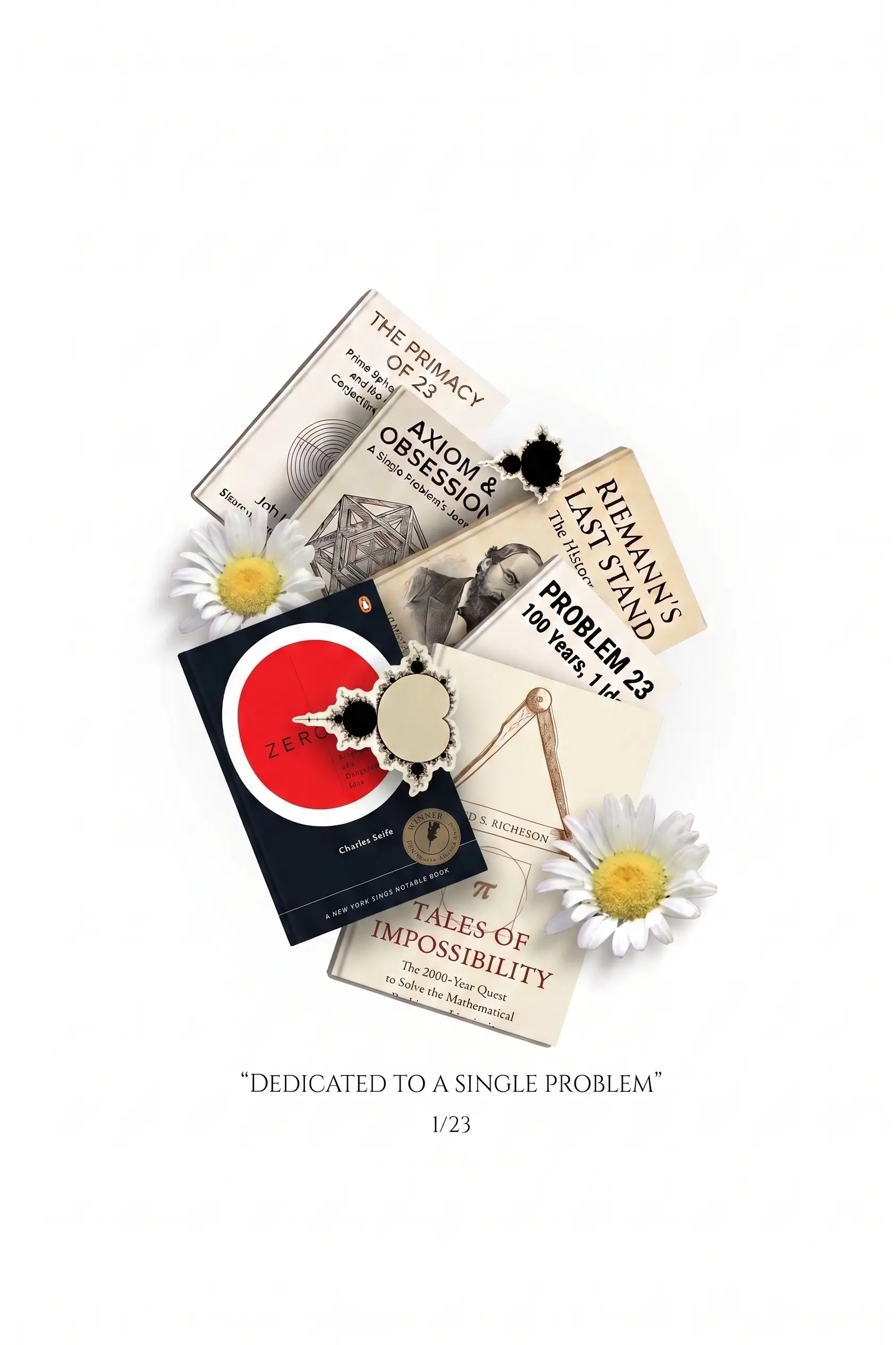
23 Mathematics Books Dedicated to a Single Problem
Riemann, Fermat, Poincaré, Goldbach, Gödel — twenty-three books that each orbit a single mathematical problem, a single question, sometimes a single number.
Open
A Mathematician's Apology
Hardy at 62, after a heart attack, knowing his mathematical life was over. Pure mathematics as art — the most honest book ever written by a working mathematician.
Open
When Einstein Walked with Gödel
The biggest questions in math and physics — told like stories worth losing sleep over.
Open