
Abakcus
← Back to home

Abakcus — Book Lists

23 Mathematics Books Dedicated to a Single Problem

Curated by Abakcus

23 Mathematics Books Dedicated to a Single Problem

Some problems in the history of mathematics reveal a strange truth when you line up their stories: understanding a problem can take longer than solving it. Fermat scribbled a note in a margin in 1637. Three hundred and fifty-eight years later, Andrew Wiles locked himself in an attic for seven years to prove it. The Riemann Hypothesis was published in 1859 and remains unproved. The Four Color Theorem entered a student’s mind in 1852, resisted proof for 124 years, and was finally settled only with the help of a computer.

Every book on this list is dedicated to a single problem, a single question, sometimes a single number. The authors trace the history surrounding these problems — the people, the failures, the occasional surprising resolution. Some books were written by the mathematicians who solved the problem. Others follow problems that consumed entire lifetimes without yielding an answer. All of them show how mathematics can orbit a single question for centuries.

Twenty-three of them are here.

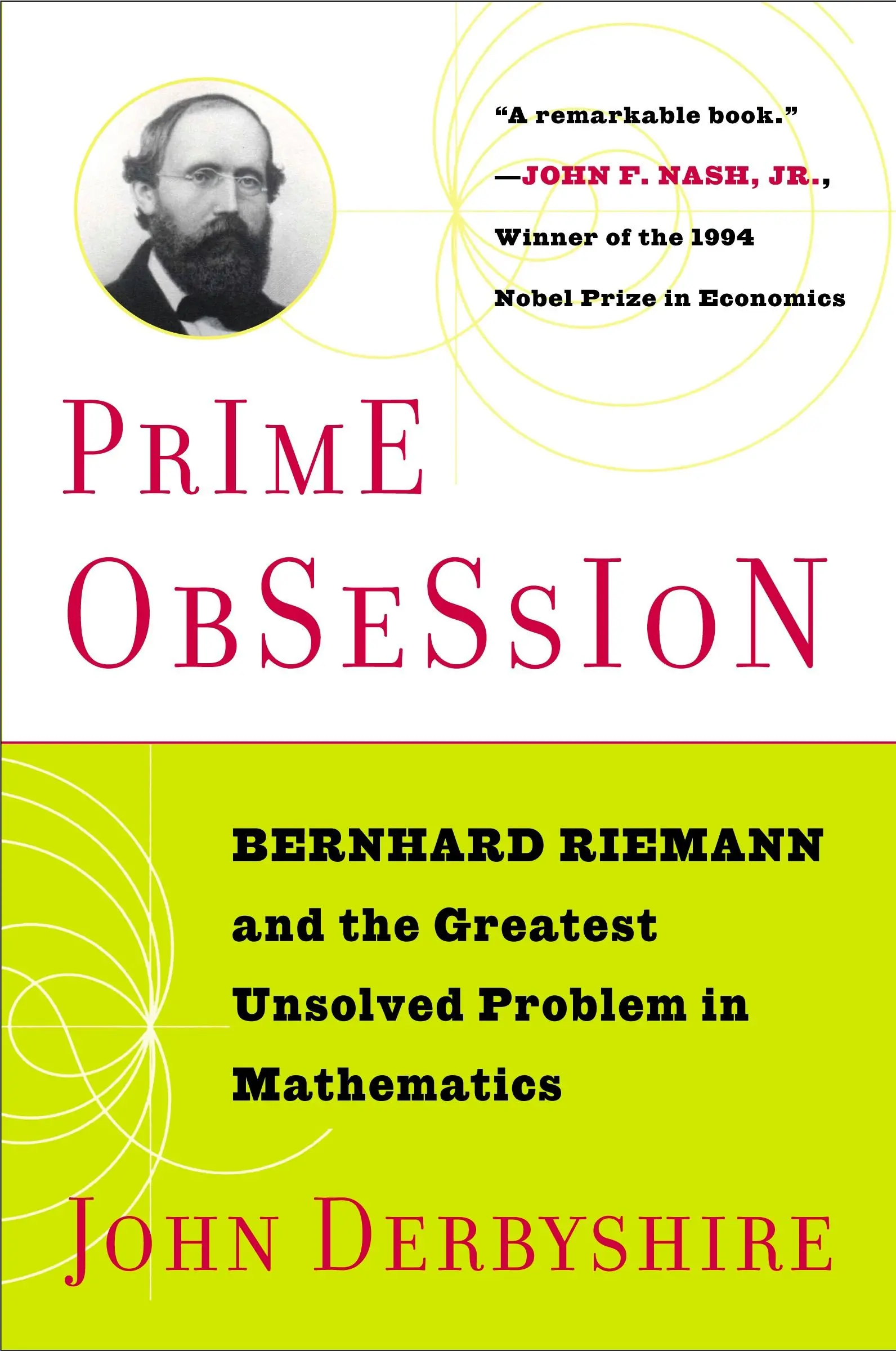
Cover: Prime Obsession by John Derbyshire
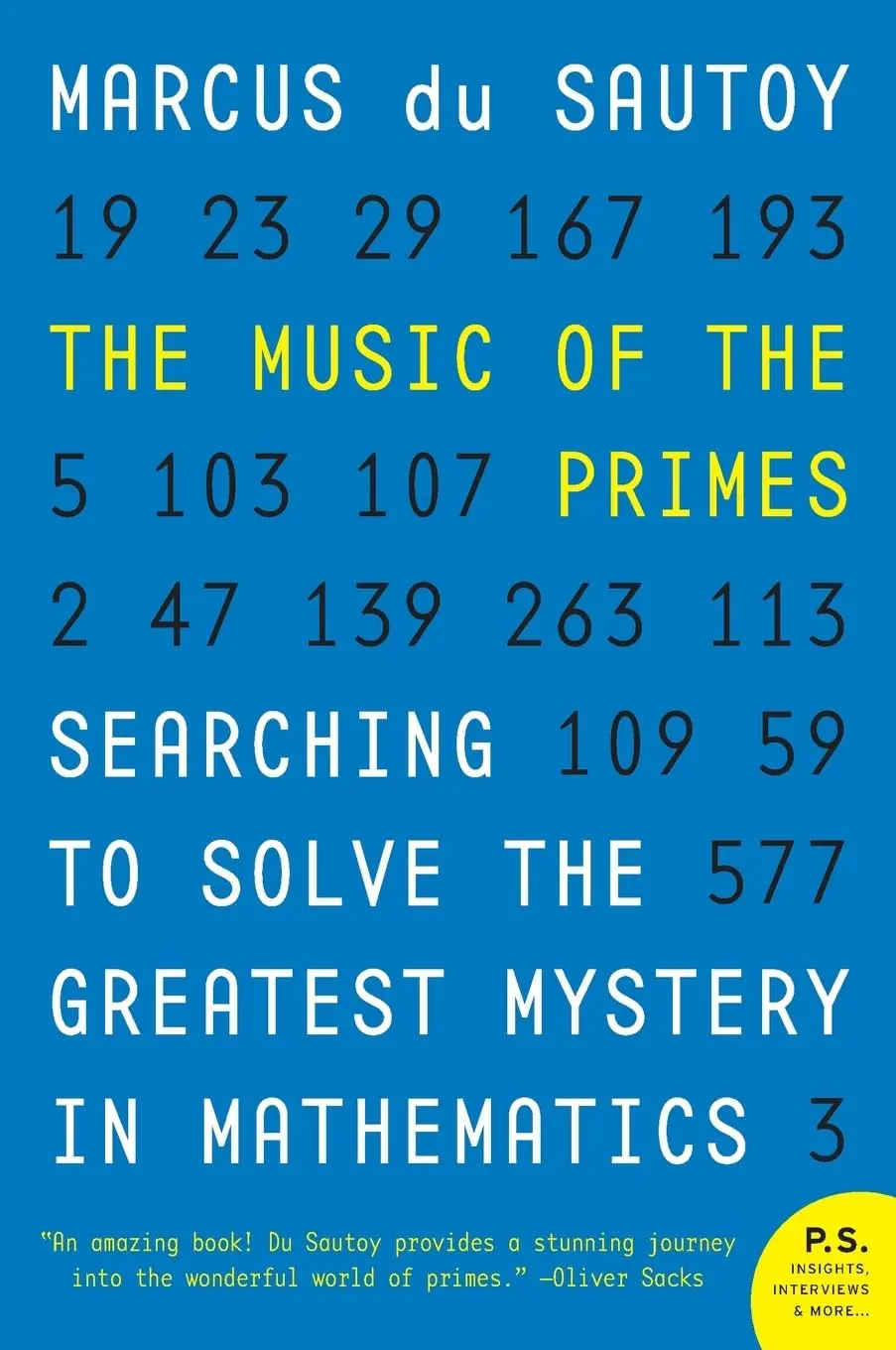
Cover: The Music of the Primes by Marcus du Sautoy
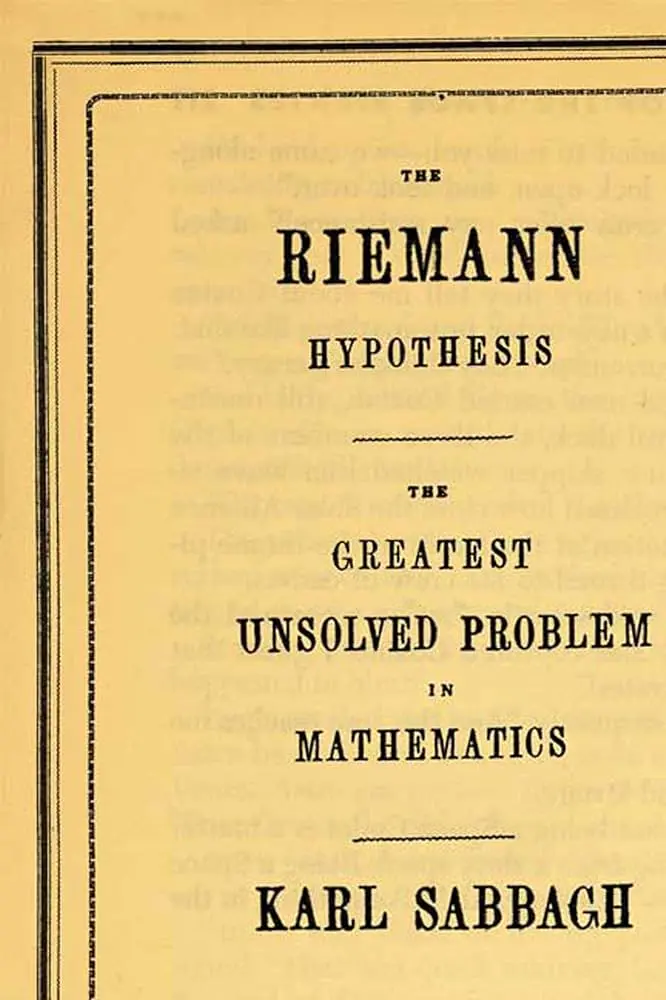
Cover: The Riemann Hypothesis: The Greatest Unsolved Problem in Mathematics by Karl Sabbagh
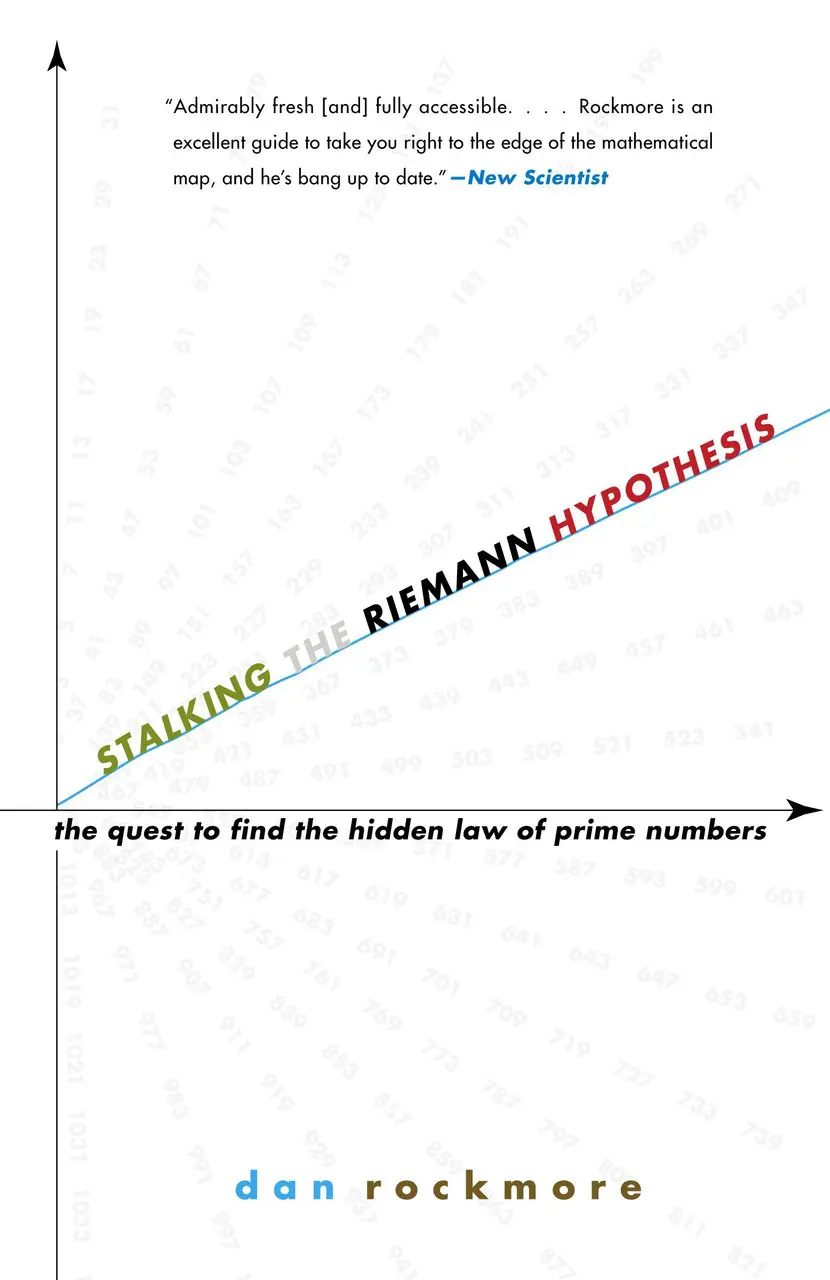
Cover: Stalking the Riemann Hypothesis by Dan Rockmore
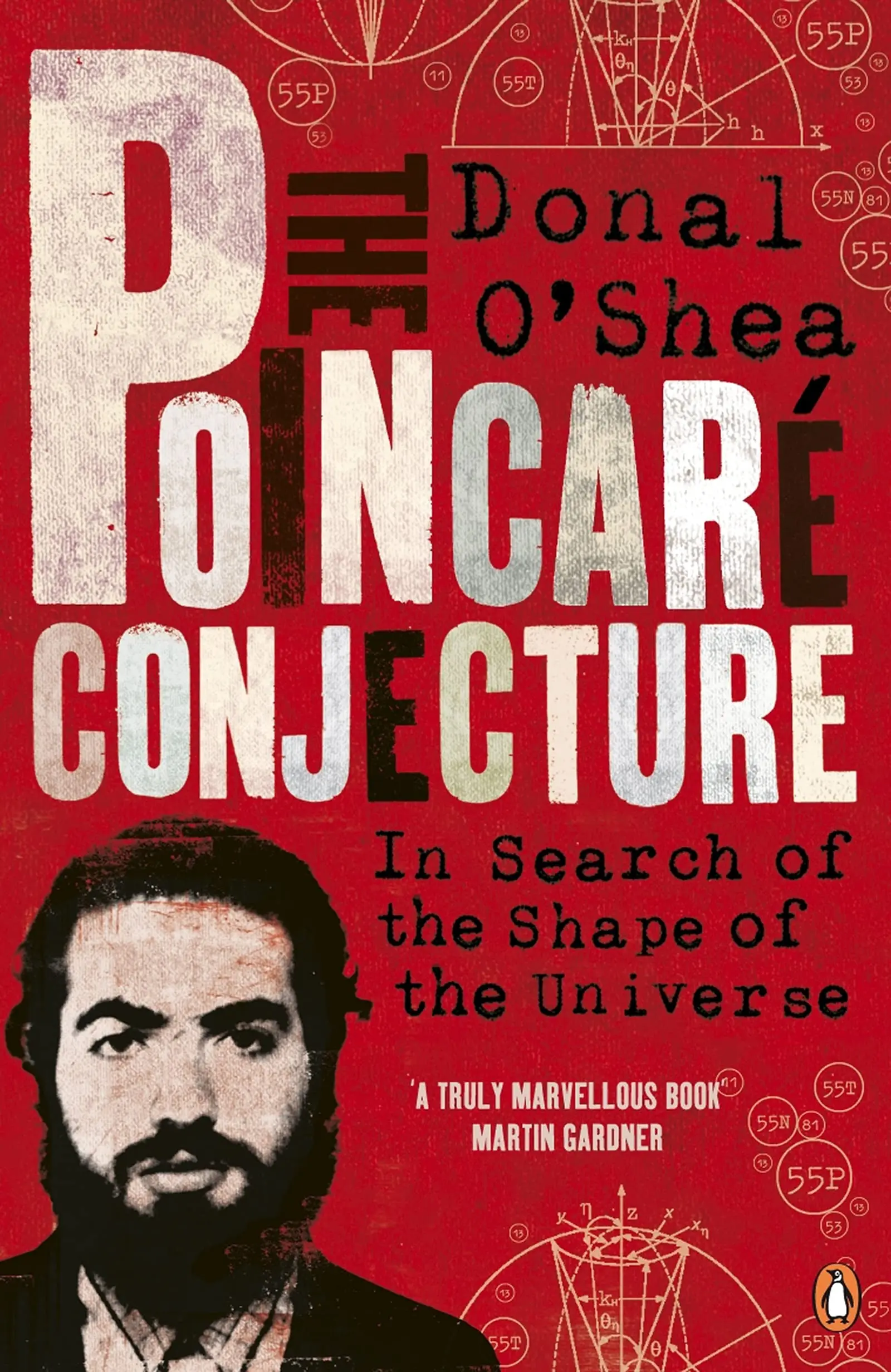
Cover: The Poincaré Conjecture: In Search of the Shape of the Universe by Donal O’Shea
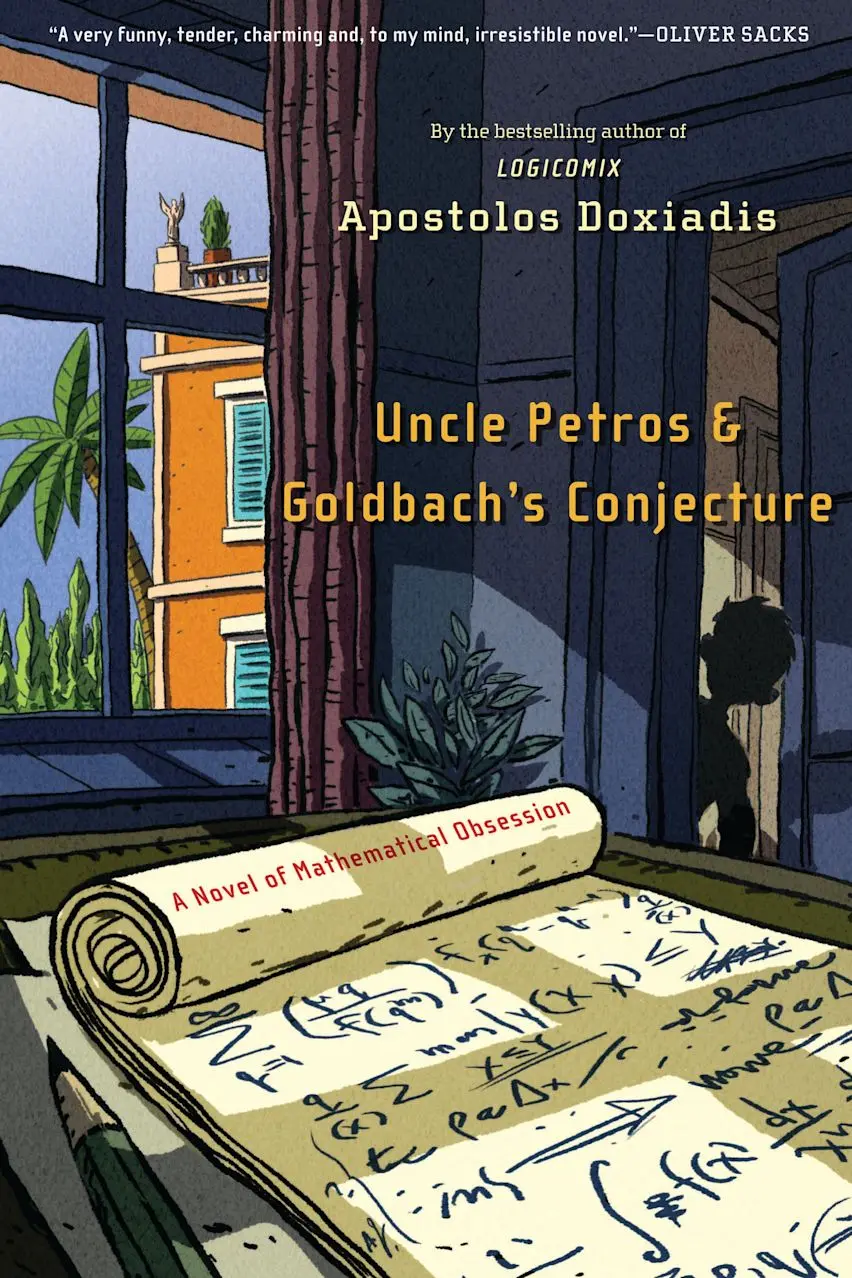
Cover: Uncle Petros and Goldbach’s Conjecture by Apostolos Doxiadis
Cover: Logicomix by Apostolos Doxiadis & Christos Papadimitriou
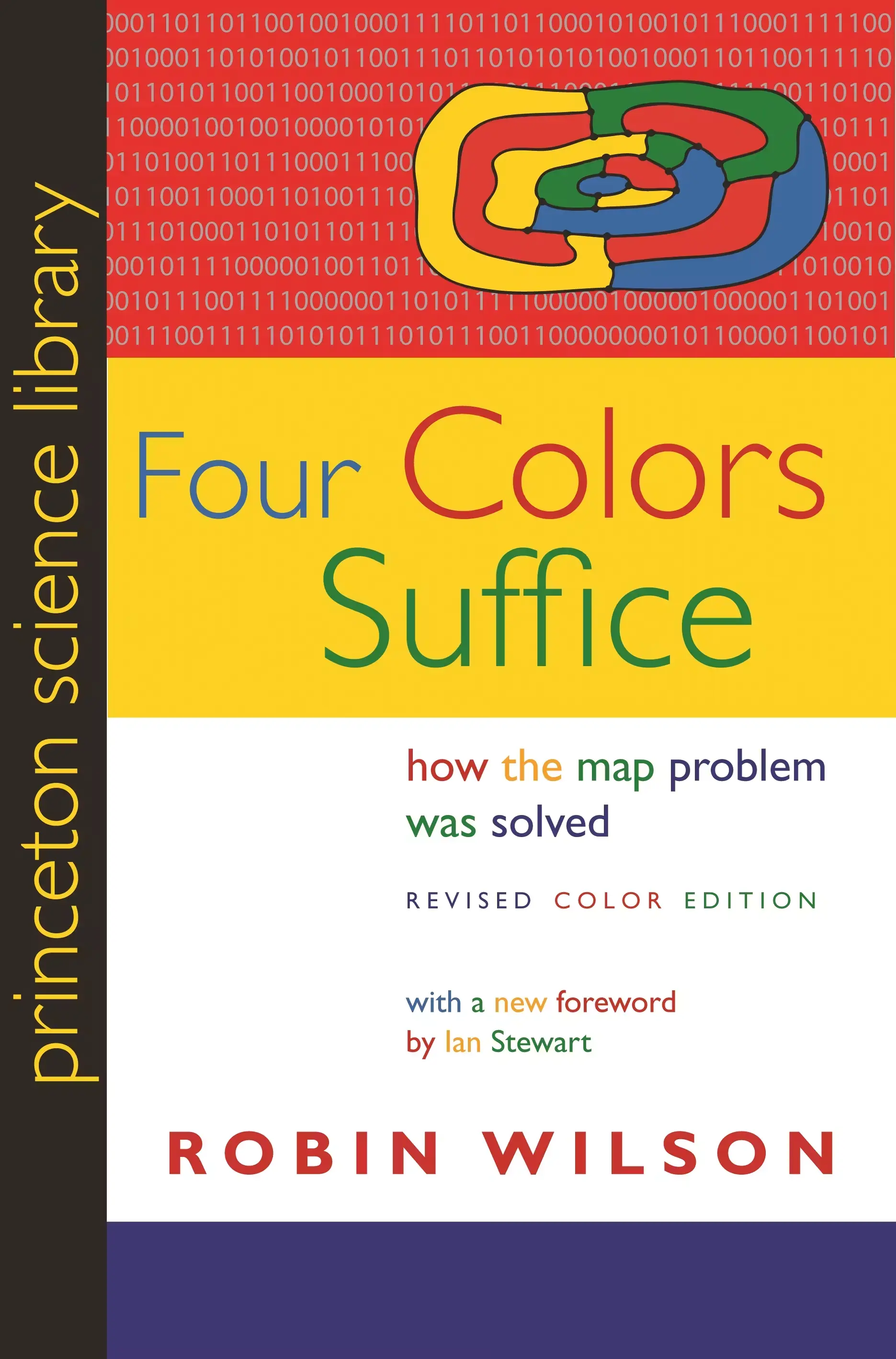
Cover: Four Colors Suffice by Robin Wilson
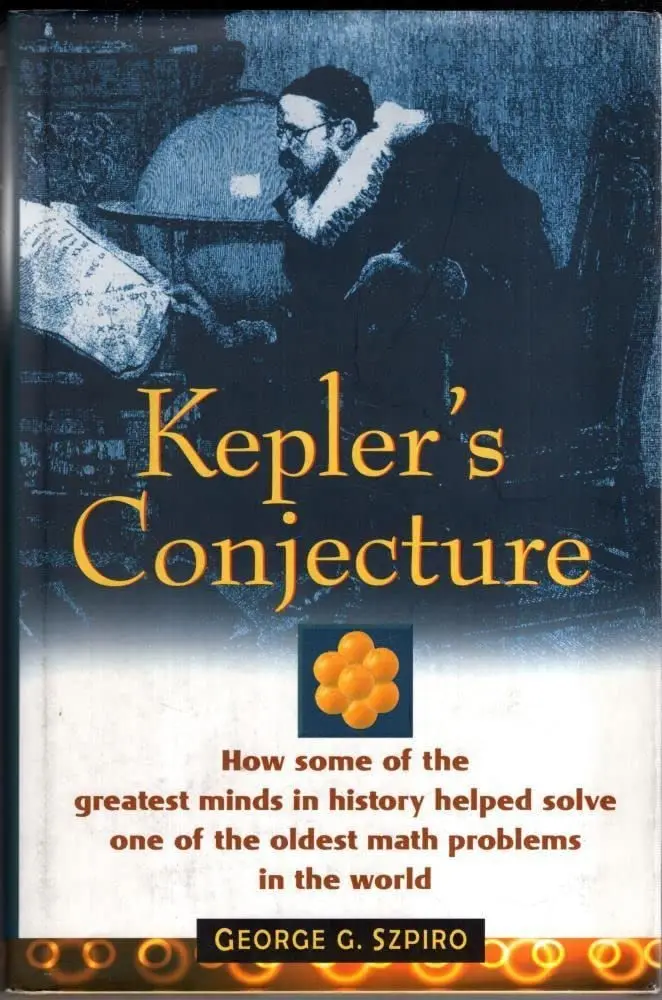
Cover: Kepler’s Conjecture by George G. Szpiro
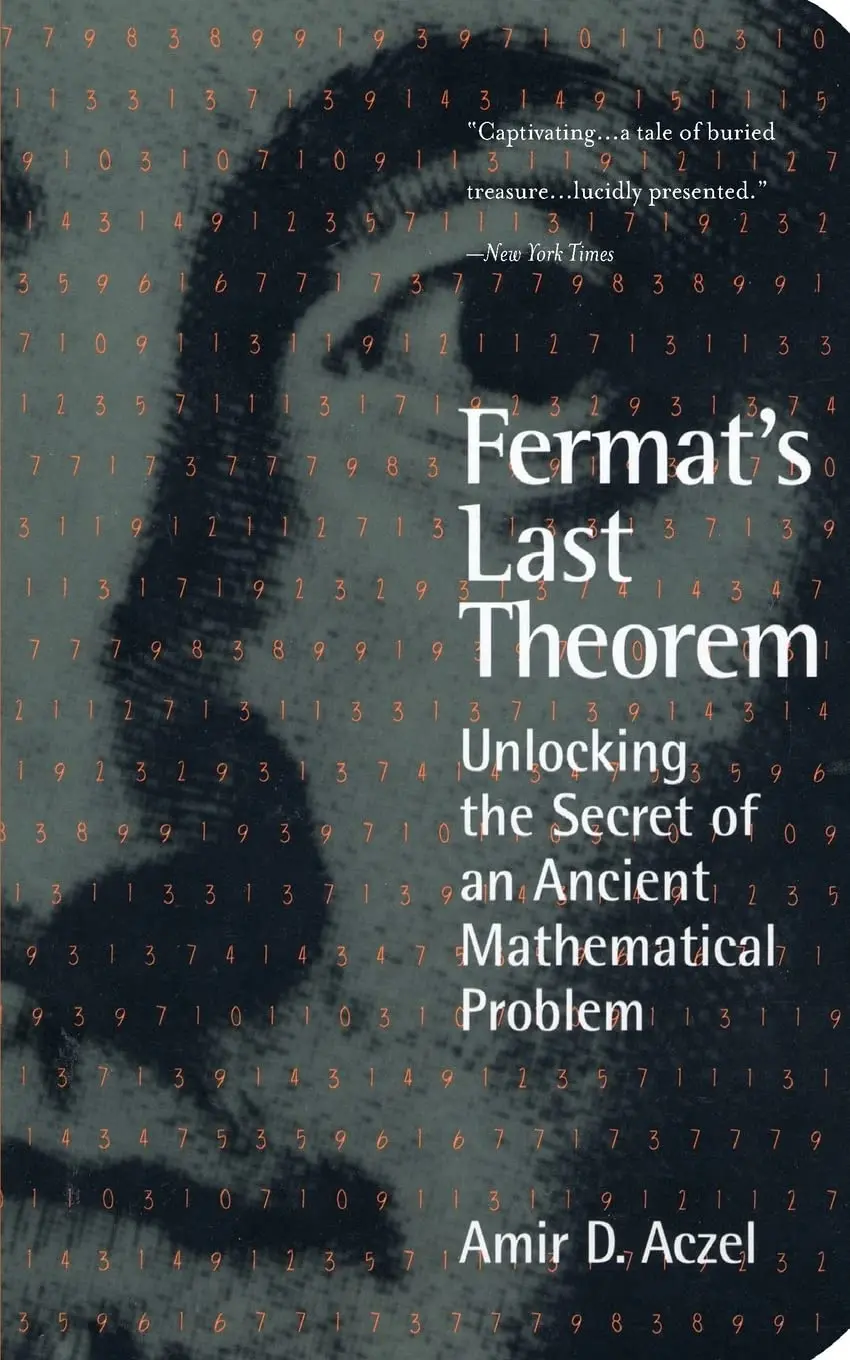
Cover: Fermat’s Last Theorem by Amir D. Aczel
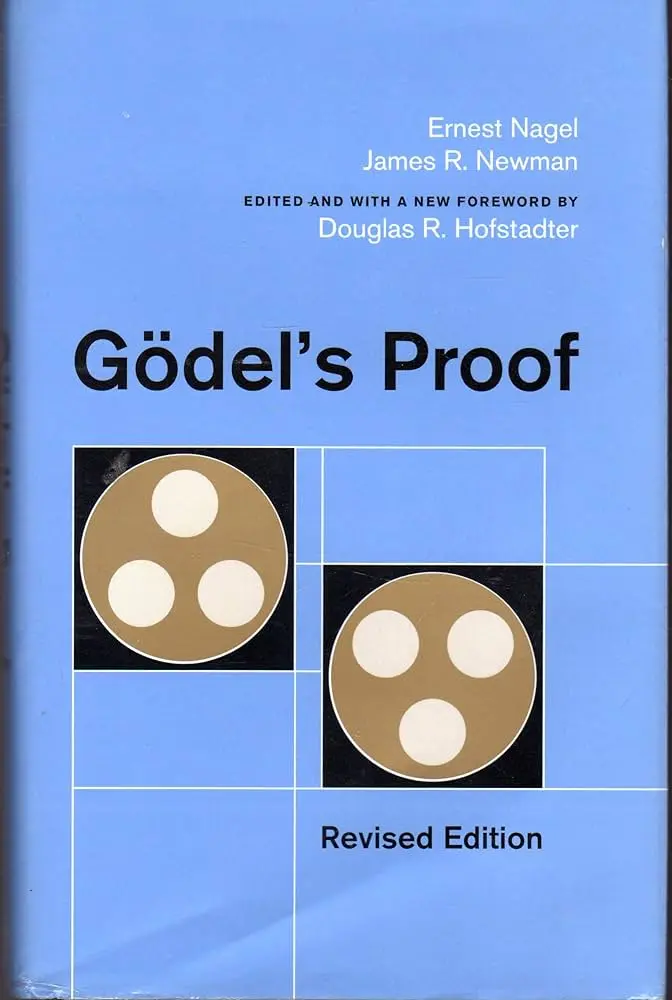
Cover: Gödel’s Proof by Ernest Nagel & James Newman
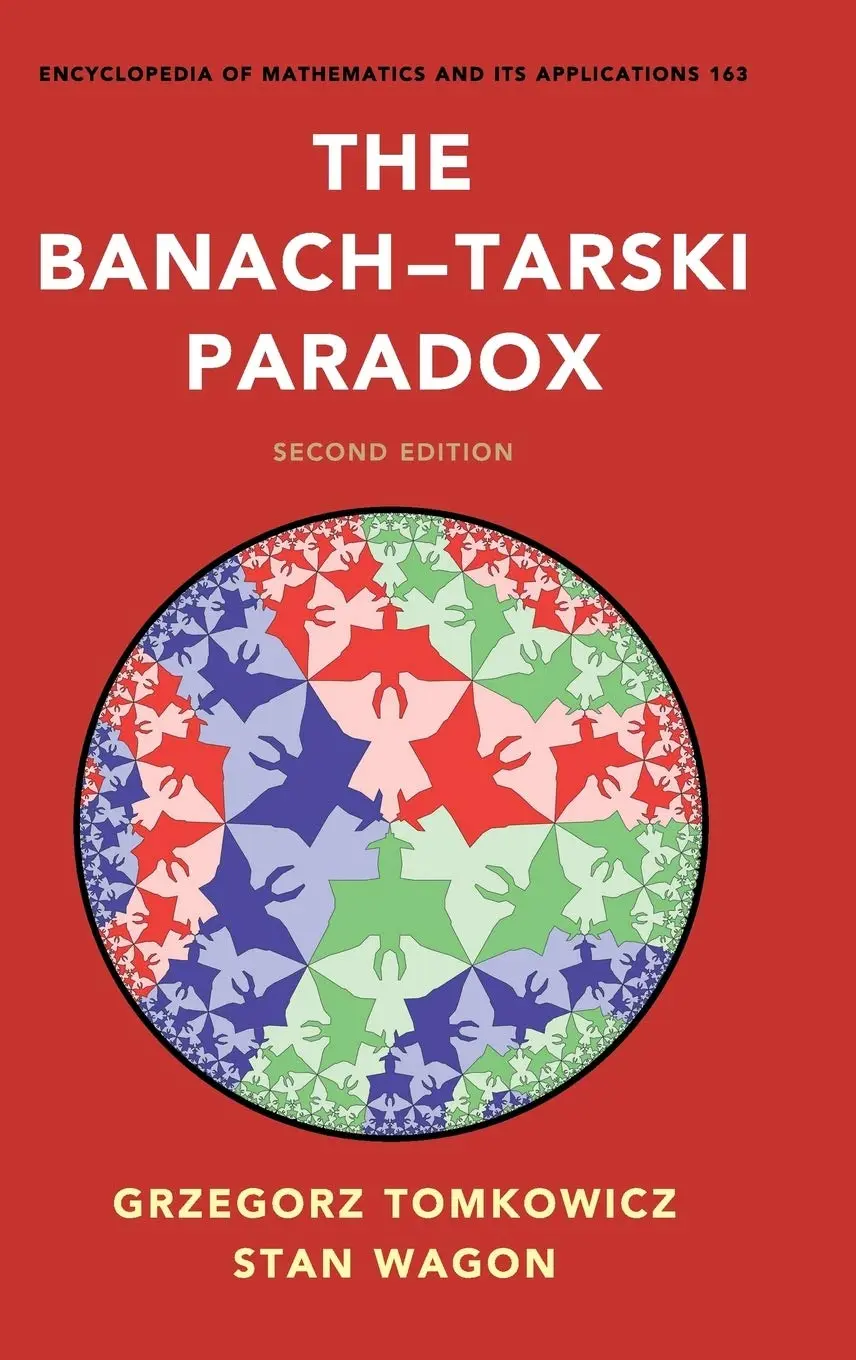
Cover: The Banach-Tarski Paradox by Stan Wagon
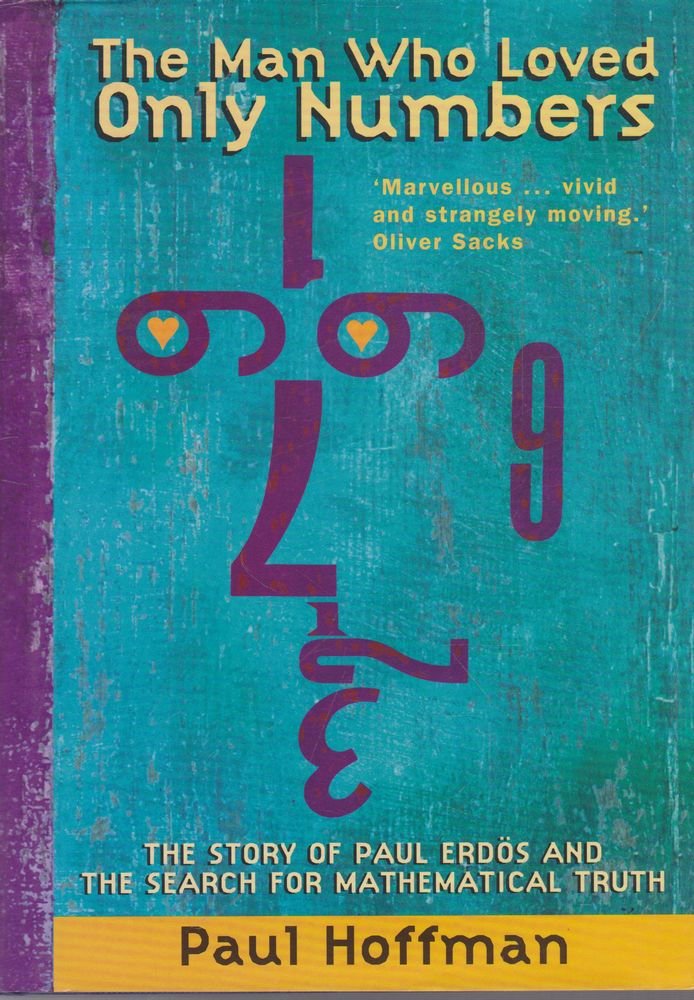
Cover: The Man Who Loved Only Numbers by Paul Hoffman
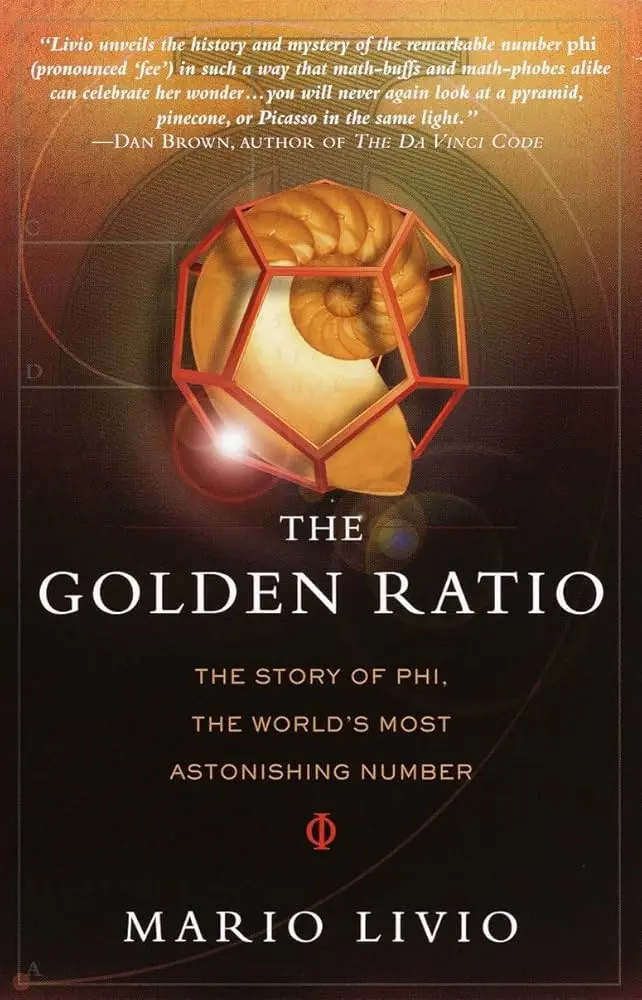
Cover: The Golden Ratio: The Story of Phi by Mario Livio
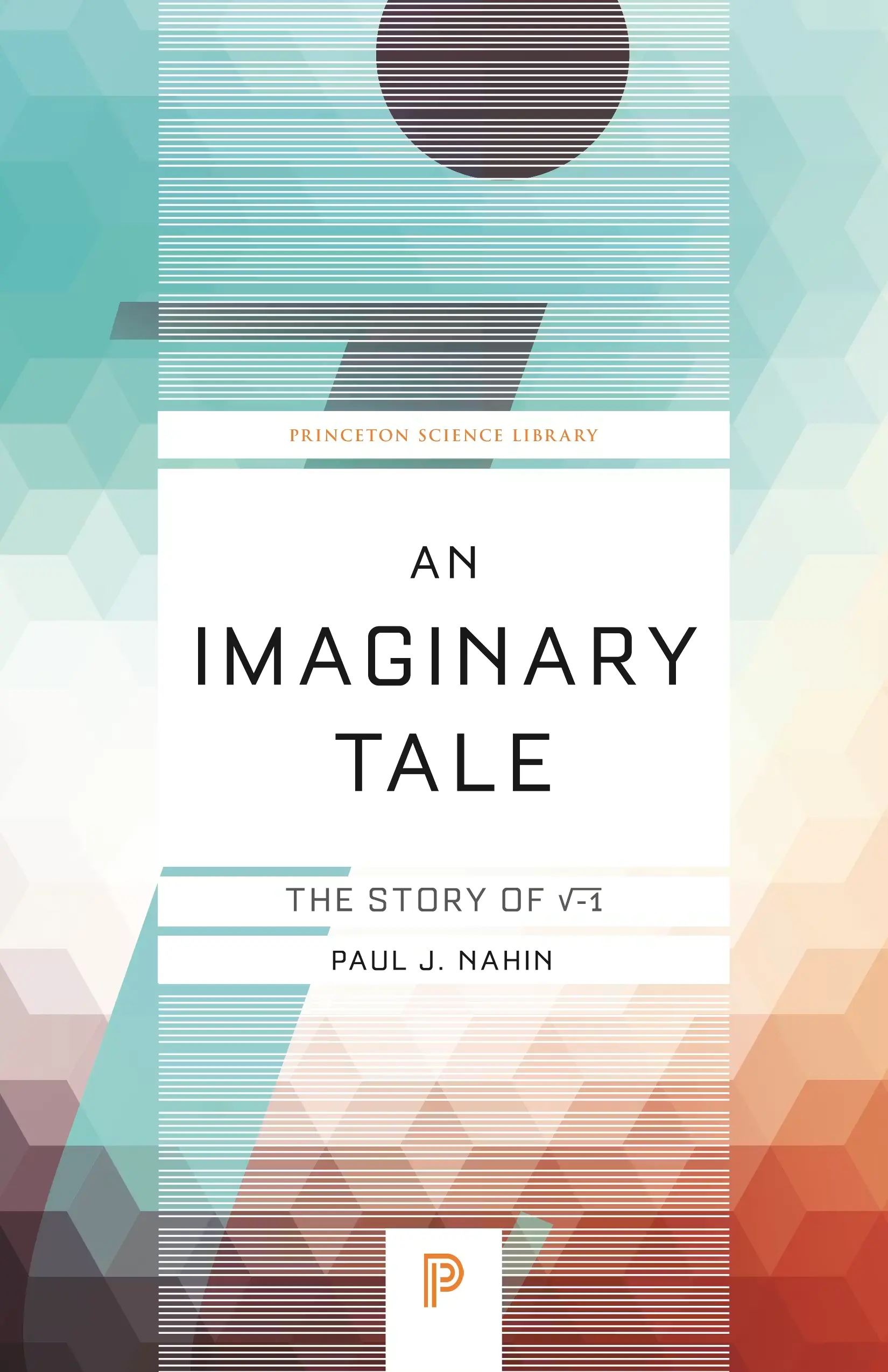
Cover: An Imaginary Tale by Paul J. Nahin
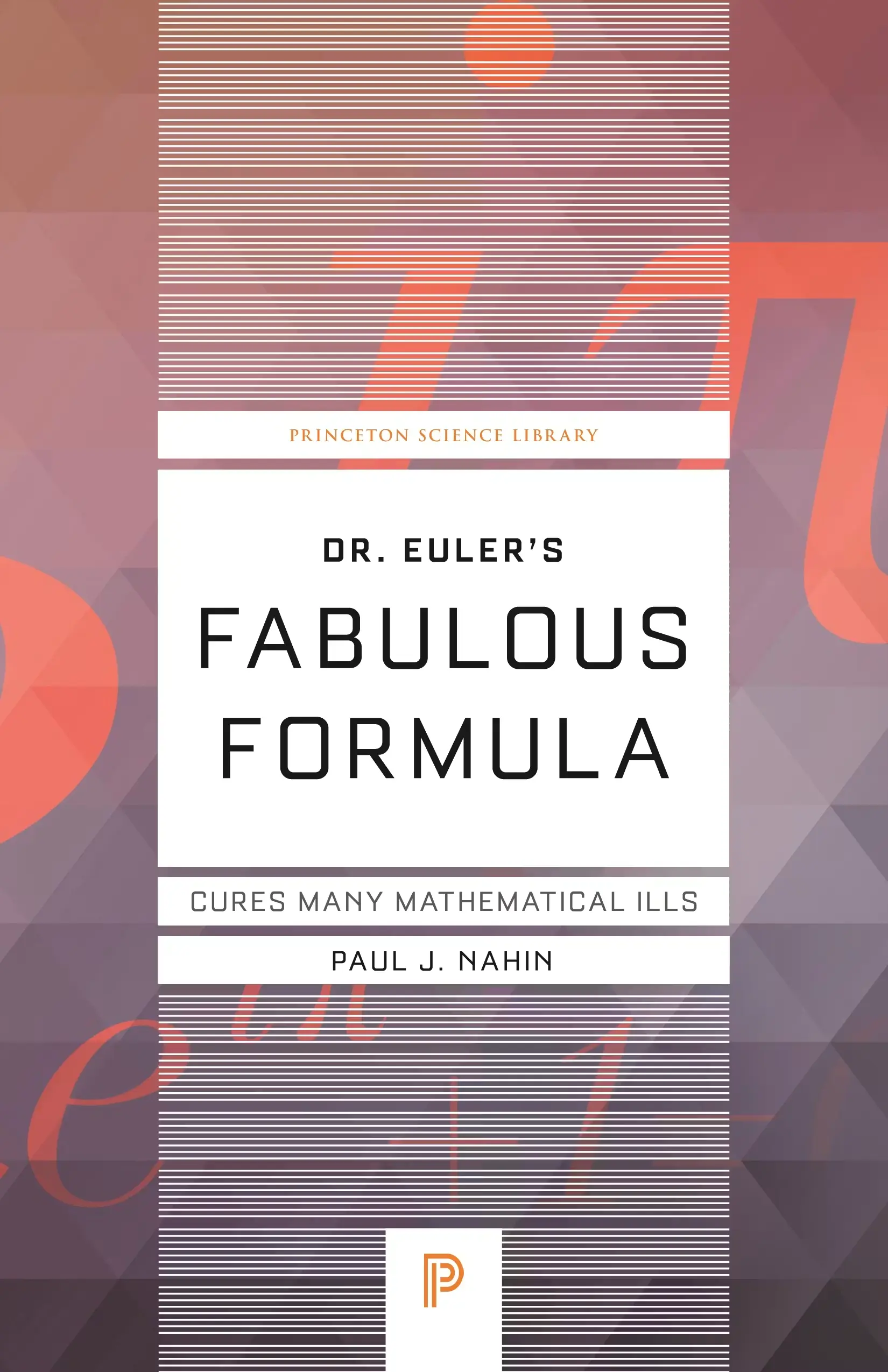
Cover: Dr. Euler’s Fabulous Formula by Paul J. Nahin
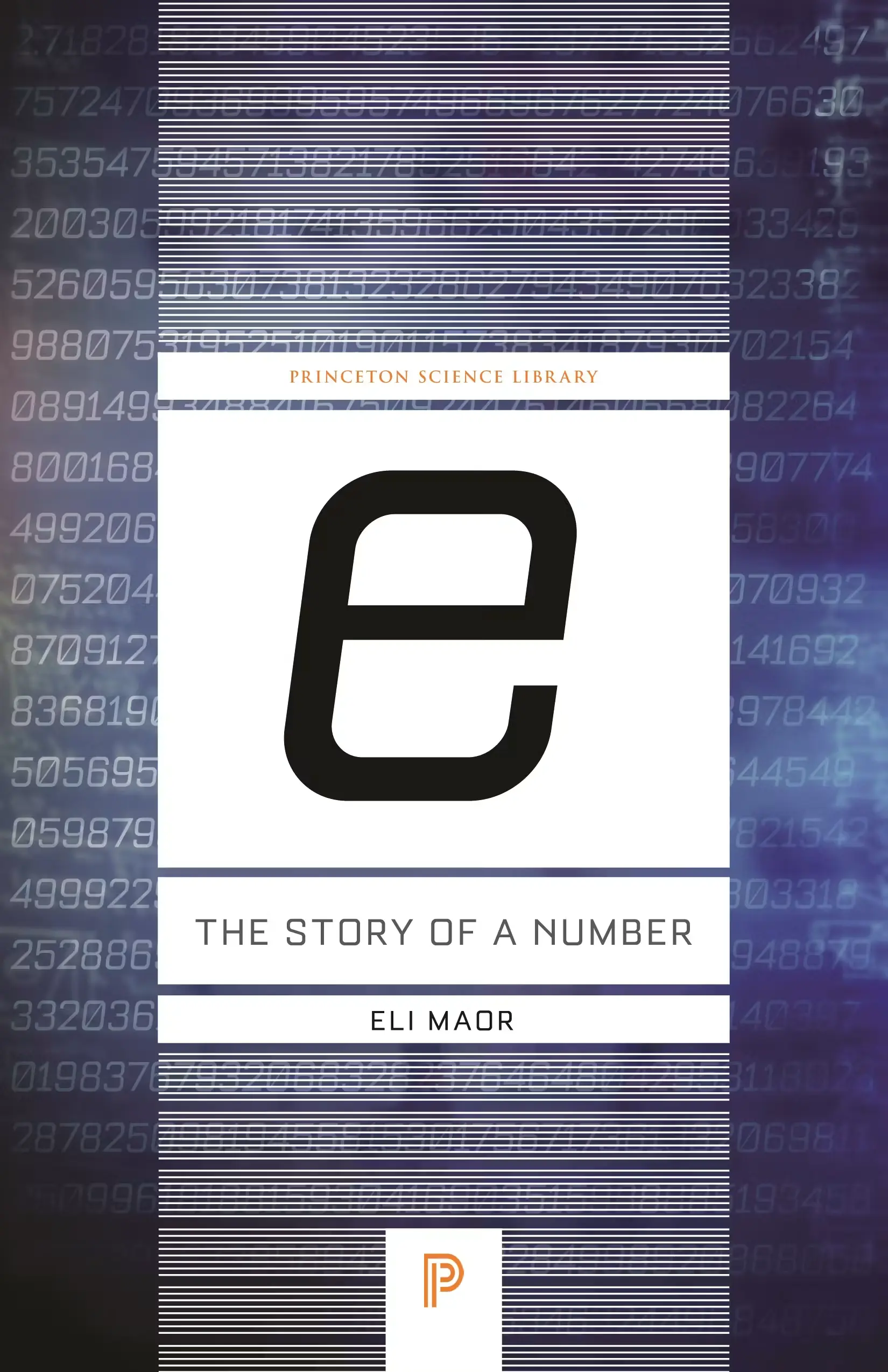
Cover: e: The Story of a Number by Eli Maor
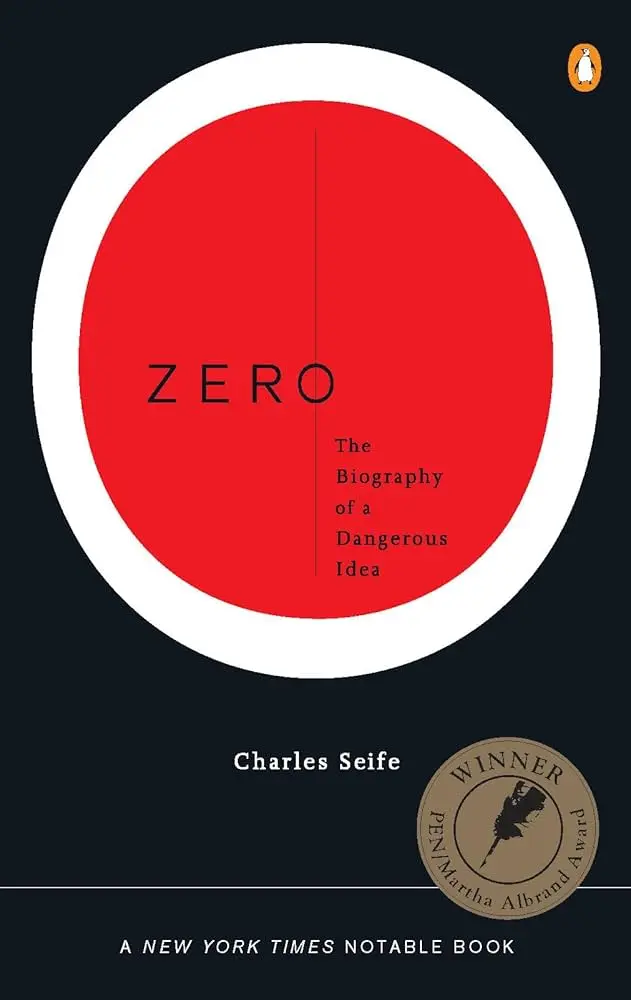
Cover: Zero: The Biography of a Dangerous Idea by Charles Seife
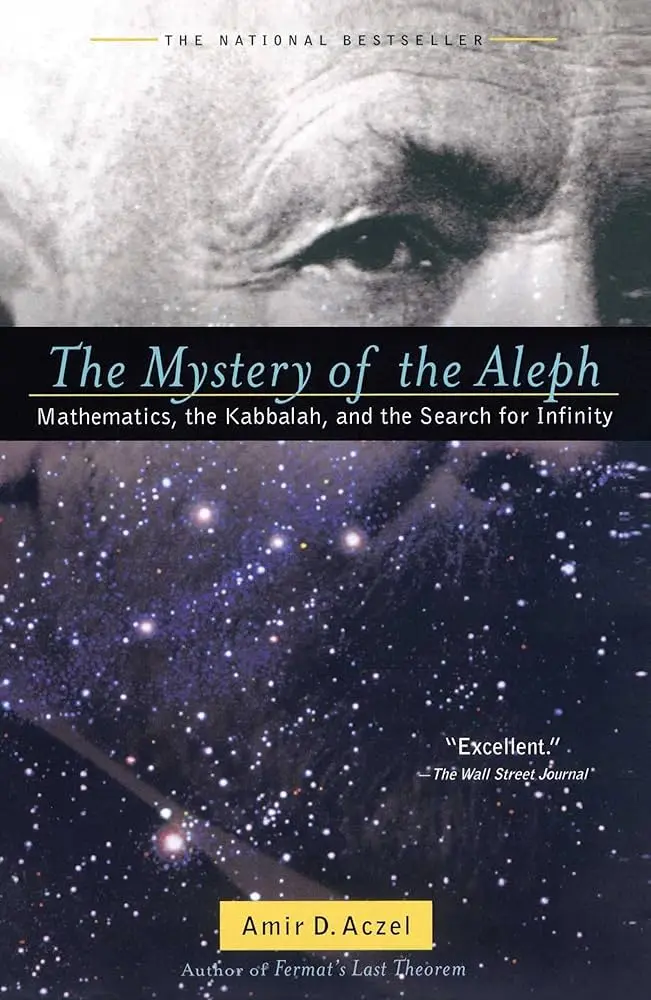
Cover: The Mystery of the Aleph by Amir D. Aczel
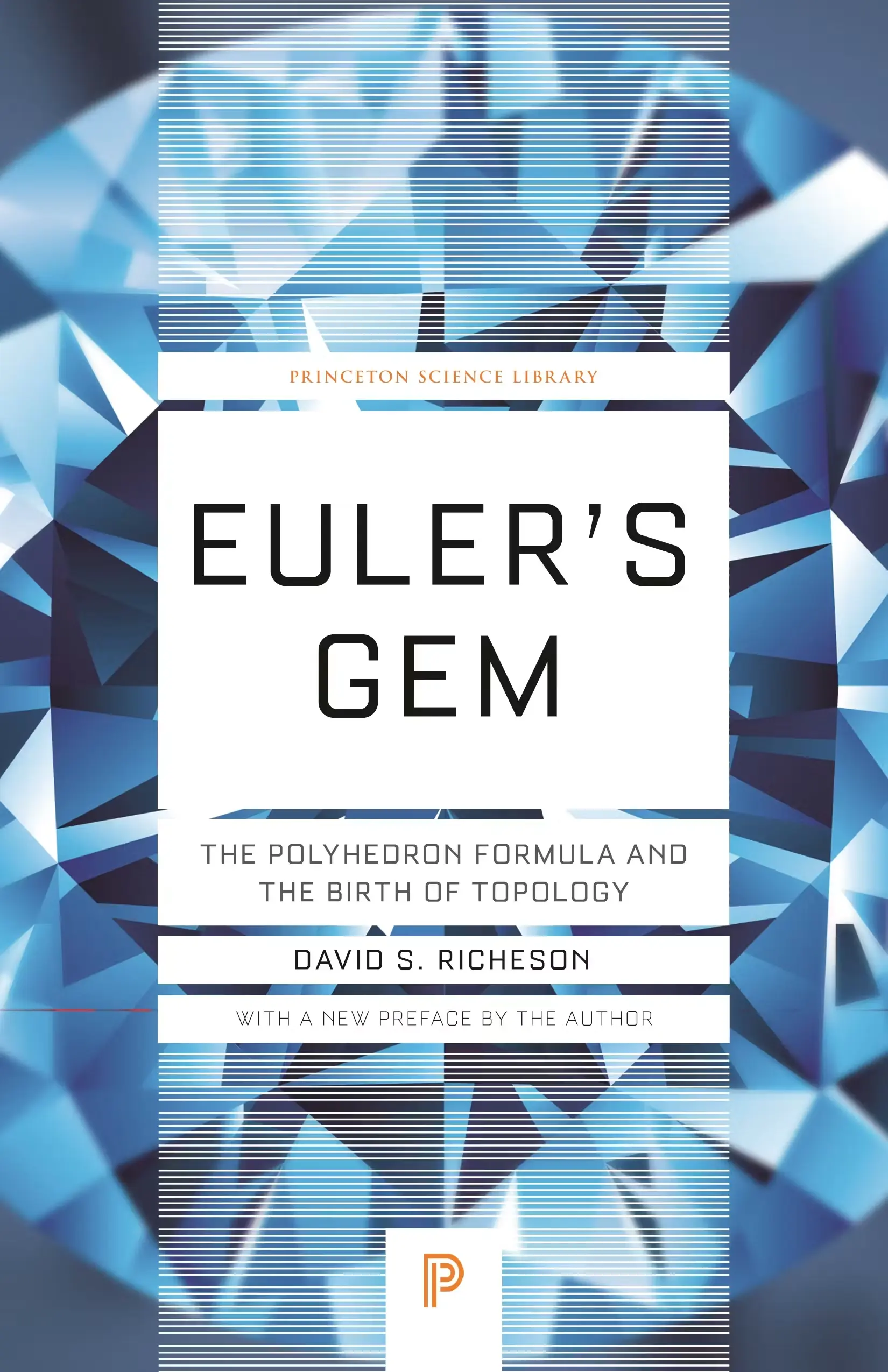
Cover: Euler’s Gem by David Richeson
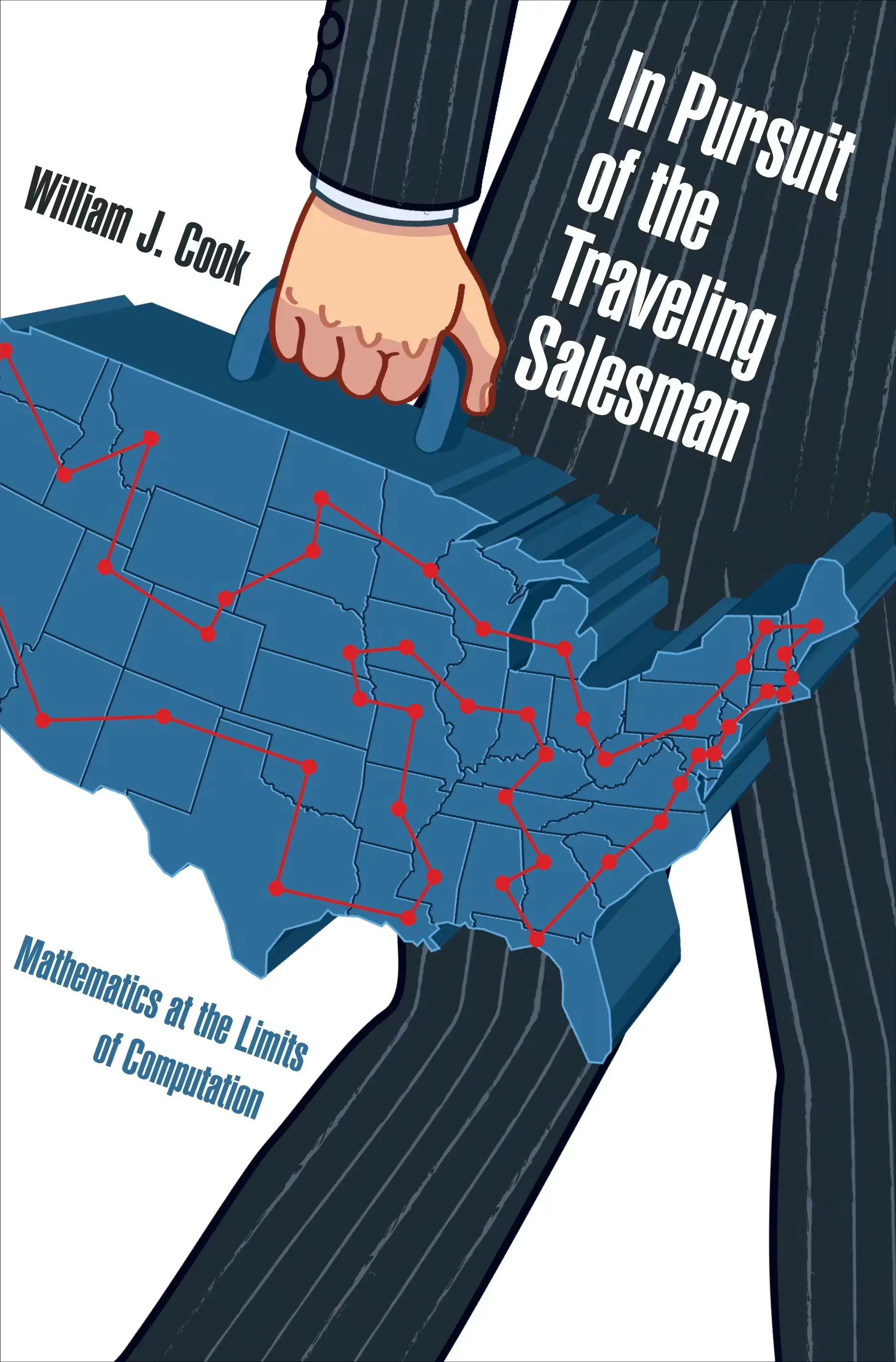
Cover: In Pursuit of the Traveling Salesman by William J. Cook
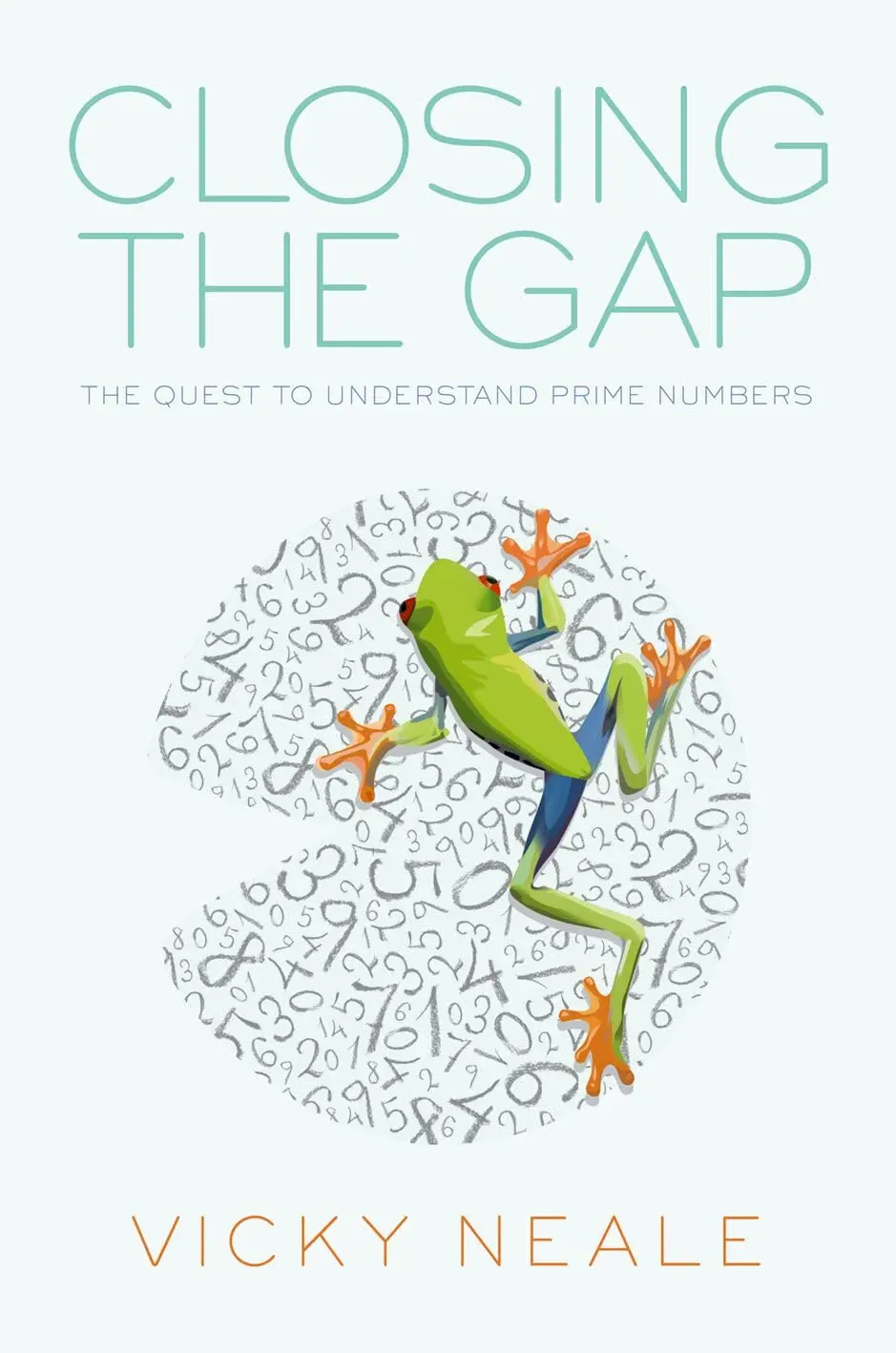
Cover: Closing the Gap: The Quest to Understand Prime Numbers by Vicky Neale
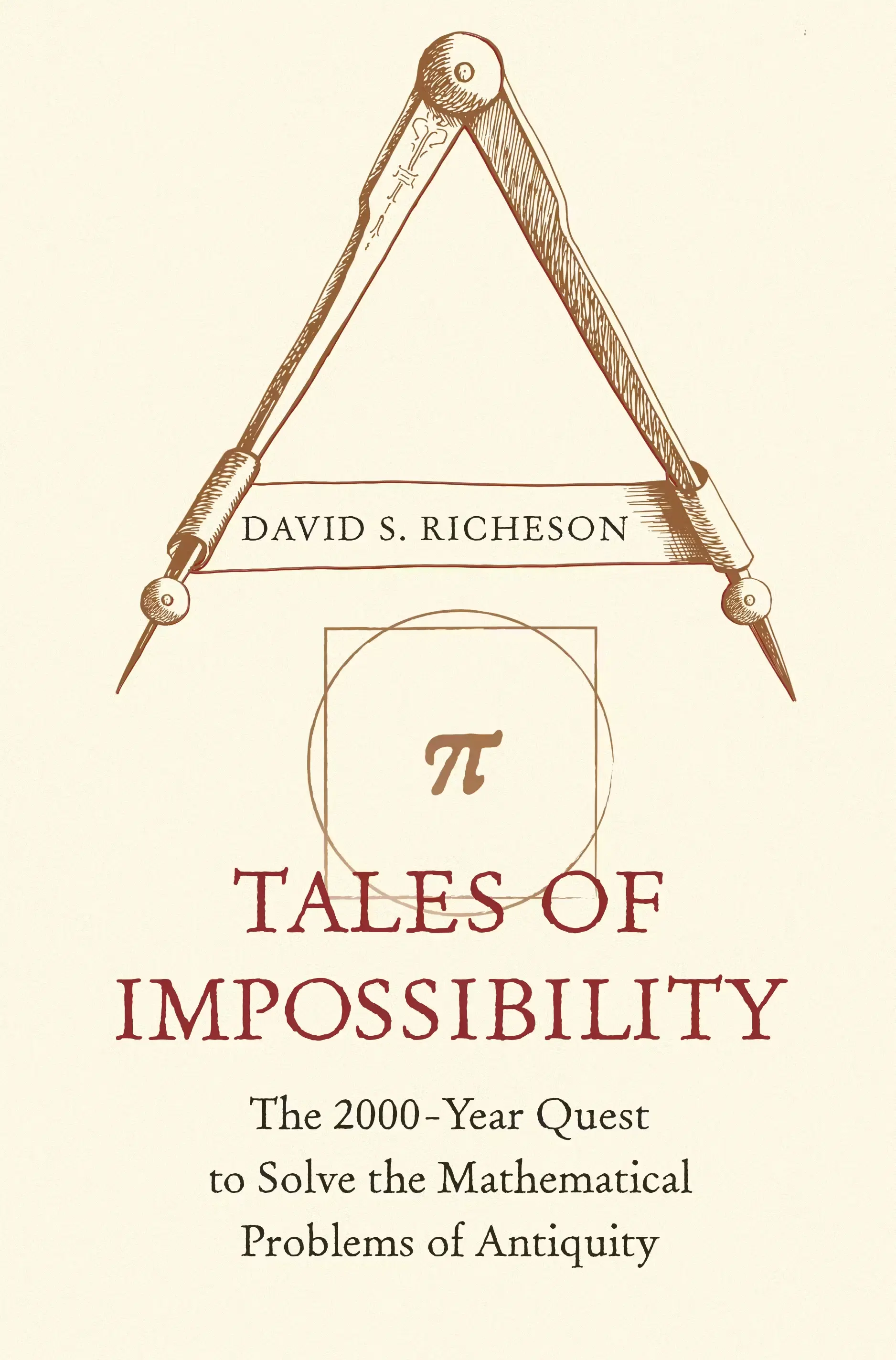
Cover: Tales of Impossibility by David Richeson
  1. 01

    Prime Obsession

    John Derbyshire · 2003

    The Riemann Hypothesis

    Bernhard Riemann published an eight-page paper in 1859. In it he proposed a hypothesis about the distribution of prime numbers — that all the non-trivial zeros of a certain function lie on a specific line. It has not been proved since. Derbyshire structures the book as two parallel narratives: odd-numbered chapters cover the mathematics, even-numbered chapters cover the history. The format could feel mechanical but Derbyshire writes well in both channels. Among the books about the Riemann Hypothesis, this is the one that takes the mathematics most seriously and condescends to the reader least.
  2. 02

    The Music of the Primes

    Marcus du Sautoy · 2003

    The Riemann Hypothesis

    Du Sautoy spreads the same problem across a much wider historical canvas. He traces the path to the Riemann Hypothesis through Gauss, Euler, and Hilbert, connecting it to modern cryptography, quantum physics, and a century-long competition for the prize. Where Derbyshire dives deeper into the mathematics, du Sautoy offers a broader panorama. The two books are not alternatives but complements.
  3. 03

    The Riemann Hypothesis

    Karl Sabbagh · 2002

    The Riemann Hypothesis

    Sabbagh is not interested in the problem so much as the people trying to solve it. He conducted long interviews with mathematicians working on the Riemann Hypothesis and used the book to document their ways of thinking, their dead ends, their moments of despair and excitement. The mathematics recedes to the background; what stays in the foreground is how a mathematician’s mind actually operates. The book makes a quiet argument that this is interesting enough on its own.
  4. 04

    Stalking the Riemann Hypothesis

    Dan Rockmore · 2005

    The Riemann Hypothesis

    Rockmore takes a different approach from the other Riemann books: he traces the hypothesis through its connections to many different areas of modern mathematics. Random matrices, quantum chaos, number theory — he explains why the Riemann Hypothesis keeps appearing across fields, and why each appearance generates a fresh wave of hope. The four Riemann books together demonstrate that the same problem can be told four completely different ways.
  5. 05

    The Poincaré Conjecture

    Donal O’Shea · 2007

    The Poincaré Conjecture

    In 1904 Poincaré asked: can every bounded, hole-free three-dimensional space be continuously deformed into a sphere? The question looks simple. Answering it required building almost all of topology from scratch. O’Shea follows that construction in a narrative running from Euclid to Perelman. In 2003, Grigori Perelman posted three papers proving the conjecture, then withdrew from mathematics entirely, declined the Fields Medal, and returned to his mother’s apartment in St. Petersburg. This book tells both the topology and the Perelman story.
  6. 06

    Uncle Petros and Goldbach’s Conjecture

    Apostolos Doxiadis · 1992

    Goldbach’s Conjecture

    In a 1742 letter to Euler, Goldbach claimed that every even integer greater than two is the sum of two primes. Unproved. Still unproved. Doxiadis chose this conjecture as the subject of a novel: an old mathematician who dedicated his life to proving Goldbach, failed, and must now live with the failure. The book is short, dense, and extraordinarily accurate about what mathematical obsession actually feels like. It is not read for the conjecture but for the portrait of a man who gave everything to a problem that gave nothing back.
  7. 07

    Logicomix

    Apostolos Doxiadis & Christos Papadimitriou · 2009

    The Foundations Crisis

    The most unusual book on this list. A graphic novel tracing Bertrand Russell’s attempt to place mathematics on unshakeable logical foundations — the collapse of Frege’s program, Russell’s paradox, Hilbert’s formalist project, Gödel’s theorems that ended it all. The comic format initially seems like a concession to accessibility, but Doxiadis and Papadimitriou use it to visualize the dead ends that the search for logical certainty drives people into. A book about mathematics being unable to prove its own foundations turns out to have a structure that is almost unbearably well-suited to its subject.
  8. 08

    Four Colors Suffice

    Robin Wilson · 2002

    The Four Color Theorem

    In 1852, Francis Guthrie noticed while coloring a map that four colors seemed to be enough to ensure no two adjacent regions shared a color. Easy to ask, apparently impossible to prove — for 124 years. In 1976, Appel and Haken finally proved it, but only with computer assistance: 1,200 hours of computation, a proof no human could verify by hand. Wilson tells the full story — every failed attempt, every amateur mathematician who thought they had it, the disputed final victory. Whether a computer-assisted proof counts as genuine mathematics remains unresolved, and Wilson does not resolve it.
  9. 09

    Kepler’s Conjecture

    George G. Szpiro · 2003

    Kepler’s Sphere-Packing Problem

    In 1611, Kepler claimed that the method fruit sellers use to stack oranges — square base layer, each layer nestled into the gaps of the one below — is the densest possible packing of spheres. Obvious on its face. The proof waited until 1998, when Thomas Hales submitted a 250-page argument accompanied by gigabytes of computer code. Szpiro traces the 400-year story through Raleigh, Brahe, Newton, Gauss, and Hilbert. The proof remains contested: journals published it without being able to fully verify the code.
  10. 10

    Fermat’s Last Theorem

    Amir D. Aczel · 1996

    Fermat’s Last Theorem

    In 1637, Fermat wrote in a margin: the equation aⁿ + bⁿ = cⁿ has no integer solutions when n is greater than two. “I have a truly marvelous proof, which this margin is too narrow to contain.” Three hundred and fifty-eight years later, Andrew Wiles — who had discovered the problem as a child in a library — gave a lecture in Cambridge presenting a proof. There was an error. He fixed it. The corrected proof was published in 1995. Aczel follows this journey in a short, fast narrative. It is one of the most dramatic sequences in the history of mathematics.
  11. 11

    Gödel’s Proof

    Ernest Nagel & James Newman · 1958

    Gödel’s Incompleteness Theorem

    In 1931, Kurt Gödel proved that any sufficiently powerful mathematical system, if consistent, contains true statements it cannot prove. He demolished Hilbert’s program — the effort to place all of mathematics on complete, consistent foundations — in a single paper. Nagel and Newman compressed that proof into a book in 1958, one of the best acts of mathematical popularization of its era. Douglas Hofstadter wrote a foreword for the 2001 edition. The proof remains startling: to describe a system fully, you need to step outside it.
  12. 12

    The Banach-Tarski Paradox

    Stan Wagon · 1985

    The Banach-Tarski Paradox

    In 1924, Banach and Tarski proved that a sphere can theoretically be decomposed into a finite number of pieces and reassembled into two spheres identical to the original. Volume is not conserved. It is the point at which intuition collapses entirely. Wagon examines both the proof and the philosophical questions it raises — the axiom of choice, measure theory, the relationship between mathematics and physical reality. The book is technical, but the paradox itself continues to be astonishing without requiring any technical background at all.
  13. 13

    The Man Who Loved Only Numbers

    Paul Hoffman · 1998

    Erdős and Prime Numbers

    Paul Erdős published more than 1,500 papers in his lifetime, owned nothing, traveled the world with a single suitcase, and left behind a measure of mathematical proximity that still carries his name. Hoffman tells Erdős’s life while also following his work on prime numbers, the Goldbach conjecture, and the twin prime conjecture. The person and the problems are inseparable. Erdős had offered a million dollars to whoever could prove Goldbach — a prize he would never have been able to pay.
  14. 14

    The Golden Ratio

    Mario Livio · 2002

    The Golden Ratio

    φ = 1.6180339… This number has been appearing in geometry, architecture, and the natural world since ancient Greece — or at least that is what is claimed. Livio carefully separates the claims that are real from the ones that are not. The golden ratio in the proportions of the Parthenon is almost certainly a retrospective reading. But its relationship to the Fibonacci sequence, its presence in regular polyhedra, and the properties of its irrationality are genuine. Livio tells the mathematics while refusing the mythology, and the balance makes this the most reliable book on the subject.
  15. 15

    An Imaginary Tale

    Paul J. Nahin · 1998

    i, The Imaginary Unit

    √−1 does not exist. But what happens if we assume it does? The question confused Cardano in the sixteenth century, generated a dispute between Leibniz and Bernoulli, and eventually became one of the most productive expansions in the history of mathematics. Nahin traces the history of i from cubic equations through electrical engineering to quantum mechanics. The book asks for some technical courage — knowing calculus helps — but no other book explains quite so well why it should be so astonishing that a number which does not exist turns out to be this useful.
  16. 16

    Dr. Euler’s Fabulous Formula

    Paul J. Nahin · 2006

    Euler’s Identity

    eⁱᵖ + 1 = 0. Five fundamental mathematical constants in a single equation: e, i, π, 1, 0. Nahin takes this identity as his center and works outward through complex analysis, Fourier series, and engineering applications. The book is a sequel to An Imaginary Tale but stands on its own. The mathematical density is higher here; by the second half, the reader is working through real calculations. It is read for a specific experience: seeing how far a single formula can reach.
  17. 17

    e: The Story of a Number

    Eli Maor · 1994

    The Number e

    e ≈ 2.71828… The base of the natural logarithm, the constant of exponential growth, the foundation of calculus. Not as famous as π but at least as present throughout mathematics. Maor traces the history of this number from Napier’s logarithm tables through Euler to modern applications. Short, clean, well-written. It explains why a number appearing in so many places is not a coincidence, and what that non-coincidence means.
  18. 18

    Zero: The Biography of a Dangerous Idea

    Charles Seife · 2000

    Zero

    Zero is the number of nothing — and that is why it was dangerous. Ancient Greek mathematics refused it because nothing could not be a number. The Church was unsettled by zero and infinity because both implied things about boundlessness that complicated theology. Seife traces the history of zero from the Babylonians and the Maya through its entry into European mathematics, its role in calculus, and the problems it creates at the edges of modern physics. The book reads quickly and is consistently surprising about how long zero was treated as a threat.
  19. 19

    The Mystery of the Aleph

    Amir D. Aczel · 2000

    Cantor and Infinity

    In the 1870s, Georg Cantor proved that infinities come in different sizes: the infinity of natural numbers is strictly smaller than the infinity of real numbers. There are infinitely many infinities. His colleagues were disturbed. Kronecker publicly humiliated him. Cantor spent his final years in and out of a sanatorium. Aczel connects this story to the Kabbalistic notion of infinity, to transfinite number theory, and to Cantor’s personal collapse. The continuum hypothesis — whether there exists an infinity between the two Cantor identified — remains unresolved: Gödel and Cohen showed it can be neither proved nor disproved from the standard axioms.
  20. 20

    Euler’s Gem

    David Richeson · 2008

    V − E + F = 2

    Working with polyhedra in the 1750s, Euler noticed something: the number of vertices minus the number of edges plus the number of faces always equals two. For a cube: 8 − 12 + 6 = 2. For a square pyramid: 5 − 8 + 5 = 2. For any closed surface without holes. This small formula became one of the founding results of topology. Richeson takes it as his center and draws two thousand years of geometry history around it, from Plato to Poincaré. Topology usually feels abstract and remote; this book makes it concrete and human.
  21. 21

    In Pursuit of the Traveling Salesman

    William J. Cook · 2011

    The Traveling Salesman Problem

    There are N cities. A salesman must visit each one exactly once and return to the start. What is the shortest route? Even for fifteen cities, counting all possibilities is impractical. Cook covers both the mathematics and the history of this problem — from the 1800s to the present, real-world applications, its connection to the P ≠ NP question. The traveling salesman problem is computer science’s most famous open question. Cook has spent decades working in this area and handles both the technical and narrative sides with the authority that comes from that.
  22. 22

    Closing the Gap

    Vicky Neale · 2017

    The Twin Prime Conjecture

    Twin primes are prime pairs separated by two: 3 and 5, 11 and 13, 17 and 19. Are there infinitely many? Unknown. In 2013, Yitang Zhang — a mathematician nobody had heard of, working outside academia, supporting himself by checking subway passes — proved that there are infinitely many prime pairs separated by a gap of less than 70 million. Within months, the Polymath project had reduced that number to 246. Neale tells both the mathematics of this process and how internet collaboration transformed the way mathematics gets done. Zhang’s story alone is worth the book.
  23. 23

    Tales of Impossibility

    David Richeson · 2019

    Squaring the Circle, Trisecting the Angle

    For two thousand years, mathematicians tried to solve four problems using only a straightedge and compass: squaring the circle, doubling the cube, trisecting an arbitrary angle, and solving the general quintic equation. In 1837, Wantzel proved the first two impossible. In 1882, Lindemann proved π transcendental, collapsing the third. Galois resolved the fourth and died in a duel at twenty. Richeson tells the history of all four impossibilities together. Proving that something cannot be done is also mathematics — and sometimes it takes two millennia.