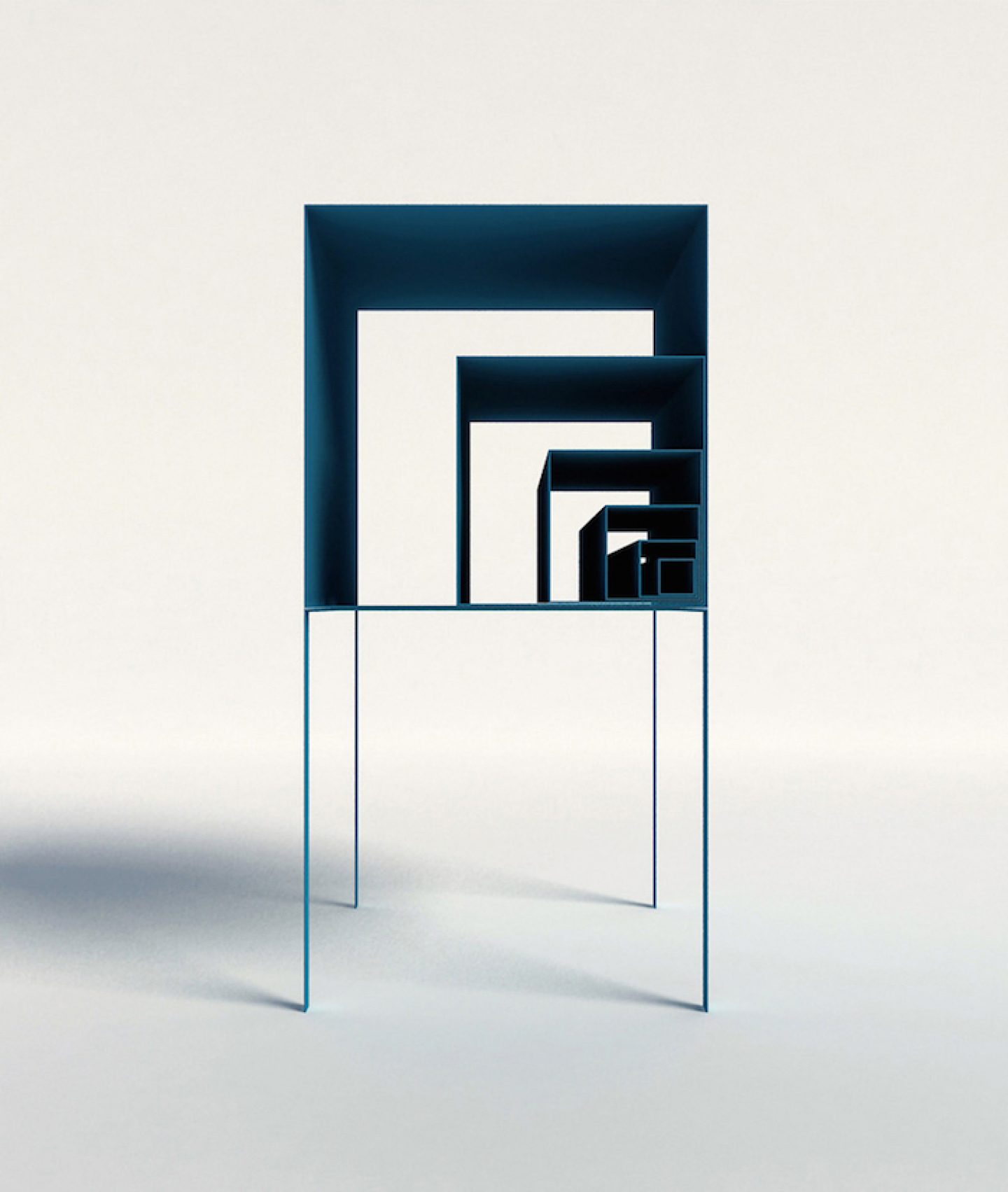
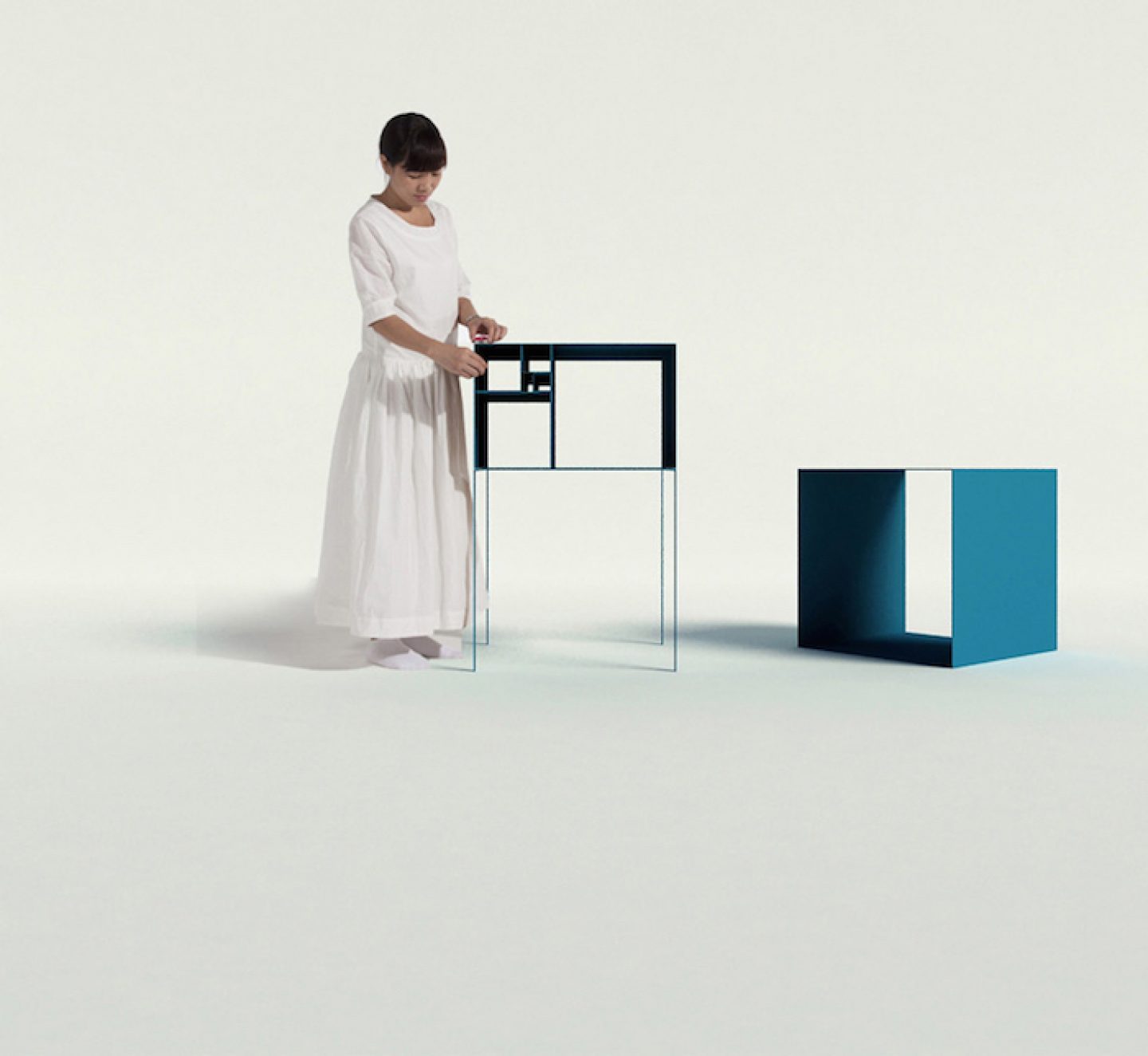
Peng Wang took six aluminum rectangles, sized them by the Fibonacci sequence, and made them modular. That's the whole concept — and it's enough.
Bars that match the numbers
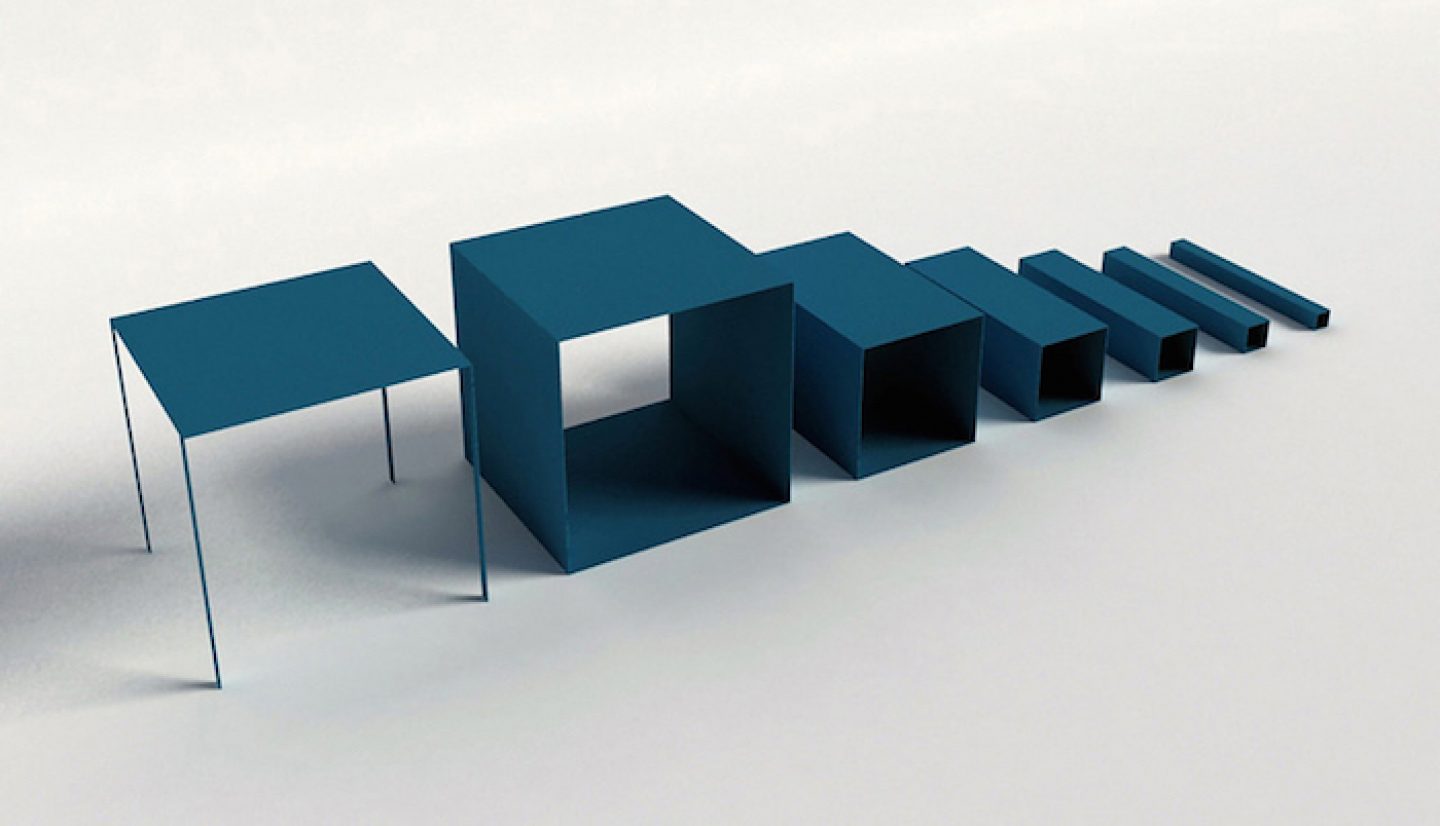
1, 1, 2, 3, 5, 8, 13 — each number the sum of the two before it. The bars below represent the first six terms, scaled proportionally:
As the numbers grow, their ratio converges toward roughly 1.618 — the Golden Ratio. Whether that number is objectively beautiful or just numerologically flattering is an open debate. The shelf doesn't settle it, but it does benefit from it.
Six compartments, infinite arrangements
Six modular compartments in anodized aluminum. They can be stacked and reconfigured in many combinations. From the side, the structure nearly disappears — a few thin lines. From the front, nested rectangles receding inward, each a precise Fibonacci step smaller than the last.
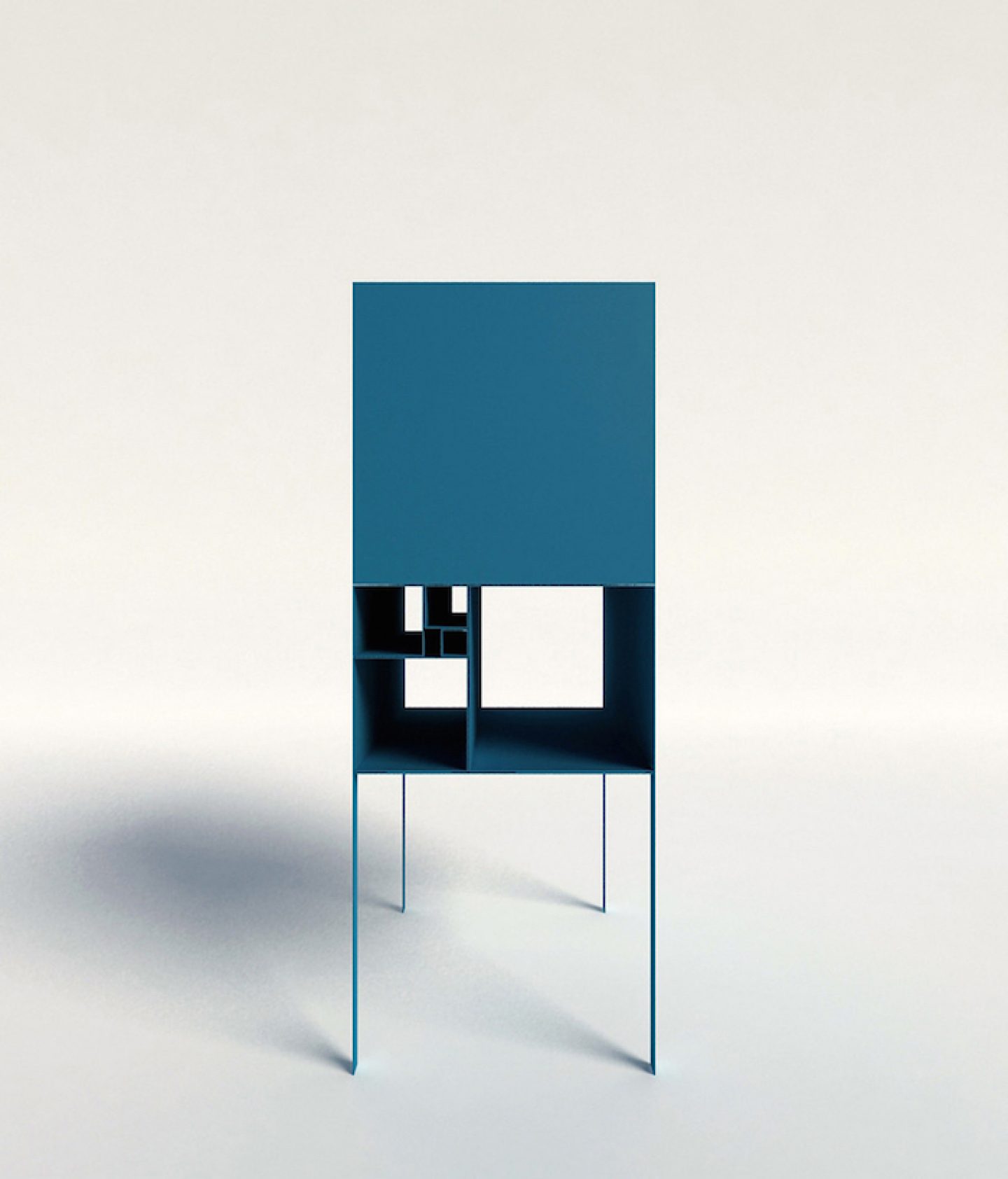
Cross-section — nested Fibonacci rectangles
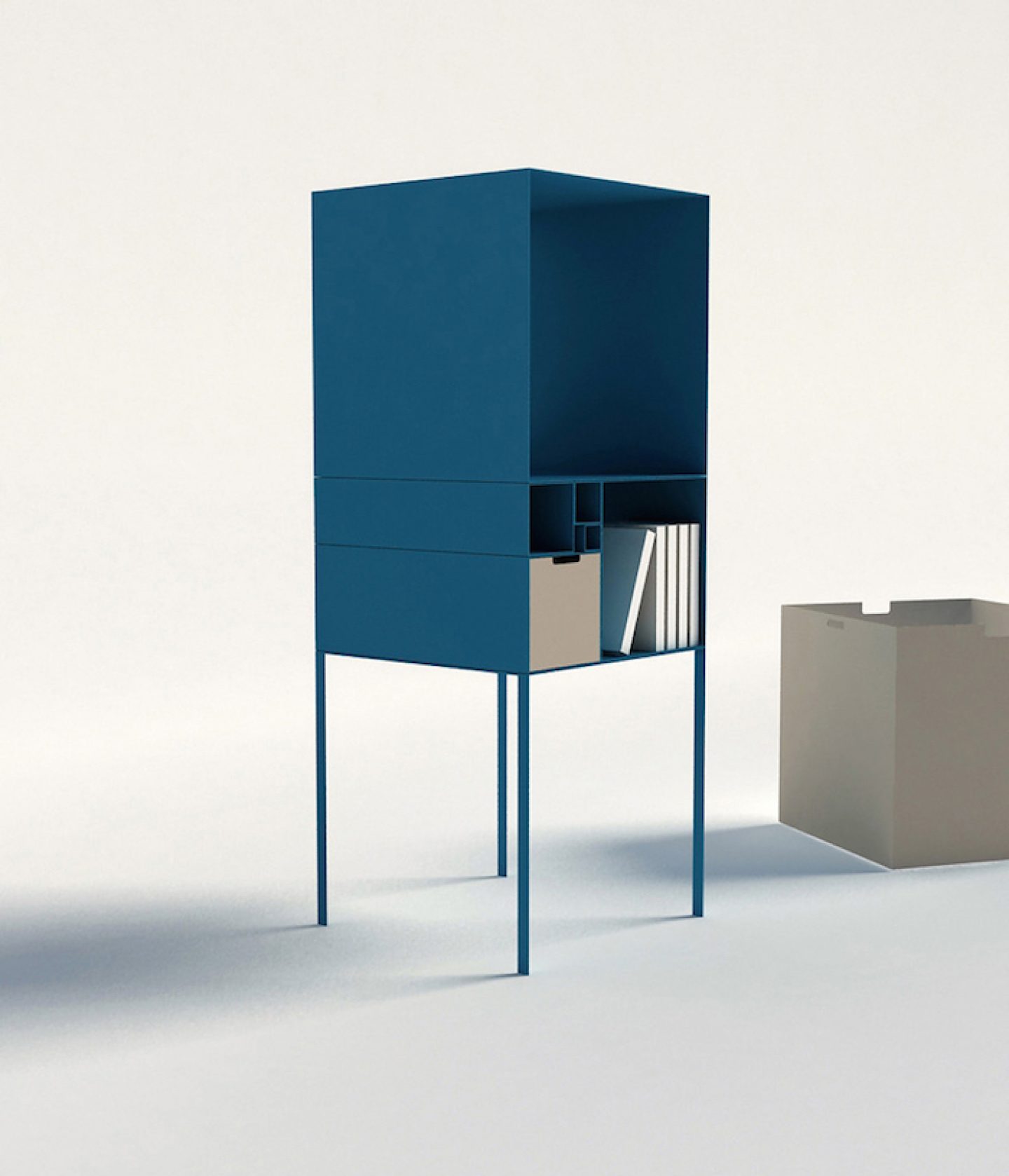
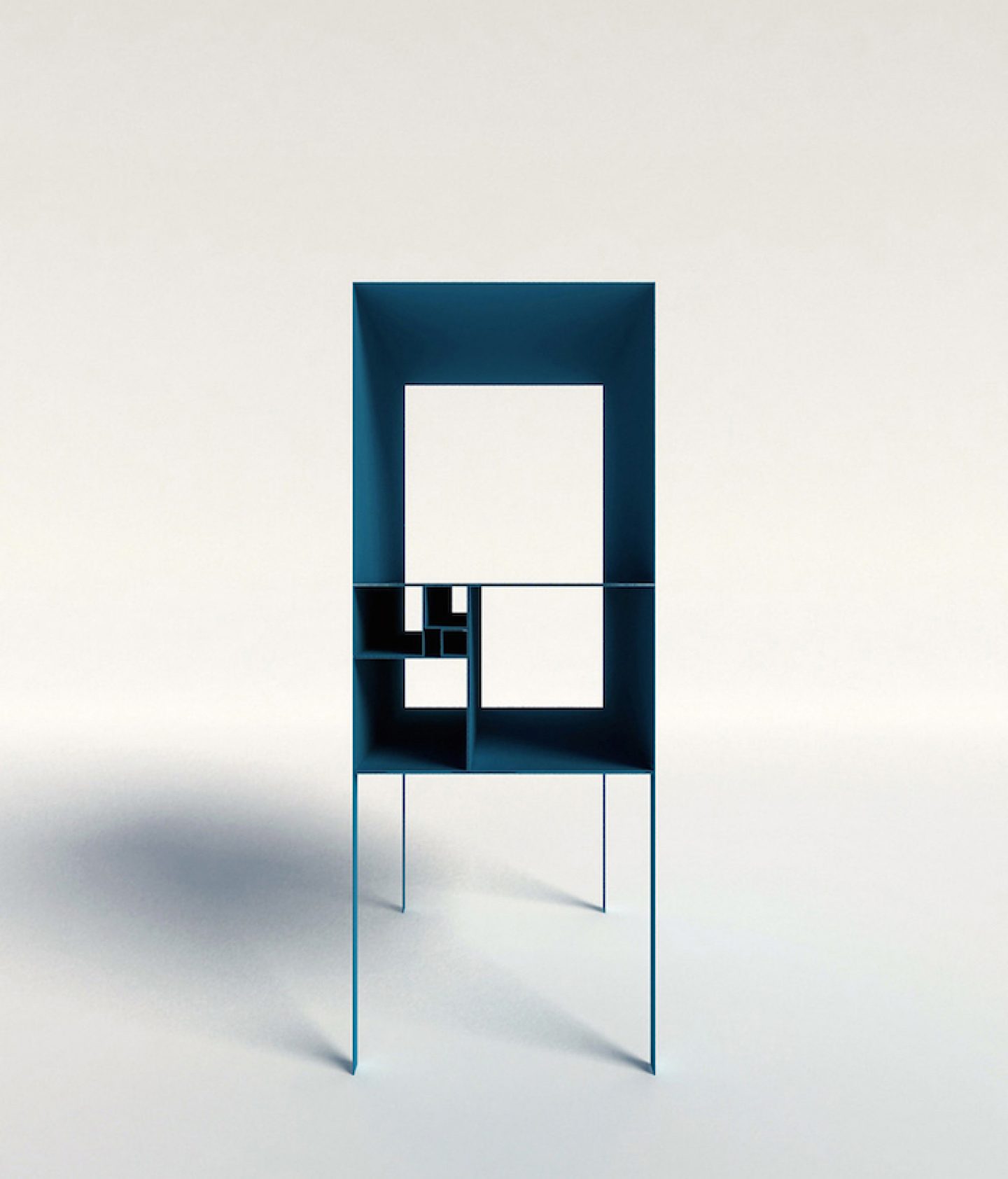
The material is restrained: no wood grain, no color, no ornament. The geometry does the work. That's either disciplined or a little cold, depending on your taste — but it's never fussy.
Furniture that's actually about something is rare. Usually it's just furniture.
Storage is not the point
The shelf won't hold many books. It's not a storage solution. What it is, functionally, is a rearrangeable object — the compartments stack and recombine into different configurations. That modularity turns maintenance into something closer to tinkering.
And unlike most conversation pieces, the conversation it starts is about something real: a sequence that shows up in sunflower seeds, nautilus shells, and now your living room. Whether you find that poetic or just interesting is up to you. Either way, it's a decent trick for six rectangles of aluminum. For a different material entirely — something you design and print in an afternoon — the Bambu Lab P2S will produce a Fibonacci spiral before dinner.