
Mathematics · Self-Study · Curriculum
A course-by-course, book-by-book roadmap for anyone who wants to learn undergraduate mathematics on their own. Nine courses, nearly 70 books, and a checkpoint at the end of every course to test yourself.
By Ali Kaya · October 16, 2026
✎ the prerequisite map, tap any course
The whole map
Eleven stops from high school math to electives, and roughly 1,700 hours of study. Tap a course. Yellow lines show what you need to finish before you get there, blue lines show the doors that course opens. Dashed lines are not required, but they make the work easier.
In Istanbul and in Arkansas alike, the sentence a math teacher hears most often is the same one, and it always comes out sounding like an apology. “I'm just not a math person.” Most of the people who say it can untangle the plot of a novel, pick up the grammar of a second language, draw the tactical shape of a soccer match on a whiteboard, and there is no reason a mind that does those things cannot do mathematics.
I have taught mathematics at every level from elementary school up to advanced calculus, and what I saw is that mathematics is much less a matter of talent than a matter of order. The student who moves to algebra before fractions have settled, to functions before algebra has settled, to derivatives before functions have settled, hits a wall at some point and takes that wall for the limit of their own mind.
Most of the time the wall is a gap left by a topic skipped three years earlier, and once the gap is filled the road opens again.
This piece builds that order from the very beginning. My aim is to give someone who never studied mathematics at a university, but wants to do it on their own and at their own pace, the spine of an undergraduate program one book at a time. Anyone who reaches the end will have learned what the core courses of a mathematics degree teach. There will be no diploma, but they will be able to open an analysis book and read it, follow an algebra proof and write one themselves, and look at a differential equation without flinching. If you only want the books in order, our self-learner's roadmap through 30+ math books is the short version. This is the long one, with the method around it.
I will not tell you it is easy, because it is not. Mathematics is a hard discipline and there is no discipline that is easy at an advanced level anyway. The way to learn something that is not easy is well known. You cut the subject into small pieces, you digest each piece by solving problems, you are patient with yourself where you get stuck, and the next day you sit down at the table again. The curriculum below is the list of those small pieces.
The map at the top of this page shows the whole curriculum at a glance. Whenever you wonder which course comes before which, come back to it. A little further down there is a short checklist that tells you whether you are ready for calculus, and in the middle of the curriculum there is a study planner that works out your finish date from the hours you can give each week.
before the textbooks
Before you sit down with a textbook, it helps to warm up your relationship with mathematics a little. None of the books below will teach you calculus, but all of them show what mathematicians actually spend their days on, why a problem kept people awake for centuries, and why a proof is a different thing from a calculation. I ordered them from easy to hard, and I suggest opening the hard ones again once you reach the middle of the curriculum, because they read differently the more you know.
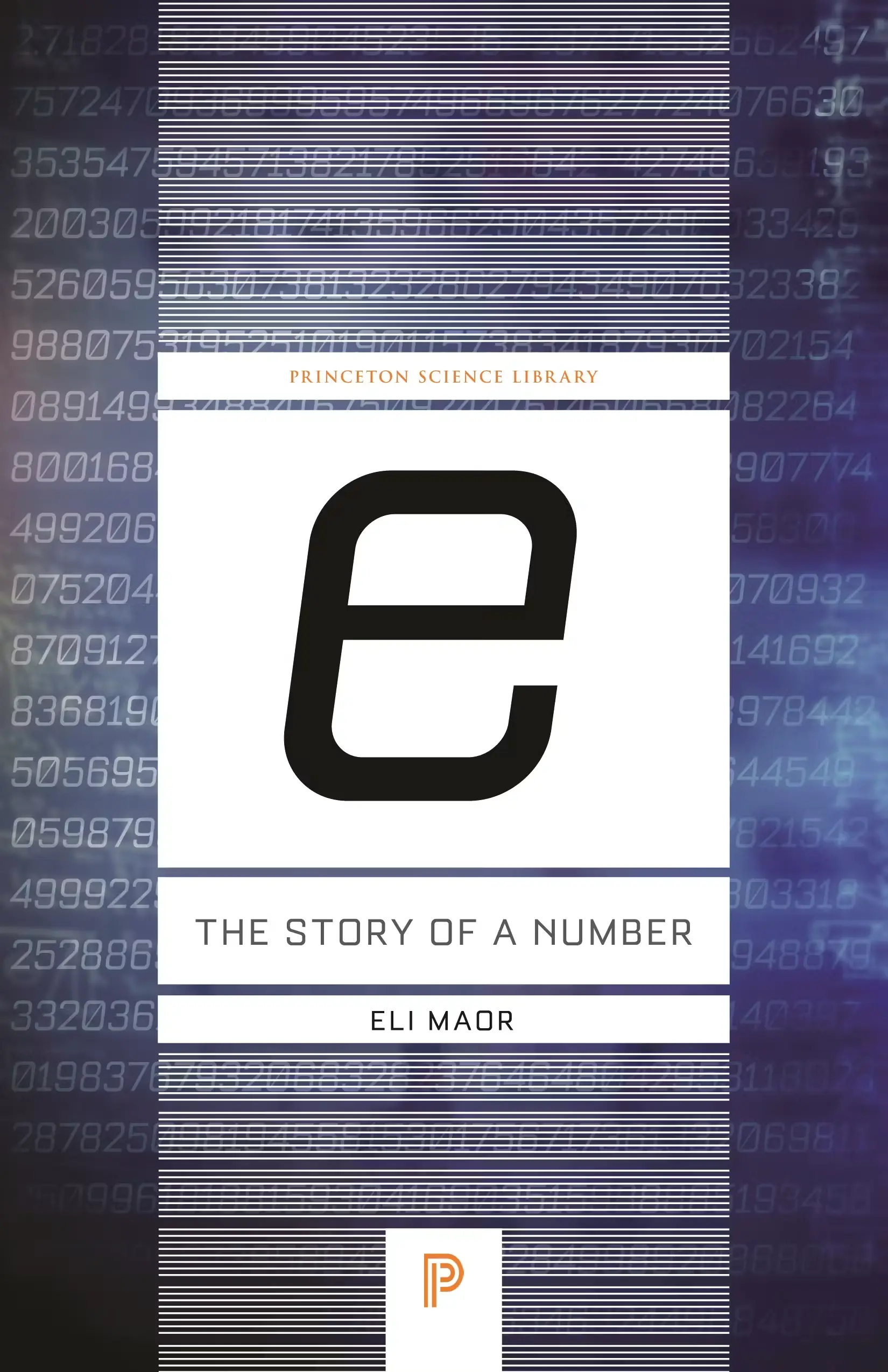
Eli Maor
The story of a single number, running from compound interest to logarithm tables and from there to the catenary of a suspension bridge. Read it before calculus and you will understand why a function equal to its own derivative matters so much before any textbook tells you.
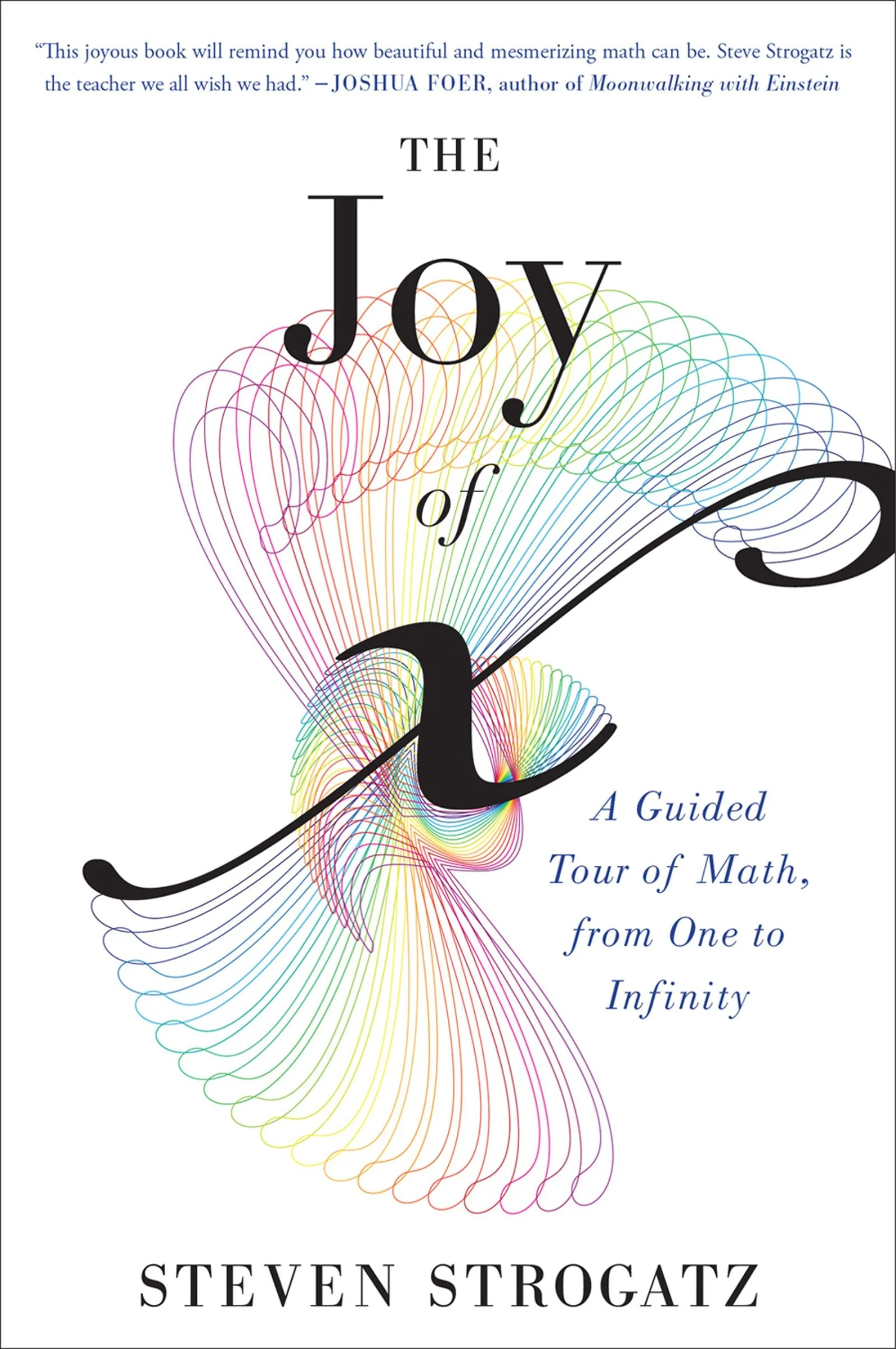
Steven Strogatz
A tour of the main stops of mathematics, from numbers to infinity, in short chapters. Each chapter takes one sitting, which makes it exactly right for anyone looking for something to slip in between textbook sessions. Get the print edition, the formulas fall apart in the ebook.
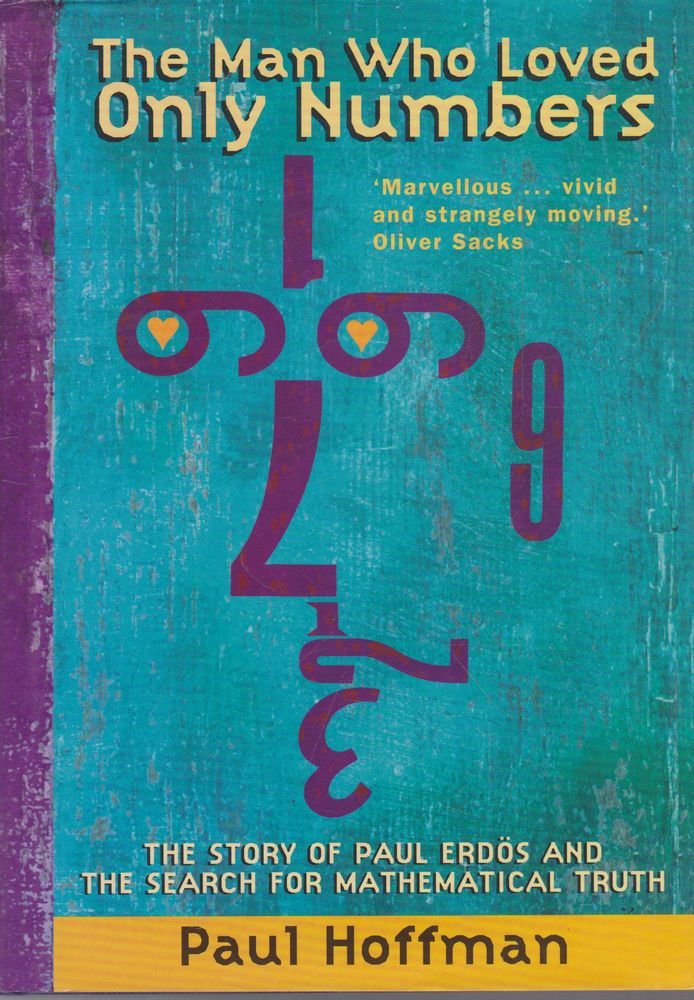
Paul Hoffman
A biography of Paul Erdős, who went from continent to continent with one suitcase, knocked on his colleagues' doors and put his name on more than 1,500 papers. No book shows better that mathematics is something done between people, not alone in one person's room.
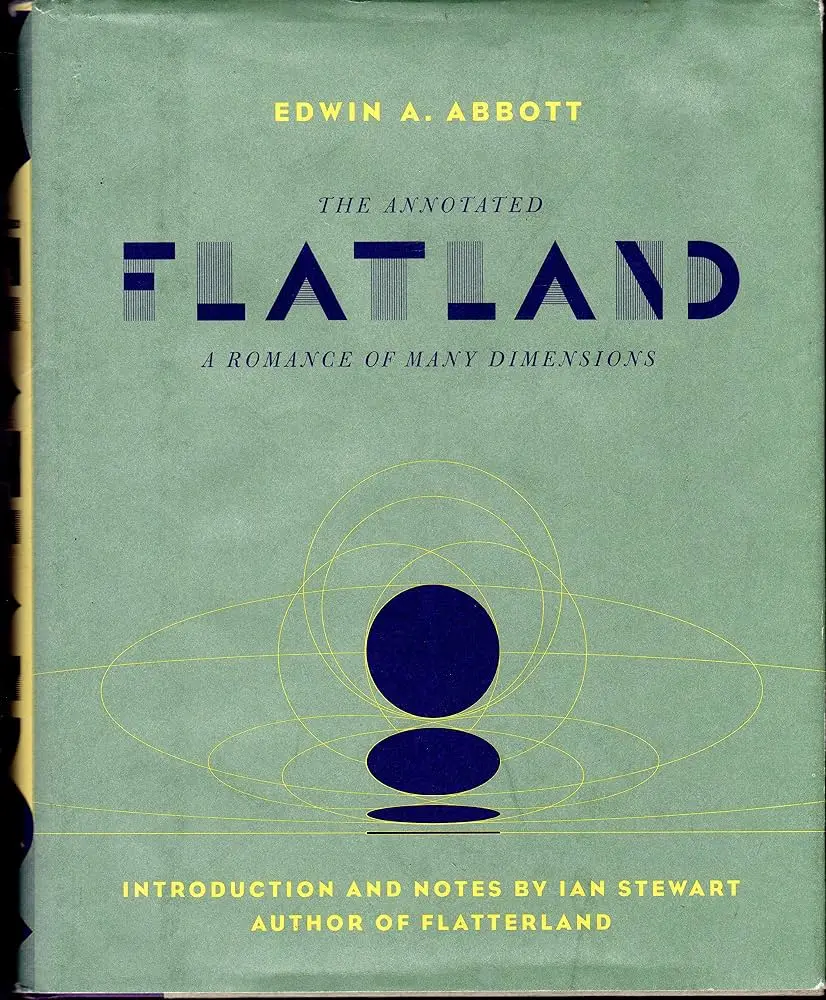
Edwin A. Abbott, notes by Ian Stewart
The 1884 classic about a square living in a two-dimensional world who meets the third dimension. Ian Stewart's margin notes turn the book into a small course on the idea of dimension, which is why I recommend the annotated edition.
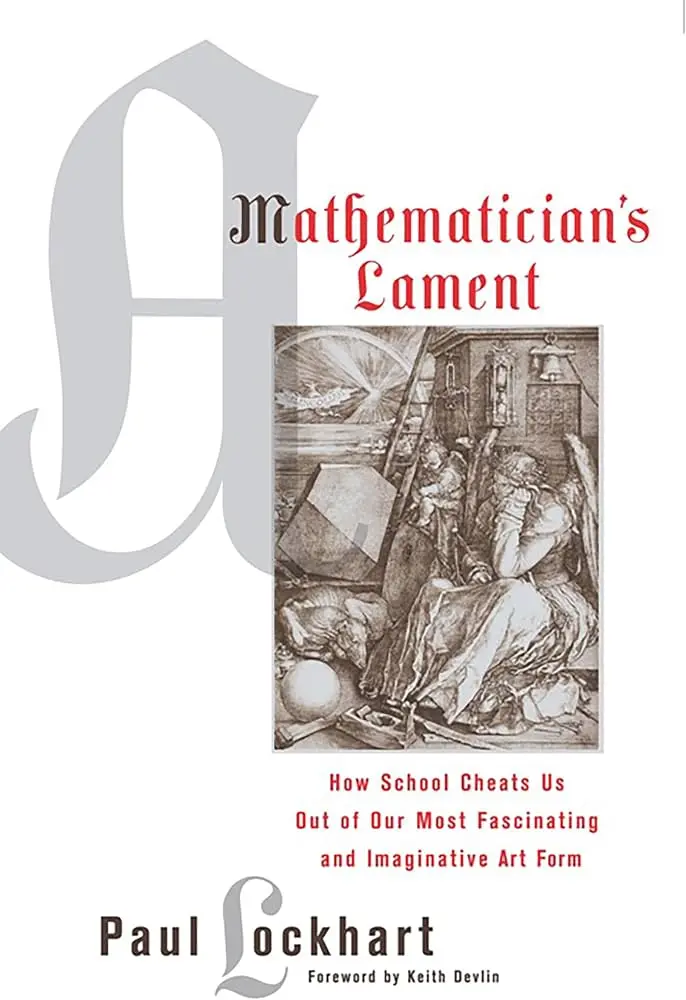
Paul Lockhart
A 140-page essay, angry and right, on why the mathematics taught in school looks nothing like mathematics. I would want anyone carrying a math trauma from their school years to read this first.
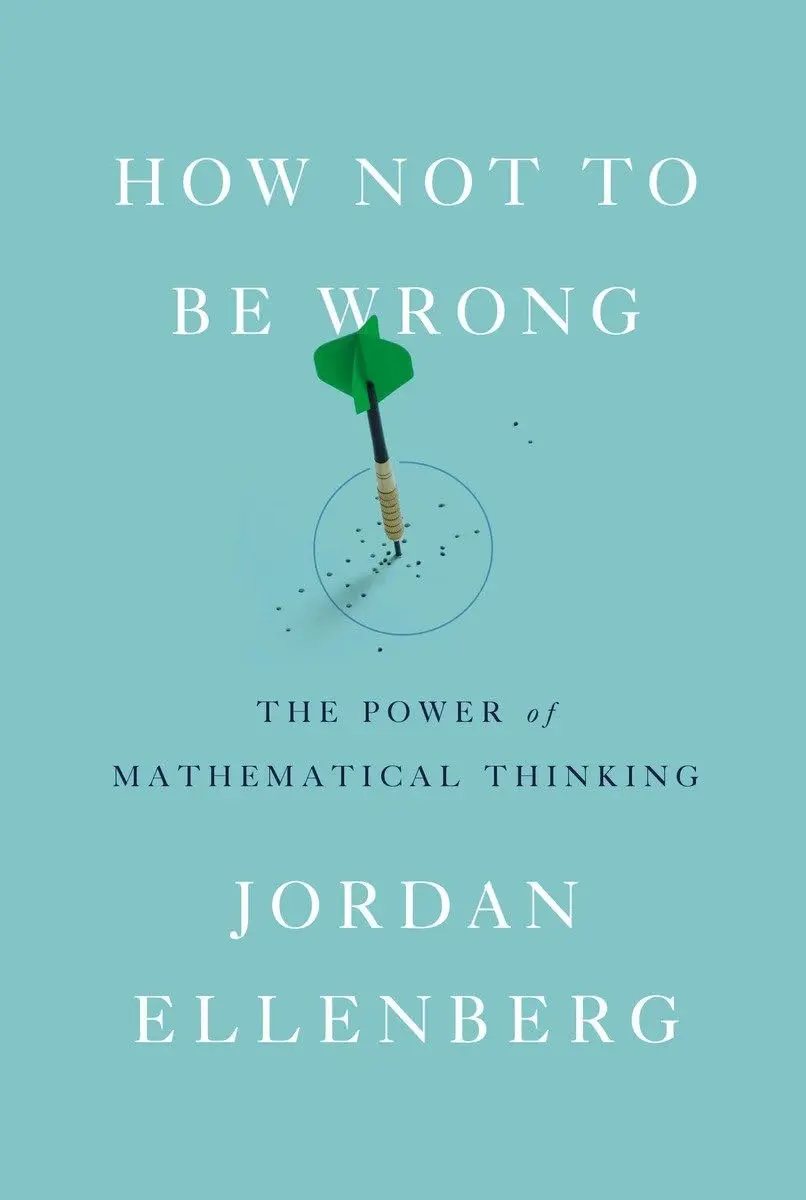
Jordan Ellenberg
A book about how mathematical thinking works in everyday decisions, in statistics headlines and in election results. The story of Abraham Wald, who looked at the bullet holes in planes returning from World War II missions and worked out where the armor should go, is worth the price on its own.
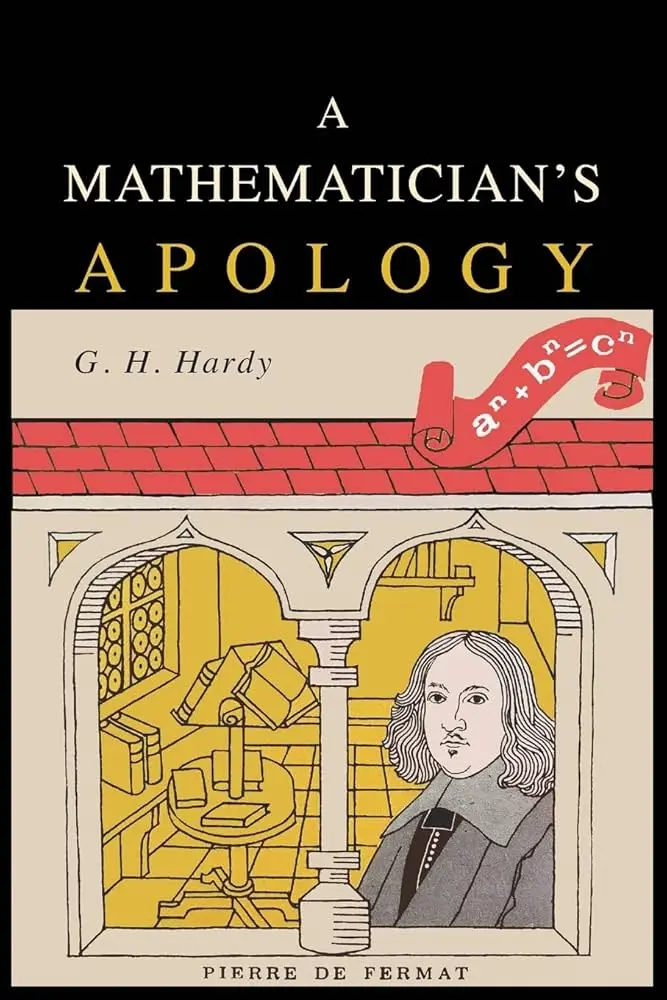
G. H. Hardy
The short book in which one of the greatest mathematicians of the twentieth century defends his own profession at an age when he felt his creative power fading. His pages on the irrationality of √2 and the infinitude of primes are among the best things ever written on why a proof can be called beautiful.
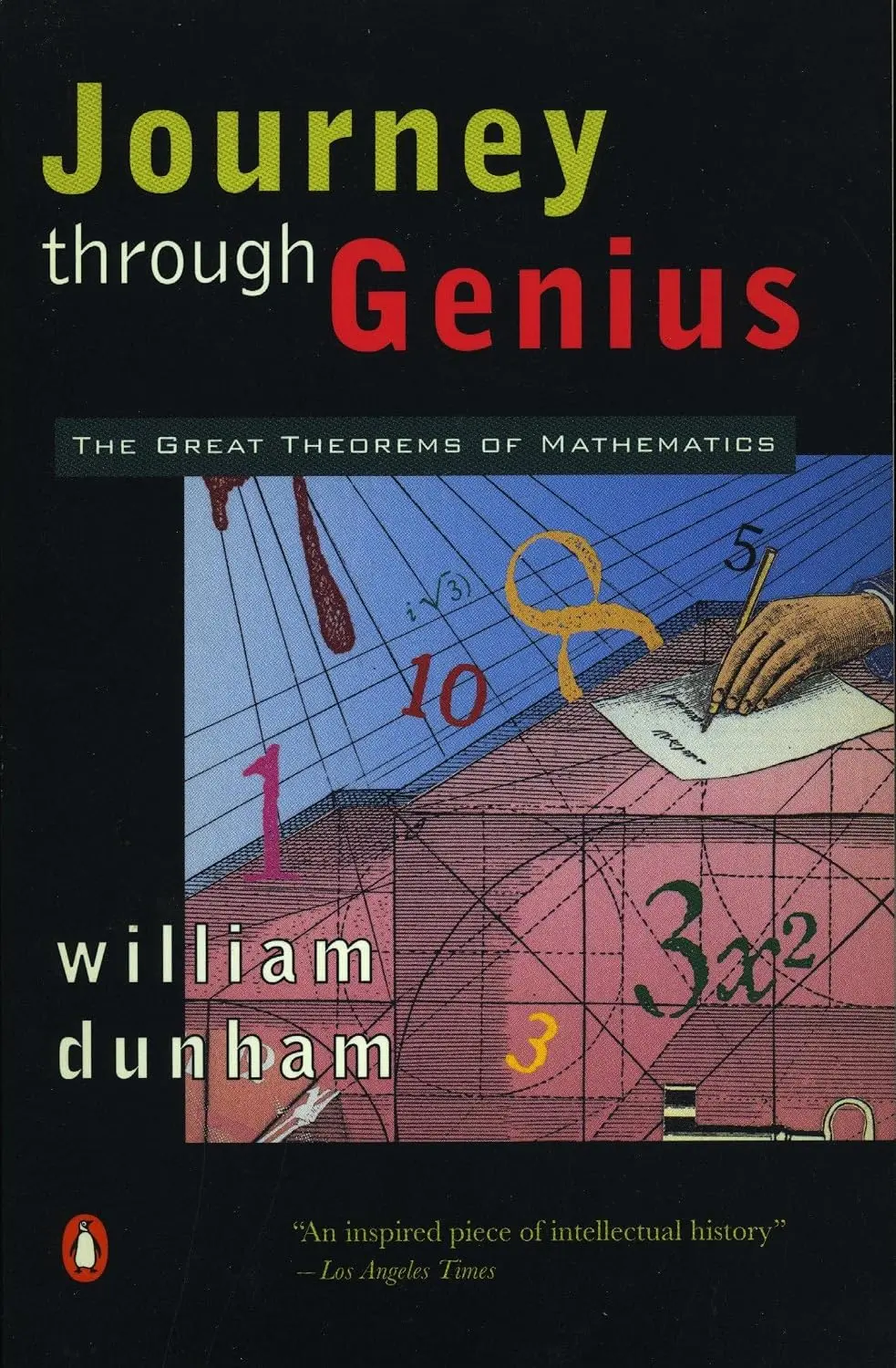
William Dunham
Twelve great theorems, from Hippocrates' lunes to Cantor's proof of uncountability, told with their proofs and their history. The proofs really walk step by step, which makes this a good warm-up before the introduction to proofs.
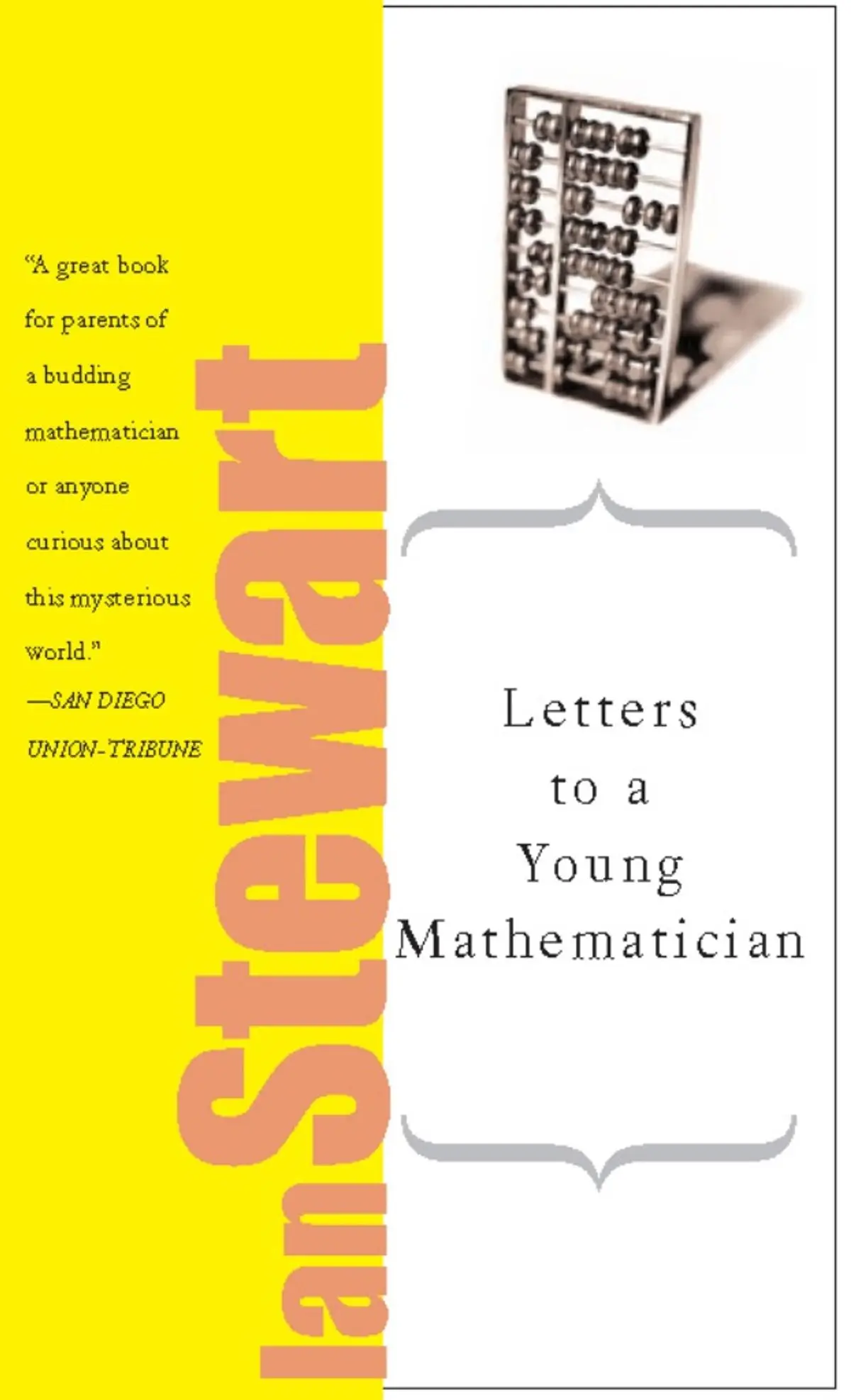
Ian Stewart
Letters to an imaginary student just starting out in mathematics. How you get stuck on a problem, how to read a proof, how mathematicians actually spend their days, all answered with the clarity someone studying alone needs most.
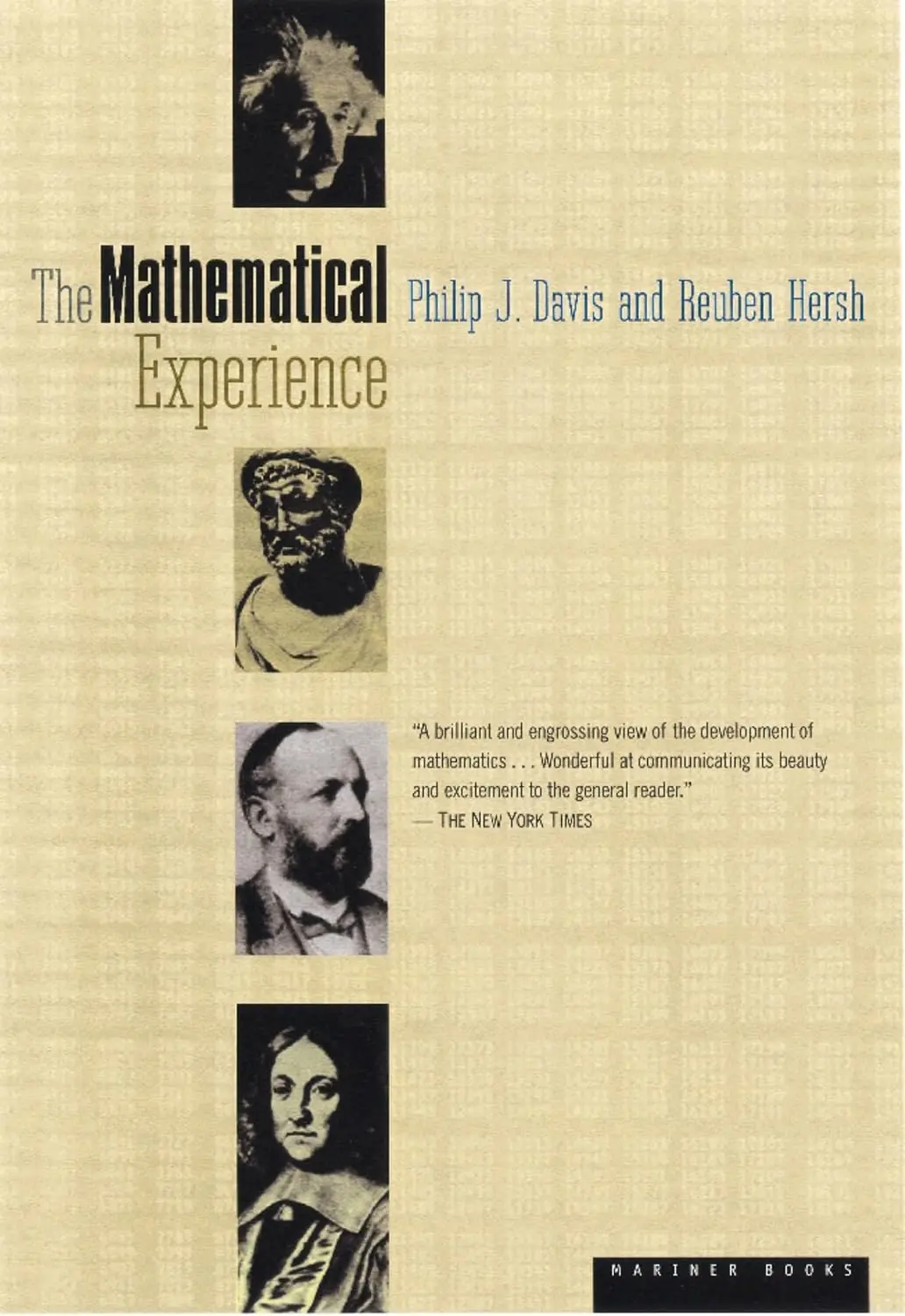
Philip J. Davis, Reuben Hersh
A book that asks what mathematics is, what a mathematician does, and where mathematical knowledge gets its certainty. It won the National Book Award in 1983 and is still the gentlest door into the philosophy of mathematics.
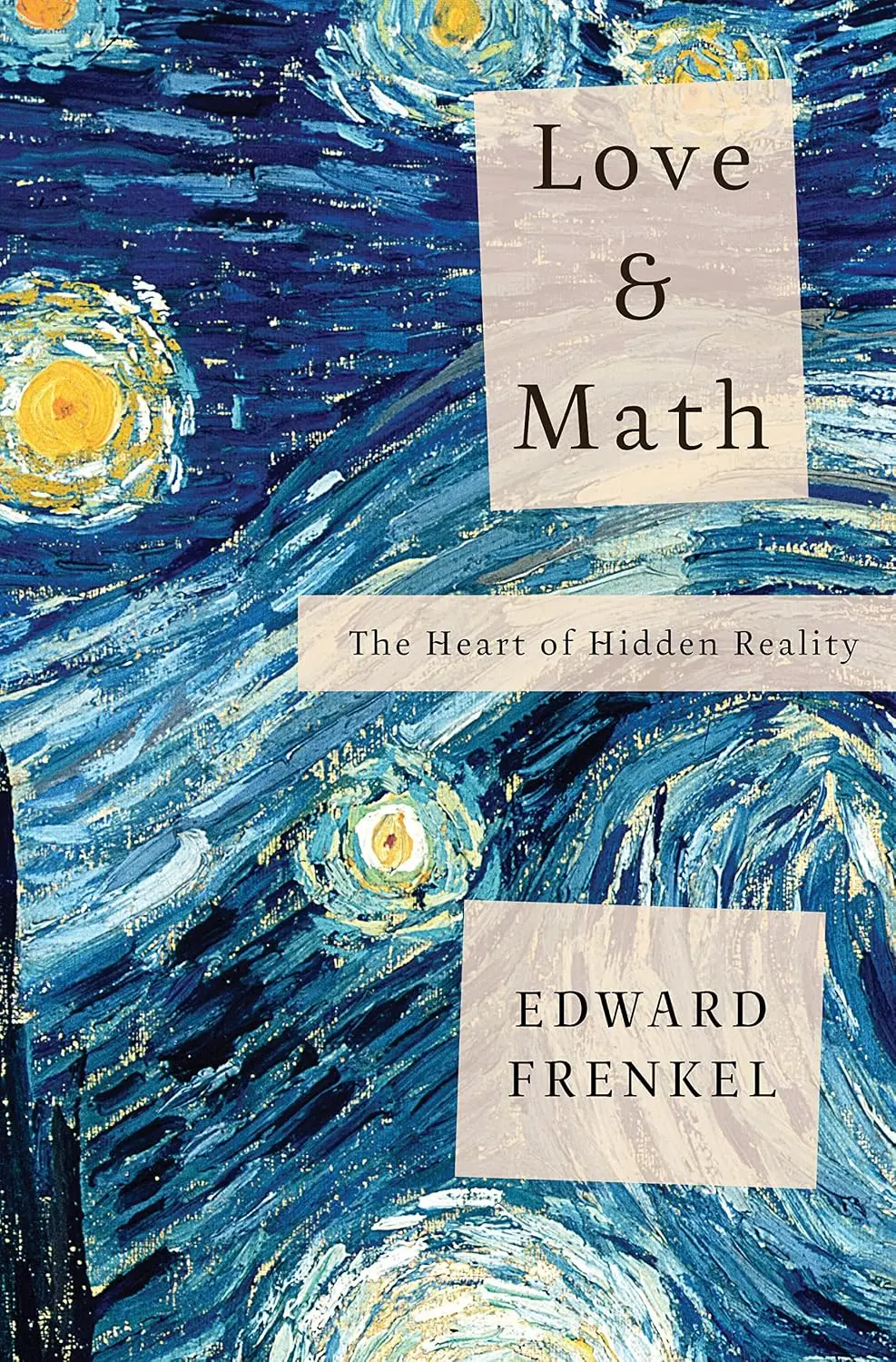
Edward Frenkel
The Langlands program, the great bridge between number theory and geometry, told together with a mathematician's own life story. Some chapters are demanding, but few popular books explain better why you should learn abstract algebra.
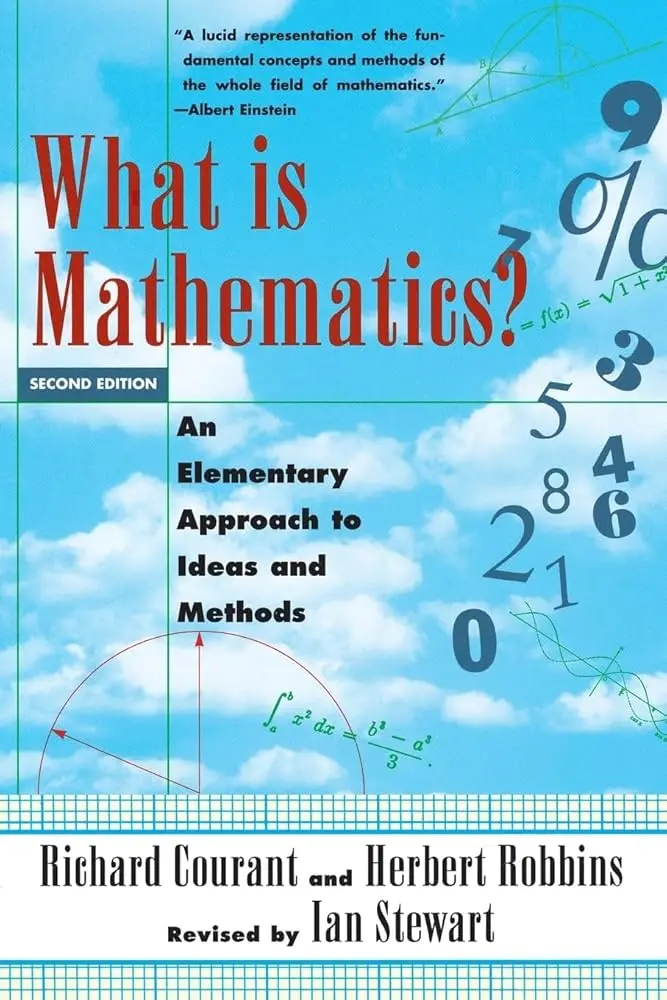
Richard Courant, Herbert Robbins
In print since 1941, a masterpiece that runs from numbers to geometric constructions and from limits to the calculus of variations. It starts out like a popular book and turns into a textbook somewhere along the way, and it has to be read with a pencil.
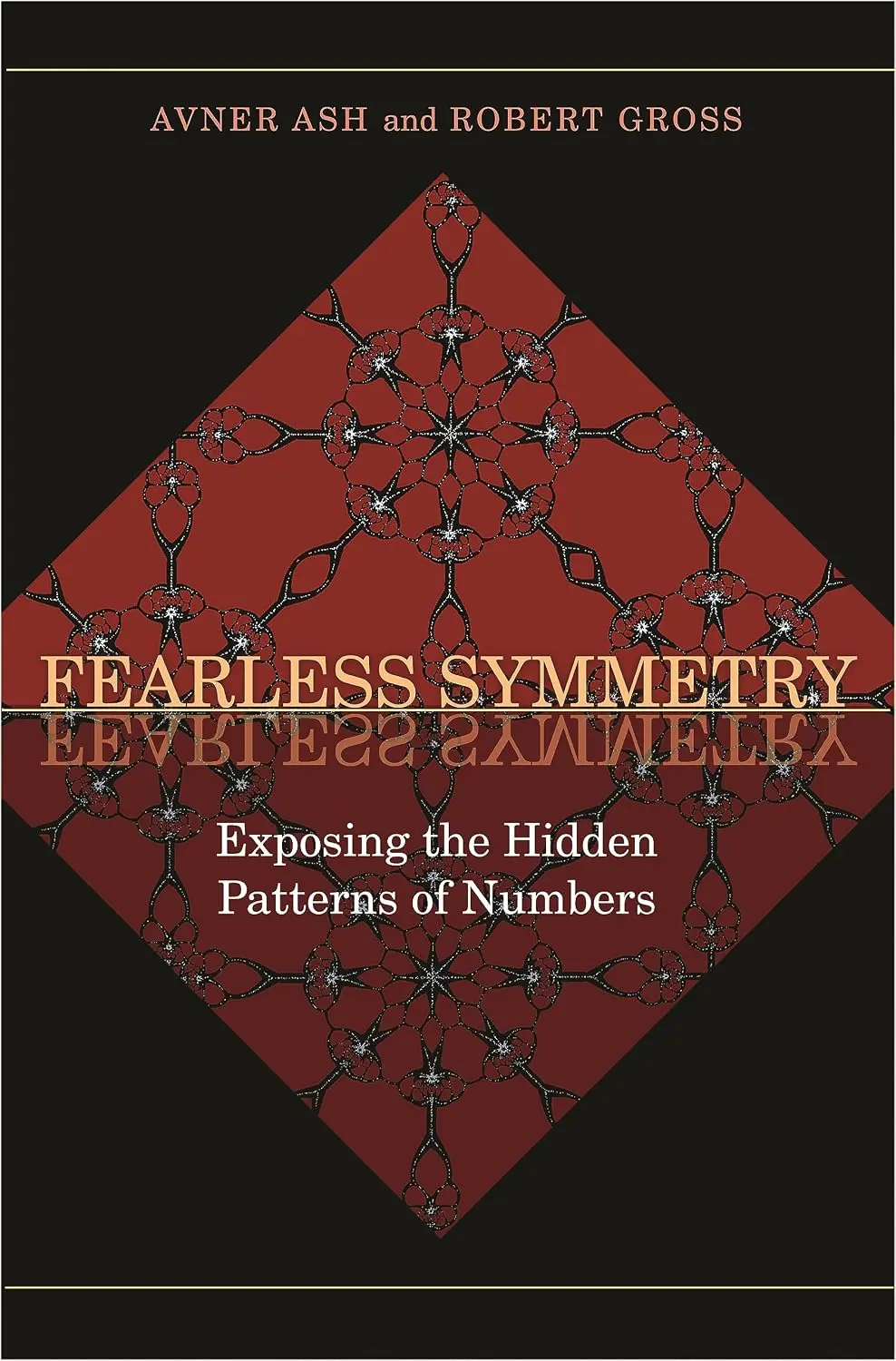
Avner Ash, Robert Gross
One of the rare books brave enough to explain Galois groups, elliptic curves and reciprocity laws to someone who never studied mathematics at university. Read in the middle of abstract algebra, it says far more.
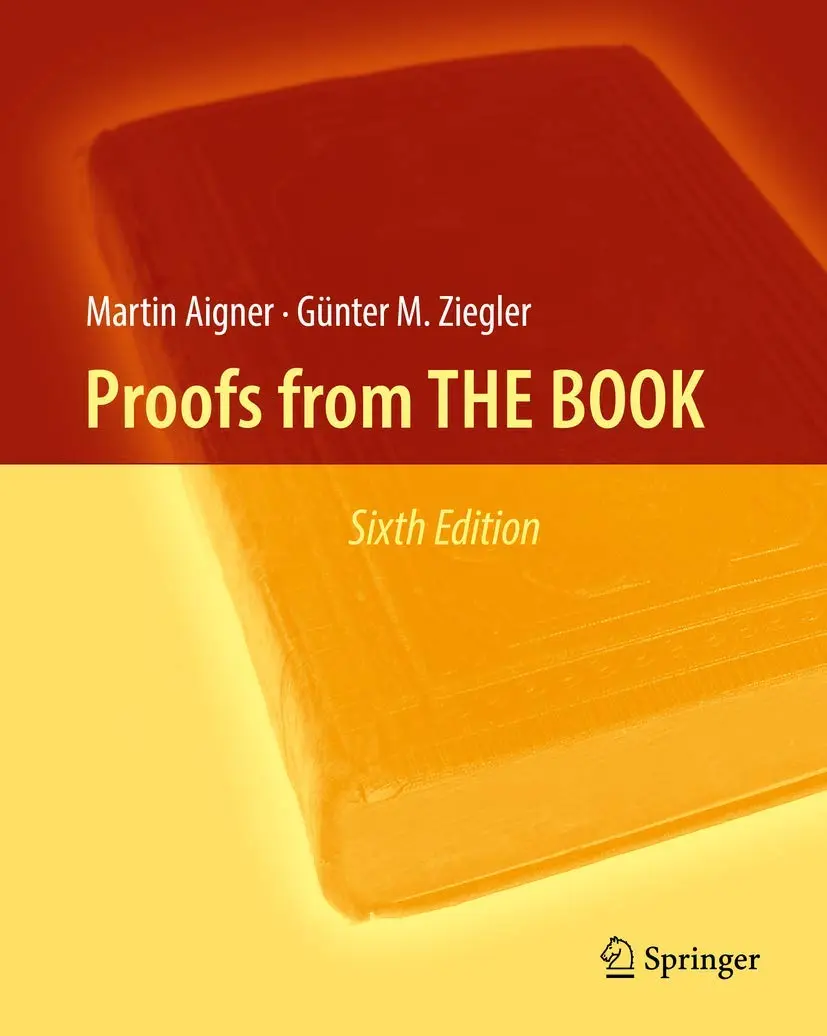
Martin Aigner, Günter M. Ziegler
A collection built on Erdős's idea that God keeps the most elegant proofs in a book. It opens with six different proofs that there are infinitely many primes. You do not read it in one sitting, you open one chapter at a time as the curriculum moves forward and understand more every time.
step zero
The first course in this curriculum is calculus, and calculus is a building that stands on high school mathematics. If pre-algebra, algebra one and two, geometry and trigonometry are not solid, calculus will not feel hard, it will feel impossible, and the reason will not be calculus itself but the missing bricks underneath. Most of the mistakes students make with derivatives have nothing to do with derivatives. They are about fractions, exponents or parentheses. If the unit circle still feels like a thing to memorize rather than a thing to read, start there.
So before you begin, look honestly at the list below. Check an item only if you can say “I could explain this to someone.”
✎ try it on the board
There are ten items. To check one you need to be able to explain it on paper with an example, having heard of it is not enough. The line on the bar marks eight, the point where you can start.
You have not checked anything yet.
If you have unchecked items, they count as the first course of the curriculum and should not be skipped. The books below are for closing those gaps. You do not need to read all of them, pick one or two depending on how big the gap is.
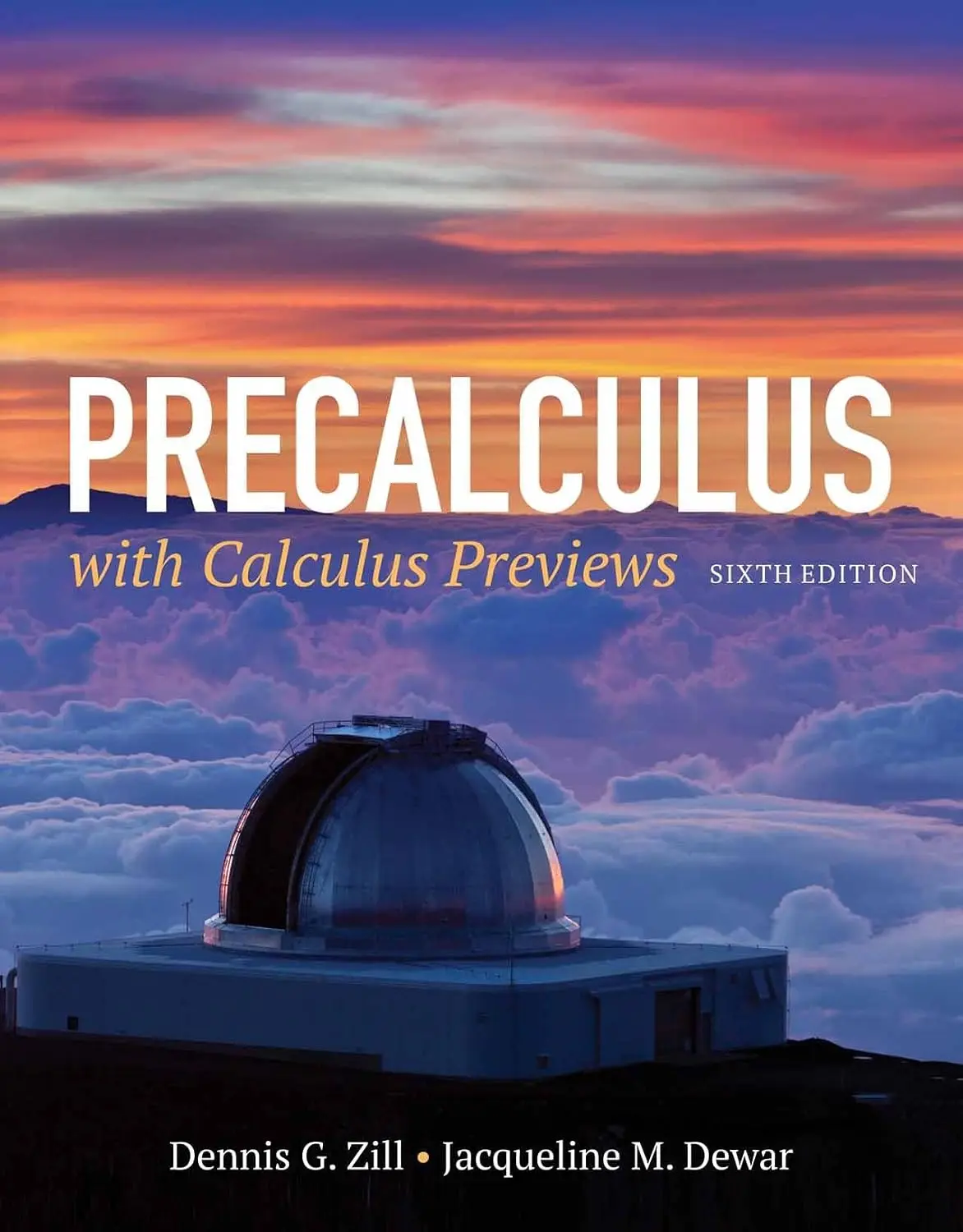
Dennis G. Zill, Jacqueline M. Dewar
It covers all of precalculus, and every chapter ends with a short preview of where that topic will show up in calculus. For someone who has never studied precalculus, this is the book to read cover to cover.
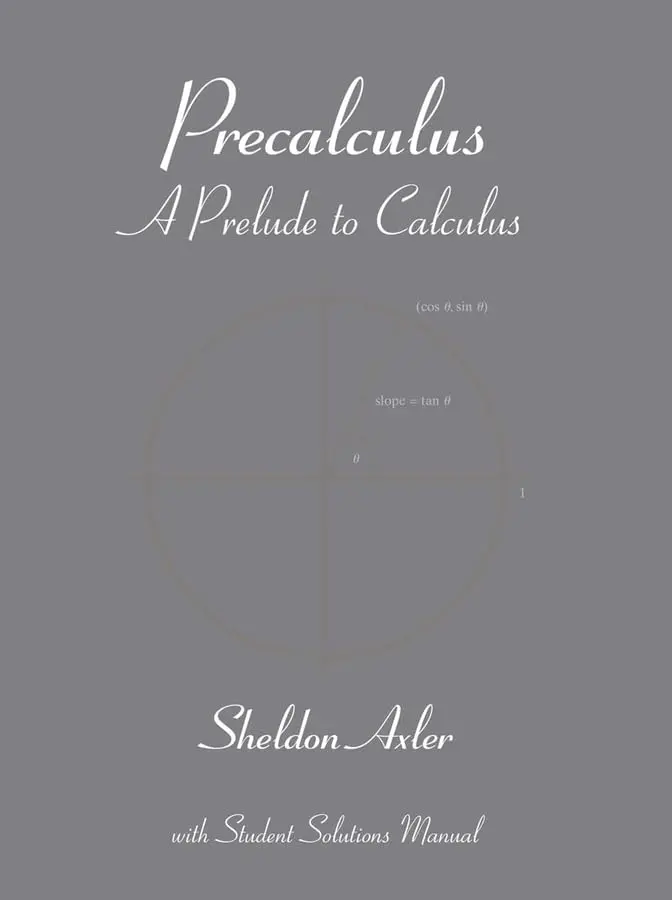
Sheldon Axler
Less visual than Zill but more careful. Axler shows where every formula comes from and pushes the student toward explanation instead of memorization. A better start for someone who wants to continue to mathematics at the level of proofs one day.
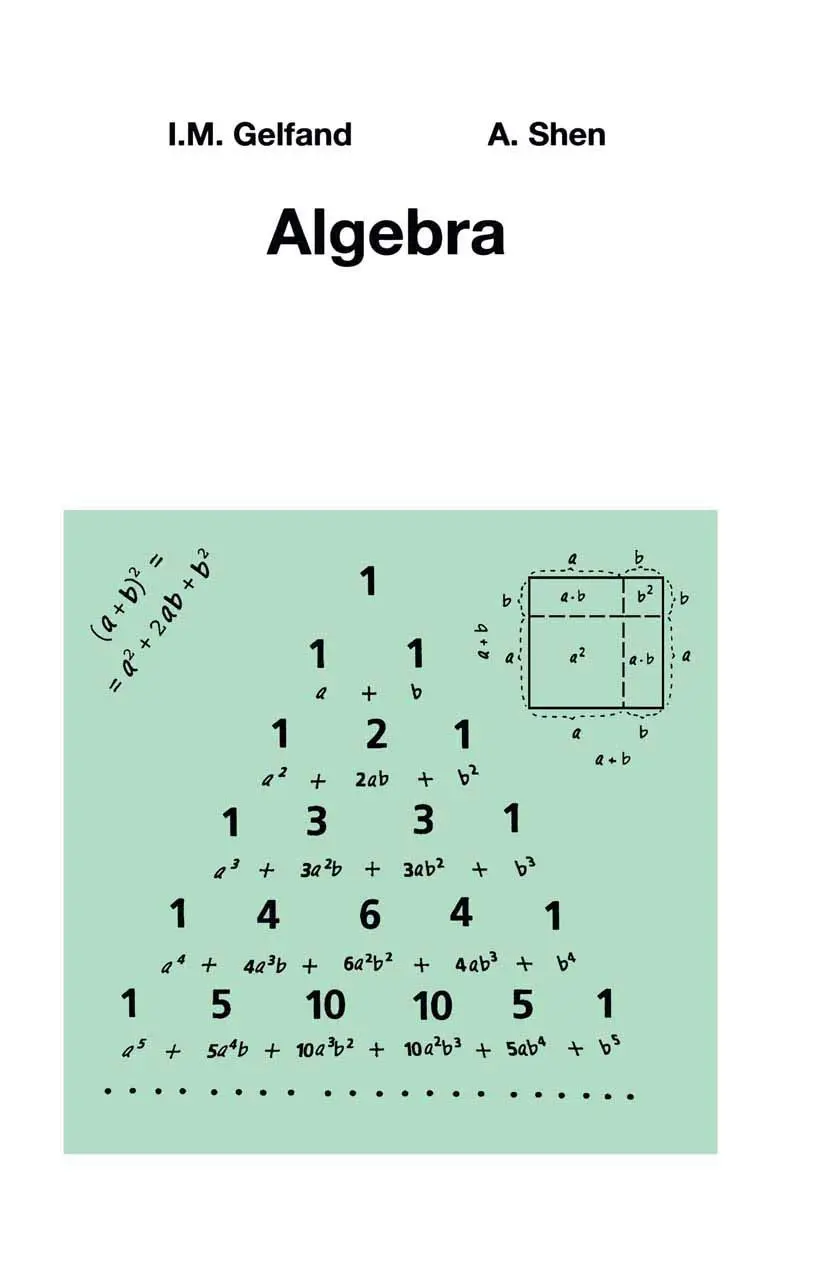
I. M. Gelfand, A. Shen
A thin but dense algebra book of about 150 pages, written for the Moscow correspondence school in mathematics. It rebuilds high school algebra not as a list of rules but as a way of thinking. Trigonometry and Functions and Graphs from the same series are just as good.
Serge Lang
Lang wrote this book to close the gap between high school and university, and it gives everything from algebra to geometry, from trigonometry to functions, with proofs. It is a dry book, but when you finish it your foundation is solid stone.
the method
The book list is the easy part of this piece. The hard part is what you do once you open those books. A math book is not read like a novel, and the sooner you accept that the less time you lose. In a good math book a single page sometimes takes an hour, and that is normal. Eight habits make the difference.
Keep a notebook and a pencil next to the book at all times. When the author says “it is easy to see that,” write that step out yourself, because that step is usually not easy, only short. For every new definition, find one example that fits it and one that does not. A definition you cannot find an example for is a definition you have not understood yet.
This rule has no exceptions. There is a long distance between feeling you understood a section and being able to solve its problems, and the learning itself happens in that distance. Solve at least half the problems at the end of every section, and if the book gives answers to the odd-numbered ones in the back, never skip the odd-numbered ones.
The biggest trap of studying alone is that the solutions manual is always within reach. Do not look at a solution until you have attacked the problem in at least two separate sittings. Very often, in the second sitting, after a night's sleep, you see what you could not see in the first. If you did look, mark the problem and solve it again a week later without looking.
Open a separate notebook for every course and write in it only definitions, theorems and the main ideas of proofs, in your own sentences. Copying the book does nothing, but turning it into your own sentences shows you what you did not understand. By the end of a course the notebook is a twenty or thirty page summary you will reopen in analysis.
After the introduction to proofs this habit comes before everything else. Once you have read the proof of a theorem, close the book and write the proof again on a blank sheet. If you cannot, you memorized it but did not understand it. Write until you get stuck, look at the book, find the missing step, close the book and start over.
Six hours one day a week gives much less than one hour every day. Mathematics settles in sleep, and when the brain sees a topic again the next day it puts it somewhere sturdier. Six days a week, 60 to 90 minutes a day, is a sustainable pace for someone studying alone.
LaTeX is the written language of mathematicians, and starting to write your proofs in it once you reach the introduction to proofs both puts your thinking in order and archives your work. One weekend is enough, the rest comes with use.
The biggest thing missing for someone learning alone is that nobody reads the proofs they write. If you find a friend working through the same book, swap proofs once a week. If you cannot, a proof assistant does the job of a very patient reader who checks every step.
The notebook habit is the Feynman technique in disguise: if you cannot say it in your own words, you do not know it yet.
the spine of a math degree
Almost every undergraduate mathematics program in the United States has the same spine, and most programs elsewhere, including the first three years of a math degree in Turkey, are not far from it. Four semesters of calculus, an introduction to proofs, linear algebra, two semesters of abstract algebra, real analysis, complex analysis, ordinary differential equations, partial differential equations, and electives at the end. The order is usually this one too, with ordinary differential equations as the single exception, since it can also be taken right after calculus and linear algebra. If you are also studying physics or engineering I suggest moving it forward, because you will meet it everywhere in those fields.
How long each course takes depends mostly on your pace, but plans are not made in a vacuum. In the planner below I put down, based on my own teaching experience, the hours a student would spend reading each book and solving more than half of its problems. These are rough estimates, not exact numbers. Pick the hours you can give each week and look at your finish date.
✎ try it on the board
The planner starts today and lines the courses up one after another. Roughly 1,710 hours in total.
171
weeks in total
3.3 years
of steady work
January 2030
your finish line
Calculus alone takes 8 months at this pace. 9 courses, 1,710 hours, one sitting at a time.
The most important lesson of the planner is that calculus eats a fifth of the total time. That is not a mistake. In mathematics departments too, two years go to calculus, and in analysis the same topics are studied once more, this time with proofs. Trying to rush through calculus is like rushing the foundation of a building.
~360
hours of study
21% of the whole curriculum
Calculus is the mathematics of change and accumulation. The derivative asks how fast something is changing, the integral asks what small changes add up to, and the fundamental theorem of calculus says these two questions are really two faces of the same question. Without the structure Newton and Leibniz built independently of each other at the end of the seventeenth century, you could not compute the orbit of a planet, the load a bridge can carry, or how long a drug takes to reach half its level in the blood.
At universities calculus is usually split into four semesters. The first covers limits and derivatives, the second integrals and their techniques, the third series and parametric curves, and the fourth functions of several variables, partial derivatives, multiple integrals and vector calculus. You may finish this course in less than a year, but do not worry if it takes two. For anyone seeing calculus for the first time it is like a foreign language, and the brain needs time to get used to that language. If you feel seriously stuck somewhere, do not hesitate to pause calculus and go back to the prerequisites, because that is where most of the getting stuck comes from.
James Stewart
Everything you need to know about undergraduate calculus is in this book. Its explanations are plain, its examples plentiful, and its problem sets are carefully ordered from easy to hard. Chapters 1 through 8 are single-variable calculus, Chapters 10 and 11 parametric curves and series, Chapters 12 through 16 multivariable calculus. The separately sold Student Solutions Manual gives step-by-step solutions to the odd-numbered problems. Older editions are every bit as good as the new one, as long as you can find the solutions manual for that edition.
George B. Thomas, Joel Hass, Christopher Heil, Maurice D. Weir
Stewart's strongest rival, and some students take to it better. It gives a bit more room to applications, and for someone leaning toward physics or engineering its examples may feel more familiar. If Stewart's style does not suit you, try this one.
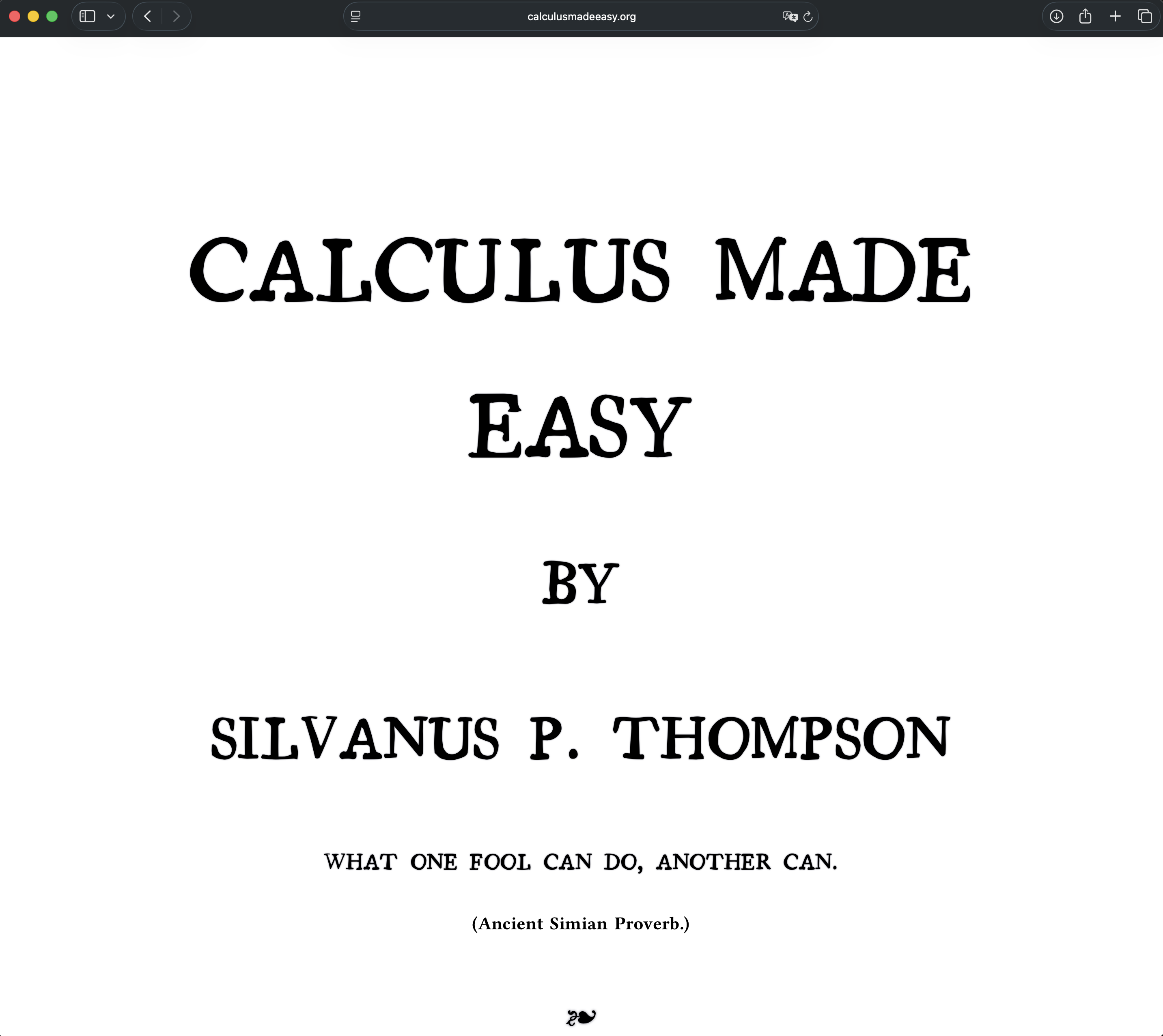
Silvanus P. Thompson, Martin Gardner
Written in 1910, the book whose first page says “what one fool can do, another can.” It explains differentials intuitively, as tiny bits, and lets you see the idea behind Stewart's formal language. Get the edition Martin Gardner updated and read it alongside Stewart's first chapters.
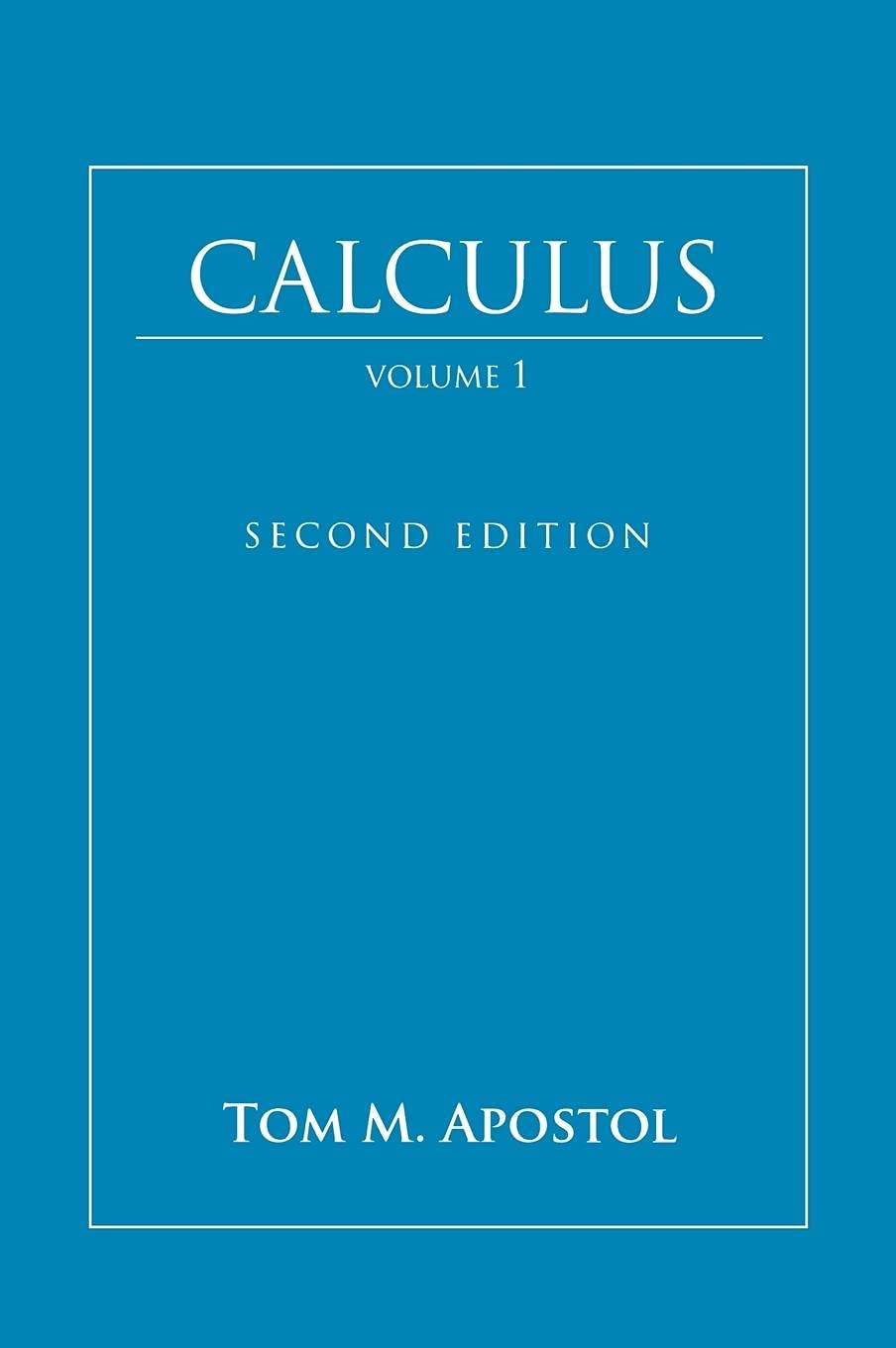
Tom M. Apostol
The classic that teaches calculus with proofs, and even builds the integral before the derivative. I would not recommend it as a first calculus book for self-study, but for someone who wants a second look at calculus after the introduction to proofs it is a perfect bridge.
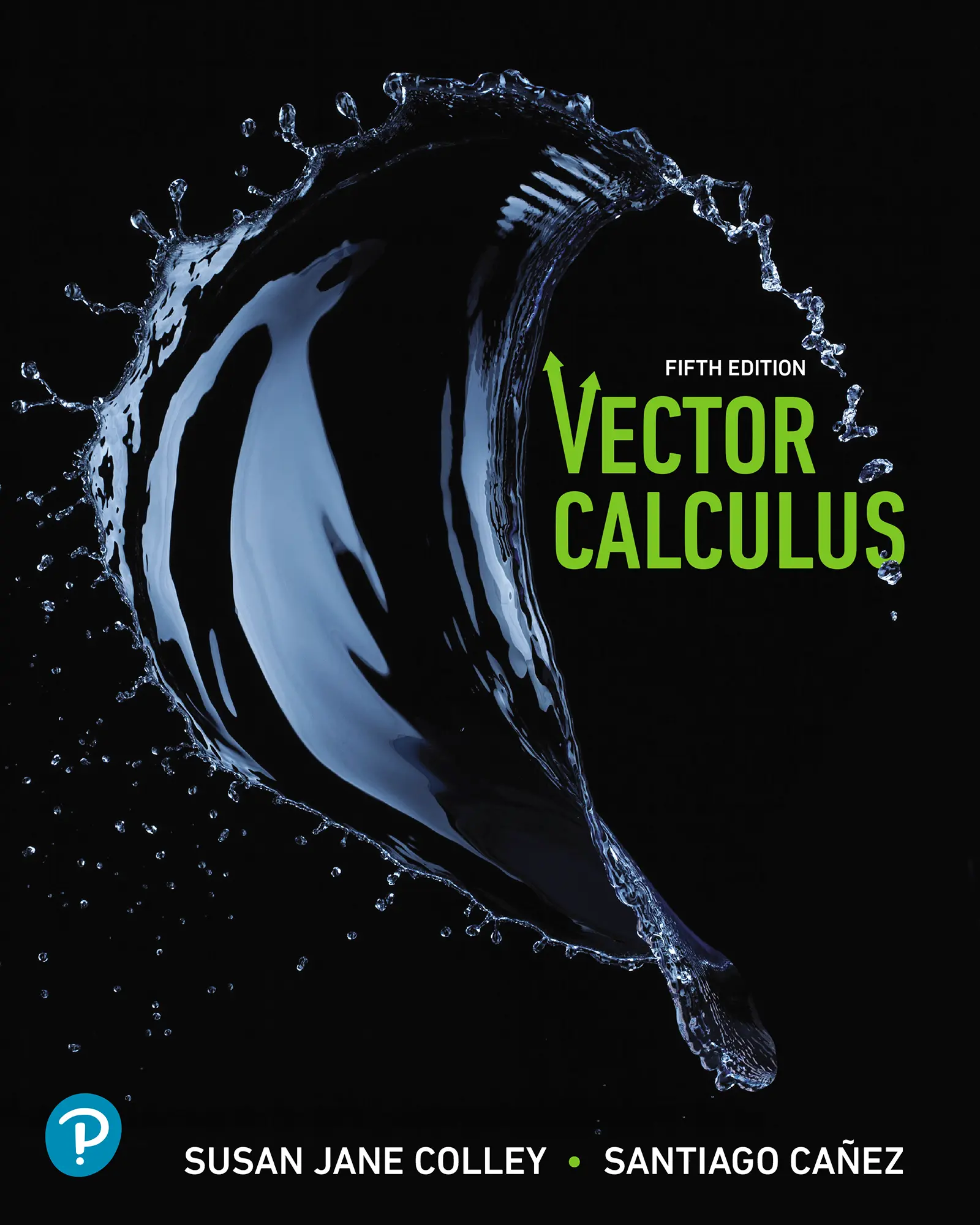
Susan Jane Colley
A deeper and more careful look at multivariable calculus than Stewart. It ties the theorems of Green, Stokes and Gauss together more clearly than Stewart does and gives a short introduction to differential forms as well.
If you want a voice next to the book, two options. Robert Ghrist's single-variable calculus course for the University of Pennsylvania puts Taylor series at the center from the first week, and its first part is free to watch on Coursera. If you would rather have a classic delivery, MIT OpenCourseWare's single-variable calculus course is open with all its videos and problem sets, and the multivariable sequel sits on the same site.
checkpoint
~90
hours of study
5% of the whole curriculum
High school mathematics and calculus are mostly about calculating. You find a derivative, compute an integral, solve an equation. The mathematics after this course is almost entirely about proving, and proving is a completely different mental job from calculating. It is not seeing that something holds in a few examples, it is showing that it has to hold in every case.
This course is like the grammar class of mathematics. Statements, quantifiers (“for every” and “there exists”), sets, functions and relations, then proof techniques. Direct proof, proof by contrapositive, proof by contradiction and induction. It is the shortest course in the curriculum but the one that makes the most difference. Whoever gets through it well struggles far less in abstract algebra and analysis.
Two short proofs on the board
By induction. The sum of the first n odd numbers is n².
For n = 1, 1 = 1². True.The first step is true and every step makes the next one true, so it holds for every n.
By contradiction. √2 is not rational.
Suppose √2 = p/q, with p and q integers sharing no common factor.p and q had no common factor, yet both are divisible by 2. The assumption produced a contradiction, so the assumption is false. The full story of this proof is older than Euclid.
Once this course clicks, the next shelf to browse is our list of the best books for learning mathematical proofs, which goes deeper on every title below.
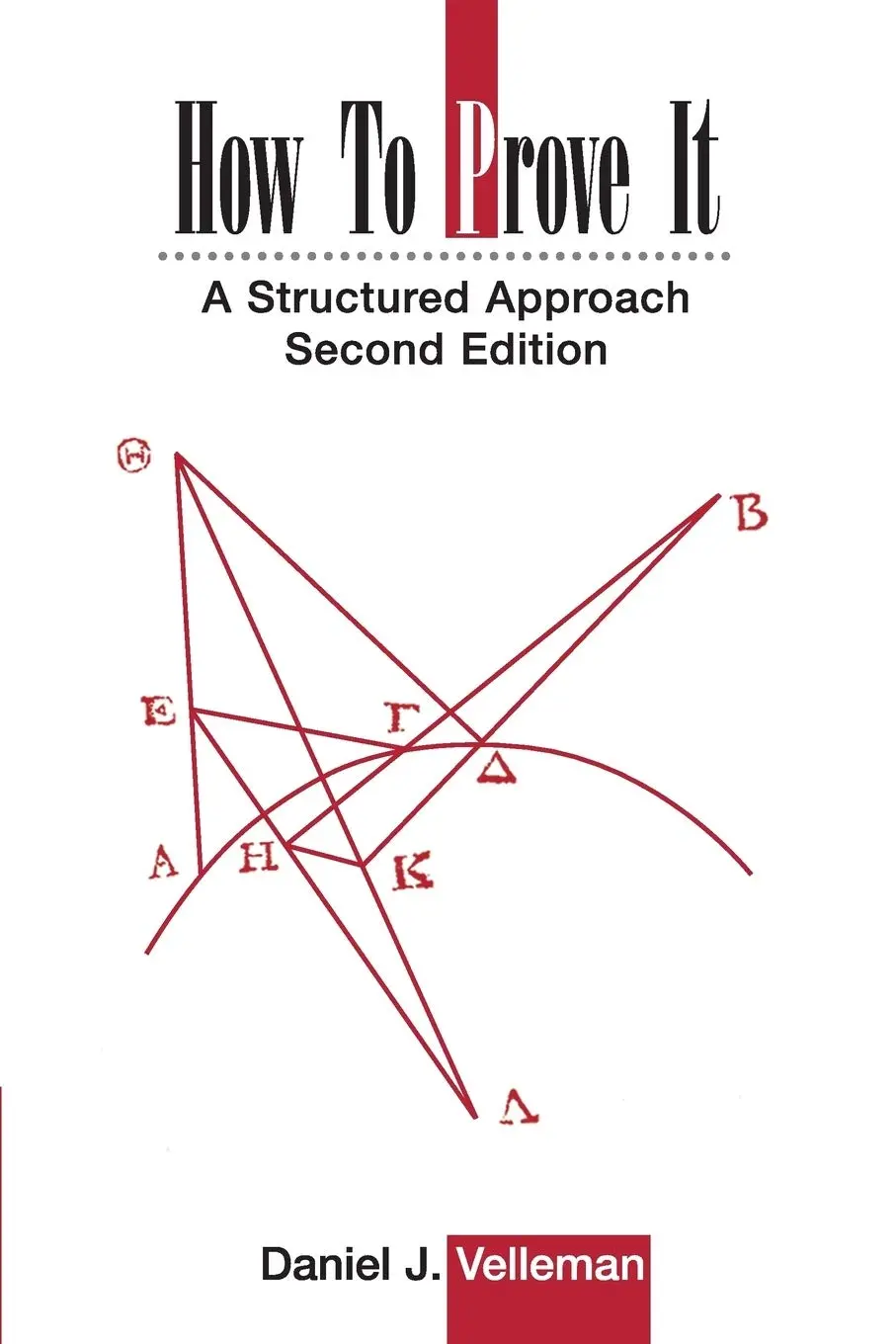
Daniel J. Velleman
The standard book for this course, and there is a reason for that. Velleman starts from logic and builds the skeleton of a proof step by step, showing every proof technique first as “scratch work” and then as a clean final version. Read it carefully and keep it within reach, because you will keep coming back to it in abstract algebra and analysis.
Richard Hammack
The best companion to Velleman, and free by its author's choice. It explains sets, counting, logic and proof techniques in very clear language, gives plenty of exercises, and the solutions to the odd-numbered ones are inside the book. Hammack shares the whole book as a PDF on his own page.
George Pólya
Written in 1945, the first book to describe problem solving systematically as a method. Understand the problem, make a plan, carry out the plan, look back. The four steps look simple, but the questions Pólya asks at each one help wherever you get stuck.
Keith Devlin
A thin book about the move from high school mathematics to university mathematics. It explains how language is used in mathematics, how differently “and,” “or,” “if” and “every” work there compared to everyday speech, in a softer tone than Velleman. Devlin's online course of the same name pairs well with it.
Gary Chartrand, Albert D. Polimeni, Ping Zhang
Slower than Velleman, with more examples and more exercises. If Velleman's chapters on logic felt heavy, start here.
checkpoint
~160
hours of study
9% of the whole curriculum
Linear algebra starts with a problem familiar from high school, systems of linear equations, and soon goes somewhere else entirely. Vector spaces, linear transformations, matrices, determinants, eigenvalues and eigenvectors. It is probably the most used course in the curriculum, because from the way search engines rank pages to the way a photo is compressed, from quantum mechanics to machine learning, there is a matrix in every corner of the modern world that does any computing.
The most important idea of this course is that a matrix is not just a table of numbers. Every matrix is a transformation that bends, rotates, stretches or squashes space in some way, and the determinant tells you by what factor that transformation scales areas. You can see this for yourself on the board below.
✎ try it on the board
The yellow arrow is where the first column points, the blue arrow where the second column points. The green parallelogram is what the unit square turns into, and its area equals the absolute value of the determinant. When the determinant drops to zero the plane is squashed onto a line and the matrix has no inverse left.
The determinant is 1.00. Every area in the plane is multiplied by 1.00. Dashed lines are the eigenvectors.
I suggest learning linear algebra in two rounds. In the first round, with a computation-heavy book, learn to work comfortably with matrices, and in the second, with a proof-heavy book, learn the structure itself. The second round can come after the introduction to proofs, or even run in parallel with abstract algebra.
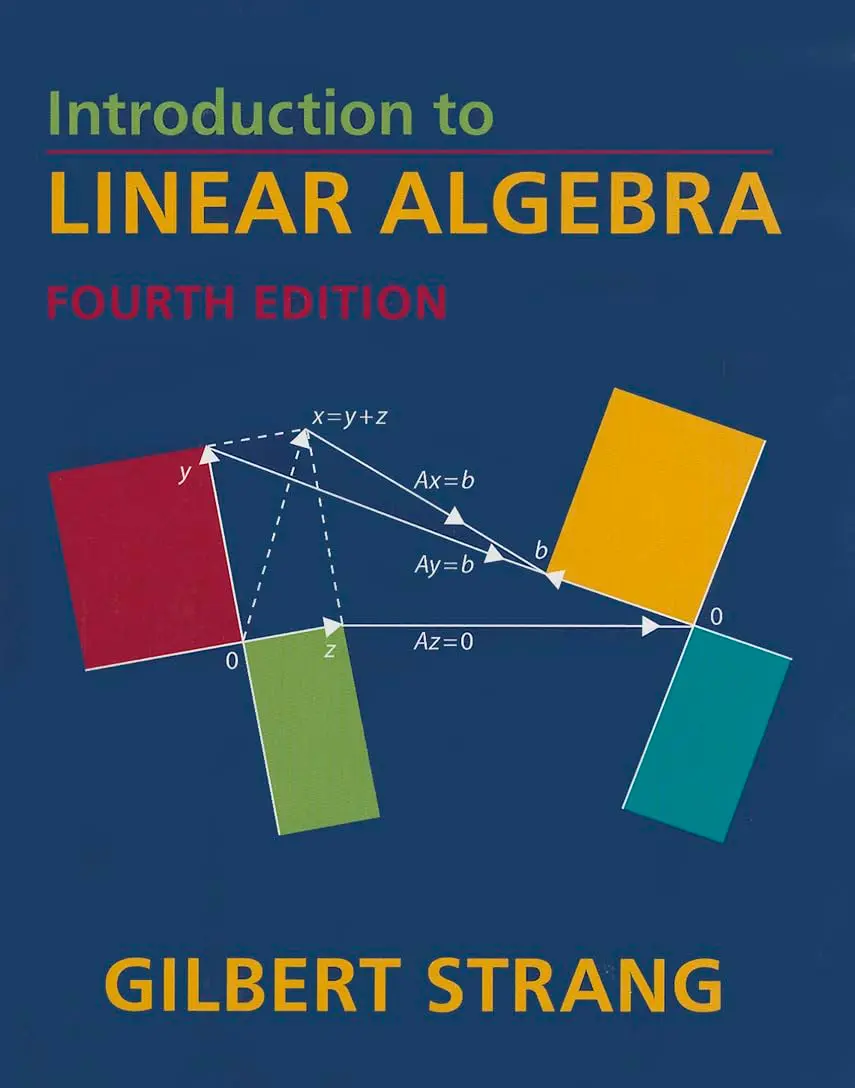
Gilbert Strang
A book that reads as if it were written for self-study. Strang builds everything around the four fundamental subspaces, and that view turns linear algebra from a list of topics into a single picture. Strang keeps solutions and extra material for the book up to date on his own page.
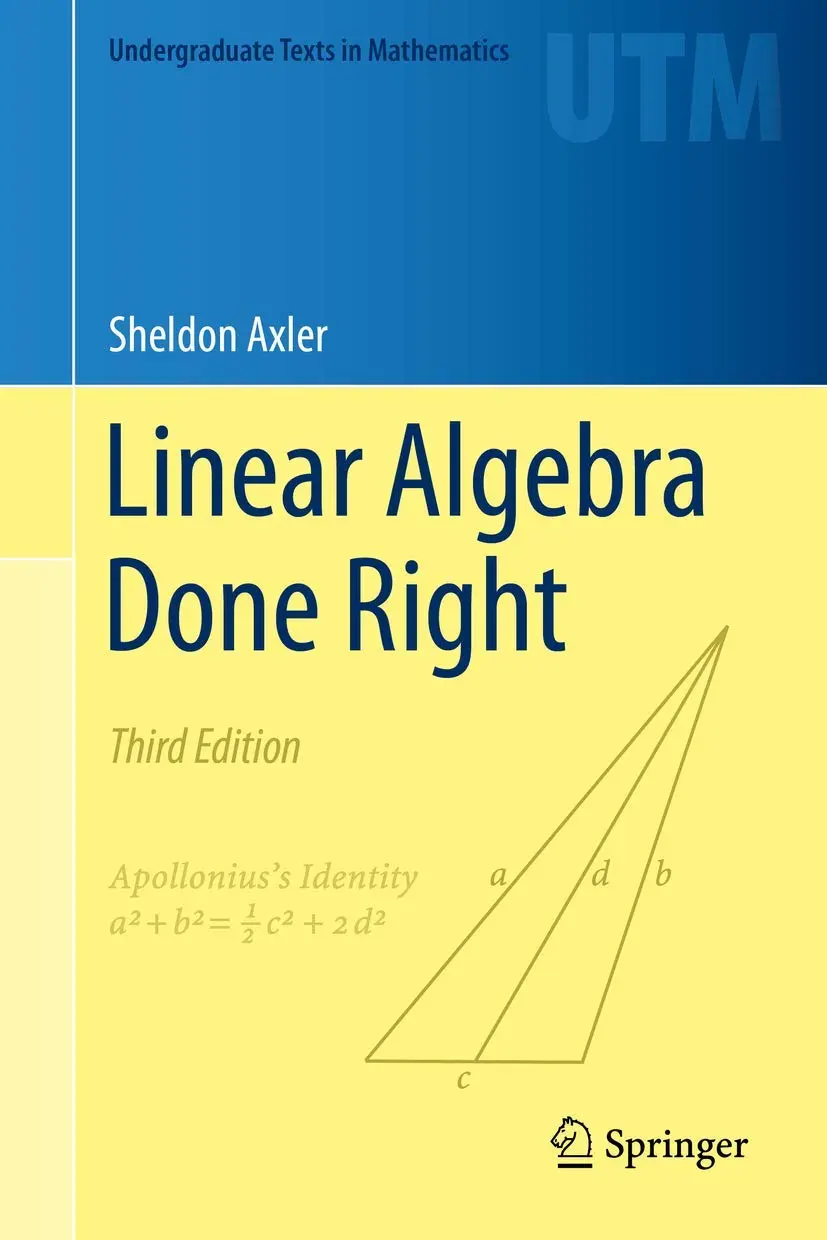
Sheldon Axler
The book written for the second round. Axler pushes determinants almost to the end and builds eigenvalue theory without computing a determinant. The choice feels strange on first reading, but by the end you understand why linear algebra works the way it does. The fourth edition is open access on the author's site.
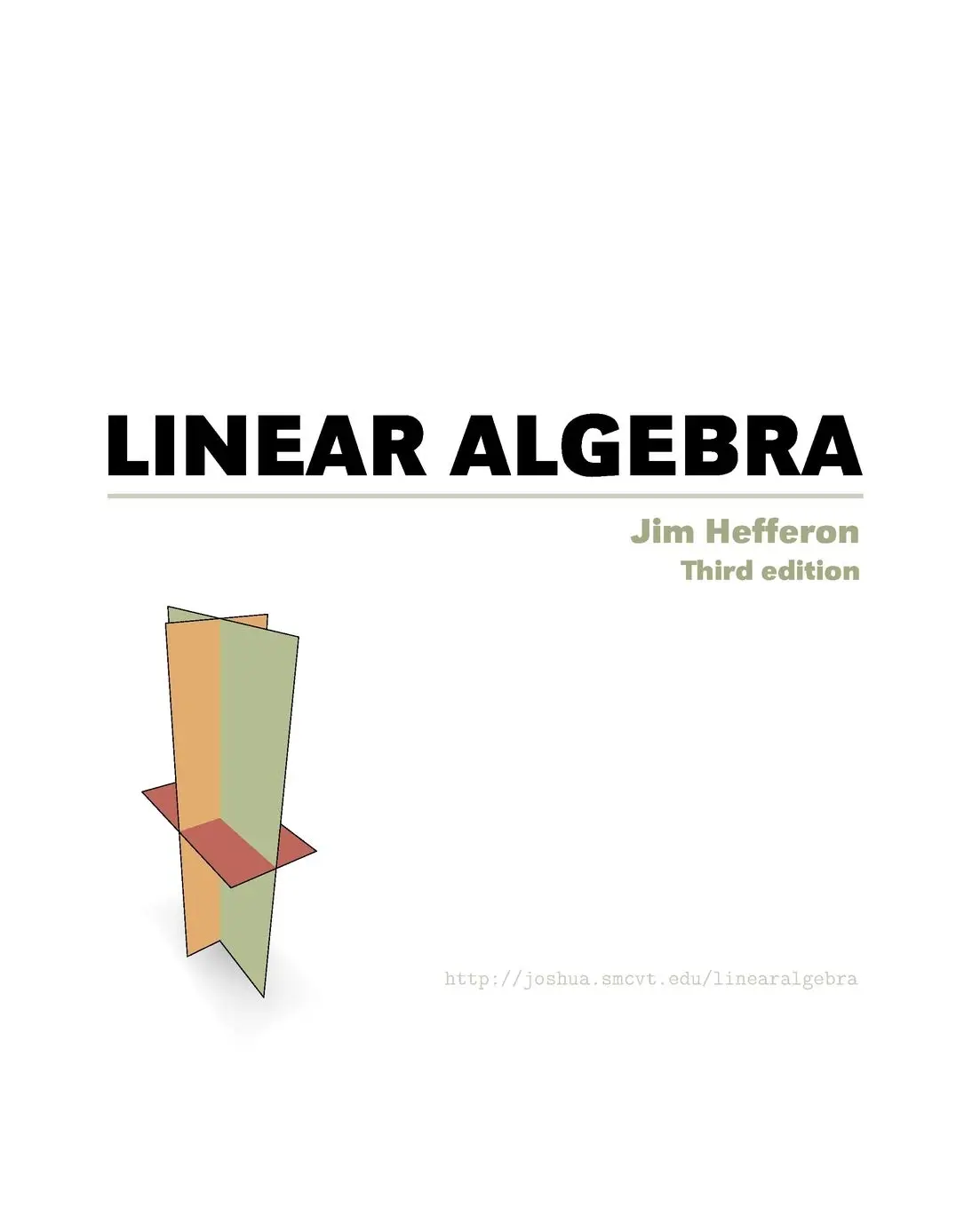
Jim Hefferon
A free book sitting somewhere between Strang and Axler, starting from Gaussian elimination and slowly adding proofs. Solutions to all the exercises come in a separate file, which is a great relief for someone studying alone. Hefferon distributes the book and its answer key from his own page.
For anyone who wants to read Strang's book while watching the author teach, all the videos of MIT's 18.06 are open on MIT OpenCourseWare, taught by Strang himself. The book's chapters line up with the lectures almost one to one.
checkpoint
~240
hours of study
14% of the whole curriculum
Abstract algebra, or modern algebra as some books call it, deals not with numbers but with structures. Groups, rings, fields. The eight symmetries that carry a square onto itself form a group, the integers with addition and multiplication form a ring, the rational numbers a field. Abstract algebra pulls out the common skeleton of these structures, and once the skeleton is visible, problems that look very far apart turn out to be the same problem.
The peak of this course is Galois theory. The theory that shows, with the ideas of Évariste Galois, who died in 1832 at twenty, why a general equation of degree five cannot be solved with radicals and the four operations. Getting there takes about a year in the curriculum, and the year is worth it. Fair warning, abstract algebra is a very slow course and you will need every habit you picked up in the introduction to proofs. In mathematics departments this course runs two semesters, and in graduate school the same topics are studied again for a whole year.
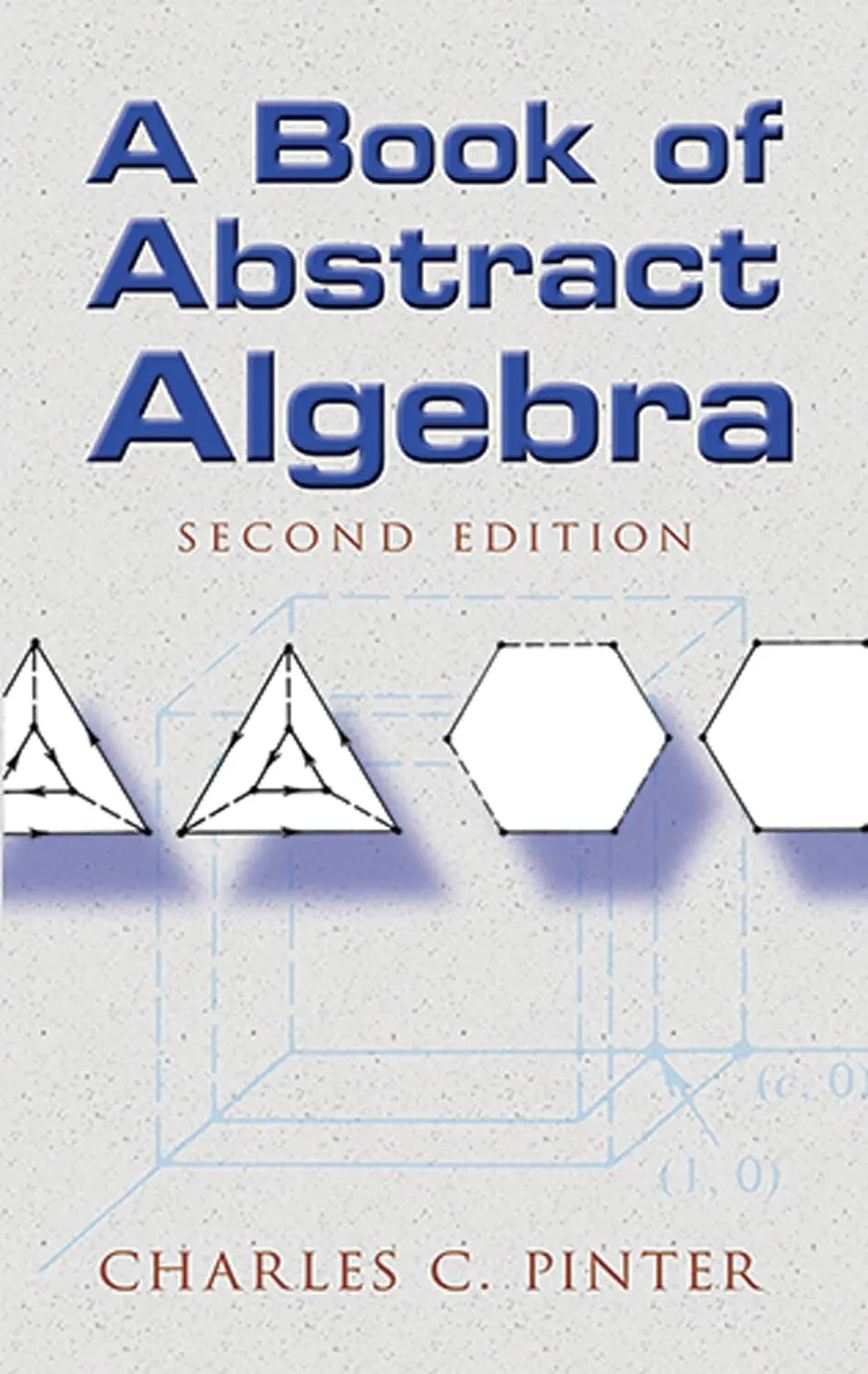
Charles C. Pinter
The gentlest introduction to abstract algebra. Every chapter is a short exposition followed by a long, step-by-step exercise set, and the exercises have you build a good part of the theory with your own hands. Working through the first half of this book before moving to Dummit and Foote makes things much easier.
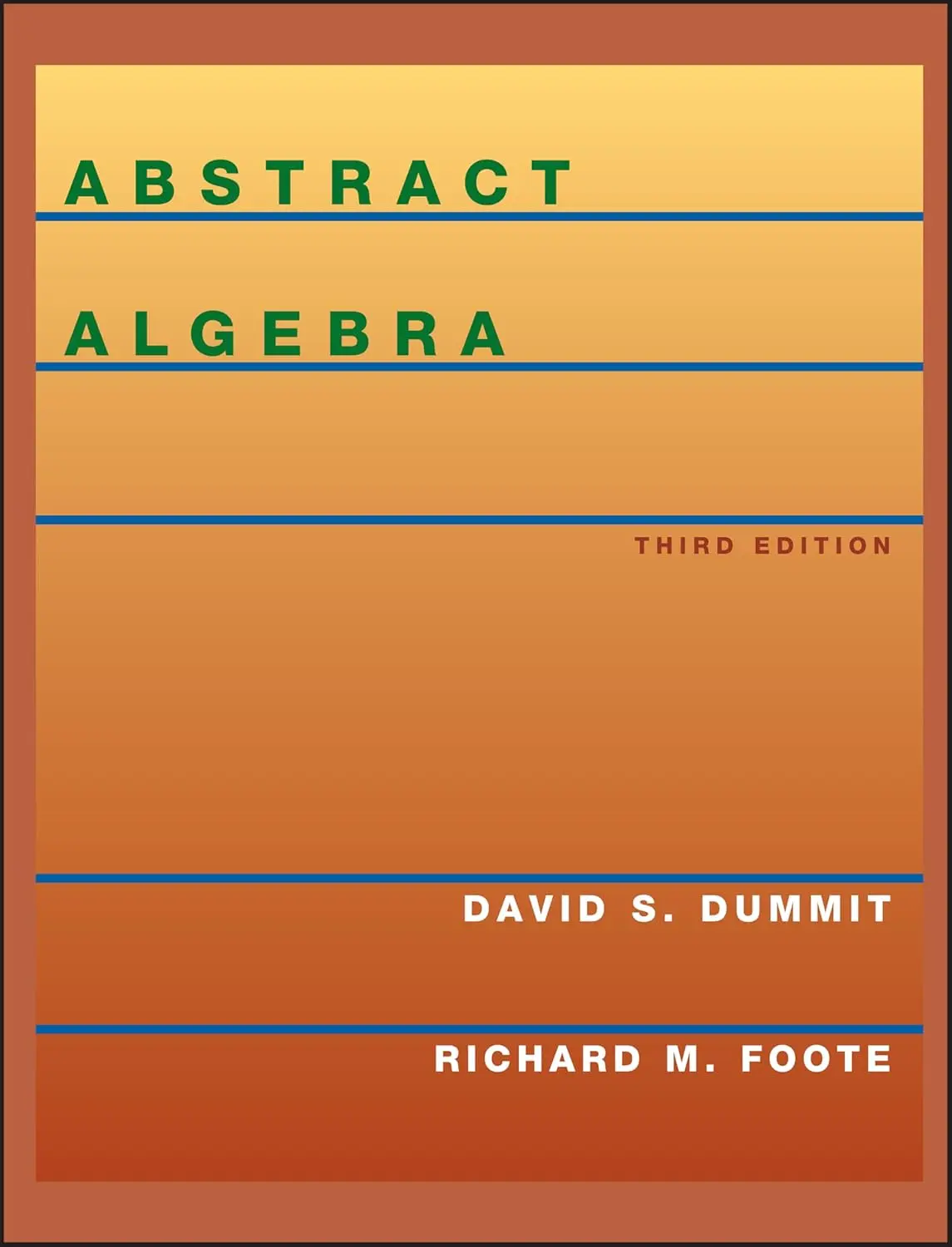
David S. Dummit, Richard M. Foote
An enormous book of more than a thousand pages, and it is intimidating the first time you open it. Its size comes from its detail. There are many examples for every concept and many exercises for every section, and once you find its rhythm it is easier to follow than you expect. You do not need to read all of it. Part I is groups, Part II rings, and getting up to Chapter 9 covers the scope of an undergraduate program. If you want to see Galois theory, continue to Chapters 13 and 14.
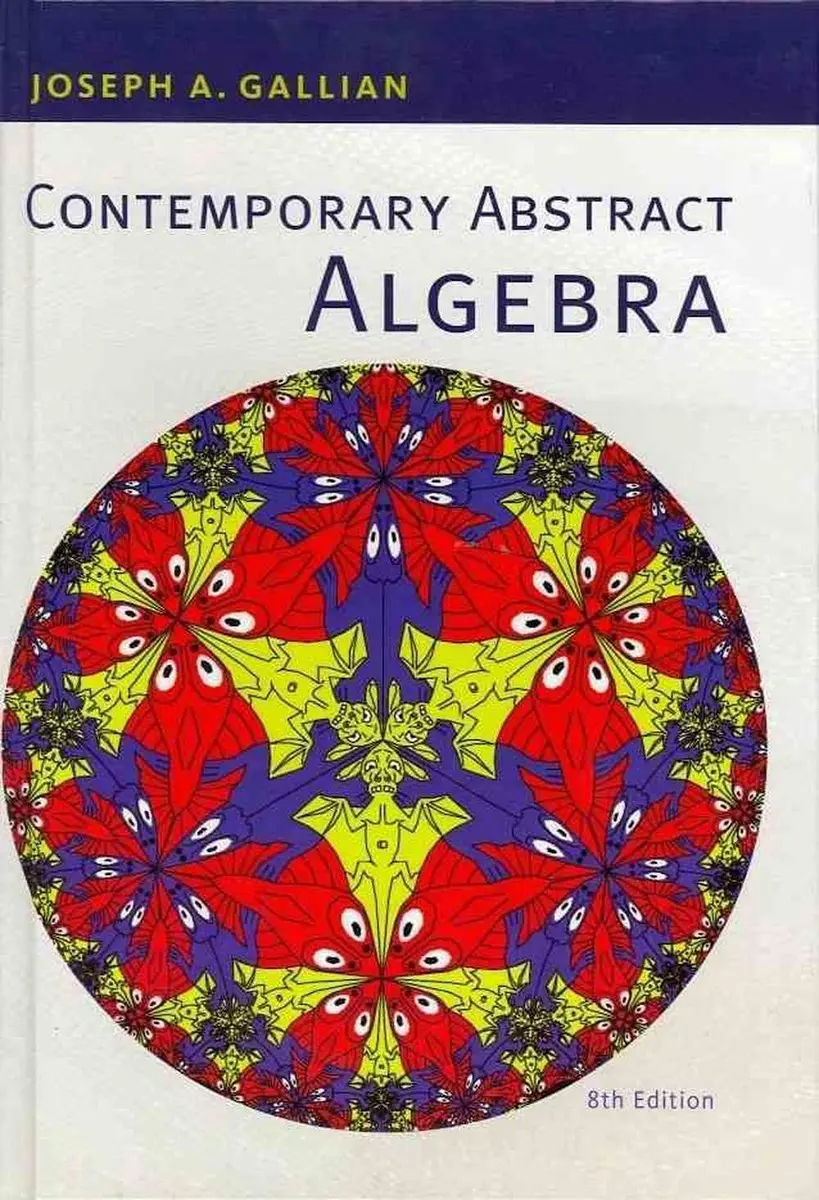
Joseph A. Gallian
Less dense than Dummit and Foote, moving with more concrete examples. Its chapters on applications such as symmetry groups, coding theory and cryptography show that abstract algebra does not stay up in the air.
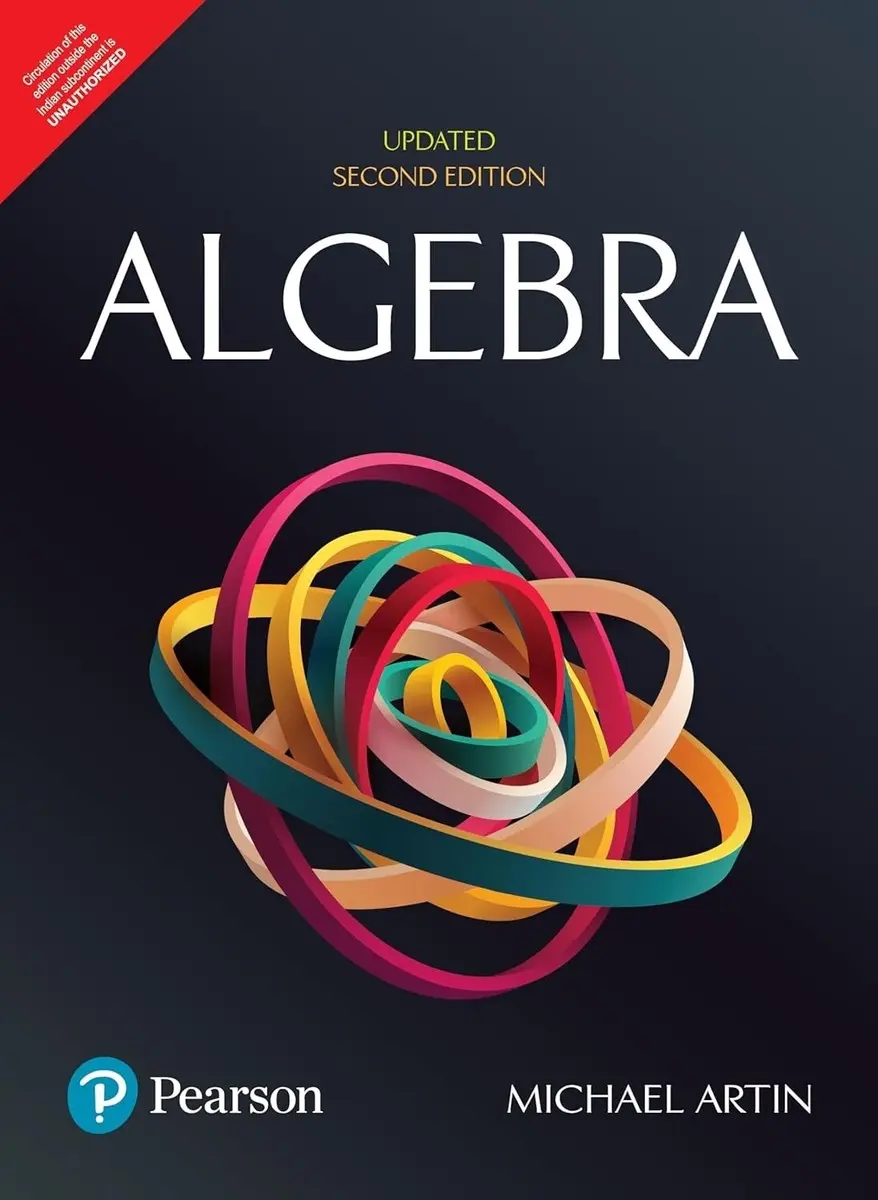
Michael Artin
A book taught at MIT for years that puts linear algebra at the center of abstract algebra. If you are comfortable with matrices, entering group theory through this door feels very natural. Harder than Dummit and Foote, but more elegant.
Benedict Gross's abstract algebra course for Harvard's extension program is the best video recording I have seen for this subject. The program took the course down, but the recordings can still be found in web archives and on video platforms, and since it follows Artin's book, watching it with that book is the most productive way.
checkpoint
~220
hours of study
13% of the whole curriculum
Analysis splits in two. Real analysis deals with real numbers and real functions, complex analysis with complex numbers and complex functions. In practice real analysis is calculus with proofs. Everything you passed over in calculus with the word “limit” is built here piece by piece. What the real numbers are, exactly what it means for a sequence to converge, continuity, and the conditions under which the derivative and the integral behave the way you expect.
The language of analysis is epsilon and delta. You may have read the definition of a limit in calculus and moved on, but here you learn to live with that definition, and the first few weeks are hard for everyone. To enter this course you need four semesters of calculus and ease with writing proofs. If you have finished the introduction to proofs, you can also start it in parallel with abstract algebra.
The first sentence of analysis
In everyday words, however close you want the result to be to L, you can guarantee that closeness by bringing x close enough to a. The sentence can be read as a game. Your opponent picks ε, you find δ, and if you can find a δ every time no matter how small an ε your opponent picks, the limit is L.
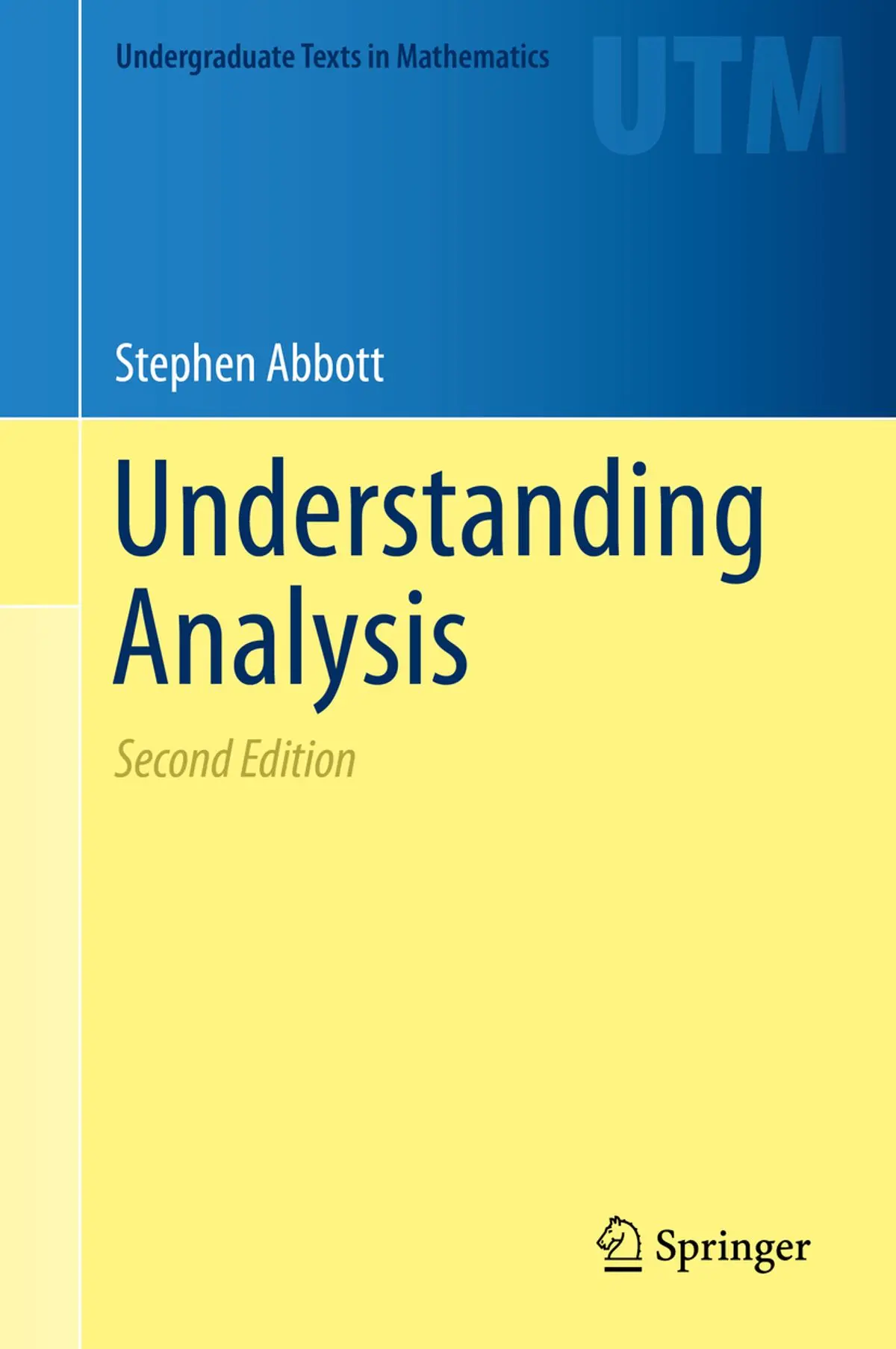
Stephen Abbott
The best book written for studying analysis on your own. Abbott opens every chapter with a question, often with a crisis from history, and never leaves the reader's “why is the definition like this?” unanswered. He does not just explain the concepts, he explains the importance of every step and the idea behind it.
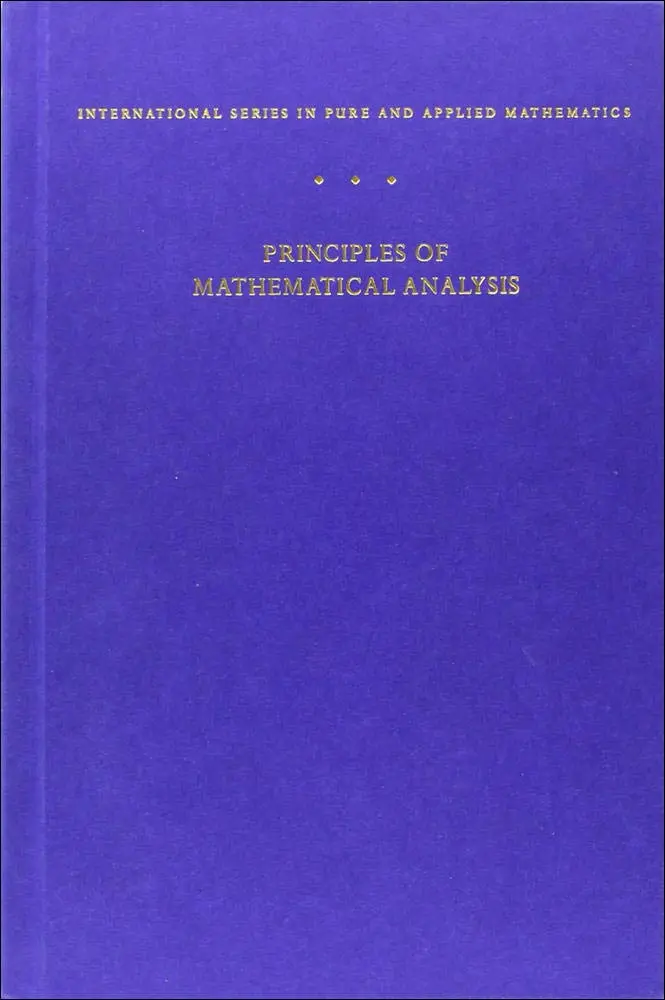
Walter Rudin
The classic mathematicians call “baby Rudin,” to tell it apart from the author's graduate-level Real and Complex Analysis. Extremely dense, it never explains anything one word more than it has to. Read alone it feels like a wall, read with Abbott it lets you combine Abbott's intuition with Rudin's precision. Its exercises are hard, but they are one of the best ways to learn analysis.
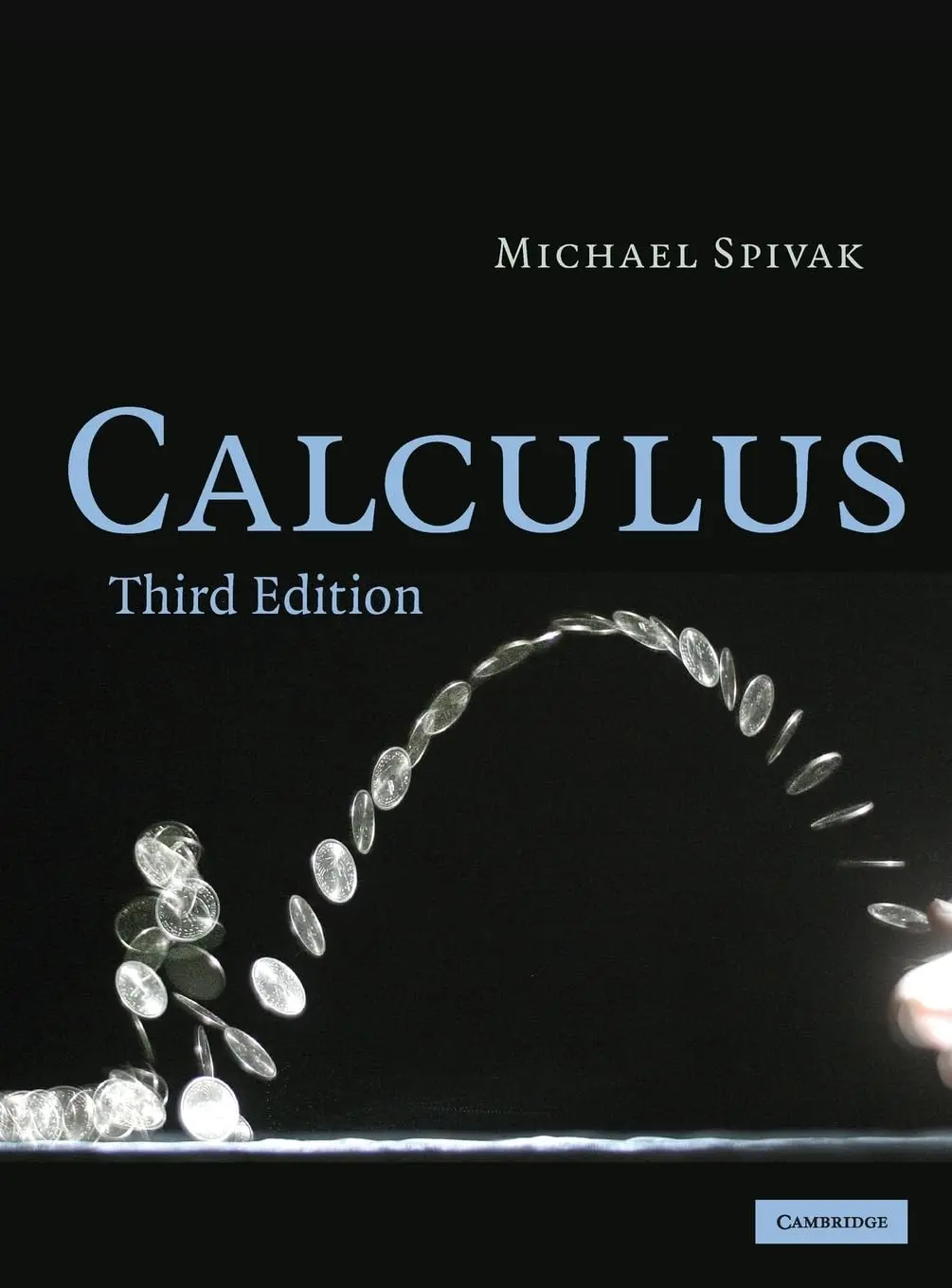
Michael Spivak
Its title says calculus, but it is really an analysis book and, to me, one of the best mathematics books ever written. Spivak explains a concept from an angle entirely different from Rudin's, and looking at him where you are stuck often undoes the knot. The separately sold Answer Book gives solutions to the exercises.
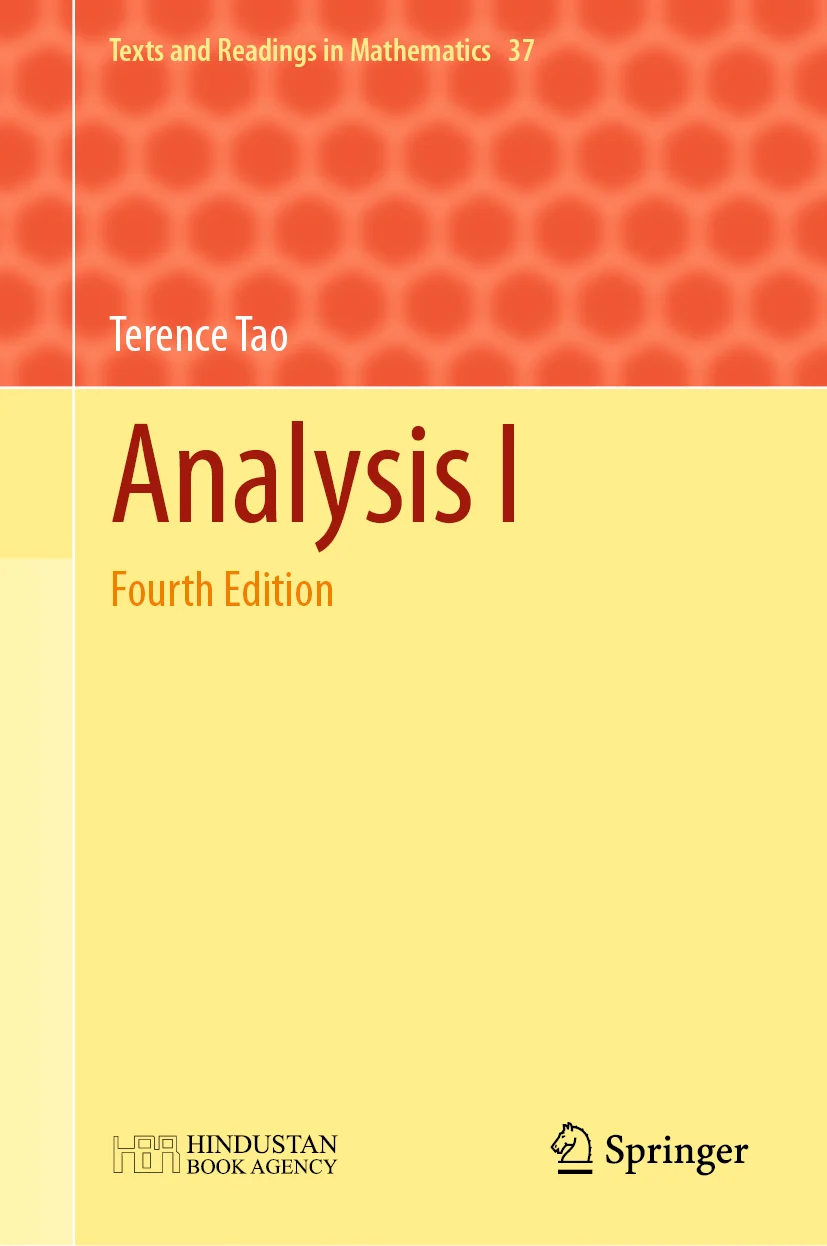
Terence Tao
Tao starts from the natural numbers and builds the integers, the rationals and the reals from scratch. Entering analysis from there feels slow at first, but for someone who wants to see where everything Rudin assumes comes from it has no equal. The second volume moves on to multivariable analysis and the Lebesgue integral.
checkpoint
~140
hours of study
8% of the whole curriculum
Complex analysis is the analysis of complex numbers and complex functions, and coming right after real analysis it surprises people. With real numbers, a function being differentiable once does not guarantee it is differentiable twice. With complex numbers, a function differentiable once is differentiable infinitely many times, equals its own Taylor series, and its values on the boundary of a region determine everything inside. All the pathological monsters of real analysis are gone here, and what is left is a very orderly, very tight structure.
The part of this course I like most is how it lets you compute integrals that are very hard in real analysis by drawing a circle and adding up a few residues. For example, you can find that the integral of 1/(1+x²) from −∞ to +∞ is π in two lines, by drawing a semicircle in the upper half of the complex plane and computing a single residue. Euler's e^(iπ) + 1 = 0 also stops being a startling consequence of a definition here and turns into an ordinary fact that says the exponential function is a rotation. Do not enter this course before finishing real analysis.
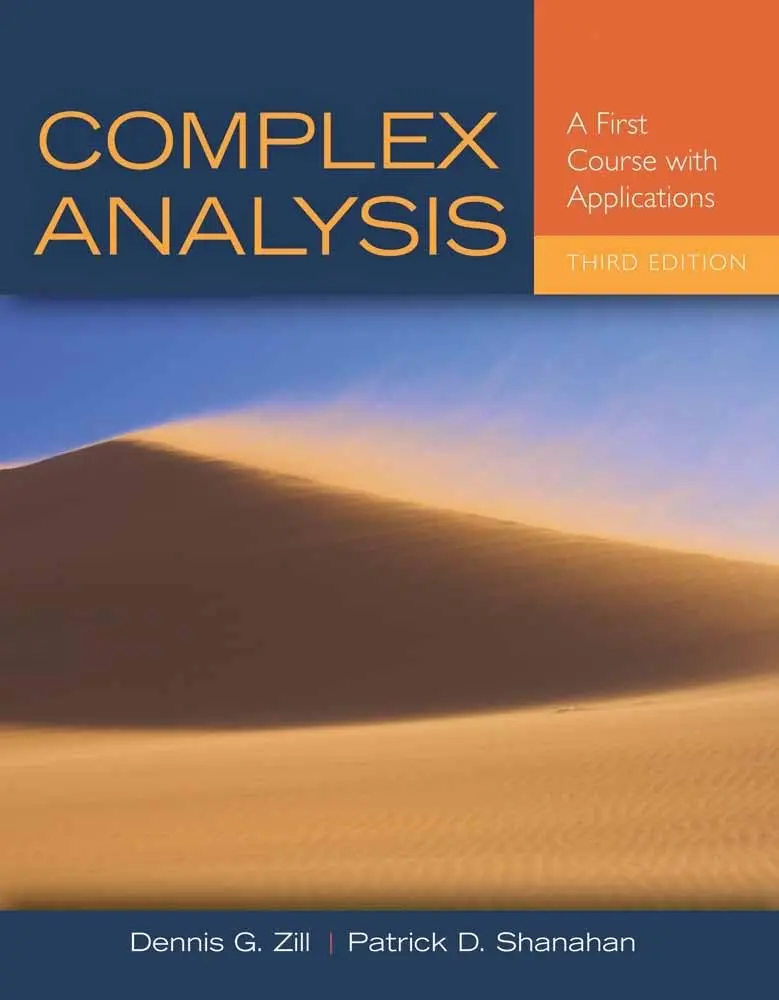
Dennis G. Zill, Patrick D. Shanahan
Like all of Zill's books it is clear, full of examples and written for physics and engineering students. That orientation is exactly what makes it ideal for someone studying alone. It settles the computations well and shows enough of the proofs.
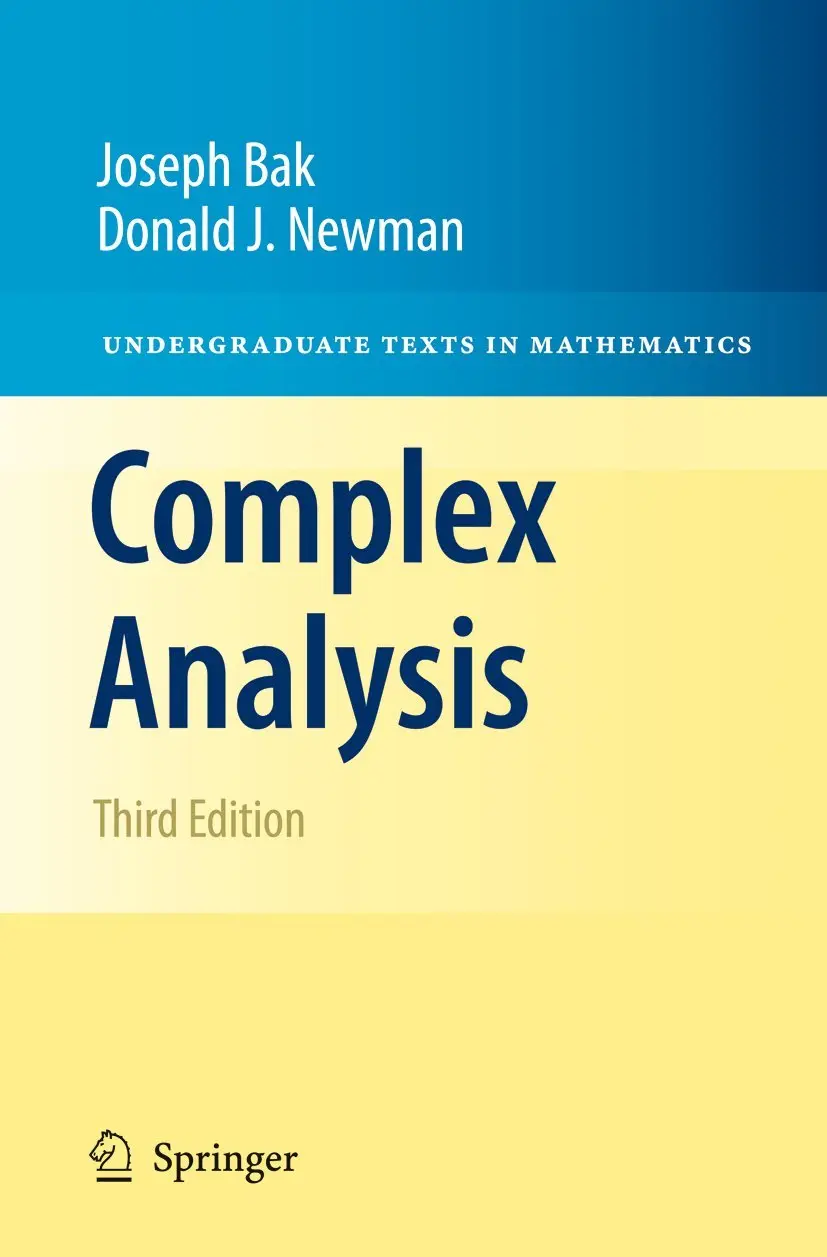
Joseph Bak, Donald J. Newman
A thin, sharp book written for mathematics students. Read alone it can feel too bare, read next to Zill and Shanahan it shows the heart of the proofs by a very short route. If you can follow Bak and Newman comfortably, you can skip Zill.
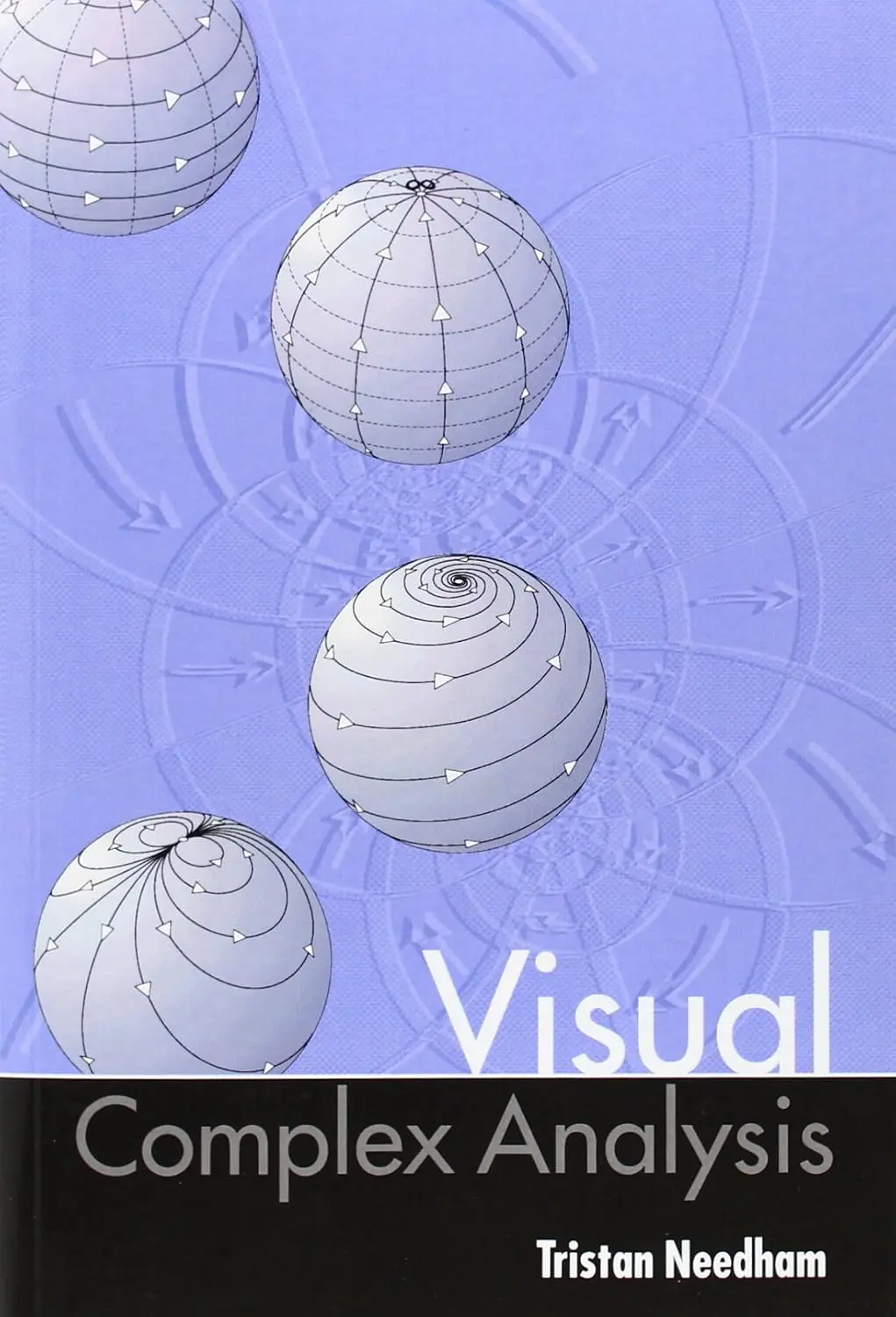
Tristan Needham
A book that explains complex analysis with almost no formulas and hundreds of drawings. It lets you see with your own eyes Möbius transformations, conformal maps, and the fact that the derivative in the complex plane is a rotation and a stretch. Think of it not as a textbook but as a book that stays open next to every textbook.
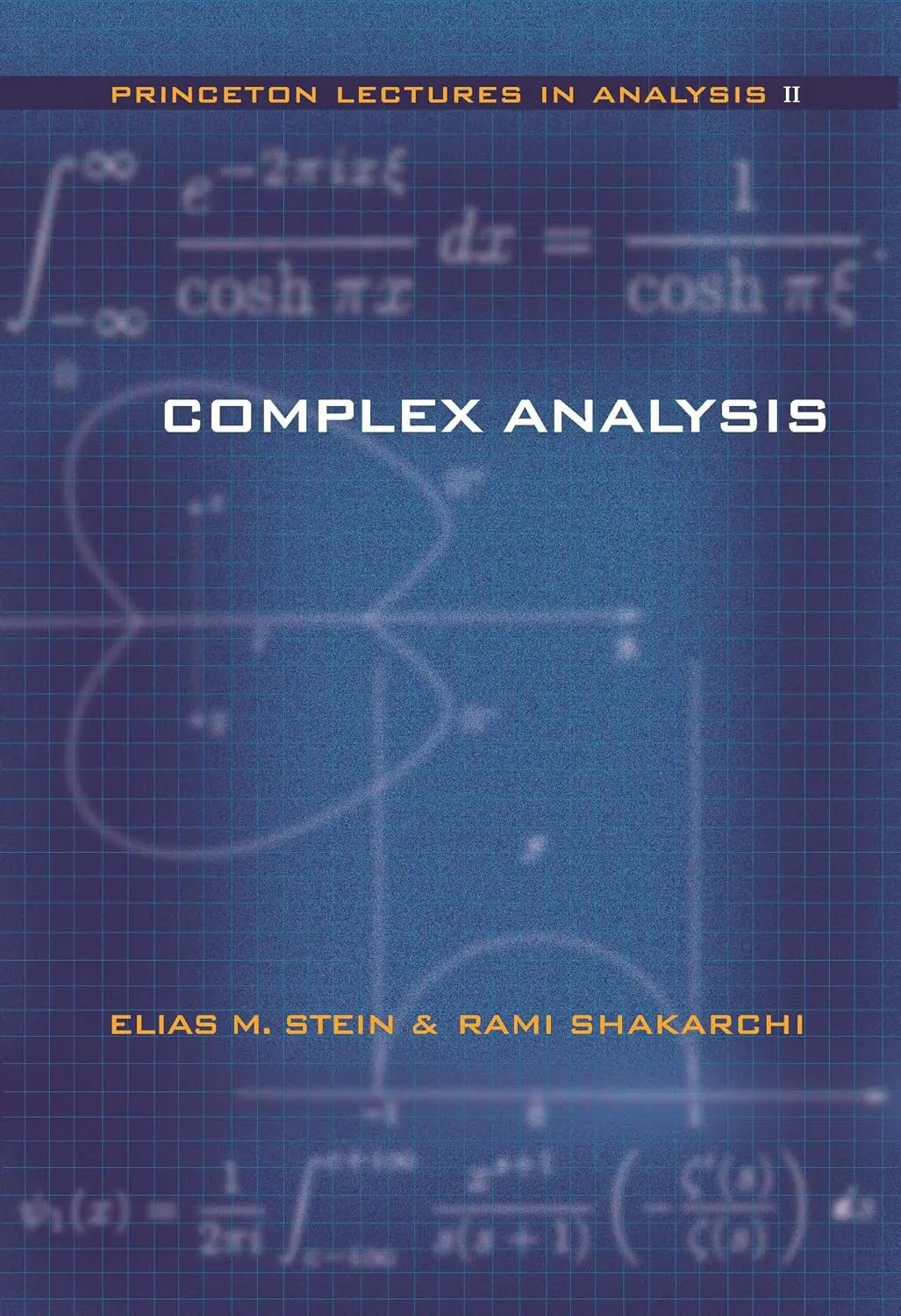
Elias M. Stein, Rami Shakarchi
The second book in the four-volume Princeton analysis series. Harder than Bak and Newman, but it reaches as far as the prime number theorem, elliptic functions and the zeta function. If you enjoyed complex analysis, this is the next step.
If you want to move along with video lectures, Petra Bonfert-Taylor's free Introduction to Complex Analysis course from Wesleyan University on Coursera is a good companion to the books.
checkpoint
~120
hours of study
7% of the whole curriculum
A differential equation tells you how something changes and asks you for the thing itself. If a bacterial population grows at a rate proportional to its size, how does the population change over time? How does a mass on a spring oscillate? How many minutes does a cup of coffee left in a room take to go lukewarm? Ordinary differential equations answer these questions that depend on a single variable, usually time, and they are the first tool of every field that models change, physics, engineering, biology, economics, anything that moves.
Half of the course is solution techniques. Separable equations, first-order linear equations, second-order equations with constant coefficients, the Laplace transform and series solutions. The other half is seeing how a solution behaves even when you cannot find it. Phase planes, equilibrium points, stability. That second half is deeply tied to linear algebra and stays incomplete without eigenvalues. You can take this course toward the end of the curriculum or move it forward right after calculus and linear algebra.
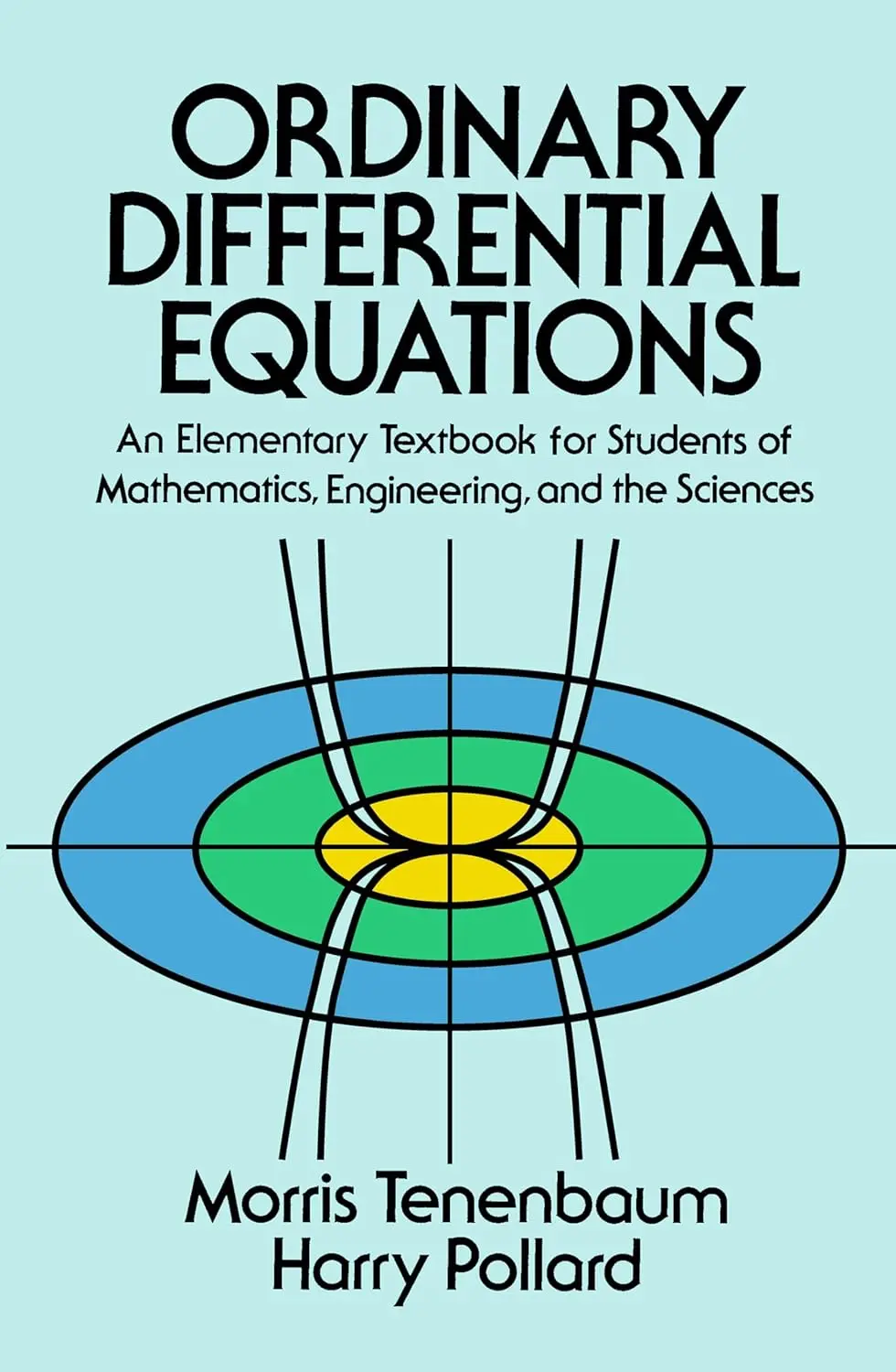
Morris Tenenbaum, Harry Pollard
One of Dover's cheap editions, and it has almost everything you need. It is made of 65 short lessons, each with worked examples and exercises, and its old-school style fits someone studying alone perfectly. Start here before paying for an expensive book.
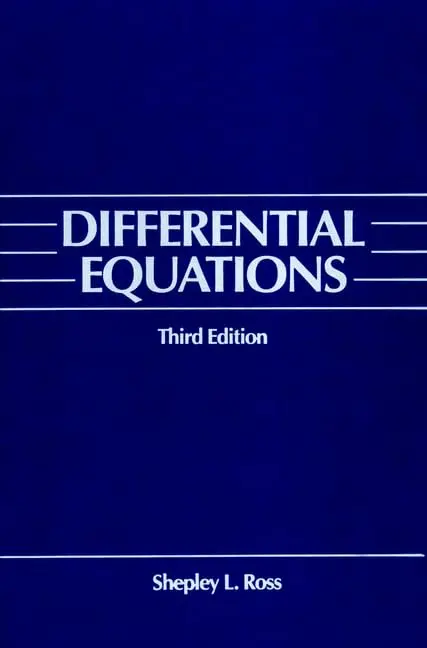
Paul Blanchard, Robert L. Devaney, Glen R. Hall
A modern book that teaches differential equations from the start together with qualitative and numerical methods, slope fields and phase planes. Come back here when you want more exercises and more explanation. There is a student solutions manual too.
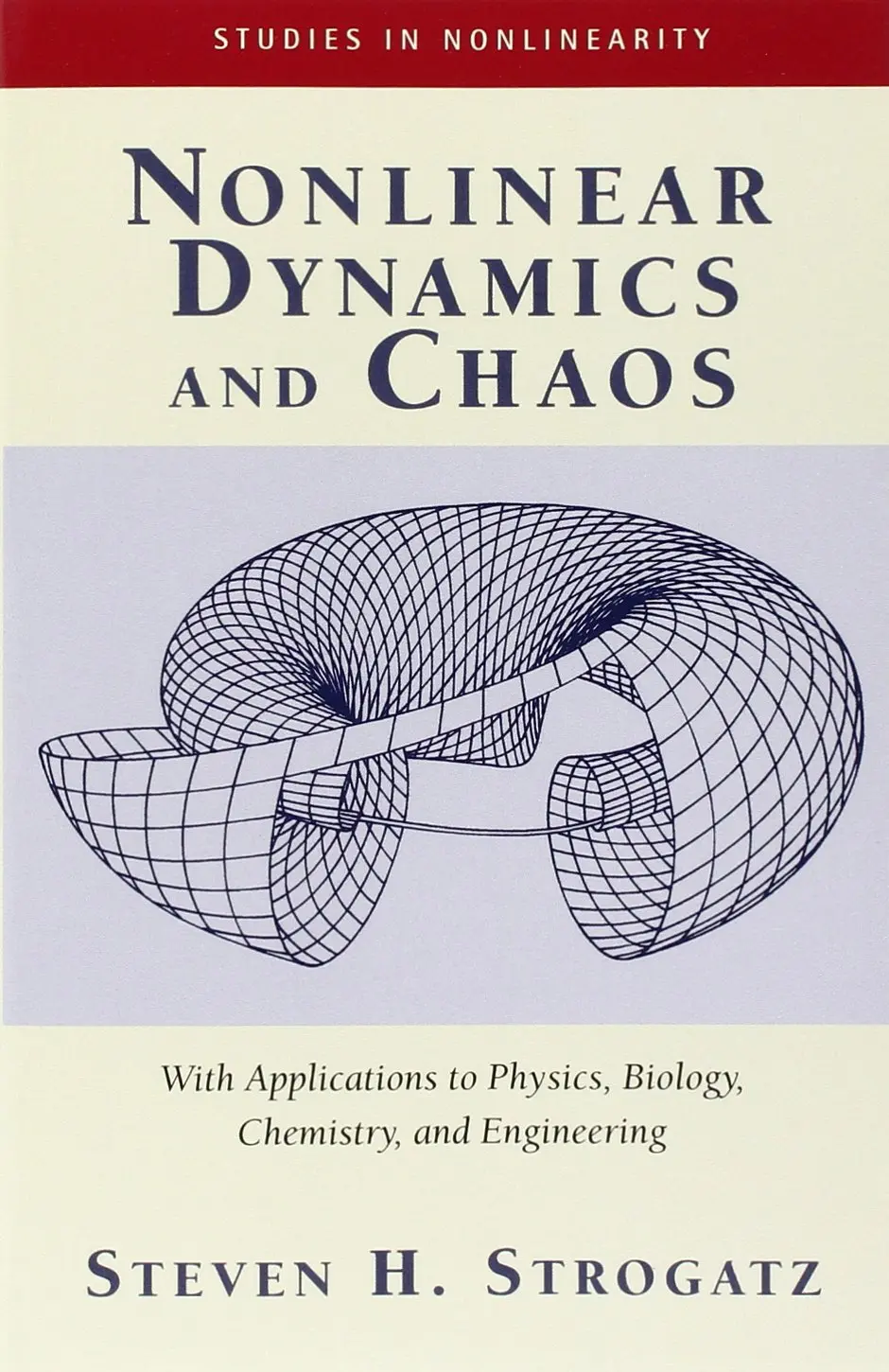
Steven H. Strogatz
A sequel to ordinary differential equations, and one of the most enjoyable mathematics books you can read at the undergraduate level. Bifurcations, limit cycles, the Lorenz equations and chaos. The fireflies that flash in sync are in one of this book's chapters too.
Arthur Mattuck's differential equations lectures for MIT's 18.03 are open with all their videos on MIT OpenCourseWare. Mattuck's lectures go very well with Tenenbaum and Pollard and in places go beyond the book.
checkpoint
~140
hours of study
8% of the whole curriculum
If you have made it this far, you have reached the richest course in the curriculum. Partial differential equations describe change that depends on more than one variable, say on both time and position. How heat spreads along a metal rod, how a guitar string vibrates, the waves on a drumhead, the electric potential in a room. The heat equation, the wave equation and Laplace's equation are the three main characters of this course, and a large part of physics is made of variations on those three equations.
At the center of the course sit Fourier series. In 1807, while trying to solve the heat equation, Joseph Fourier claimed that almost any function can be written as an infinite sum of sines and cosines, and that claim gave mathematics a century of questions. Much of the work on uniform convergence and on the definition of the integral in real analysis is really an effort to understand when and how Fourier series converge. Green's identities, Green's functions and harmonic functions are the other stops of this course.
✎ try it on the board
Fourier’s claim, live. The red curve is the sum of the first few sine waves, the faint white one the shape they are trying to become. Drag the slider and watch the corners sharpen, and watch the one thing that never goes away.
Overshoot at the jump: 9.1%. Keep adding terms and watch the wiggles crowd into the corners without ever disappearing.
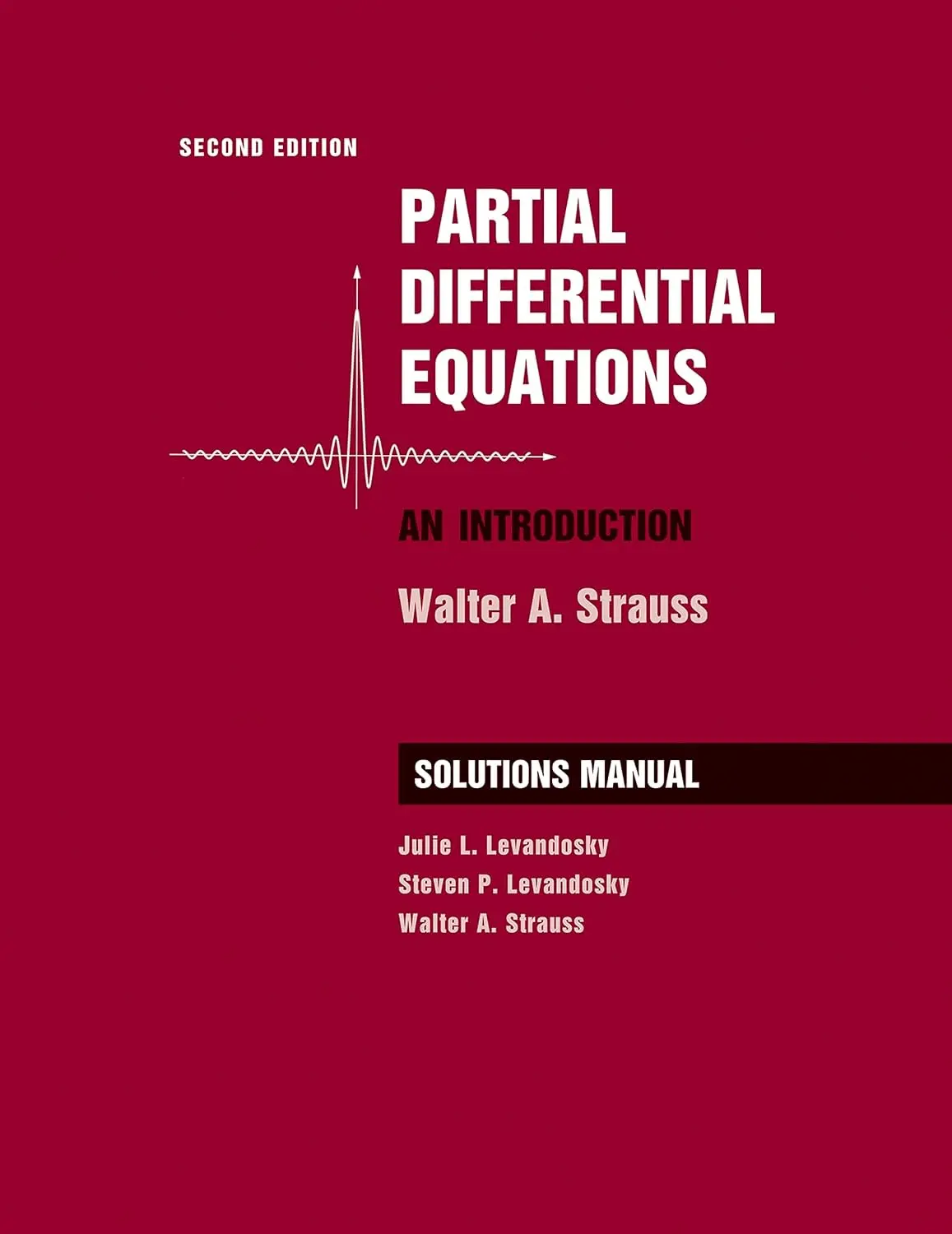
Walter A. Strauss
The standard book for partial differential equations at the undergraduate level. It solves the heat, wave and Laplace equations first in one dimension, then in higher dimensions, and blends proofs and computations in a balanced way. I suggest getting the student solutions manual too.
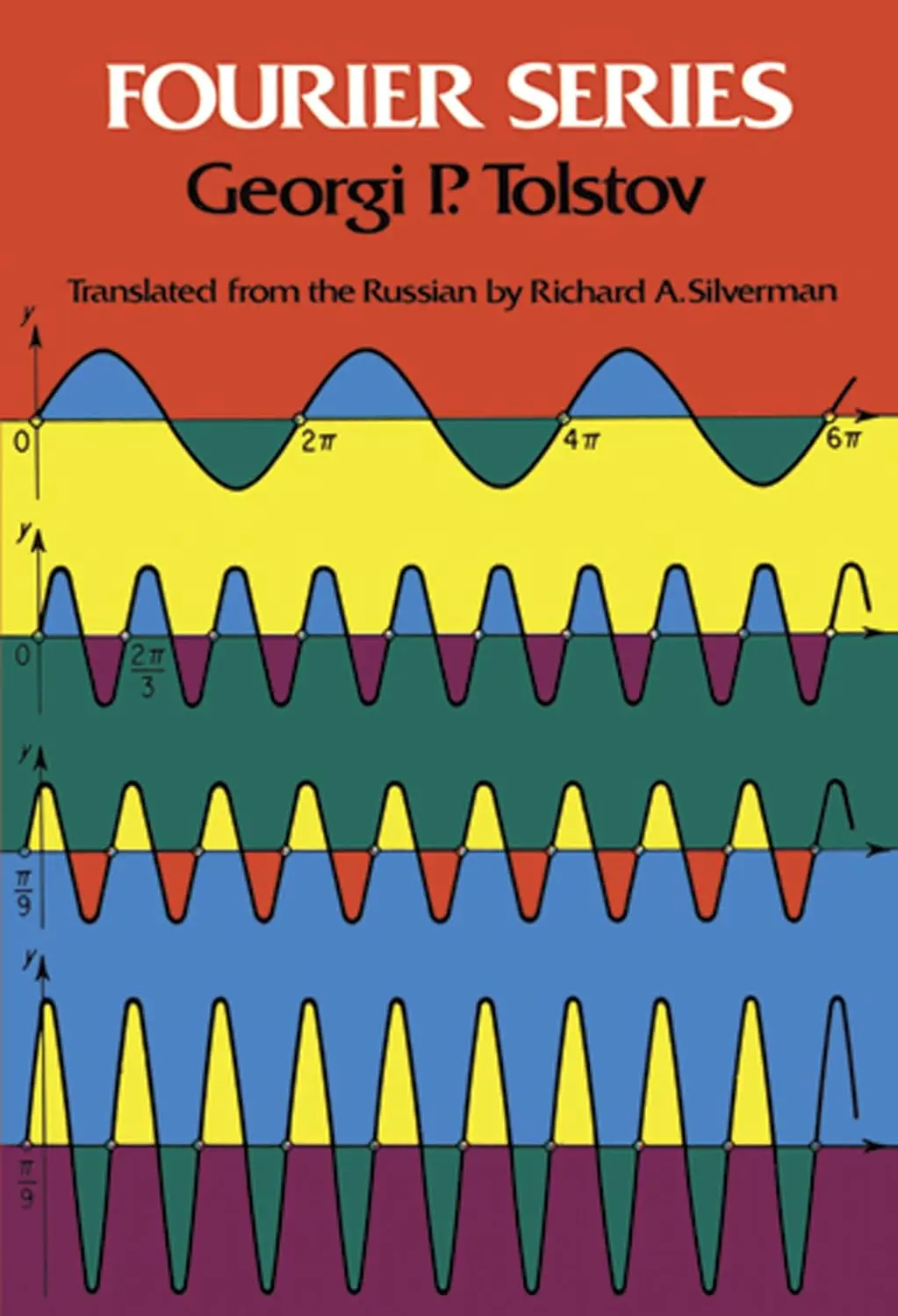
Georgi P. Tolstov
Translated from Russian and one of Dover's most valuable books. It explains the convergence theory of Fourier series, orthogonal systems and physical applications in calm, patient and extremely clear language. Open it without fail once you finish Strauss.
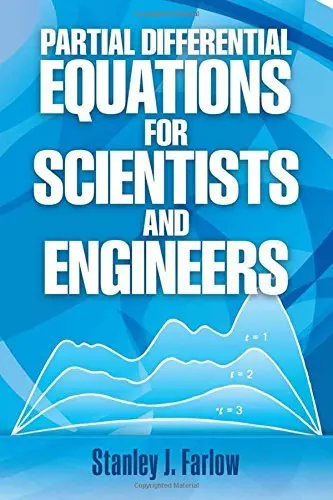
Stanley J. Farlow
Another Dover book that teaches partial differential equations in 47 short lessons. Far less theoretical than Strauss, it always keeps the physical meaning of the problem in front. When a section of Strauss feels too abstract, reading the same topic in Farlow helps.
checkpoint
~240
hours of study
14% of the whole curriculum
When you finish the eight core courses you have laid the foundation of undergraduate mathematics, and from here on it is entirely up to your curiosity. Below are the electives most often offered in a mathematics department and the starting books for each. You do not need to read them all. Pick two or three and go deep into whatever pulls you. If you are not sure what pulls you, an hour with the map of mathematics helps.
Knowing Springer's four series makes the search for electives much easier. Undergraduate Texts in Mathematics (the yellow-covered UTM), Springer Undergraduate Mathematics Series (SUMS), Graduate Texts in Mathematics (GTM) and Texts in Applied Mathematics (TAM). There is a book in these series on almost any topic you can think of. Stay with UTM and SUMS until you have finished the core courses, then move on to GTM and TAM.
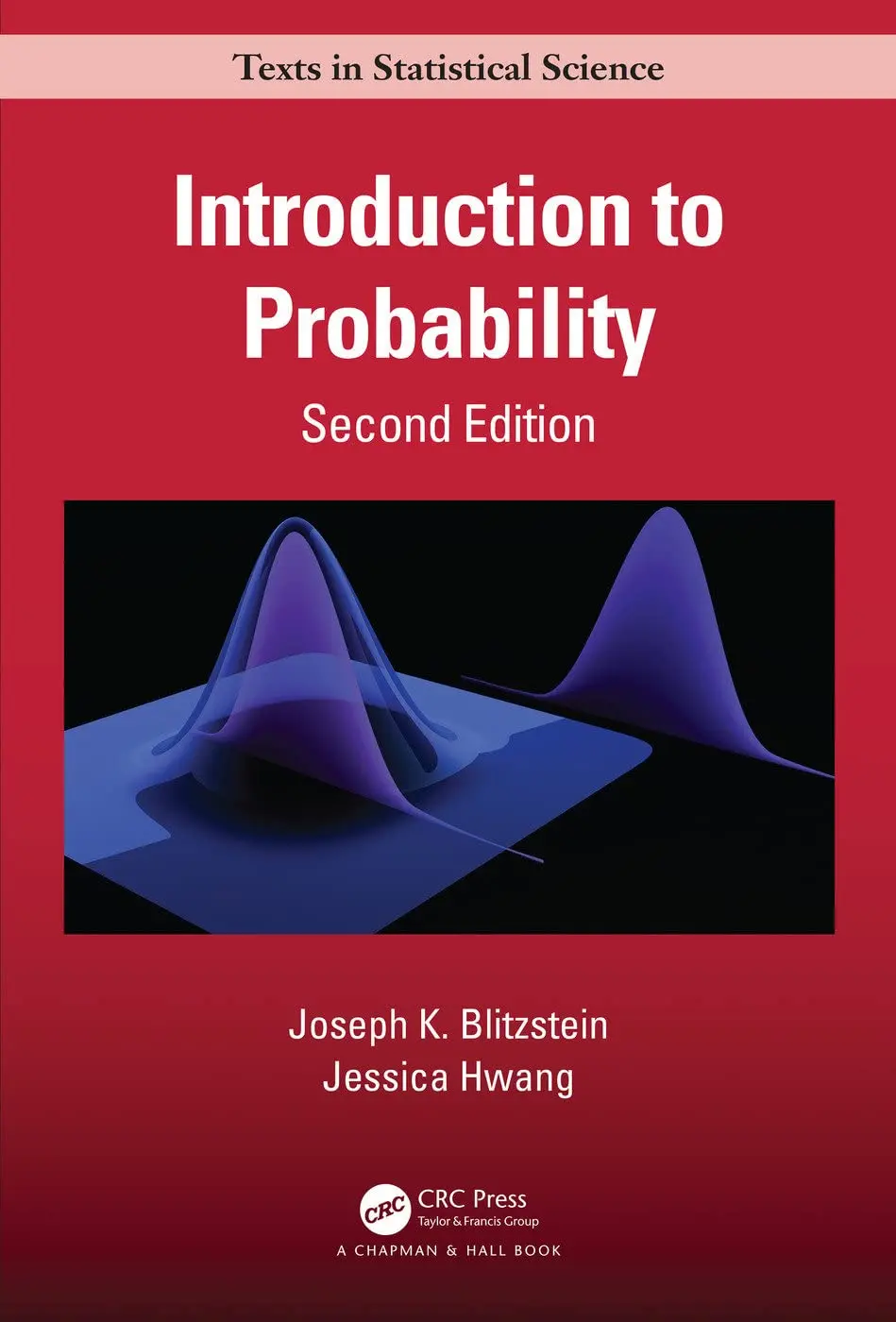
Joseph K. Blitzstein, Jessica Hwang
The book for Harvard's Stat 110. It teaches probability not as memorized formulas but as a way of thinking by telling stories, and it solves every classic problem that fools intuition, from the birthday paradox to Monty Hall. The authors made the whole book freely available.
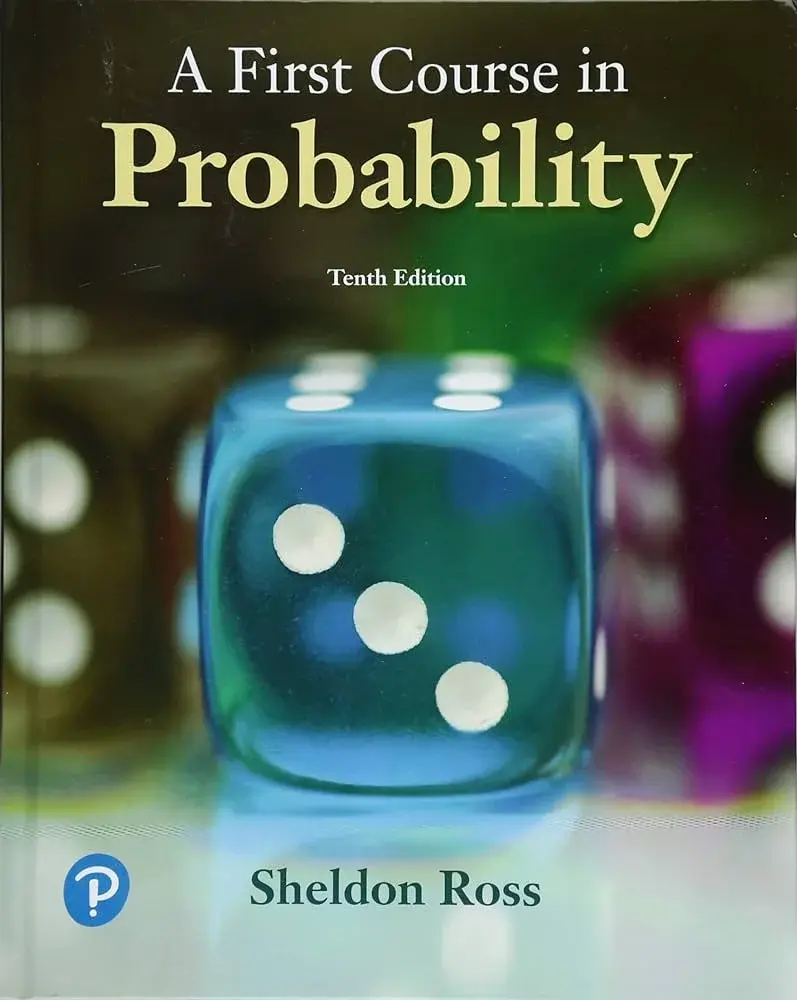
Sheldon Ross
The standard book, taught for more than forty years. Drier than Blitzstein, but unmatched in the number and variety of its exercises.
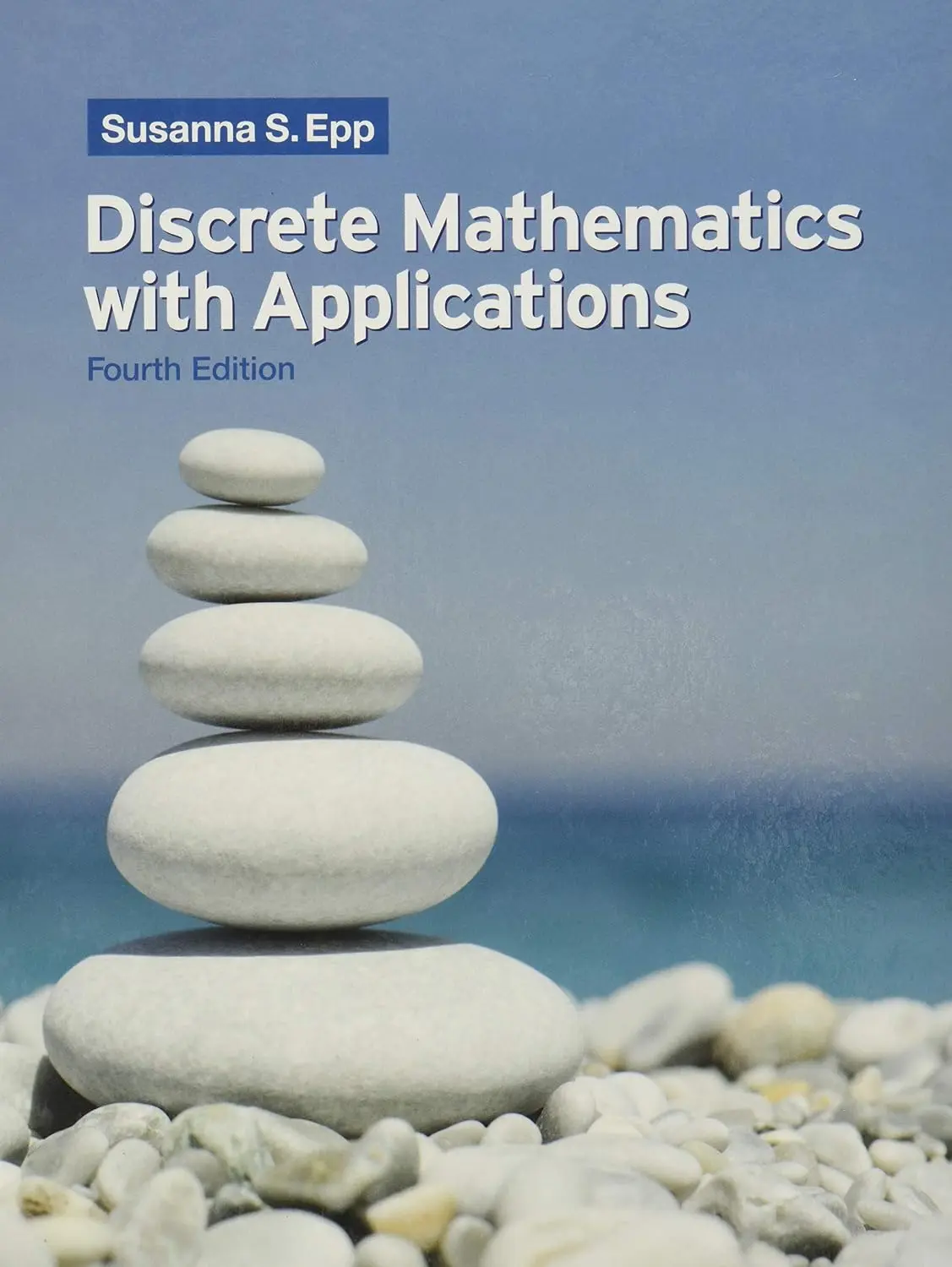
Susanna S. Epp
All the basic topics of discrete mathematics, from logic to counting techniques and from recursion to graphs, in very clear language. For anyone interested in computer science this course should count as a core one.
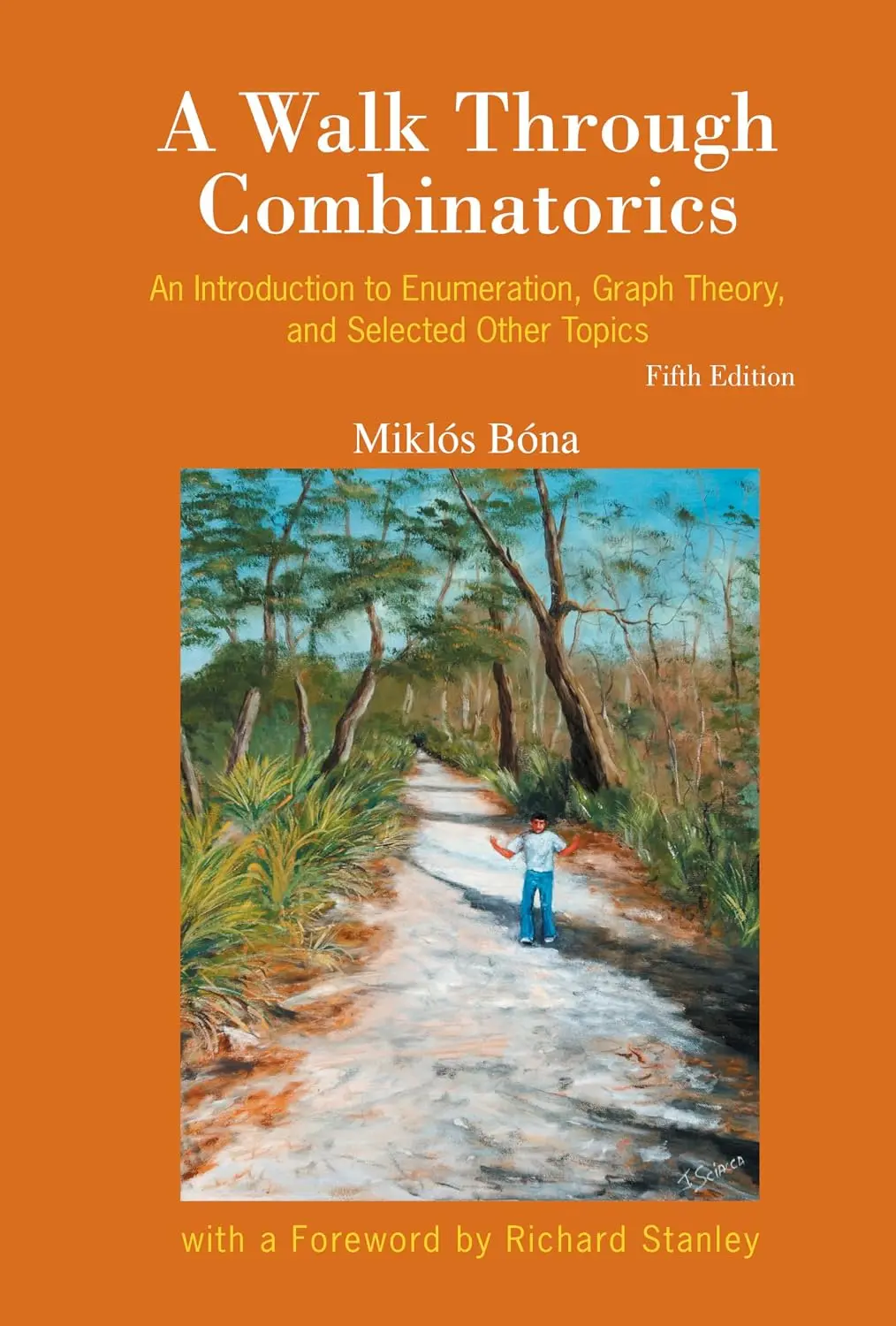
Miklós Bóna
Combinatorics from the pigeonhole principle to generating functions, from Ramsey theory to permutation patterns, with lots of examples and a conversational tone.
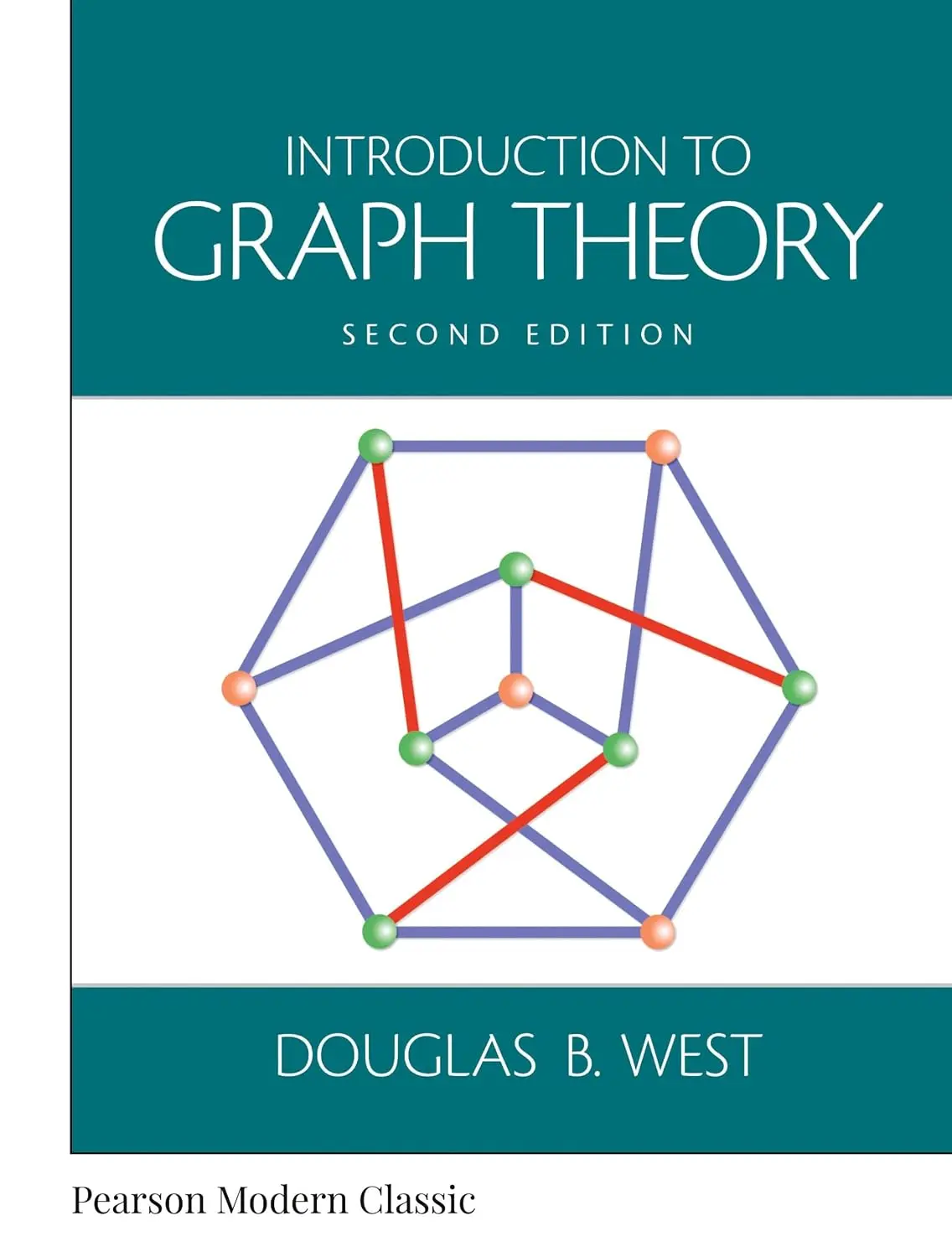
Douglas B. West
The standard undergraduate graph theory book. It runs from Euler's bridges of Königsberg to the four color problem, from matchings to network flows, with exercises marked by difficulty.
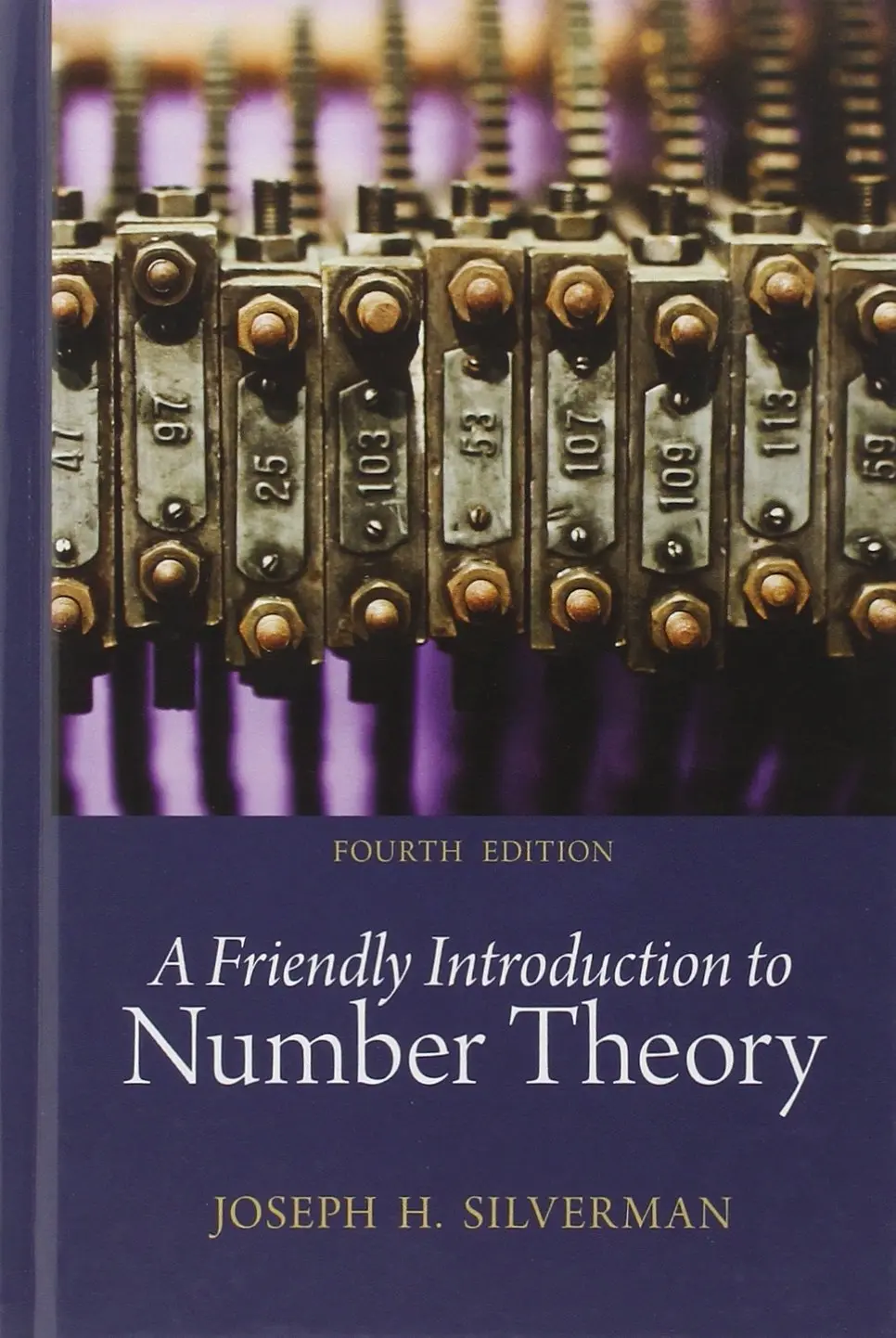
Joseph H. Silverman
A book that lives up to its name. From Pythagorean triples to primes, from modular arithmetic to RSA encryption and elliptic curves, it teaches number theory with a small discovery in every chapter.
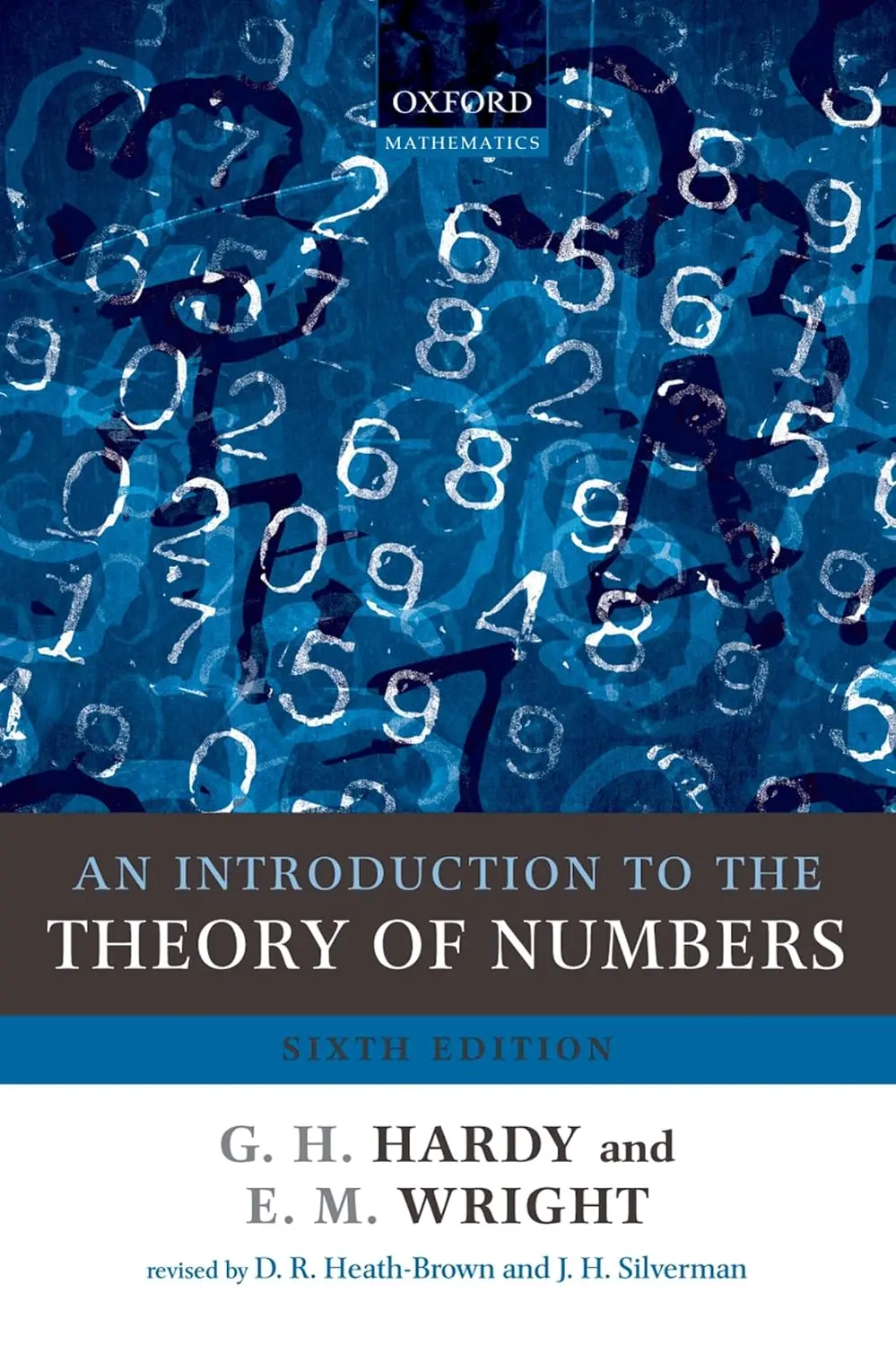
G. H. Hardy, E. M. Wright
The classic in print since 1938. Read alongside Silverman, it shows a deeper and older layer of every topic. Use it as a reference, not as a textbook.
Ivan Niven, Herbert S. Zuckerman, Hugh L. Montgomery
A more orderly textbook than Hardy and Wright. It has plenty of exercises and is the natural next step for someone who has finished abstract algebra.
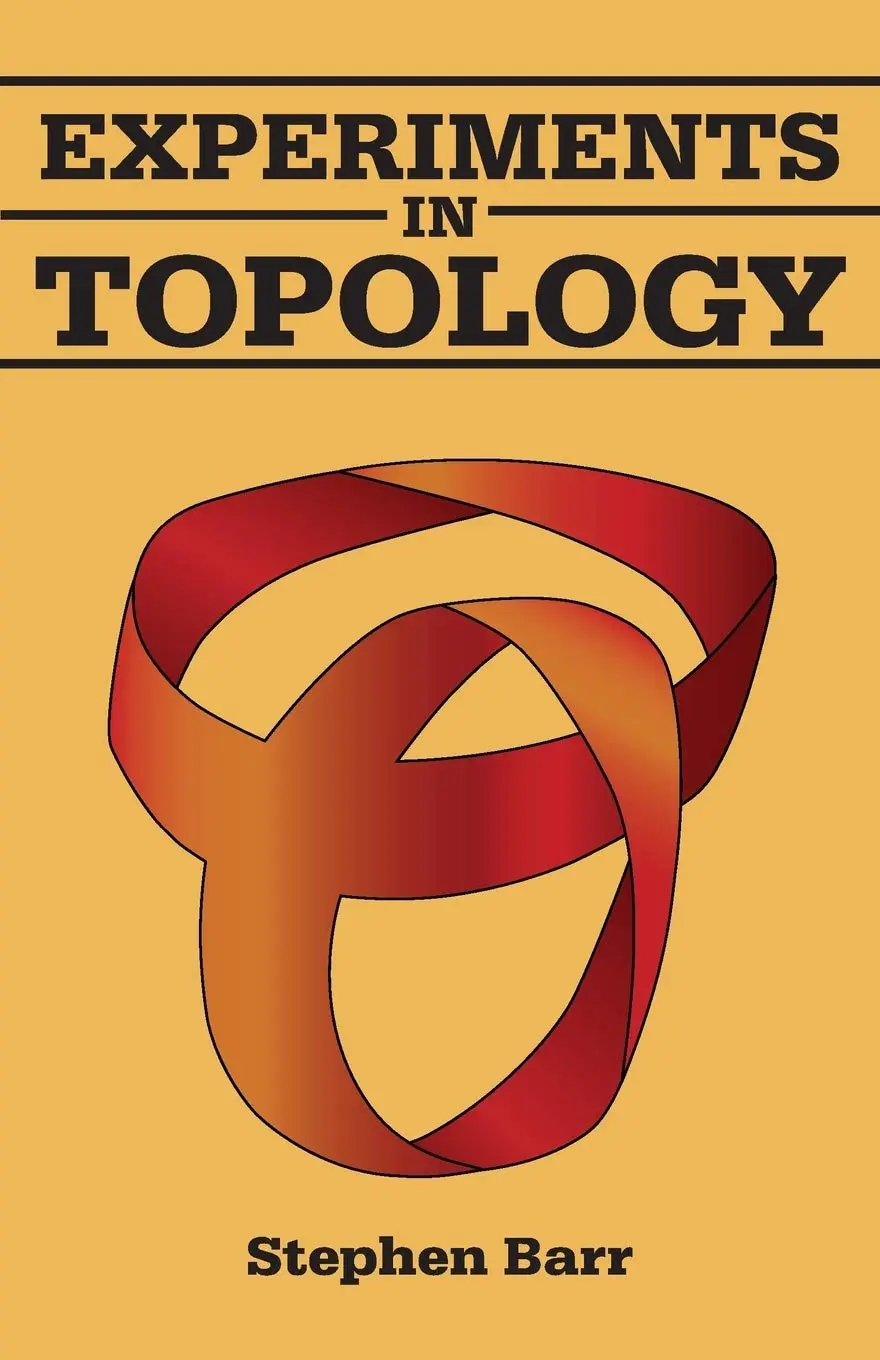
Stephen Barr
A small Dover book from 1964 that introduces you to Möbius strips, Klein bottles and the projective plane with scissors and paper in hand. The most enjoyable way to build intuition before entering topology.
L. Christine Kinsey
A UTM book that explains the classification of surfaces, the Euler characteristic and the fundamental group in a very concrete way. A good bridge before Munkres.
James Munkres
The standard undergraduate topology book. Part one is general topology, part two an introduction to algebraic topology. Someone who has finished real analysis can read part one comfortably.
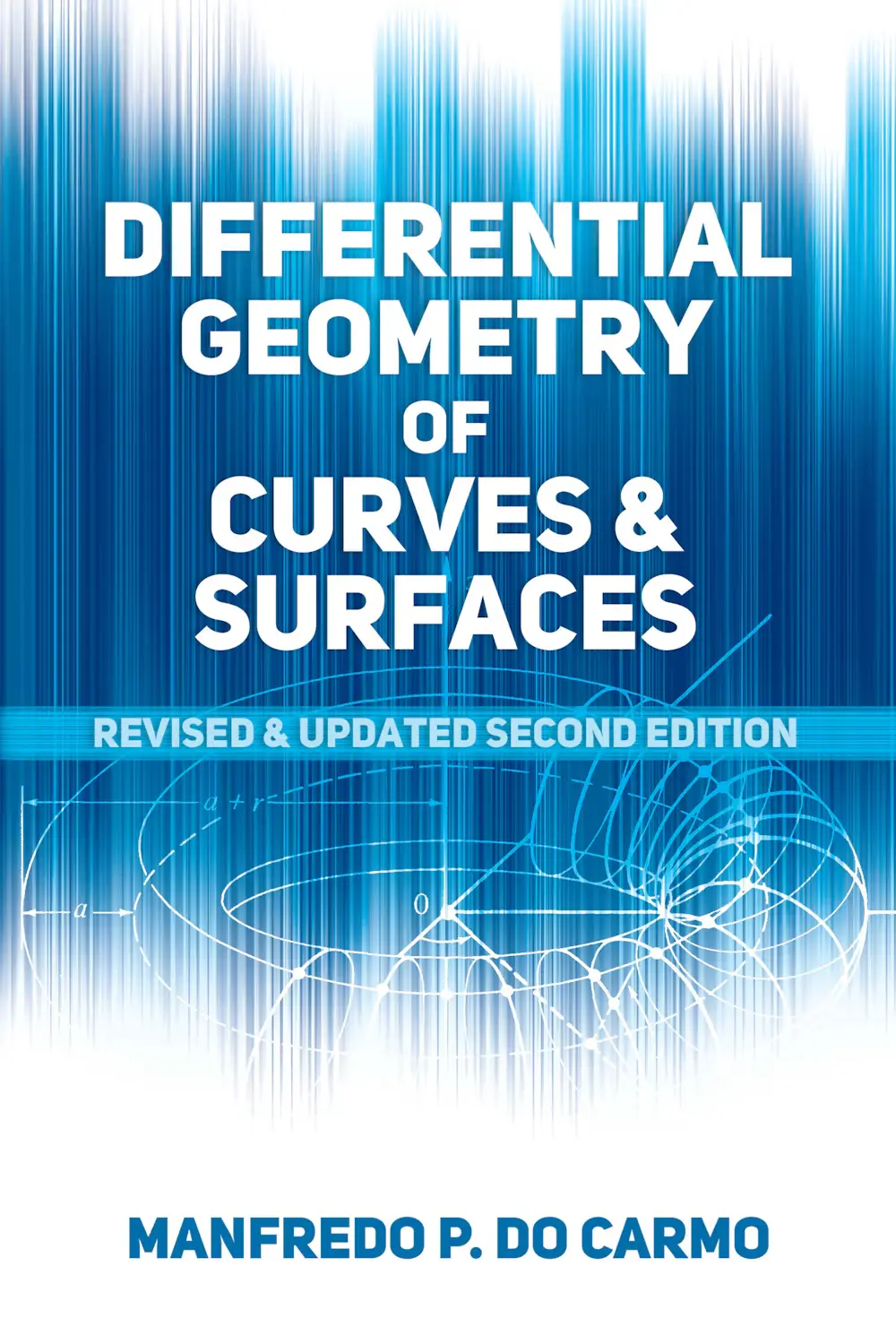
Manfredo P. do Carmo
The classic on the geometry of curves and surfaces, curvature, and Gauss's Theorema Egregium. Multivariable calculus and linear algebra are enough, and it is a solid first step for anyone drawn to general relativity.
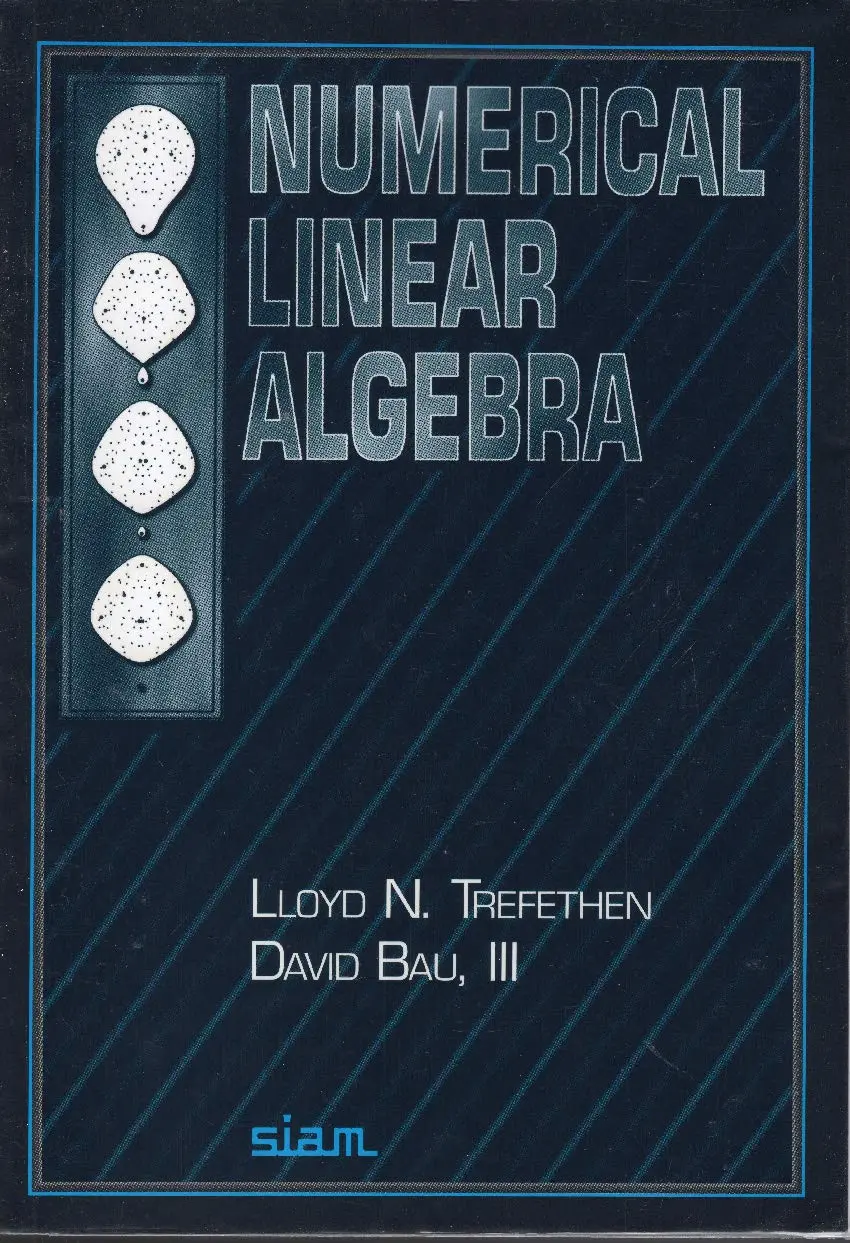
Lloyd N. Trefethen, David Bau III
How a computer does linear algebra, and why some computations pile up error while others do not, in 40 short lectures. For someone who has finished linear algebra and knows a little programming, this book joins the two worlds.
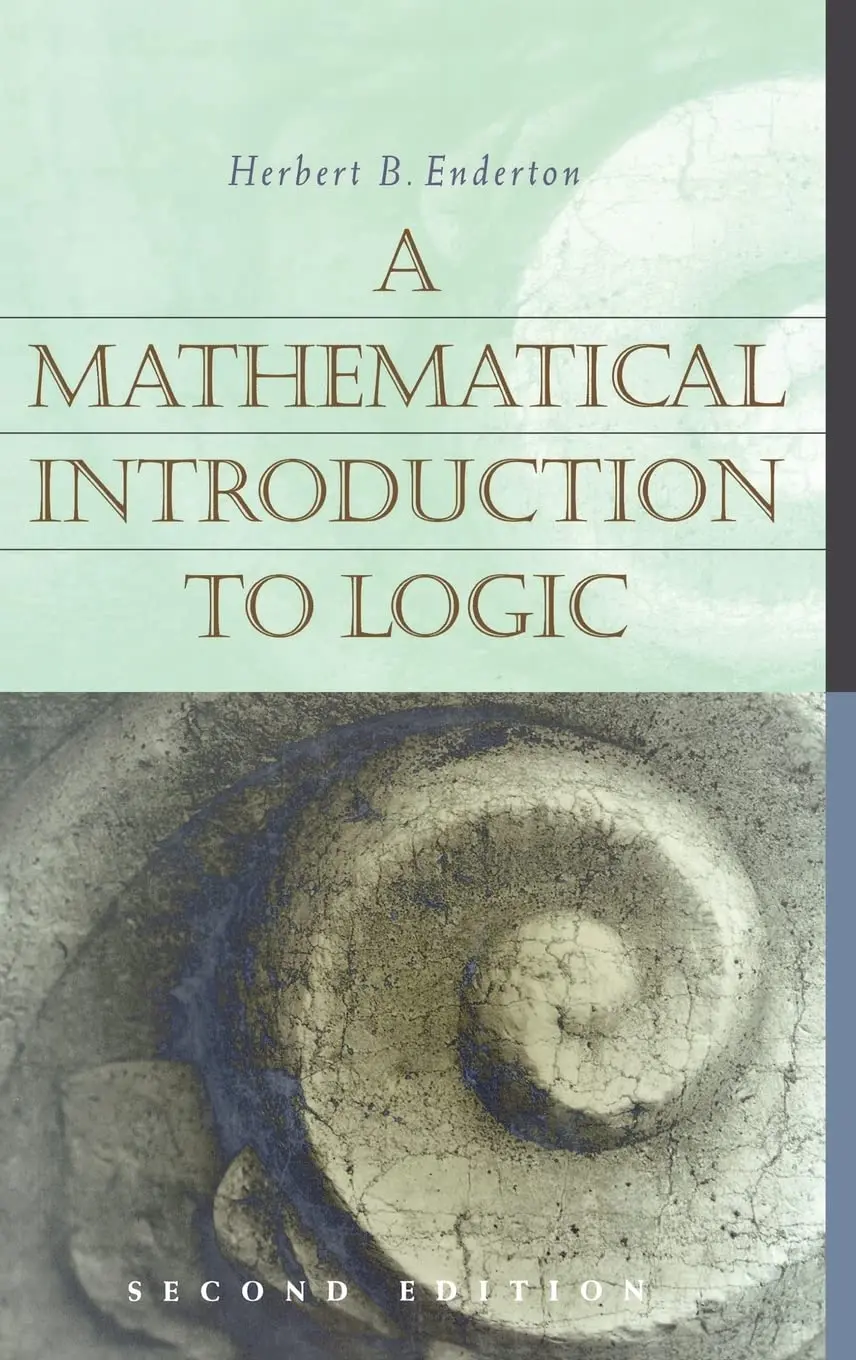
Herbert B. Enderton
The standard undergraduate book on mathematical logic, from propositional logic to first-order logic, from the completeness theorem to Gödel's incompleteness theorems.
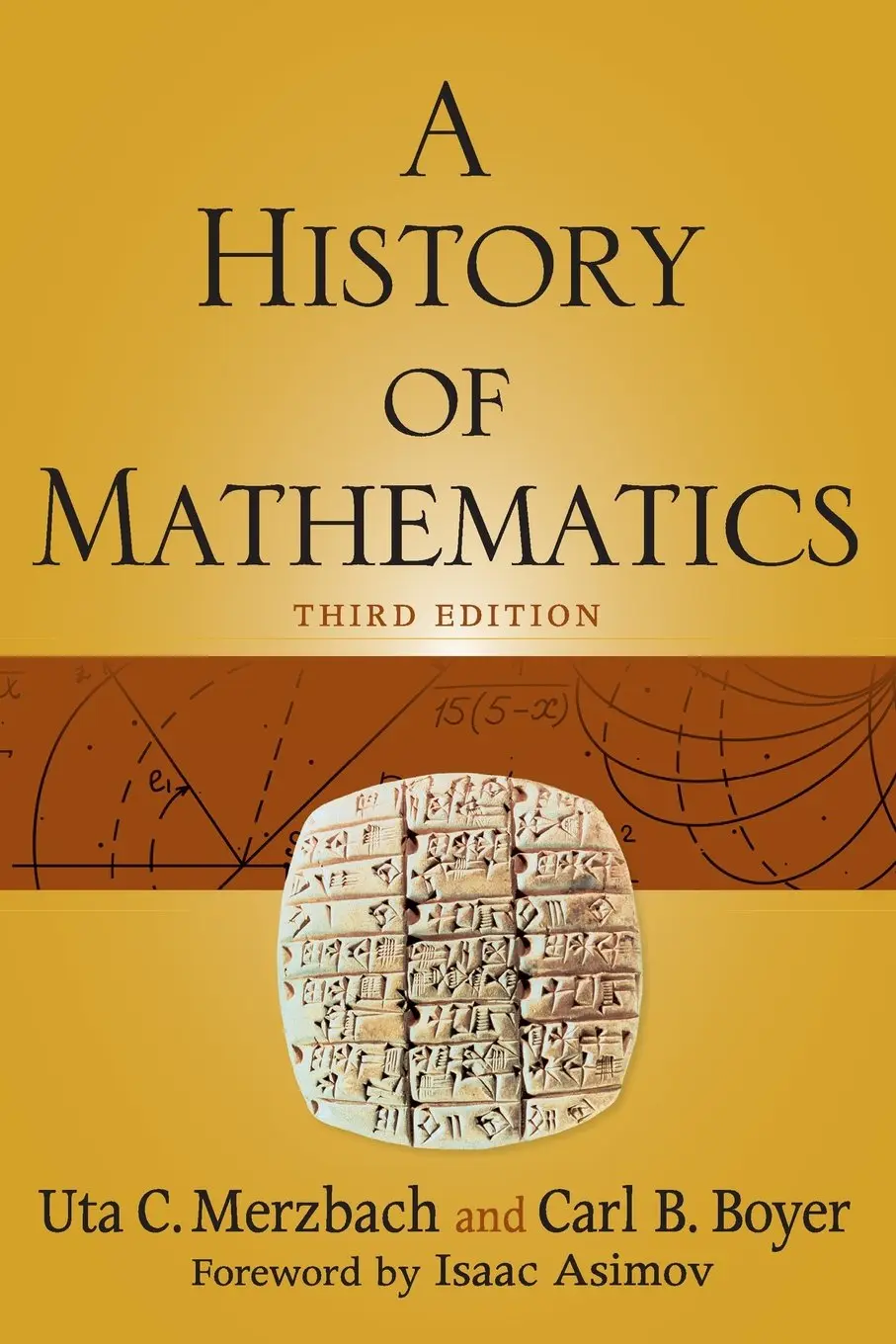
Carl B. Boyer, Uta C. Merzbach
The standard reference on the history of mathematics, from Egyptian papyri to the twentieth century. After finishing a course, reading in what order and out of which problems its topics were born puts what you learned somewhere new.
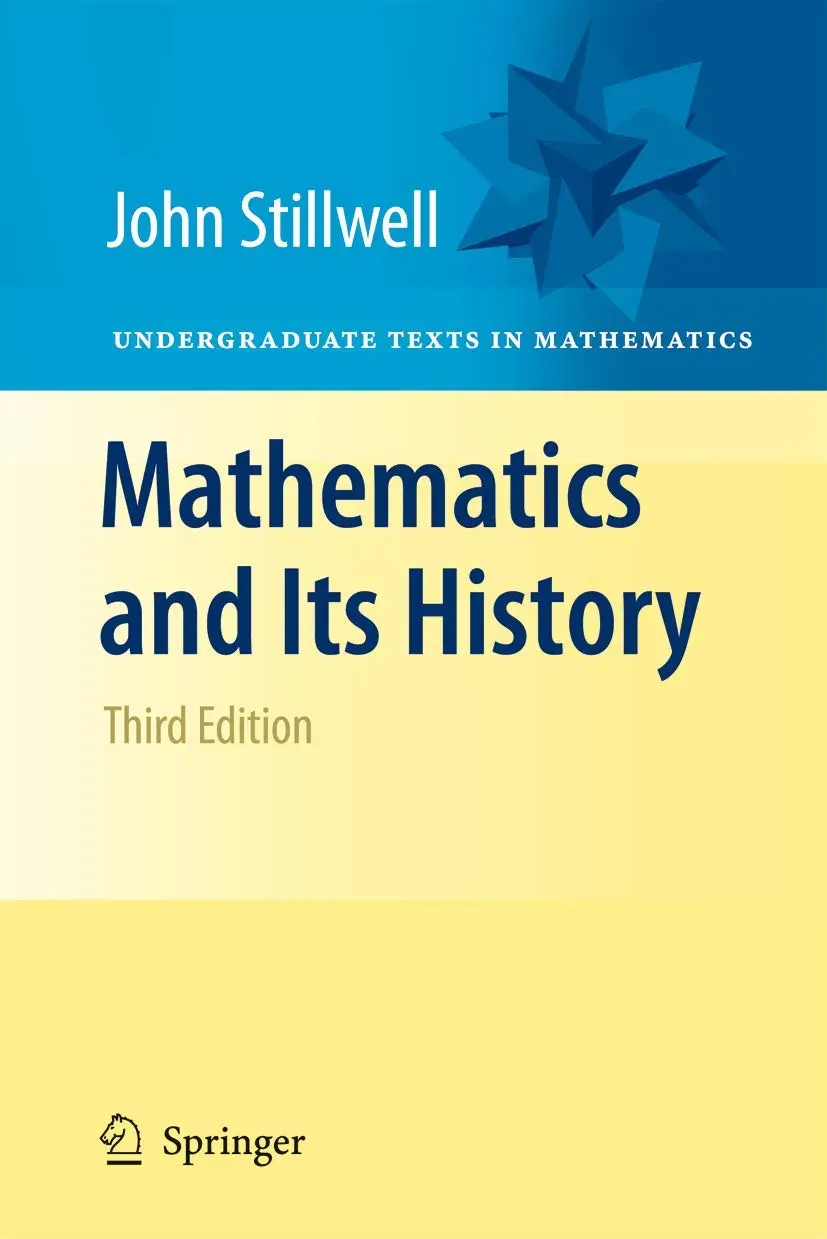
John Stillwell
A UTM book that tells the history of mathematics not as a chronological narrative but through the mathematics itself. Every chapter shows how an idea developed and ends with exercises.
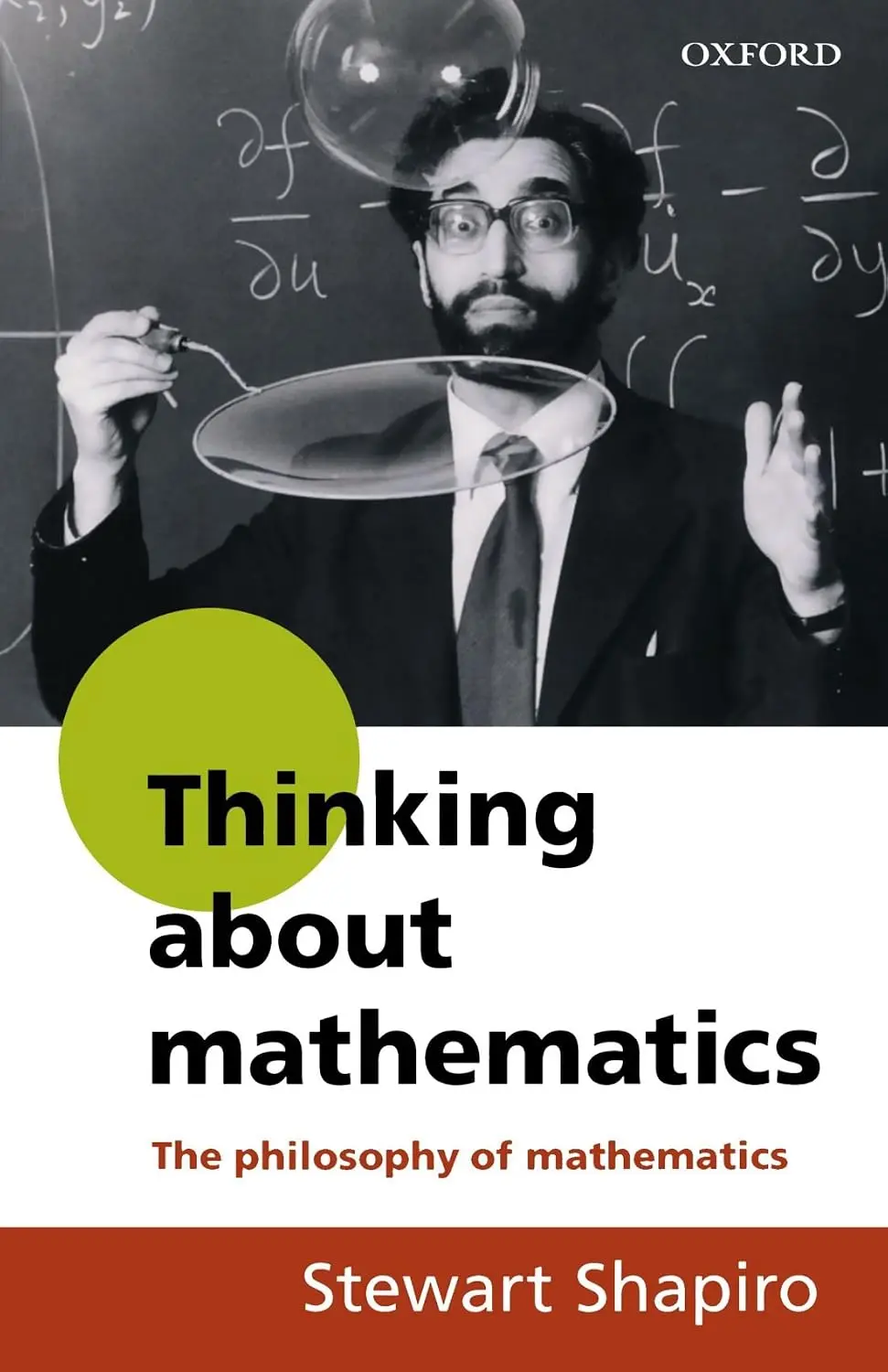
Stewart Shapiro
Platonism, logicism, formalism and intuitionism. A balanced introduction to the big answers given to the question of what mathematics is about and what mathematical knowledge rests on.
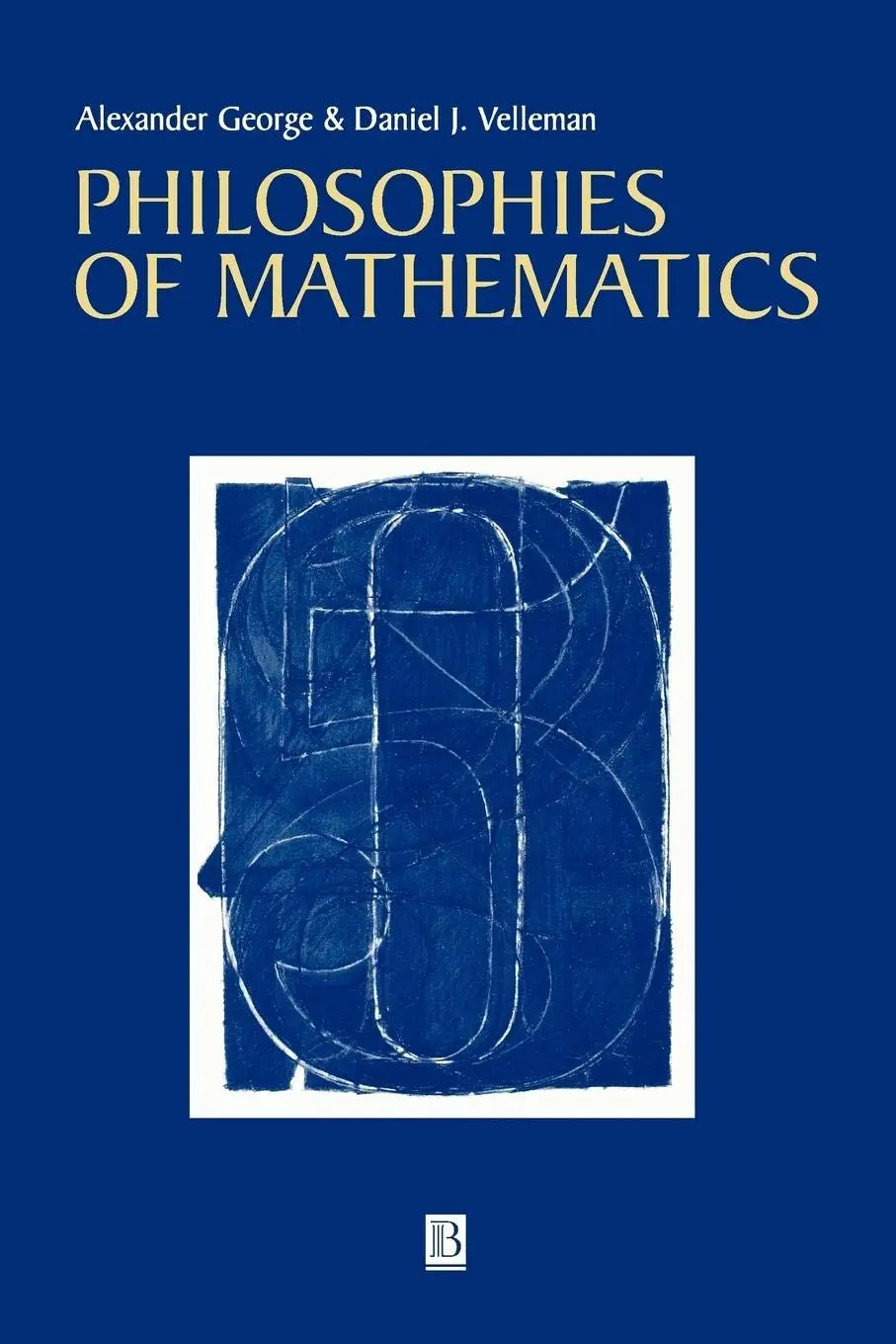
Alexander George, Daniel J. Velleman
Co-written by the same Velleman from the introduction to proofs, a book that explains logicism, intuitionism and formalism with their technical details. More mathematical than Shapiro.
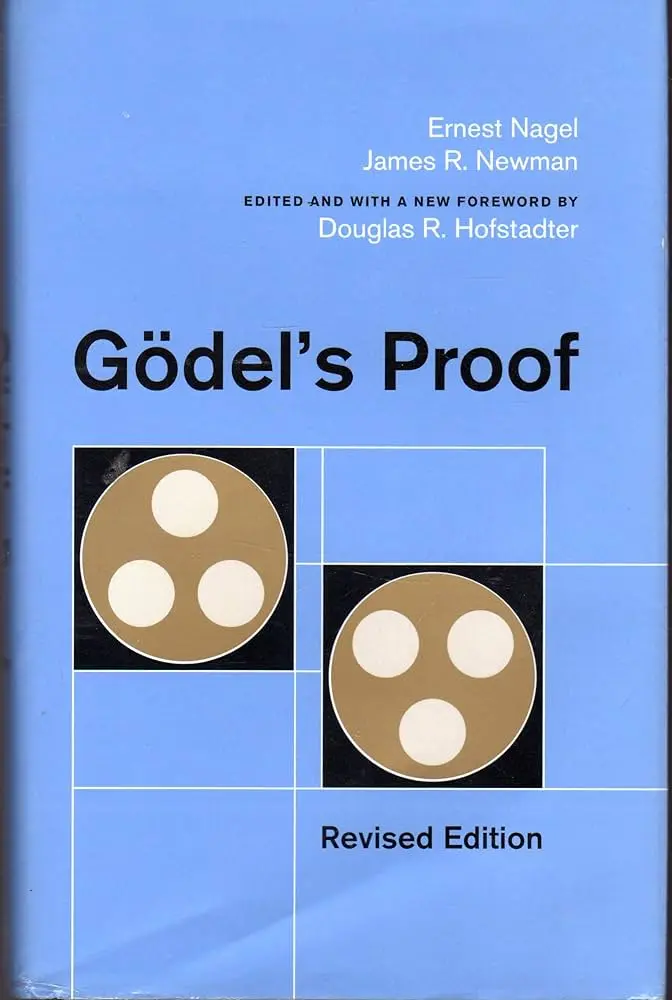
Ernest Nagel, James R. Newman
The most read account of Gödel's incompleteness theorem since 1958. A little over a hundred pages, and the best preparation for anyone who then wants to work up the courage to read Gödel's 1931 paper.
it will happen
Everyone who studies mathematics alone gets stuck. Getting stuck is not a sign that something has gone wrong, it is a sign that learning is happening right at that moment. What matters is how long you stay stuck and how you get out.
For someone studying alone this is the trick that works best. If a concept does not make sense in one book, look at how another author explains it. That is why every course above has more than one book. Reading in Spivak a proof you did not get in Abbott, or in Axler an idea you did not get in Strang, very often undoes the knot.
My favorite piece of Pólya's advice. If you cannot understand a general theorem, look at what it says for n = 2, for a triangle, for a 2×2 matrix. Reduce a problem you cannot solve to a smaller one you can, solve that, and then come back.
If you are stuck on a proof in analysis, the trouble is usually not in the proof but in a definition it uses. Flip back and rewrite in your notebook the definition of every concept in the proof. While you write, what you know only partly comes to the surface.
If you have wrestled with a problem for more than an hour, put it aside and open it again the next day. Most mathematicians say their best ideas came not at the desk but while walking or in the shower. The brain keeps thinking about the problem after you stop.
If you keep getting stuck in analysis, open your introduction to proofs book again. If you keep making mistakes in calculus, go back to your algebra. Going back to the previous course is not going backwards, it is strengthening the foundation.
a second pair of hands
Knowing how to program is not a requirement for learning mathematics, but it makes the work both faster and more fun. Having a computer add up a series and watch it converge, plotting the numerical solution of a differential equation, or testing a conjecture on the first million numbers gives a body to the abstract sentences in the book.
>>> diff(sin(x)**2, x)
2*sin(x)*cos(x)
Python's SymPy library does derivatives, integrals and equation solving symbolically, and NumPy and Matplotlib are enough for numerical work and plots. While you study calculus, checking your own solutions with SymPy teaches more than looking at the solutions manual. If you want a fuller environment, SageMath gathers all these tools in one place.
Problem 1
sum of multiples of 3 or 5 < 1000
Project Euler offers hundreds of problems where mathematics and programming meet, and most of them are solved not by brute force but with a bit of number theory or combinatorics. Once you solve a problem you can see how other solvers approached it, and that part is often more instructive than the problem itself.
theorem add_zero (n : ℕ) :
  n + 0 = n := by rfl
Lean is a proof assistant that checks every step of the proof you write, and in recent years it has earned a serious place in the mathematical world. Alongside the introduction to proofs, the Natural Number Game has you prove the properties of addition and multiplication from the Peano axioms in the browser. It makes you prove every step you were about to wave through with “clearly.”
asked again and again
Yes. All of undergraduate mathematics sits in well-written books, and most of those books have solutions manuals. What you need is the right order, problems solved every day, and the habit of opening a second book when you get stuck. The only real gap in learning alone is that nobody reads the proofs you write, and you can close it with a study partner or a proof assistant like Lean.
The nine courses in this guide come to roughly 1,700 hours of study. At 10 hours a week that is a little over three years, at 20 hours a week it is close to two. You can enter your own pace in the planner above and see your finish date.
After the prerequisites: calculus, an introduction to proofs, linear algebra, abstract algebra, real analysis, complex analysis, ordinary differential equations and partial differential equations. Ordinary differential equations can also come right after calculus and linear algebra, and real analysis can be started in parallel with abstract algebra once the introduction to proofs is done.
Algebraic manipulation, functions, exponential and logarithmic functions, trigonometry and the unit circle. In short, high school mathematics and a good precalculus book. If you can comfortably check at least eight of the ten items in the readiness list near the top of this piece, you can start.
James Stewart's Calculus: Early Transcendentals. Reading Silvanus P. Thompson's Calculus Made Easy next to it helps. Readers drawn to proofs can take a second look at calculus later with Spivak or Apostol.
No. Undergraduate mathematics is not a race with an age limit but a curriculum that moves one course at a time. An adult learner has something younger students lack, which is knowing why they are learning it. Studying without grade anxiety, exam calendars and classroom pressure also often moves faster than people expect.
Yes. Richard Hammack's Book of Proof, Sheldon Axler's Linear Algebra Done Right (4th edition), Jim Hefferon's Linear Algebra and Blitzstein and Hwang's Introduction to Probability are all free on their authors' websites. MIT's open course archive also offers all the videos and problem sets for calculus, linear algebra and differential equations for free.
No, but the more the better. Aim for at least half of each section, never skip the odd-numbered ones whose answers are in the back, and always attack at least a few of the problems marked hardest. A problem you never manage to solve can teach more than ten you solve easily.
Many of the books on this page also have free editions, and our list of free math textbooks collects hundreds more. And if you ever doubt why any of this is worth the hours, read what mathematics is good for.
start here, start today
Not knowing where to start in front of a list this long is normal, so I will plan the first week for you.
Then do it again next week.
Some book links on this page are Amazon affiliate links. Books bought through them make a small contribution to Abakcus's hosting costs and do not change the price of the book.
Keep wandering
A few more pieces in the same spirit — math, design, and slow attention.
A Self-Learner's Roadmap Through 30+ Great Math Books
Not a pile of recommendations. A path — the order to read in, the choices to make, and the places people quietly give up.
Open
The Feynman Technique: A Complete Guide
The four-step learning method developed by Nobel Prize-winning physicist Richard Feynman. How it works, why it works, and how to apply it to anything.
Open
The 17 Best Books for Learning Mathematical Proofs
A reading order for anyone moving from computing answers to writing proofs, from the first textbook all the way to Gödel.
Open
Free Math Textbooks from University Mathematicians
125 textbooks that mathematicians give away on their own pages, from high school algebra to graduate analysis, sorted by subject, level and format.
Open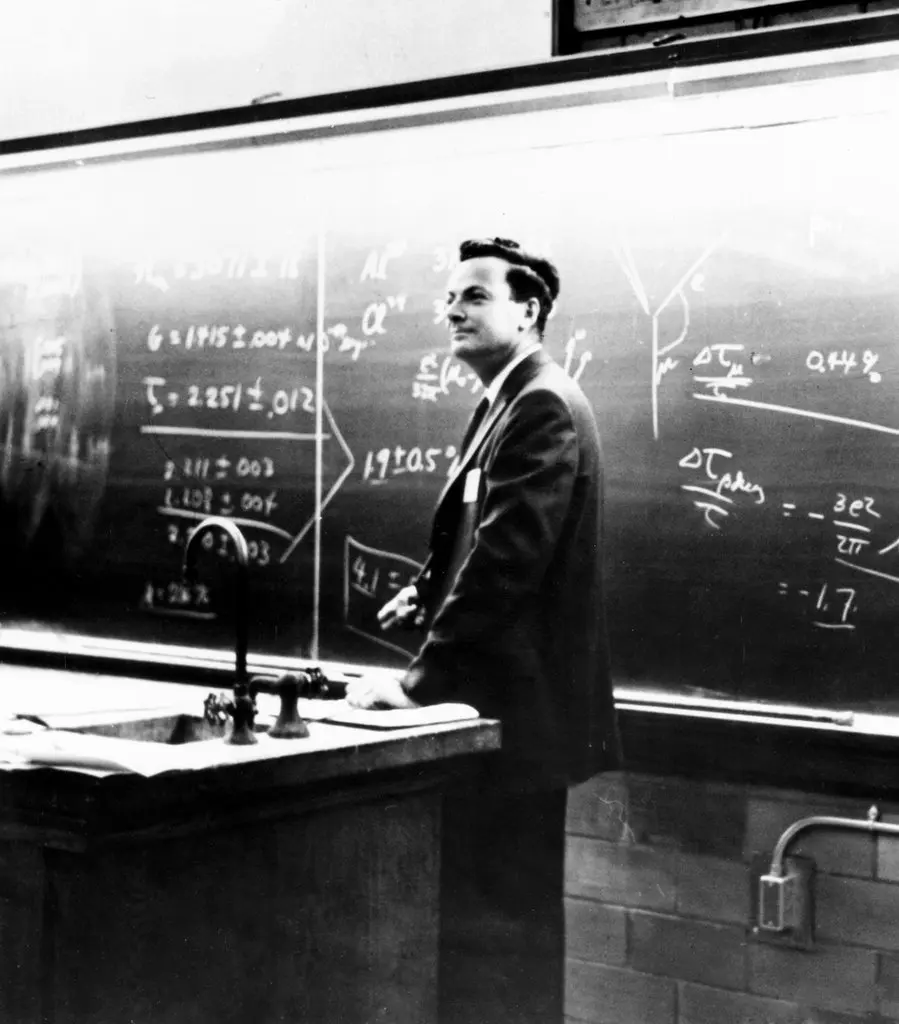
Feynman on How Math Should Be Taught to Children
In 1965, Feynman read 500 pounds of math textbooks and wrote the sharpest critique in the history of mathematics education. Sixty years later, the problem is still with us.
Open
What Is Mathematics Good For?
Nobody loves music because it is useful. Nobody plays football because sport is good for you. A manifesto on why mathematics is good for nothing — and, for that very reason, good for everything.
Open