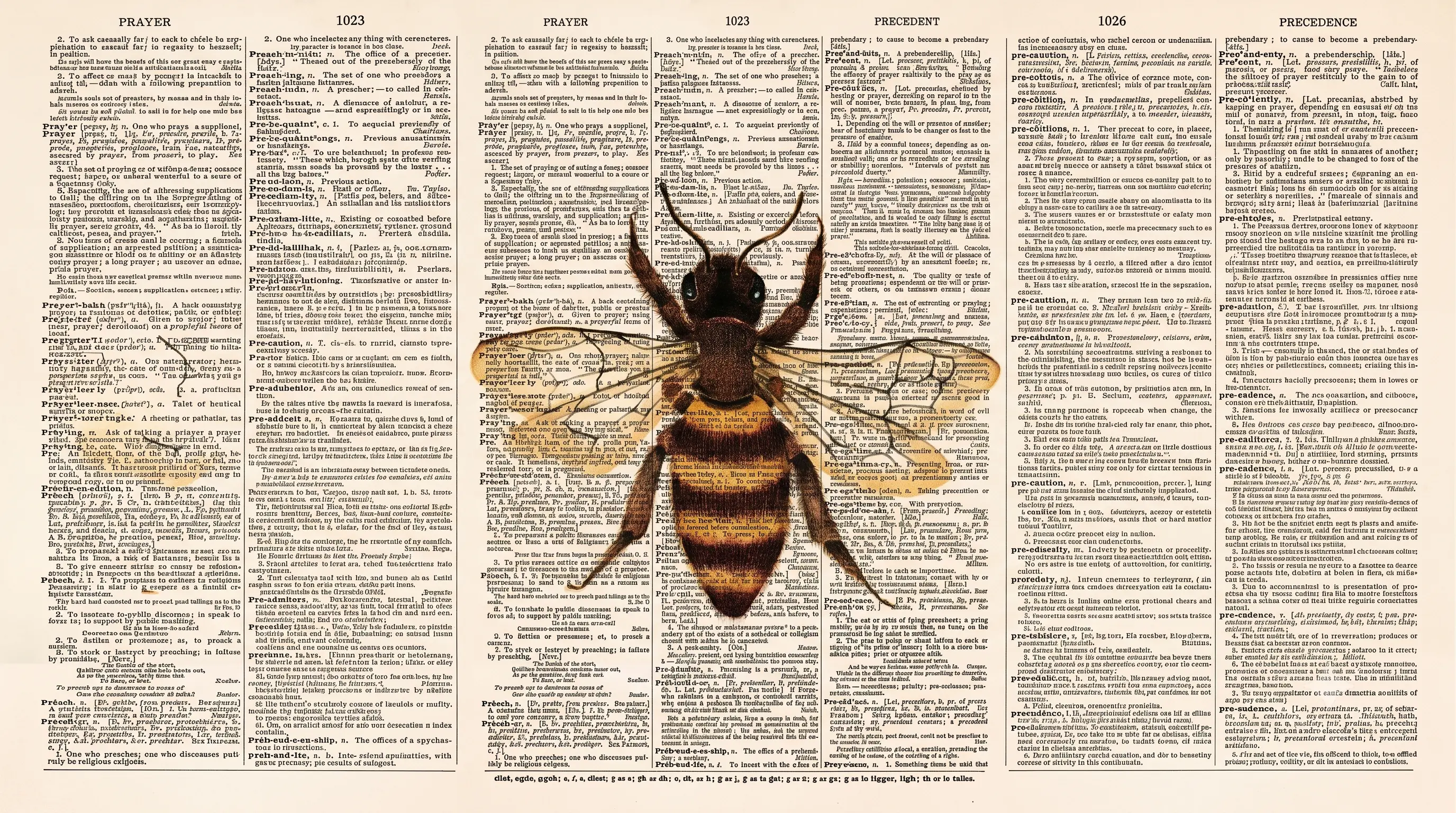
Stand in front of a hive on a good afternoon and you can read the countryside off the bees themselves. Foragers land with pellets packed onto their hind legs, and the pellets are coloured: chalk-yellow from willow, deep orange from dandelion, brick red from horse chestnut, a strange slate blue from poppy, purple-grey from phacelia. Beekeepers keep printed pollen charts for exactly this, the way a dyer keeps a swatch book of colours pulled out of fungi. You do not have to see the field to know the bees have found it.
A reading list works the same way. Seventeen books about bees, and not one of them is about bees in the way a single subject heading would suggest. One is a treatise on collective decision-making that happens to use swarms. One is an economic argument in rhyming couplets that a grand jury tried to suppress. One is a novel narrated from inside the brood nest. Each came back a different colour.
No manuals here. Nothing that tells you how to install a package or when to add a super. Those books are useful and I own several, but they are instructions, and instructions do not survive being read twice. What follows is grouped by what the book is actually doing: behaviour and the senses first, then history and argument, then reportage, then fiction. If you would rather watch than read, start with Markus Imhoof’s documentary on his grandfather’s bees and come back.
All seventeen books
Books 01 – 07
Behaviour and the senses
01 of 17
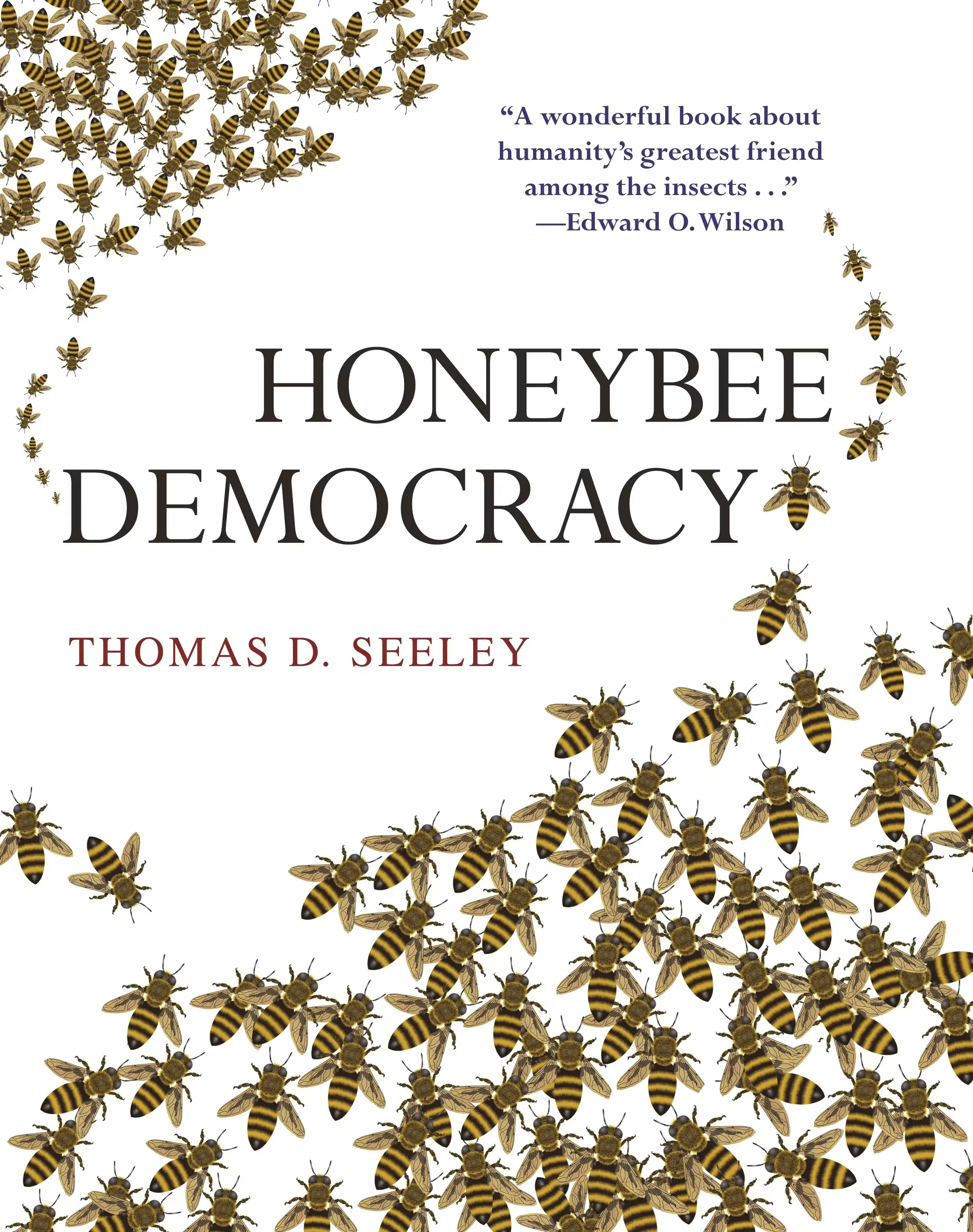
Honeybee Democracy
Thomas D. Seeley · 2010
A swarm hanging from a branch has a few days to choose a home, and it chooses well: dry, high, small-mouthed, roughly forty litres. Seeley spent summers on Appledore Island putting out numbered nest boxes to find out how. Scouts fly out, come back, and advertise what they found by dancing; a scout who has seen a better site interrupts a rival’s dance with a short head-butt and a beep, which shuts her down.
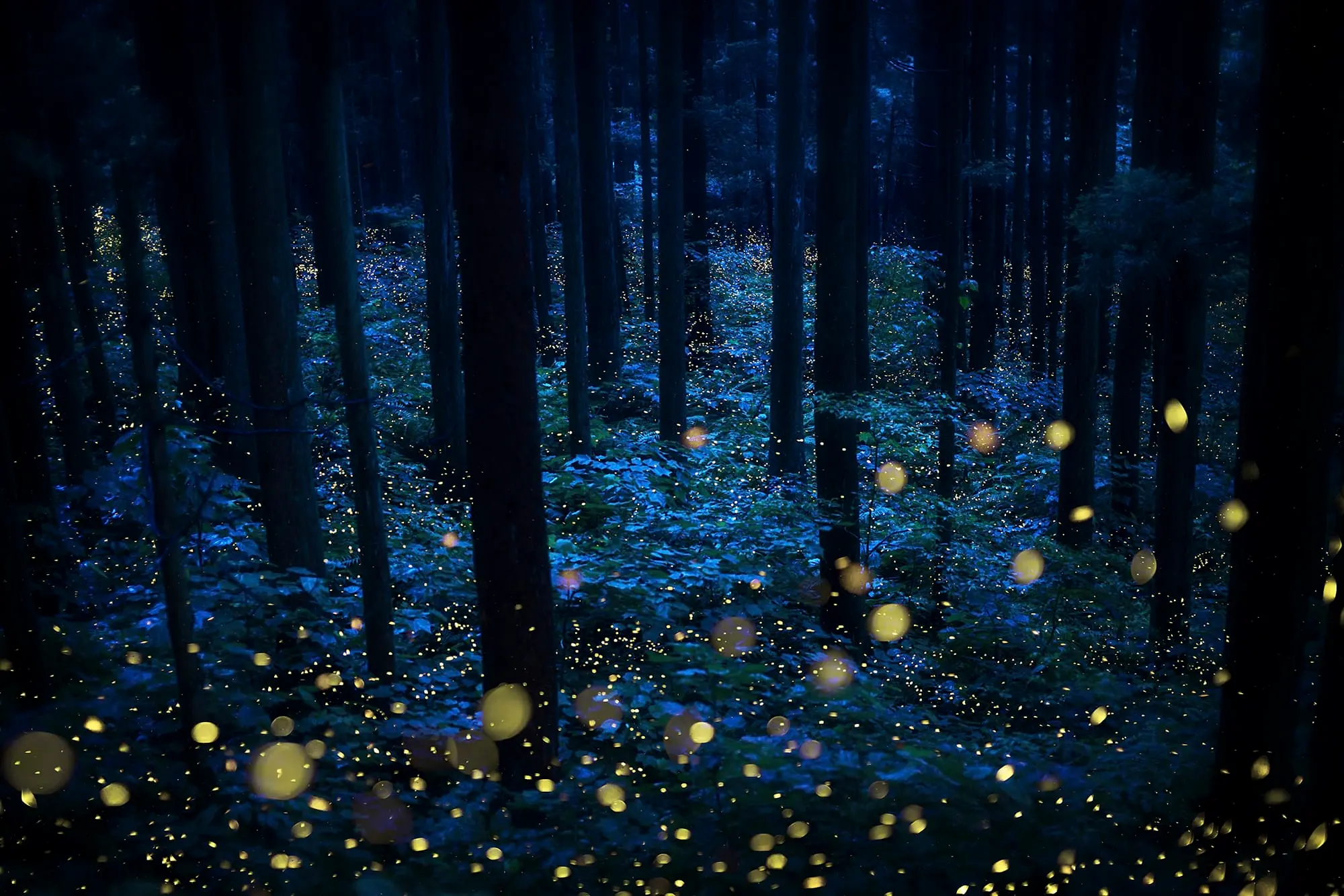
The result that stays with you is the stopping rule. The swarm does not wait for a majority to agree. It waits until fifteen or twenty bees are standing together at one site, and then it goes. Nobody counts the votes because nobody has to; the quorum is sensed locally, in a crowd, by bees who have no idea what the whole hive thinks — the same trick fireflies use to flash in unison, with no conductor anywhere in the field. If you read one book on this list, read this one, and read it with your own committee meetings in mind.
02 of 17
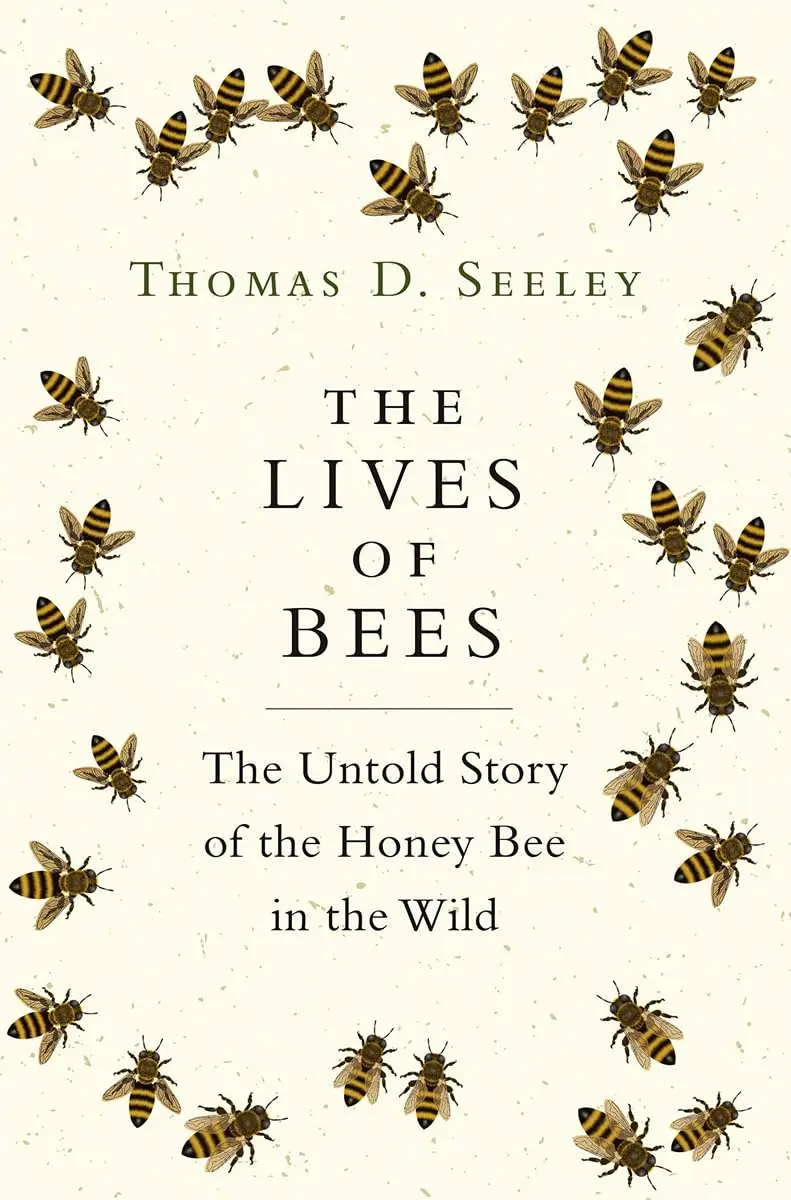
The Lives of Bees
Thomas D. Seeley · 2019
Seeley’s later book, and a quieter one. It is an argument about what a colony looks like when nobody is managing it. He surveyed the wild colonies living in the Arnot Forest in upstate New York and found them spaced roughly 800 metres apart, nesting high, in cavities far smaller than the boxes we give them, with the walls coated in propolis they collect for reasons that have nothing to do with sealing draughts.
Every difference between that forest and an apiary — spacing, cavity size, swarming, drone comb, mite load — turns out to be a difference that matters. I wrote about this book separately and at length, because the bee-lining chapters deserved their own room.
03 of 17
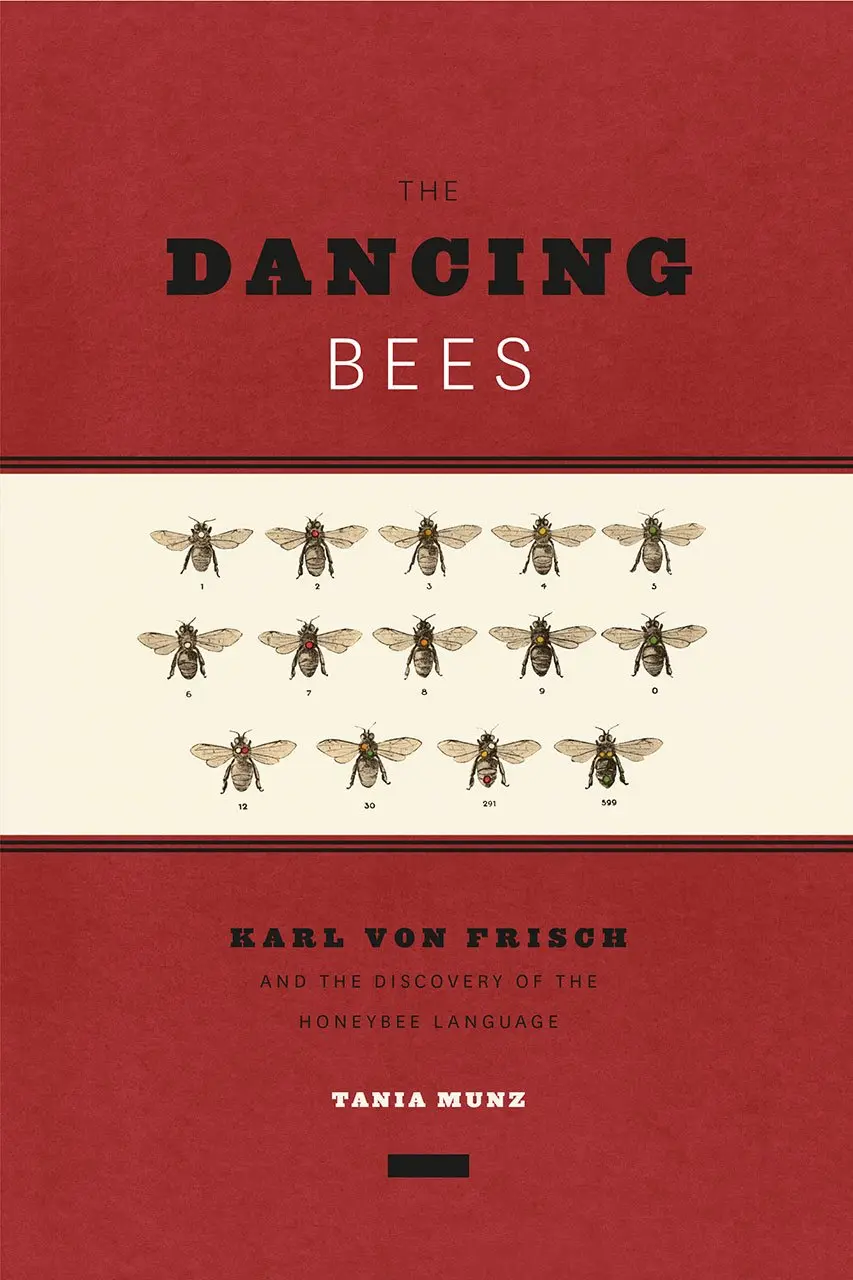
The Dancing Bees
Karl von Frisch · 1927
The founding document. Von Frisch put colonies in glass observation hives, painted numbers on individual bees, and watched them for thirty years. What he established is still the most astonishing fact in animal behaviour: a returning forager walks a straight line across a vertical comb, waggling, and the other bees read out of it both the direction and the distance of a flower patch they have never seen.
The transposition is the beautiful part. Out in the field the angle is measured against the sun. Inside the dark hive there is no sun, so the bee substitutes gravity — straight up stands for straight toward the sun — and everyone in the audience performs the same substitution in reverse. He shared the Nobel Prize in 1973, at eighty-seven, for work he had begun before either of his co-recipients was born.
Read a waggle dance
The comb is on the left, the countryside on the right. Turn the run and the food moves around the sun; lengthen the run and it moves further out.
On the comb · vertical
In the field · plan view
Distance here follows the rough rule of about one kilometre per second of straight run. The real calibration is not universal — it drifts between races of bee and between colonies, which is one of the arguments von Frisch had to win twice.
04 of 17
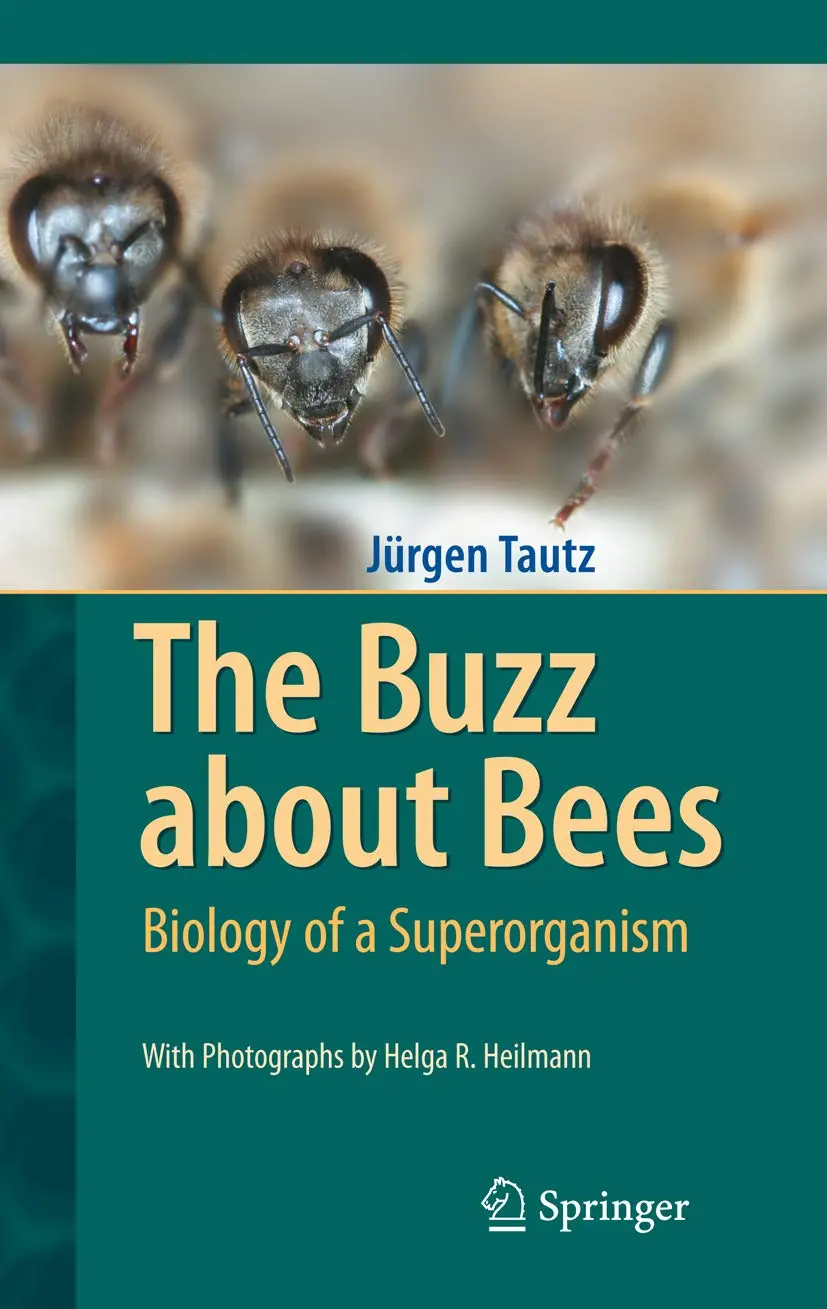
The Buzz about Bees
Jürgen Tautz · 2008
Subtitled Biology of a Superorganism, and the subtitle is the whole thesis: read the colony as one animal rather than as forty thousand small ones. Tautz makes the case with the comb. Wax is not furniture. It is a taut membrane that carries the vibrations of a dancing bee outward, so the audience takes the message in through their legs as much as their antennae.
Then the temperature chapter, which I did not see coming. The brood nest is held near 35 °C, and the exact temperature a pupa is raised at shapes what she will be good at as an adult — which jobs she takes, how well she learns. The colony is not just feeding its young. It is deciding what kind of workforce it will have in three weeks.
05 of 17
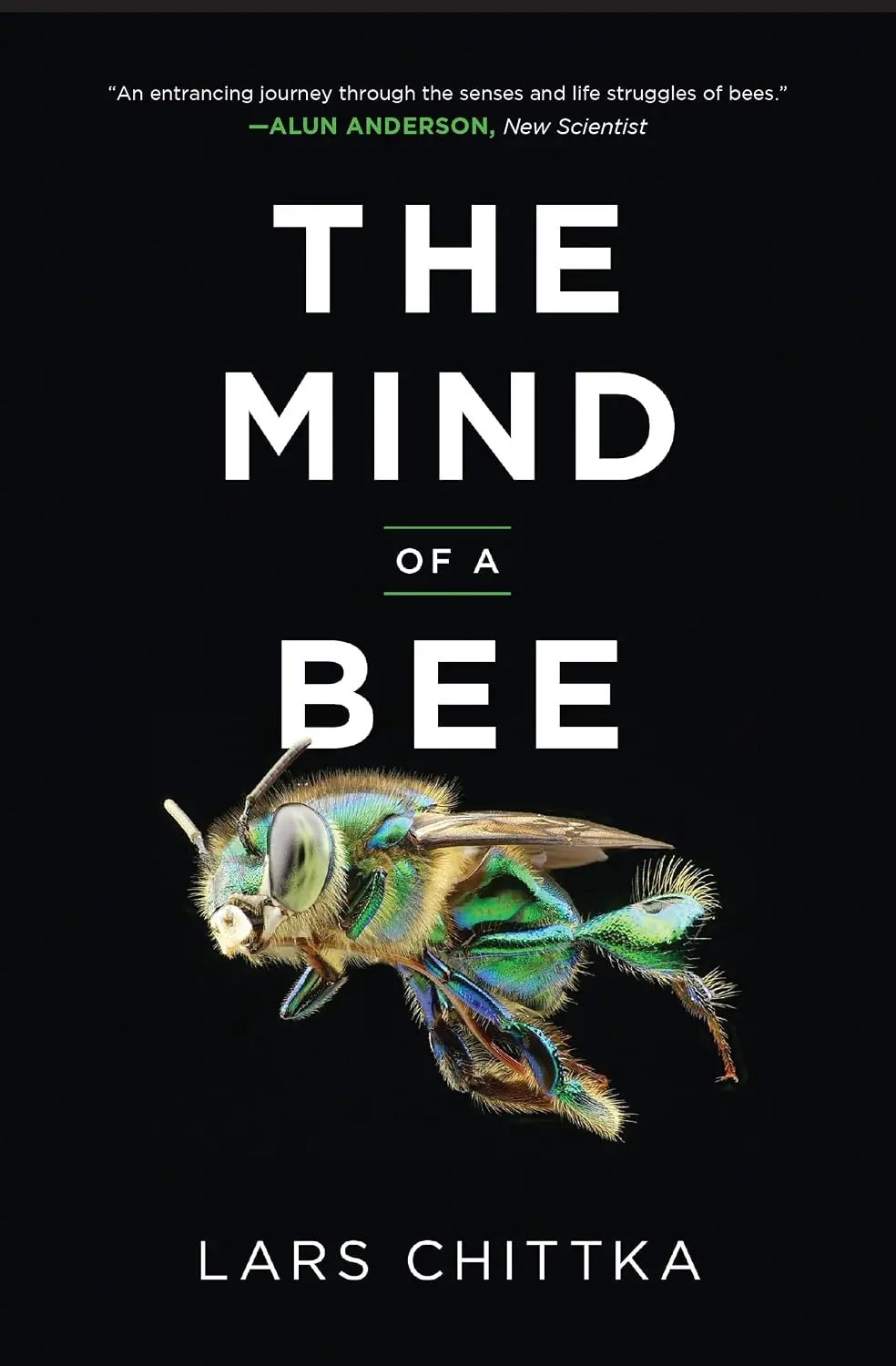
The Mind of a Bee
Lars Chittka · 2022
Chittka’s lab trained bumblebees to roll a small ball into a goal for a sugar reward — a task with no counterpart in anything a bee does in the wild — and then found that other bees could learn it by watching. They pick small numbers apart. They recognise patterns that stand in for human faces. Individual bees, raised alike, differ measurably in nerve and persistence.
What makes the book better than a parade of tricks is that Chittka keeps asking what it would take to be wrong. A million neurons is not many. He is careful about the line between clever behaviour and inner life, and he stands close enough to it that the reader has to decide something.
06 of 17
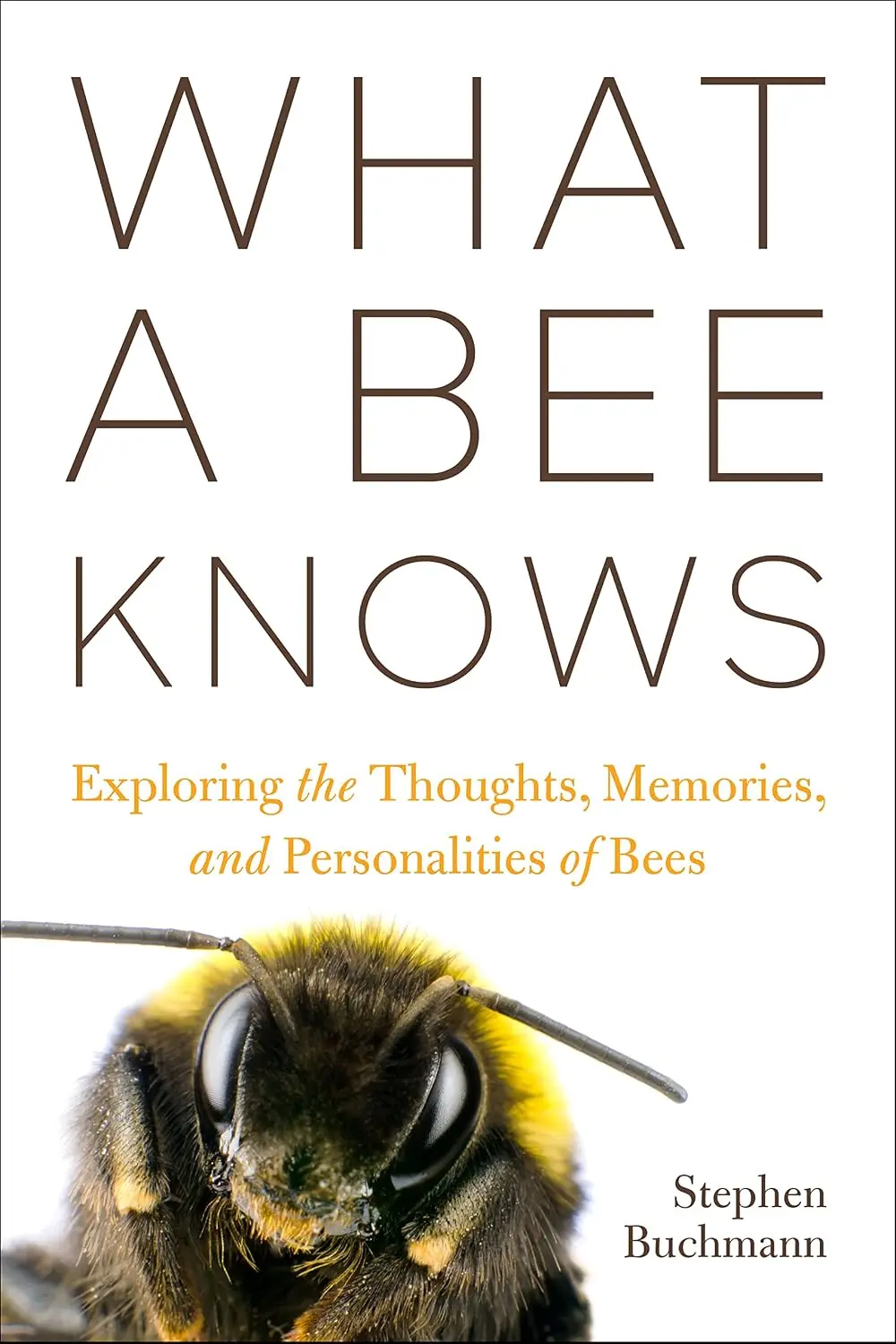
What a Bee Knows
Stephen Buchmann · 2023
The sensory companion piece to Chittka, warmer in tone and stronger on flowers. The fact I keep repeating to people came from here: a flower carries a weak electric field, a bee arrives charged from flight, and the field changes measurably after a visit. The next forager can tell the cup was just emptied without landing on it.
Buchmann has spent a working life among solitary bees in the desert Southwest, and it shows in the specificity — a useful corrective, since the great majority of the world’s twenty thousand bee species keep no hive, no queen and no honey at all. He is also the co-author of The Forgotten Pollinators, which is the book to read next if this one lands.
07 of 17
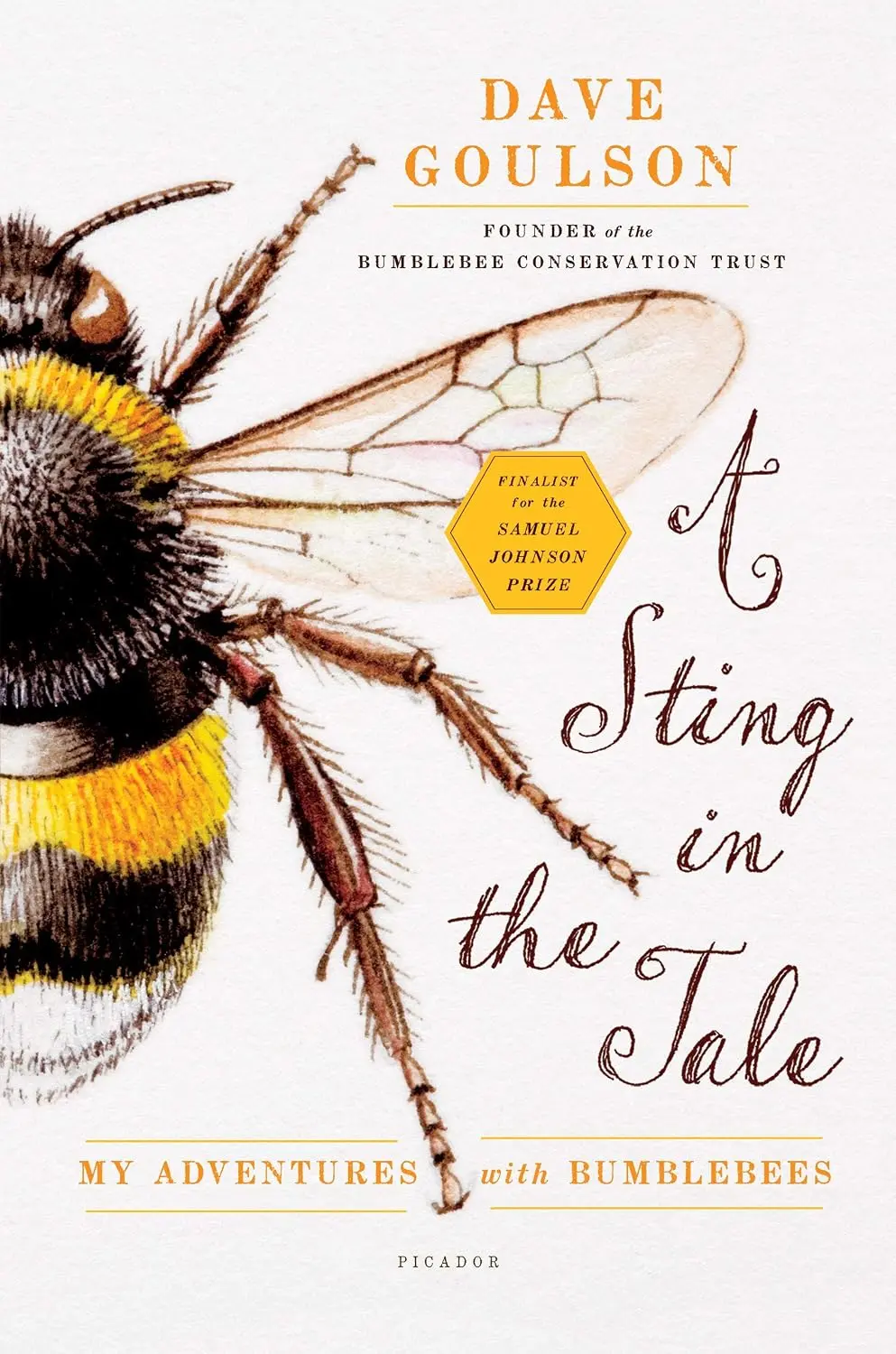
A Sting in the Tale
Dave Goulson · 2013
Goulson is a bumblebee man and very funny about it. The spine of the book is his attempt to bring the short-haired bumblebee back to Britain after it was declared extinct there, by going to New Zealand for stock descended from British bees shipped out in wooden crates in the 1880s — a colonial accident that turned into a genetic ark.
Along the way: bumblebees leave scent marks on flowers they have already drained, and can tell how long ago the mark was left, so a foraging bee reads a flower bed the way you read a parking meter.
Books 08 – 11
History and argument
08 of 17
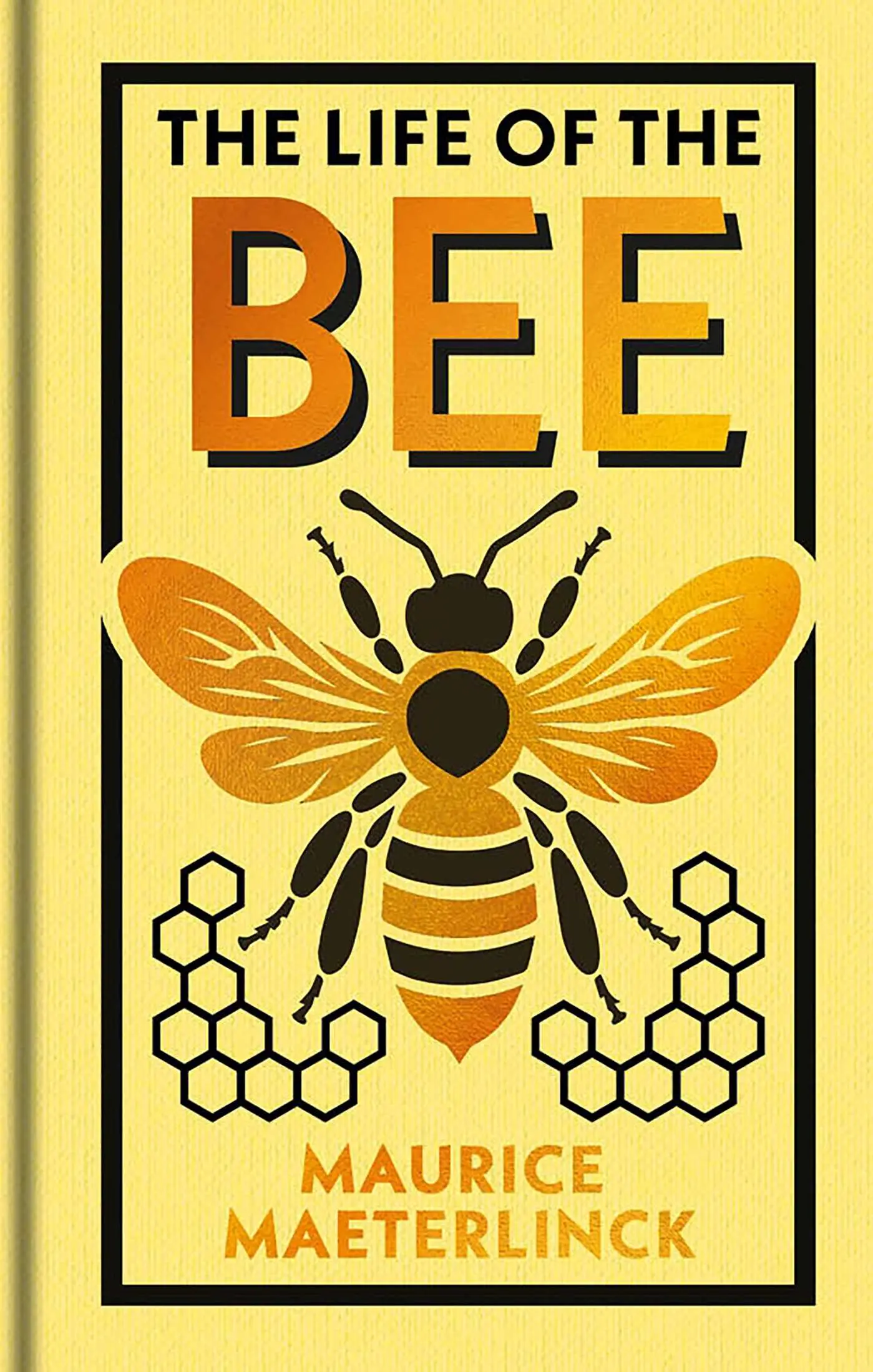
The Life of the Bee
Maurice Maeterlinck · 1901
A Belgian playwright who would win the Nobel Prize in Literature wrote the most-quoted bee book of the twentieth century, and he did it from his own hives. His phrase for what he could not otherwise name — the spirit of the hive — has outlived most of the biology it was attached to.
Some of the science is wrong and all of the prose is grand, and I would not trade it. The chapter on the nuptial flight, where the queen climbs until only the strongest drones remain with her, is the best-written page in the whole subject. Read it as literature about attention and it never dates.
09 of 17
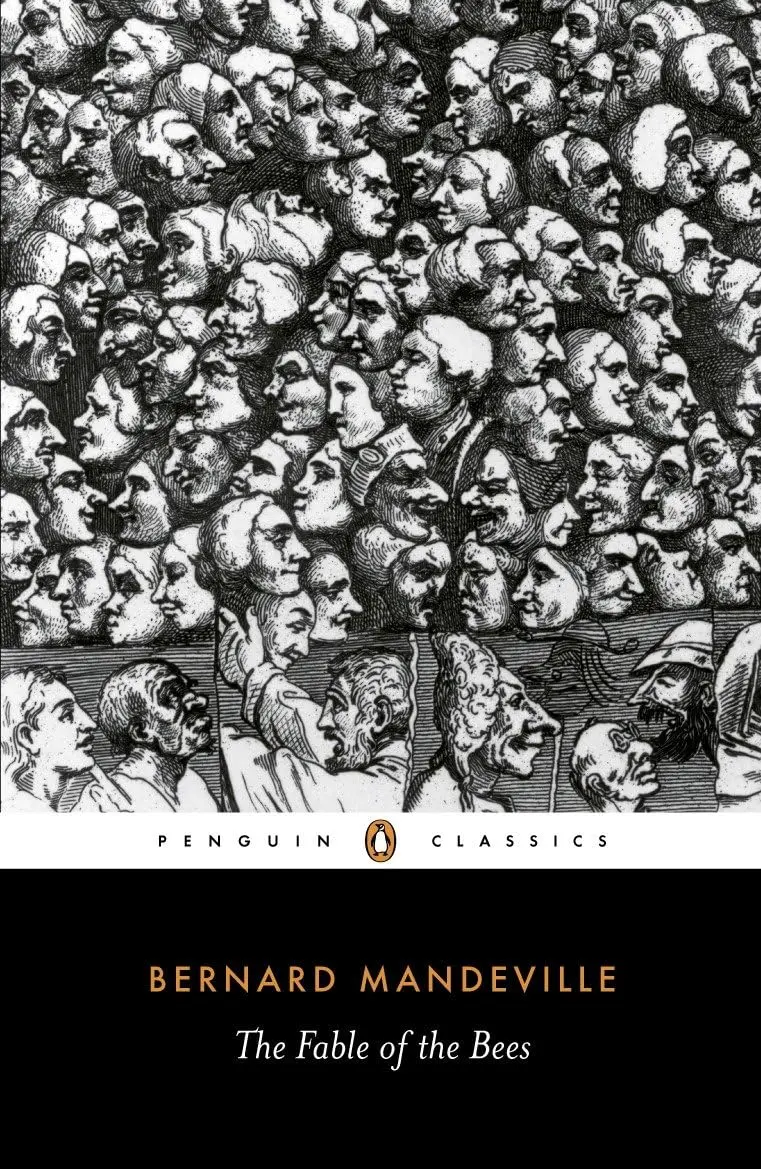
The Fable of the Bees
Bernard Mandeville · 1714
Not entomologyIt began as a doggerel poem, The Grumbling Hive, in 1705: a prosperous hive full of cheats and vain spenders wishes itself honest, gets its wish, and collapses into a virtuous nothing. Mandeville then spent twenty years bolting essays onto it to make the argument explicit — private vices, public benefits.
A Middlesex grand jury presented the book as a public nuisance in 1723. Adam Smith argued with it, and so did every moralist who came after. It is on this list because it is the reason the hive became the standard picture of an economy, and because it is the only book here that a jury tried to suppress.
10 of 17
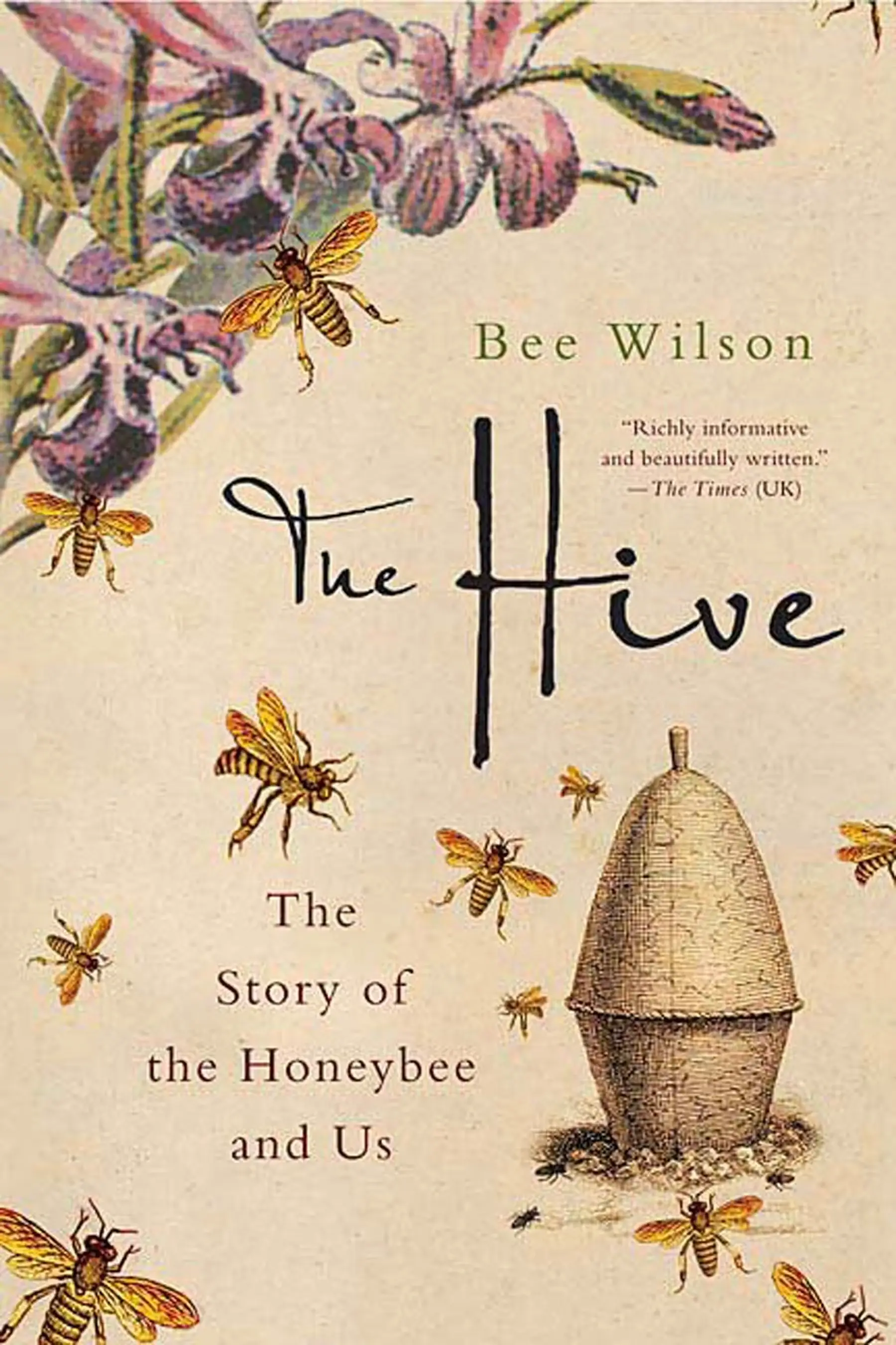
The Hive: The Story of the Honeybee and Us
Bee Wilson · 2004
A cultural history of what people have wanted the hive to prove. Monarchists found a monarchy in it, republicans a republic, and the nineteenth century found a factory. Every reading was confident and most of them were projections.
The turn in the book is the moment the projection broke: seventeenth-century dissection under the new microscopes established that the ruler of the hive was female, and Europe had to rewrite a political metaphor it had been using since antiquity. Wilson writes with a food historian’s ear, which keeps the honey in the story.
11 of 17
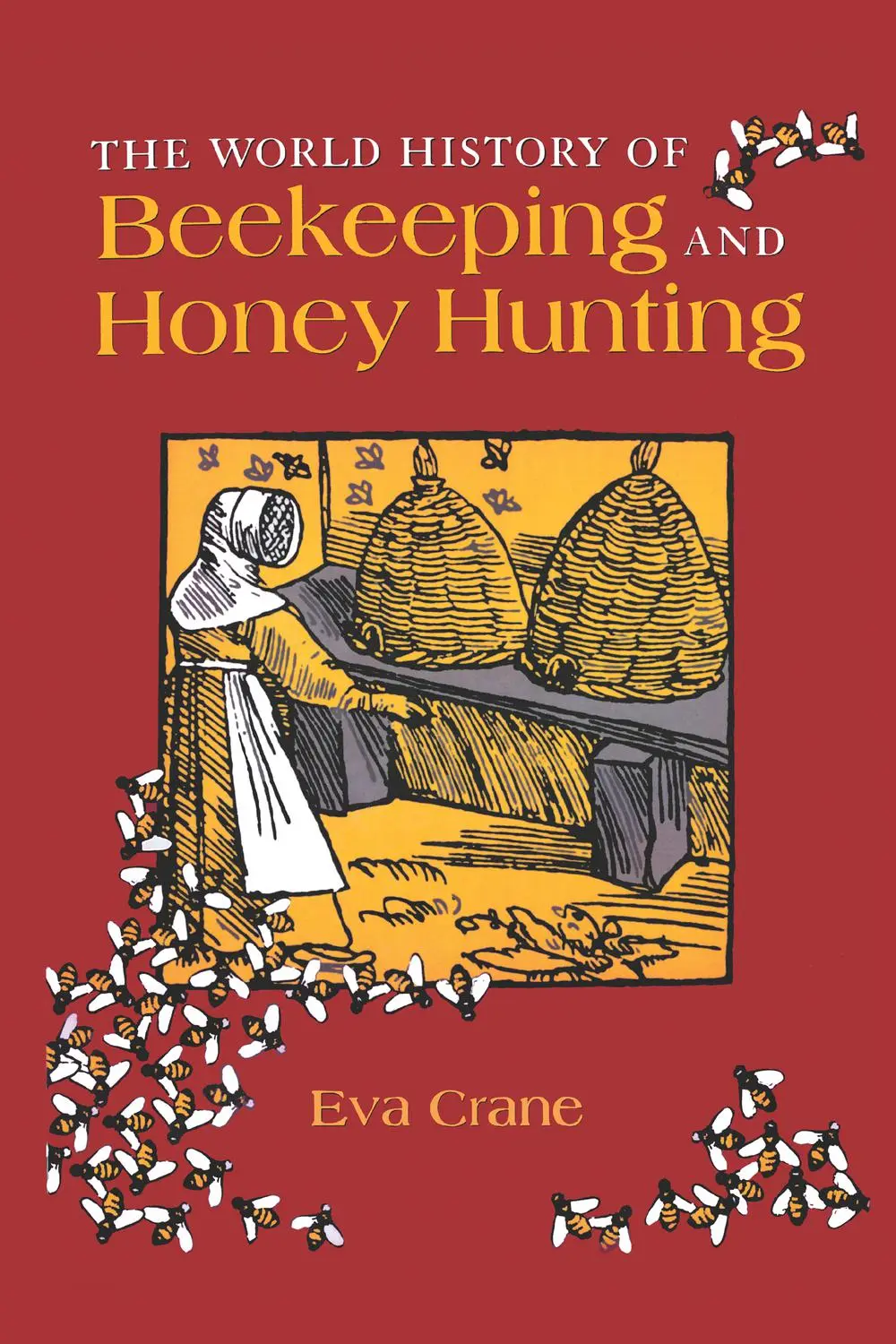
The World History of Beekeeping and Honey Hunting
Eva Crane · 1999
ReferenceCrane trained as a nuclear physicist. She was given a hive as a wartime wedding present, partly for the sugar ration, and it redirected the next sixty years of her life. She went on to build the world’s clearinghouse for bee research and to travel to some sixty countries collecting how people take honey.
This is a six-hundred-page reference and I am not pretending it is a bedtime book. It is on the shelf because it is the place where cliff honey-hunting, log hives, skeps and clay pipes all sit in one continuous record, and because no one is likely to assemble such a thing again.
Books 12 – 14
Reportage and memoir
12 of 17
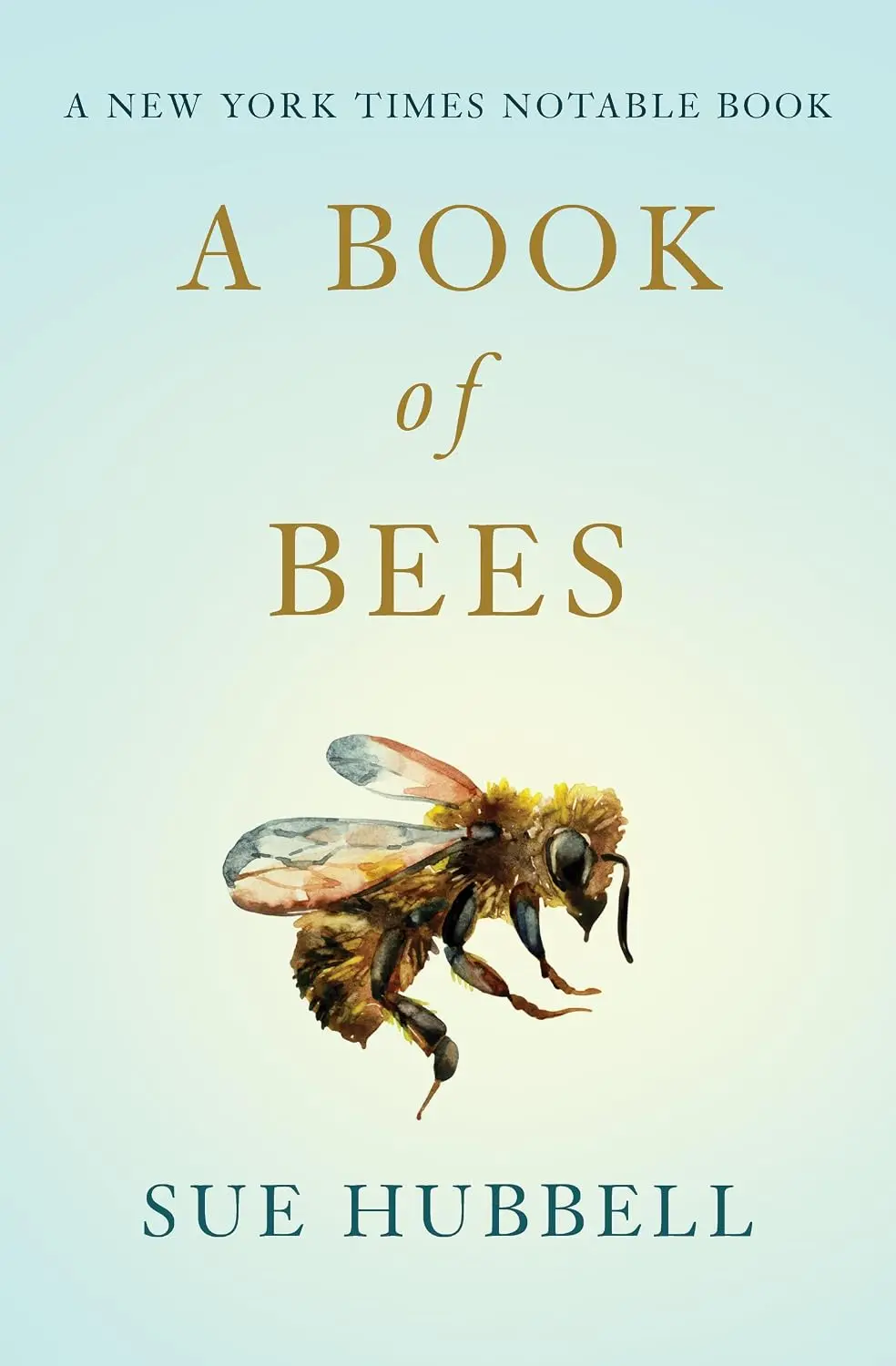
A Book of Bees
Sue Hubbell · 1988
Hubbell kept around three hundred hives in the Ozarks and wrote about a single year of them, season by season, in prose so plain it takes a while to notice how good it is. She is unsentimental about the parts that are hard: the ones that die, the ones that go mean, the money.
It is the book to hand someone who says they are thinking about keeping bees, because it answers the question they are actually asking, which is not how but what it is like.
13 of 17
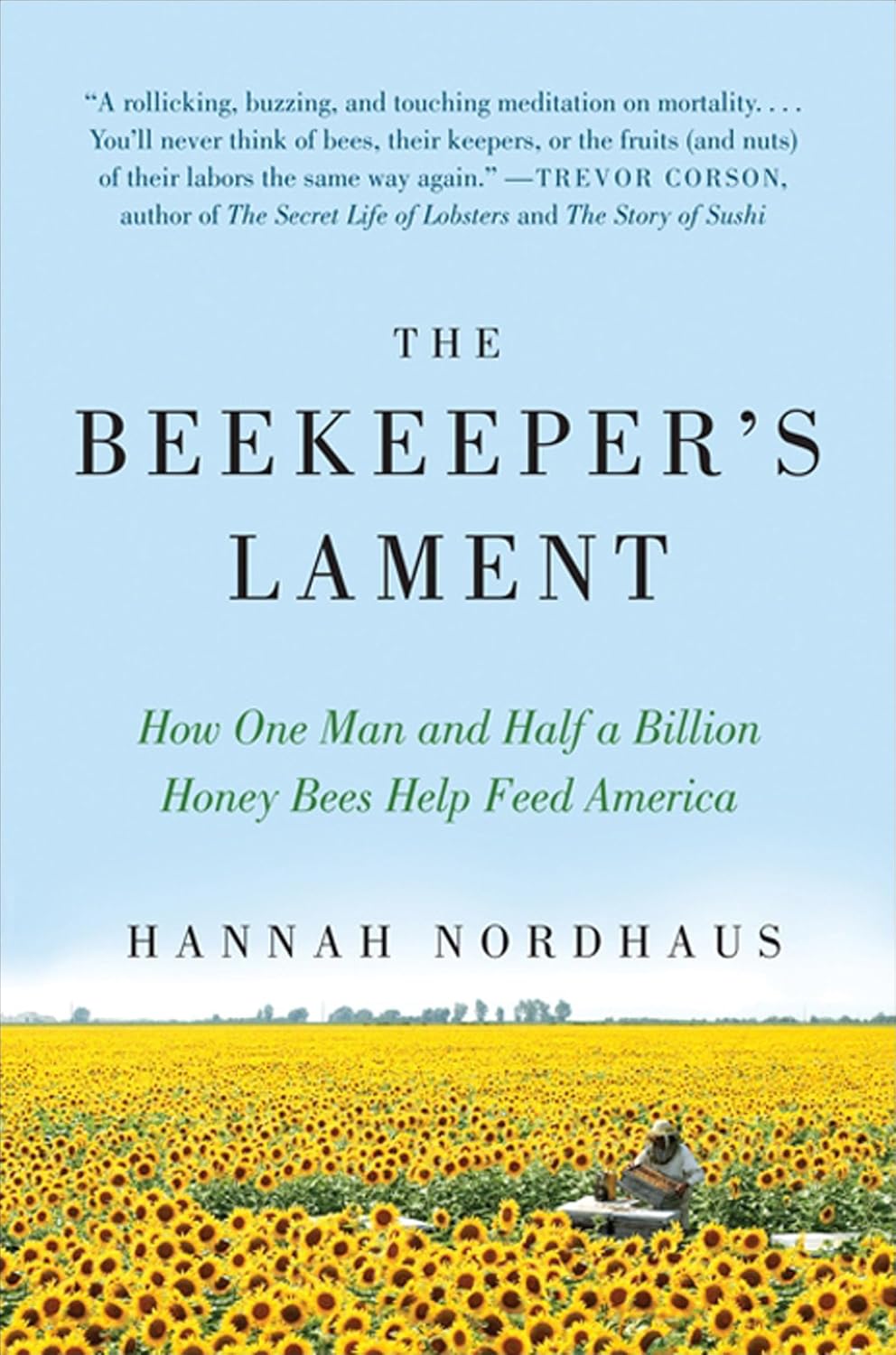
The Beekeeper's Lament
Hannah Nordhaus · 2011
Nordhaus follows John Miller, a migratory beekeeper who loads thousands of hives onto flatbeds and drives them across the country. The engine of the story is the California almond bloom, which needs more colonies in one valley for a few February weeks than any other agricultural event on earth.
This is the book that explains why the collapse story was never only about a virus or a chemical. It is about an animal being asked to work like a machine, on a schedule, over interstate distances, and the bill coming due in the spring.
14 of 17
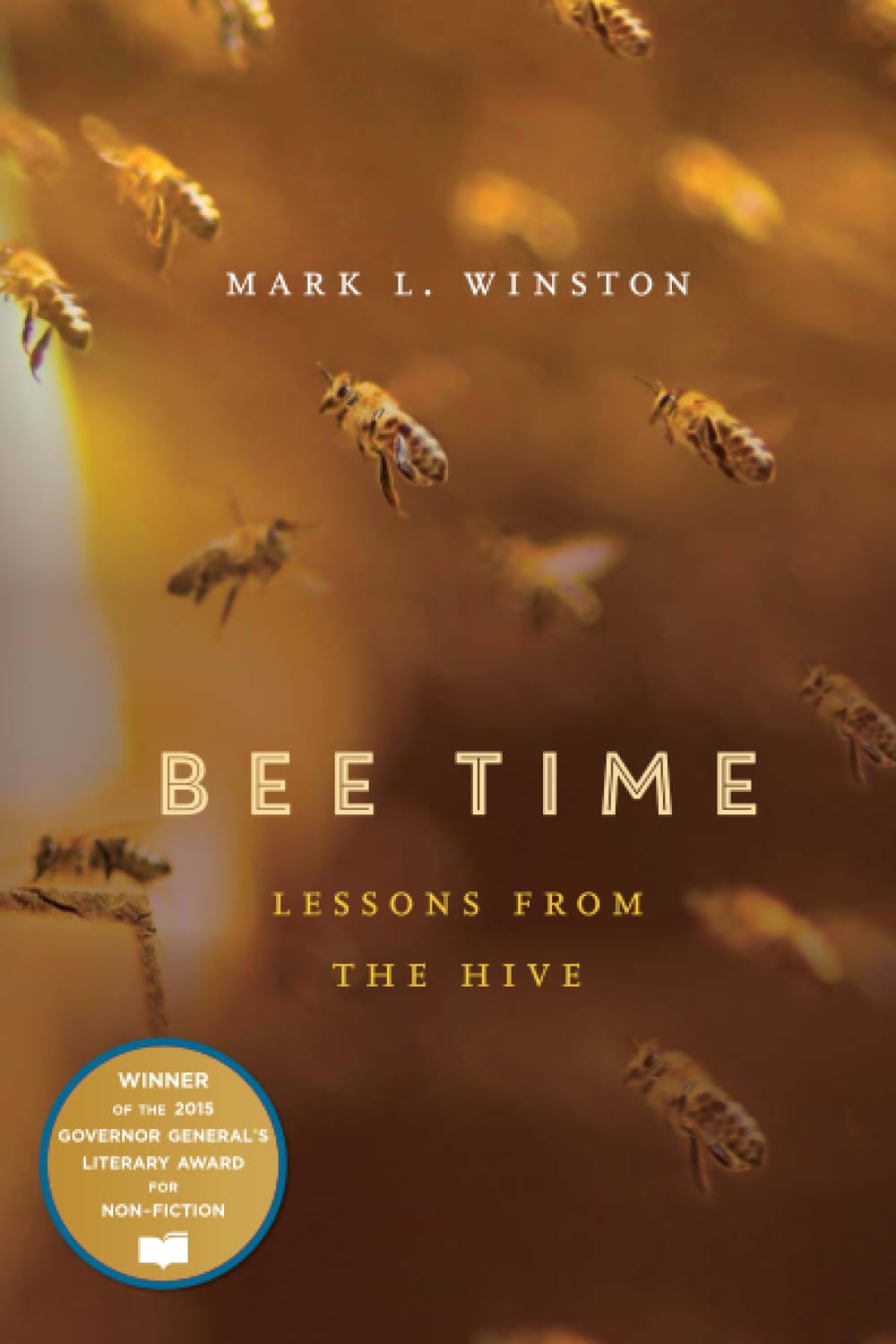
Bee Time: Lessons from the Hive
Mark Winston · 2014
Winston ran a bee laboratory for more than thirty years, and this is his book of essays rather than his textbook. The title is literal: he argues for the pace that beekeeping enforces, where you cannot hurry a colony and the answer to most questions is to wait a week and look again.
His best passage is about touch. A hive is a body in constant physical contact, every bee brushing every other, and information moves through that contact rather than through any channel we would recognise as broadcast. He then turns it, carefully, on how we organise ourselves — and earns the turn, which almost nobody does.
Twenty thousand species, and the one we argue about is a single unusual case that happens to be portable.
Books 15 – 17
Fiction
15 of 17
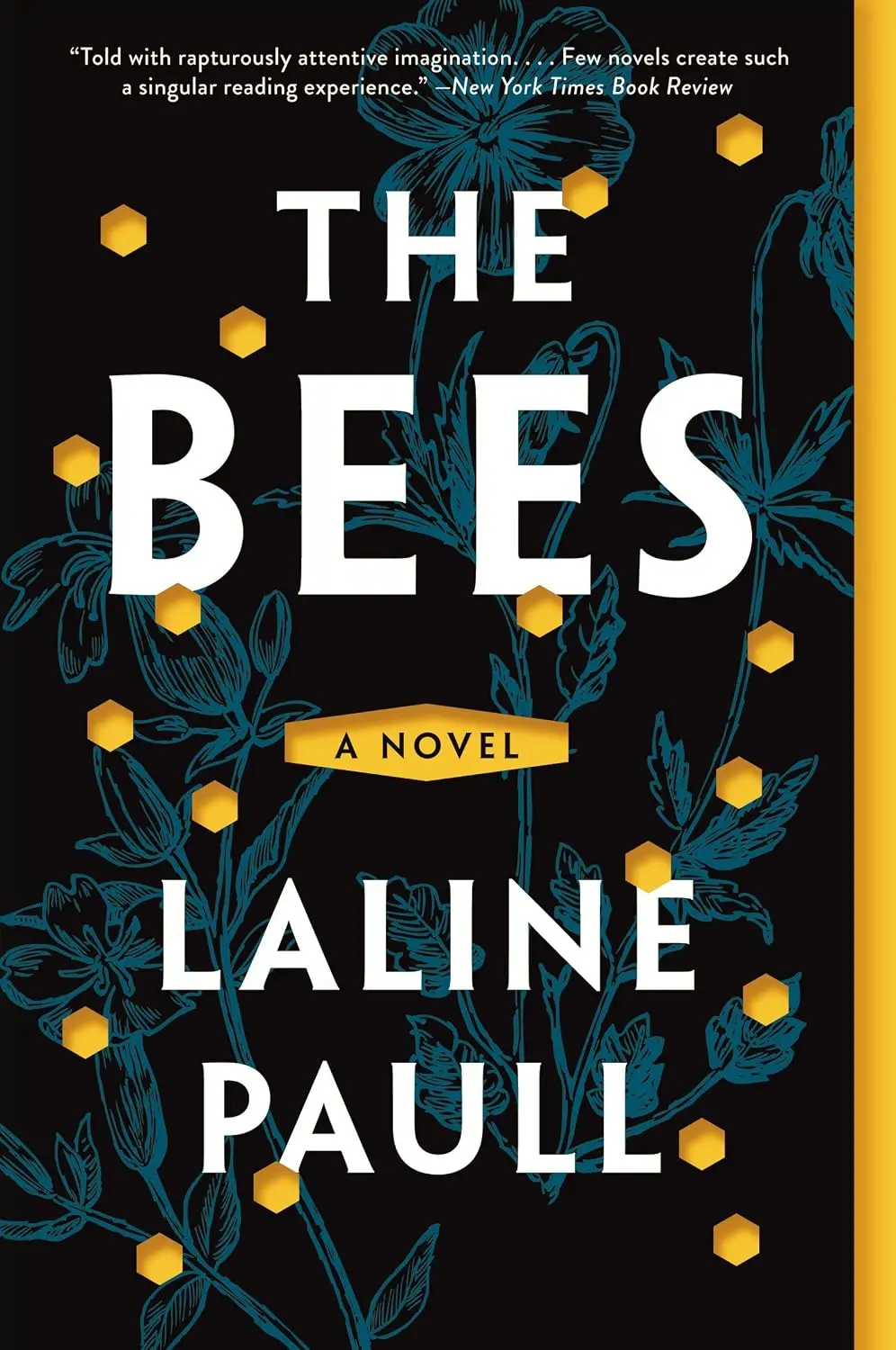
The Bees
Laline Paull · 2014
NovelNarrated by Flora 717, born into the sanitation caste, in a hive with a priesthood, a police force and a doctrine. It should be unbearable and it is not, because Paull did the homework: the castes, the dances, the swarming, the drones, the failing forage outside are all recognisably the real thing.
The trick of it is that the strangeness of the biology does all the work that invented lore would have done in a worse book. Nothing in the hive had to be made up to be frightening.
16 of 17
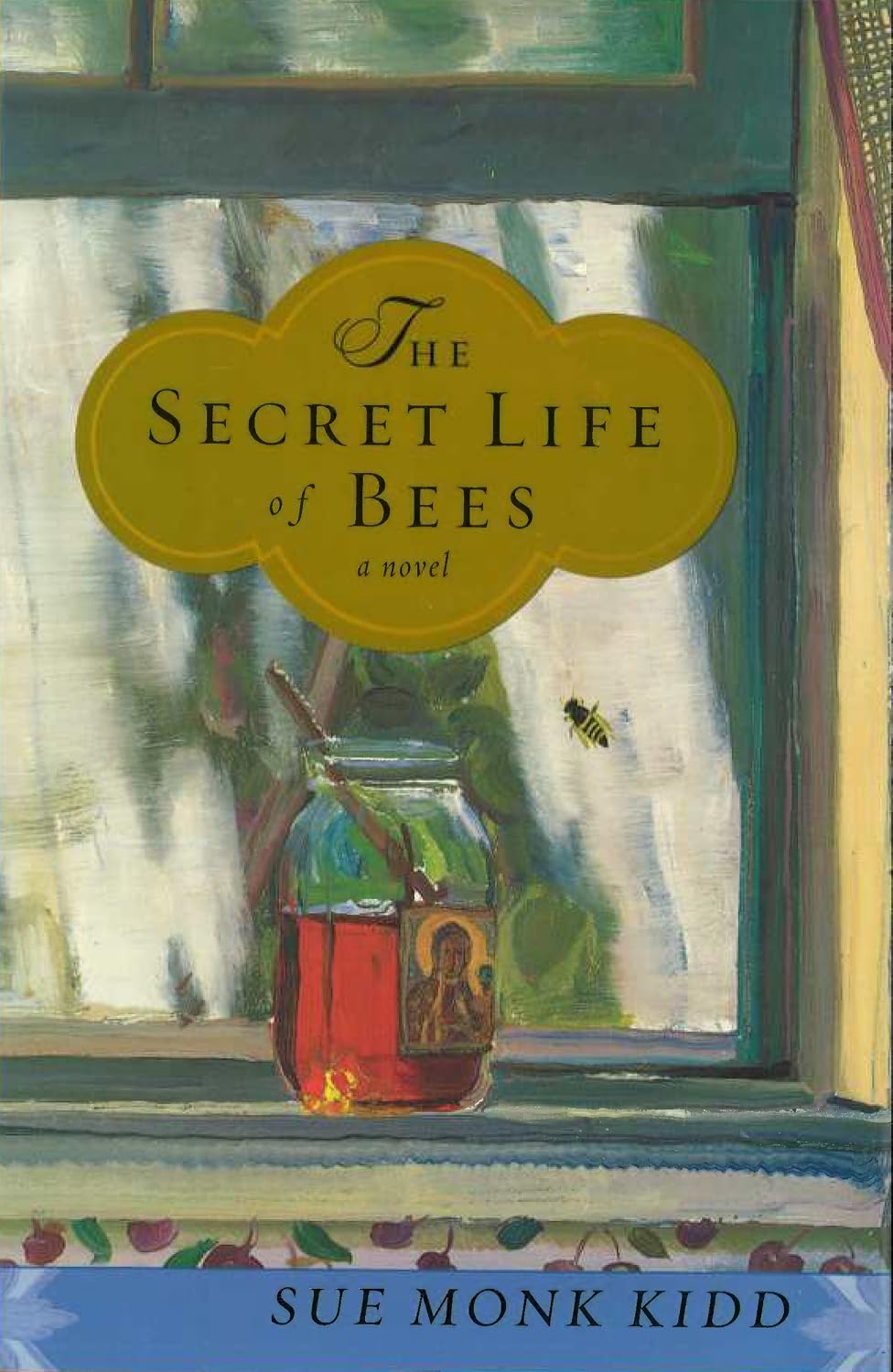
The Secret Life of Bees
Sue Monk Kidd · 2002
NovelSouth Carolina, 1964, a runaway girl and three sisters who keep bees and sell honey. The beekeeping is not decoration; the hive is where the book does its thinking about who tends whom.
I include it without apology for its popularity. It is the door most readers actually walk through, and a list that only admits Seeley and von Frisch is a list nobody hands to a friend.
17 of 17
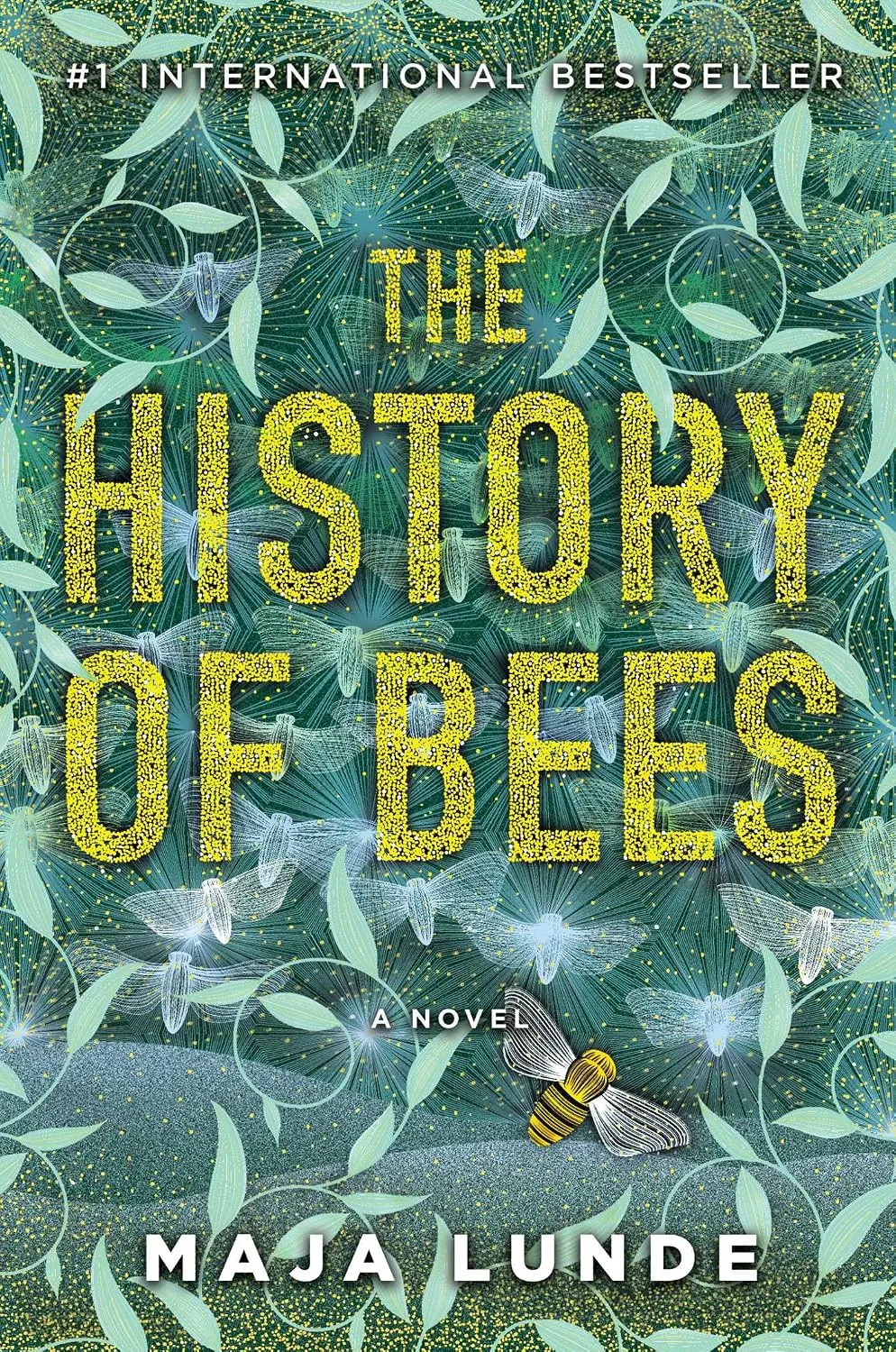
The History of Bees
Maja Lunde · 2015
NovelThree strands: an English seed merchant in 1852 designing a new hive, an American beekeeper in 2007 watching his colonies empty, and a woman in 2098 who climbs fruit trees with a brush because there is nothing left to do the work.
The 2098 strand is the one that gets quoted, but the 1852 strand is the better writing — a man convinced that the right design will redeem him. Lunde is Norwegian and the book was a phenomenon across Europe before it reached English.
Common questions
Reader questions about bee books
What is the best book about bees?
Honeybee Democracy by Thomas D. Seeley, for a general reader. It follows how a swarm chooses a new home — scouts dance to advertise the sites they have found, and the swarm moves once a quorum of fifteen or twenty bees is standing at one of them. The biology is first-hand and the argument about collective decision-making carries well beyond bees.
Which book explains the honeybee waggle dance?
The Dancing Bees by Karl von Frisch. He established that a forager encodes both direction and distance in a straight run across the comb: the angle away from vertical is the angle of the food away from the sun, and the length of the run stands for the distance. He shared the 1973 Nobel Prize in Physiology or Medicine for it.
What should a beginner beekeeper read first?
A Book of Bees by Sue Hubbell, then The Beekeeper’s Lament by Hannah Nordhaus. Neither is a manual. Hubbell answers the question beginners are really asking — what beekeeping is like — and Nordhaus shows what happens when the same animal is worked on an industrial schedule. Buy a local how-to guide separately for the mechanics.
Are there good novels about bees?
Three of them are here. The Bees is narrated from inside the hive by a bee of the sanitation caste; The Secret Life of Bees is set in South Carolina in 1964 around three beekeeping sisters; The History of Bees braids 1852, 2007 and 2098 into one story about pollination and collapse.
Do bees actually calculate the hexagon shape of honeycomb?
No. Wax cells begin round and settle into hexagons through heat, pressure and the packing of neighbouring cells. The geometry is real — Thomas Hales proved the honeycomb conjecture in 1999 — but the bees are not solving that problem.
Where to start
Three books, in this order
If you want an order: start with Honeybee Democracy for the argument that will stay with you longest, then The Buzz about Bees to stop seeing a colony as forty thousand separate animals, then Maeterlinck for the sentences. Everything else can be read in whatever order the used-book market allows.
And keep the pollen chart idea. It works on shelves too — seventeen books that all say bee on the spine, and no two of them came back from the same field. If you like watching a group of animals solve a problem nobody assigned them, the same pleasure is waiting in the spiral nets humpback whales blow to trap a shoal.