Authors
Vincent Stanley · Yvon Chouinard
Publisher
Patagonia Books
Year
2023
Predecessor
The Responsible Company, 2012
Subject
Patagonia's first 50 years
Half two
A practical checklist
atagonia began in 1973 as a blacksmith shop, with Yvon Chouinard forging climbing pitons by hand. Fifty years later the company was worth three billion dollars, and in September 2022 the Chouinard family handed the whole thing over to two new entities. All of the voting stock, which is two percent of the total, went to the Patagonia Purpose Trust, set up to make the company's purpose permanent. The remaining 98 percent, meaning all of the economic value, went to a nonprofit called the Holdfast Collective, and every dollar of profit not reinvested in the business is now paid over there as a dividend. The annual figure is around a hundred million dollars.
The book was written right after that decision, and it is not really a new book either. Chouinard and Vincent Stanley wrote The Responsible Company in 2012 for the first forty years, and this is that book rewritten ten years on for fifty. The difference is not just a decade of new material — the difference is that the company now belongs to nobody.
2%
of the stock carries every vote, and sits in the Patagonia Purpose Trust.
98%
carries every dollar, and sits in the Holdfast Collective. Control and profit were cut apart on purpose.
It opens with a line from the Haida leader Gerald Amos: that the most important right we have is the right to be responsible. Stanley makes that sentence the spine of the book and defines responsibility as an authority rather than an obligation — the freedom to respond to what you actually care about. The rest of the book widens that definition out towards employees, customers, the neighbourhood and the ground itself.
Sentences the company paid for
Sentences like that could easily be empty, except that Patagonia has a record of paying for them. In 1996 they decided to convert the entire cotton line to organic cotton, and at the moment they decided there was not enough organic cotton in the world, so they had to go straight to the farmers. Cotton ended up costing three times what it had, and the company had to cut its 91 cotton products down to 66, and since they held the price increase to two percent, the rest came out of their own margins. It is the same arithmetic industrial agriculture usually hides, written down and paid in public.
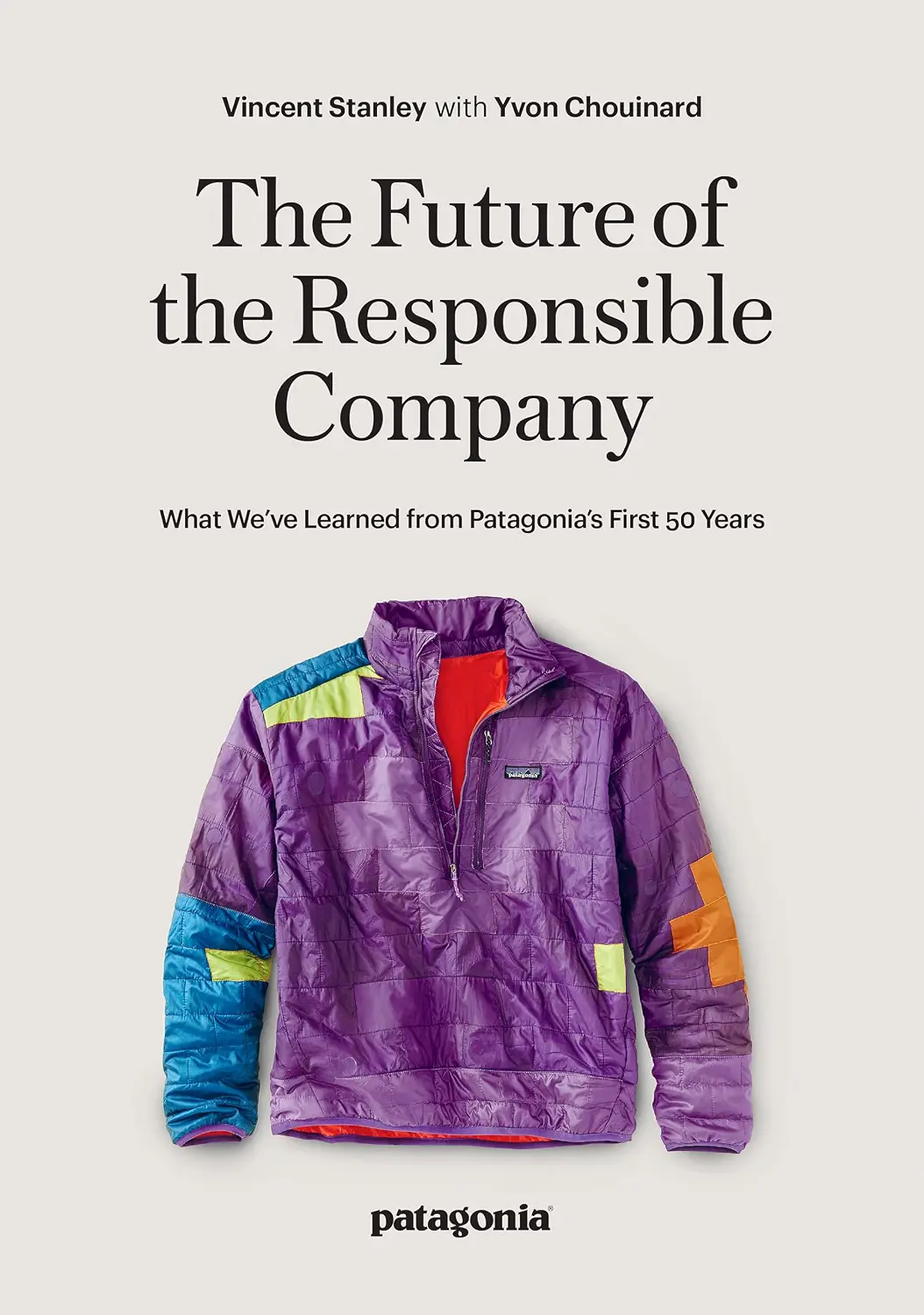
Then on Black Friday in 2011 they took a full page in the New York Times, put a photograph of their best selling fleece on it and wrote don't buy this jacket above it, and underneath they listed how many litres of water that jacket used, how many times its own weight in carbon dioxide it produced, and how much waste it left behind. Sales did not drop after the ad. They went up.
There is something uncomfortable about a company selling more while trying to get people to consume less, and Stanley does not walk around it.
The most honest thing about the book is that it does not hide results like that. A jacket built to be repaired instead of replaced is an argument about time, not about marketing, and the argument only works if the object actually lasts — which is what makes a bulb still burning since 1901 such an awkward object for the industry that made it.
The half nobody quotes
The second half of the book is a different animal altogether, almost a checklist. Which step to take in what order, where to look in the supply chain, which measurement does real work and which one only fills in a report. That part is written as much for the bakery on the corner as for Walmart, so a reader expecting a sustainability manifesto runs into a far more technical text than they bargained for.
There is also something the book does not dwell on. The tax side of the transfer worked in the family's favour: because the gift of the nonvoting stock was exempt, the Chouinard family paid only 17.5 million dollars in gift tax, where the bill for leaving the company to heirs would have been more than fifty times that. It does not make the decision worth less, but it is worth keeping in mind while you read.
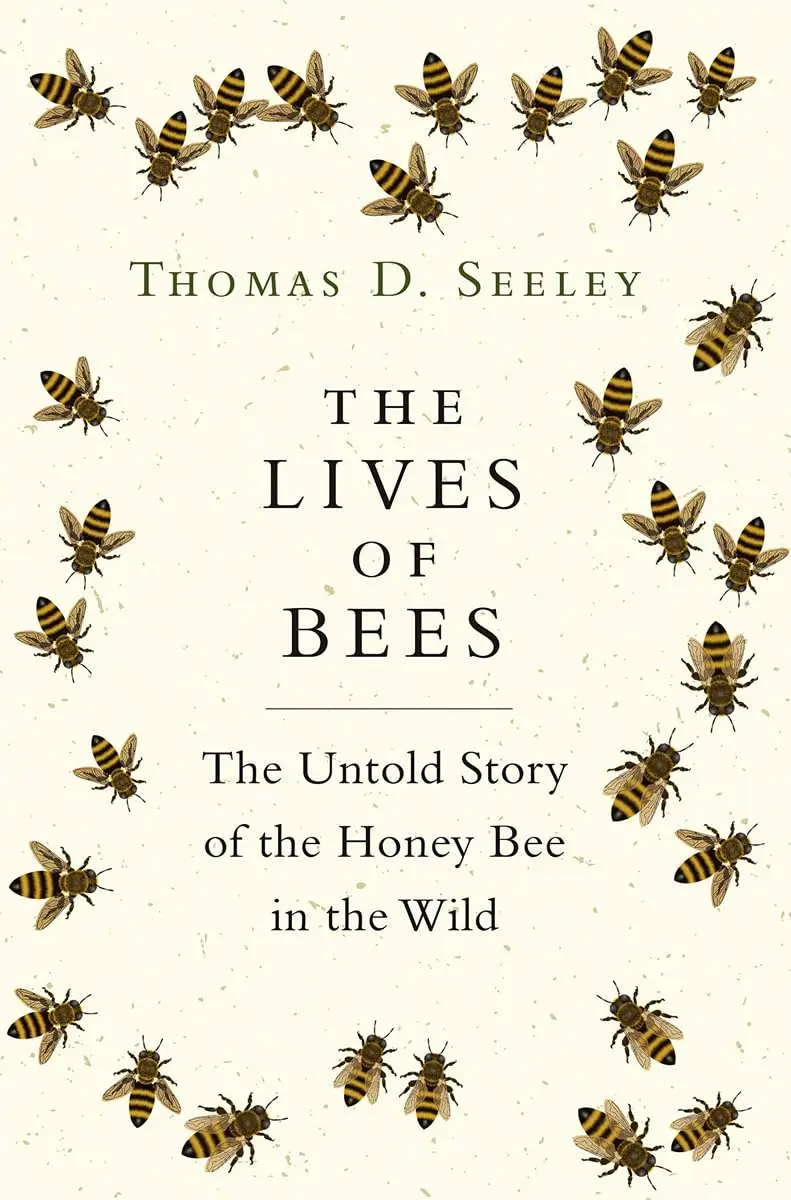
What I keep wondering about is whether the model travels. For fifty years Patagonia operated as a privately held company selling expensive goods, in a structure where the founder could decide alone. How many companies have all three of those conditions at once, and the book does not quite answer that. There is a version of the same question in biology: the colonies nobody manages outlast the managed ones, and it takes a forty-year study to work out which part of that is the arrangement and which part is the ground it sits on.
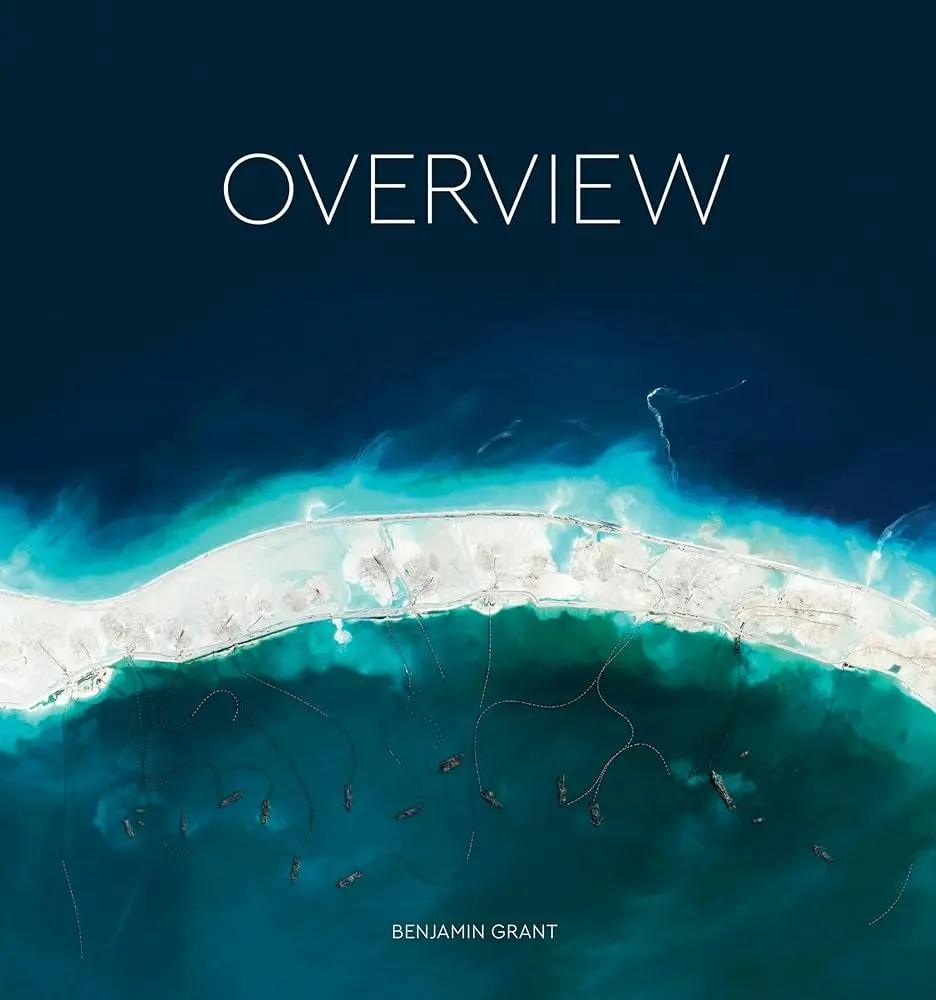
Still, unlike most of the sustainability books I have read, what is described here is not a statement of intent but a set of decisions already made and already paid for. The ledger it keeps is the one satellite photographs of landfills and refineries keep from the other end: the same industry, seen from above instead of from inside.
Chouinard's own phrasing sums up the tone of the book: that as the business leader he never wanted to be, he is doing his part with the resources he has. The book was published in 2023 by Patagonia's own imprint, so the first book to come out after the company was given away also came off its own press.
Details
- Authors
- Vincent Stanley with Yvon Chouinard
- Edition
- Patagonia Books, 2023
- Subtitle
- What We've Learned from Patagonia's First 50 Years
- Rewrite of
- The Responsible Company, 2012
- New owners
- Patagonia Purpose Trust · Holdfast Collective
If this book speaks to you, these will too
In short
Half an account of fifty years that were paid for in margins, and half a technical checklist for anyone running anything. It does not prove the model travels — but everything in it has already been done rather than promised.
Vincent Stanley with Yvon Chouinard — The Future of the Responsible Company: What We've Learned from Patagonia's First 50 Years
Patagonia Books, 2023 · ISBN 978-1-952338-11-3