Photographer
Santiago Borja
Publisher
teNeues
Year
2018
Pages
160
Texts
Michaela Koschak
Languages
German · English · French
nyone who thinks the window seat is the good seat has never seen the flight deck. The windshield is far wider, far taller, and best of all there is no wing in front of it. Santiago Borja is one of a few thousand people who look at that view every day, and what sets him apart is that he brings a camera along.
He was born in Quito, studied software engineering first and became a pilot afterwards, and today, flying around a thousand hours a year, he says he has never taken a photography lesson in his life. Taking the camera to work grew out of that same untutored curiosity — he wanted to share what he was seeing, and after a while the thing turned serious.
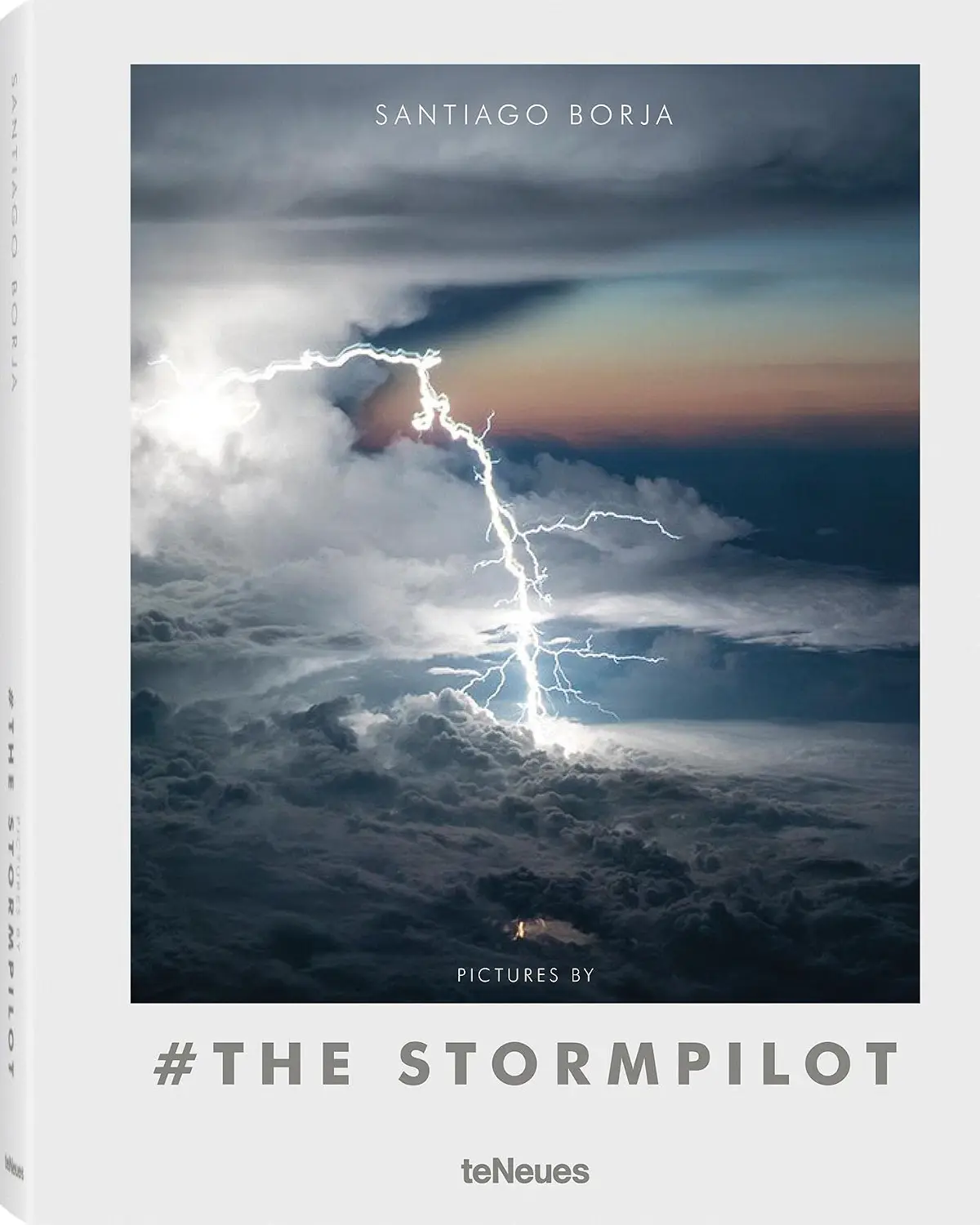
In the summer of 2016, south of Panama City, over the Pacific, at 37,000 feet, he circled an isolated storm cell and took a frame. The cloud is lit from inside by lightning, its top flattens out like a plate, and in the middle of that flat top sits a small dome. When he first posted it he did not think anyone would care very much; within days the photograph was everywhere, and that same year it took third place in the landscape category of National Geographic's photography competition. The book essentially came out of the road that one frame opened.
What is in the book
teNeues published it in 2018: 160 pages, around ninety colour photographs. The frames run alongside short texts in German, English and French, and those texts are written not by Borja but by the meteorologist Michaela Koschak. That decision is what separates the book from an ordinary coffee table album.
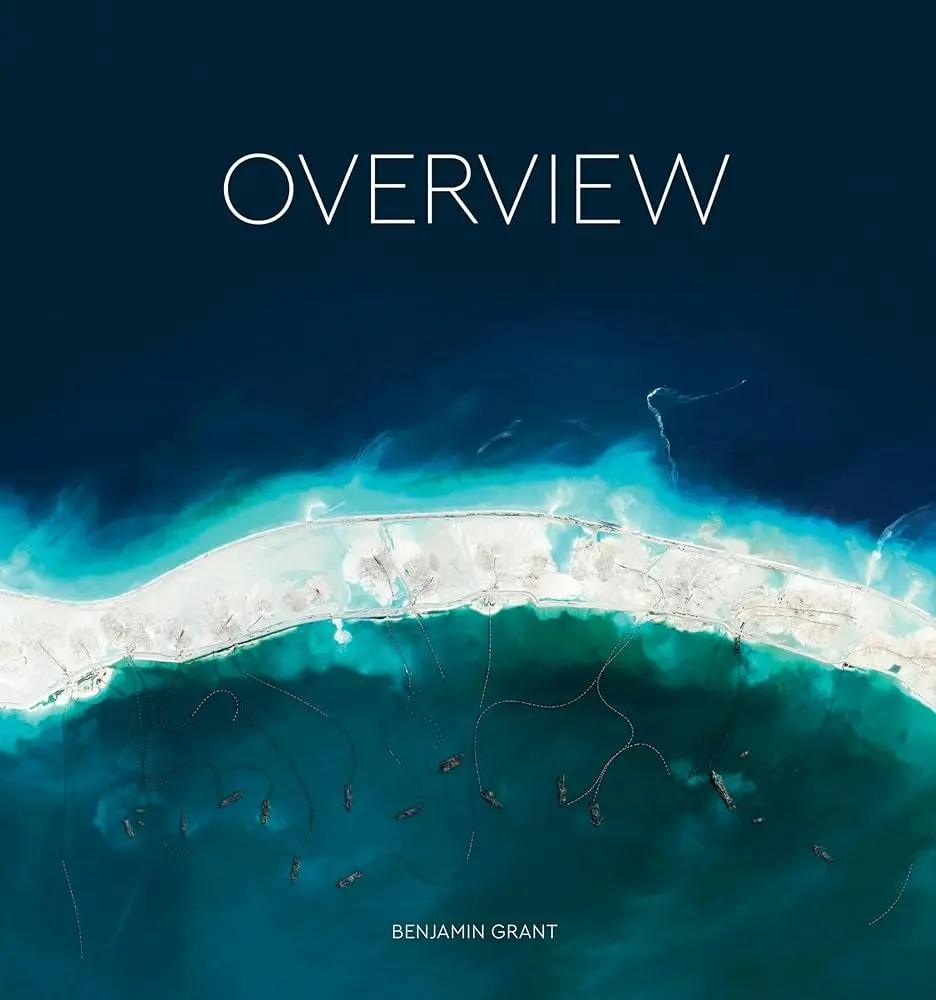
I am generally cool towards coffee table photography books. Most of them get leafed through once and then stay on the shelf, because they give you no reason to come back. Here the reason is in the texts. When a photograph of a cumulonimbus comes with a few paragraphs explaining why that cloud took that shape, what you see on the second pass is a different thing. It is the same trade Benjamin Grant makes with his satellite captions: beauty first, then the sentence that tells you what you were actually looking at.
A storm cloud is really a chimney. Warm moist air rises, and as long as condensation keeps releasing heat, the rising feeds itself.
The water vapour inside the rising air condenses, condensation releases latent heat, and as long as that heat keeps the air lighter than its surroundings the column climbs on its own. It ends at the ceiling of the troposphere, because in the stratosphere temperature starts increasing with height, so the air climbing up suddenly finds itself colder and heavier than what is around it. The cloud that can no longer rise spreads sideways into the anvil shape. That is why the top in the photograph is flat. The dome in the middle of it is the mark left by air that carried past the boundary on its own momentum, like a stone thrown upwards, and then fell back — it is called an overshooting top.
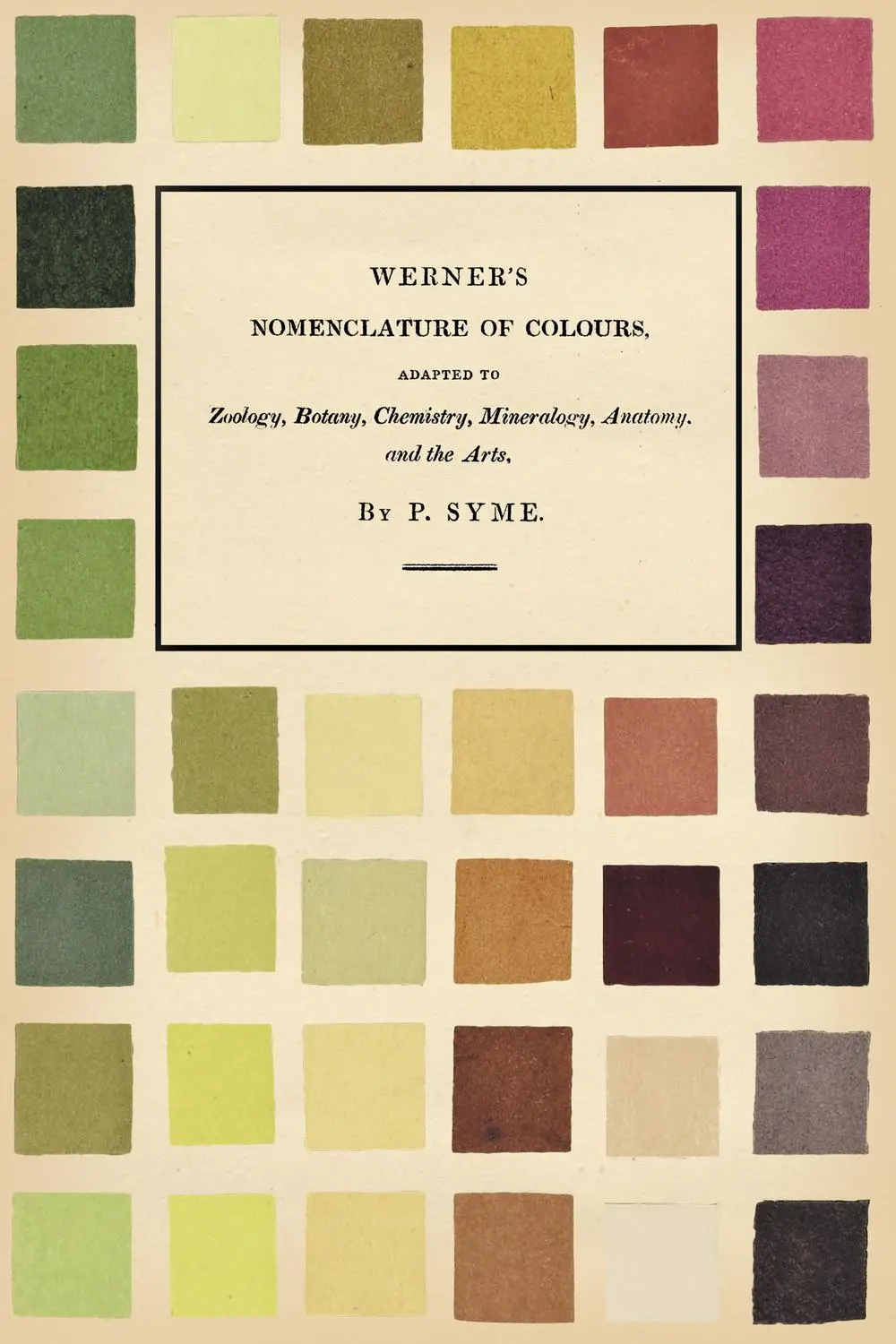
Koschak's texts do for a cloud what a good colour dictionary does for a shade: they give the thing a name and a reason, and the naming changes the looking. Werner's Nomenclature of Colours worked the same way two centuries earlier, when a naturalist had no camera at all and words were the only way to hold a sky still.
About the shaking
Most people looking at these photographs assume they were taken in the middle of turbulence, but Borja describes the opposite: the reason you can see the storm at all is that you are away from it, flying through clear air. Inside a storm there is nothing to see, and nothing you could see anyway except on the radar.
Distance makes the job easier here. The aircraft moves 250 metres a second, but a cloud forty kilometres away drifts across the frame at only 0.36 degrees a second, so even at half a second of exposure it barely blurs. The lightning freezes itself, since the whole event lasts microseconds. What actually gives him trouble is the reflection of the cockpit lights in the windshield, and never knowing when the next flash will come.
What the book is actually claiming
The book teaches nobody technique, and anyone hunting for an aperture and exposure table is looking in the wrong place. What it does is show a weather phenomenon almost all of us have passed underneath many times and never once seen from above, from ten kilometres up and at the right distance. That is the whole argument, and it is the same one the Eameses made about a change of altitude: move the camera far enough and the familiar stops being recognisable. For a 160-page photography book that is more than enough of a claim.
There is a restraint in it too. Borja does not stage anything, does not explain himself over the picture, and lets the cloud be the subject — the same discipline that makes photographs of physicists' blackboards hold up as pictures rather than as documentation. The frames are also not only decorative: NASA has used Borja's photographs in presentations about particular storms, and researchers at Columbia have compared them against satellite analysis to see how well their own forecasts held up.
Details
- Photographer
- Santiago Borja, Boeing 767 first officer
- Edition
- teNeues, 2018
- Extent
- 160 pages · around 90 colour photographs
- Texts
- Michaela Koschak, meteorologist · German, English, French
- Best known frame
- Pacific storm cell, 37,000 ft, summer 2016
If this book speaks to you, these will too
In short
A photography book you can read twice: once for the lightning, and once for the meteorologist explaining why the cloud has a flat top and a dome on it. The only place you can buy the view from that windshield.
Santiago Borja — Pictures by #TheStormpilot
teNeues, 2018 · texts by Michaela Koschak · ISBN 978-3-96171-108-6