Abakcus
← Back to home

Abakcus · Reading List

Physics Books Recommended by a Harvard Physics Student

Furkan Öztürk studied physics at Harvard, and he kept a record of the books he never put down across four years. The list is below, and next to each title we have added a few notes on why it earned its place on the shelf.

List by Furkan Öztürk · Edited by Abakcus

Physics Books Recommended by a Harvard Physics Student

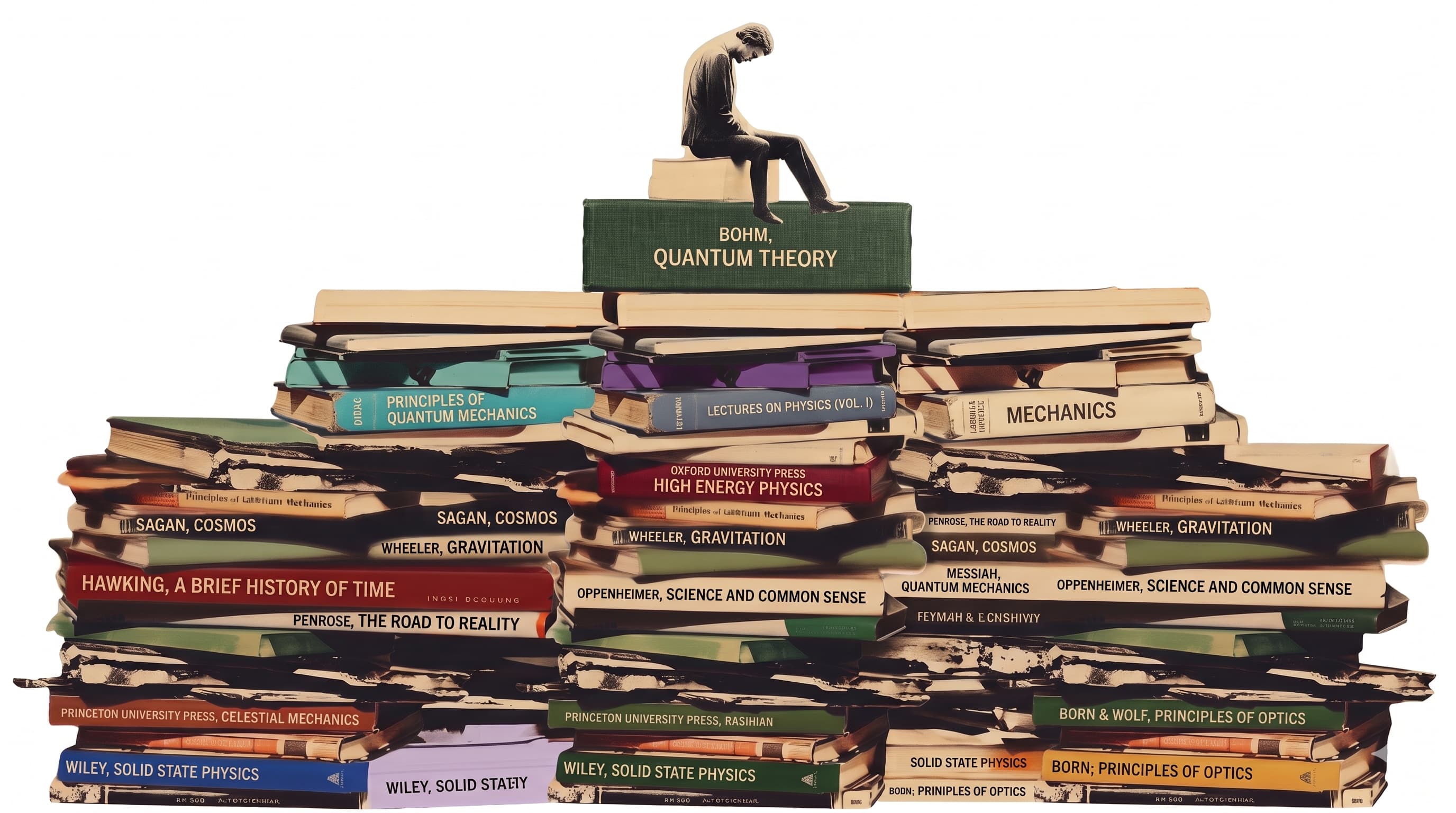
There is no single way to learn physics, but it is hard to deny how much a good reading list can ease a person's path over the years. A book is a bridge between someone opening a subject for the first time and someone who has carried that subject for years. The list Öztürk shares here is exactly such a sequence of bridges. He gathered the books he personally used while studying physics at Harvard, the ones whose pages he turned and whose margins he filled with notes, and laid them out along the natural arc of an undergraduate education, spread across four years.

The logic Öztürk follows is simple and sound. He built the first three years around the foundational courses every physics student should see, no matter which university they attend. Mechanics, electromagnetism, quantum mechanics, thermodynamics, statistical physics; these form the backbone of physics, the spine on which everything else rests. To the fourth year he added a range of more advanced, more varied courses. By that point a student begins to choose their own direction, and the list branches accordingly.

There is one point Öztürk underlines that is worth repeating. Of course other books could be added to this list; every subject has more than one good text, and no list is ever complete. But he chose to share the books he personally used and personally found useful, rather than a pile of titles recommended by others. That choice turns the list from a heap of suggestions into a path that has genuinely been walked.

All 24 books

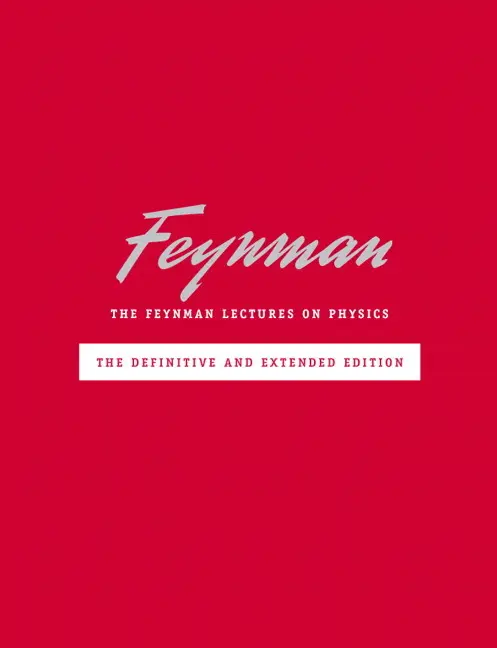
Cover: The Feynman Lectures on Physics by Richard Feynman
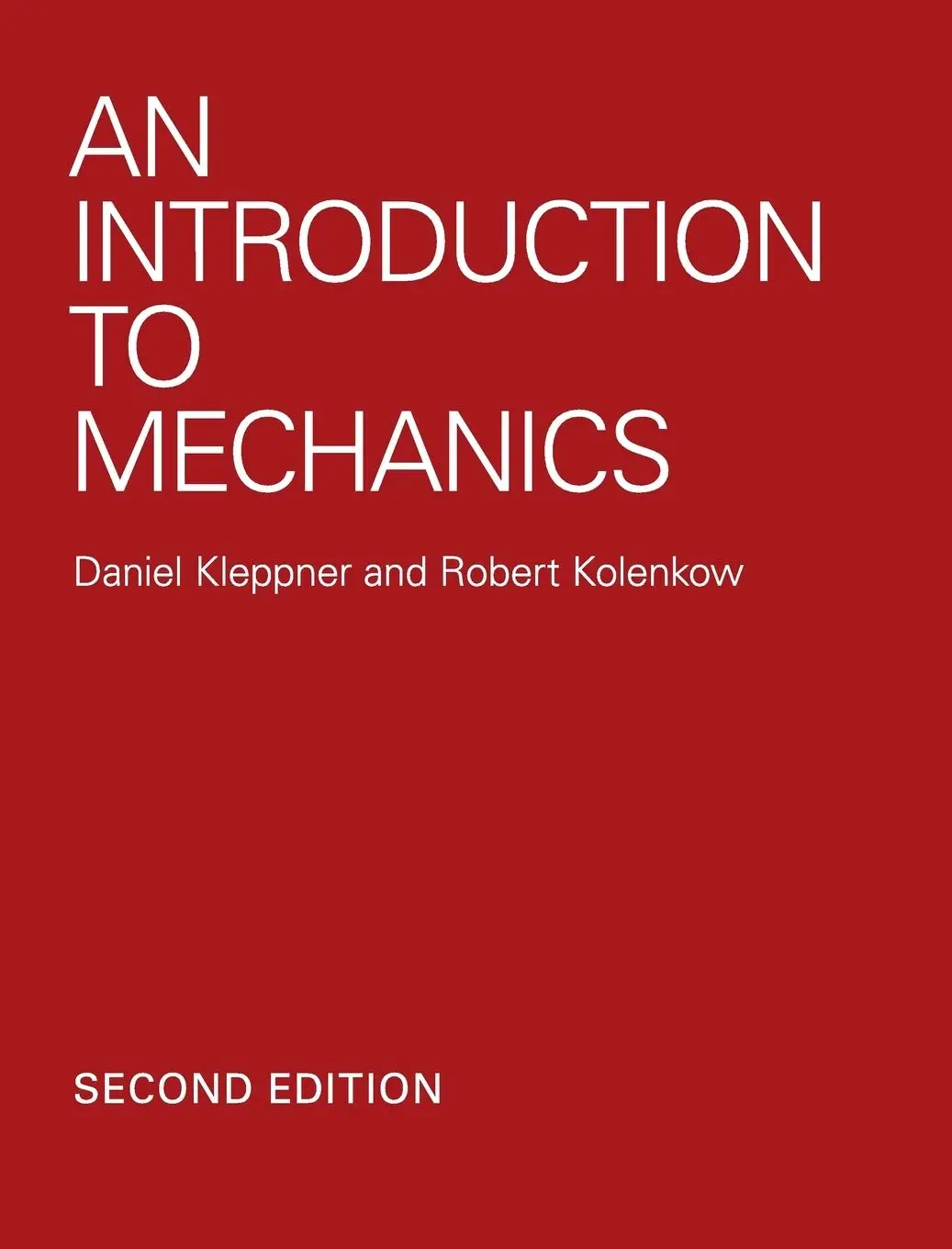
Cover: An Introduction to Mechanics by Kleppner and Kolenkow
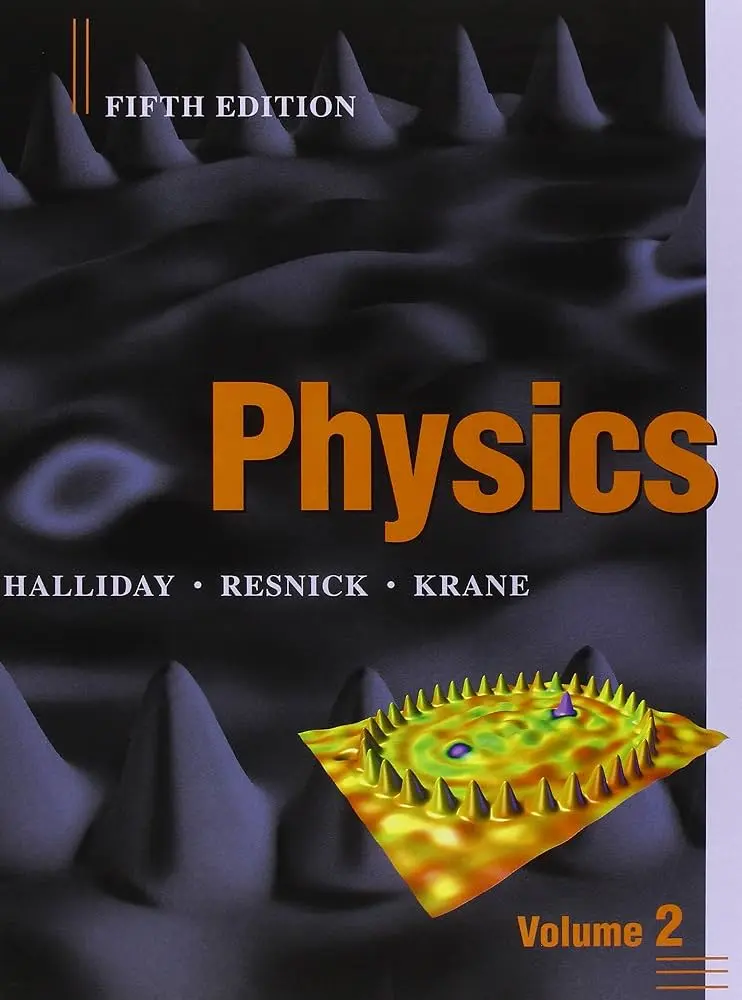
Cover: Physics by Halliday, Resnick and Krane
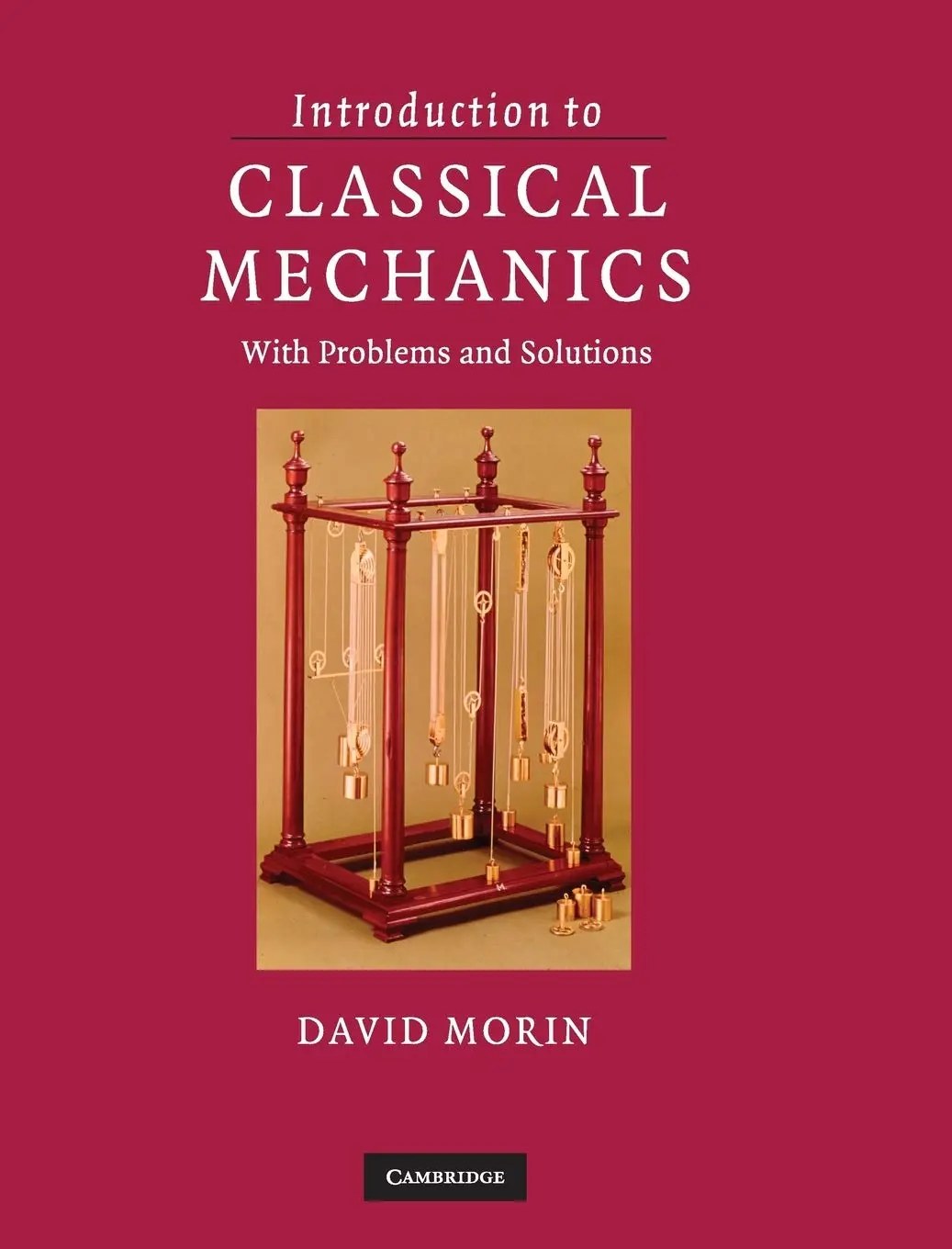
Cover: Introduction to Classical Mechanics by David Morin
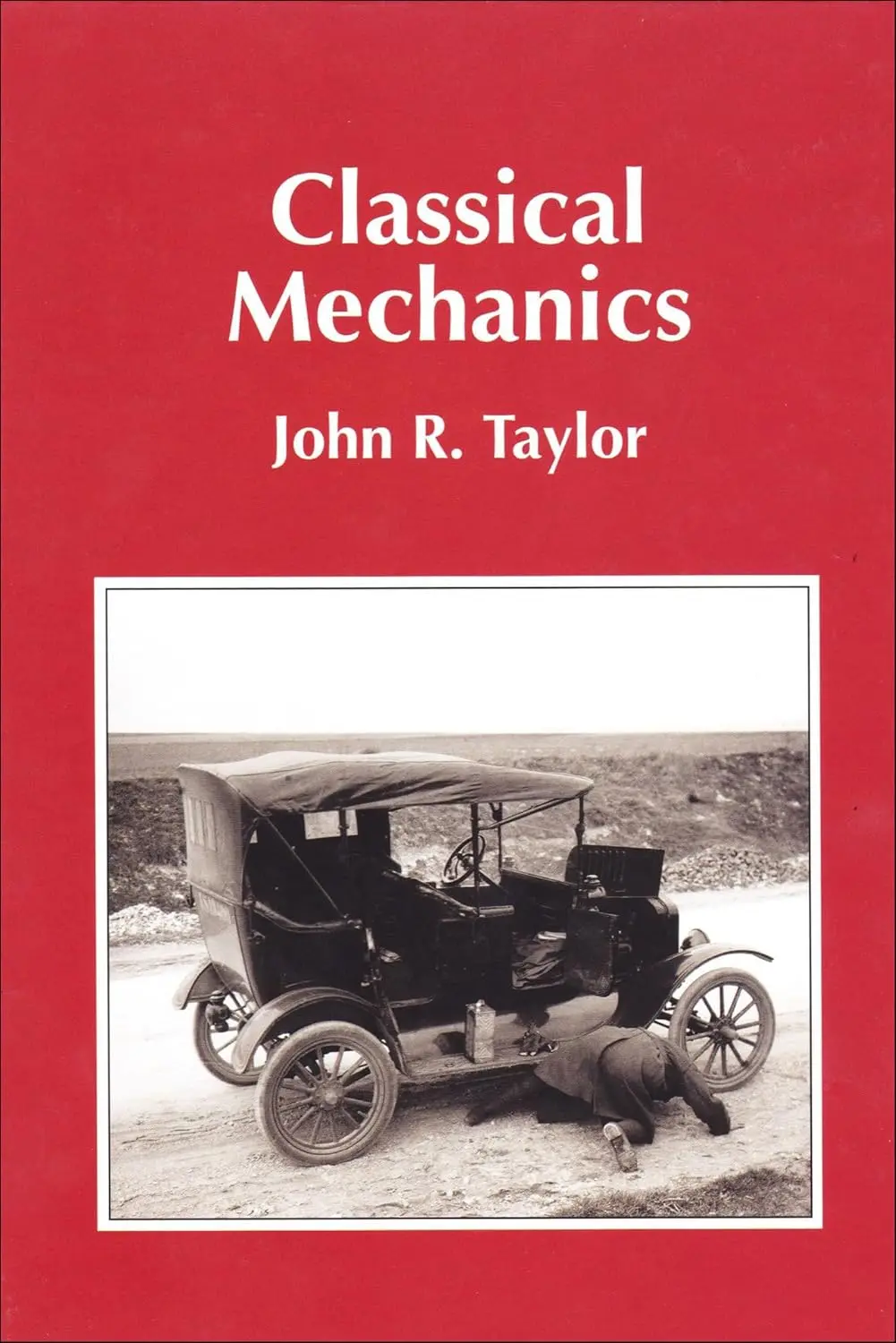
Cover: Classical Mechanics by John Taylor
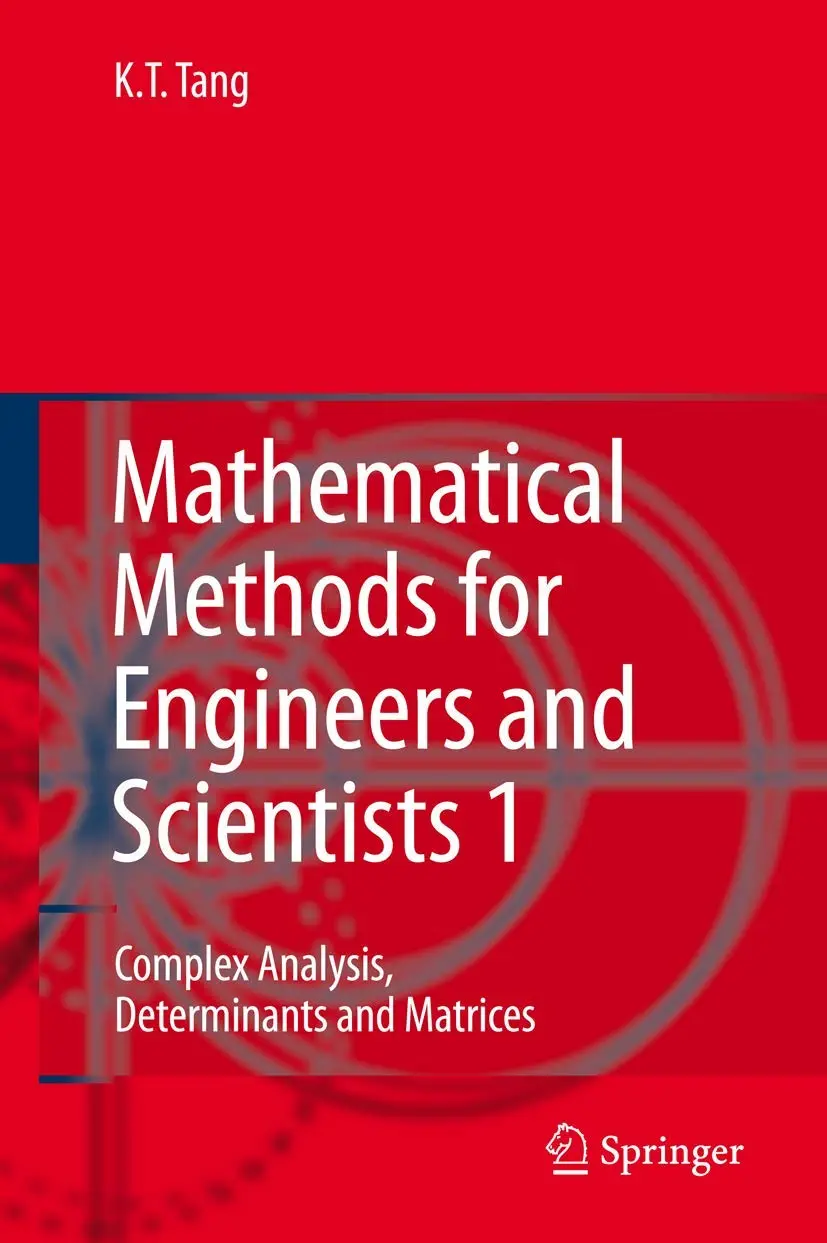
Cover: Mathematical Methods for Engineers and Scientists by K. T. Tang
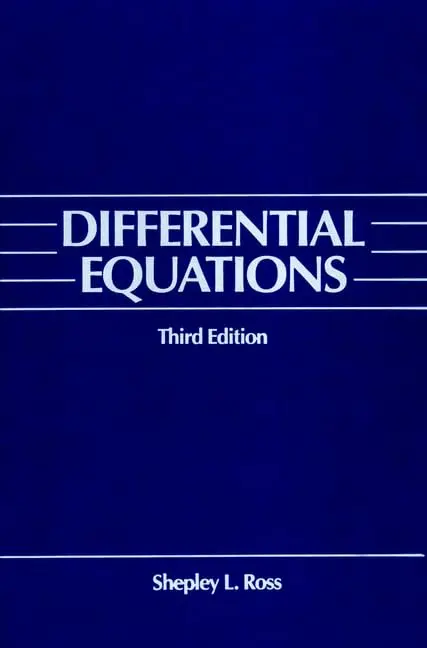
Cover: Differential Equations by Shepley L. Ross
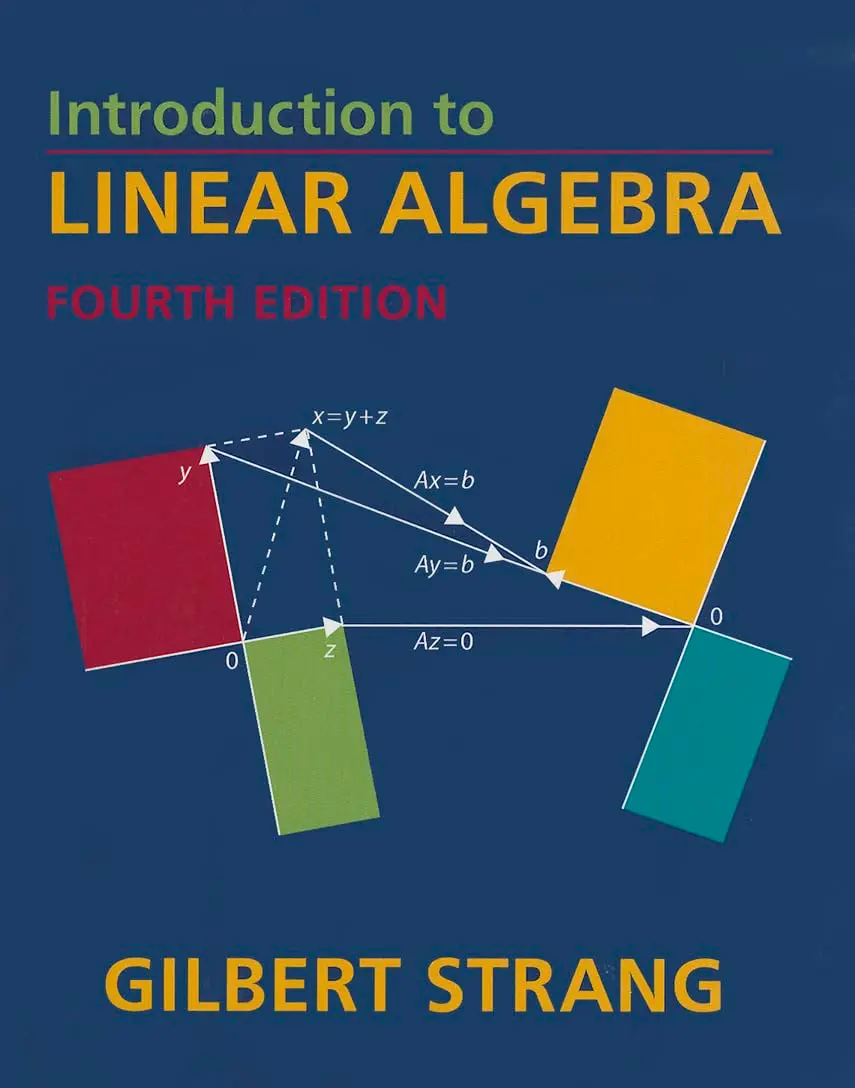
Cover: Introduction to Linear Algebra by Gilbert Strang
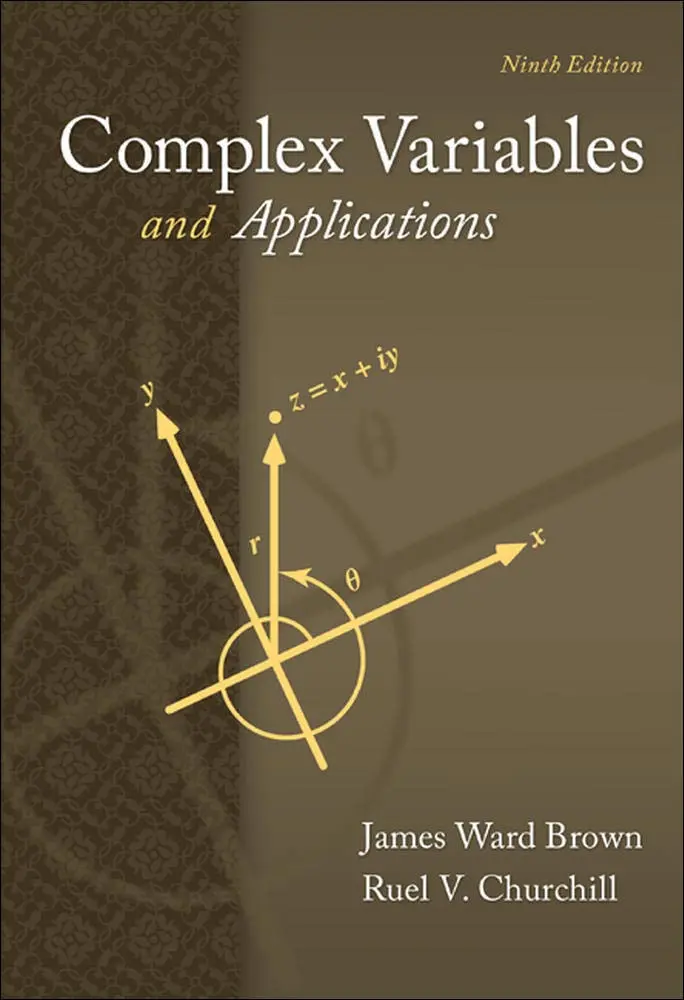
Cover: Complex Variables and Applications by Brown and Churchill
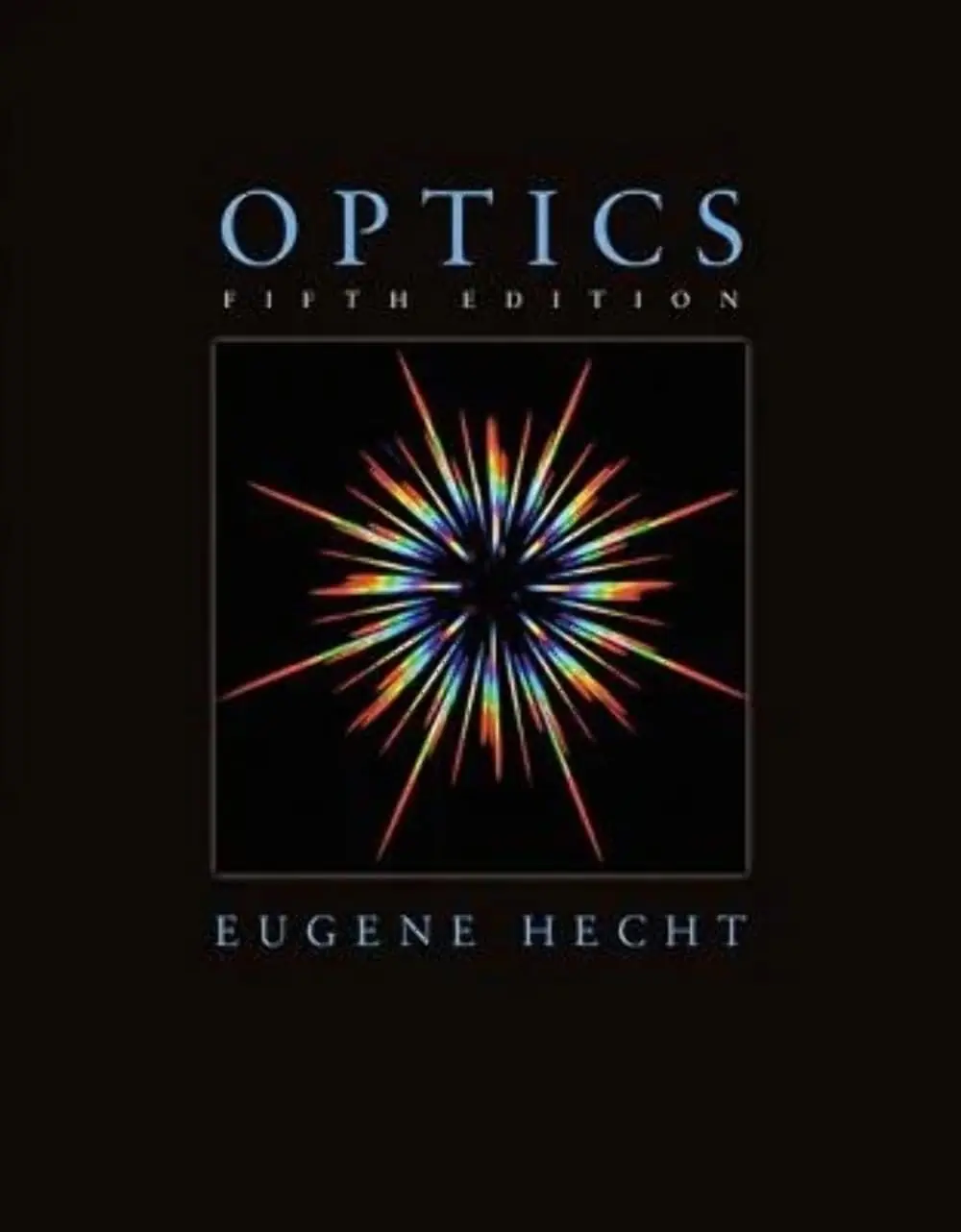
Cover: Optics by Eugene Hecht
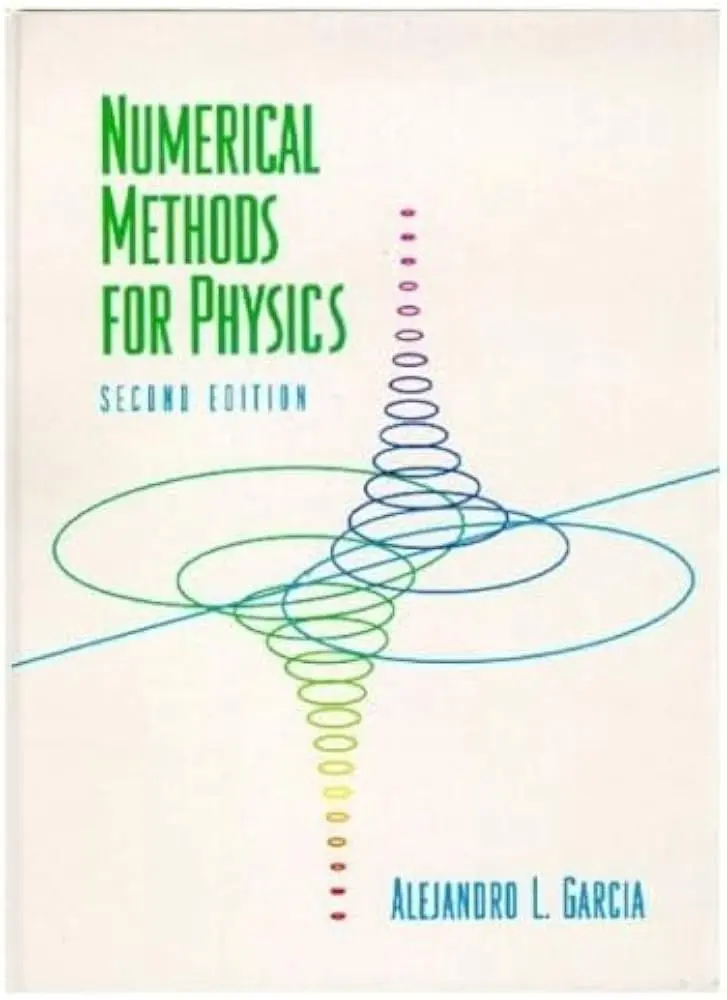
Cover: Numerical Methods for Physics by Alejandro Garcia
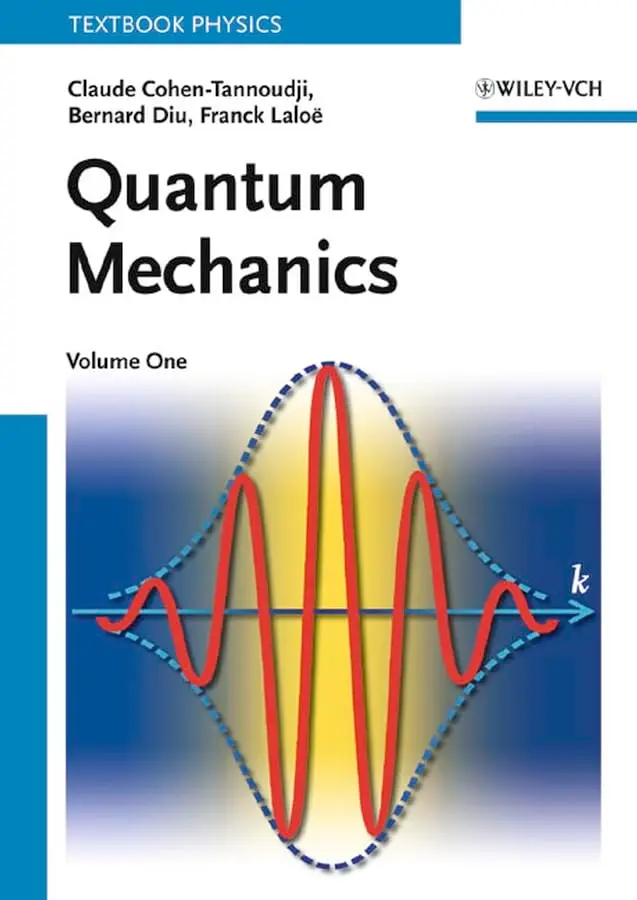
Cover: Quantum Mechanics by Cohen-Tannoudji, Diu and Laloë
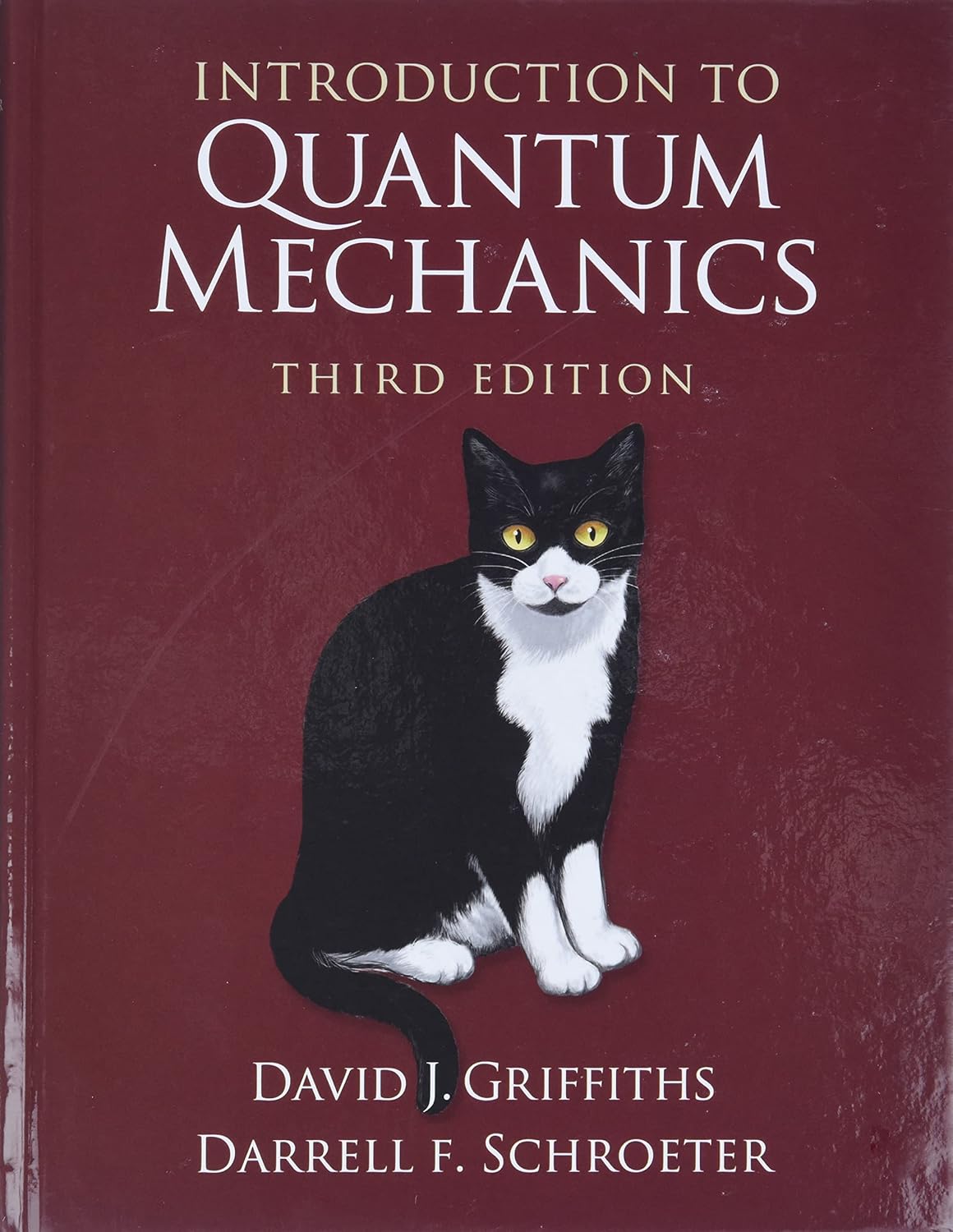
Cover: An Introduction to Quantum Mechanics by David J. Griffiths
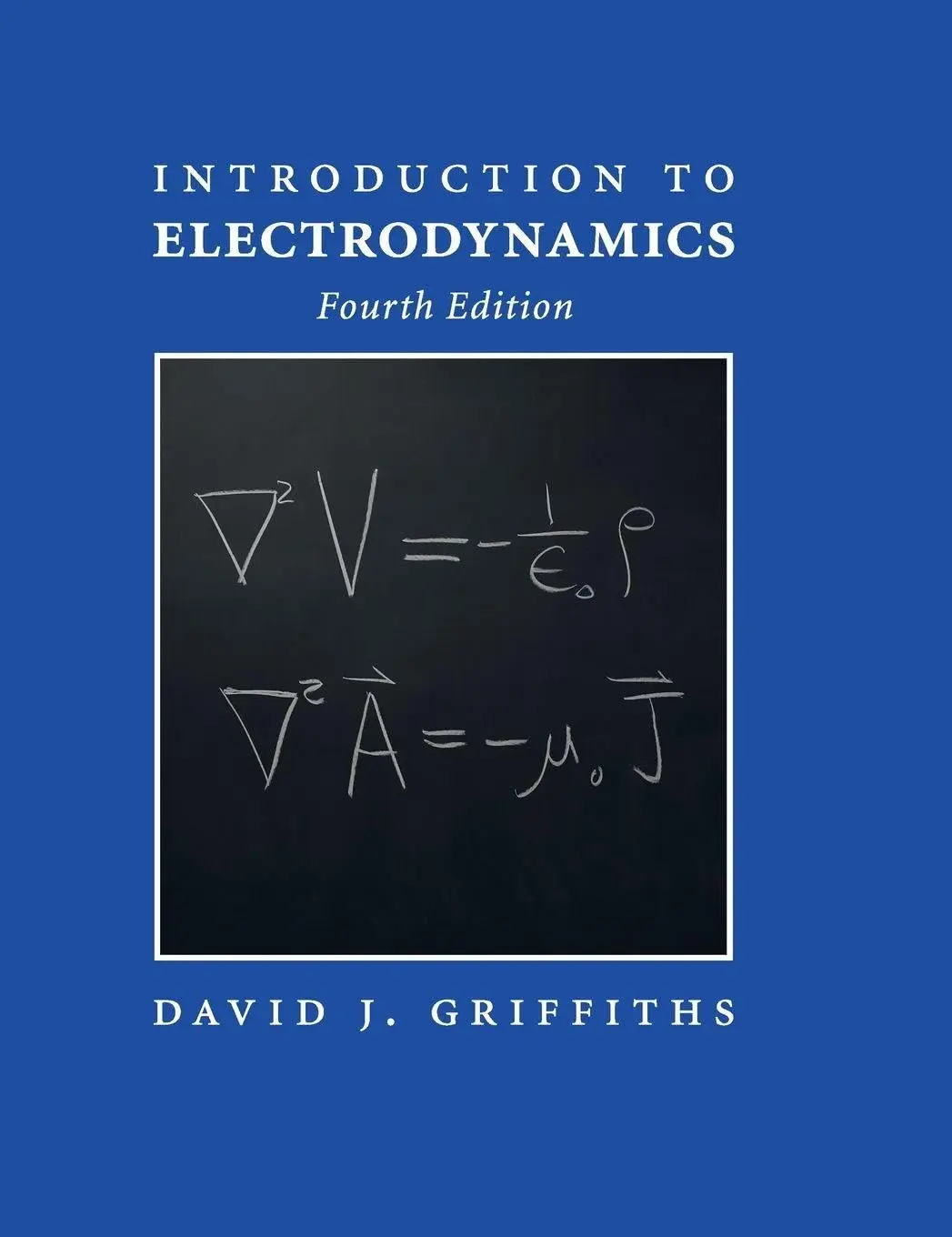
Cover: Introduction to Electrodynamics by David J. Griffiths
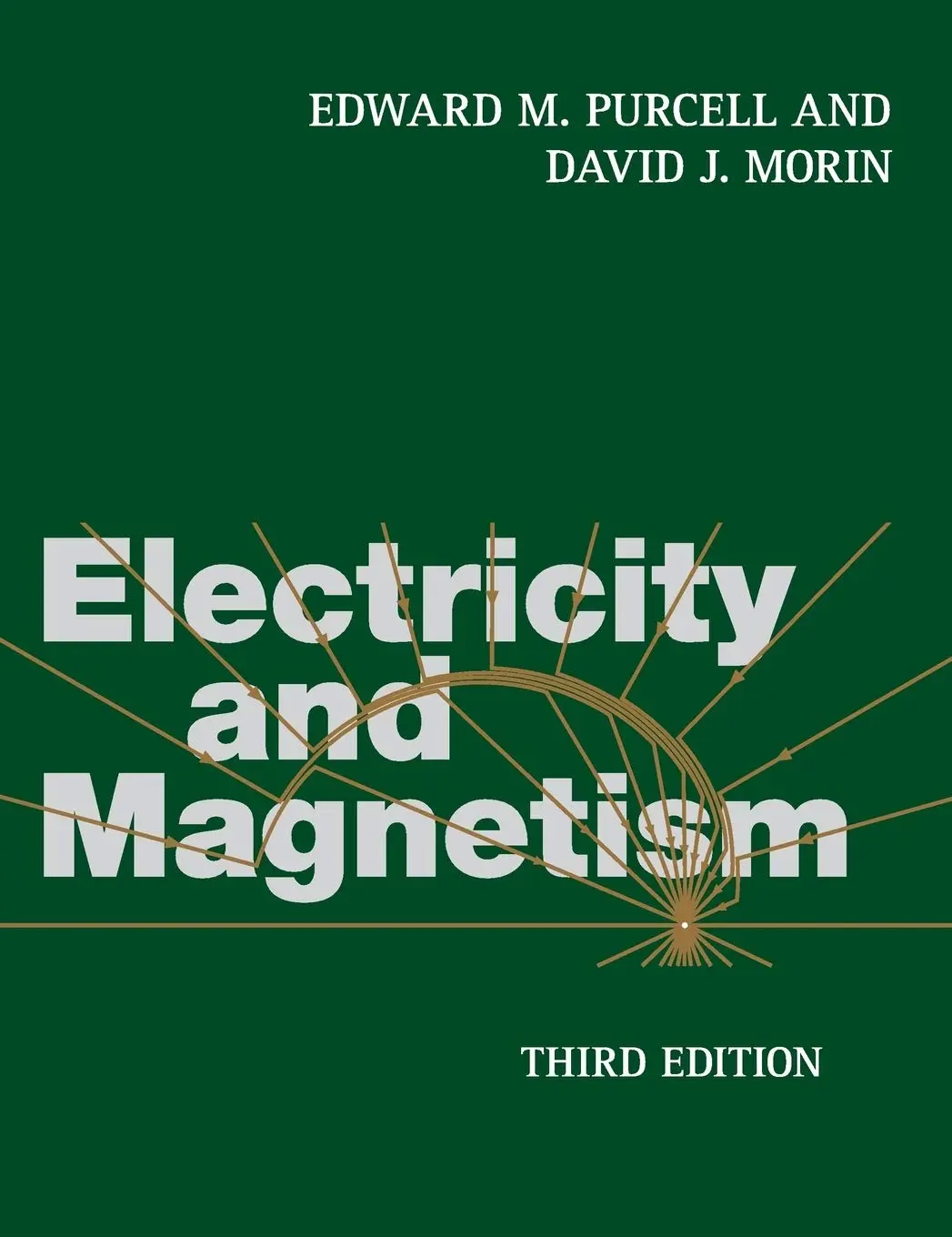
Cover: Electricity and Magnetism by Purcell and Morin
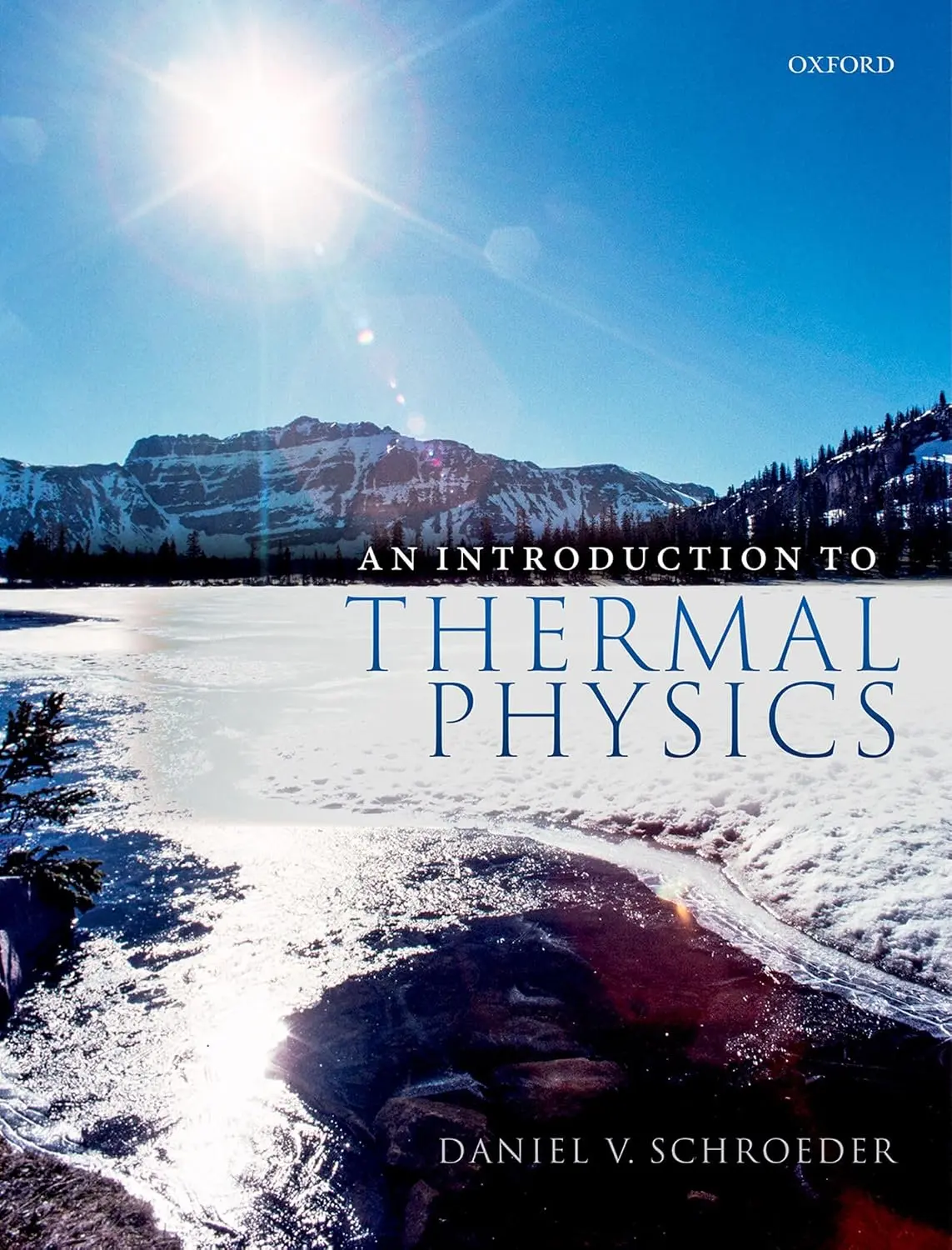
Cover: Thermal Physics by Daniel Schroeder
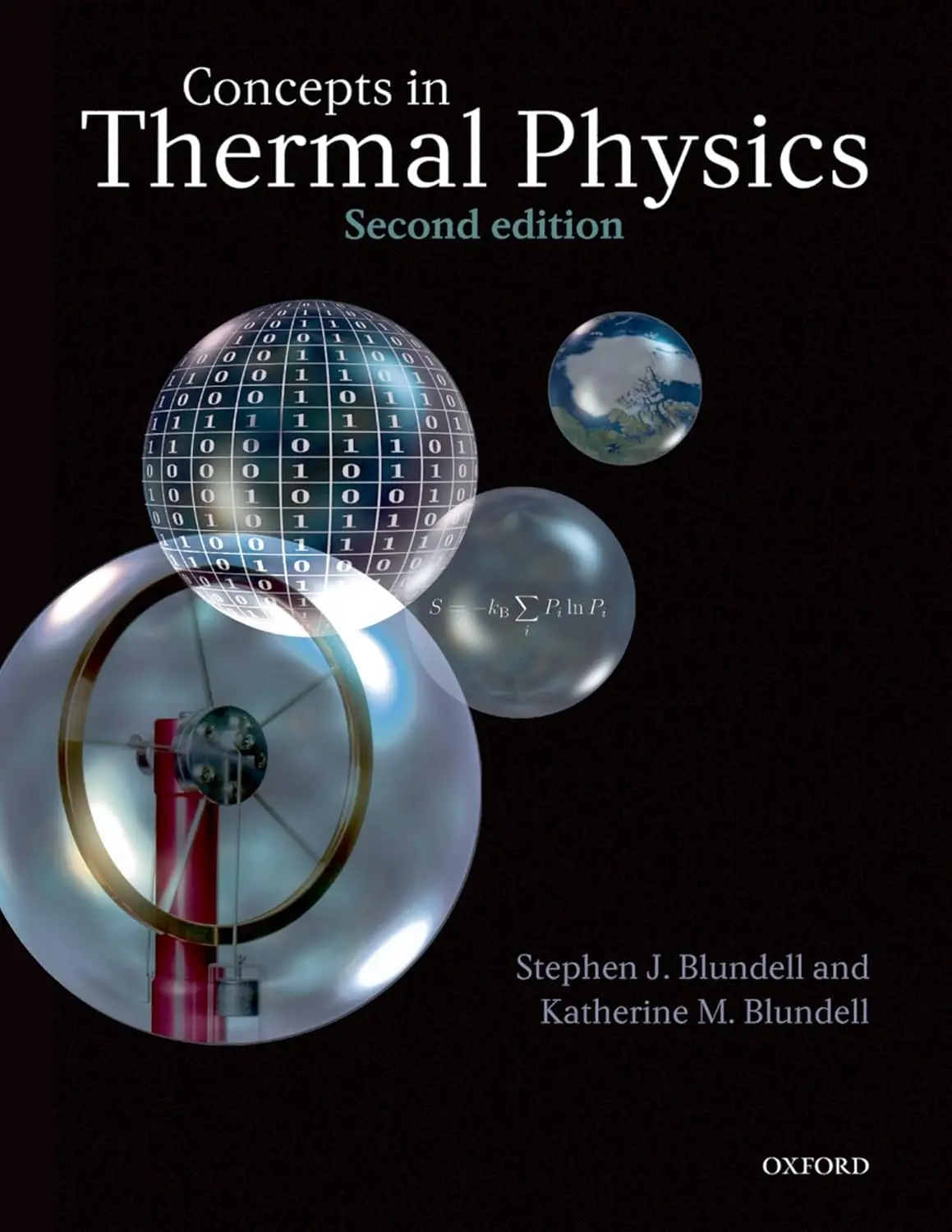
Cover: Concepts in Thermal Physics by Blundell and Blundell
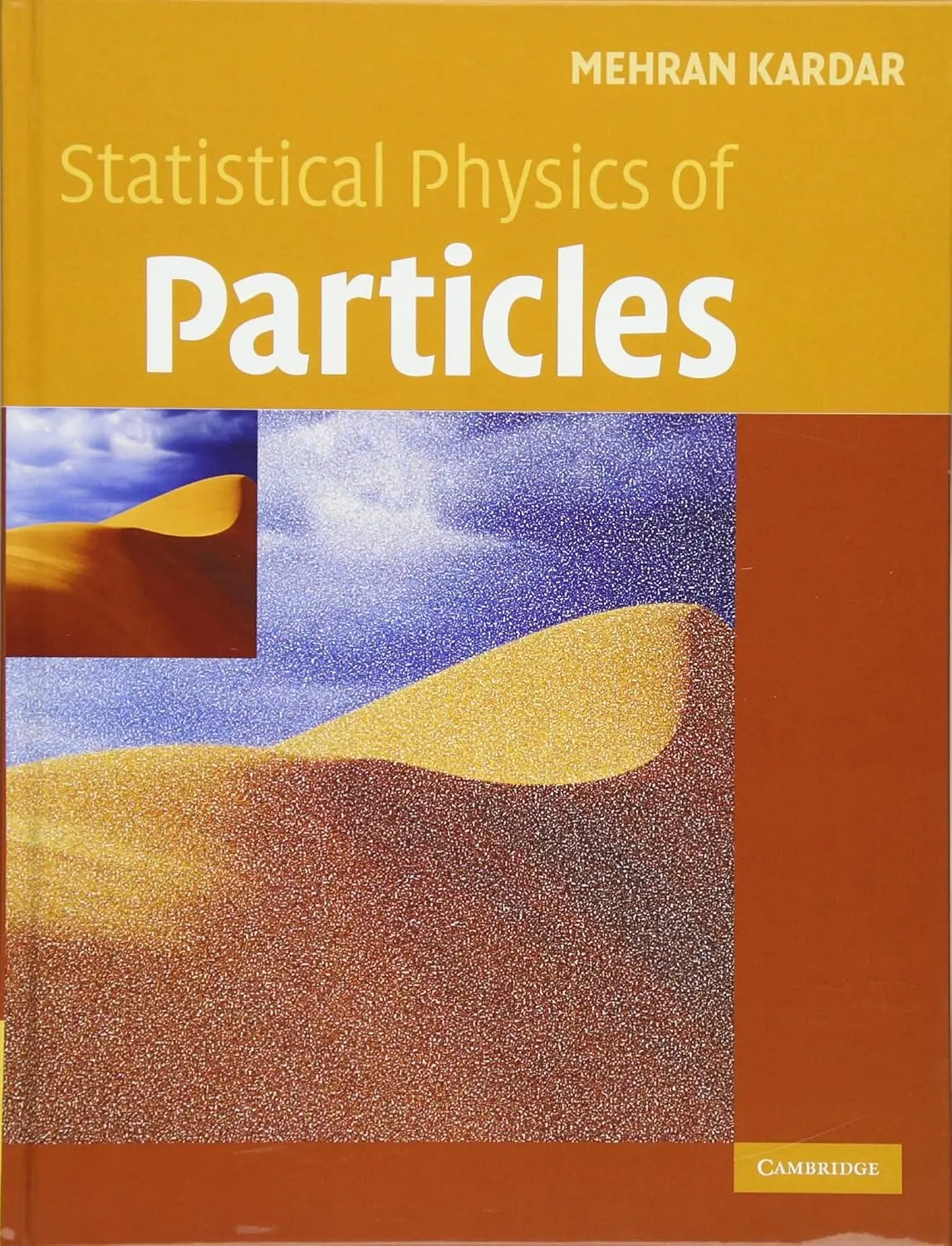
Cover: Statistical Physics of Particles by Mehran Kardar
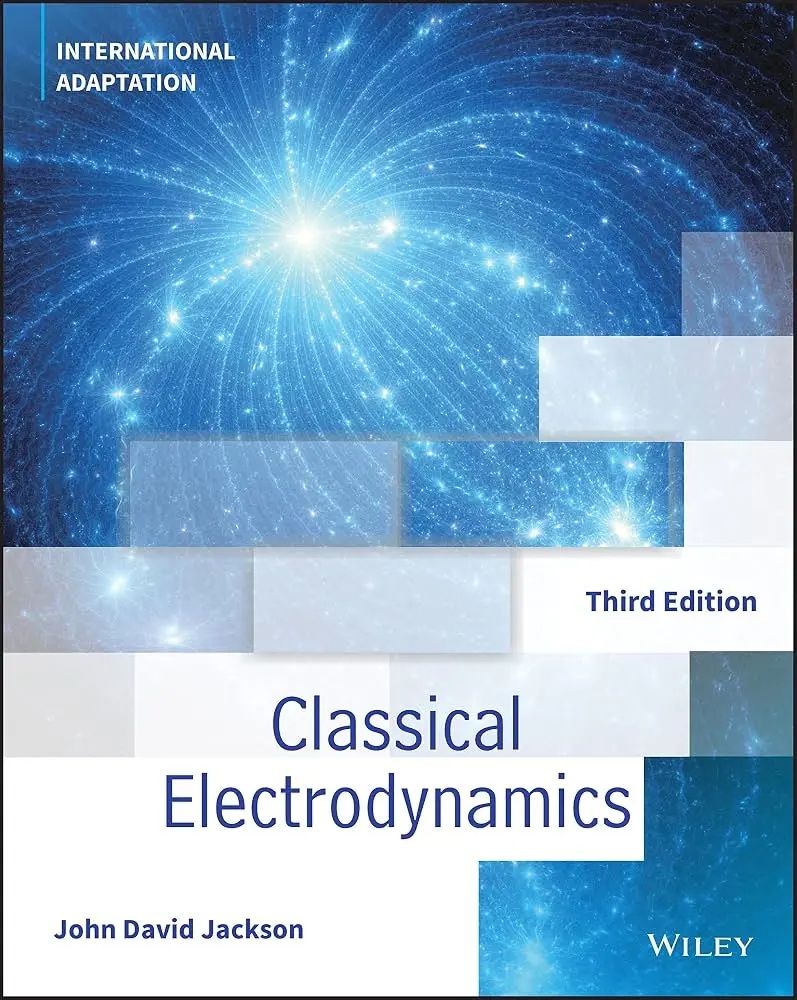
Cover: Classical Electrodynamics by John David Jackson
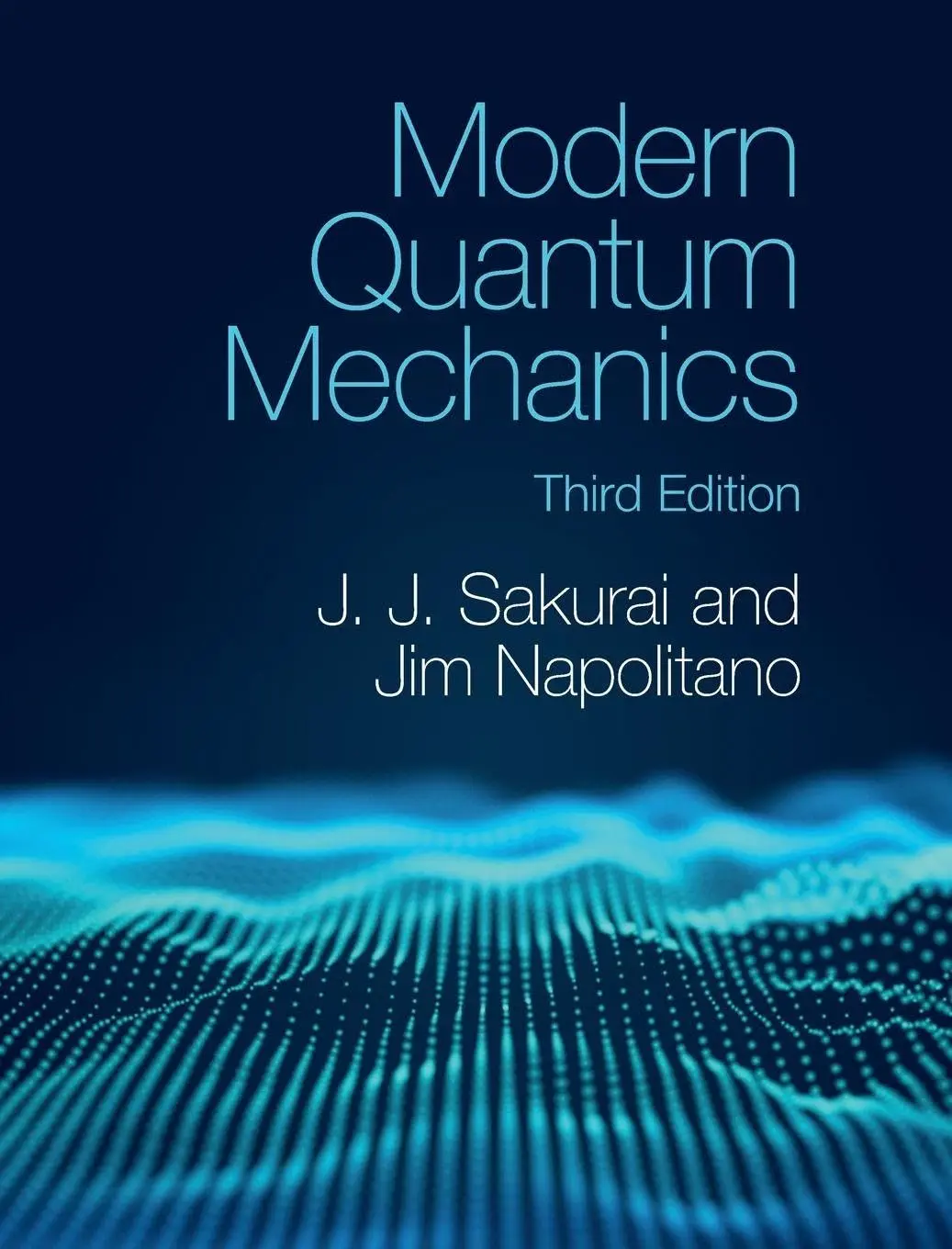
Cover: Modern Quantum Mechanics by J. J. Sakurai
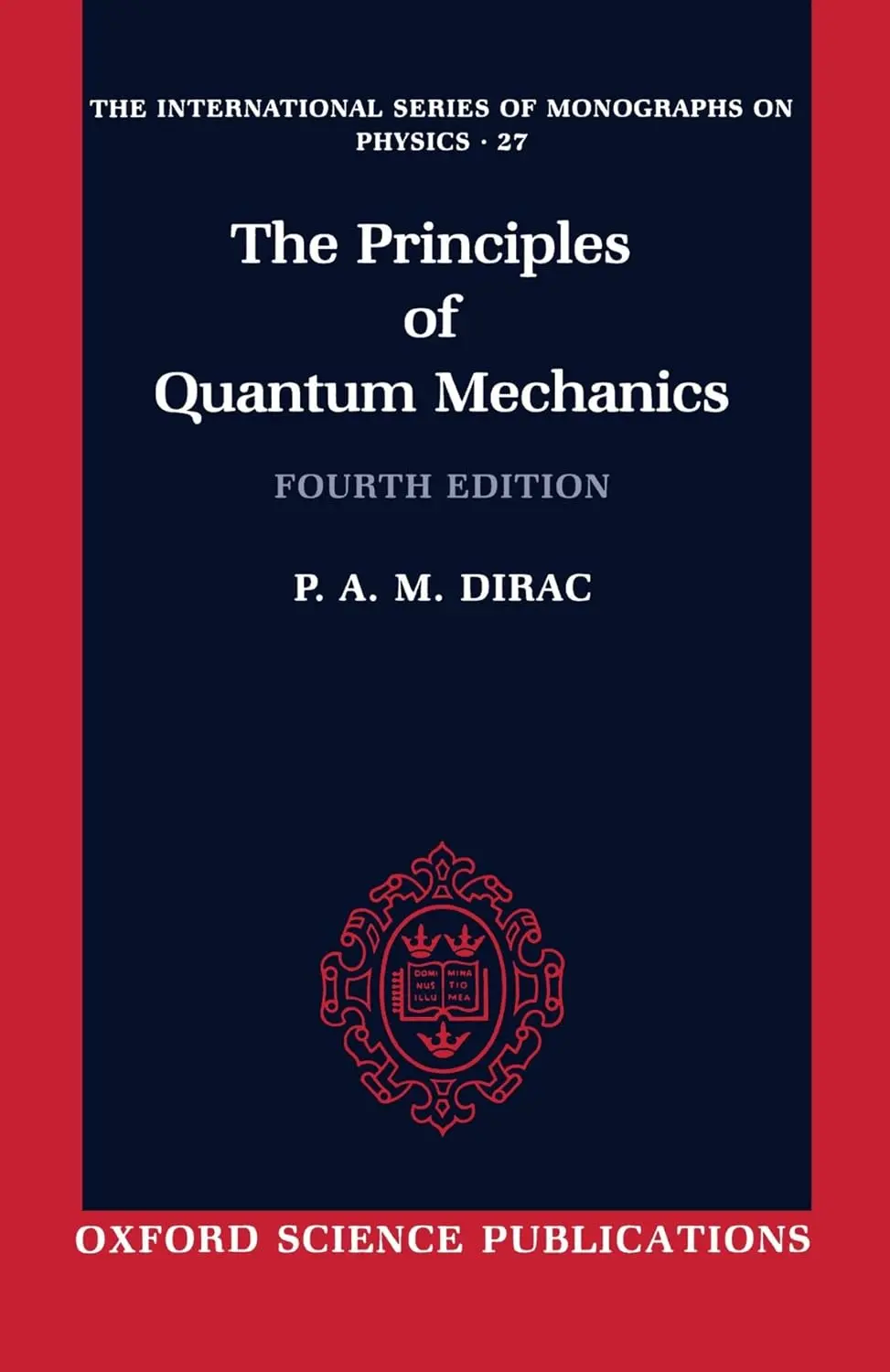
Cover: The Principles of Quantum Mechanics by P. A. M. Dirac
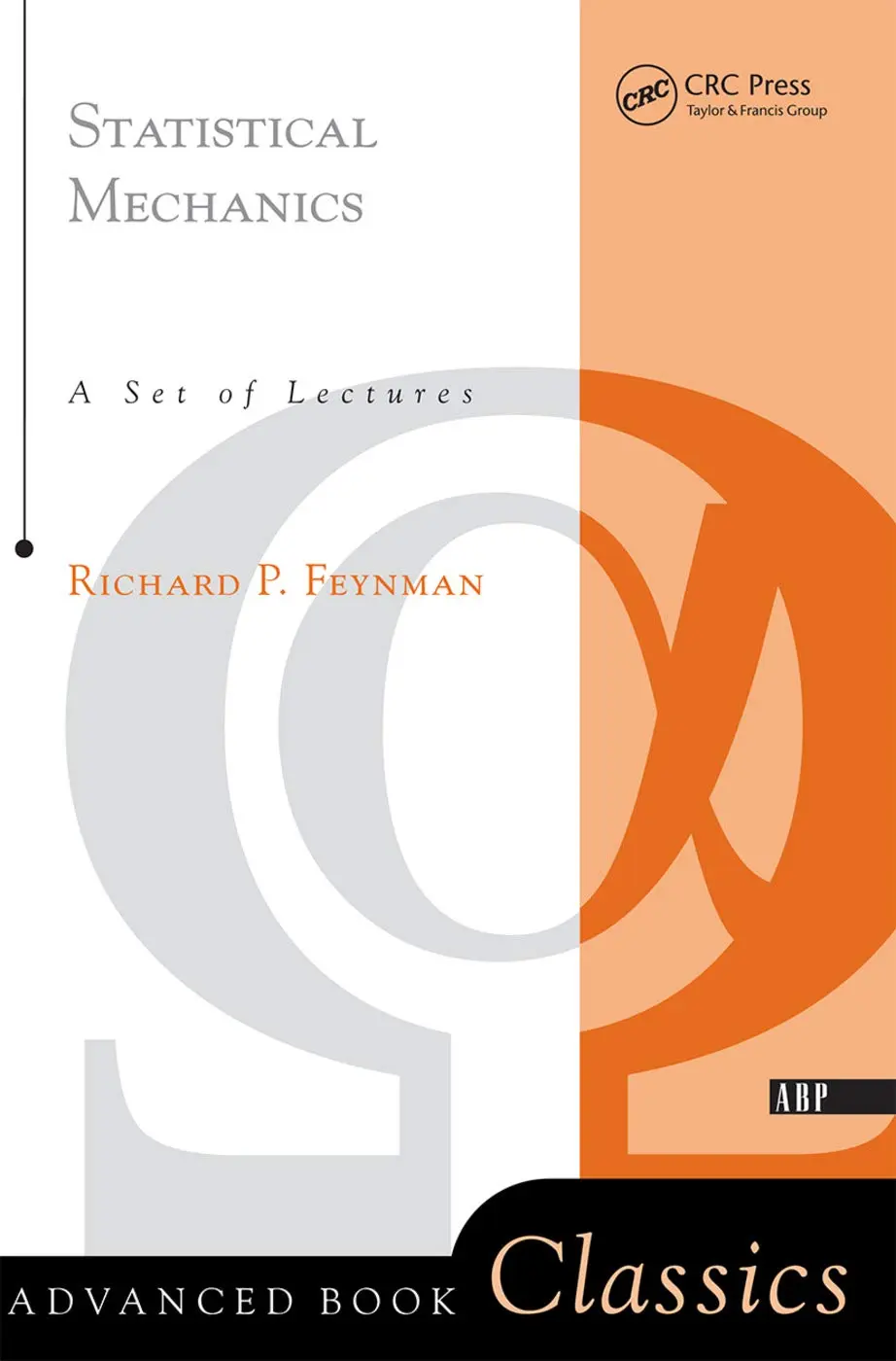
Cover: Statistical Mechanics: A Set of Lectures by Richard Feynman
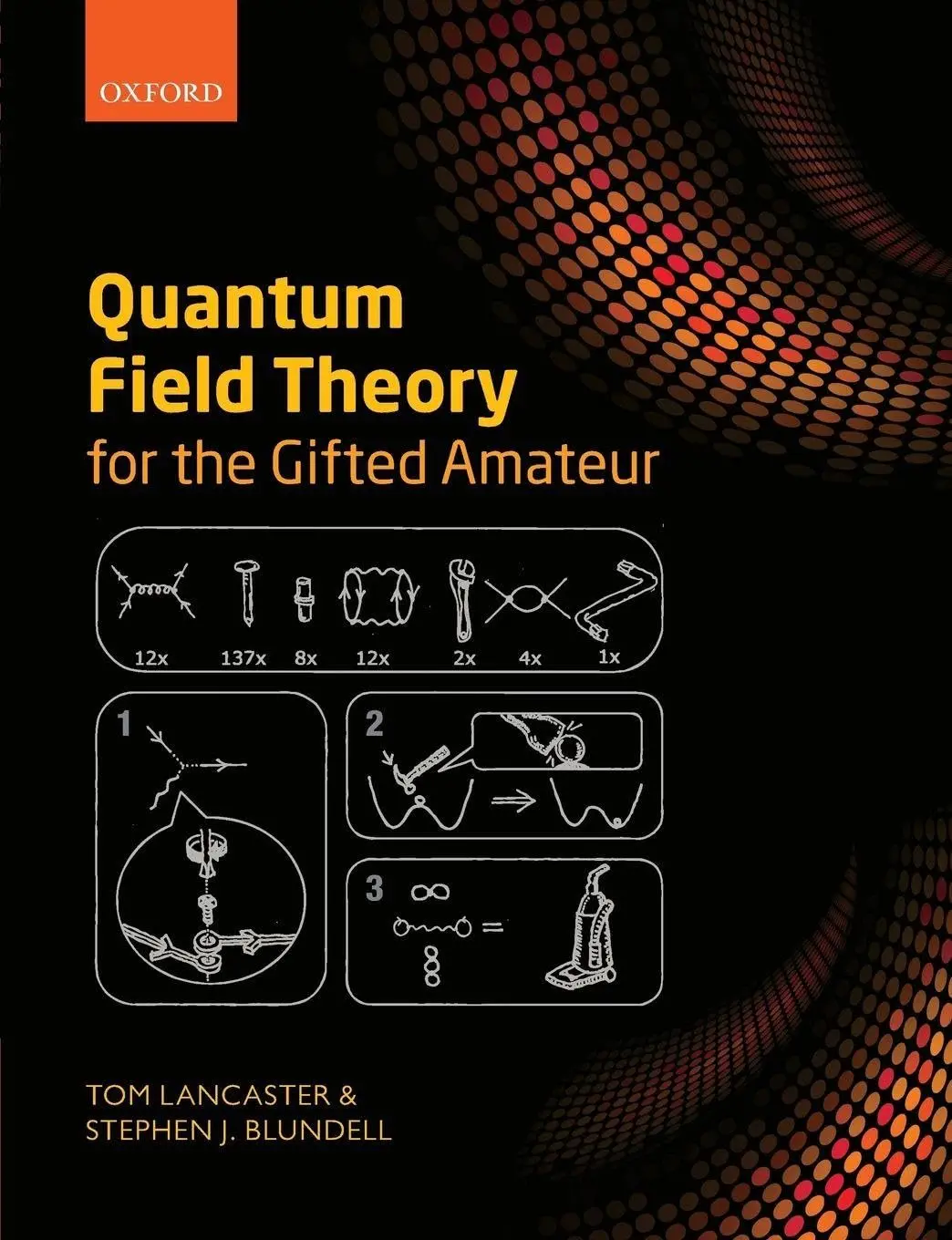
Cover: Quantum Field Theory for the Gifted Amateur by Lancaster and Blundell
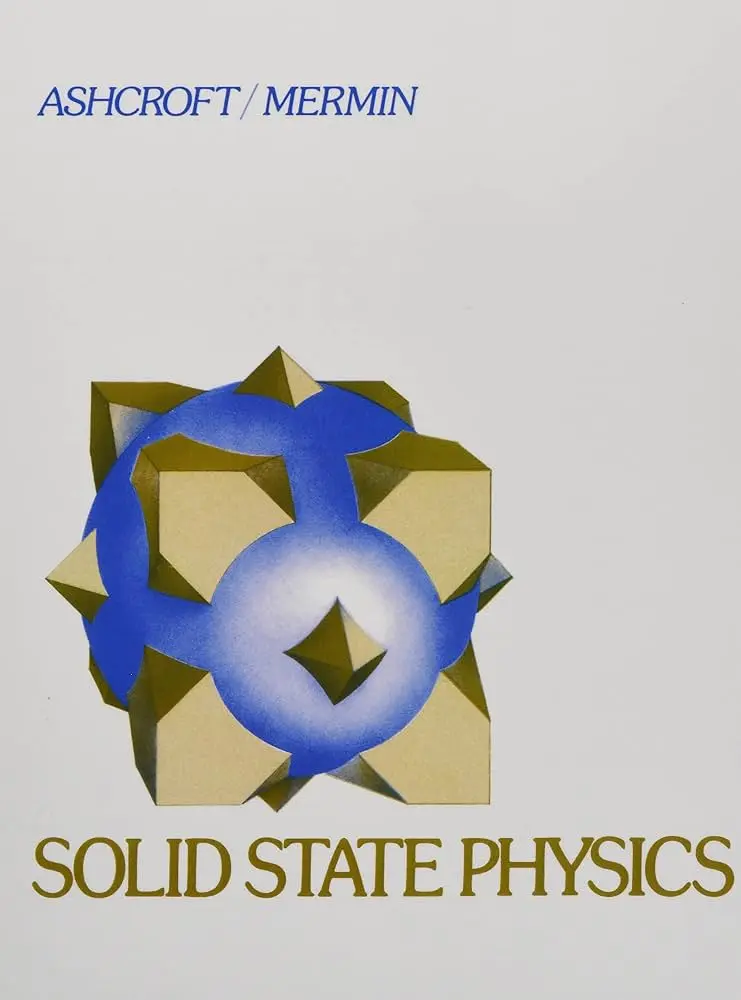
Cover: Solid State Physics by Ashcroft and Mermin

The first three years rest on the foundational courses everyone should learn, while the fourth turns to the advanced subjects where a person begins to choose their own direction.

Below we have opened the list out year by year. Under each book we have added a short note on why it belongs on this list and where it fits in the arc of a physics education. The aim is not to summarize the books for you, but to show which book answers which need. The rest is up to the reader.

01

First Year

The first year is the year of getting used to physics. The goal here is not yet to go deep, but to build physical intuition and to meet the basic language of mechanics.

  1. The Feynman Lectures on Physics, Volumes 1, 2, 3

    Richard Feynman

    No physics reading list can skip Feynman's lectures, because these three volumes are not really a textbook in the usual sense. Delivered to first-year students at Caltech in the early 1960s, their aim was not to teach physics from end to end through problem solving, but to show what it means to look at the world through a physicist's eyes. When Feynman explains a subject he knows exactly where to grab it, from which angle everything falls into place, and he does so with such intuition that the reader often grasps the idea before the equation. These volumes are therefore not books to open the night before an exam. They are companions to keep nearby through the whole first year, to open at a random chapter now and then, to remind a person why they love physics in the first place. The first volume covers mechanics and heat, the second electromagnetism, the third quantum mechanics; but what they really teach is not the subjects, it is a way of thinking.

  2. An Introduction to Mechanics

    Kleppner and Kolenkow

    The book everyone meets at some point when they want a serious start in mechanics. Taught for many years at MIT, Kleppner and Kolenkow leave behind the rote problems of high school physics and force a person to genuinely think. They do not open their subjects too quickly, but every subject they do open they open firmly; starting from vectors and reaching through momentum, energy, rotational motion and special relativity. Their real weight lies in the problems. These problems are not easy, they often keep a person busy for hours, and when solved they leave behind a well-earned satisfaction. For exactly this reason the book is one of the firmest steps in the passage from high school physics to university physics. Whoever finishes it has learned not just mechanics, but how to approach a physics problem at all.

  3. Physics, Volumes 1, 2

    Halliday, Resnick and Krane

    A classic that maps out a broad terrain of fundamental physics. Where Kleppner pushes a person and, in places, gives the feeling of a steep climb, Halliday, Resnick and Krane spread the subject across wider ground, explaining everything one piece at a time, patiently and with plenty of examples. Mechanics, waves, thermodynamics, electromagnetism and the foundations of modern physics are handled here in an orderly sequence, without haste. It is good to place it beside Kleppner as a balancing element. When a person gets stuck on a hard problem, or wants to firm up the foundation of a subject, this is a reliable and comprehensive reference to return to. For many students, this is the book that draws the first proper picture of physics.

02

Second Year

The second year is when classical mechanics deepens and the mathematical tools of physics are taken up in earnest. The list visibly widens here.

  1. Introduction to Classical Mechanics

    David Morin

    It feels as if it were written for those who want to taste the pleasure of problem solving while learning classical mechanics. Morin taught mechanics for years at Harvard, and that experience is felt on every page. The exposition is clear and orderly, but what truly makes the book famous is its problems. Some are standard exercises; others are almost like riddles, chasing a person for days and leaving behind a real intuition for physics once they are solved. Among these star-rated problems are classic physics puzzles that are a delight to read even before you try to solve them. A person who wants not just to understand mechanics but to truly get it into their fingers takes a great deal from this book.

  2. Classical Mechanics

    John Taylor

    One of the cleanest accounts of the passage from Newtonian mechanics to the Lagrangian and Hamiltonian formulations. The real turning point of classical mechanics is the moment we stop thinking in terms of forces and begin thinking in terms of energy, action and symmetry; Taylor makes that passage without haste, holding the reader by the hand. His writing is clear and airy, and his margin notes and careful figures keep a person from tiring. Where Morin gives the sharp edge of problem solving, Taylor settles the structure and logic of the subject; for this reason the two complement each other when read together. He also gives solid introductions to subjects like oscillations, central forces, chaos and continuous media.

  3. Mathematical Methods for Engineers and Scientists

    K. T. Tang

    A practical reference that gathers the mathematical methods physics needs under one roof. From the second year on, a physics student begins to use mathematics as a tool, and turning to a separate maths book each time can be wearying. Tang's two-volume work fills exactly this gap: from complex numbers to differential equations, from Fourier analysis to eigenvalue problems, it explains the subjects met often in physics without diving too deep into proof but with a usable clarity. It is the kind of book a hand reaches for easily, to see a subject laid out for the first time or to refresh a half-forgotten method in a hurry.

  4. Differential Equations

    Shepley L. Ross

    Differential equations turn up in nearly every corner of physics. The swing of a pendulum, the spread of heat along a rod, the change of current in a circuit all eventually become a differential equation. Ross's book teaches the subject calmly, systematically, and in a way that more than meets the daily needs of a physicist. It begins with first-order equations and reaches through constant-coefficient equations, series solutions and the Laplace transform, advancing at every step with plenty of examples. Because it strikes a good balance between a mathematician's rigor and a physicist's practicality, it is a sound choice for anyone who wants both to understand the subject and to be able to use it.

  5. Introduction to Linear Algebra

    Gilbert Strang

    Linear algebra will occupy a far more central place than it appears to at first. In quantum mechanics states are vectors and observables are operators; many branches of modern physics speak the same language. For this reason, learning linear algebra early and well brings great relief later on. Strang's book has become almost an institution in this area, because it explains matrices not as a dry computational device but through the four fundamental subspaces and geometric intuition. Read alongside his famous MIT lecture videos, the subject comes alive even more. His ability to tie seemingly abstract concepts to a concrete picture makes it one of the best-loved books in the field.

  6. Complex Variables and Applications

    Brown and Churchill

    The theory of complex variables may look abstract and unnecessary at first, but it is a field that makes calculations extraordinarily easier in physics. Some integrals that are nearly impossible to solve on the real line are solved in a few lines once you step into the complex plane; the residue theorem works almost like magic. Brown and Churchill's book is regarded as the standard reference for this subject, because it presents the theory without cutting it off from its applications, in a form that serves the physicist and the engineer. It builds the subject step by step, from analytic functions to the Cauchy theorems, from series expansions to contour integrals. Before long, in electrodynamics, fluids and quantum calculations, a person realizes just how valuable this foundation is.

  7. Optics

    Eugene Hecht

    One of the first books that comes to mind when optics is mentioned. It explains the behavior of light both intuitively and mathematically, with abundant and carefully made visuals. Hecht's greatest strength is that he teaches the subject not through formulas alone but by helping us picture what light actually does. It covers a wide range, from geometric optics to wave optics, from interference and diffraction to polarization, and on to modern optics and lasers. With its historical side notes and examples from daily life, it keeps the subject from becoming a dry pile of technicalities. For a student learning optics seriously for the first time, it is an almost indispensable standard.

  8. Numerical Methods for Physics

    Alejandro Garcia

    Öztürk's note on this book is important and honest: you do not really need a book to learn to code. Programming is a skill picked up on its own while walking alongside physics. But for a person who wants to see the computational solutions of certain physical problems, Garcia's book really can be useful. Because the point here is not the code itself, but how problems that cannot be solved with pen and paper are handled with a computer. From the numerical integration of equations of motion to partial differential equations, from random processes to questions of stability, it introduces the computational face of physics. For a student who wants to bring physics together with the computer, it is a good starting point, a kind of bridge.

03

Third Year

The third year is when the great doors of modern physics swing open. Quantum mechanics, electrodynamics and statistical physics are laid out on the table here. For many students, this is the moment physics truly begins.

  1. Quantum Mechanics, Volumes 1, 2

    Cohen-Tannoudji, Diu and Laloë

    A two-volume classic that builds quantum mechanics from the ground up, together with the mathematical foundation it requires. The smartest thing about this book is its structure: it first builds each subject clearly and intuitively in the main text, then descends into mathematical depth and applications in the complementary sections that follow. In this way the reader sees the whole and can also go as deep as they wish. Hilbert space, Dirac notation and the operator formalism are settled here with great care, which gives the real language of quantum mechanics on solid ground. Its scope is enormous, almost like a reference work, and whenever you open a subject you find it worked through from every side. For a person who wants a solid quantum foundation, who wants to build the subject in full rather than half-formed, it is one of the most reliable starts.

  2. An Introduction to Quantum Mechanics

    David J. Griffiths

    The first book that comes to mind for an introduction to quantum mechanics. Griffiths's writing is clear, friendly and of the encouraging sort; it opens even a hard subject step by step, without frightening a person. From the Schrödinger equation it patiently builds the backbone of the subject, on through one-dimensional potentials, the hydrogen atom and angular momentum. With its witty footnotes and carefully chosen problems, it stays clear of textbook dullness. Where Cohen-Tannoudji builds the subject more deeply and comprehensively in mathematical terms, Griffiths foregrounds intuition and computation; for this reason, read together, quantum mechanics settles into place both in the mind and on the page. For many students, their first real acquaintance with quantum mechanics happens through this book.

  3. Introduction to Electrodynamics

    David J. Griffiths

    The standard undergraduate book on electromagnetism, and rightly so. Clear, orderly and exactly to taste; it neither grows needlessly heavy nor glosses the subject over. Starting from electrostatics, Griffiths lays the road through magnetostatics, then electromagnetic induction, and at last Maxwell's equations, so patiently that the reader sees step by step how this great synthesis is built. The same warm, occasionally witty voice from his quantum book is here too, making the subject humane. The problems are carefully chosen, and the subject firms up as they are solved. Nearly everyone who learns electromagnetism passes through this book at some point; for most, it is also where physics embraces mathematics most beautifully.

  4. Electricity and Magnetism

    Purcell and Morin

    An elegant book that enters electromagnetism through an entirely different door. Where most books present magnetism as a separate phenomenon, Purcell derives it from special relativity: the magnetic force is, in fact, the face that the electric force of moving charges takes on under relativity. Though this view feels challenging at first, once grasped it shows why electromagnetism is such a deep and unified theory. The latest edition, revised by Morin, has matured the problems and the exposition further while preserving the book's powerful physical intuition. It richly rewards a reader who has finished Griffiths and wants to see the subject again from a different angle, with a deeper intuition.

  5. Thermal Physics

    Daniel Schroeder

    One of the rare books that makes a person enjoy reading thermodynamics and statistical physics. These subjects often feel dry and abstract, the formulas left hanging in the air; Schroeder ties every concept to a concrete picture, and most of the time to an example from daily life. A person genuinely feels what temperature, entropy and free energy mean in this book. He builds the passage from classical thermodynamics to statistical mechanics so naturally that it becomes plain the two are really two faces of the same story. His explanations are warm, his problems instructive, and he never strains the reader needlessly. It is the book to prefer at the first entry to the subject, an ideal starting point that reconciles a person with thermal physics.

  6. Concepts in Thermal Physics

    Blundell and Blundell

    A broad book that strengthens the conceptual side of thermal physics. The Blundells care about making the subject understood not only through computation but through its physical meaning; they patiently discuss what entropy, heat and statistical distributions actually mean. It is added beside Schroeder to see the different faces of the subject and a more rigorous formulation. Its scope is fairly wide: alongside classical thermodynamics it reaches radiation, phase transitions and real-world applications. Where Schroeder foregrounds intuition, Blundell sets the subject into a more systematic frame, so that together they make thermal physics both enjoyable and comprehensive.

  7. Statistical Physics of Particles

    Mehran Kardar

    A book that handles statistical physics at a far more advanced and rigorous level. Where Schroeder and Blundell ease the entry through intuition, Kardar throws the reader straight into the deep end. Born from his famous lectures at MIT, the book builds the foundations of statistical mechanics from scratch and with great mathematical seriousness. Its problems are hard, often making a person think for a long while, but for exactly this reason they carry one into the depths of the subject. For a student preparing for graduate level in this field, or one who wants to truly master statistical physics, it is almost a desk reference. Kardar also has a second volume on interacting systems; this first volume lays the solid foundation.

04

Fourth Year

The final year is the year of advanced courses. The books here no longer aim so much to teach fundamentals as to carry the student to the edge of research. The list branches here according to a student's interests.

  1. Classical Electrodynamics

    John David Jackson

    A book almost legendary in the world of physics, its name bringing both respect and weariness to a student's face. Jackson handles electrodynamics at the most advanced undergraduate and introductory graduate level, without any concession to ease. From boundary value problems to multipole expansions, from electromagnetic waves to radiation and relativistically moving charges, it builds the subject in its full mathematical weight. Its problems are famous; even a single one sometimes swallows a whole evening, and once solved it genuinely changes a person. To study this book is not just to learn electrodynamics but to mature as a physicist; for most it is almost a rite of passage, a test of endurance. It is hard, but what is left in the hand of whoever finishes it is lasting.

  2. Modern Quantum Mechanics

    J. J. Sakurai

    A book that rebuilds quantum mechanics in a modern and more abstract frame. Where Griffiths and Cohen-Tannoudji enter the subject through wave functions, Sakurai begins directly with state vectors and operators; he presents quantum mechanics in its purest, most algebraic form. Though this approach feels abstract at first, it reveals the true structure of the subject. It handles spin systems, symmetries, angular momentum and perturbation theory with a mature eye. A student who has already seen quantum mechanics at a basic level sees its grown-up form when reading Sakurai. It is one of the standard references of advanced quantum mechanics, and an almost obligatory stop on the road to graduate study.

  3. The Principles of Quantum Mechanics

    P. A. M. Dirac

    The classic text of the subject, from the pen of one of the founders of quantum mechanics. In this book Dirac is not only explaining a theory, he is also showing the mind that built it. The bra-ket notation we meet in every quantum book today was first set out with this clarity here. The exposition keeps its distance from the detailed hand-holding of contemporary textbooks; there are fewer examples and fewer intermediate steps, but in their place stands an extraordinary conceptual clarity and concision. For this reason it is ideal not as a first book to learn from, but for someone who already knows the subject to read the logic of quantum mechanics again from the source, in a plain and powerful voice. For a person who wants to see how physics is thought, it is almost a work of classic literature.

  4. Statistical Mechanics: A Set of Lectures

    Richard Feynman

    A book born from Feynman's advanced lecture notes on statistical mechanics. His characteristic clarity and intuition show themselves here too; he reduces even the most complex subjects to a picture a person can hold in the mind's eye. These lectures, an introduction to condensed matter physics and many-particle systems, also reach advanced subjects like path integrals, superfluidity and superconductivity. They do not advance systematically like a standard textbook; it is more like watching a master decide where to grab a subject and how to solve it. It is advanced and expects a certain background of the reader, but reading Feynman is, as always, both instructive and a pleasure here too.

  5. Quantum Field Theory for the Gifted Amateur

    Lancaster and Blundell

    A serious yet accessible introduction to quantum field theory, despite the endearing modesty of its title. Quantum field theory is one of the hardest and most beautiful corners of physics; most books open the subject with such weight that the beginner gets lost. Lancaster and Blundell do the opposite: they advance in short, friendly chapters, explain every term one by one, and never leave the reader alone at any step. The emphasis on the gifted amateur in the title comes from exactly this; the aim is to take by the hand an eager student who has never seen the subject before. Starting from the notion of a field, it reaches Feynman diagrams, symmetry breaking and renormalization. For taking a first step into this formidable field, it is a far gentler and more encouraging guide than most of the books that came before it.

  6. Solid State Physics

    Ashcroft and Mermin

    The almost undisputed standard book of solid state physics; it sits on the shelf of everyone working in the field, often with worn edges. From the structure of crystals to electron bands, from heat capacity to conductivity and semiconductors, Ashcroft and Mermin build the foundation of the subject completely. Despite being written decades ago, the clarity of its exposition has not aged; it explains why a thing is the way it is not through formula alone but through physical reasoning. Its scope is wide and its depth considerable, and it expects of the reader a solid background in quantum mechanics and statistical physics. For a student who wants to enter seriously into this field, which underlies a great part of modern technology, this is the place to begin.

This list also shows how broad a terrain a physics education spreads across. The path that begins with mechanics and reaches solid state physics and quantum field theory is walked in four years, but its trace stays for a lifetime. In ordering these books, what Furkan Öztürk really does is show those who come after the very path he himself walked.

A reading list is never enough on its own; the real work begins when you open the book and start wrestling with the first problem. But starting with the right book makes that wrestling far more meaningful. This is exactly where this list earns its worth.