Try describing the colour of an apple in words and you run out of road by the second word. You say red, and then you have to add that yellow veins run through the red, that it turns green down by the stem, that the side facing the sun is darker, and a paragraph later the person you are talking to still does not have your apple in their head, they have their own.
At the end of the nineteenth century the US Department of Agriculture walks straight into this wall. In 1886 it opens a pomology division, a fruit-growing office whose job is to tell farmers which tree does well in which soil and which climate. Once farmers across the country start shipping specimens to Washington by the crate, every apple, pear and grape that lands on the desk has to be recorded somewhere so it can be compared with whatever arrives tomorrow, and photography in those years cannot hold the one thing that matters most, the colour.
The department's answer looks almost romantic from here, but at the time it is a thoroughly practical decision, they hire painters instead of cameras. The first artist sits down at his desk in 1887 and the work runs until 1942. At the end of fifty-six years there are 7,497 watercolours, 87 line drawings and 79 wax models, most of them painted between 1894 and 1916, turned into lithographs for the department's bulletins and sent out across the country. These pictures were made for a farmer's kitchen table, not a museum wall.
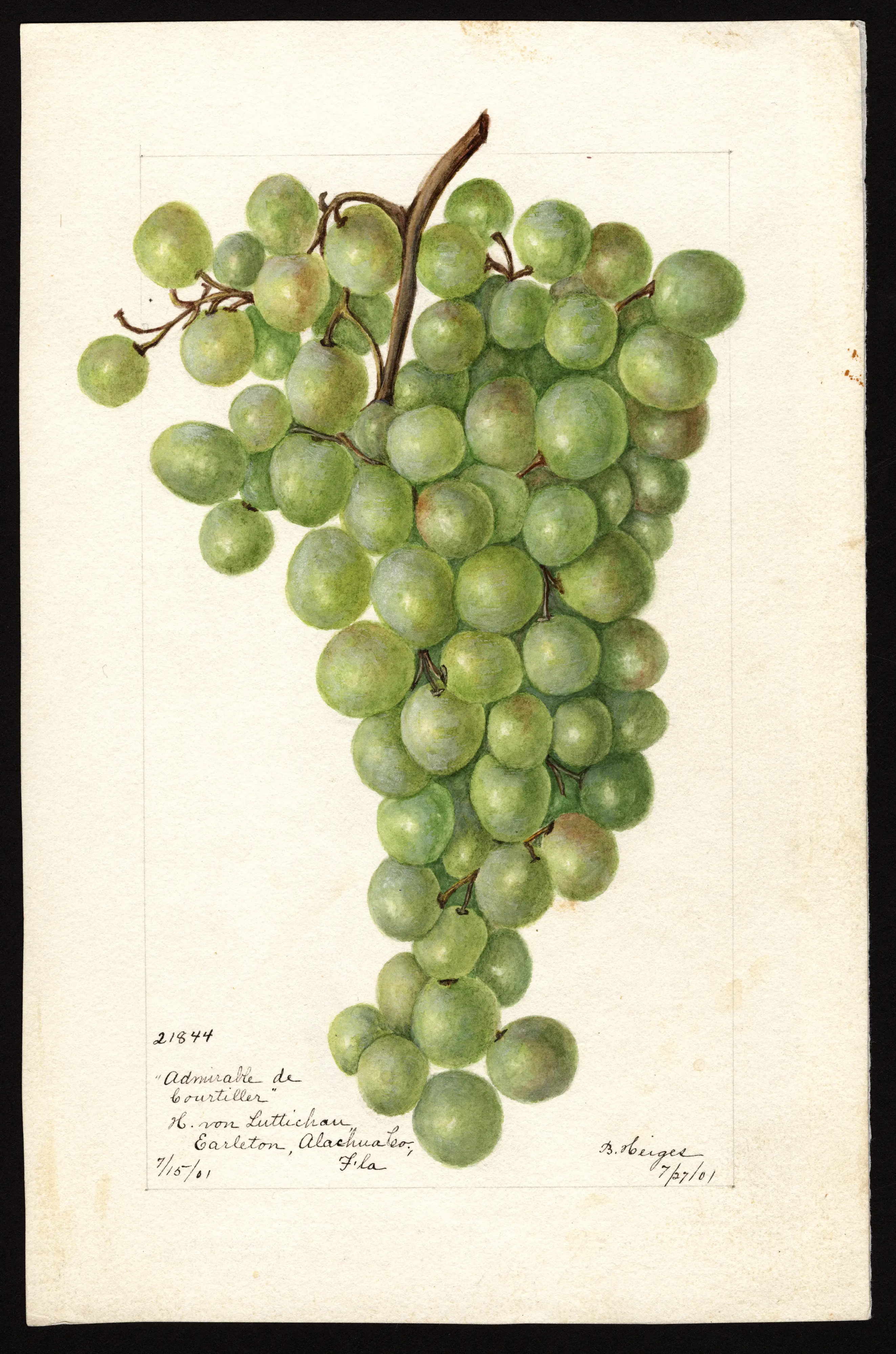
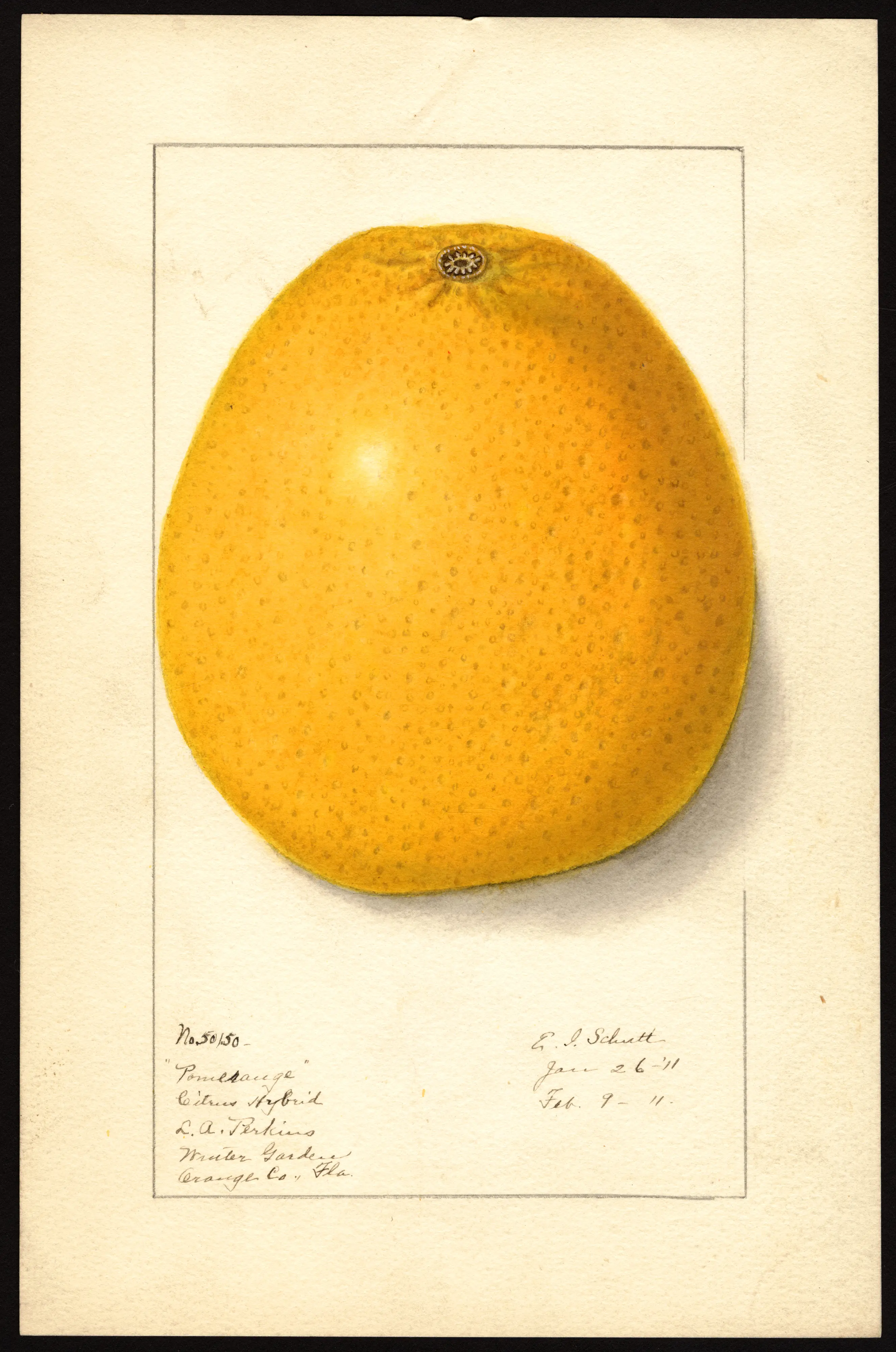
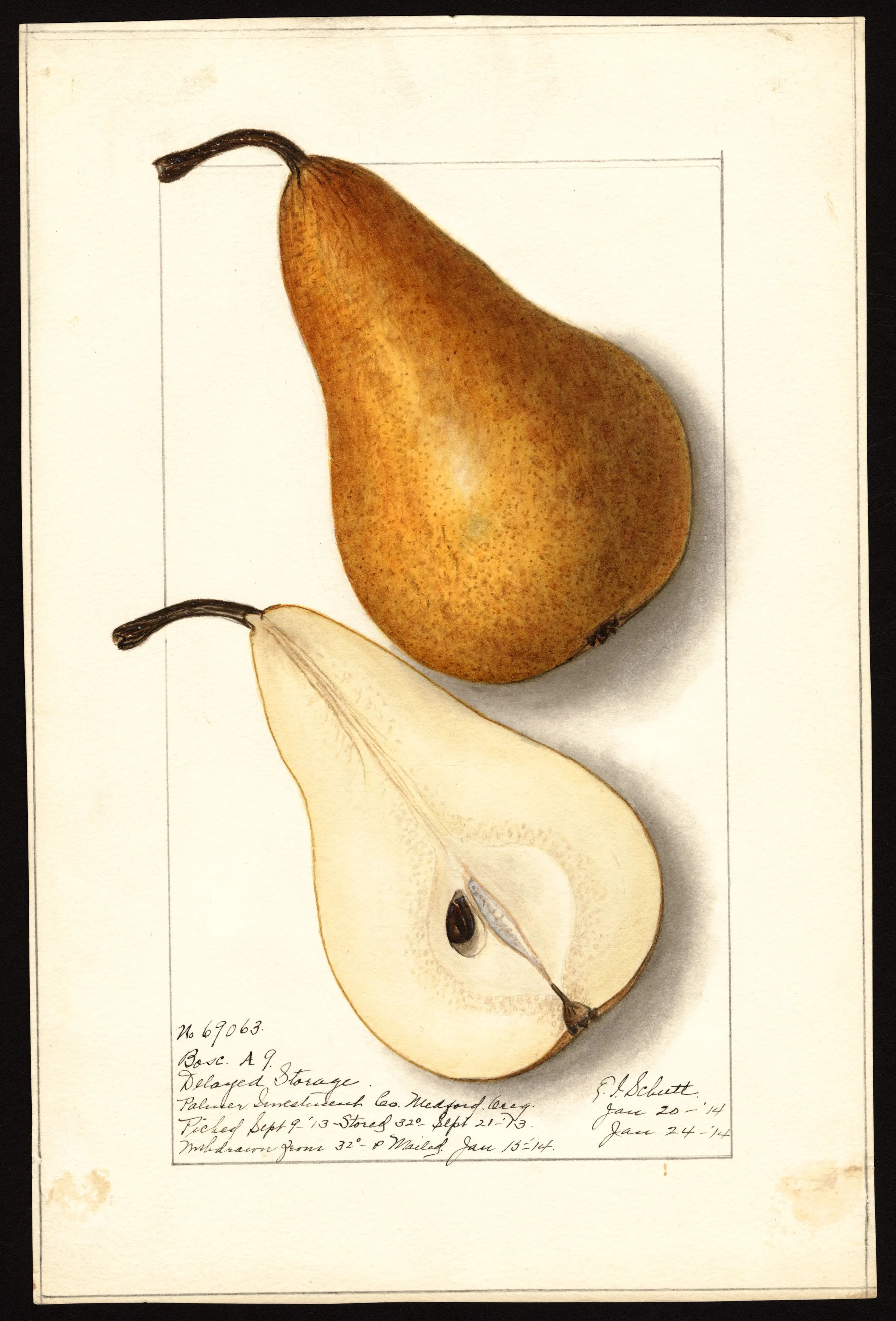
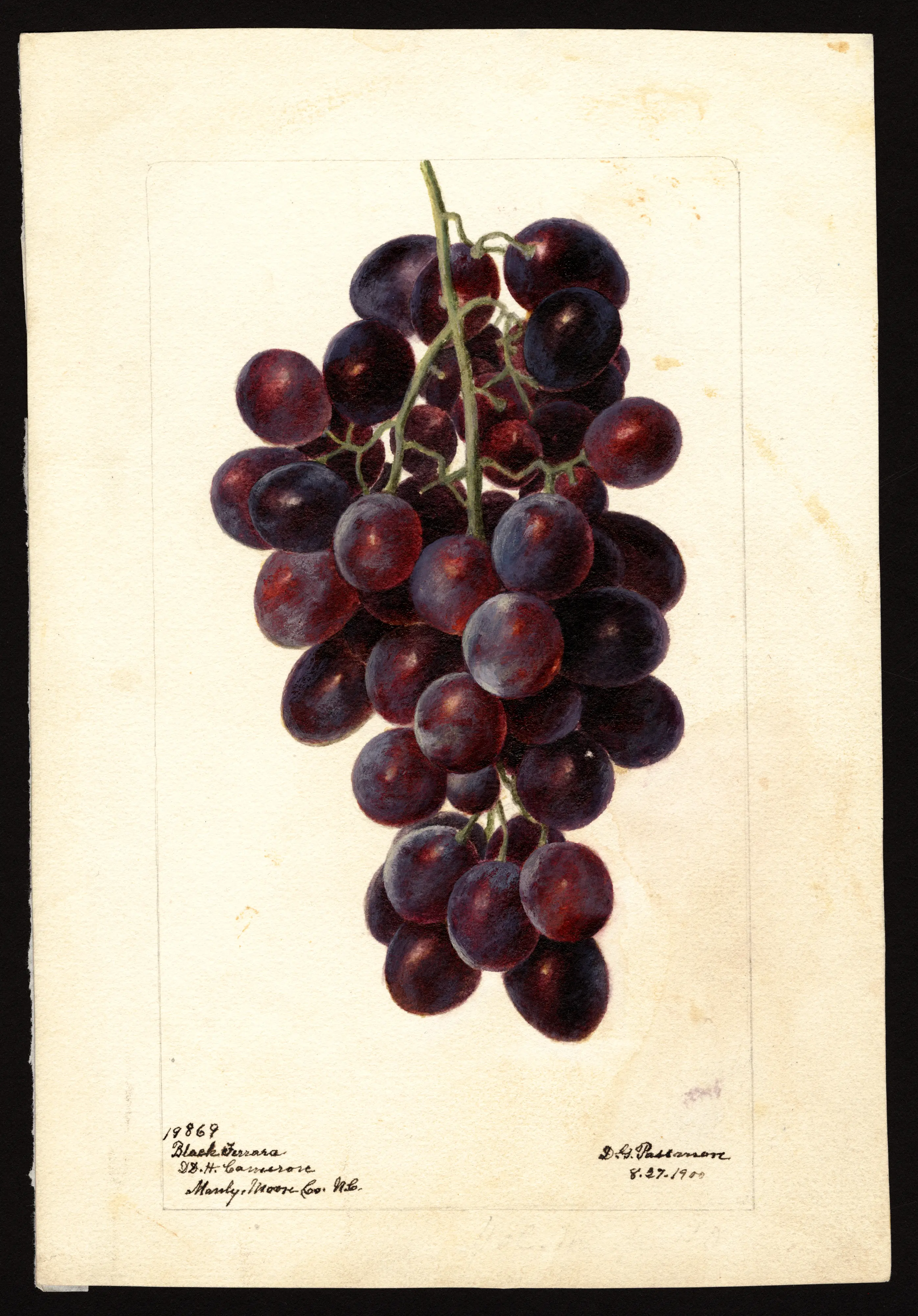
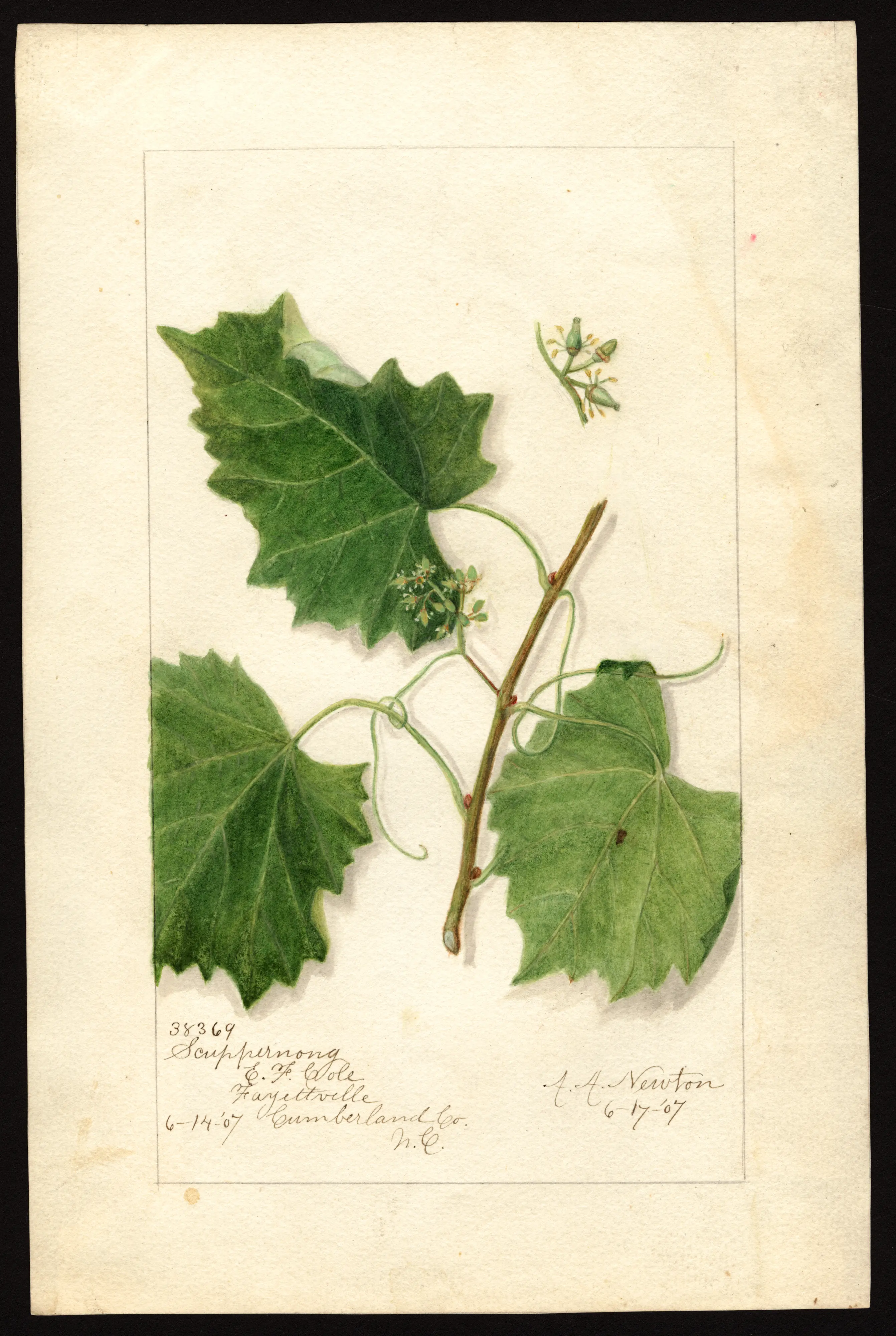
Lay the pages side by side and a pattern shows up first. The whole fruit sits on one side and the fruit cut in half on the other, so the colour of the skin, the colour of the flesh and the shape of the core all end up on the same sheet. The painters do not flatter the fruit either. A bruised apple is painted bruised, a spotted pear spotted, and whatever arrived half rotten goes onto the paper that way. A painting has to be beautiful, these pages only have to be right.
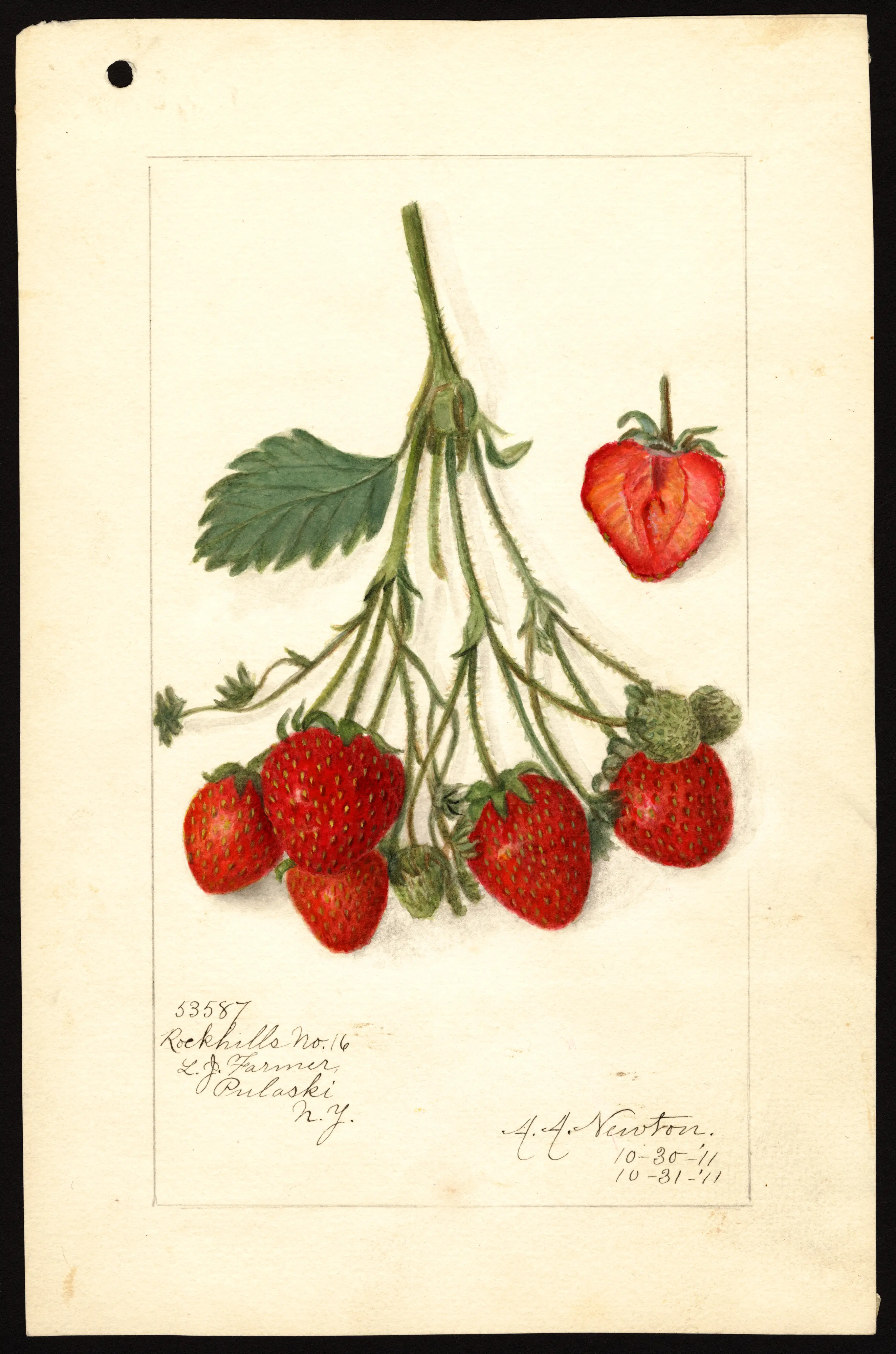
The part I find most interesting is the pencil writing in the corners. Bottom left, the specimen number, the name of the variety, the name and town of whoever sent it, bottom right, the painter's signature and the date. Every page fills the same fields in the same order, and looking at it as a mathematician I see less a collection of pictures than a database with its columns ruled in pencil, and the most important field in it is the colour itself.
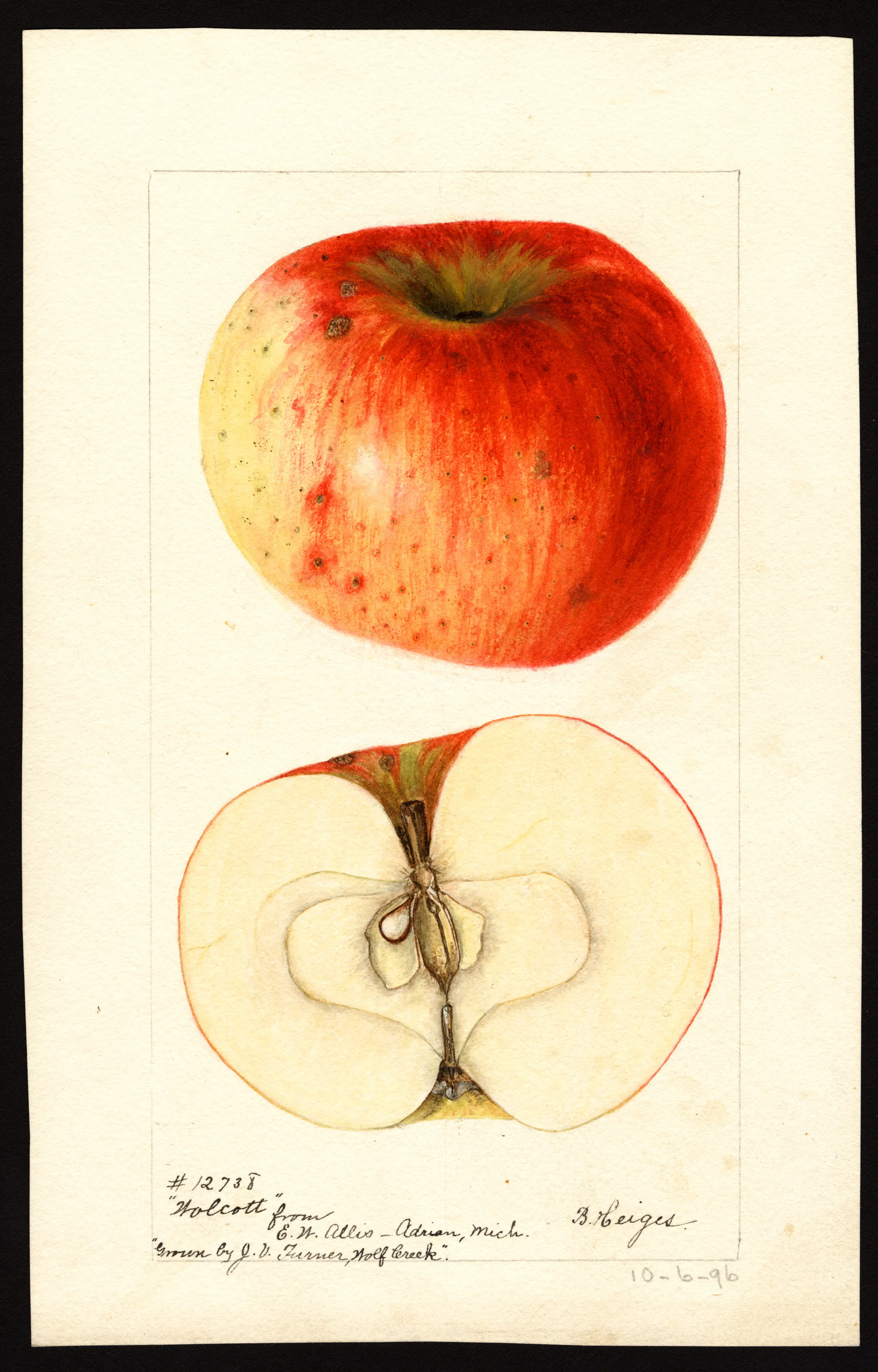
About 21 painters fill this database, and the most pages come from Deborah Griscom Passmore, Amanda Newton, Mary Daisy Arnold, Ellen Isham Schutt and Bertha Heiges. Describing the aim of the work in 1915, Newton says every tint of fruit, leaf and twig must be exact to a tone. It is a strange thing to hear from a painter, because painters usually exist to play with tone, and here the whole craft lies in leaving the tone exactly as it is.
There is a wax side to the story as well. Alongside the paintings the office makes wax models of fruit, and their most interesting job is not sitting in exhibition cases. When someone in New York or Oregon about to buy an apple orchard suspects that the varieties named in the contract are not actually on those trees, they send a sample to Washington, the sample is set next to the wax model of that variety, and the buyer is told whether the orchard is the orchard they were promised. Today a lab answers that question with DNA, in the 1920s the answer was an apple made of wax.
Arkansas turns up among the labels too. Under the Lady Pippin that Elsie Lower painted in 1905 it says Gentry, Benton Co. Ark. The apple a farmer a few hours' drive from where I live picked and mailed to Washington must have been eaten or rotted long ago, but its colour, its shape and the town it came from have been sitting on a sheet of paper for a hundred and twenty years.
By 1916 most of the work is considered done, and in the 1930s, as the camera settles into the department for good, the brushes are slowly put down. The collection goes into storage, and in 1990 someone at the library writes that he fears these sheets will be lost to aging, deterioration and a lack of money.
Eventually the collection is scanned, but this time the government puts the high-resolution files behind a paywall, and in three and a half years 81 images sell for a total of $565. I doubt there is a clearer report card for trying to sell the public pictures it already paid for with its taxes. In 2015 the files become free, and today you can download every page in high resolution from the National Agricultural Library's site.
The best part of this story, to me, is that the archive still works. North America once had 17,000 named apple varieties, and about 4,000 of them are left today. A group called the Lost Apple Project combs abandoned homesteads, creek beds and slopes too steep to plough in Washington and Idaho for these lost varieties and has found close to 30 of them so far. A found apple is first searched for among the old varieties by DNA, and when there is no match, experts set it next to these watercolours. The comparison that once kept orchard buyers from being swindled now helps put names back on lost apples, and one of the varieties that came back is the Arkansas Beauty, which the collection has on a page Charles Steadman painted in 1925.
More from the collection
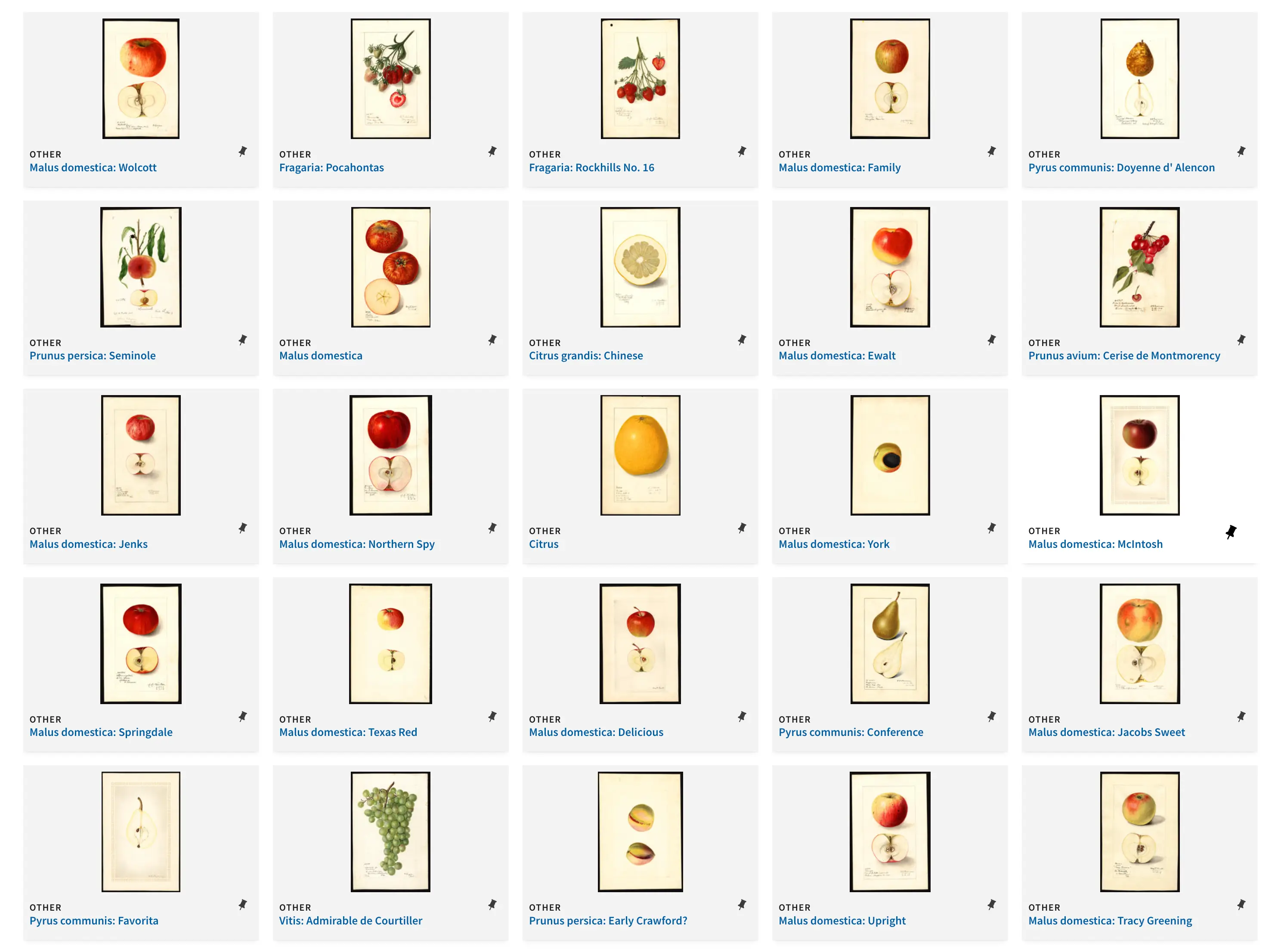
A few more pages I gathered for you.
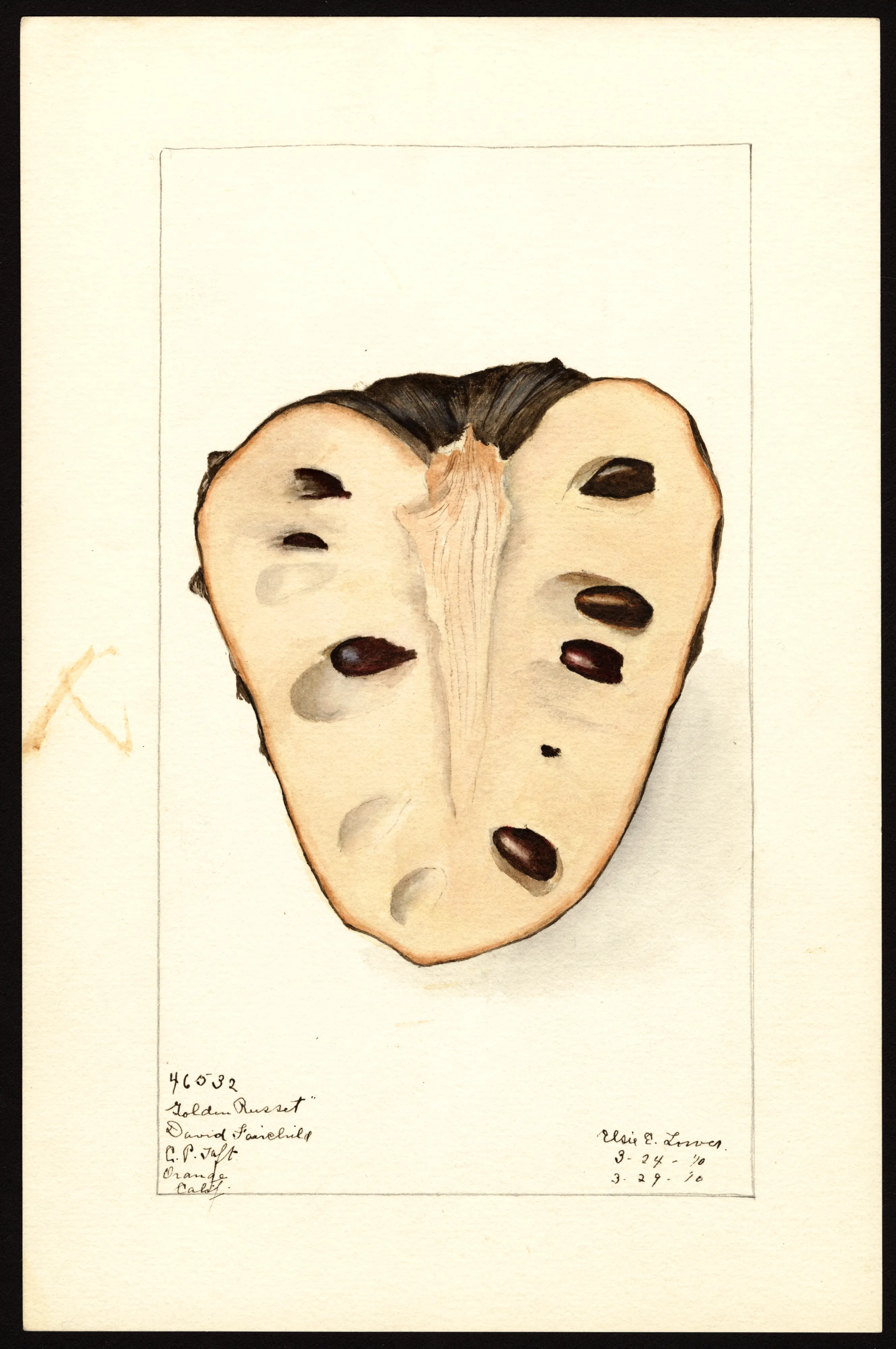
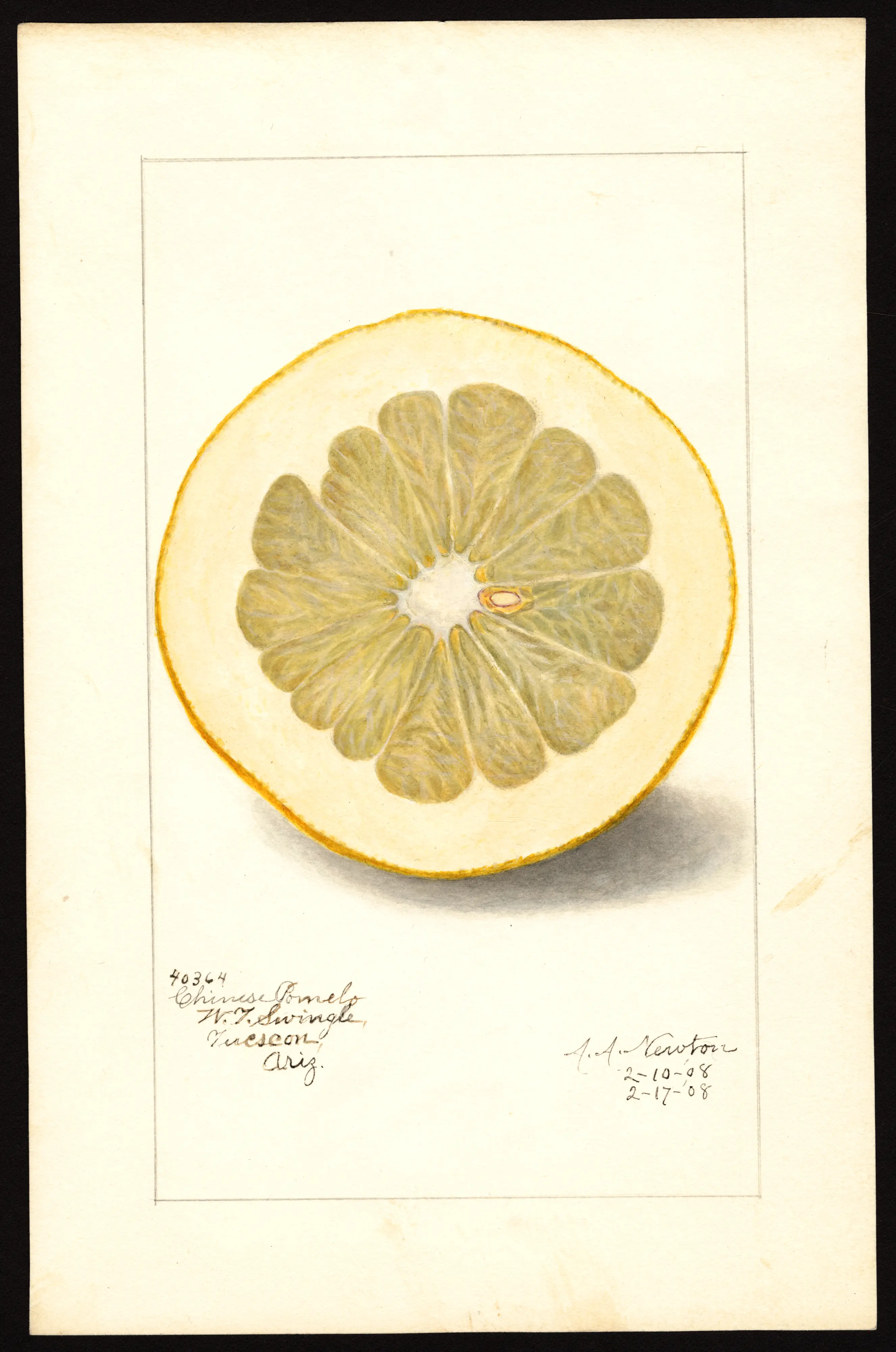
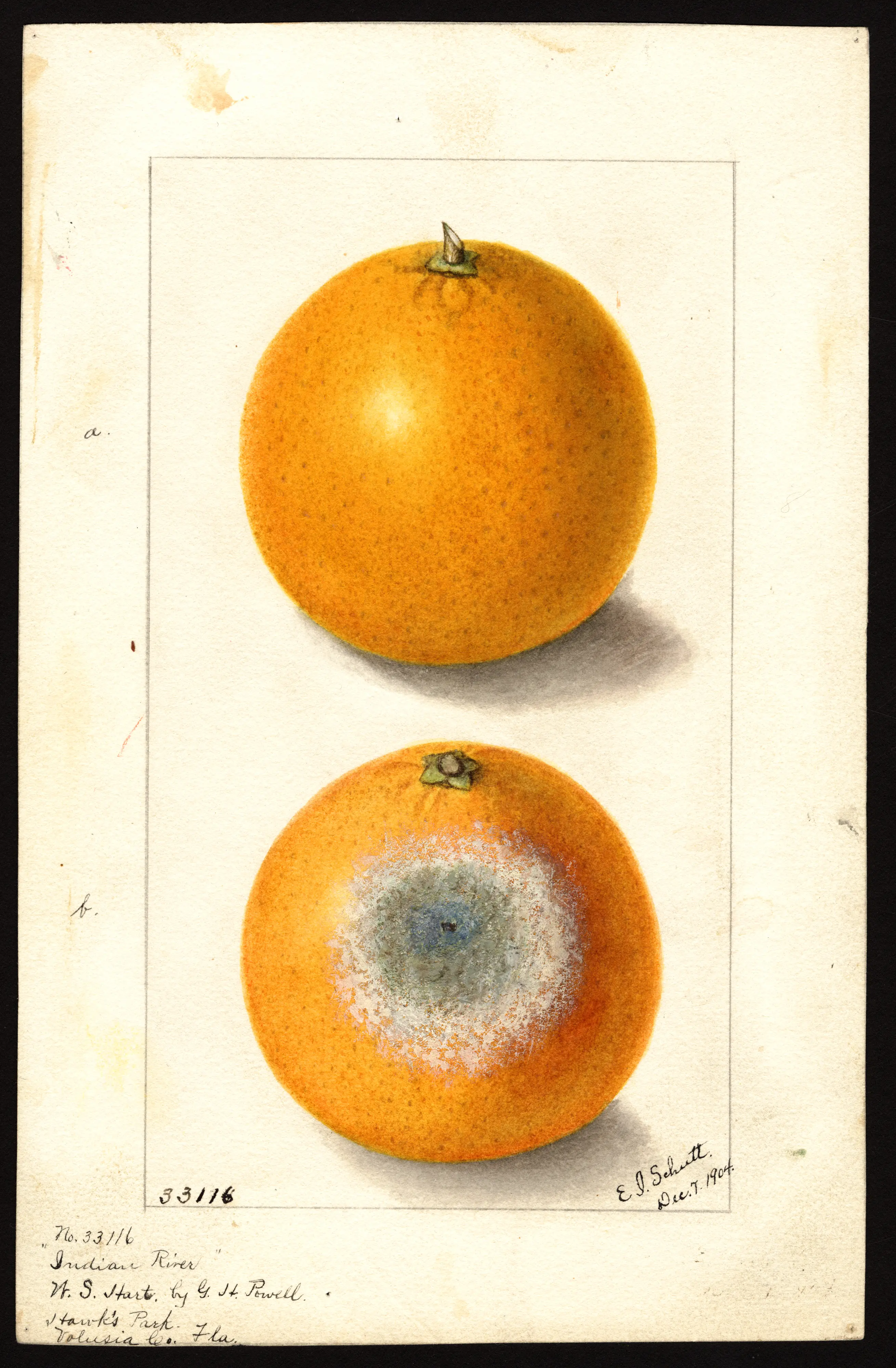
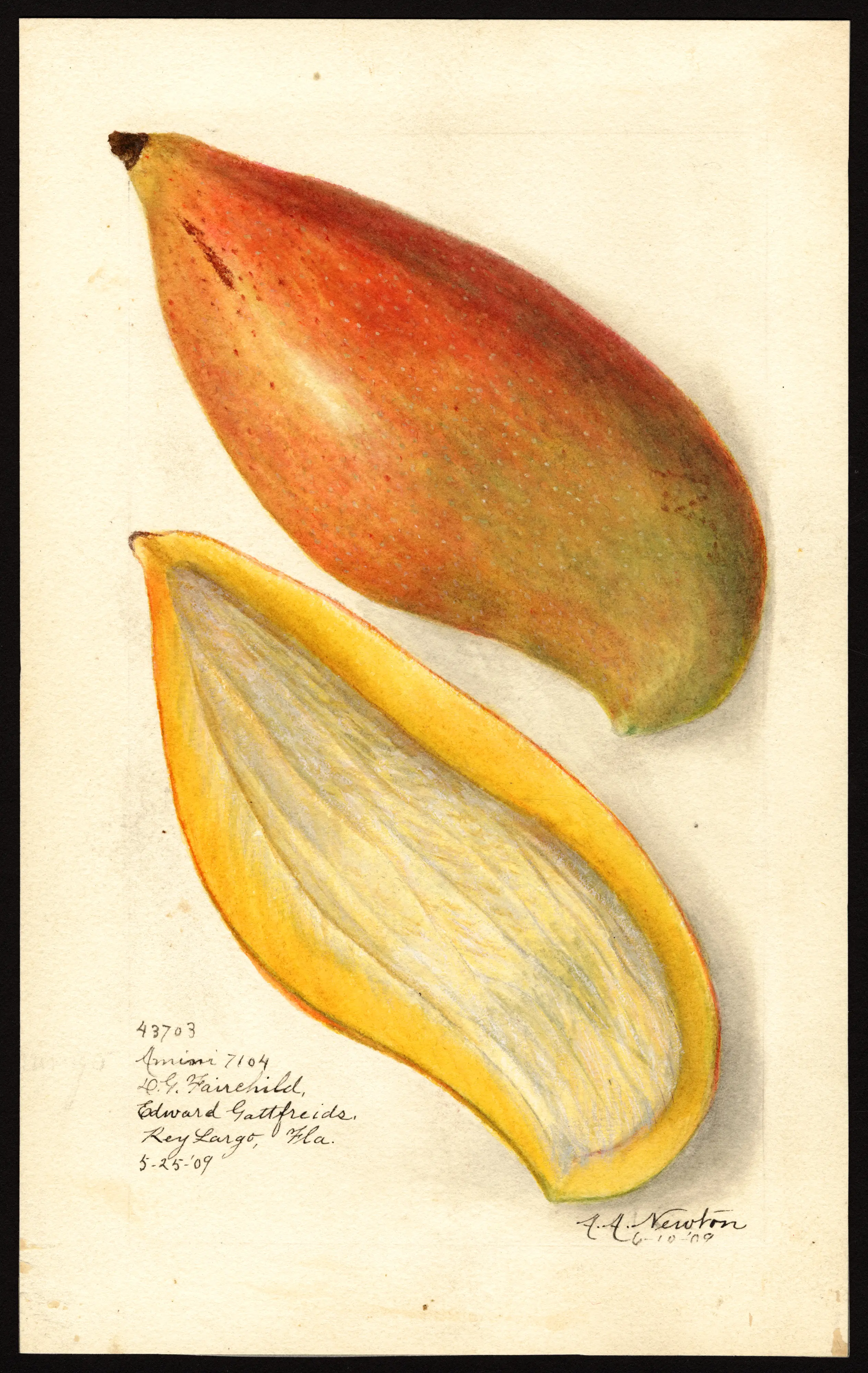
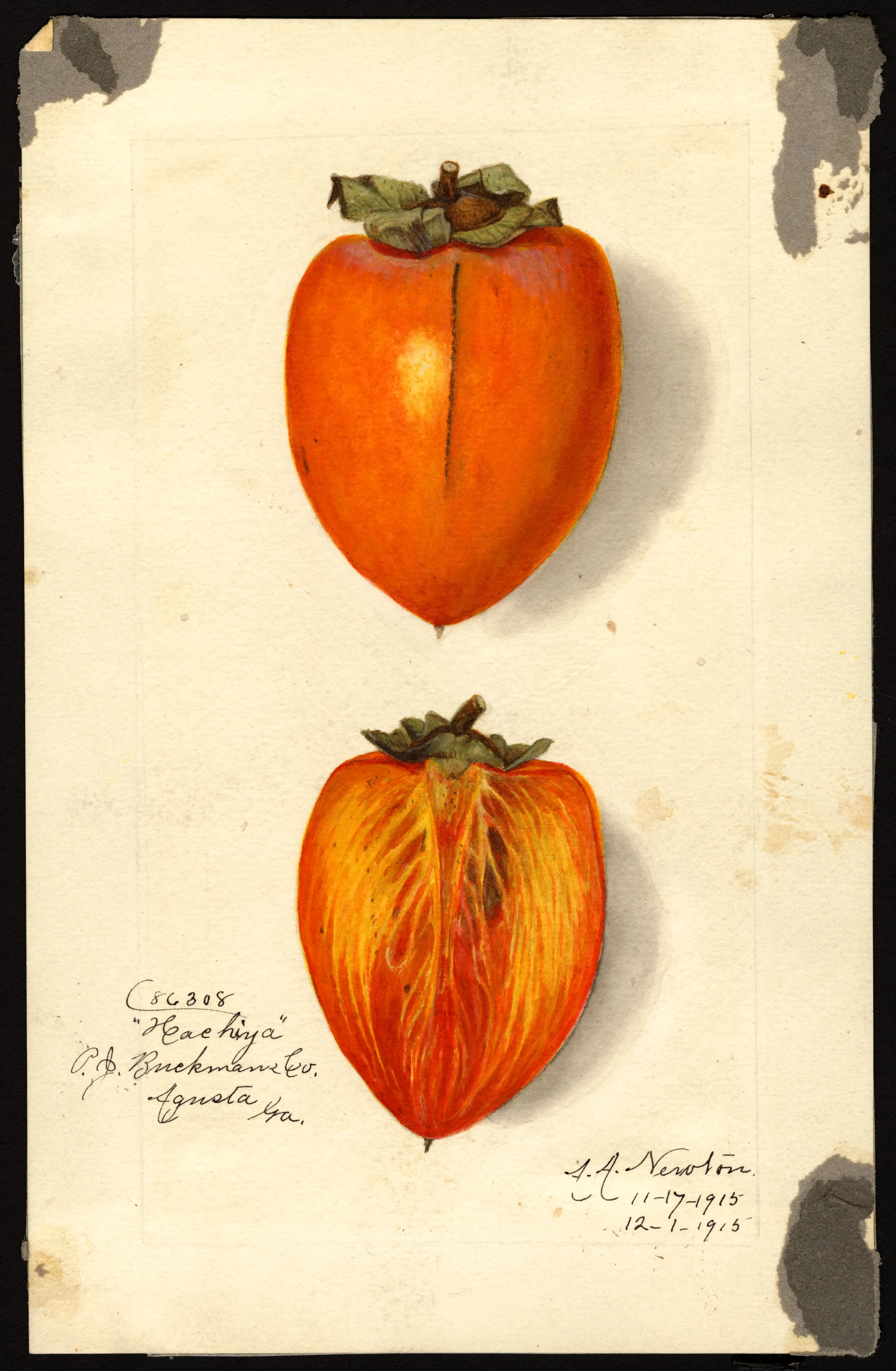
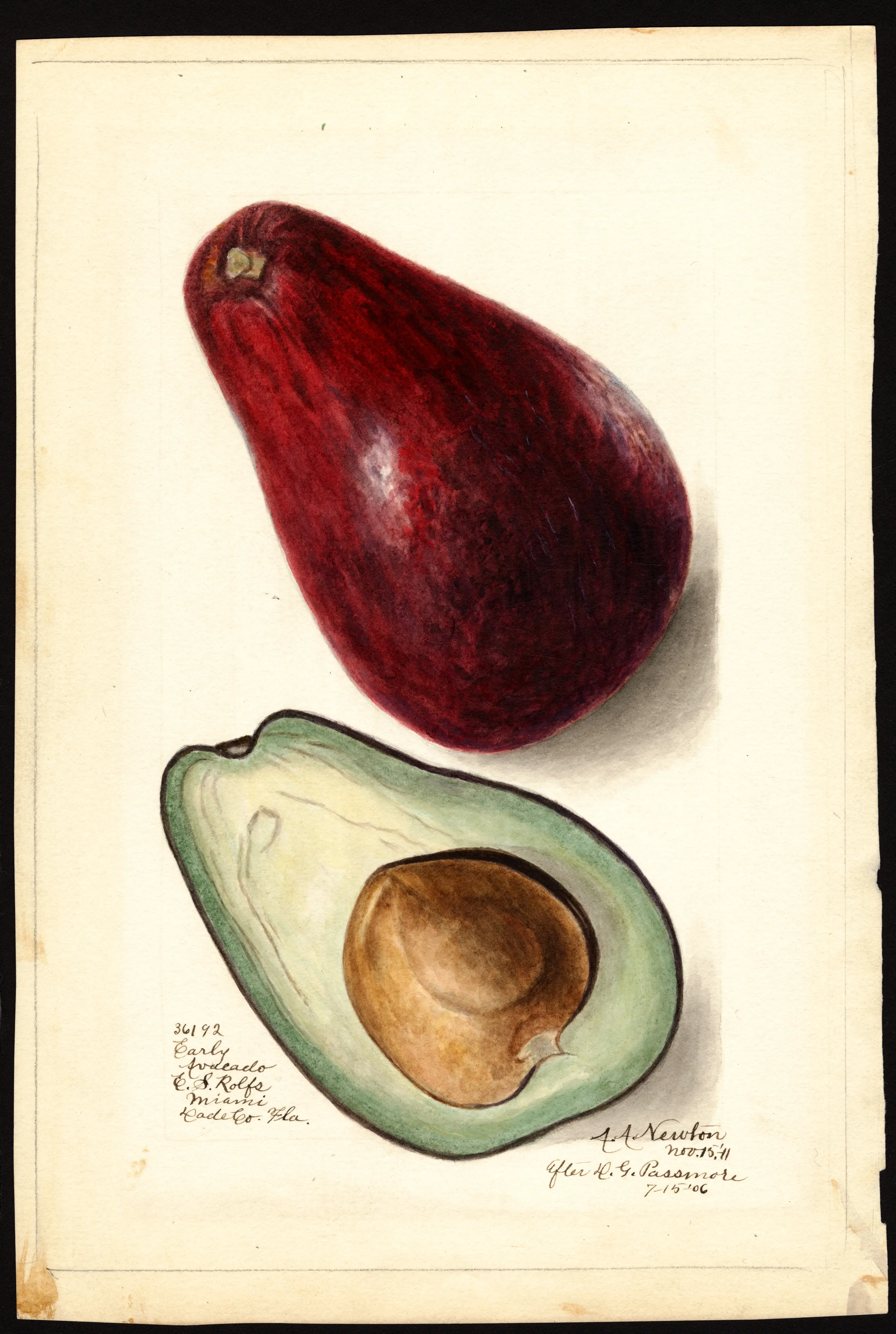
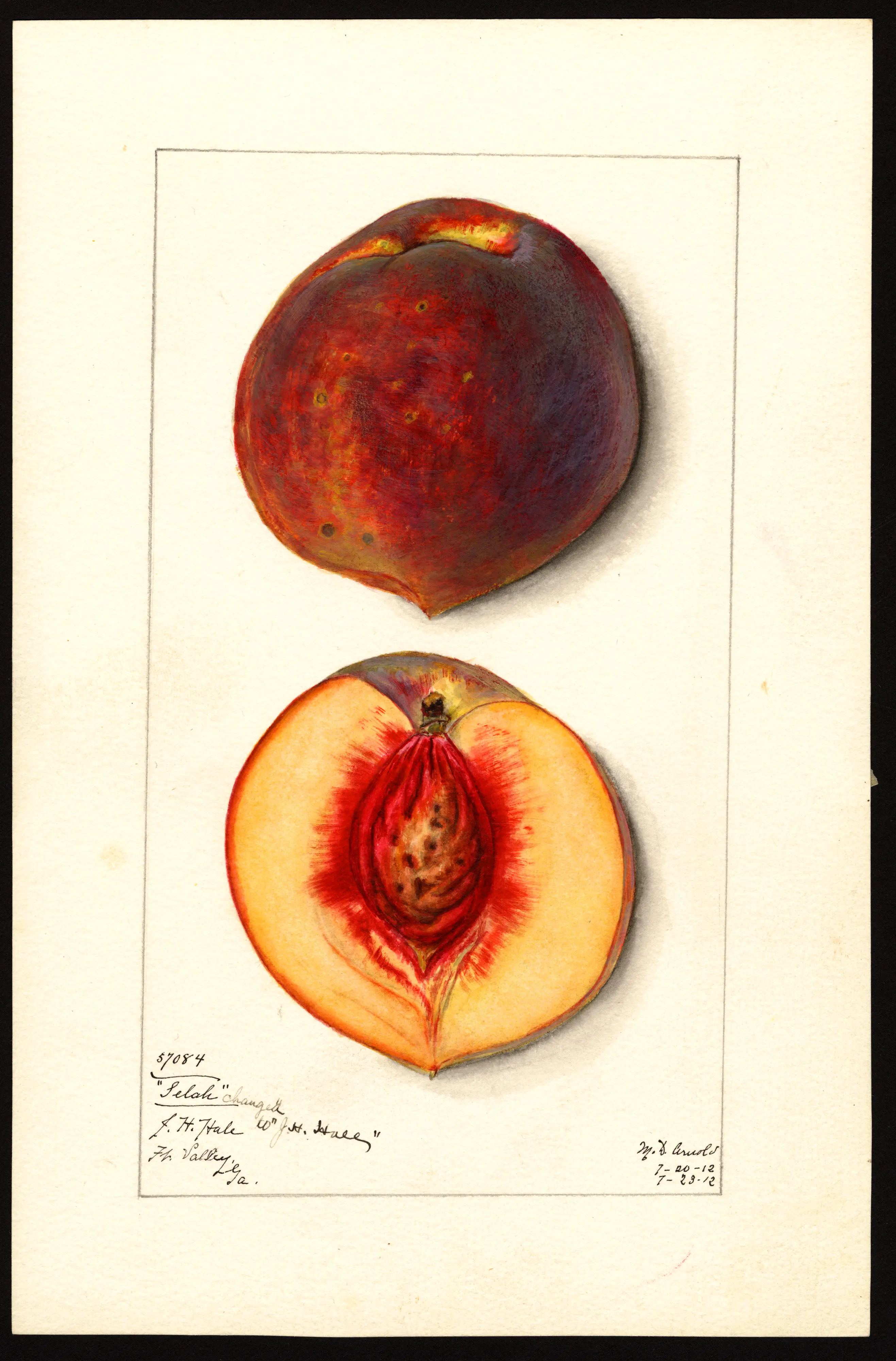
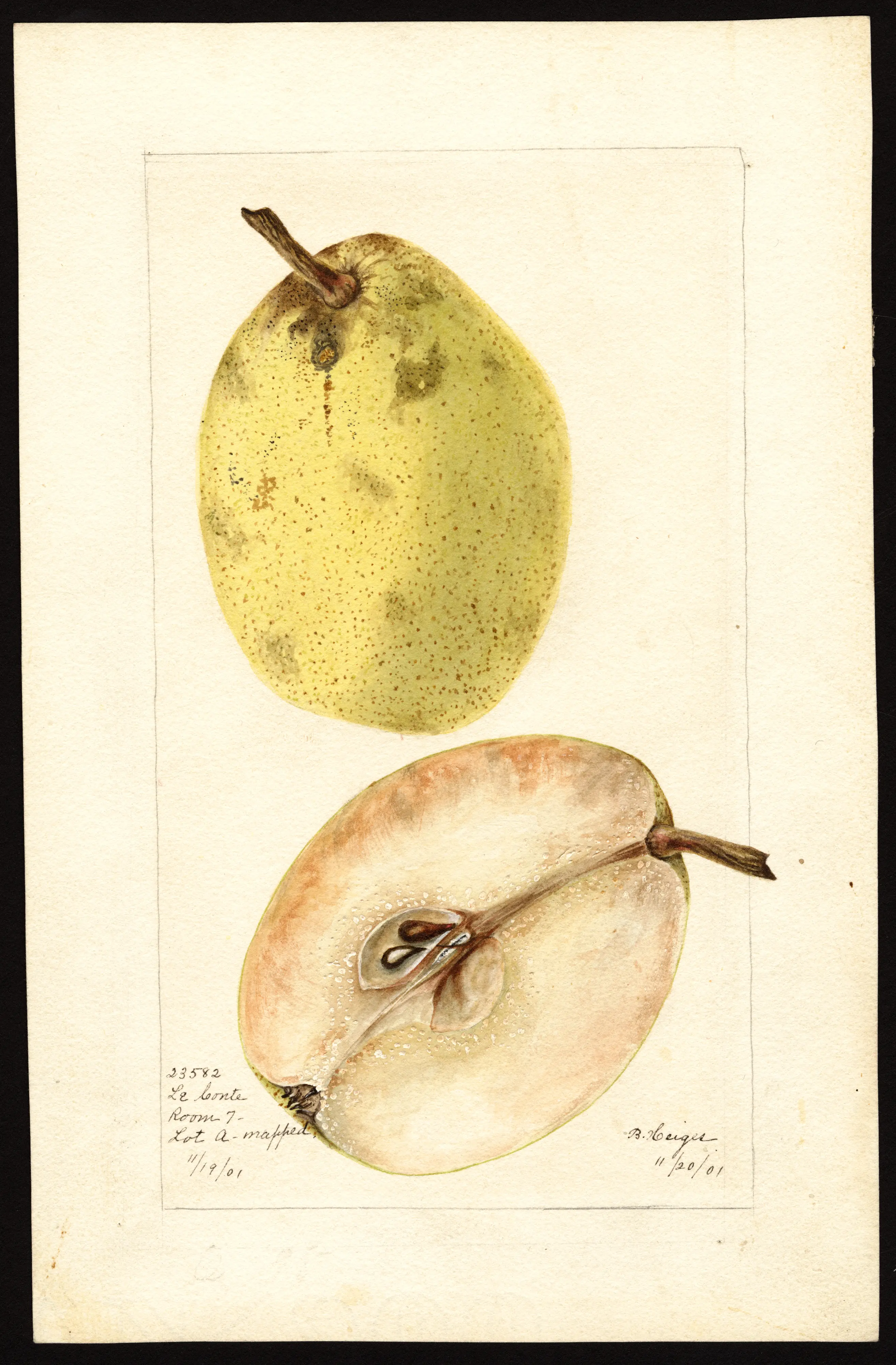
Source
- All images: USDA Pomological Watercolor Collection, Rare and Special Collections, National Agricultural Library, Beltsville, Maryland.