Most films about scientists have the same problem. The formulas go up on a blackboard and the audience is left alone not with the physics but with the physicist’s private life. Oppenheimer avoids that trap, which is why it belongs on Abakcus. There is more talking in it than exploding, thinking itself is used as the engine of the edit, and every technical decision that made this possible was thought through one by one. Below are my favourite pieces of trivia about how it was made, and a few of them will send you back to watch the film again.
Frame 01
Kodak manufactured a film stock that did not exist
Before shooting began, cinematographer Hoyte van Hoytema called Kodak asking for black-and-white negative in large format and was told no. Eastman Double-X black-and-white negative had never been produced in 65mm, and whether it could be delivered on the production’s schedule was uncertain from the start. Kodak tried anyway.
The hard part was not even the emulsion itself. The base thickness behind the emulsion had to be right, new gates and pressure plates had to be made for the cameras, and the lab had to be certain it could process the stock. Engineers and lab technicians from IMAX, Kodak, Panavision and Fotokem worked on prototype stock while van Hoytema had to solve problems with static electricity, scratching and fogging.
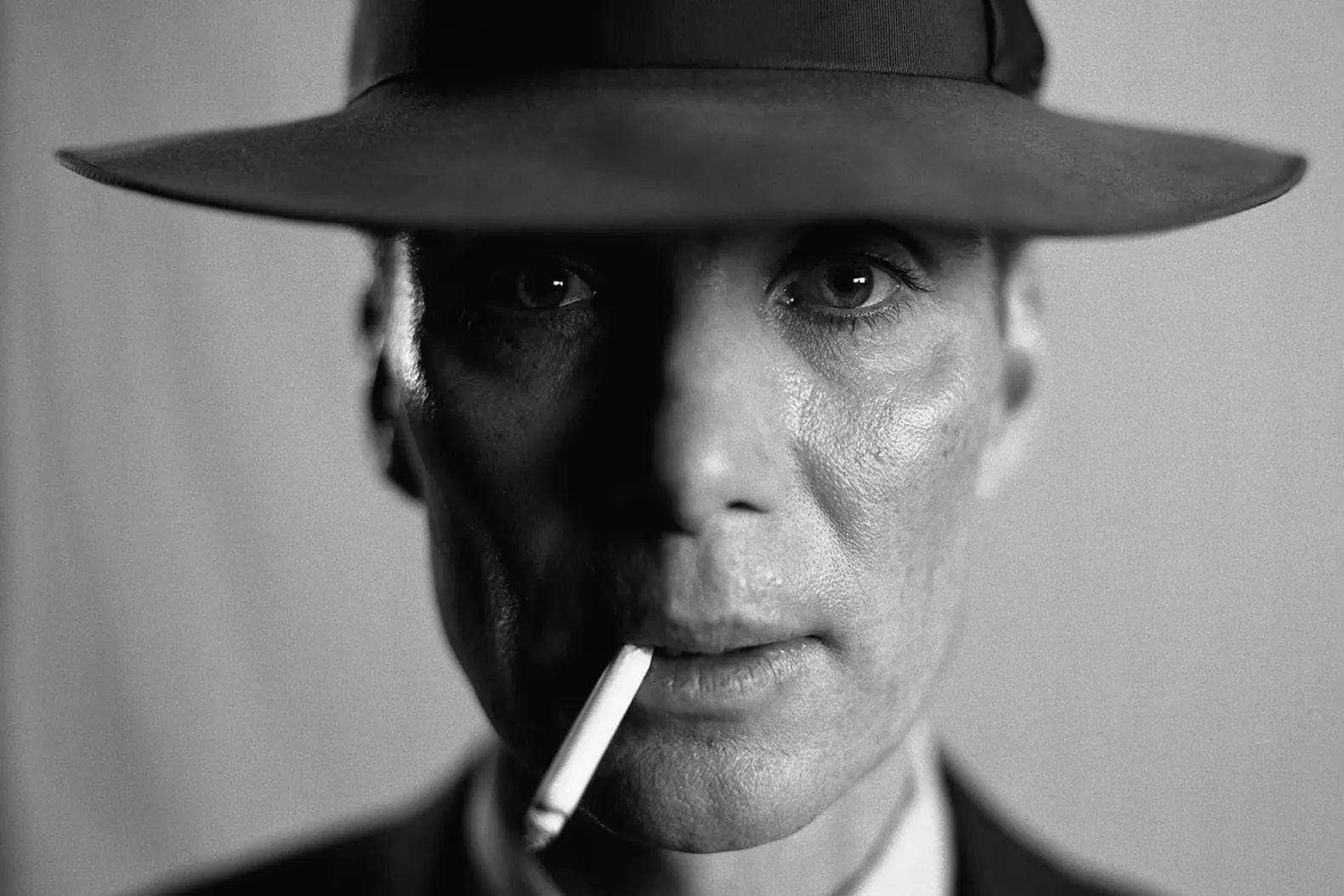
Manufacturing a film stock from scratch to satisfy one director’s stubbornness is possible in very few jobs today. They liked the result too. Van Hoytema says that when they saw the first test projections of the Murphy and Downey Jr. portraits, nobody had seen anything like it before.
Frame 02
The IMAX print of the film is eleven miles long
There is no metaphor here, I mean actual length. The 70mm IMAX print runs about eleven miles and weighs some six hundred pounds, shipped as fifty-three separate reels with six reels to a box. The projection team at the Science Museum in London spent over sixteen hours splicing, taping and winding those fifty-three reels together, and a single reel carries roughly three minutes and twenty seconds of picture.
The reason anyone goes to this trouble comes down to resolution. Where a digital projection corresponds to 4K, 70mm film works out to roughly 18K. Nolan also reached the end of the road here. When he told IMAX he had a hundred and eighty page script and asked whether it could be done, he was told the arm holding the platter now ran right up against its limit, making this the outer limit of running time for an IMAX film print.
Frame 03
The projection is driven by a 2002 PalmPilot
This is the detail that makes me smile most. IMAX’s existing platters could only hold enough film for a hundred and fifty minute runtime, so the company had to build extensions for them, and the system managing the transition between reels runs on twenty-one-year-old PalmPilot software.
The strange part is that this was no accident. According to a company spokesperson, the original Quick Turn Reel Units ran on PalmPilots, so IMAX engineering designed and manufactured an emulator mimicking the look and feel of one to keep things familiar for their film projectionists. The film about the atomic bomb reaches the screen through an imitation of a 2002 handheld.
Frame 04
Black and white is not a stylistic choice, it is the narration itself
The film has two timelines, and colour is what separates them. The colour scenes are seen through Oppenheimer’s eyes, the subjective side. The black-and-white scenes belong to Lewis Strauss, the view from outside. Nolan took this so seriously that he specified in the screenplay which scenes would be in colour and which in black and white. You can try the distinction with the switch below.
Two points of view
Oppenheimer's side. The colour scenes carry everything passing through him, his memory, his fear and the images he sees. The camera sits unusually close to faces, and the entire resolution of the IMAX negative is spent not on a landscape but on somebody's face.
Frame 05
The screenplay was written in the first person
Screenplays are almost always written in the third person, in the neutral language of a camera. Oppenheimer is the first film in Nolan’s career where he told the story in the first person, from the point of view of the main character. Composer Ludwig Göransson says he had never read a script like it.
How this fed into the music is clear enough. Göransson describes wanting the music to put the audience in his position rather than seating them somewhere that judges him. So what you hear on screen is not a commentary running alongside the scene, it is the inside of the character’s head.
Frame 06
Choosing the violin was Nolan's only musical instruction
Nolan imposed almost nothing on his composer, asking only that the score be built on the violin. He says the tension in that sound fits Oppenheimer’s nervous intellect and emotion. For Göransson, because the violin has no frets, changing the vibrato and the bowing lets it move from a calm tone to a neurotic one within seconds.
The lecture-hall scene is built on the same logic. It opens on a single violin, four more come in as four people enter the classroom, and by the time the room is full you are facing an entire orchestra. The two-minute cue written for the scene where Niels Bohr asks whether he can hear the music contains twenty-one tempo changes. Göransson wanted all twenty-one captured as one unbroken take, and spent three days with the orchestra getting it.
Frame 07
The subatomic world was hunted with ping-pong balls and tanks of pellet-filled water
Whenever Oppenheimer thinks about something in the film, particles, waves and shivering lights appear on screen. None of it was made in a computer. When Andrew Jackson got the script, he soon found himself tinkering with explosive chemicals, ping-pong ball simulations and giant vats of pellet-filled water, because he had to build physical visualisations of subatomic activity.
The method is precisely a laboratory method. Jackson and special effects supervisor Scott Fisher built dozens of setups against three criteria, that the idea be simple and quick to make, that it relate to a line in the script, and that it present well on film, filming them on iPhones and digital cameras to assemble a library of ideas. Most of the attempts went in the bin. Nolan rejected the exploding ping-pong balls demonstration as too literal.
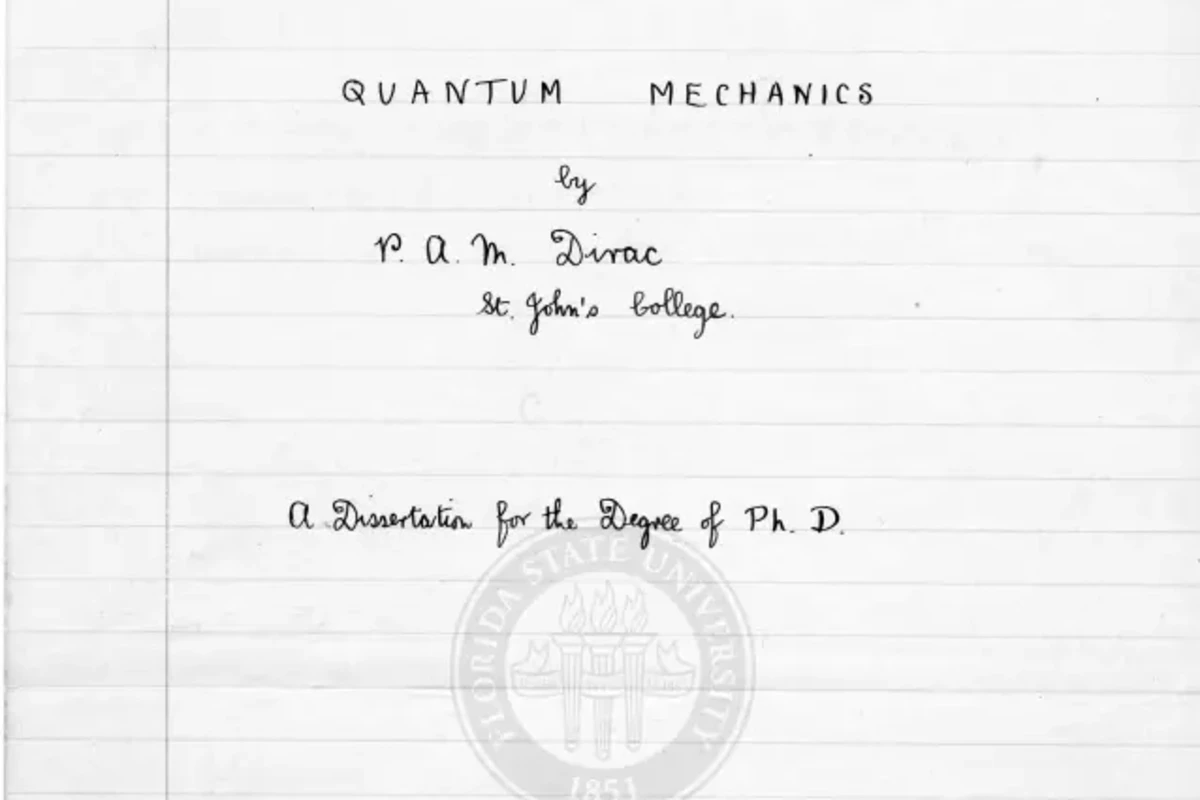
The account of why one attempt failed is my favourite part. Jackson first tried filming particles spinning in a loop, and when that would not read on camera at all he had them describe a vertical wave as they made their arc, which worked far better. So the quantum imagery on screen is a photograph of mechanical rigs somebody spent weeks working out in a workshop — a long way from the longhand pages where quantum mechanics was actually written, and closer to them than any computer simulation would have been.
Frame 08
There is no CGI in the Trinity explosion, but there are visual effects
As soon as he finished the screenplay Nolan went first to visual effects supervisor Andrew Jackson, because he wanted to take computer graphics off the table and see whether the first atomic explosion could be produced by real-world means. His reasoning is interesting too. Nolan said computer graphics tend to feel safe and comfortable to look at, whereas this image needed to be uncomfortable and had to bite.
The method they arrived at is fairly crude. Four fifty-gallon drums of fuel were used with explosives placed beneath them, igniting the fuel and throwing it into the air. Burning fuel at that volume takes on a mushroom shape by itself, and petrol, propane, magnesium and powdered aluminium were used for the blinding light of the initial flash.
A common misunderstanding needs correcting here. Jackson says the claim that the film contains no visual effects is clearly not true, and puts the number of visual effects shots in the film at around two hundred. The final explosion was arrived at by layering four hundred separate elements, most of them genuinely filmed. So there is a computer involved, just not to simulate the explosion, only to combine footage that was shot. For the real thing, the declassified footage of the Trinity test is still the strangest film ever shot in a desert.
Frame 09
The explosion that looks enormous on screen is only a few hundred feet high
Scale is the most cleverly solved part of the film. The real Trinity tower stood a hundred and ten feet tall while the one in the film reached about thirty, and where the real mushroom cloud rose for miles, the cloud Nolan ignited climbed only a few hundred feet. What closed the gap was frame rate and layer count. The footage was slowed down and composite layers were stacked on top, with some shots carrying a hundred layers of images.
The bomb itself, though, was built full size. A full-scale model of the globe-like bomb was made because it had to be seen both being assembled in the lab and being hoisted up the tower at Trinity. According to Jackson they staged six or seven explosions shot with multiple cameras, different lenses and different frame rates, and slowing the material down and layering it got them very close to the look of the archival footage.
Frame 10
The shivering backgrounds were made by shaking a projector
Throughout the film, the background trembles and doubles strangely whenever Oppenheimer grows uneasy. That was solved on set too. Jackson photographed the set and projected it back onto the scene from exactly where the camera stood, shaking the projector during the take. It also let him tune the intensity of the effect to Murphy’s performance in the moment, so the less steady the actor, the less steady the background.
Watching the scene again after reading this is a different experience. What you see on screen is not a layer added afterwards, it is something actually happening in front of the actor.
Frame 11
Los Alamos was rebuilt from scratch
The real Los Alamos is now full of modern houses and shopping centres, so it could not be used for exteriors. The town as it stood in the forties was built from nothing at Ghost Ranch near Abiquiu, about forty miles north of the real thing. Production designer Ruth De Jong first planned to rebuild the entire laboratory, then saw the cost running away and proposed shooting interiors at the real Los Alamos and exteriors at Ghost Ranch.
Trinity took the same route. Because the military site holding the real test ground allowed only six to eight hours of work a day, Nolan had his own test site built in Santa Fe, including a hundred-foot steel tower and the bunker from which Oppenheimer watched the blast.
Frame 12
Nolan cut thirty shooting days of his own accord
I read this one twice. Nolan gave up around thirty shooting days so the budget could be redirected to production design and location shooting, and the film was shot in fifty-seven days instead of eighty-five. Voluntarily surrendering the thing directors usually fight for is not something you see often.
What came back in return is beyond measure. More than a hundred and fifty sets were erected over the fifty-seven day shoot. De Jong says the process felt like a hundred-million-dollar indie, and recalls that the town first came in at twenty million dollars until Nolan told her to stop. De Jong and Nolan travelled through New Mexico, Utah and Colorado looking for the right site.
Frame 13
The Oval Office scene was shot on a sitcom set
There is a scene where President Truman receives Oppenheimer, and that room is not the White House. The team used the Oval Office set from Veep, built the missing lobby and cabinet room with crews working around the clock for five days, and by De Jong’s account the paint was still wet. Gary Oldman had no idea.
The room standing on screen as the heaviest chamber of the state is a set painted a few days earlier.
Frame 14
The Princeton scenes were shot in Einstein's actual office
The second half of the film takes place largely at the Institute for Advanced Study, which Oppenheimer directed from 1947 to 1966, and the shooting really happened there. Oppenheimer’s own office had been renovated in the years since, so the production was given Einstein’s old office to work in.
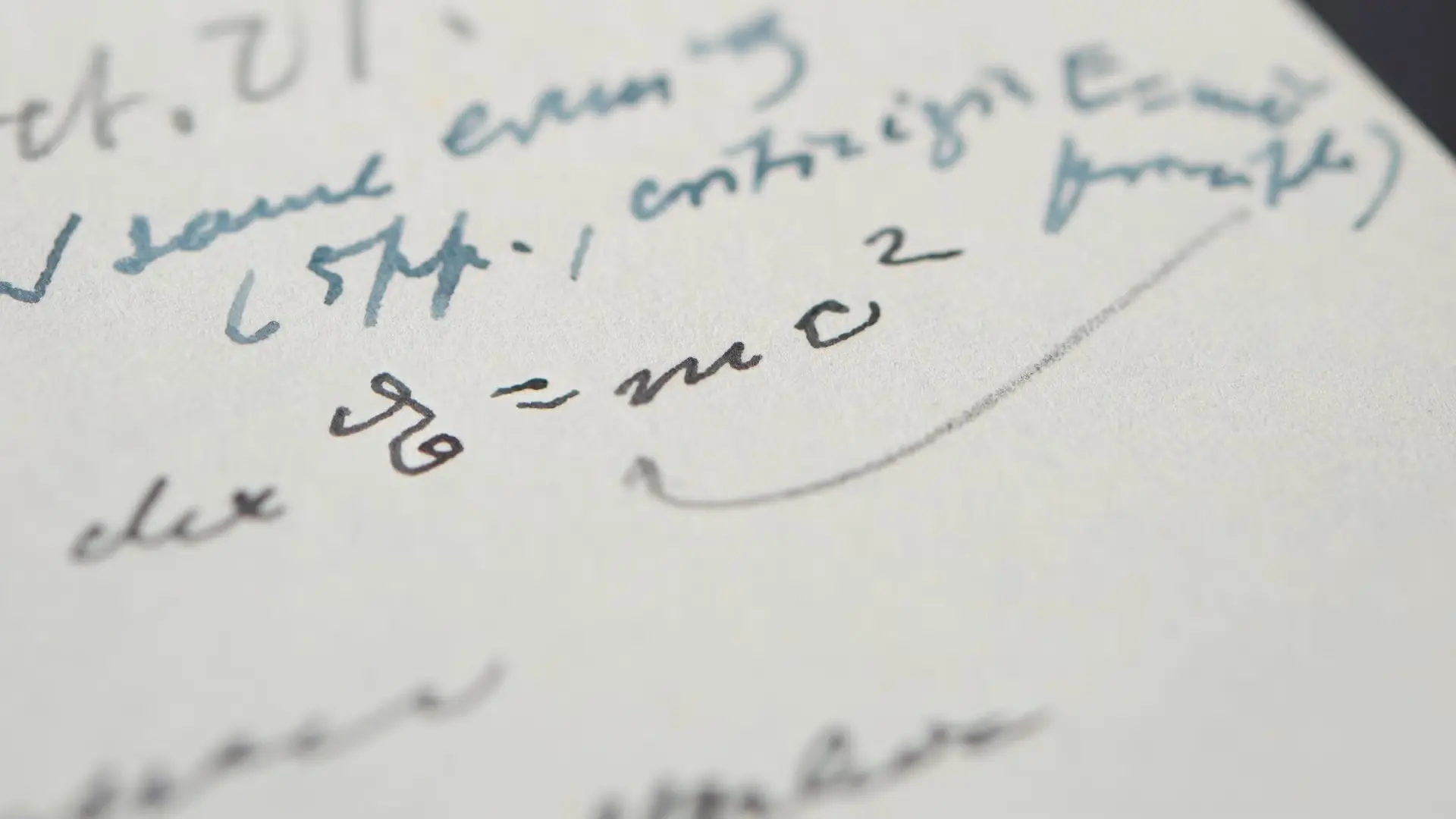
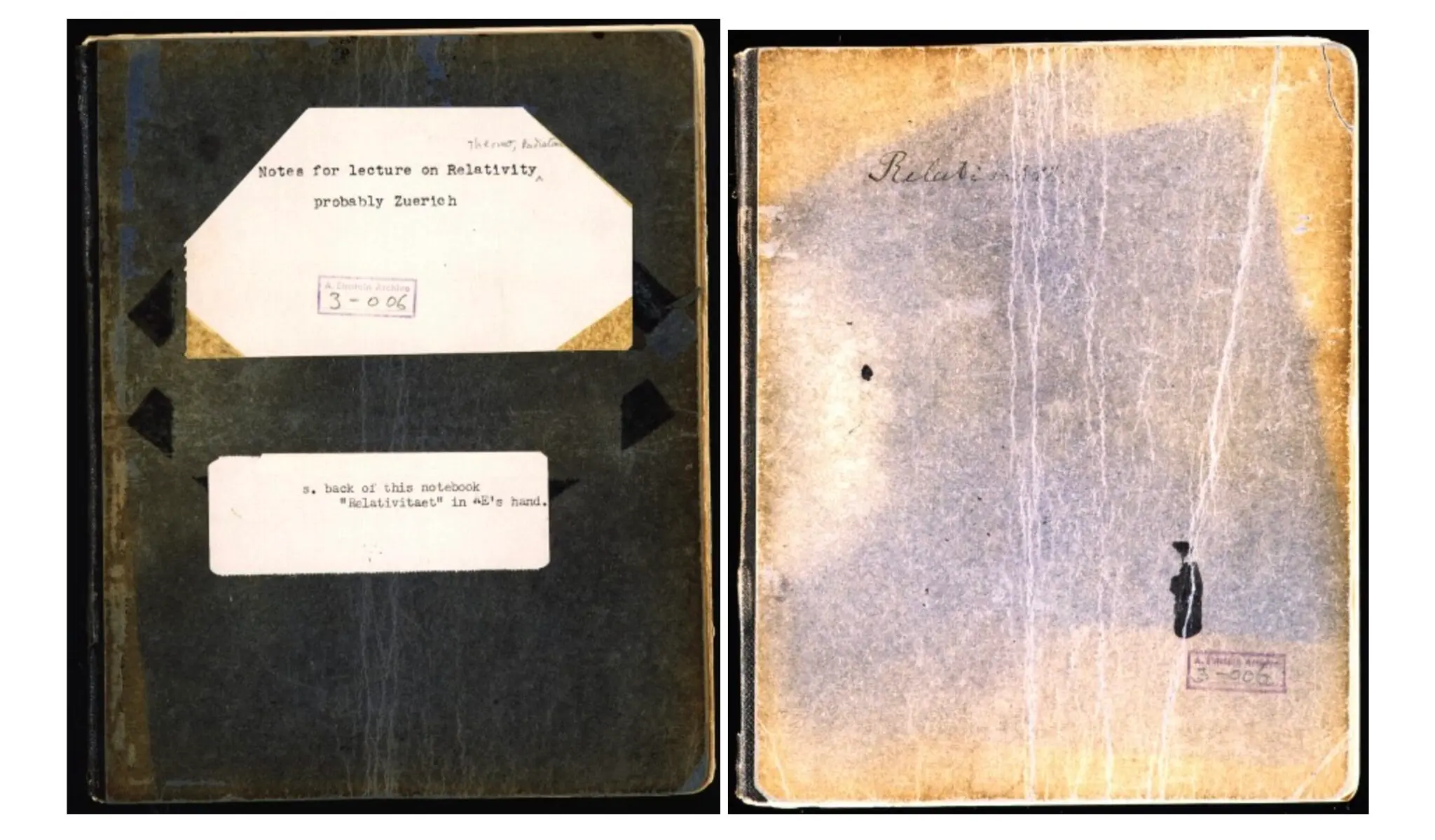
So the room where you watch Oppenheimer sitting at his desk is in fact Einstein’s room. The institute also has a pond, and the scenes of Einstein wandering about were shot there. If you want the man rather than the character, start with the notebook where general relativity didn’t work yet and the question of when he first wrote E = mc².
Frame 15
Cillian Murphy memorised a physics lecture in Dutch
There is a short scene where Oppenheimer lectures in Dutch in Europe, and Murphy actually learned it. Murphy says the thought of that small scene terrified him, and recalls asking Nolan during prep what they were going to do about it only to have the question turned back on him.
The solution came from the cinematographer. Van Hoytema, who is Dutch, translated part of the lecture and recorded it in his own voice, and Murphy listened to the recording and repeated it every morning for three months. Murphy says he can still recite it today.
Frame 16
A three-hour film of people talking came close to a billion dollars
The commercial outcome strikes me as being as remarkable as the production details, because there is no superhero and no chase sequence anywhere in it. The film took 953.8 million dollars and won seven Oscars including Best Picture. Two months after release it became the highest-grossing biographical film of all time, having already taken the top spot among films set during the Second World War.
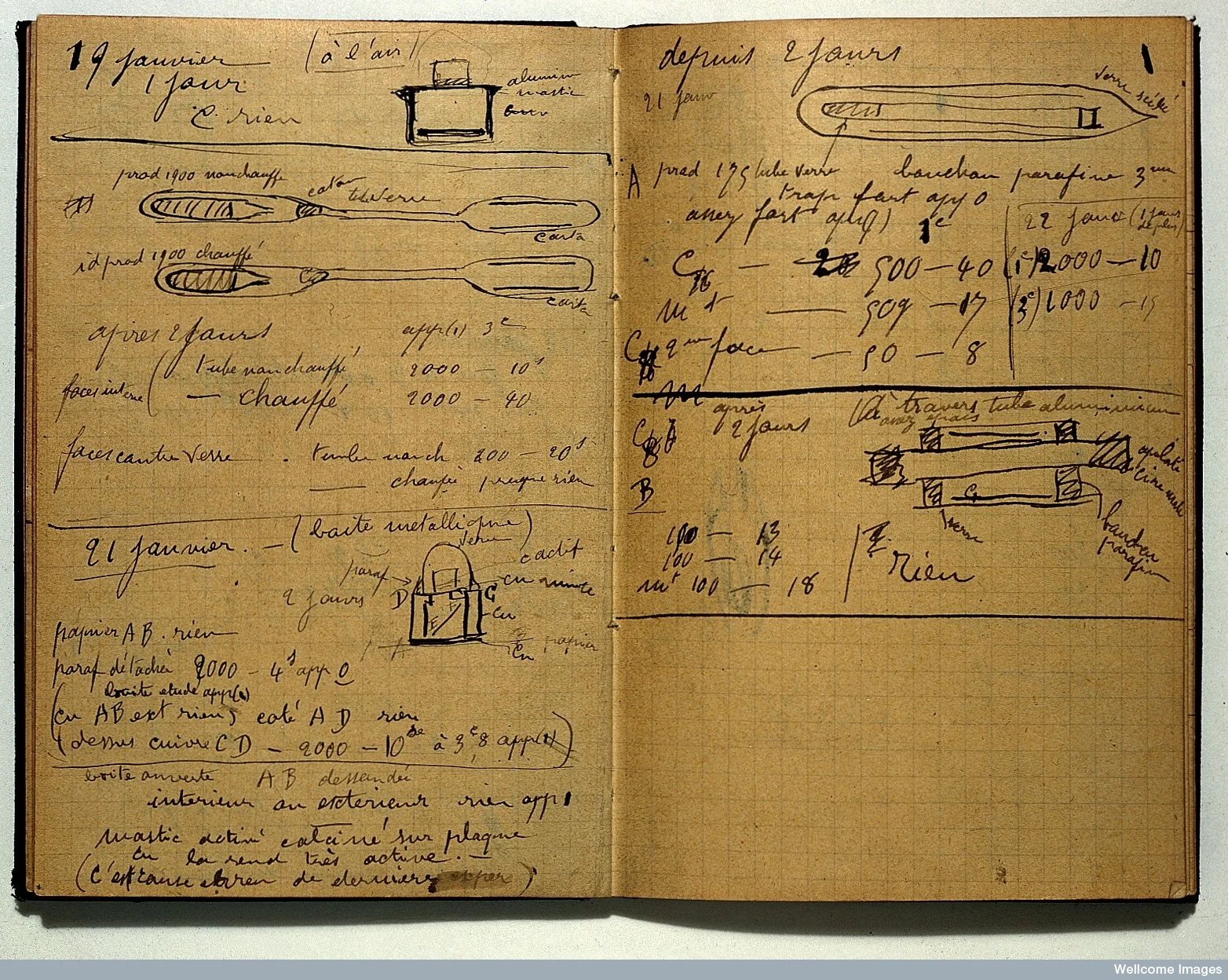
The black-and-white IMAX adventure does not end here either. Van Hoytema, who won the cinematography Oscar for this film, is shooting Nolan’s Homer adaptation The Odyssey, which will be the first film shot entirely with IMAX cameras. If the film sent you looking for more, we keep a list of films about things that actually happened and of the best math movies — and for the scientist whose papers are still dangerous to hold, Marie Curie’s radioactive notebooks.
Sources
- Sources are linked throughout the piece.
- Interviews with Hoyte van Hoytema, Andrew Jackson, Ruth De Jong and Ludwig Göransson in Variety, The Hollywood Reporter and Deadline.
- Science Museum, London — A Projectionist’s Guide to Oppenheimer.