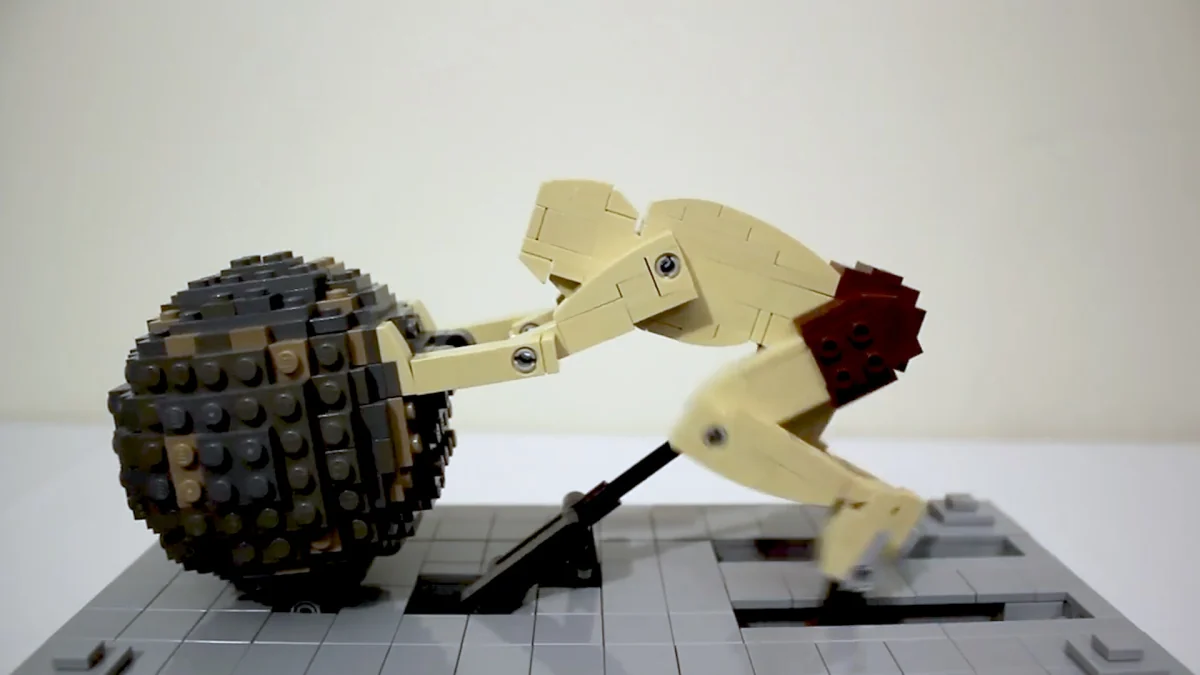
In the Greek myth, Sisyphus cheated death twice, and the gods paid him back with the cruellest job they could think of: roll a huge boulder up a hill, watch it roll back down, start again, forever. Jason Allemann of JK Brickworks took that sentence and built it out of LEGO. A small figure leans into a round grey boulder on a decorated base. You turn a crank, or let a motor turn it for you, and he walks. The boulder rolls. Nobody gets anywhere, and it is wonderful to watch.
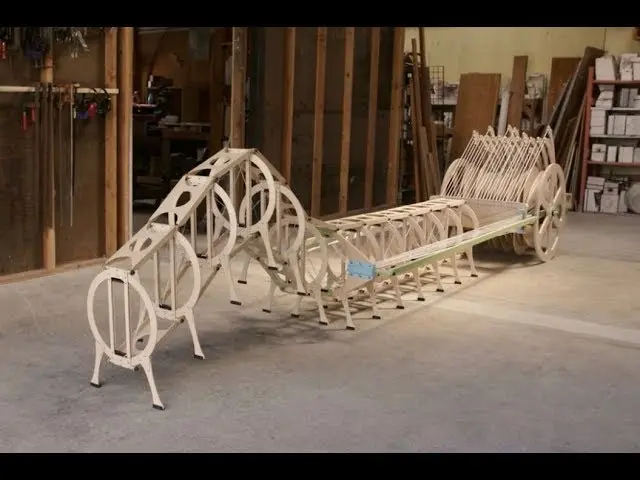
The trick is that nothing actually goes uphill. Sisyphus walks in place while the boulder rocks forward and back in front of him, and the two motions are tied together so tightly that your eye fills in the slope. It belongs to the same family as Margolin’s caterpillar pulling its chariot: one rotating shaft, a few cams and linkages, and suddenly a pile of parts looks alive.
The redesign
Fixing a model that already worked
Allemann rarely goes back to old models. But while finishing another kinetic piece he kept thinking about his first Sisyphus, and two questions nagged at him. Was there a better way to hold up the body than the black rod that stuck out of the base? And had LEGO released any new parts since then that could do the job better? The answer to both was yes.
There was a third problem too, a very practical one. Some parts in the original had become expensive on the second-hand market. The click hinges he had used for the ankles were the worst of them, which made the model hard and pricey for anyone who wanted to build their own copy. So he rebuilt it almost from the ground up. From the outside it looks and moves the same. Inside, the support is cleaner (a transparent rod instead of the black one), the top of the base is tidier, and the parts are easier to find.
The overall look and motion stayed the same. Almost everything underneath them changed.
14 × 27
base, in centimetres
22 cm
total height
2
versions: motorized and hand-cranked
1
drive shaft runs everything
Timing
Why the boulder moves twice as fast as each leg
The whole illusion depends on one rule from Allemann’s building notes: the boulder should be at its most forward position whenever either leg is at its furthest back. Think about what that means. Each leg swings back once per turn of the crank, and the two legs are half a turn apart. So during a single turn there are two moments when a leg is all the way back, and the boulder has to surge forward at both of them. The boulder runs at exactly twice the frequency of either leg.
That is the shape of real walking. You push off with one foot, then the other, and every push moves the load a little. Below, the three traces are one full turn of the crank. Drag the slider and watch the orange boulder peak each time a teal leg hits its back position.
One turn of the crank
0°
If the timing drifts while you build, you don’t have to take anything apart. Slide the black 12-tooth gear along the main drive shaft so it lets go of the gears driving the legs. Now the boulder and the legs turn separately. Rotate each one until the boulder is forward exactly when a leg is back, and slide the gear home again. Being able to fix the phase with one sliding gear is a lovely bit of design. Clocks hide the same kind of care, like the Sweepers Clock, where the timing is the whole show.
Two versions
Motor or crank, your choice
Allemann made instructions for two builds. The only difference is a motor assembly that slides inside the base: a Power Functions M-Motor with a AAA battery box. Even the motorized version keeps its crank on the back. To switch to hand power, you open the front and slide the tan 20-tooth gear along the drive shaft until it comes off the black 12-tooth gear at the end of the motor. In the video, he shows this switch at about the 1:40 mark.
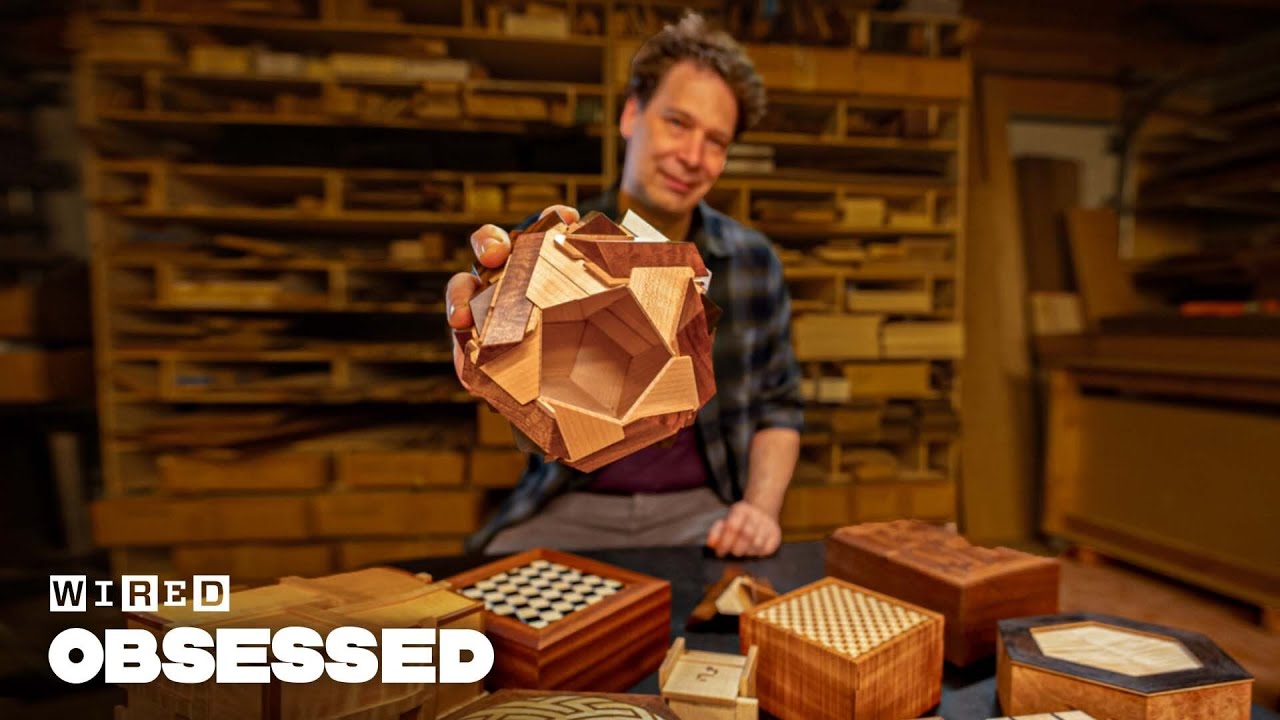
Hand-cranking is the better way to understand it. Turn slowly and you feel the moment the boulder’s cam takes over from the legs’. It is the same pleasure as the Kagen Sound puzzle boxes: a hidden mechanism you can only read through your fingers.
“One must imagine Sisyphus happy.”
Albert Camus, The Myth of Sisyphus
Why it works
A punishment that turned into a pleasure
Camus called Sisyphus the hero of the absurd. The work never ends and never adds up to anything, and he keeps going anyway. A kinetic sculpture is a strange place to meet that idea, because here the endless loop is the point. The faster you crank, the faster he walks, and the boulder never reaches the top. Allemann made the most famous story about useless effort into something you want to keep doing.
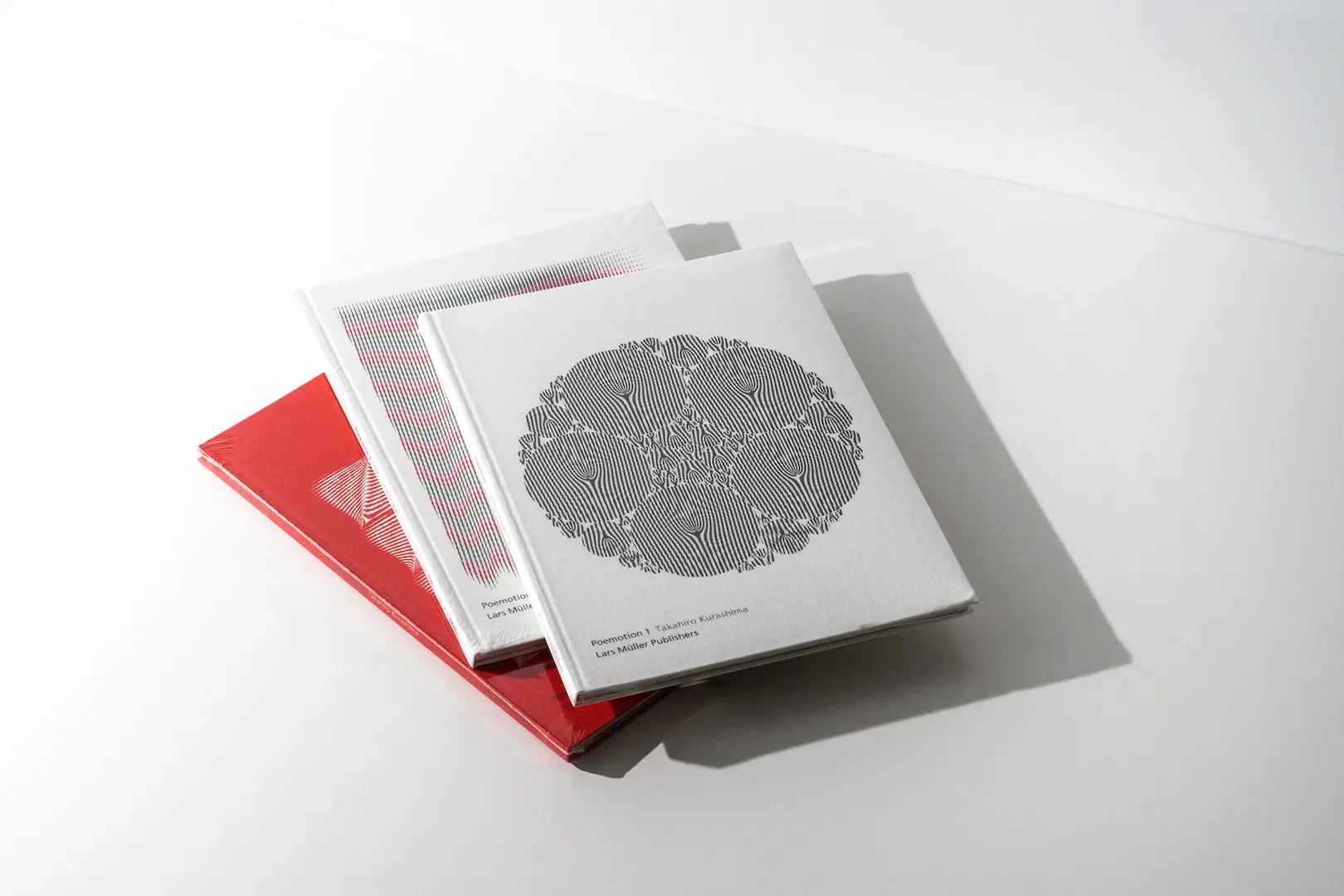
It also shows how little it takes to fake life. One shaft, a handful of gears, two legs out of phase, and a boulder at double speed. If you like that kind of economy, look at Takahiro Kurashima’s Poemotion, where a striped sheet of film makes a printed page move, or Tomohiro Okazaki’s matchstick animations, where one object carries a whole story.
Build your own
JK Brickworks publishes free building guides for both versions on its website, with parts lists. The models are also on Rebrickable (MOC-13424 motorized, MOC-13390 hand-cranked), which can export the parts as a BrickLink wanted list. If you already own half the pieces, Allemann’s own advice is to order just the rest yourself. If you own almost none, a complete kit can save you a lot of separate shipping costs.
Sources
- Jason Allemann, “Redesigning Sisyphus,” JK Brickworks, with construction notes and reader Q&A.
- JK Brickworks, Sisyphus Kinetic Sculpture video, YouTube.
- Albert Camus, The Myth of Sisyphus (1942).