eeing movement is easy. Understanding it is something else entirely. When a Kung Fu master extends an arm, the eye registers a single instant — fast, precise, deliberate. But inside that instant, space, velocity, time, direction, and the geometry of the body are operating simultaneously, none of it separable by the naked eye.
Tobias Gremmler asked a different question: What do I see if I rebuild that movement from its data outward? The answer turned out to be not a video, but something closer to a series of moving sculptures — each one a different grammar for the same physical event. The result was commissioned by the International Guoshu Association (IGA) in Hong Kong for an exhibition on the legacy of Hakka martial arts.
Gremmler captured the performances using MOCAP technology, measuring every movement in terms of space, time, and velocity. That raw data was then translated into five distinct visual languages.
In some variations, the trace of a limb becomes a flowing trail of dust particles, each grain carrying the memory of a specific point in the motion. In others, the body is replaced entirely by a shifting geometric scaffold — a skeleton that has stepped outside itself, filling the surrounding space with its own logic. Elsewhere, fractal surfaces wrap around each strike like fabric woven by momentum, expanding outward as the force dissipates.
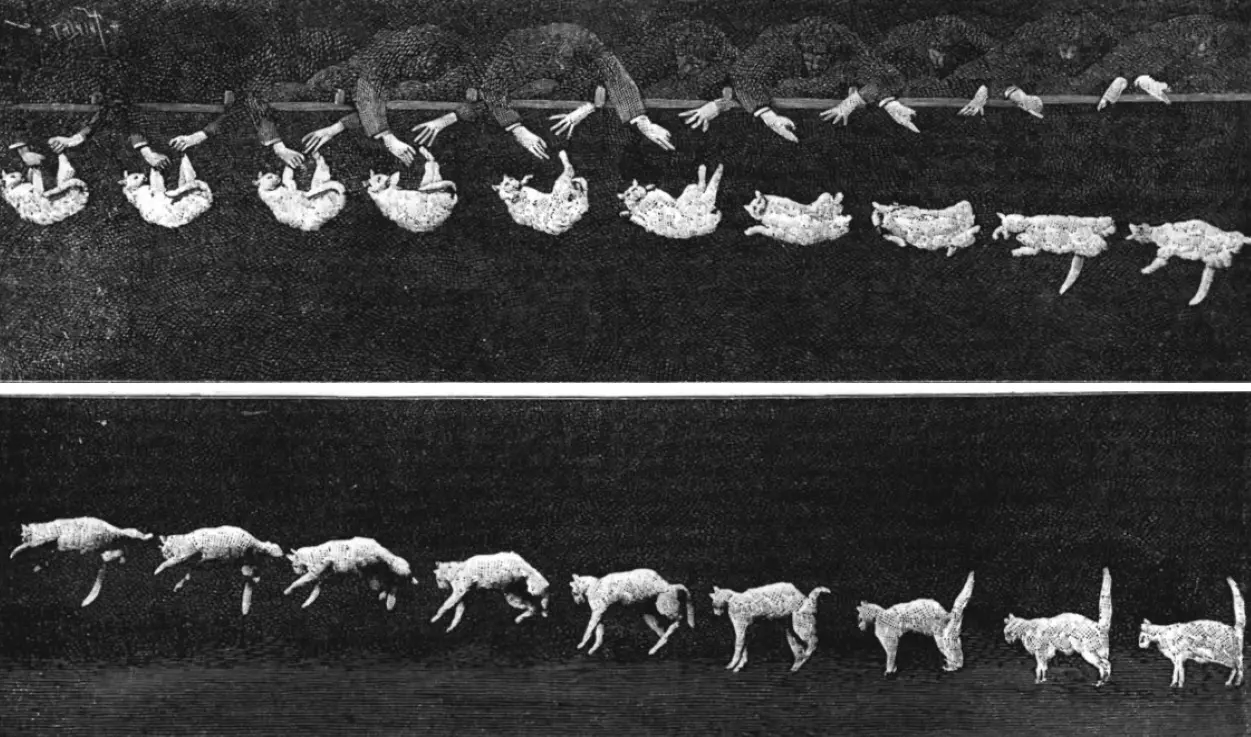
“Visualizing the invisible is always fascinating, and motion visualizations have been created even in pre-digital times — with light, photography, costumes, or paintings.”
Tobias Gremmler
This is not new territory for Gremmler. His 2003 book Grids for the Dynamic Images laid out the historical foundations of motion visualization long before this project existed. What the Kung Fu work does is push that thinking into its most refined form yet — five variations that each isolate a different dimension of what movement actually is.
Five visual languages — stills


Data as Sculpture
MOCAP data usually disappears into a finished product — it serves animation in games or film, then vanishes behind the surface it was used to build. Gremmler does the opposite: he makes the data the subject. The underlying mathematical reality of movement becomes the thing you are looking at, not the thing hidden beneath what you are looking at.
Bruce Lee wrote: “You put water in a cup, it becomes the cup. You put water into a bottle, it becomes the bottle. Water can flow, or it can crash.” That duality runs through every frame of this project. Some moments in the masters’ sequences surge and drift; others detonate outward. Gremmler’s five variations each catch a different quality — the same movement, read through five different questions.
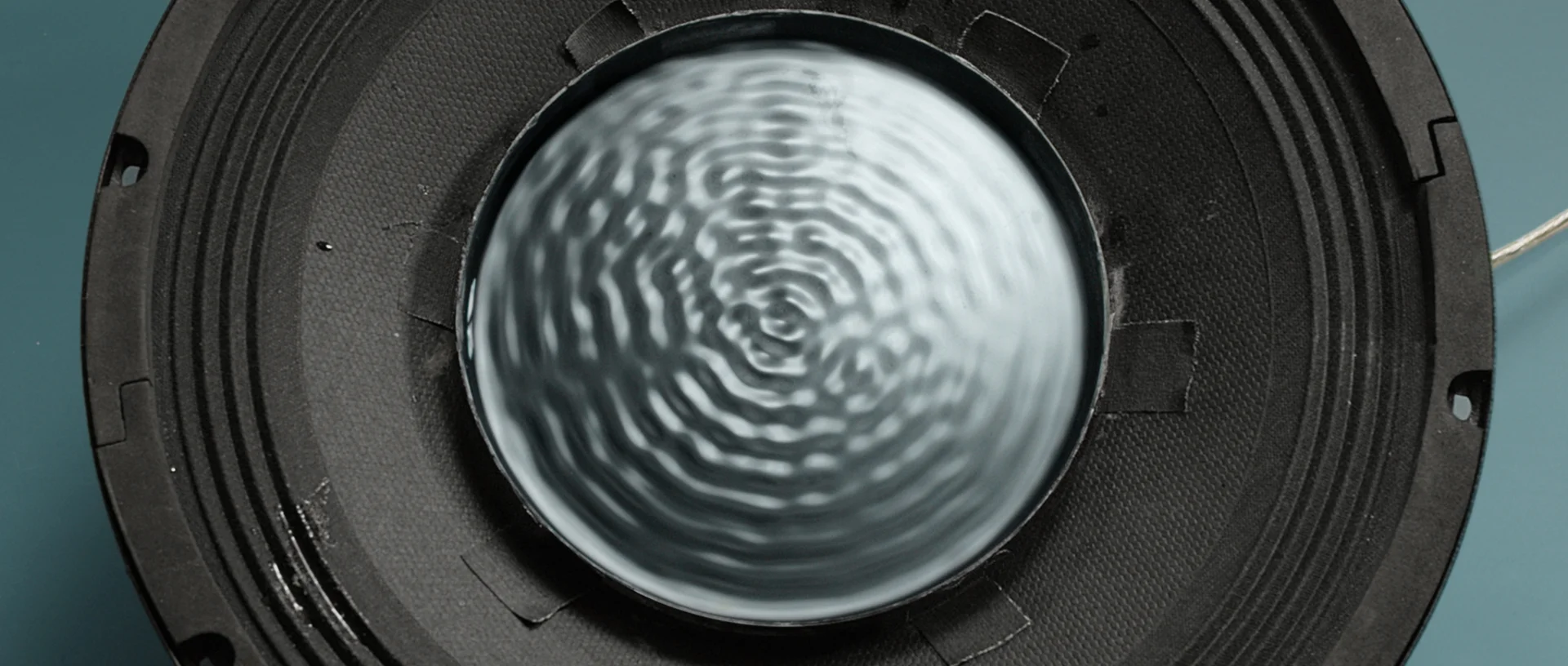
The result sits at the edge of sports biomechanics and abstract data art, without quite belonging to either. There is no argument being made, no explanation being offered. Just movement — and the structure that was always inside it. For more of this kind of science-made-visible, Nigel Stanford's Cymatics does much the same for sound.
In short
Five visual languages for the same physical event. Movement stopped, measured, and rebuilt from the data out. It turns out the structure was there all along.
Tobias Gremmler — Kung Fu Motion Visualization · IGA Hong Kong, 2016 · abakcus.com