
DIY · Card 93 · Math · Number
A shoebox lid, five skewers and 25 beads. Thread them the Japanese way and you have a calculator that counts to 99,999, needs no battery, and once beat an electric machine in a race.
01The brief
Five beads per rod. Any number you like.
99,999
the biggest number five rods can show
1 + 4
beads per rod on a Japanese soroban: one worth 5, four worth 1
4–1
the score when a soroban beat an electric calculator in Tokyo, 1946
An abacus is a frame of rods with beads that slide. It does no arithmetic by itself. What it does is hold numbers in a way your eyes can read at a glance, so your fingers can change them faster than a pencil can write.
The trick behind it is place value: the same bead is worth 1 on one rod, 10 on the next, and 100 on the one after that. Build one and you will understand carrying better than any worksheet can teach. If you like making math out of card, try the tangram and the Galton board next.
02Kit
A lid, some skewers and a handful of beads.
Tick off what you have
0 of 5 ready
03Method
Mark, pierce, thread, fix, then count.
Step 1 of 8 · Minute 0
You need a shoebox lid, five bamboo skewers, 25 pony beads in two colours (5 of one, 20 of another), a strip of stiff card, a ruler, a pencil, sticky tape and glue.
The beads stick.
Why
The holes in the beads are too tight, or the skewer is rough.
Fix
Use bigger beads, or rub the skewer with a candle so it slides smoothly.
The rods sag in the middle.
Why
The lid is too flimsy or the holes are too wide.
Fix
Glue a strip of card along each long side, or wrap a little tape round the skewer at each hole.
The beads don’t line up into rows.
Why
The beam is crooked.
Fix
Re-glue the card strip so it runs exactly across the lid, parallel to the edges.
04How it counts
Each rod holds one digit. The bead above the beam is worth 5 and each bead below it is worth 1, but only when it is pushed against the beam. So 7 is the five-bead down and two one-beads up. Move one rod to the left and every bead is worth ten times as much.
Tap the beads, or type a number and let the frame show it:
The frame shows
1,946
1 × 1,000 + 9 × 100 + 4 × 10 + 6 × 1
ten-thousands
0
thousands
1
hundreds
9
tens
4
ones
6
Tap any bead. Only beads touching the beam count: the orange heaven bead is worth 5, each yellow earth bead 1. Each rod is ten times the one on its right, so five rods reach 99,999.
Now add two numbers, one rod at a time, and watch the carries happen:
Step 1 of 6
2,758
Set 2,758 on the frame. That is the first number.
The shaded rod is the one being worked. Abacus users learn the pairs that make 10 (1 and 9, 2 and 8, 3 and 7, 4 and 6, 5 and 5) so well that a carry becomes one quick movement of the fingers.
05The big idea
Where it sits
is what it’s worth.
Roman numerals needed new letters for bigger numbers: I, X, C, M. An abacus needs nothing new. The same ten states on each rod, repeated, can show any number at all, because position does the work.
That idea, place value, is the one our written digits use too. The 2 in 2026 and the 2 in 20 are the same symbol doing very different jobs. The abacus makes that visible in wood and beads.
06The math
1 · Place value
N = Σ dₖ × 10ᵏ
Each rod digit dₖ is multiplied by a power of ten.
2 · One rod
d = 5h + e
h is the heaven bead (0 or 1), e the earth beads (0 to 4).
3 · Complements
+ d = + 10 − (10 − d)
How a carry is done with the fingers.
A soroban rod has 2 × 5 = 10 possible positions, one for each digit, and not one more. That is why the Japanese settled on one heaven bead and four earth beads in the 1930s: the old fifth earth bead could only show 10, which should be a bead on the next rod. With n rods you can show every number from 0 to 10ⁿ − 1, so five rods reach 99,999.
Carrying is the third formula. To add 7 to a rod showing 6, there is no room, so you push one bead up on the next rod (that is +10) and take 3 away here: 6 + 7 = 6 − 3 + 10 = 13. Users learn the pairs that make ten so well that this happens without thinking.
07Real life
From Roman pebbles to early computers.
Mental abacus
Children who train on the soroban for years start to see an imaginary abacus in their heads. Called anzan, it lets them add long columns of numbers flashed on a screen faster than most people can read them.
The word ‘calculate’
It comes from the Latin calculus, a small pebble. Roman merchants worked out sums by moving pebbles across lines on a counting board.
The Exchequer
Britain’s treasury is named after a chequered cloth. In the Middle Ages, royal accounts were settled by moving counters across its squares, like an abacus laid flat on a table.
Shop counters
Shopkeepers once did their sums with counters on a board, which is why the table you pay at is still called a counter.
Bi-quinary computers
Some early computers, including the IBM 650 of 1954, stored each digit as a ‘fives’ part and a ‘ones’ part, exactly like a soroban rod. The code is called bi-quinary.
Learning place value
Teachers still use bead frames because they make the hardest idea in early arithmetic visible: the same bead is worth 1, 10 or 100 depending on which rod it sits on.
1946
On 12 November 1946, in Tokyo, Kiyoshi Matsuzaki, a soroban champion from the Japanese post office’s savings bureau, sat down against Private Thomas Nathan Wood of the US Army, who used one of the best electric calculators of the day.
They raced at adding, subtracting, multiplying and dividing. The abacus won addition, subtraction, division and a mixed round. The calculator took only multiplication. The final score was 4 to 1 to the soroban.
08Is and isn’t
The abacus was invented in China.
Counting boards are much older. The Salamis tablet, a Greek marble counting board found in 1846, dates from around 300 BC. The Chinese suanpan with beads on rods appears much later.
An abacus is only for adding.
Skilled users multiply, divide and even take square roots on it. Multiplication is done digit by digit, much like long multiplication on paper.
Any calculator beats an abacus.
In 1946 a soroban champion beat an electric calculator in Tokyo, winning addition, subtraction and division. The calculator won only multiplication.
The abacus does the thinking for you.
The beads only hold the numbers. All the arithmetic, including every carry, happens in the user’s head and fingers.
09Go further
A
Subtract
Set 1971 and take away 25. When a rod runs out, borrow one bead from the rod on the left and add the complement: −7 is −10 and +3.
B
Race a friend
One of you uses the abacus, the other uses paper. Add ten three-digit numbers. Who finishes first?
C
Build a suanpan
Make a second frame with two beads above and five below. What can it show that the soroban can’t, and why is that handy for old Chinese weights of 16 units?
D
Count in base 2
Use only one bead per rod. Now each rod is worth twice the one to its right. How far can five rods count?
E
Picture it
Close your eyes, imagine the beads and add 23 + 48 in your head. That is how anzan begins.
10Questions
Push five bamboo skewers across a shoebox lid, threading four beads below a card strip and one bead above it on each. Glue the strip in place as the beam, tape the skewer ends, and you have a working soroban that counts to 99,999.
Only beads touching the beam count. On a soroban, the bead above the beam is worth 5 and each bead below it is worth 1, so every rod shows one digit from 0 to 9. The rightmost rod is the ones, then tens, hundreds and so on to the left.
The Chinese suanpan usually has two beads above the beam and five below each rod. The Japanese soroban has one above and four below, the smallest set that still shows every digit from 0 to 9.
For adding and subtracting, a skilled user can be. In a famous contest in Tokyo on 12 November 1946, soroban champion Kiyoshi Matsuzaki beat a US Army operator with an electric calculator by four rounds to one.
On a soroban, five per rod, and one rod for every digit. Five rods reach 99,999; thirteen rods, common on real sorobans, reach almost ten trillion.
Safety · A grown-up should make the holes and cut the skewer tips. Small beads are a choking hazard, so keep them away from very young children.
All DIY cards →Keep wandering
A few more pieces in the same spirit — math, design, and slow attention.
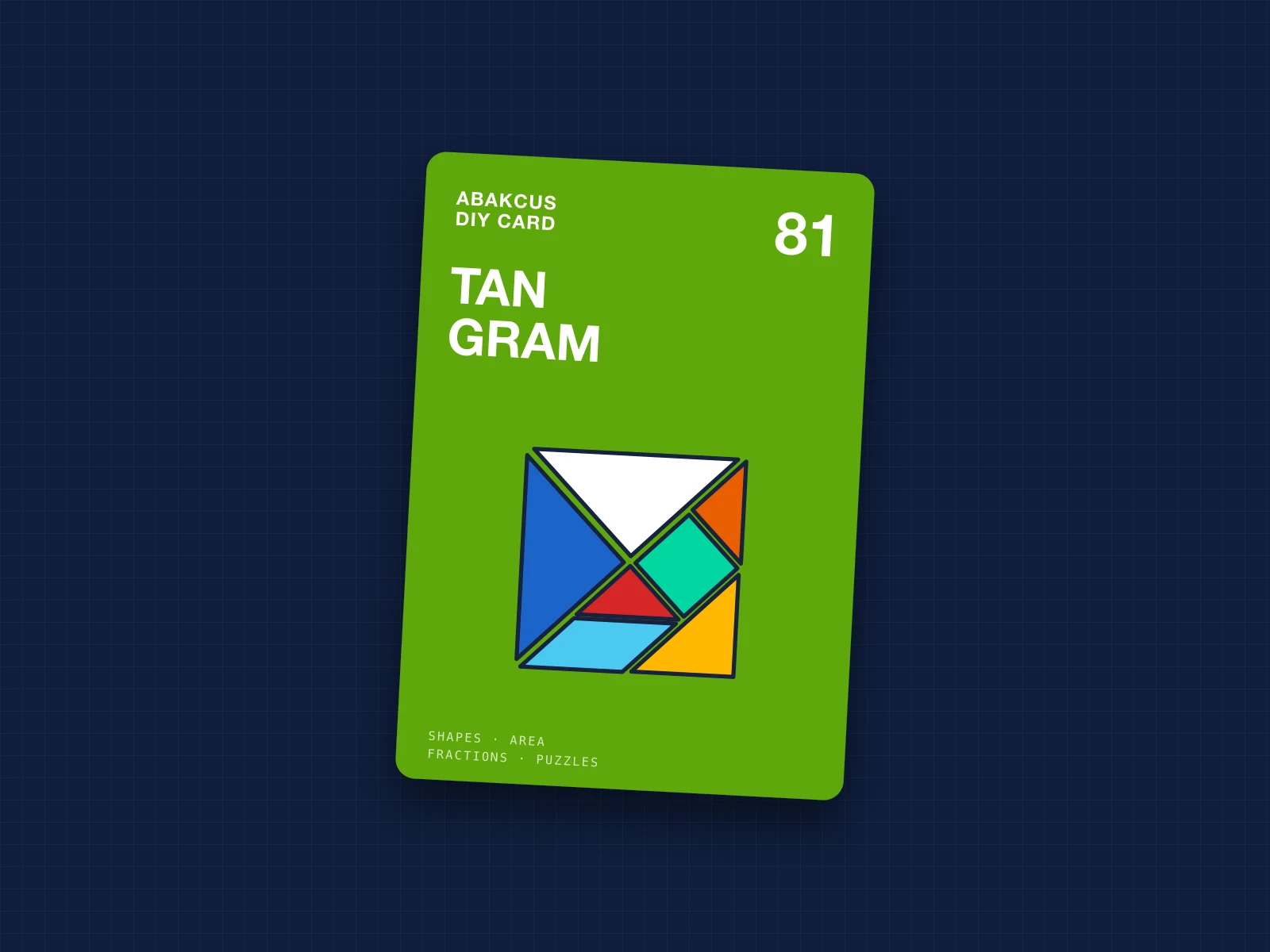
How to Make a Tangram From a Square of Card
One square of card, five straight lines, seven pieces. Rearrange them into cats, boats and swans, and every picture has exactly the area of the square.
Open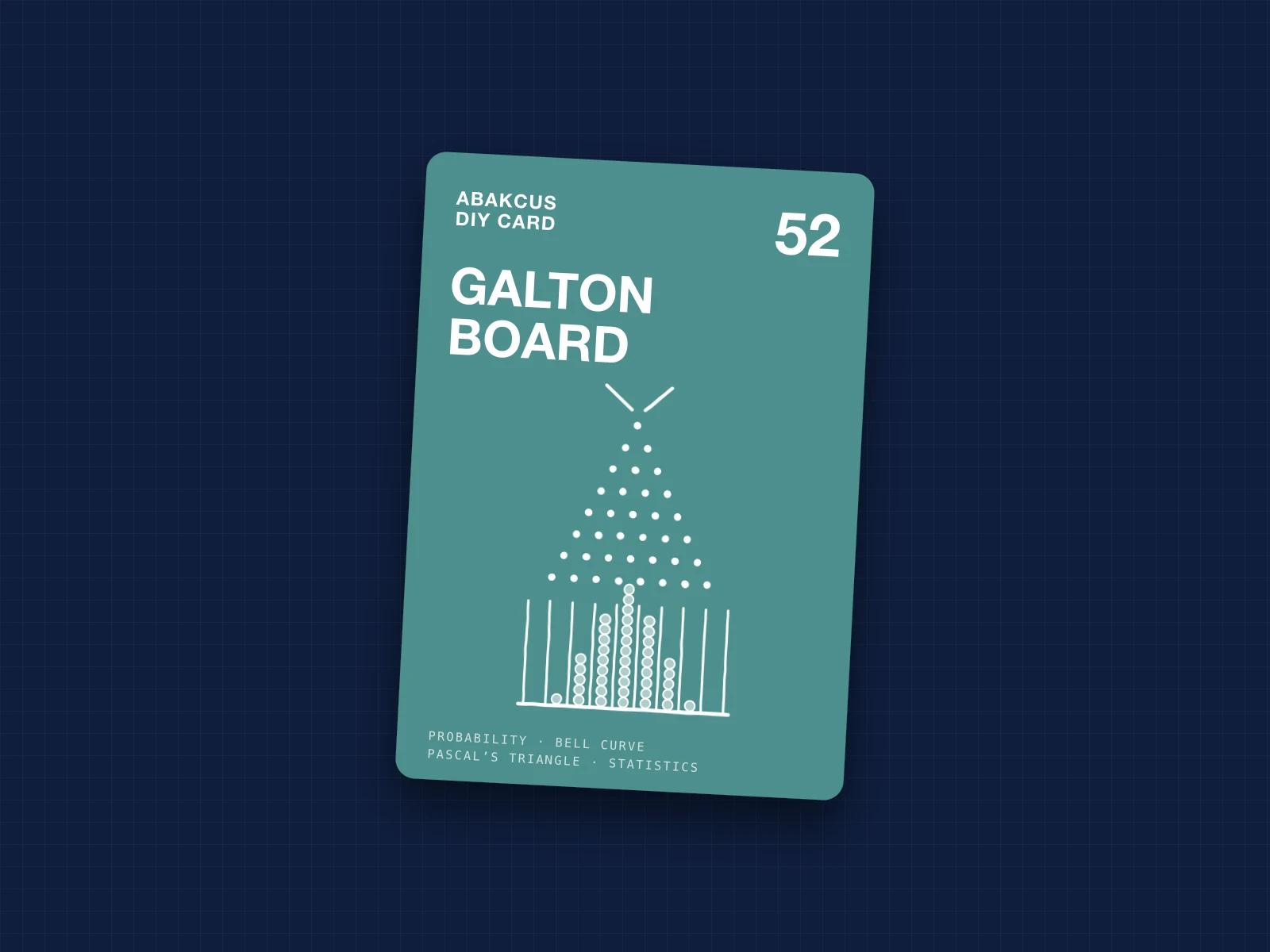
How to Make a Galton Board That Draws a Bell Curve
A board, forty pins and a handful of beads. Every bead zigzags at random, yet together they pile into the same graceful hump every time: the bell curve.
Open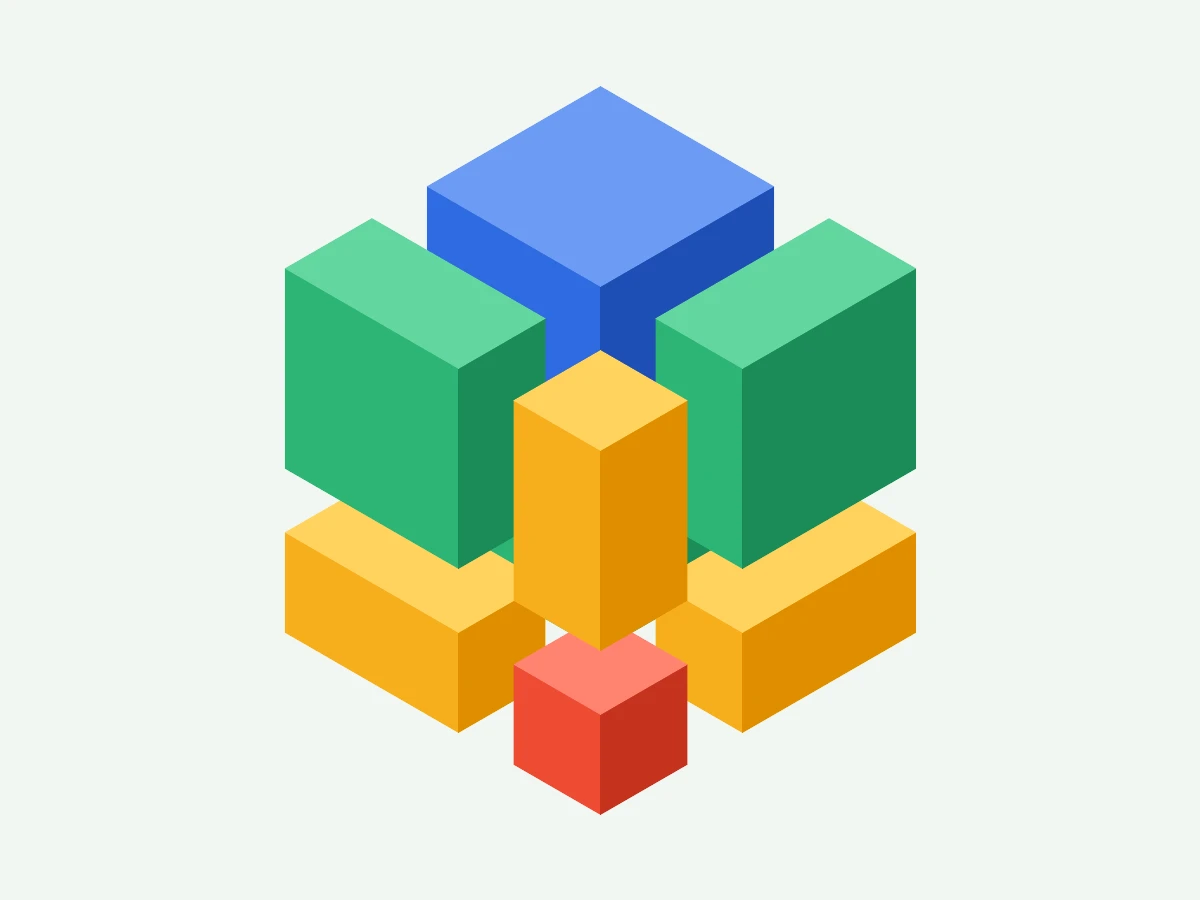
The Binomial Cube: A Proof Without Words for (a + b)³
Three cuts through a cube turn (a + b)³ into eight blocks you can count: one, three, three, one. A proof you read with your eyes.
Open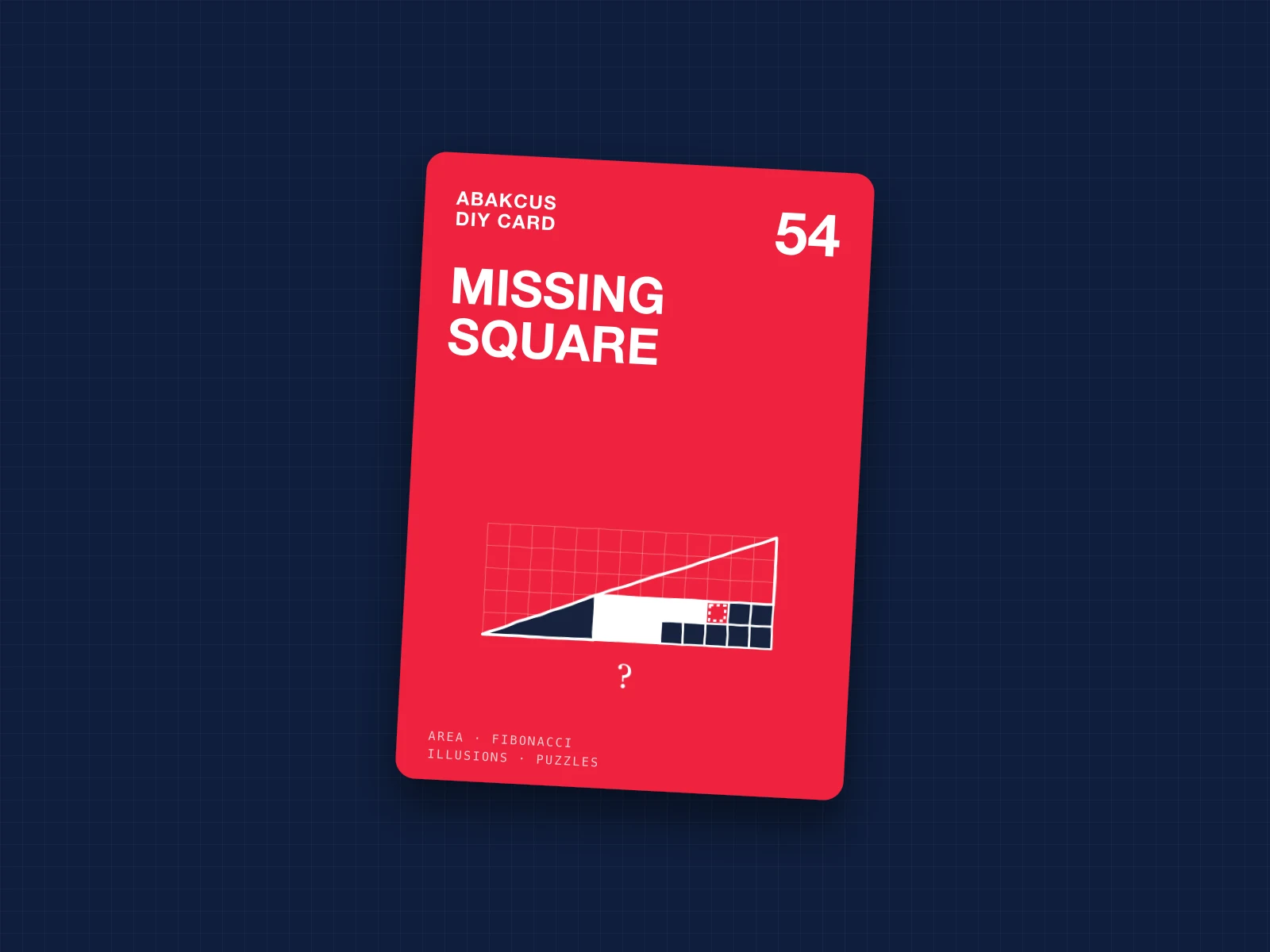
How to Make the Missing Square Puzzle and Find the Trick
Four pieces of card make a triangle. Swap two of them round and the same pieces make the same triangle, with a square missing. Where did it go?
Open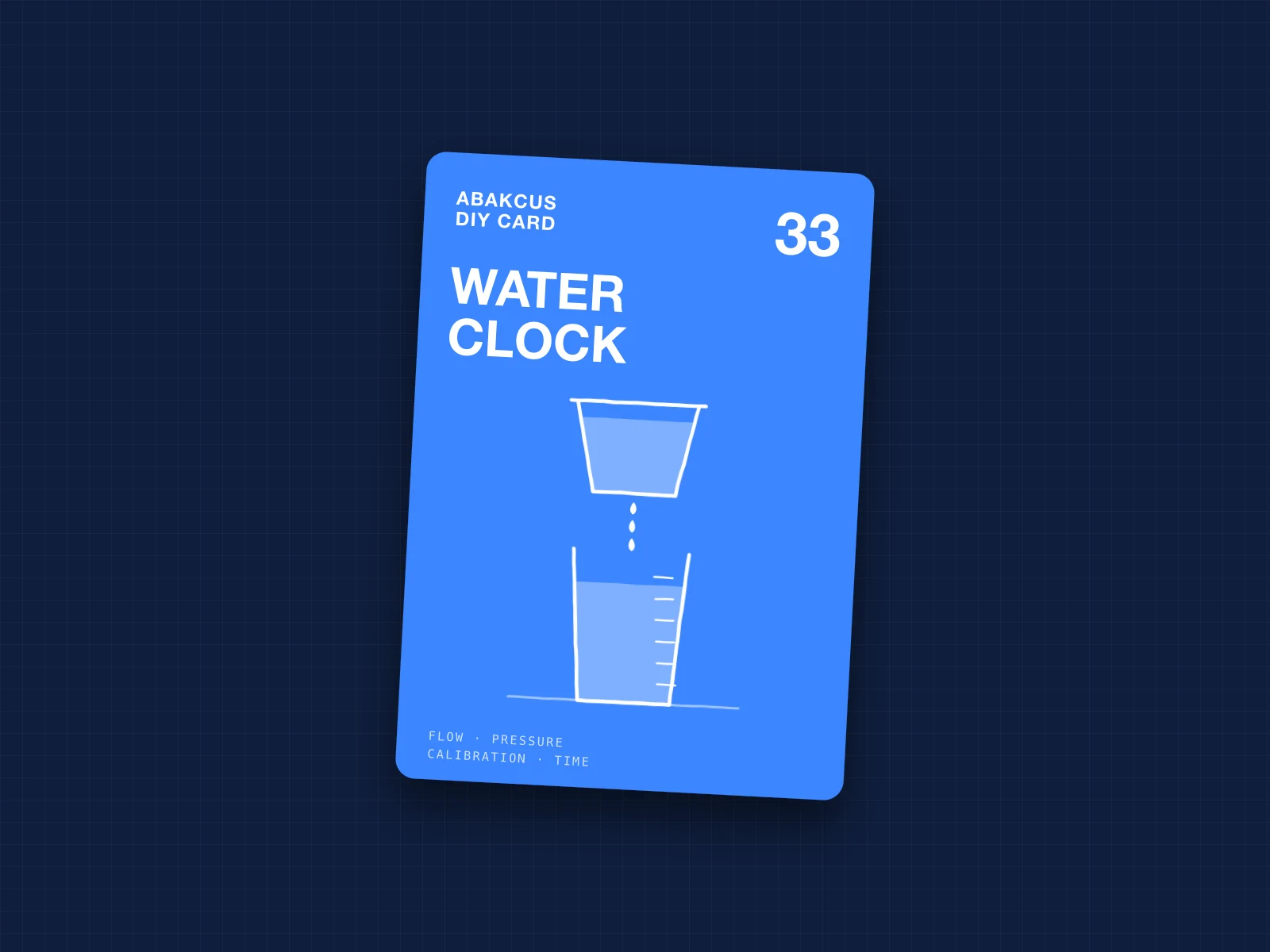
How to Make a Water Clock That Times Exactly One Minute
Two plastic cups, a pinhole and three-quarters of a cup of water. Tune the hole until it runs dry in exactly sixty seconds, and you have built the oldest kind of clock there is.
Open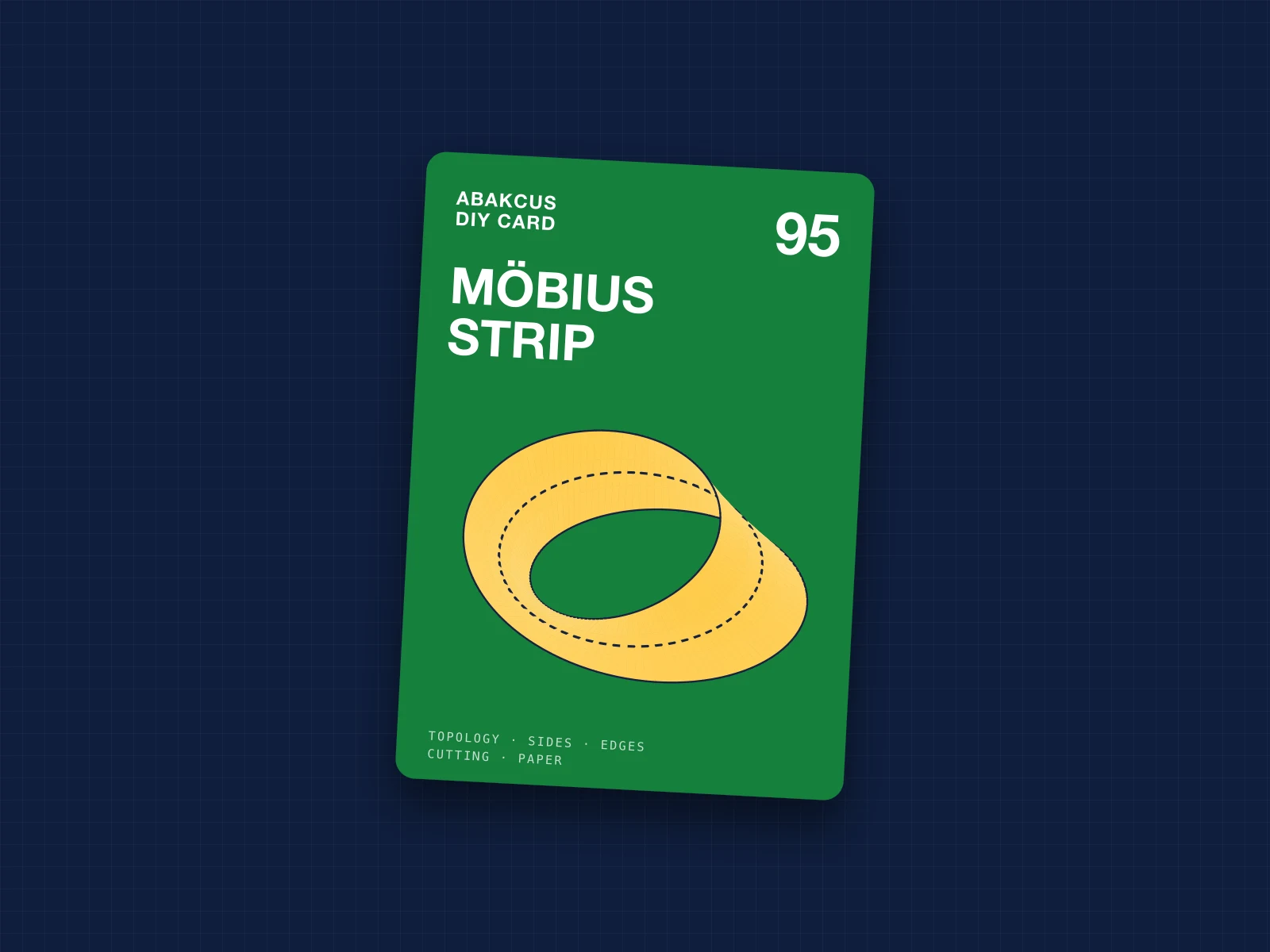
How to Make a Möbius Strip and Cut It in Two Ways
A paper strip, a half-twist and some tape make a loop with one side and one edge, which refuses to fall apart when you cut it in half.
Open