The source
The exact words
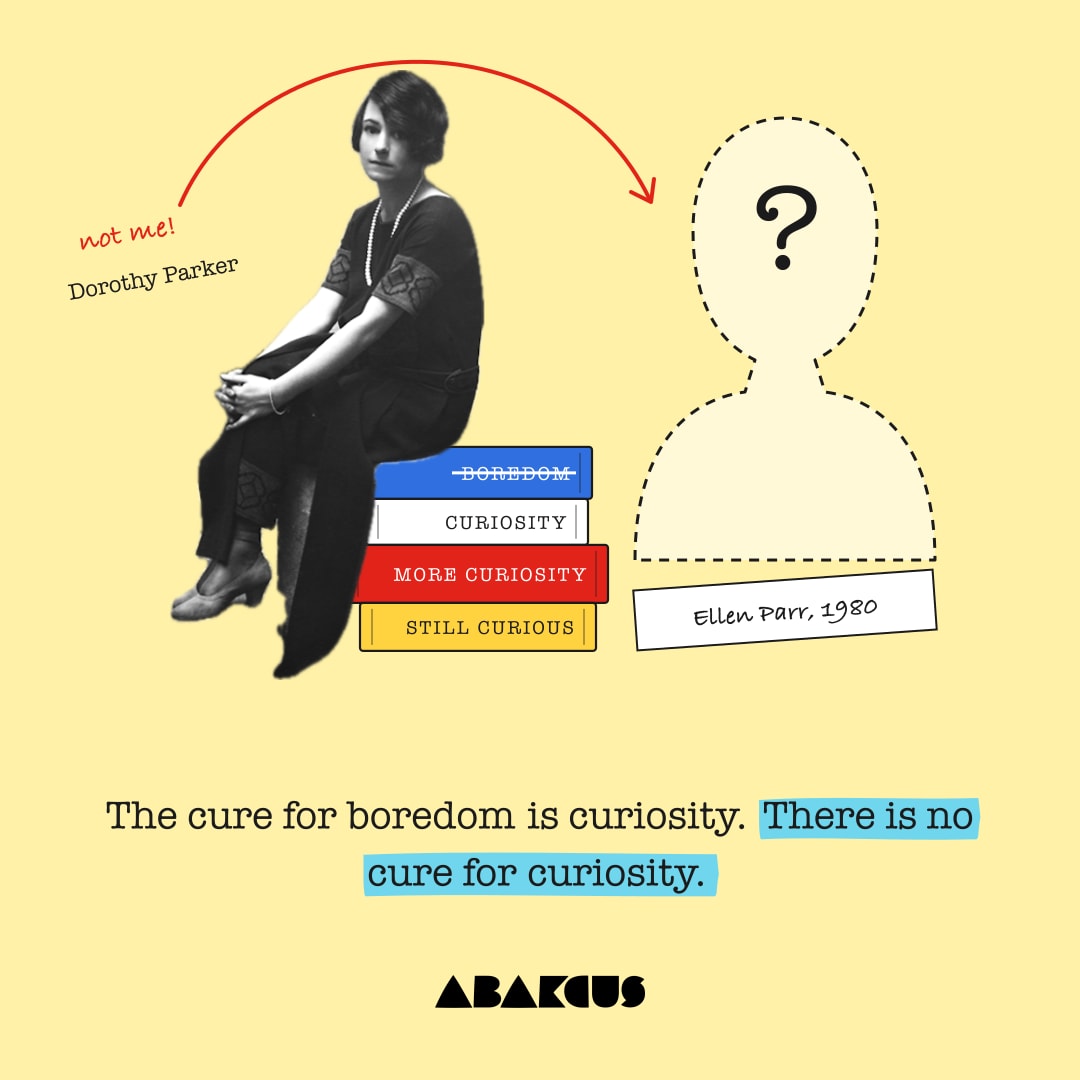
“The cure for boredom is curiosity. There is no cure for curiosity.”
Reader's Digest, “Quotable Quotes”. December 1980, Vol. 117, credited to Ellen Parr. Reprinted under Parr's name in newspapers in 1981 and 1984.
The wording is right; the name usually attached to it is not. The earliest known printing, found by the researcher Garson O'Toole of Quote Investigator, credits Ellen Parr. Dorothy Parker died in 1967, thirteen years before that printing, and no one has found the line anywhere in her work.
The story
How it became Dorothy Parker's
The line has the snap of a Dorothy Parker remark, which is exactly how it ended up with her name on it. For its first fifteen years in print it belonged to someone else. In December 1980 it appeared in Reader's Digest in the monthly “Quotable Quotes” column, credited to Ellen Parr, and newspapers repeated it under her name in 1981 and again in 1984, once as the answer to a cryptogram puzzle.
Parker's name does not appear next to it until the internet. The earliest Parker attribution Quote Investigator has found is a post in a Usenet newsgroup in April 1997. A year earlier, an online humor list had printed its quotations in alphabetical order by author, and Parker's own line sat directly above Parr's curiosity quote. Read too quickly, Parker and Parr run together. The explanation is a hypothesis, but it fits.
The second half is older than either woman's fame. In 1915 a Boston newspaper column already said that there is no cure for curiosity, that it must be outgrown or endured. What the 1980 version added was the first sentence, the turn that makes curiosity both the medicine and the disease.
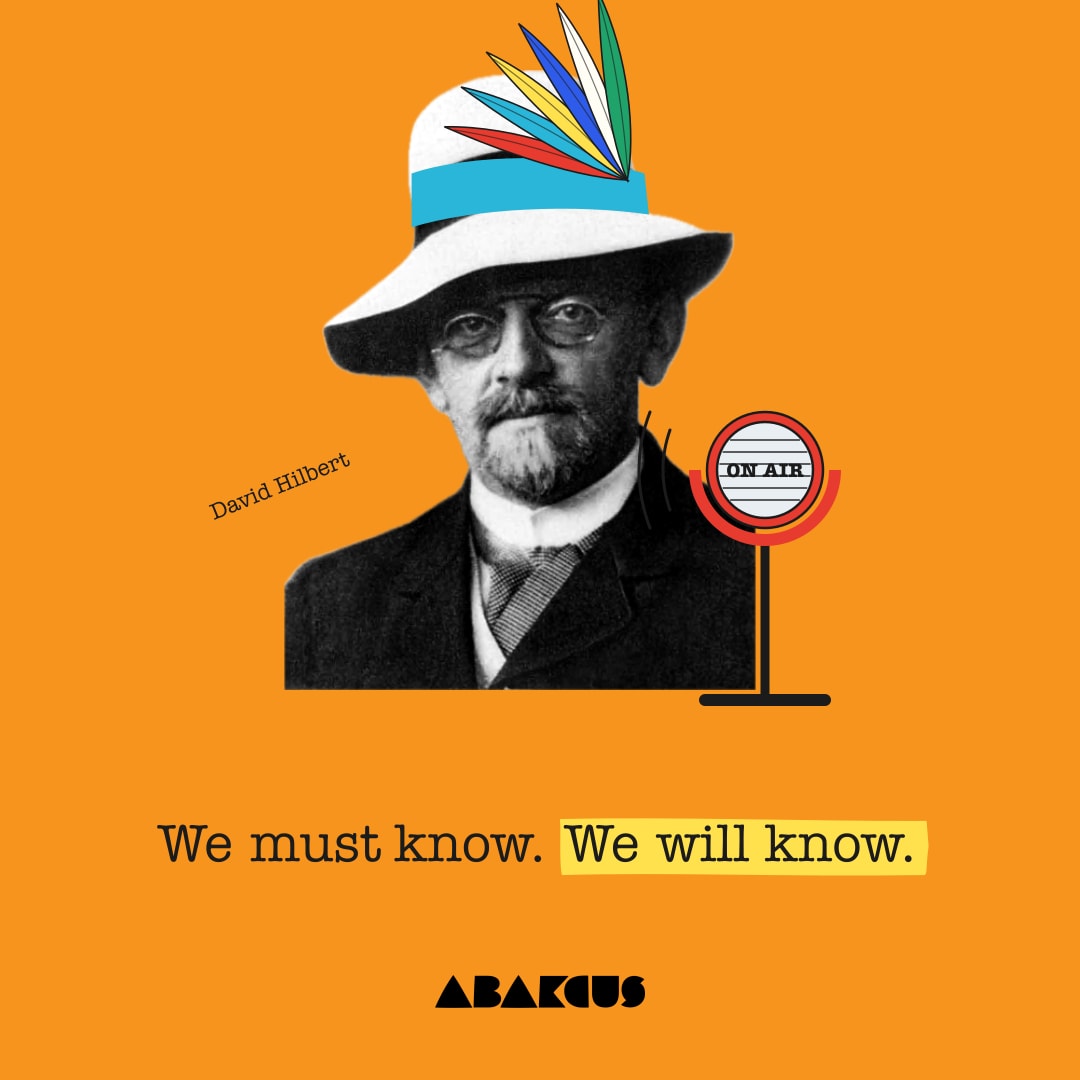
That double edge is why mathematicians love it. Curiosity is what starts a problem and what refuses to let it go, the same restlessness Hilbert meant when he said we must know, we will know.
Often credited to Dorothy Parker
Who was Ellen Parr?
- First printed
- Reader's Digest, Dec 1980
- Credited to
- Ellen Parr
- Parker's name
- First attached in 1997
- Parker died
- 7 June 1967
Nobody knows. Quote Investigator, which traced the line to her, has found no biographical details for Ellen Parr at all, and some websites now print birth and death dates for her that no one has been able to support. For now she is a name in a 1980 magazine column, and the author of one of the most shared sentences about curiosity.
Dorothy Parker (1893–1967), the writer the line is usually credited to, was the sharpest wit of 1920s New York: a poet, short-story writer and critic for Vanity Fair and The New Yorker, and a founding member of the Algonquin Round Table. Her first book of poems, Enough Rope (1926), was a best seller. She did write about curiosity, listing it in her poem “Inventory” alongside love, freckles and doubt, but not this line.
Read next
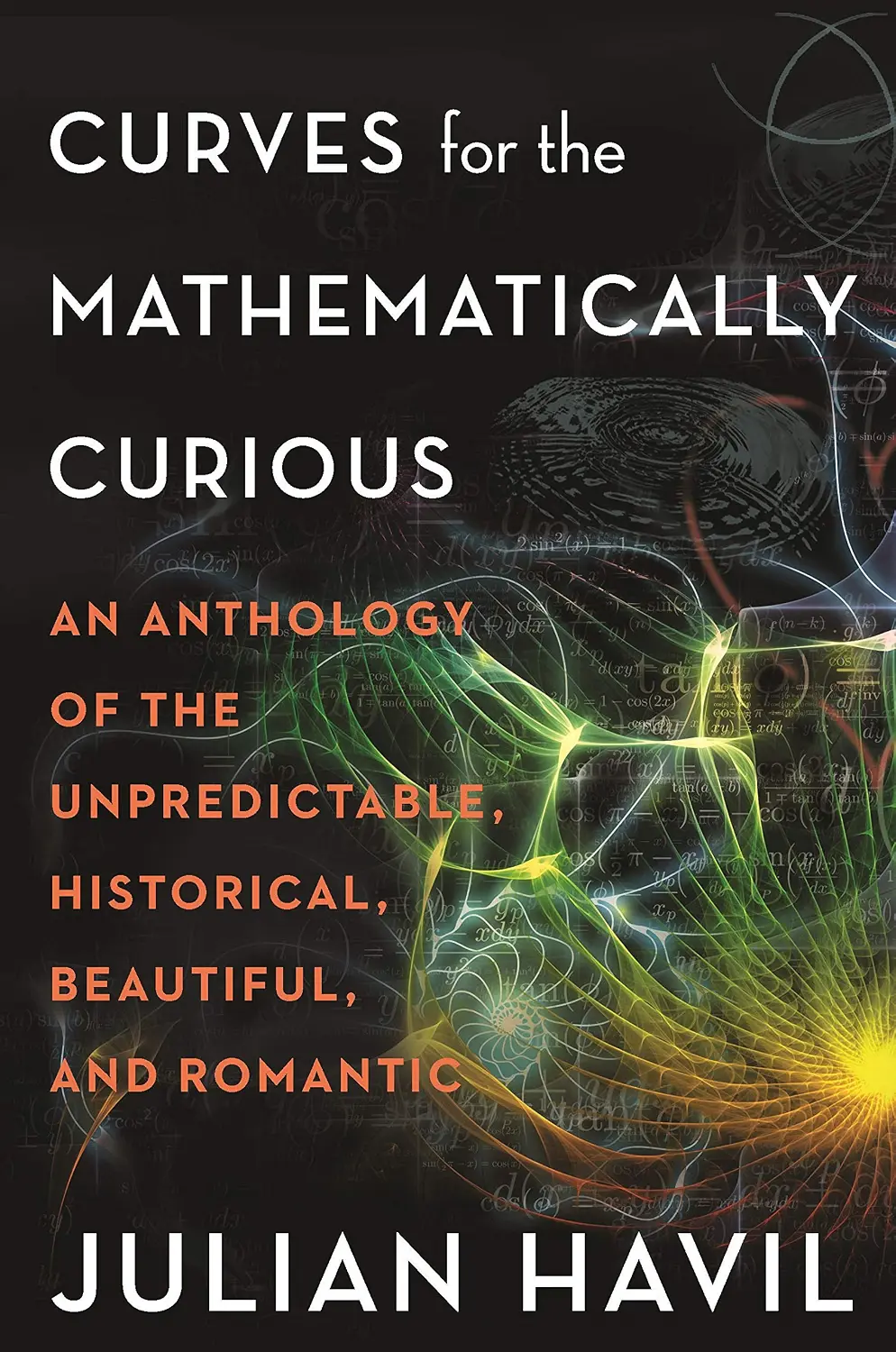
Curves for the Mathematically Curious
Julian Havil · 2019
A cure for boredom that will not cure your curiosity. Havil takes ten curves, from the Bézier curve on your screen to the Koch snowflake and space-filling curves, and follows each one into the mathematics behind it. It is one of the picks on our Cambridge math reading list.
Questions
About this quote
Did Dorothy Parker say “The cure for boredom is curiosity. There is no cure for curiosity”?
There is no evidence she did. The earliest known printing is Reader's Digest, December 1980, credited to Ellen Parr. Parker died in 1967, and her name was first attached to the line in a 1997 online post.
Who was Ellen Parr?
Unknown. The 1980 Reader's Digest column gives only her name, and Quote Investigator has found no biographical details about her.
How did the quote get attributed to Dorothy Parker?
Probably by accident. A 1996 online humor list arranged quotes alphabetically by author, putting a Parker quote directly above the Parr quote, and the two names are easy to confuse.