Have you ever considered learning how to think mathematically? Using math proofs requires logical reasoning, problem-solving skills, and the ability to make connections between concepts. By reading math books to learn mathematical proofs, you can unlock the power of this type of thinking and gain valuable insight into a variety of topics. Below, you will find 70 best math books to learn mathematical proofs.
The Benefits of Learning Math Proofs
Math proofs are used in various fields, such as engineering, economics, computer science, physics, and mathematics. Learning to think mathematically will benefit your studies in these fields and give you an edge in other aspects of life, such as problem-solving, decision-making, and critical thinking. Mathematical proofs provide a systematic way to analyze problems so that you can come up with solutions quickly and accurately.
Math Books to Learn Mathematical Proofs
Math books are essential if you want to learn mathematical proof. These books provide an easy-to-understand approach to understanding the fundamentals behind math proofs. They often include step-by-step instructions on how to solve problems as well as visual demonstrations of how these concepts work together. Reading these books is key to developing your skills in mathematical proof because they provide an accessible entry point into more advanced topics like abstract algebra or number theory.
While math books are great for getting started with learning mathematical proof, they have their limitations when it comes to tackling more complex problems. As you progress further down the road with studying math proofs, you must supplement your knowledge with online resources such as YouTube tutorials or online courses that give you a more comprehensive overview of various areas within mathematics.
Additionally, engaging in practice questions can help solidify your understanding and hone your skills when it comes to using logic and reasoning for problem-solving.
Mathematical proof is an invaluable skill that can be applied across multiple fields. It provides a framework for analyzing problems while helping develop your problem-solving abilities and critical thinking skills, which are transferable across many different domains in life. To get started with learning math proof, reading math books is essential as they provide an easy-to-understand introduction to this field while giving step-by-step instructions on how to solve various types of problems. However, as one progresses further into this area, more advanced resources should be utilized, such as online tutorials or courses along with practice questions which will help hone one’s understanding and application within this area even further!
Below, you can find 70 best math books to learn mathematical proofs. If you enjoy this book list, you should also check 30 Best Math Books to Learn Advanced Mathematics for Self-Learners.
Before I get started, I would like to suggest Audible for those of us who are not the best at reading. Whether you are commuting to work, driving, or simply doing dishes at home, you can listen to these books at any time through Audible.
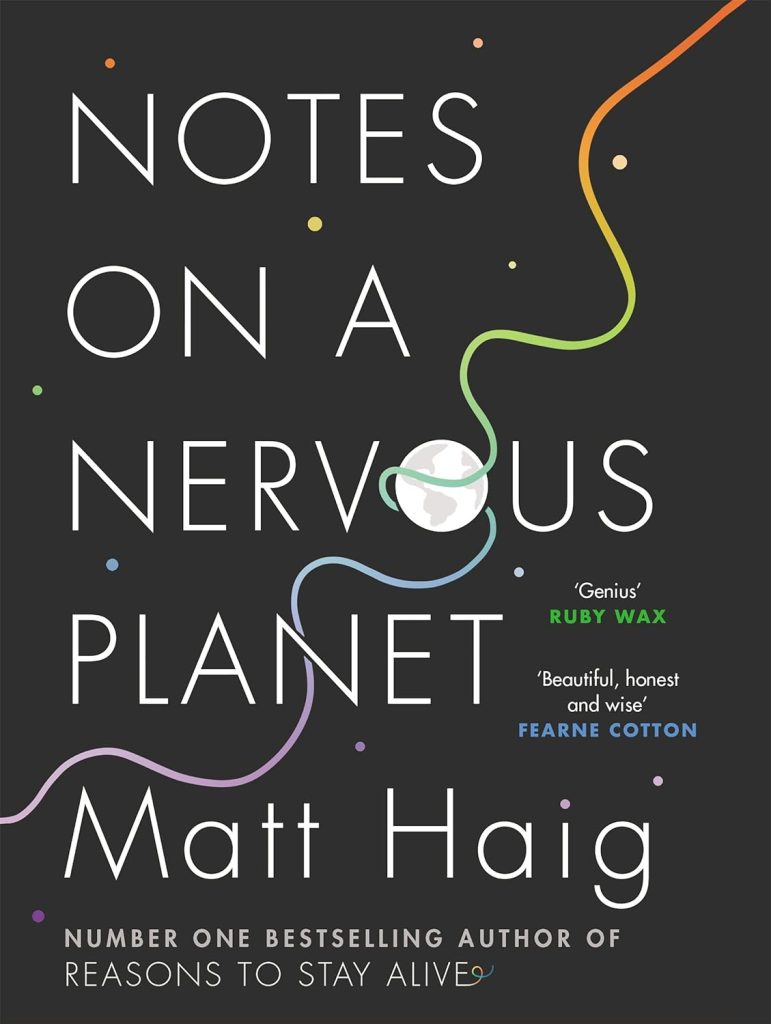
Prepare to be captivated by Matt Haig’s latest book, “Notes on a Nervous Planet”. While it may not have fully lived up to my high expectations, this insightful read delves into the various factors contributing to the anxiety and unease experienced by individuals in our modern world.
Haig tackles topics such as social media, work-life balance, health, and habits. Drawing on his own experiences and mental health struggles, he provides valuable insights and relatable anecdotes. The writing style mirrors that of his previous bestseller, “Reasons to Stay Alive,” making for an engaging and accessible read.
Personally, I found that some of the advice presented in this book didn’t offer any groundbreaking solutions, as I had already encountered similar issues in my own life. However, I must emphasize that it is still worth reading for its skillful presentation of facts, information, and insights. Haig presents a compelling case for the impact of modern life on our well-being and encourages readers to pause and reflect on these aspects that shape our lives.
One aspect of the book that particularly resonated with me is Haig’s examination of the news and its role in our anxiety levels. As someone who often finds myself out of the loop, I appreciate Haig’s suggestion to switch off from news consumption if it exacerbates our mental states. Sometimes, stepping away from the constant barrage of headlines can be incredibly liberating.
Another topic explored in this book is the notion of work and its impact on mental health. Haig stresses the importance of prioritizing one’s well-being over the pursuit of a traditional 9-5 job. As someone who has suffered the consequences of overworking, I wholeheartedly agree with his message. It’s crucial to view work as a means to serve individuals, not the other way around. Taking a step back and gaining a fresh perspective can lead to a healthier and happier life.
In summary, “Notes on a Nervous Planet” offers valuable insights into the challenges posed by our increasingly hectic and anxious world. Although it may not provide groundbreaking solutions for everyone, it serves as a reminder for readers to critically examine their own lives and make meaningful changes. Haig’s logical and coherent presentation of information helps readers grasp the impact of certain aspects of modern life. It’s time we all prioritize our mental well-being and take a moment to reflect on the world we inhabit.

Discover the fascinating history and inner workings of Earth’s atmosphere in Sam Kean’s captivating new book, Caesar’s Last Breath. In his signature style, Kean takes readers on a journey through time, exploring the air around us and its impact on civilization. From the poisonous gases of ancient Earth to the innovations of steelmaking and anesthesia, this book is a blend of storytelling and scientific exploration.
With a conversational tone and captivating anecdotes, Kean sheds light on the often overlooked importance of air. He delves into the history of atmospheres, using events like the volcanic eruption of Mount Saint Helens to reveal how our understanding of the air has evolved. Along the way, he entertains readers with tales of World War I, Charles Dickens’ controversy about oxygen, and even the unique talents of La Pétomane.
Kean’s approach strikes a balance between erudition and approachability, making complex concepts accessible to all readers. While occasionally sacrificing scientific depth for humor, the book remains engaging and informative. Although some may find the structure of the book disjointed, the energy and curiosity shining through make up for any shortcomings.
Caesar’s Last Breath concludes by pondering the future, speculating on the minds of space travelers inhaling the air of distant planets. Kean reminds us that the air we breathe not only sustains us but also connects us on a profound level.
Intriguing and thought-provoking, Caesar’s Last Breath invites readers to appreciate the invisible marvels that surround us every day.
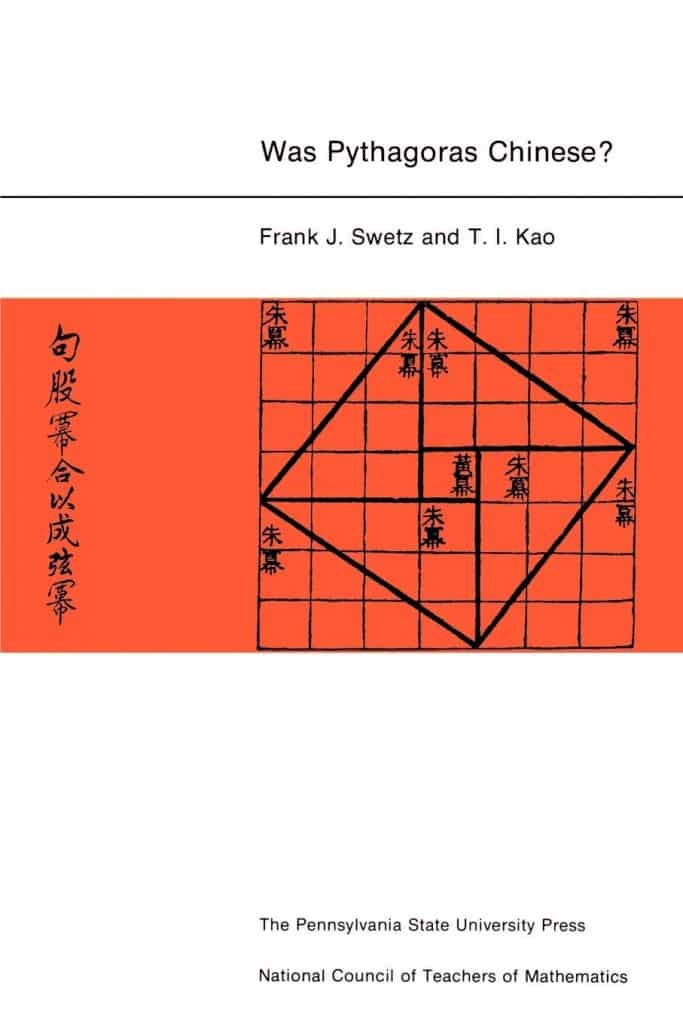
Get ready to uncover a surprising and controversial theory about the famous Pythagorean Theorem with this beautifully written book, Was Pythagoras Chinese? While we commonly attribute this mathematical discovery to the Greek mathematician Pythagoras, there is evidence suggesting that a similar theorem was known in ancient China long before Pythagoras’ time.
In this thought-provoking monograph, Was Pythagoras Chinese?, the authors delve into the historical texts of ancient Chinese mathematics to investigate the origins of the Pythagorean Theorem. They challenge the notion that Pythagoras was the sole genius behind this theorem, highlighting the collaborative nature of mathematical discoveries throughout history.
Drawing parallels to other mathematical breakthroughs like the “Pascal Triangle” method and the root extraction algorithm credited to W. G. Homer, the authors make a compelling case for considering alternate origins of the Pythagorean Theorem.
Join the authors as they examines this fascinating evidence and explore the connections between ancient Greek and Chinese mathematics. This joint publication by the Penn State Press and the National Council of Teachers of Mathematics promises to shed new light on a longstanding mathematical mystery.
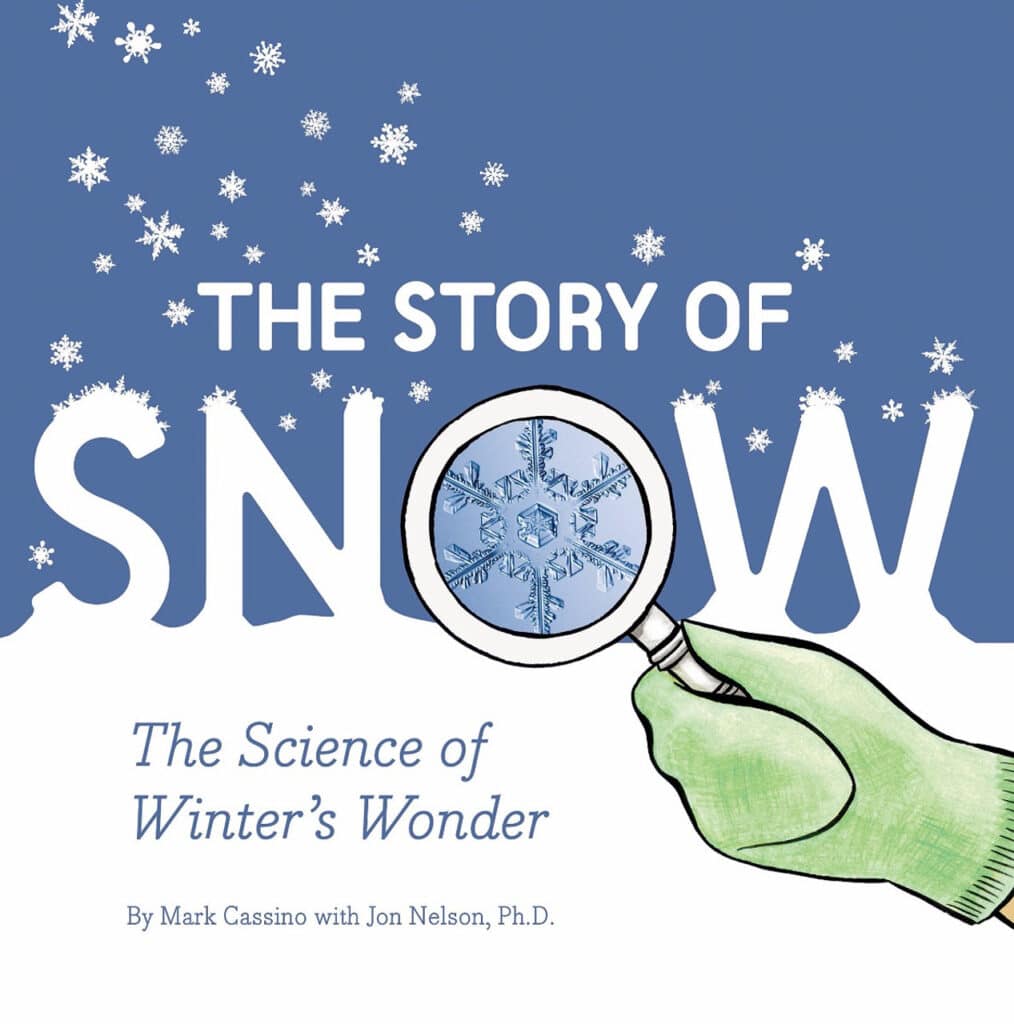
The Story of Snow: The Science of Winter’s Wonder is the perfect book to introduce your child to the world of snow! Written by a nature photographer and a snow scientist, this book is packed with images of real snow crystals so kids can witness each flake’s unique beauty and diversity.
The authors don’t just answer fascinating questions like “How do snowflakes form?”; they also provide detailed instructions on how to catch flakes in their own backyards. The fun doesn’t stop there – children can be inspired to observe, explore, and experiment as they learn about winter’s wondrous gift. So what are you waiting for? Get your kids ready for snowy science adventures with The Story of Snow: The Science of Winter’s Wonder!

“The Bees in Your Backyard” is an indispensable tome for anyone captivated by the buzzing ecosystem that exists right outside our windows. Authored by Joseph S. Wilson, this book not only celebrates the splendor of the bee world with stunning images but invites readers on an educational journey that broadens their understanding of the critical role bees play in our environment.
Wilson’s work is more than just a compendium of bee species; it is a narrative that connects readers to the smallest, yet most vital, components of our ecosystem. The book’s strength lies in its careful curation of information. From richly detailed descriptions of each bee family and genus to practical tips on identifying these species and insights into their lifecycle, readers are armed with a wealth of knowledge that fosters a newfound respect for these pollinators.
The inclusion of over 900 high-quality photographs makes “The Bees in Your Backyard” a visual delight. These images are not just eye candy but serve an educational purpose, making it easier to recognize the subtle differences between various species. The book doesn’t shy away from scientific terms, yet it presents them in a manner that remains accessible. It’s a commendable achievement, balancing academic rigor with readability.
The chapter on attracting bees to one’s garden is particularly valuable. Wilson’s suggestions are down-to-earth, emphasizing the simple changes that can make a significant difference. This practical application encourages readers to take an active role in conserving bee populations and enhancing biodiversity.
While a comprehensive reference guide, “The Bees in Your Backyard” transcends mere academia. Its engaging narrative ensures that the sheer variety of bee life is unveiled, inviting readers to cultivate a connection with their local environment. It’s an ode to the wild spaces that often go unnoticed and unloved. For the dedicated reader, it’s also an inspiration to support conservation efforts and sustainable living.
I highly recommend “The Bees in Your Backyard” to anyone wishing to deepen their appreciation of nature and, especially, bees. It offers a comprehensive yet accessible look into the lives of bees and the importance of preserving their habitats. The ultimate message of the book is clear: bees are not just insects; they’re a cornerstone of our natural world, one that needs our protection. If you have ever been stung by curiosity about these essential creatures, this book is your salve.
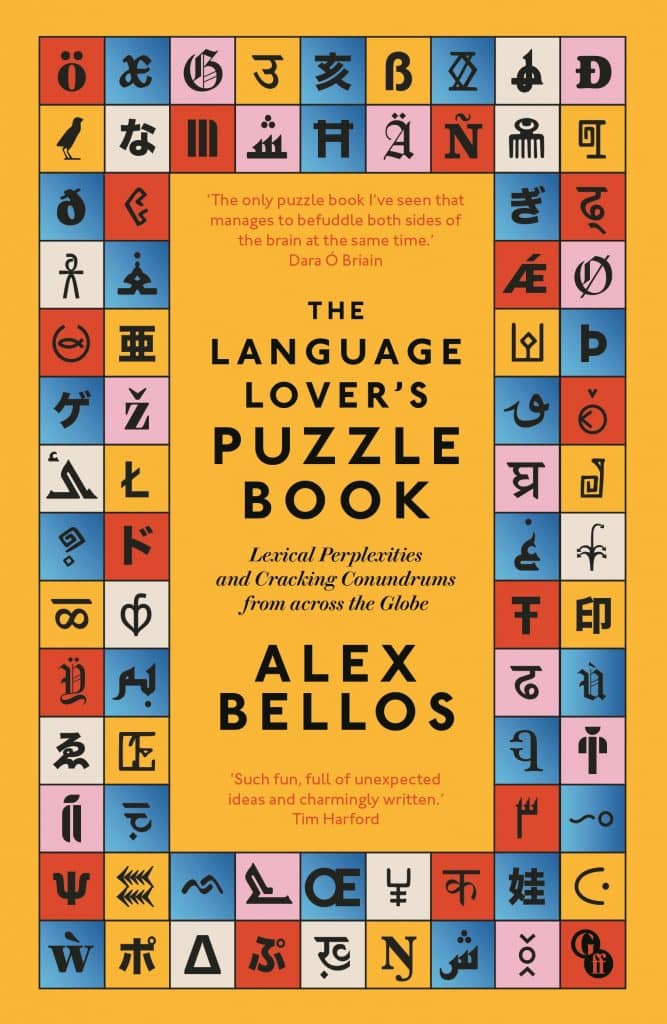
The Language Lover’s Puzzle Book
A must-have for anyone who enjoys doing crossword puzzles, cryptograms, Scrabble, or Sudoku. The Language Lover’s Puzzle Book is guaranteed to keep your brain on its toes and your tongue in a tangle of words.
A bewildering assortment of ancient, current, and even created languages, ranging from hieroglyphs to Blissymbolics, Danish to Dothraki, are explored by Bellos in search of mystery and the human element. This is a bravura collection of brainteasers and more, filled with odd alphabets, unique characters, and intriguing local practices for time-telling, naming children, and other activities. It’s a globe-trotting, time-traveling celebration of language that takes place throughout the world.

Earth from Space
Earth appears to be a spectacular sight from space, a kaleidoscope of vibrant colors, patterns, textures, and abstract shapes. Views from above can also provide valuable information about the state of our planet’s environment.
Yann Arthus-Bertrand, an aerial photographer and devoted environmental activist discusses the impact of deforestation, urban sprawl, intensive farming, ocean pollution, and other environmental issues to help us better understand the more than 150 breathtaking satellite photographs in Earth from Space. Our ability to use high-resolution photography allows us to track the evolution of flora in the area surrounding the Chernobyl nuclear power plant, snow loss on Mount Kilimanjaro, and the health of migratory bird populations.
In addition to highlighting the world’s natural beauty, Earth from Space’s fascinating selection of satellite photographs highlights significant questions about our collective future, leaving no doubt that the planet is something that must be protected.
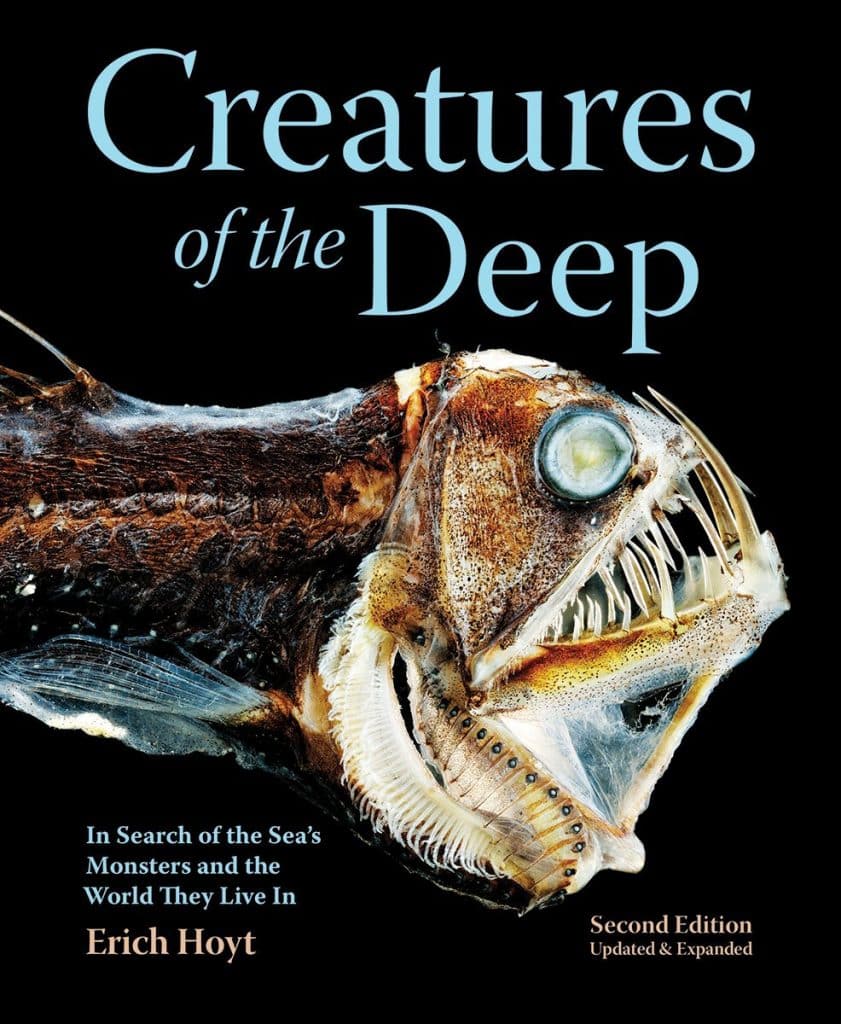
Creatures of the Deep: In Search of the Sea’s Monsters and the World They Live
In this revised and extended edition of Species of the Deep, award-winning nature and science writer Erich Hoyt provides readers with a peek of the incredible variety of creatures that may be discovered in the ocean’s deepest reaches. Hoyt embarks on a magical journey across the abyssal plains and into deep-sea trenches more than 20,000 feet below the surface of the ocean, weaving together details from the most recent scientific research on sharks, giant squid, dragonfish, huge tube worms, clams, and tiny microbes of deep-sea vents.
From “killer” copepods to confrontations between a giant squid and sperm whales, Hoyt reveals the intricate web of predator-prey relationships that exist in a dark, high-pressure world. He also provides riveting images of species that are well adapted to their environments. There are living forms that are not dependent on sunlight or photosynthesis that thrive near the hot, sulfurous deep-sea vents in the spectacular rift valley of the mid-ocean ridge, which is the world’s longest mountain range and contains the world’s longest mountain range. These microbes, which have managed to survive in conditions that appear to be very close to the primordial soup of the Earth, have become the basis for the most recent research into the planet’s origins. The book is lavishly decorated with stunning underwater photography.
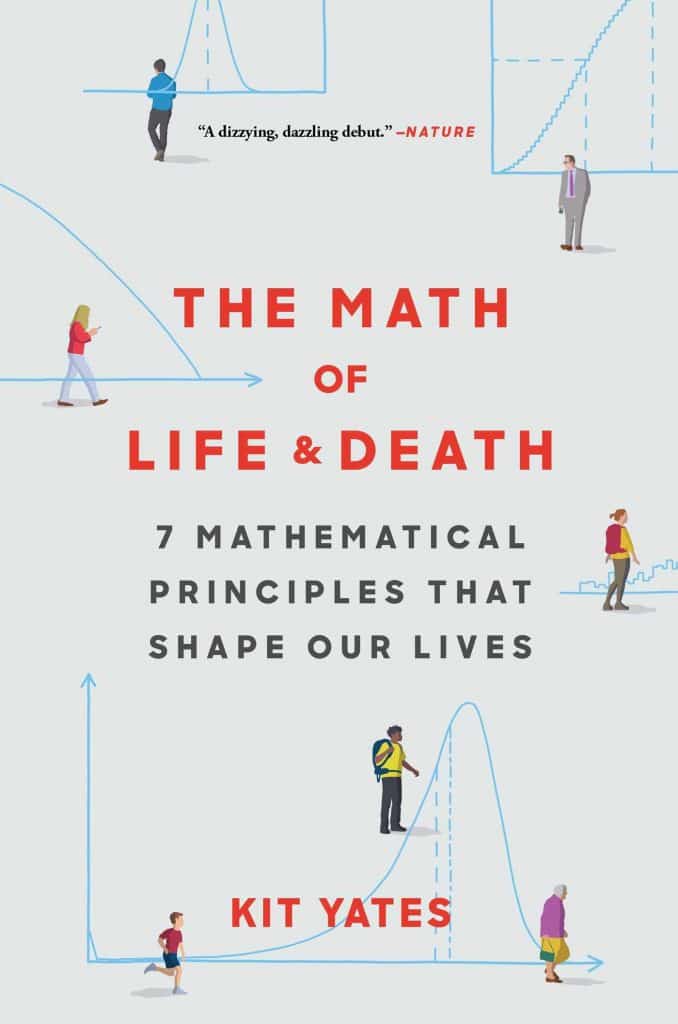
Mathematical patterns influence every aspect of our lives, from our birthdays to birth rates to how we interpret the passage of time. In contrast, for those of us who left mathematics behind in high school, the numbers and figures thrown our way as we go about our daily lives might occasionally leave us scratching our brains and feeling as like we’re walking through a mathematical minefield. Kit Yates, a mathematician, reveals hidden principles that can assist us in understanding and navigating the chaotic and often opaque surfaces of our world in this eye-opening and incredibly accessible book.
A fascinating journey through everyday events and large-scale applications of mathematical principles, such as exponential growth and decay, optimization, statistics and probability, and number systems, is provided by Yates in The Math of Life and Death. Along the way, he shows the mathematical underpinnings of disputes such as those surrounding DNA testing, medical screening results, and historical events such as the Chernobyl accident and the Amanda Knox case. By the end of the book, readers will have gained a more enlightened perspective on current events and the law, medicine, and history. They will also be better prepared to make personal decisions and solve problems with mathematics in mind, whether it’s choosing the shortest checkout line at the grocery store or halting the spread of a deadly disease.
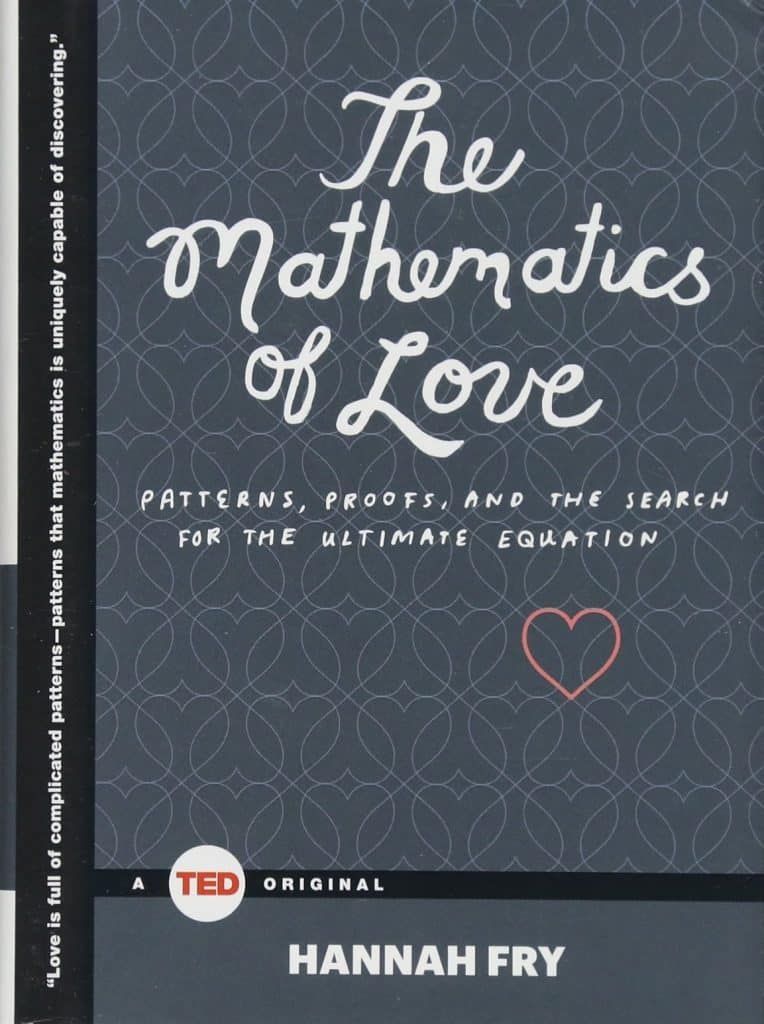
The emotional roller coaster of romance is difficult to define; it is impossible to predict how lovers could feel from a set of basic formulae. However, this does not rule out the use of mathematics as a valuable tool in studying romantic relationships.
Love, like the majority of things in life, follows a pattern. Mathematics is ultimately the study of patterns—from predicting the weather to stock market oscillations, planet movements, and the growth of cities, to name a few examples. Patterns that twist and turn, warp and evolve, precisely like the love rituals, are depicted here.
A fascinating trip through the patterns that determine our love lives is described in The Mathematics of Love by Dr. Hannah Fry, who applies mathematical formulas to the most frequent yet complicated problems relating to love: Where do you think your chances of finding love are? What is the likelihood that it will be successful? What is the specific mechanism through which online dating algorithms operate? Is it possible to use game theory to assist us in determining who to approach in a bar? When should you start thinking about marriage in your dating life?
With great insight, wit, and fun, the author demonstrates that math can be a surprisingly useful tool in navigating the difficult, often puzzling, sometimes annoying, but always exciting mysteries of love. Dr. Fry’s book is a must-read for everyone who likes math and science fiction.