Have you ever considered learning how to think mathematically? Using math proofs requires logical reasoning, problem-solving skills, and the ability to make connections between concepts. By reading math books to learn mathematical proofs, you can unlock the power of this type of thinking and gain valuable insight into a variety of topics. Below, you will find 70 best math books to learn mathematical proofs.
The Benefits of Learning Math Proofs
Math proofs are used in various fields, such as engineering, economics, computer science, physics, and mathematics. Learning to think mathematically will benefit your studies in these fields and give you an edge in other aspects of life, such as problem-solving, decision-making, and critical thinking. Mathematical proofs provide a systematic way to analyze problems so that you can come up with solutions quickly and accurately.
Math Books to Learn Mathematical Proofs
Math books are essential if you want to learn mathematical proof. These books provide an easy-to-understand approach to understanding the fundamentals behind math proofs. They often include step-by-step instructions on how to solve problems as well as visual demonstrations of how these concepts work together. Reading these books is key to developing your skills in mathematical proof because they provide an accessible entry point into more advanced topics like abstract algebra or number theory.
While math books are great for getting started with learning mathematical proof, they have their limitations when it comes to tackling more complex problems. As you progress further down the road with studying math proofs, you must supplement your knowledge with online resources such as YouTube tutorials or online courses that give you a more comprehensive overview of various areas within mathematics.
Additionally, engaging in practice questions can help solidify your understanding and hone your skills when it comes to using logic and reasoning for problem-solving.
Mathematical proof is an invaluable skill that can be applied across multiple fields. It provides a framework for analyzing problems while helping develop your problem-solving abilities and critical thinking skills, which are transferable across many different domains in life. To get started with learning math proof, reading math books is essential as they provide an easy-to-understand introduction to this field while giving step-by-step instructions on how to solve various types of problems. However, as one progresses further into this area, more advanced resources should be utilized, such as online tutorials or courses along with practice questions which will help hone one’s understanding and application within this area even further!
Below, you can find 70 best math books to learn mathematical proofs. If you enjoy this book list, you should also check 30 Best Math Books to Learn Advanced Mathematics for Self-Learners.
Before I get started, I would like to suggest Audible for those of us who are not the best at reading. Whether you are commuting to work, driving, or simply doing dishes at home, you can listen to these books at any time through Audible.
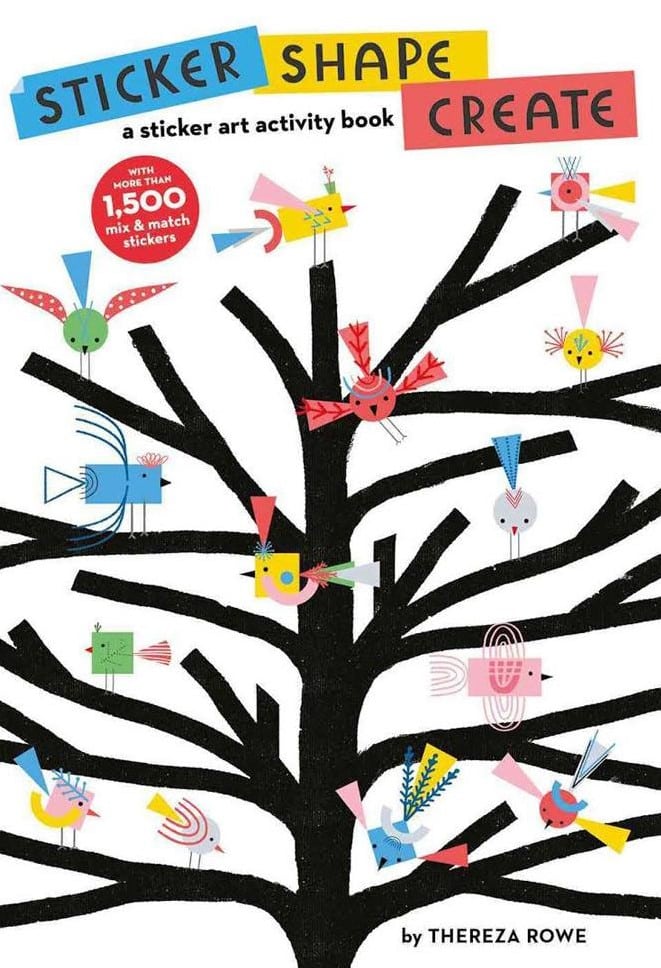
Sticker, Shape, Create: A Sticker Art Activity Book is an interesting and innovative children’s activity book! It blends kid-friendly stickers with drawing and coloring for a one-of-a-kind creative experience. Little artists will have a blast making vibrant pictures featuring chirping birds and drawings of fireworks with just a few shapes.
Included are pull-out sticker sheets in multiple colors so kids can make tons of unique artwork. Sticker, Shape, Create is one of the best kids’ books on the market – get it today to spark your child’s imagination!
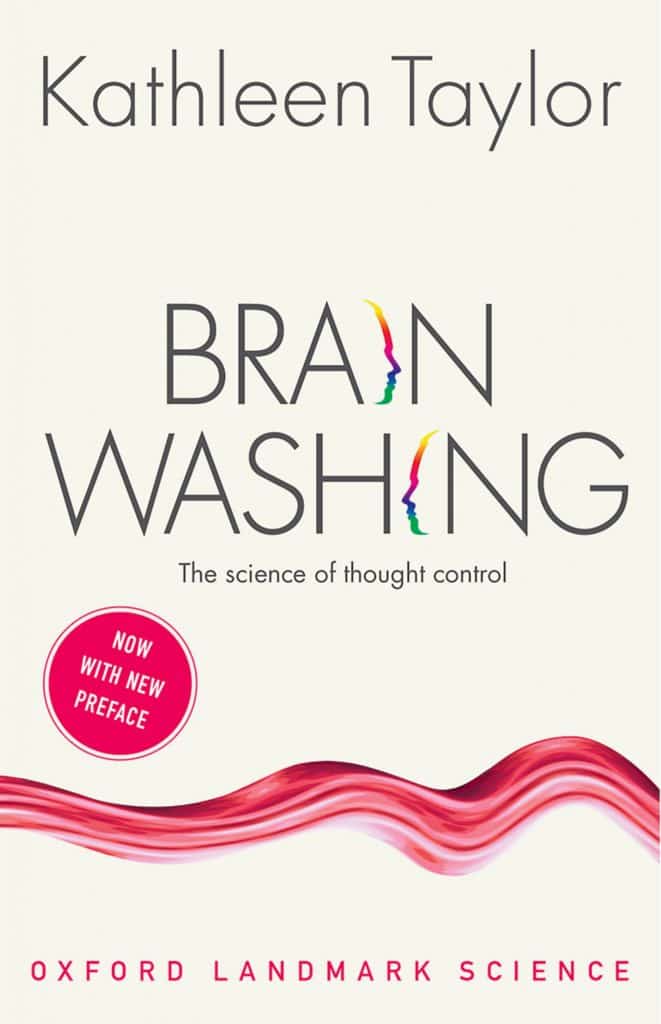
Brainwashing
Throughout history, humans have attempted to influence and control the thoughts of others. Since the word ‘brainwashing’ was coined after the Korean War, it has become part of popular culture and has been exploited to create sensational headlines. It has also been the subject of learned discussion from many disciplines: including history, sociology, psychology, and psychotherapy. But until now, a crucial part of the debate has been missing: that of any serious reference to the science of the human brain. Descriptions of how opinions can be changed, whether by persuasion, deceit, or force, have been almost entirely psychological.
In Brainwashing, Kathleen Taylor brought the worlds of neuroscience and social psychology together for the first time. Elegant and accessible prose, and with abundant use of anecdotes and case studies, she examines the ethical problems involved in carrying out the required experiments on humans, the limitations of animal models, and the frightening implications of such research. She also explores the history of thought-control and shows how it persists all around us, from marketing
and television, to politics and education.

In the realm of popular science literature, Frank Close’s “Antimatter“ emerges as a compelling exposition of one of physics‘ most intriguing topics. With a narrative that weaves together the esoteric concepts of particle physics with the narrative drive of a detective story, Close brings to light the enigmatic world of antimatter—a mirror to our own universe, where the fundamental rules as we know them are inverted.
At the heart of “Antimatter” lies the exploration of a concept that sounds as though it has been ripped from the pages of a science fiction novel. Close eloquently describes a universe parallel to our own, constituted by matter with properties diametrically opposed to those we encounter every day. This is a realm where positive is negative, left is right, and the meeting of matter and antimatter culminates in a spectacle more dazzling than the most powerful thermonuclear explosion.
Yet, what makes “Antimatter” resonate is not just its exploration of this “strange mirror world,” but also its excavation into one of the cosmos’s enduring mysteries—the disappearance of antimatter following the birth of the universe. Close ventures into this scientific frontier with the adeptness of a seasoned guide, elucidating how, despite its scarcity on Earth, antimatter is a profound piece of the puzzle in understanding the universe’s grand design.
Frank Close proves himself not only as an astute observer of the physical world but also as a master storyteller who can engage readers with no prior knowledge of particle physics. Through the story of antimatter, we are taken on a voyage from the theoretical underpinnings of particles and antiparticles to the practical challenges and triumphs of creating antimatter in the laboratory—most notably at CERN’s Large Hadron Collider.
One of the book’s most fascinating aspects is its detailed yet accessible discussion of how the creation and study of antimatter could unlock answers to fundamental questions about the universe and our existence within it. Close effectively conveys the excitement and the stakes of this scientific endeavor, making the reader invested in the outcomes of real-world experiments.
“Antimatter” by Frank Close is a triumph in the genre of science writing, offering a lucid and enthralling exploration of a topic at the frontier of our understanding. It bridges the gap between complex scientific concepts and the general curiosity about our cosmos’s mysteries. This book is an essential read for anyone who looks up at the stars and wonders—not just about what is out there but about the profound secrets that underlie everything we take for granted about our universe. In unraveling the story of antimatter, Close brings us one step closer to understanding the cosmic balance and the shadowy counterpart that intertwines with the fabric of our existence.

Nature All Around: Trees is an essential read for any child interested in the natural world. It’s one of the best kids’ books out there, offering a comprehensive and funny introduction to trees and the significant role they play. Your child will learn about the parts of trees, their life cycles, photosynthesis, and respiration, and gain insight into a tree’s year-round activities.
Plus, it even comes with a map showing different forest regions across North America! So what are you waiting for? Share Nature All Around: Trees with your kiddos today and help them discover just how cool those big green plants can really be.
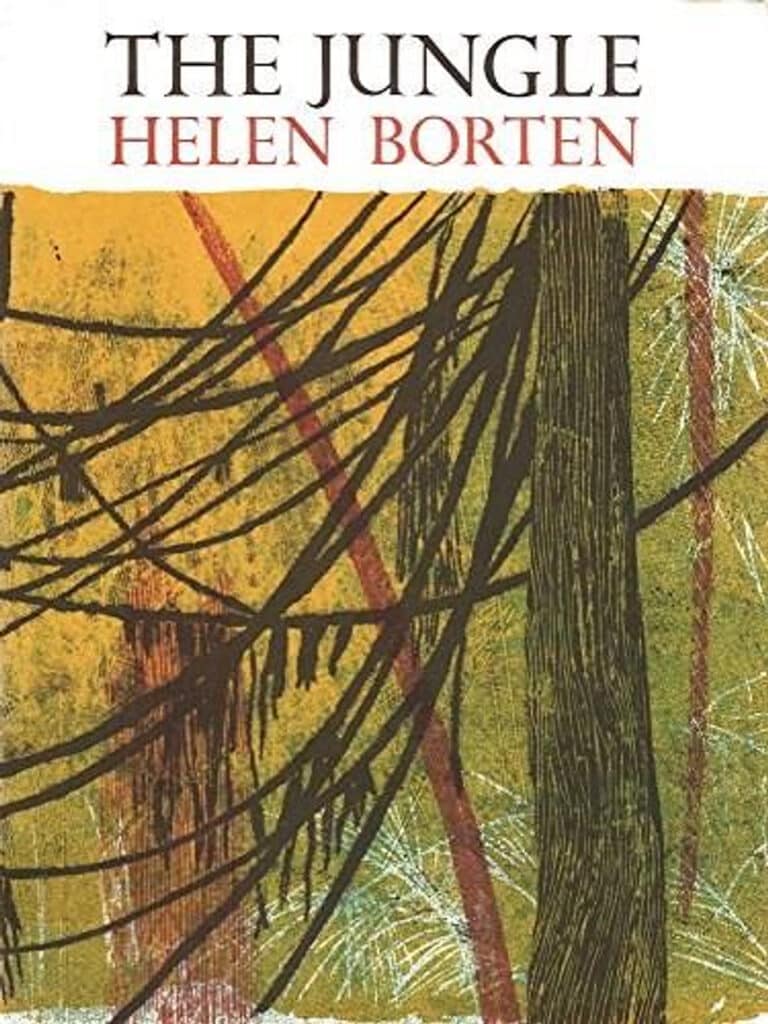
The Jungle is one of the best kids’ books ever written that provides a stunning and captivating window into the Guatemalan jungle. Through Helen Borten’s vivid words, your children will be taken through a journey of discovery, introducing them to a world filled with armadillos, jaguars, and exotic plants.
The use of matte paper also enhances their experience as they are able to touch and feel the finely detailed etchings on each page. Make The Jungle part of your child’s library collection and let them explore an interactive world of imagination!

The Forest is a book that will take your child on an adventure they can experience with all five senses. The rich visuals and artistry of the book make it one of the best children’s books available, with die-cuts, embossing, cutouts, and two gatefolds that really bring the text to life. Your child will appreciate The Forest in a way no other book could ever match—ideal for little minds looking to explore the wonders of nature.
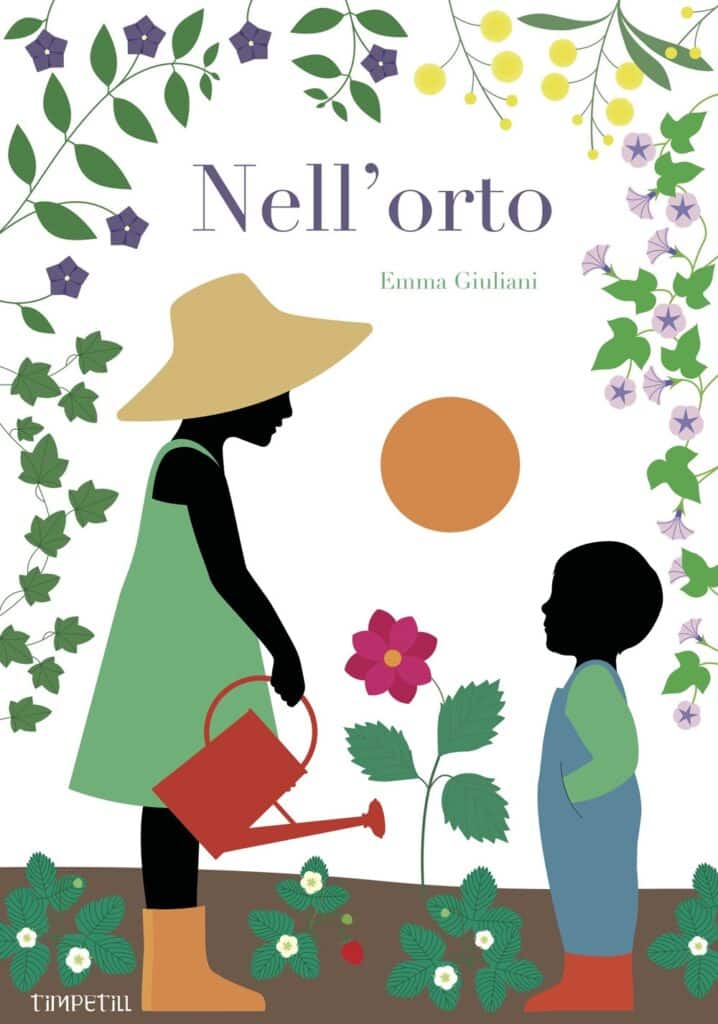
At the Sea
At the Sea takes young readers on an unforgettable journey through a sunny oceanfront world that navigates the wonders of nature, environmental education, and good old-fashioned fun. Join Plum and Robin as they explore the harbor with seagulls and boats before sailing to an island with a lighthouse.
At every turn, these best friends learn more about marine life, like sardines, jellyfish, and sea turtles – all while having a great time! At the Sea is one of the best kids’ books out there for those looking to spark their interest in ocean conservation, as it explains key issues affecting our oceans today, plus exciting ways to help reduce the climate change impact. So pack your bag and hitch a ride – At the Sea will take you on an adventure you won’t soon forget!
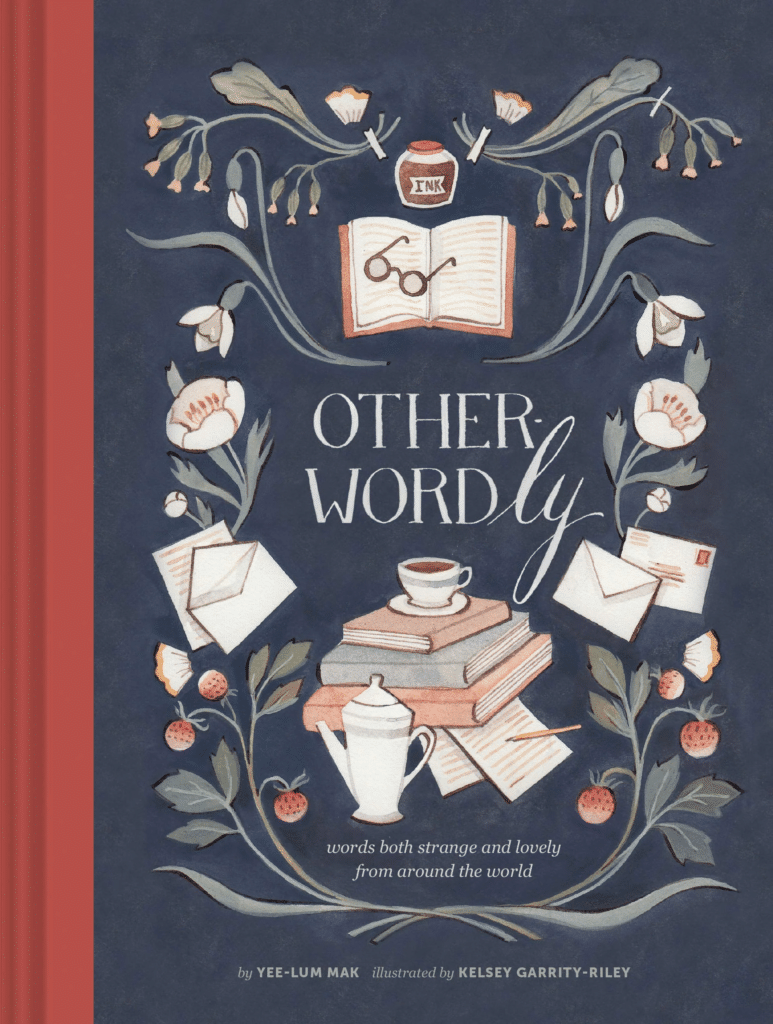
Other-Wordly is a kids’ book that will surprise, delight, and enamor your child. It is packed with words for the sunlight that filters through the leaves of trees, for dancing awkwardly but with relish, and for the look shared by two people who each wish the other would speak first. Other-Wordly is an irresistible gift for lovers of words and those lost for words alike.
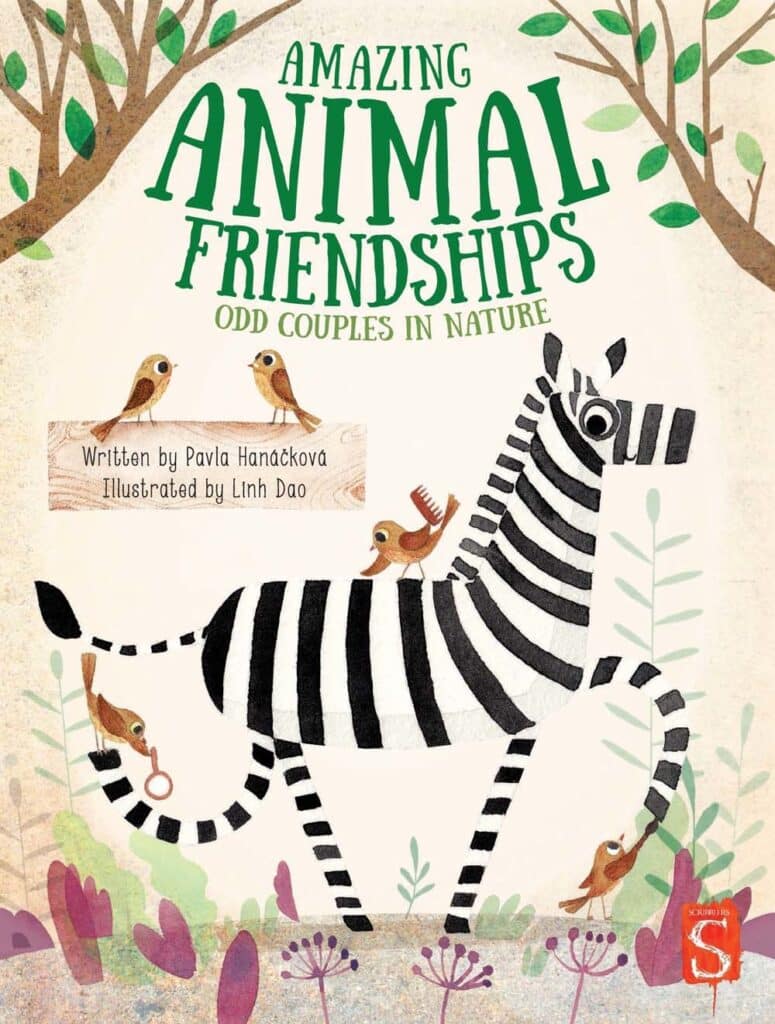
Amazing Animal Friendships: Odd Couples in Nature is a great book to introduce your child to the incredible collaborations made possible by our wonderful planet. From obscure shark and cleaner fish pairings to fun zebras joining forces with birds, even the odder relationships that plants can form with their community of pollinators – this book captures it all!
The funny illustrations mixed with bite-sized text make for a great read for both children and adults, making Amazing Animal Friendships one of the best kids’ books out there.

Douglas W. Hubbard’s How to Measure Anything: Finding the Value of “Intangibles” in Business is a remarkable book that captures the essence of quantification in the business world. It’s a must-read for professionals across industries who find themselves grappling with the elusive challenge of measuring seemingly immeasurable concepts.
At its core, Hubbard’s book is about shedding light on the supposedly dark art of measurement. He argues cogently that there’s nothing in business that can’t be measured, be it customer satisfaction, organizational flexibility, technology ROI, or even the value of corporate leadership. The key themes revolve around demolishing the myth that certain things are immeasurable and offering a concrete methodology for turning intangibles into measurable quantities.
One cannot help but appreciate the way Hubbard makes a typically dry subject – business statistics – engaging and relevant. Peter Tippett, the inventor of the first antivirus software, praises Hubbard’s work for creating a pathway to better knowledge. Peter Schay of The Advisory Council recommends the book’s powerful, practical techniques – a sentiment echoed by many readers who have found Hubbard’s methods directly applicable to their decision-making processes.
Ray Gilbert from Lucent praises the book for bridging the gap between academic statistics and applied business practices. What stands out in these endorsements is the clarity of Hubbard’s style and the range of his measurement applications.
Hubbard doesn’t simply argue that everything can be measured; he shows how to do it. His strategies include calibrating better estimates and understanding the value of information before deciding on how and what to measure. These valuable lessons steer away from the clichés of business rhetoric and move towards actionable, evidence-based decision-making.
How to Measure Anything demystifies the complexities associated with risk, uncertainty, and decision-making within business environments. It reveals the often underestimated power of measurement to provide crucial insight and significantly alter our understanding of a problem.
Douglas W. Hubbard’s How to Measure Anything is insightful, useful, and surprisingly accessible. Whether you’re a manager, analyst, consultant, or student of business, this book will change your perception of measurement. It challenges preconceived notions with robust, analytical thinking and provides readers with the tools to measure and improve their endeavors in practical, meaningful ways. It’s an indispensable guide for anyone seeking informed, less risky, and more profitable business decisions.