Have you ever considered learning how to think mathematically? Using math proofs requires logical reasoning, problem-solving skills, and the ability to make connections between concepts. By reading math books to learn mathematical proofs, you can unlock the power of this type of thinking and gain valuable insight into a variety of topics. Below, you will find 70 best math books to learn mathematical proofs.
The Benefits of Learning Math Proofs
Math proofs are used in various fields, such as engineering, economics, computer science, physics, and mathematics. Learning to think mathematically will benefit your studies in these fields and give you an edge in other aspects of life, such as problem-solving, decision-making, and critical thinking. Mathematical proofs provide a systematic way to analyze problems so that you can come up with solutions quickly and accurately.
Math Books to Learn Mathematical Proofs
Math books are essential if you want to learn mathematical proof. These books provide an easy-to-understand approach to understanding the fundamentals behind math proofs. They often include step-by-step instructions on how to solve problems as well as visual demonstrations of how these concepts work together. Reading these books is key to developing your skills in mathematical proof because they provide an accessible entry point into more advanced topics like abstract algebra or number theory.
While math books are great for getting started with learning mathematical proof, they have their limitations when it comes to tackling more complex problems. As you progress further down the road with studying math proofs, you must supplement your knowledge with online resources such as YouTube tutorials or online courses that give you a more comprehensive overview of various areas within mathematics.
Additionally, engaging in practice questions can help solidify your understanding and hone your skills when it comes to using logic and reasoning for problem-solving.
Mathematical proof is an invaluable skill that can be applied across multiple fields. It provides a framework for analyzing problems while helping develop your problem-solving abilities and critical thinking skills, which are transferable across many different domains in life. To get started with learning math proof, reading math books is essential as they provide an easy-to-understand introduction to this field while giving step-by-step instructions on how to solve various types of problems. However, as one progresses further into this area, more advanced resources should be utilized, such as online tutorials or courses along with practice questions which will help hone one’s understanding and application within this area even further!
Below, you can find 70 best math books to learn mathematical proofs. If you enjoy this book list, you should also check 30 Best Math Books to Learn Advanced Mathematics for Self-Learners.
Before I get started, I would like to suggest Audible for those of us who are not the best at reading. Whether you are commuting to work, driving, or simply doing dishes at home, you can listen to these books at any time through Audible.
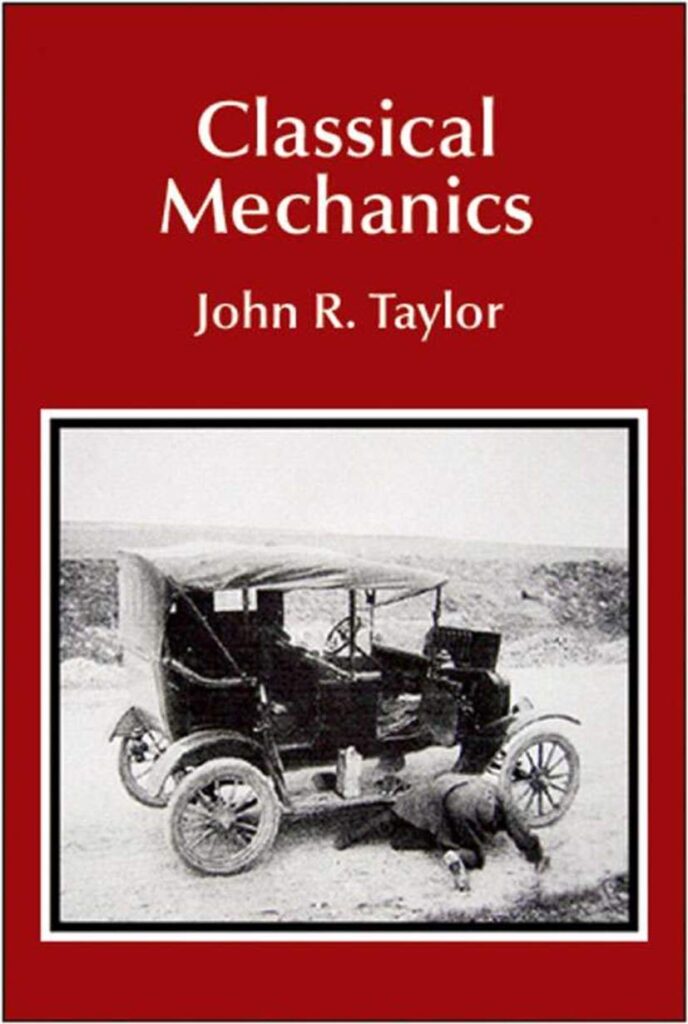
John Taylor has brought to his new book, Classical Mechanics, all of the clarity and insight that made his introduction to Error Analysis a best-selling text.
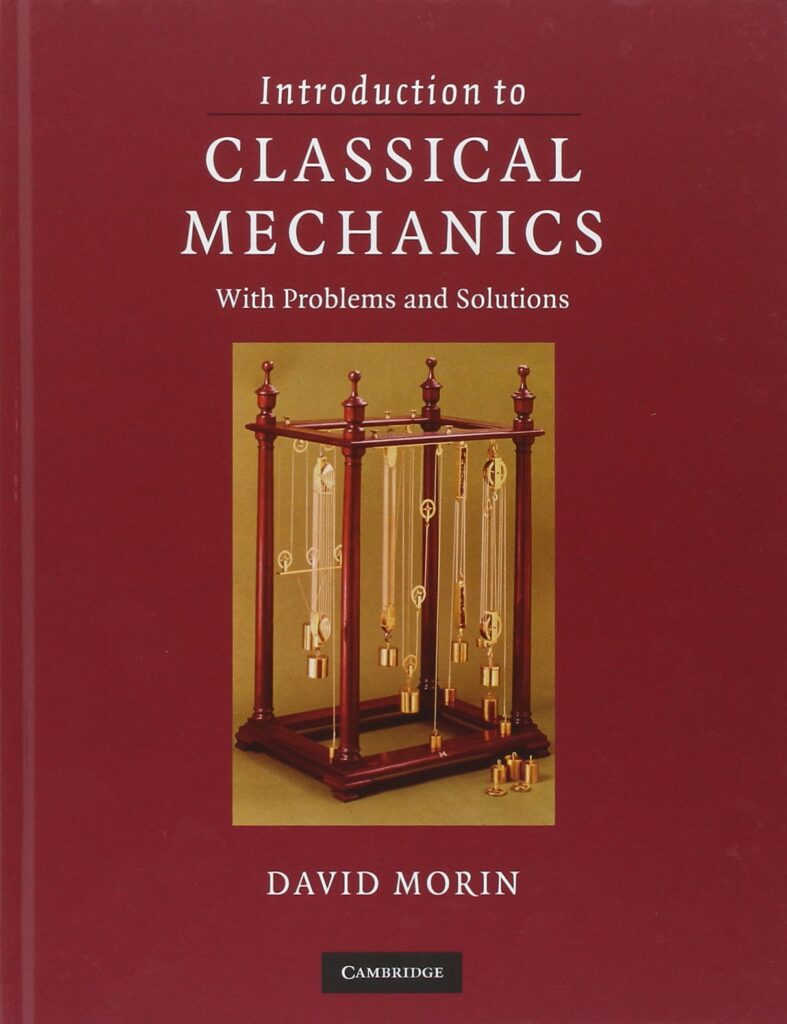
Introduction to Classical Mechanics covers all the traditional beginning topics in classical mechanics, including planetary motion, special relativity, Newton’s laws, oscillations, energy, momentum, and angular momentum. In addition, it delves into more complex subjects, including general relativity, fictitious forces, gyroscopic motion, normal modes, and the Lagrangian approach. It includes over 250 problems, each followed by a comprehensive solution, allowing students to test and improve their grasp of the material readily. There are also over 350 activities that have not been completed, all of which are suitable for use as homework.
Based on the sheer volume of problems it contains, this book is perfectly suited to serve as a supplementary text for any level of undergraduate physics courses that focus on classical mechanics. It is comprehensively illustrated with more than 600 illustrations to assist in the demonstration of essential concepts, and it contains remarks that are dispersed throughout the text that highlight subjects frequently skipped over in other textbooks.
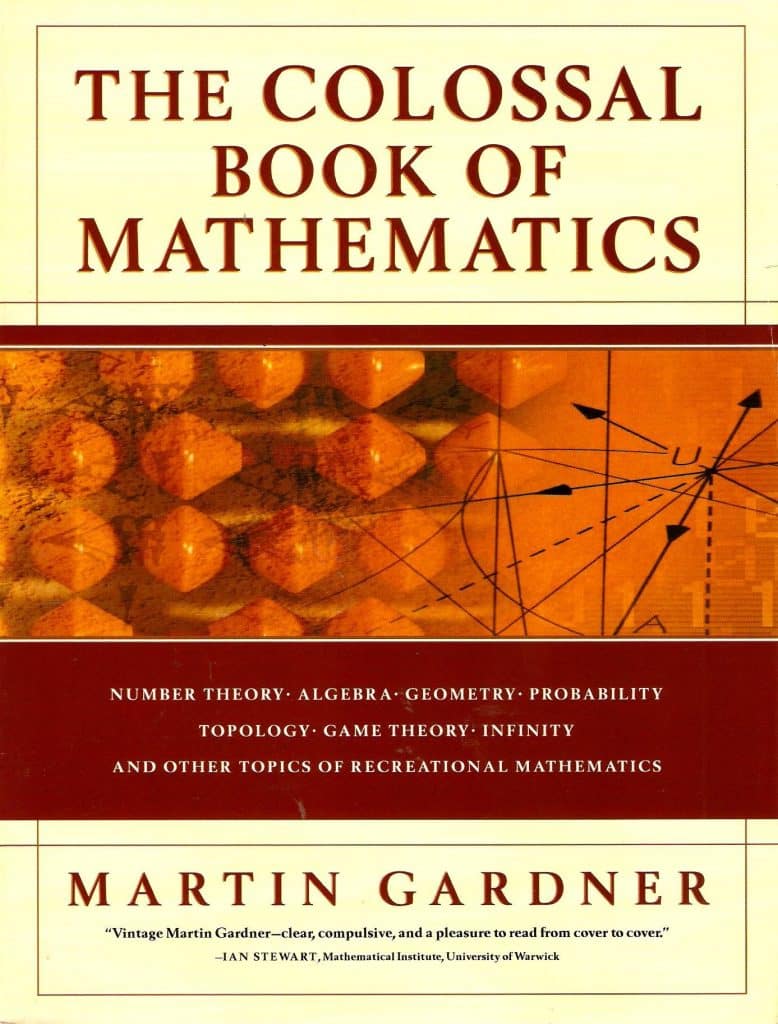
“Martin Gardner is solely responsible for the development of the field of “recreational mathematics,” whether he is talking about hexaflexagons, number theory, Klein bottles, or the meaning of “nothing.” The most well-known essays from Gardner’s illustrious “Mathematical Games” column, which appeared in Scientific American for twenty-five years, are collected in The Colossal Book of Mathematics. Inspiring readers to look beyond numbers and formulae and explore the application of mathematical principles to the mysterious world around them, Gardner’s collection of captivating puzzles and mind-bending paradoxes opens mathematics accessible to the general public. This collection of essays is a substantial and conclusive memorial to Gardner’s contributions to mathematics, science, and culture. The topics covered in the essays range from basic algebra to the twisting surfaces of Mobius strips, from an endless game of Bulgarian solitaire to the impossibility of time travel.
The Colossal Book of Math tackles a wide range of topics in its twelve sections, each strikingly brought to life by Gardner’s sharp insight. Gardner expertly leads us through complex and wondrous worlds by starting with topics that appear to be simple: using basic algebra, we consider the fascinating, frequently hilarious, linguistic and numerical possibilities of palindromes; using simple geometry, he dissects the principles of symmetry that the renowned mathematical artist M. C. Escher uses to create his unique, dizzying universe. Few contemporary philosophers combine a deep aesthetic, and imaginative impulse with a strict scientific skepticism like Gardner does. For instance, in his breathtaking investigation of “The Church of the Fourth Dimension,” he masterfully imagines the geographical possibilities of God’s presence in the world as a fourth dimension, at once “everywhere and nowhere,” bridging the gap between the worlds of science and religion.
Gardner enables the reader to further engage difficult subjects like probability and game theory, which have bedeviled shrewd gamblers and illustrious mathematicians for generations, with unlimited wisdom and his signature humor. Gardner consistently demonstrates his ferocious intelligence and sweet humor, whether disproving Pascal’s wager with elementary probability, creating musical patterns with fractals, or unraveling a “knotted doughnut” using basic topology. Hexaflexagons, “Nothing,” and “Everything,” as well as the reassuringly familiar “Generalized Ticktacktoe” and “Sprouts and Brussel Sprouts” are both confronted in his writings. He expertly navigates these mind-bogglingly obscure themes, and with addenda and recommended reading lists, he enriches these great essays with a fresh perspective.
Gardner is admired by mathematicians, physicists, writers, and readers alike for his immense knowledge and insatiable curiosity, which shine through on every page. The Colossal Book of Mathematics is the largest and most thorough math book ever put together by Gardner and remains a vital resource for both amateur and experienced mathematicians. It is the product of Gardner’s lifetime passion for the wonders of mathematics.”
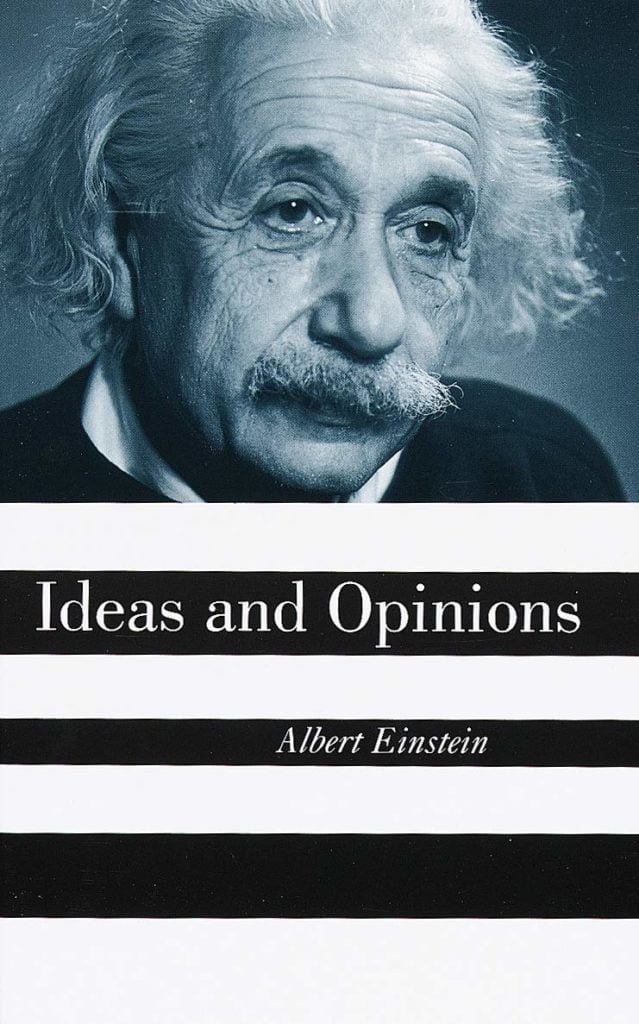
This beautiful book is a collection of Einstein’s speeches, interviews, and articles covering his views and opinions about life, philosophy, and physics. His writings are fascinating.
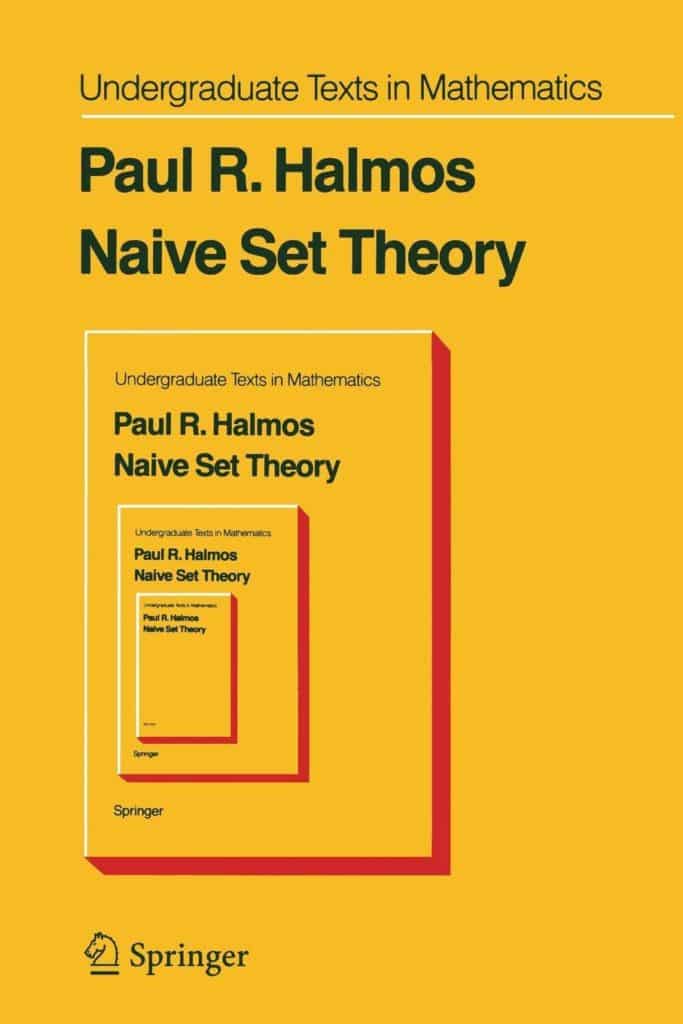
Naive Set Theory is a valuable resource for both beginners and professionals in the field of mathematics. It offers a unique perspective on set theory, catering to those who want to explore the foundations of their existing mathematical knowledge or refresh their understanding of key principles.
Contrary to what the title may suggest, this book is not a simplistic guide; it goes beyond the basics and delves into the realm of Zermelo-Fraenkel set theory. While it does introduce a few axioms, it is not an exhaustive axiomatic study. Originally published in 1960 and reprinted in 1974, it predates the groundbreaking resolution of the continuum hypothesis by Cohen in 1963.
Naive Set Theory does not aim to provide a comprehensive overview of the subject. Instead, it offers a collection of topics that range from simple concepts, such as functions and pairs, to more complex ideas like general set indexing, transfinite induction, and recursion. It also includes in-depth discussions on numbers, covering the Peano postulates and Cantor’s exploration of finite and transfinite ordinals and cardinals. While the book features sporadic exercises, there is no systematic approach to problem-solving. It is worth noting that a companion exercise book published by Van Nostrand in 1966 is currently out of print.
In conclusion, Naive Set Theory serves as an insightful reference for understanding the practical applications of set theory in various areas of mathematics. However, it is not a comprehensive textbook solely focused on set theory itself.

Calculus is a foundational subject in mathematics, and finding the right textbook can make all the difference in understanding its complexities. Serge Lang’s A First Course in Calculus stands out as a comprehensive and detailed resource for anyone embarking on their first year of calculus studies.
One of the standout features of this textbook is its use of real-world applications. Lang effectively demonstrates how calculus can be applied in various contexts, making the material more relatable and easier to understand. Whether it’s physics, engineering, or economics, the examples provided help bridge the gap between theory and practice.
Another unique aspect of this book is the inclusion of detailed solutions to a significant portion of the exercises. Located at the back of the book, these worked examples serve as an invaluable resource for students. They provide step-by-step guidance and reinforce the concepts covered in each unit. This feature differentiates this version from previous editions and adds immense value for learners aiming to deepen their understanding.
Serge Lang’s A First Course in Calculus is an exemplary textbook for first-year calculus students. Its comprehensive coverage, real-world applications, and detailed solution sets make it a valuable resource. Whether you’re a student looking to master calculus or an instructor seeking a reliable teaching tool, this book is highly recommended.
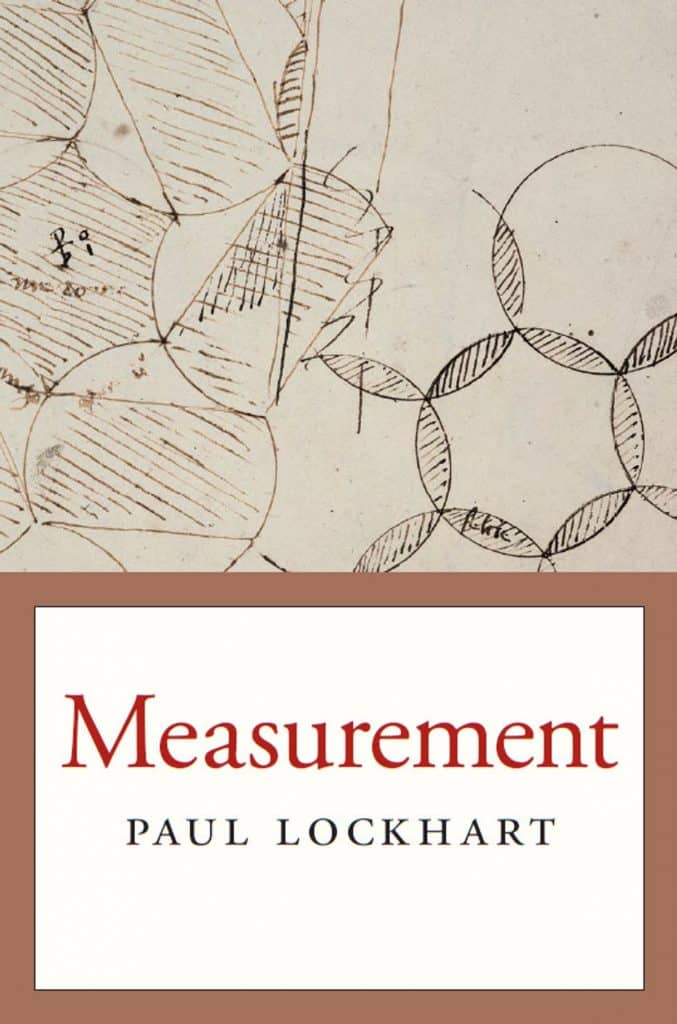
Before its release in 2009, Paul Lockhart’s A Mathematician’s Lament achieved samizdat-style popularity in the mathematics underground for seven years. This popularity led to its publication in 2009, met with even broader appreciation and controversy. An impassioned critique of mathematics education from kindergarten through high school highlighted how we cheat pupils by teaching them math incorrectly while they are young. In this section, Lockhart presents the optimistic side of the tale of mathematics education by demonstrating the correct way to do mathematical operations. Math anxiety can be permanently alleviated by the study of measurement, which presents mathematics to us in the context of an artistic way of thinking and living.
Lockhart makes mathematics approachable without oversimplifying the material by writing in a conversational style that reflects the author’s enthusiasm for the topic. He does not try to conceal the difficulty of mathematics, nor does he strive to protect us from the stunning profundity of its beauty. He successfully makes complicated notions concerning the mathematics of shape and motion understandable and easy to understand because he uses straightforward English rather than mathematical formulas and jargon. His insightful exploration of mathematical logic and motifs in classical geometry provides evidence for his opinion that mathematics sheds light on art in the same way it does on science.
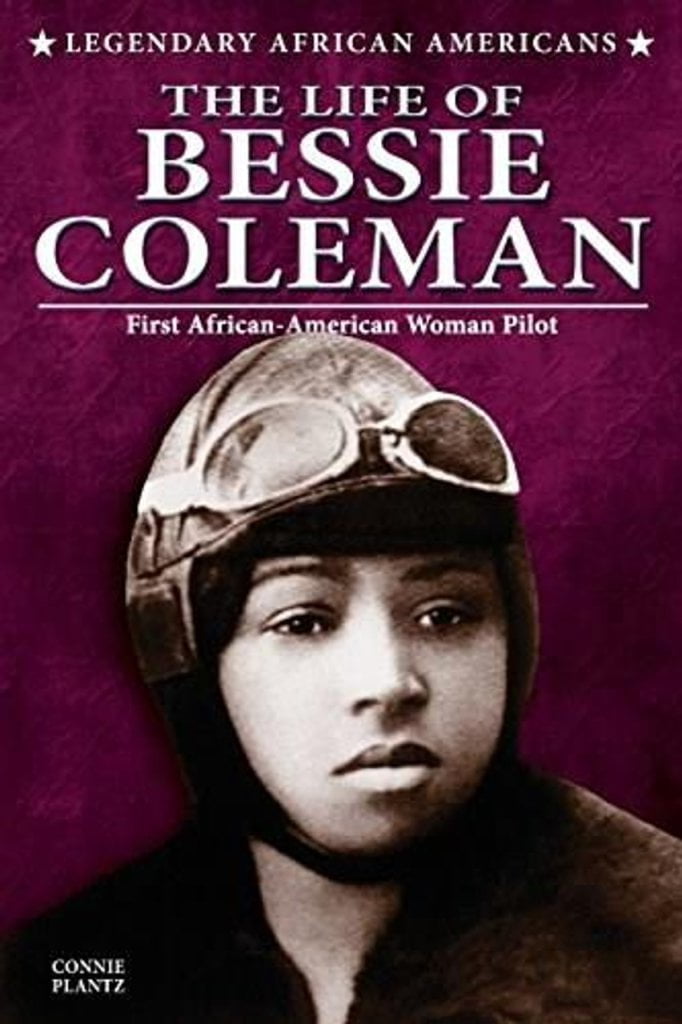
Bessie Coleman was a trailblazer. As a young African-American woman in the 1920s, she faced numerous obstacles and discrimination. However, she never gave up on her dream to fly. Determined to become a pilot, Coleman taught herself French and traveled to France to attend flight school. She returned to the United States as the first African-American woman pilot and became a symbol of hope and inspiration for her community. Her courage and perseverance continue to inspire generations to pursue their dreams, no matter the obstacles they face. Her legacy will always hold a special place in aviation history.

Fly High!: The Story of Bessie Coleman by Louise Borden tells the inspiring and groundbreaking story of the first female African American pilot. Bessie Coleman overcame immense obstacles and persevered through discrimination and sexism to achieve her dream of flying. The book chronicles her journey from a young girl growing up in poverty in Texas to achieving international fame as a skilled aviator who performed death-defying stunts. Her story is not only one of accomplishment but also of the importance of representation and breaking barriers for future generations. Readers will be inspired by Bessie Coleman’s determination and courage, proving that with hard work and a dream, anything is possible.
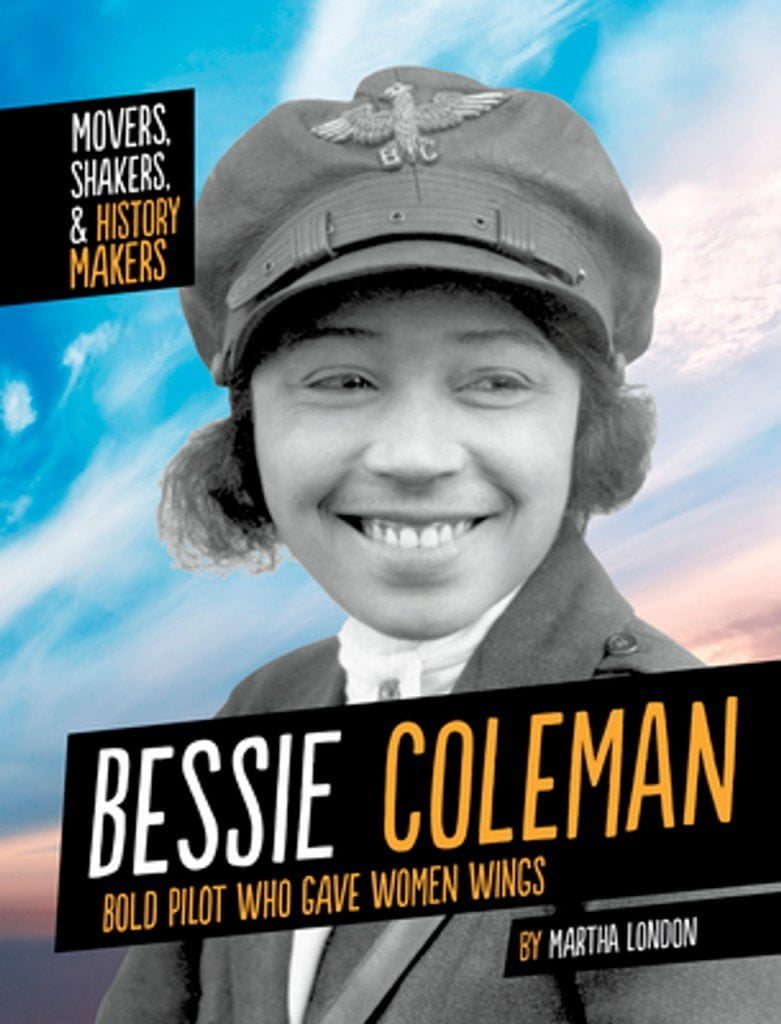
Bessie Coleman was a trailblazing pilot who overcame racial and gender barriers to achieve her dreams. Born in Texas in 1892, Coleman was the tenth of thirteen children and grew up working in the cotton fields. Despite facing discrimination and limited opportunities, she was determined to pursue her passion for aviation. After being rejected from flying schools in the United States, Coleman learned French and traveled to France to earn her pilot’s license there. Back in the US, she became a skilled stunt pilot and barnstormer, thrilling crowds with her aerial shows. As the first African American woman to obtain a pilot’s license, Bessie Coleman paved the way for future generations of female aviators. Her courageous spirit and tenacity continue to inspire people today.