STEM books are crucial to a child’s success. (I am not talking about these books) As modern technology continues to advance, industries are becoming more specialized, and the demand for STEM-proficient individuals is higher than ever before. Implementing STEM subjects into your child’s education is essential to prepare them for future career opportunities.
STEM books for kids provide a unique approach to learning about science, technology, engineering, and math and can inspire your child’s enthusiasm toward these subjects. In this directory, you will find 50+ beautiful STEM books for your child’s learning journey.
Why STEM Books Are Essential for Your Kids’ Curiosity?
STEM books for kids provide a wealth of knowledge that cannot be found within a standard textbook. Since children’s books are already filled with diagrams, pictures, and illustrations that bring the material to life, STEM books provide accurate information and teach scientific theory through engaging stories that pique your child’s interest.
In addition, the science projects included in STEM books teach creative problem-solving and critical thinking, which are necessary skills that will benefit your child throughout their adult life.
STEM books offer various reading materials catering to different learning styles. There are books for beginners, intermediate, and advanced learners. STEM books can be read individually or with a teacher or parent to facilitate group discussion or answer questions about the topics. STEM books not only focus on the theories of science but address real-world problems and their solutions, encouraging children to think outside the box and develop innovative solutions.
STEM books are not only interesting and educational but also inclusive. Children with diverse backgrounds and interests can find a STEM book that speaks to them. There are STEM books that cater to specific interests, such as space, robotics, or biology, and books that include characters of all races, genders, and abilities. This inclusivity can help children feel more seen and valued, an essential aspect of child development.
Furthermore, STEM books can prepare your child for future job opportunities. STEM jobs continue to grow, and the workforce requires skilled individuals with a background in STEM fields. Moreover, the number of women in stem is rapidly increasing! Reading STEM books allows children to explore their interests, discover what they are passionate about, and potentially choose a career path. STEM books teach children up-to-date skills and knowledge that employers need in their workforce. They also encourage children to view these career fields through a new, exciting lens.
50+ Awesome STEM Books for Kids to Make Them Love Science, Math, and Engineering!
Again, STEM books are essential in your child’s education as they provide a unique approach to STEM subjects and inspire creativity, critical thinking, and problem-solving. Below, you will find 50+ best STEM books for your kids!
Teachers and parents should encourage the integration of STEM books into their child’s learning experience. Don’t forget that: Reading STEM books is educational, informative, exciting, and fun. Your child can learn about the world around them, develop their interests, and become passionate about STEM fields.

Some children’s math books start with formulas. On a Beam of Light begins with a boy. A boy who didn’t speak, didn’t play, but thought. Jennifer Berne introduces us to the extraordinary child Albert Einstein—not just through his theories, but through his curiosity, quirks, and boundless imagination.
This kids’ math book is technically a biography, but it’s more poetic than factual. It zooms in on Einstein’s famous question: “What would it be like to ride a beam of light?”—and uses that question to explore how scientific thinking is born from wonder, not just equations. The book gently tells young readers: being curious is a gift. Asking questions is a kind of genius. And being different? That’s okay.
Vladimir Radunsky’s illustrations are intentionally childlike—messy in the best way. They reflect Einstein’s eccentricity and leave room (both literally and metaphorically) for imagination. Even the white space in the layouts feels like an invitation to dream.
The book includes a helpful author’s note about Einstein’s scientific contributions and links to further resources. But its true power lies in how it encourages kids to embrace their questions and follow their own intellectual paths.
📚 On a Beam of Light doesn’t just tell the story of a scientist—it shows how big ideas are born in small, quiet moments. It’s a touching, lyrical, and visually striking children’s math book that reminds us: science begins with a single, curious mind.

Reading Snowflake Bentley was like stepping back to my childhood days, when snowflakes felt like tiny miracles from the sky. This picture book biography of Wilson Bentley, designed for school-aged children, beautifully captures the magic and wonder of snow alongside the incredible story of one man’s unrelenting passion for its uniqueness.
A Life Dedicated to Snow (Yes, Seriously!)
Wilson Bentley was obsessed with snow from a young age. And when I say obsessed, I mean he literally dedicated his life to photographing and studying individual snowflakes. (Did you even know that was a thing? Because I didn’t until this book!) Bentley developed microphotography techniques that allowed him to capture the intricate beauty of snowflakes. Through this, he illuminated a simple but profound truth that no two snowflakes are alike.
Now, here’s something that really melted my heart (pun absolutely intended): Bentley wasn’t born into a high-tech, research-ready household. He grew up on a farm in Vermont. But his parents? Absolute MVPs. They scraped together enough money to buy him a camera specifically so he could pursue his dream of documenting snowflakes. To me, their support was as inspiring as Bentley’s dedication. Imagine the courage it took for a farm family to invest in something so niche and unusual!
Even when others scoffed at him (and trust me, they did), Bentley never wavered in his fascination and determination. His work caught the attention of scientists who eventually appreciated his groundbreaking contributions. The story is a celebration of perseverance, curiosity, and generosity–Bentley was passionate about sharing his photographs with anyone who’d look, not hoarding them.
The Art & Storytelling
The book itself? Equal parts informative and touching. While the storytelling may not dazzle with action-packed drama, it’s perfect for readers already intrigued by the magic of snow or the idea of someone pursuing their life’s passion.
Now, about the artwork. I’ll be honest—I wasn’t sold on the illustrations at first. They’re created with woodcuts, and woodcuts aren’t exactly my favorite artistic style. But as I kept reading, I found myself appreciating how well the earthy, textured visuals complemented the simplicity of Bentley’s story and his rural upbringing. Once I learned they were woodcuts, I was impressed by the craftsmanship and started enjoying them much more.
The pièce de résistance? The final page of the book features an actual photo of Bentley with his legendary camera, along with three of his snowflake photographs. It’s pure magic seeing his work and realizing just how fascinating snowflakes truly are. (Although, honestly? I wouldn’t have complained if there had been even more of his photos included.)
Why This Book Stuck With Me
At its heart, Snowflake Bentley is about more than just pretty little ice crystals. It’s about passion. It’s about curiosity that refuses to fade, even in the face of doubt and dismissal. And it’s about sharing what you love with the world, no matter how specific or obscure your interest might seem. Bentley didn’t just chase snowstorms; he made us see the tiny miracles they leave behind.
On a personal note, reading this book sparked memories of my own childhood fascination with snow. (I wasn’t out here with a camera taking microphotographs, but the excitement of watching snowflakes fall under the glow of streetlights still feels fresh.)
After finishing the book, I immediately began Googling Bentley’s work. I might even pick up his books, Snow Crystals or Snowflakes in Photographs. Who knew a quaint children’s book could rekindle such a sense of childlike wonder?
Final Thoughts
Snowflake Bentley by Jacqueline Briggs Martin is a gentle, inspiring read that will resonate with anyone who’s found themselves captivated by nature’s beauty or driven by a niche passion. It’s also a lovely reminder to support the big dreams of those around us, no matter how unconventional they seem.
If you’ve got a curious kid (or even an adult!) who loves snow, science, or stories of unwavering dedication, this book is a gift waiting to be unwrapped. Just be prepared for them to start asking for magnifying glasses the next time the snow falls!
Would I recommend it? Absolutely. Just be ready to develop an unshakeable fascination with snowflakes. Trust me, it’s contagious.
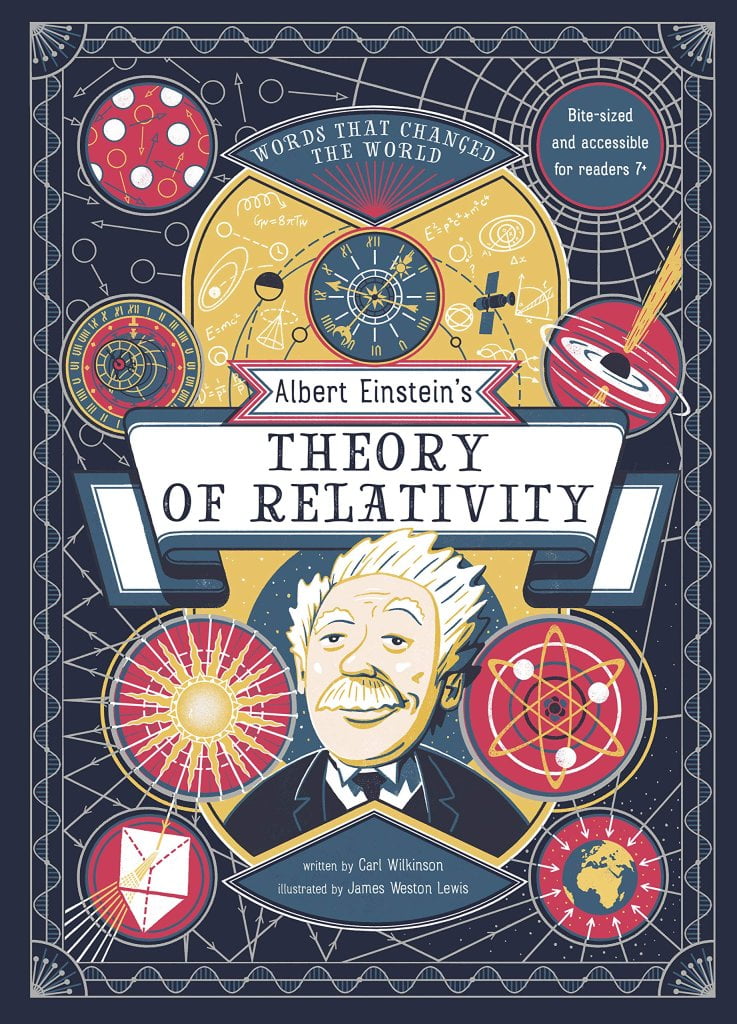
Albert Einstein is widely regarded as one of the greatest minds in history and is often associated with his work on the theory of relativity. However, understanding this concept can be quite difficult, especially for those who are not well-versed in physics. Fortunately, a book titled “Albert Einstein’s Theory of Relativity” by Carl Wilkinson has been published to help readers better understand this complex idea.
One of the most impressive aspects of this book is that it makes complex physics concepts understandable. The author, Carl Wilkinson, breaks down difficult ideas into more manageable terms while James Weston Lewis’ illustrations make it clear and attractive. The result is a book that is interesting and engaging for readers at all levels.
In addition to explaining relativity theory in detail, “Albert Einstein’s Theory of Relativity” also provides historical context for Einstein’s discoveries. It showcases his imaginative brilliance and highlights how he was able to think outside the box to reach groundbreaking conclusions about space-time and gravity. Quotes from Einstein are also included throughout “Albert Einstein’s Theory of Relativity”, demonstrating the importance of original thinking in science.
Another notable feature of “Albert Einstein’s Theory of Relativity” is its discussion of other physicists who contributed to quantum physics. This adds depth to the book and helps readers understand how different ideas came together to create our current understanding of physics. However, there is one error where Otto Hahn was mistakenly given credit for Lise Meitner’s discovery of nuclear fission using Einstein’s famous equation.
Despite this error, the book as a whole is highly praised for making complicated concepts accessible and inspiring young scientists. It would be beneficial if future editions acknowledged the contributions of women in science like Lise Meitner whose work was crucial in developing our current understanding of nuclear fission.
In conclusion, “Albert Einstein’s Theory of Relativity” is an excellent resource for anyone interested in physics, particularly those who may find the subject daunting. The book breaks down complex concepts into manageable terms and provides valuable historical context for understanding Einstein’s discoveries. While there is one error to note, the book is still highly recommended for its ability to inspire young scientists and make physics accessible to all.
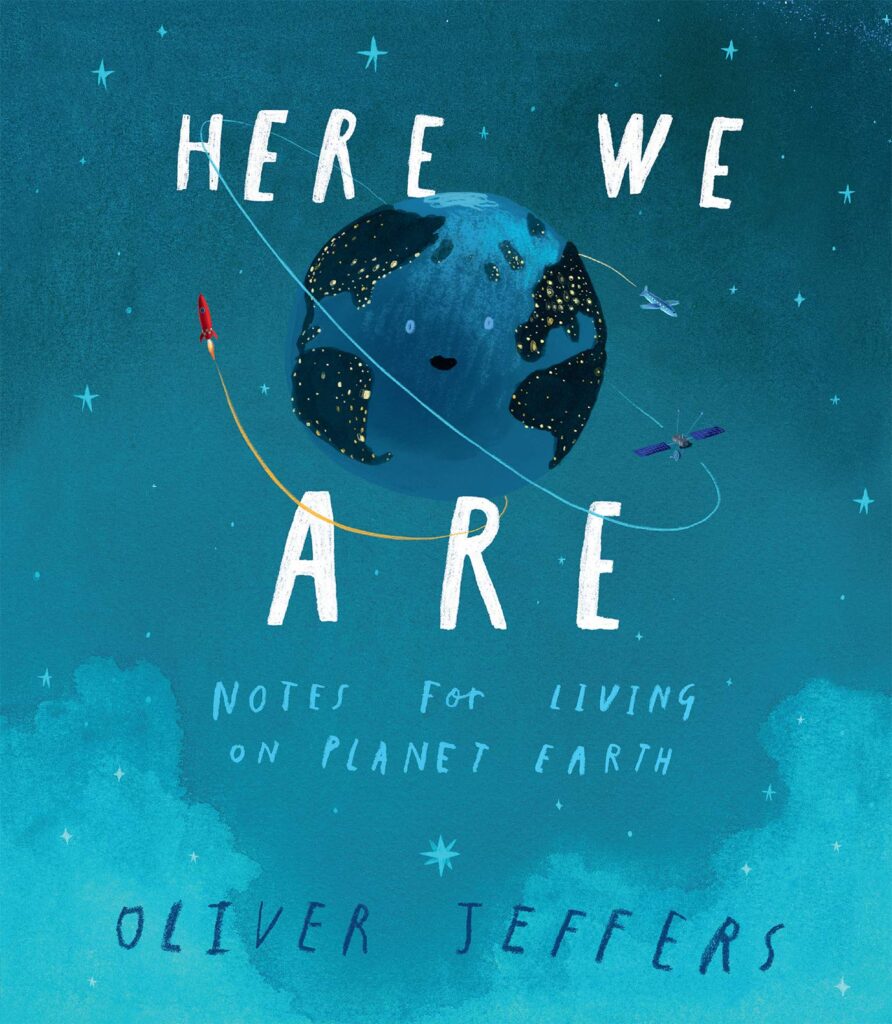
Oliver Jeffers’ “Here We Are: Notes for Living on Planet Earth” is a heartwarming and thought-provoking book that tackles the complexities of our world in an easy-to-understand way. The book is written from a father’s perspective, explaining the world to his two-month-old child. It covers everything from the big picture of our universe all the way down to the day-to-day happenings of life.
The first thing that stands out about this book is Oliver Jeffers’ artwork. His illustrations are breathtakingly beautiful and capture the essence of our planet perfectly. As you flip through each page, you’ll find yourself marveling at all the different shapes, sizes, and colors of people and animals that inhabit our world. From blue people to giant whales, every page is filled with something new and exciting.
But it’s not just the art that makes Here We Are so special; it’s also the message behind it. Through his writing, Jeffers reminds us of how small we really are in comparison to the vastness of space. He highlights just how unique and precious our planet is and urges us to take care of it. This powerful message serves as a reminder that we have a responsibility to protect our home.
One of my favorite parts about Here We Are is how it encourages empathy towards others. By showcasing all the different types of people who exist on Earth, Jeffers teaches us to appreciate diversity and understand that despite our differences, we’re all connected by living on the same planet together.
Another great aspect of “Here We Are” is its accessibility for children. The language used in the book is simple enough for kids to understand without being too simplistic or condescending. It’s a book that can be enjoyed by people of all ages, making it perfect for families to read together.
Overall, “Here We Are: Notes for Living on Planet Earth” is a must-read for anyone who wants to appreciate the beauty of our world and understand their place within it. The combination of stunning artwork and powerful messages makes this book a true gem. By reading this book, we’re reminded of the importance of taking care of our planet and treating each other with kindness and empathy. It’s a book that will leave you feeling grateful for what you have and motivated to make a positive impact in the world.
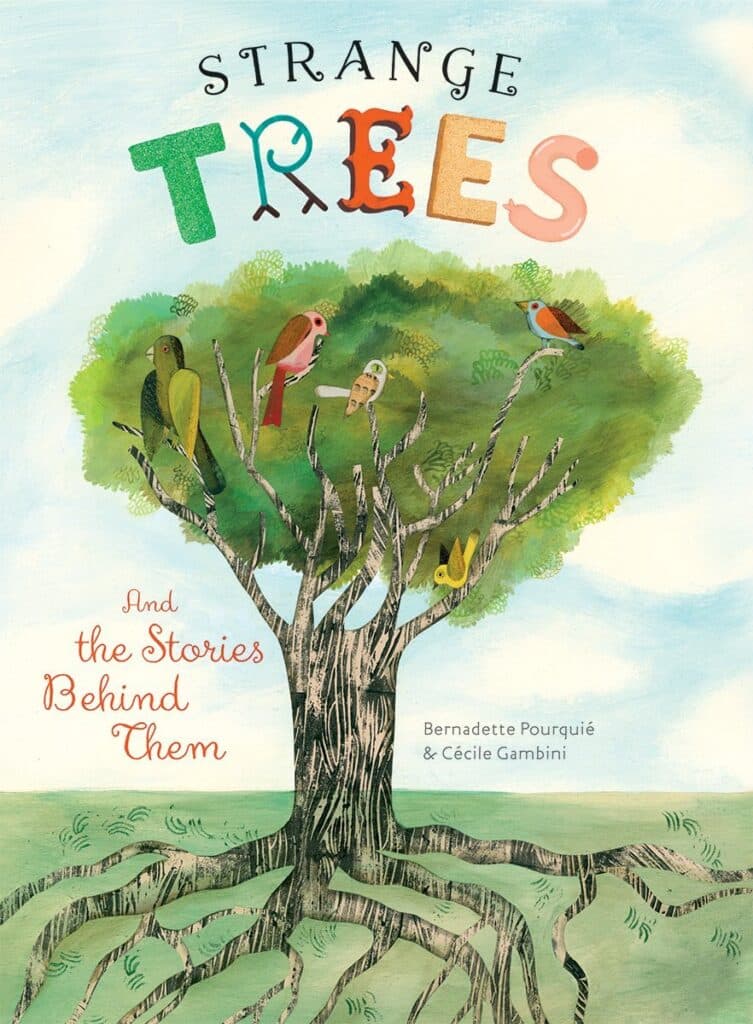
“Strange Trees: And the Stories Behind Them” is a perfect book! This beautifully illustrated collection of bizarre but real trees from around the world will take you on a journey through some of nature’s most peculiar creations. From trees with horns to ones that walk or even explode, this book has it all.
The first tree in this book is none other than the famous Strangler Tree. Found mostly in tropical regions, these trees start their lives as epiphytes or air plants that grow on another tree. As they mature, they send down roots that gradually envelop their host tree until it dies off completely. The strangler tree then stands erect, hollowed out by its own root system.
Another intriguing species featured in this book is the Bubblegum Tree. These trees are native to Central America and produce a red sap that locals chew like gum. The sap also has medicinal properties and is used to treat various ailments such as stomach ulcers and respiratory infections.
Moving on from there, we have the Upside-Down Tree from Australia. As its name suggests, this tree looks like it’s been planted upside-down with its roots pointing skyward. It grows in sandy soil where water is scarce and has adapted by developing an extensive root system that can reach up to 50 meters deep into the ground.
In addition to these bizarre trees, there are plenty more in Strange Trees: And the Stories Behind Them worth mentioning such as Bottle Trees from Africa which store water in their swollen trunk to survive droughts; Sausage Trees from Madagascar which produce long pods resembling sausages; and Dragon Trees from the Canary Islands which have a blood-red sap that was once used as a dye.
In conclusion, “Strange Trees: And the Stories Behind Them” is an excellent book for anyone interested in learning about the marvels of nature. The illustrations are colorful and engaging, and the stories behind each tree are fascinating. Whether you’re a nature enthusiast or just looking for something different to read, this book is definitely worth checking out.
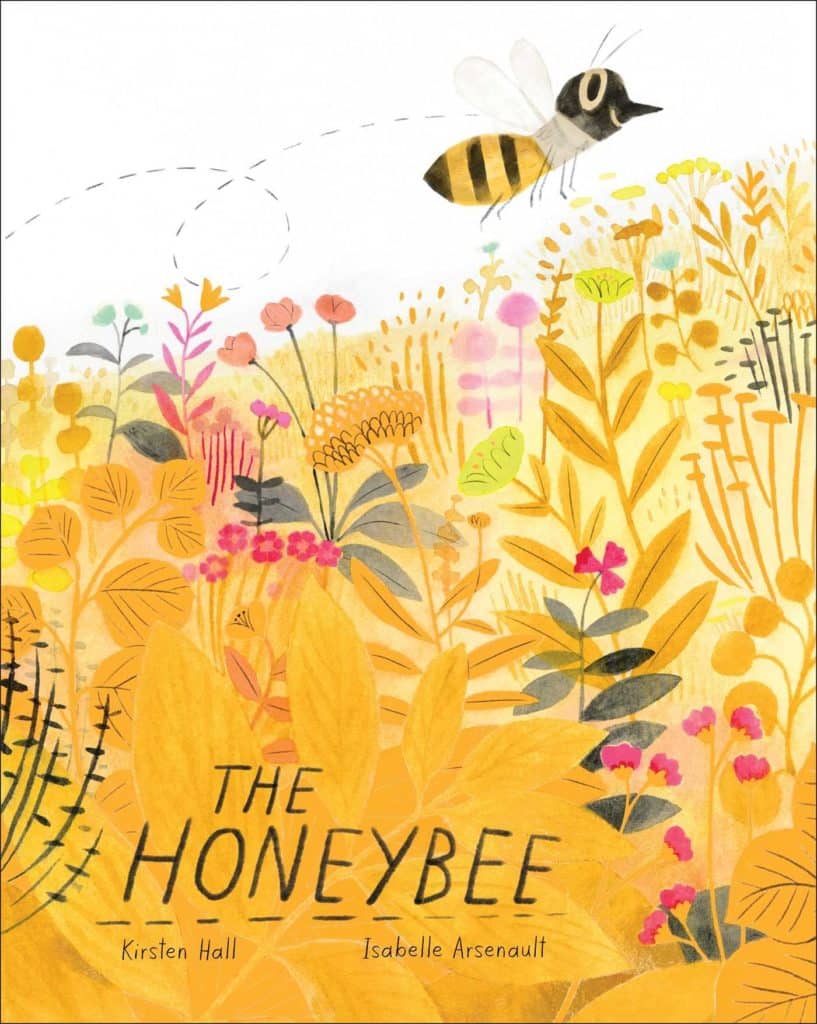
The world is abuzz with the sounds of nature’s hardest workers, and Kirsten Hall’s book, The Honeybee, speaks for them. In this delightful picture book, Hall takes readers on a journey from the flower to the hive and back again, introducing us to the crucial role that bees play in our environment. With rich language and stunning illustrations by Quebec illustrator Isabelle Arsenault, The Honeybee strikes an ideal balance between fact and fiction that will satisfy both young readers at bedtime and teachers in the classroom.
Kirsten Hall’s language in The Honeybee is as lively as a hive buzzing with activity. Her use of rhymes and repetition makes this picture book a joy to read aloud, capturing the attention of children and adults alike. From the beginning of the narrative to its end, Hall’s writing creates a sense of perpetuity that mirrors nature’s cycles perfectly.
Quebec illustrator Isabelle Arsenault brings Hall’s words to life with her signature mixed-media style. Using gouache and pencil, Arsenault creates stunning images that are predominantly yellow and black but accented with pops of blue and fuchsia flora. Her illustrations capture the beauty of nature while also showcasing the importance of bees in our ecosystem.
Hall and Arsenault are an ideal match for one another, each taking their work to new heights. Their collaboration ensures that neither text nor images overshadow one another; instead, they work together seamlessly to create a beautiful storybook experience.
The Honeybee balances fact with fiction perfectly. It provides enough scientific detail about bees’ roles in our ecosystem without overwhelming younger readers or detracting from the story itself. This balance makes it an ideal resource for parents or educators looking to teach children about environmentalism in a fun way.
In conclusion, Kirsten Hall has created a remarkable picture book in The Honeybee. It introduces young readers to the crucial role that bees play in our environment while also capturing their attention with lively language and stunning illustrations. Hall and Arsenault’s collaboration is a perfect example of how text and images can work together seamlessly, creating a beautiful storybook experience that will delight children and adults alike. The Honeybee is a must-read for anyone looking to teach children about environmentalism or simply enjoy a delightful bedtime story.

In today’s world, where everything moves at lightning speed, it can be challenging to find the time to slow down and appreciate the beauty of nature. This is especially true for children who are often glued to their screens. However, Rachel Williams’ book, Slow Down: 50 Mindful Moments in Nature, offers a refreshing alternative. By teaching children to pause, breathe and take in the beauty around them, this book provides a unique way to teach mindfulness through nature. Slow Down is one of the best kid’s books on the market and why every child should have a copy.
Slow Down: 50 Mindful Moments in Nature is more than just a typical nature book; it’s an invitation for kids to take a moment out of their busy lives and appreciate the little things. The book explores fifty different moments in nature that are often overlooked or taken for granted such as watching leaves dance on the wind or observing ants working together. Each moment is captured with beautiful illustrations that help bring them to life.
One of the great things about this book is that it encourages kids to explore and discover new things outside while also gaining a deeper appreciation for their environment. As they read through each page, they’ll learn about different insect species, trees, plants and other wonders of nature that they may not have noticed before. This not only expands their knowledge but also helps them develop empathy towards all living things.
The writing style used in Slow Down is both informative and engaging for kids. The language used is simple enough for young readers to understand while still being descriptive enough to keep them interested. It’s perfect for reading aloud with your child or letting them read on their own.
The illustrations are another standout feature of Slow Down: 50 Mindful Moments in Nature. They’re simply breathtaking and perfectly capture the beauty of each moment described in the book. Each page is filled with vibrant colors and intricate details that will keep kids engaged for hours. The illustrations are not only beautiful but also help to bring each moment to life, making it easier for kids to visualize what they’re reading.
In conclusion, Slow Down: 50 Mindful Moments in Nature is a must-have book for every child. It’s a refreshing change from the usual screen time and offers a unique way to teach mindfulness through nature. This book encourages children to slow down, breathe and appreciate the little things around them, while also learning about different species of plants and animals. With its engaging writing style and beautiful illustrations, Slow Down is one of the best kid’s books on the market today.
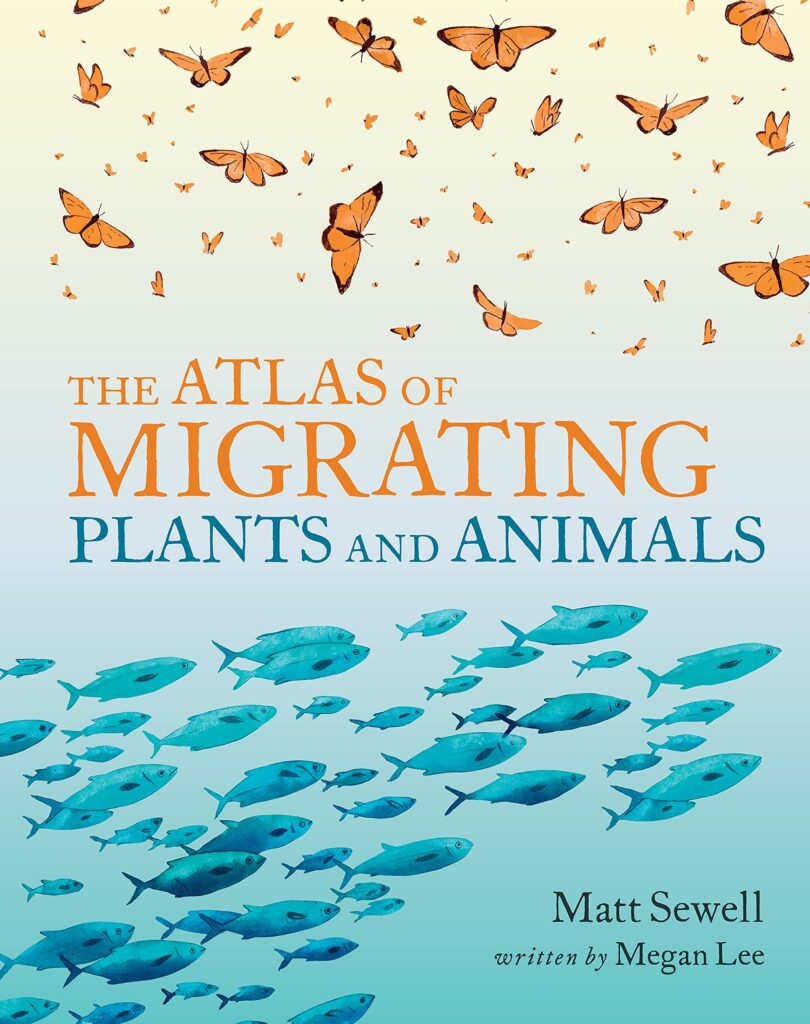
Migration is a natural phenomenon that has been happening for thousands of years. Every year, billions of animals and plants travel long distances to find food, breeding grounds, or better weather conditions. Have you ever wondered about the different types of animals and plants that migrate? If yes, then you are in for a treat! Today, I am excited to share our review of The Atlas of Migrating Plants and Animals book – an informative and beautifully illustrated book that takes us on a journey around the world to explore the incredible migrations of various species.
The Atlas of Migrating Plants and Animals features detailed watercolor illustrations that showcase various plants and animals across the globe. From monarch butterflies in North America to Adelie penguins in Antarctica, this book covers all continents. Each section not only includes illustrations but also information about each plant or animal’s migration patterns. For instance, did you know that Painted Lady Butterflies migrate higher than humans can see? Or that violets are one of many plants that migrate?
The information presented is easy to read and understand, making it an excellent resource for children as well as adults. It also piques interest in these remarkable creatures and encourages readers to conduct further research on their own.
One outstanding feature of this book is how it presents migration as more than just a seasonal event; it highlights how migrations differ in length, speed, time, and method. Some species migrate over vast distances within days or weeks while others take months or even years. Some travel alone while others move in groups called flocks or herds.
The Atlas of Migrating Plants and Animals is not only informative but also visually stunning. The detailed watercolor illustrations are captivating and bring every page to life. They showcase different environments such as oceans, forests, deserts, mountains which give readers an idea of the diverse habitats that these plants and animals migrate through.
In conclusion, The Atlas of Migrating Plants and Animals is a must-have for anyone interested in wildlife and nature. It is informative, visually stunning and provides insight into the incredible journeys taken by various species. This book is an excellent educational resource for teachers who teach about plants and animals’ life cycles or habitats. It also serves as a perfect addition to any home library where it can be enjoyed by both children and adults alike. So why not grab your copy today and embark on a journey around the world with The Atlas of Migrating Plants and Animals!
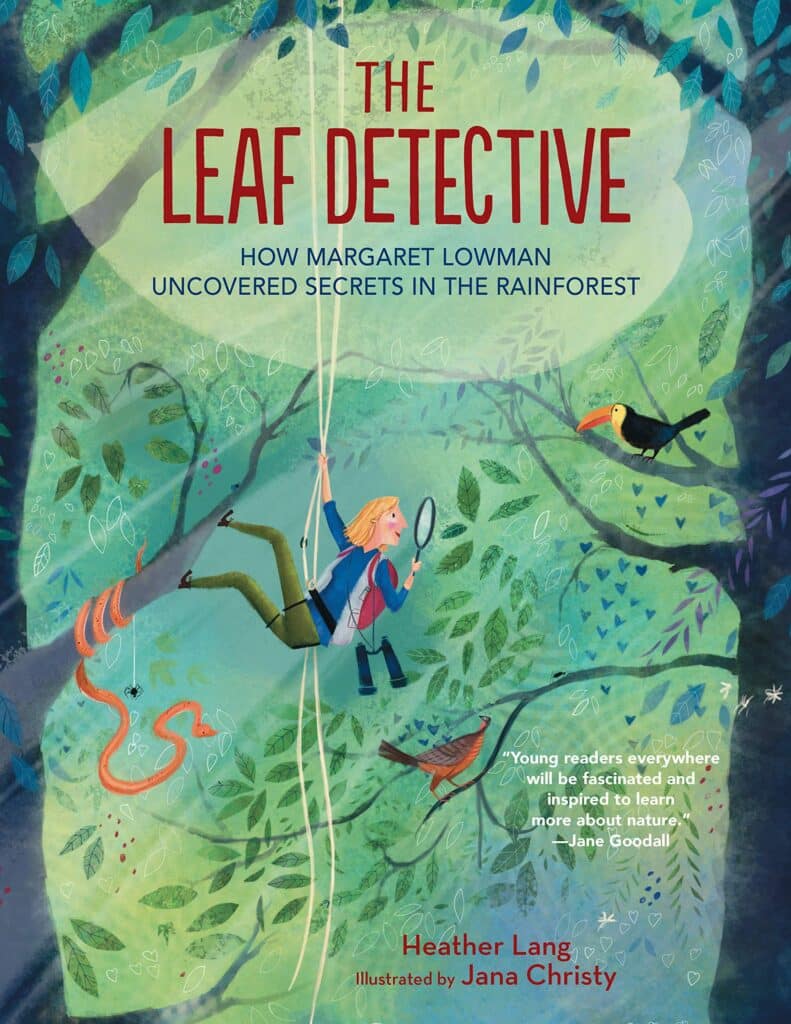
As a fervent advocate for literacy and exploration in children, I am delighted to share my thoughts on a truly captivating book that has, quite fittingly, climbed to the top of my list of exemplary STEM books for kids. “The Leaf Detective: How Margaret Lowman Uncovered Secrets in the Rainforest” by Heather Lang is not just another children’s book—it’s a vessel carrying young minds into the dense canopies of the rainforest and through the life of an extraordinarily determined scientist.
The narrative traces the steps of Meg Lowman, affectionately known as ‘Canopy Meg,’ in her unwavering quest to explore the forests’ highest leaves and branches—a world that many had ignored before her. It’s a factual adventure that begins with a curious young girl with a love for the natural world and follows her growth into a pioneering scientist who would go on to change the way we look at and understand the complex ecosystems above us.
This beautifully illustrated book accomplishes something that, in my opinion, is essential for STEM-related children’s literature: it makes science intimate and emotionally compelling. Children are invited along on Meg’s adventures as she faces dismissive teachers, daunting treetops, and loggers threatening the delicate balance of her beloved rainforest. These challenges are met with Meg’s admirable resilience—a lesson in tenacity and passion that every child can take to heart.
The illustrations do more than merely depict the story—they transport readers into the lush, verdant world of the rainforest. Each page is a celebration of color and detail, complementing Lang’s storytelling with vivid imagery that brings the richness of the forest—and Lowman’s discoveries—to life. The art engages a child’s wonder not just for what is seen on the ground, but for the often-overlooked majesty that exists above.
One doesn’t need to be a budding botanist or ecologist to appreciate “The Leaf Detective.” This book champions the universal virtues of persistence and curiosity. It also serves as an impactful introduction to environmental stewardship, subtly educating its audience about the importance of conservation and the fragility of our ecosystems—a timely message given the current climate crisis.
In conclusion, “The Leaf Detective: How Margaret Lowman Uncovered Secrets in the Rainforest” is more than deserving of its place among the best STEM books for children. It is an inspirational narrative that transcends age, instilling a sense of wonder and responsibility towards our natural world. It underscores that adversity and challenges—whether in the form of prejudice, physical danger, or environmental threats—can be confronted with perseverance and bravery.
Prepare to watch your children be enamored with the story of Meg Lowman. Not only will they turn each page with eager anticipation, but they might just close the book with dreams a little bigger, a touch of wanderlust, and a newfound appreciation for the enigmatic world of tree tops. “The Leaf Detective” is a story not to be missed, planting seeds of inspiration that are sure to grow into a legacy of learning and love for the environment.

“What is a River?” isn’t just a question asked by a curious child – it’s the title of an enriching exploration penned and illustrated by Monika Vaicenavičienė. This book stands out as a remarkable contribution to children’s literature, particularly within the STEM (Science, Technology, Engineering, and Mathematics) category. It is not only enlightening through its vivid storytelling but also successfully entices young readers into a world of profound natural wonders.
At its heart, “What is a River?” is an ode to the ebb and flow of one of nature’s most vital resource—rivers. Its pages take young readers on a journey across the globe, delving into the geographical veins that sustain both the Earth and its varied cultures. Packed with relevant information about rivers’ scientific aspects, the book does not shy away from the historical and industrial influence these water bodies have had over the years. Moreover, it ignites a sense of environmental stewardship, underlining the indispensable bond between human beings and the natural world.
The underlying message of connectivity remains a fundamental theme throughout the book. By showing how rivers are a lifeline for ecosystems, communities, and civilizations, Vaicenavičienė creates a tapestry interweaving humanity with the environment. It prompts readers – both young and old – to consider our impact and responsibility towards these flowing arteries of the planet.
In addition to the rich content, “What is a River?” shines through its artistic value. Vaicenavičienė’s illustrations are not merely add-ons; they are integral to the storytelling process, enabling a vivid understanding and capturing the imagination in a way that words alone may not. Each drawing acts as a window into various aspects of a river’s existence, aiding children’s comprehension of complex concepts while ensuring the journey through the book’s pages remains magical.
From a didactic perspective, this book is a goldmine. It serves as a crucial resource for educators and parents looking to instill a love for STEM subjects in children. The way “What is a River?” presents its themes allows children to see these topics as exciting mysteries to unravel, rather than dry, scholarly content. It proves that education can be adventurously experiential and interactive, thereby strengthening a child’s cognitive connection to learning.
It’s rare to come across a book like “What is a River?” that so effortlessly merges education with engaging storytelling. As a STEM book for kids, it surpasses expectations by challenging young minds to think beyond the superficial and dive deeper into understanding the fundamental elements of our world.
For any child with a hint of curiosity, this book is more than just a good read—it’s an adventure that can spark a lifelong passion for learning and exploration. “What is a River?” is highly recommended for its ability to teach, inspire, and connect.
With their intricate plot and thought-provoking themes, these time travel movies will surely keep you on the edge of your seat just like Dark did. So grab some popcorn and settle in for a wild ride through multiple dimensions, alternate realities, and the mysteries of the universe with these interesting time travel movies.
What is STEM book for kids?
STEM book for kids is an educational tool that has gained popularity recently. These books delve into the fascinating worlds of science, technology, engineering, and mathematics, presenting information in a fun and engaging way that captures the attention of young readers.
STEM books for kids come in various formats, from picture books to graphic novels to interactive pop-ups that offer an immersive learning experience. These books are designed to help children develop their critical thinking skills, problem-solving abilities, and creativity, all while exploring the exciting frontiers of STEM fields. By instilling a love of learning early on, STEM books for kids can inspire the next generation of inventors, engineers, and scientists and help unlock a brighter future for us all.
What does STEM stand for kindergarten?
STEM is an acronym that stands for science, technology, engineering, and math. These subjects are introduced early in kindergarten to help children develop a strong foundation in critical thinking, problem-solving, and creativity.
By incorporating STEM education into the kindergarten curriculum, young children can learn how to harness their curiosity and explore the world around them. This approach helps foster a curiosity for learning that will set them on a path to academic and career success. So, if you have a little one in kindergarten, encourage their interest in STEM and watch them thrive.
When should I start STEM education?
STEM education is essential to a child’s education, but when is the best time to start? The answer is simple; the earlier, the better. Early exposure to STEM concepts can instill a love for science, technology, engineering, and math in children from a young age. It allows them to understand how the world around them works and opens up a world of opportunities for them in the future.
From coding to robotics, the possibilities are endless. The key is to make it fun and engaging so they learn while they play. Whether it’s through building blocks, puzzles, or experiments, children are natural problem-solvers. So why not start their STEM education journey early?
Why should my kid do STEM?
There are countless reasons why your kid should explore STEM (science, technology, engineering, and math) fields. Not only do these areas of study offer endless opportunities for innovation and creativity, but they are also crucial for the future of our society. By encouraging your child to explore STEM, you are helping them develop vital skills such as problem-solving, critical thinking, and analytical reasoning.
STEM also offers diverse career paths, from designing cutting-edge technologies to pursuing scientific research. Additionally, by studying STEM, your child can gain a deeper understanding and appreciation for the world around them. Whether your child chooses to pursue a career in STEM or not, exploring these fields can benefit them in countless ways and help set them up for future success.