Have you ever considered learning how to think mathematically? Using math proofs requires logical reasoning, problem-solving skills, and the ability to make connections between concepts. By reading math books to learn mathematical proofs, you can unlock the power of this type of thinking and gain valuable insight into a variety of topics. Below, you will find 70 best math books to learn mathematical proofs.
The Benefits of Learning Math Proofs
Math proofs are used in various fields, such as engineering, economics, computer science, physics, and mathematics. Learning to think mathematically will benefit your studies in these fields and give you an edge in other aspects of life, such as problem-solving, decision-making, and critical thinking. Mathematical proofs provide a systematic way to analyze problems so that you can come up with solutions quickly and accurately.
Math Books to Learn Mathematical Proofs
Math books are essential if you want to learn mathematical proof. These books provide an easy-to-understand approach to understanding the fundamentals behind math proofs. They often include step-by-step instructions on how to solve problems as well as visual demonstrations of how these concepts work together. Reading these books is key to developing your skills in mathematical proof because they provide an accessible entry point into more advanced topics like abstract algebra or number theory.
While math books are great for getting started with learning mathematical proof, they have their limitations when it comes to tackling more complex problems. As you progress further down the road with studying math proofs, you must supplement your knowledge with online resources such as YouTube tutorials or online courses that give you a more comprehensive overview of various areas within mathematics.
Additionally, engaging in practice questions can help solidify your understanding and hone your skills when it comes to using logic and reasoning for problem-solving.
Mathematical proof is an invaluable skill that can be applied across multiple fields. It provides a framework for analyzing problems while helping develop your problem-solving abilities and critical thinking skills, which are transferable across many different domains in life. To get started with learning math proof, reading math books is essential as they provide an easy-to-understand introduction to this field while giving step-by-step instructions on how to solve various types of problems. However, as one progresses further into this area, more advanced resources should be utilized, such as online tutorials or courses along with practice questions which will help hone one’s understanding and application within this area even further!
Below, you can find 70 best math books to learn mathematical proofs. If you enjoy this book list, you should also check 30 Best Math Books to Learn Advanced Mathematics for Self-Learners.
Before I get started, I would like to suggest Audible for those of us who are not the best at reading. Whether you are commuting to work, driving, or simply doing dishes at home, you can listen to these books at any time through Audible.
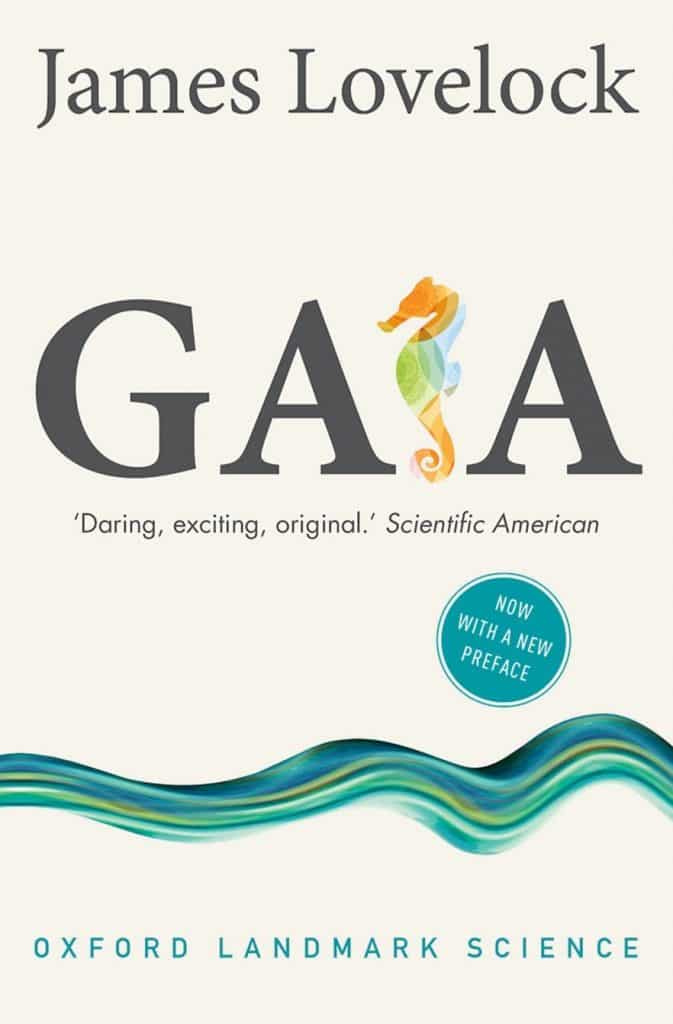
Gaia
In this classic work that inspires many readers, Jim Lovelock puts forward his idea that the Earth functions as a single organism. Written for non-scientists, Gaia is a journey through time and space searching for evidence in support of a radically different model of our planet. In contrast to the conventional belief that life is passive in the face of threats to its existence, the book explores the hypothesis that the Earth’s living matter influences air, ocean, and rock to form a complex, automated system that can keep the Earth a fit place for life.
Since Gaia was first published, Jim Lovelock’s hypothesis has become a hotly debated topic in scientific circles. In a new Preface to this edition, he outlines his view of the present state of the debate.
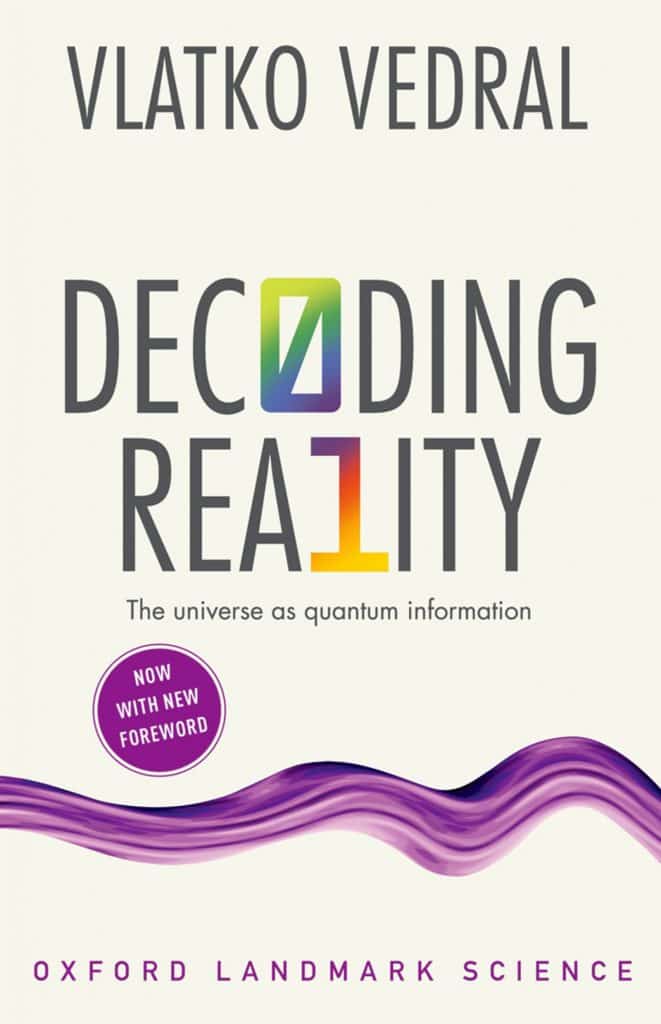
Decoding Reality
For a physicist, all the world is information, and the Universe and its workings are the ebb and flow of information. We are all transient patterns of information, passing on the recipe for our basic forms to future generations using a four-letter digital code called DNA.
In this engaging and mind-stretching account, Vlatko Vedral considers some of the deepest questions about the Universe and considers the implications of interpreting it in terms of information. He explains the nature of information, the idea of entropy, and the roots of this thinking in thermodynamics. He describes the bizarre effects of quantum behavior — effects such as ‘entanglement,’ which Einstein called ‘spooky action at a distance, and explores cutting edge work on harnessing quantum effects in hyperfast quantum computers, and how recent evidence suggests that the weirdness of the quantum world, once thought limited to the tiniest scales, may reach into the macro world.
Vedral finishes by considering the answer to the ultimate question: where did all of the information in the Universe come from? The answers he considers are exhilarating, drawing upon the work of distinguished physicist John Wheeler. The ideas challenge our concept of the nature of particles, time, determinism, and reality itself.
This edition includes a new foreword from the author, reflecting on changes in quantum information since its first publication.
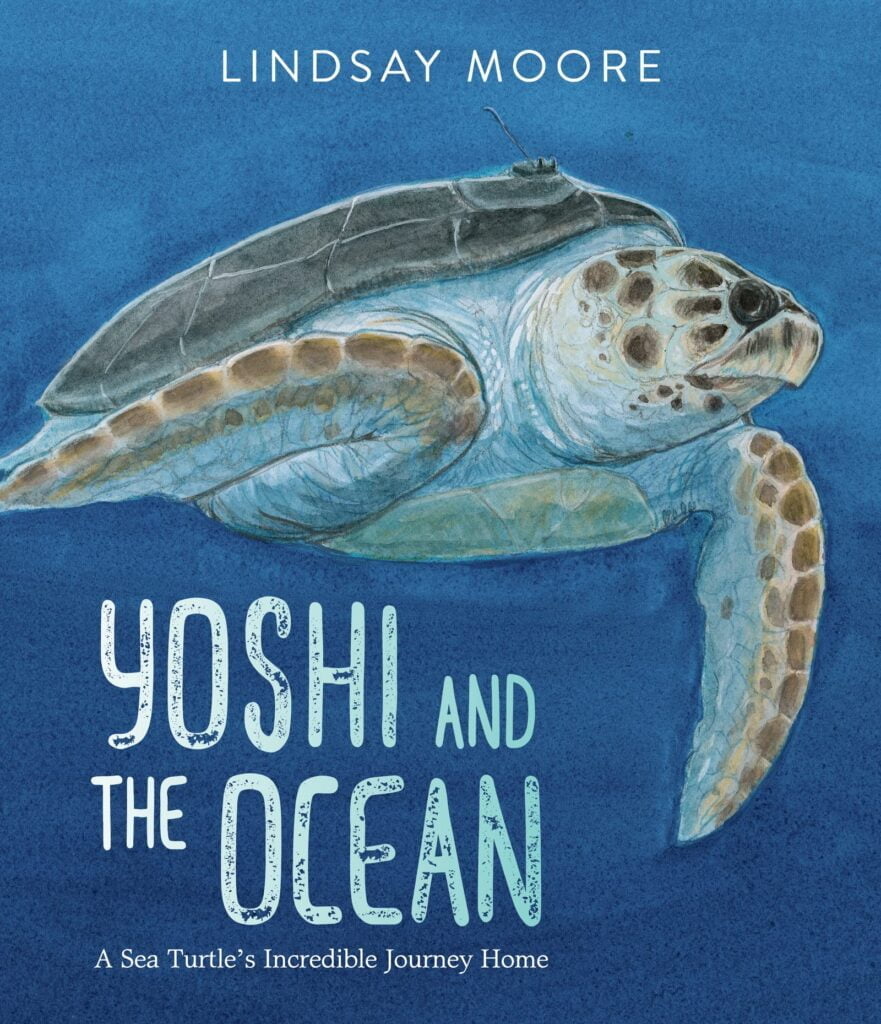
Yoshi and the Ocean: A Sea Turtle’s Incredible Journey Home is a must-read for any kids wanting to learn about amazing animal stories. Written by Lindsay Moore, this book chronicles Yoshi, the loggerhead sea turtle’s remarkable journey of 25,000 miles to get back home.
Yoshi’s journey is captivating and inspiring and teaches young readers about patience, perseverance, and the interconnectedness of the natural world. With informative facts peppered throughout this interactive art experience, Yoshi and the Ocean is an enjoyable book that will spark your child’s love for nature.
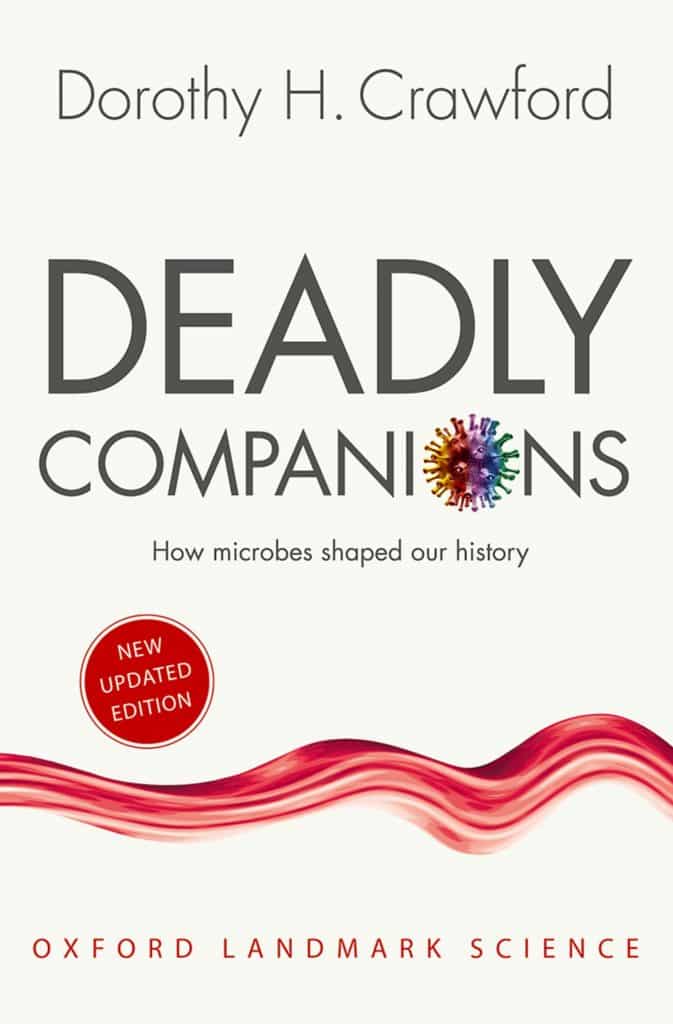
Deadly Companions
Ever since we started huddling together in communities, the story of human history has been inextricably entwined with the story of microbes. They have evolved and spread amongst us, shaping our culture through infection, disease, and pandemics. At the same time, our changing human culture has influenced the evolutionary path of microbes. Dorothy H. Crawford shows that one cannot be truly understood without the other.
Beginning with a dramatic account of the SARS pandemic at the start of the 21st century, she takes us back in time to follow the interlinked history of microbes and man, taking an up-to-date look at ancient plagues and epidemics and identifying key changes in the way humans have lived – such as our move from hunter-gatherer to the farmer to city-dweller — which made us vulnerable to microbe attack.
Showing how we live our lives today — with increasing crowding and air travel — puts us once again at risk. Crawford asks whether we might ever conquer microbes completely or whether we need to take a more microbe-centric view of the world. Among the possible answers, one thing becomes clear that our deadly companions will continue to shape human history for generations to come.

Grace Hopper: Queen of Computer Code is an inspiring book for kids that tells the story of Grace Hopper, a trailblazing woman who disrupted the computer technology world in the late 1950s. She coined the term “computer bug,” taught computers to speak English, and successfully pursued inventions no one had ever attempted.
With a lighthearted tone and entertaining illustrations by Brooke Boynton-Hughes, Grace Hopper: Queen of Computer Code is a must-have book for any tech-savvy child who will learn all about Grace Hopper’s incredible life story while developing their own coding skills.
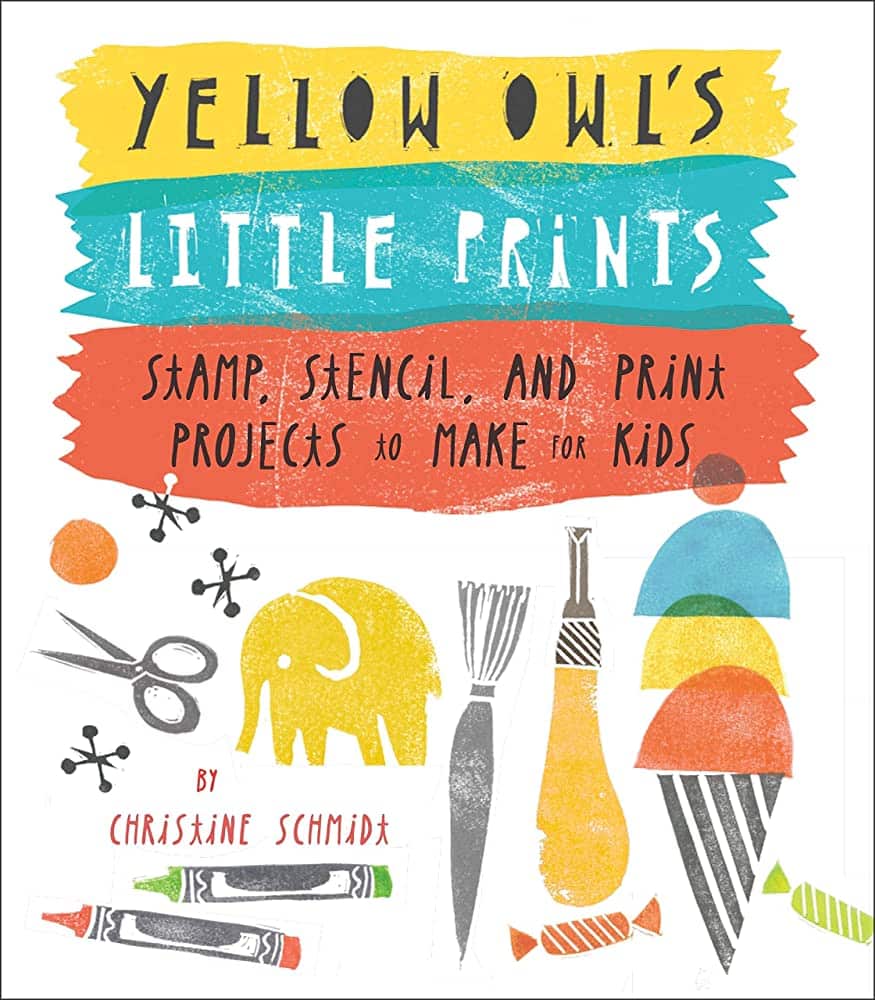
Yellow Owl’s Little Prints from bestselling author Christine Schmidt is the perfect book for creative parents looking to make something special and unique that their kids will treasure forever. From newborns to school-aged children, Yellow Owl’s Little Prints provides inspiring ideas and instructions on creating hand-printed items such as stationery and home decor using simple, kid-friendly techniques like stamps and stenciling and more.
Get creative in an instant with these quick projects that look stunning! Guaranteed to please your little one’s (and you’re) artistic eye. So beat the boredom blues with Yellow Owl’s Little Prints and get crafting today!
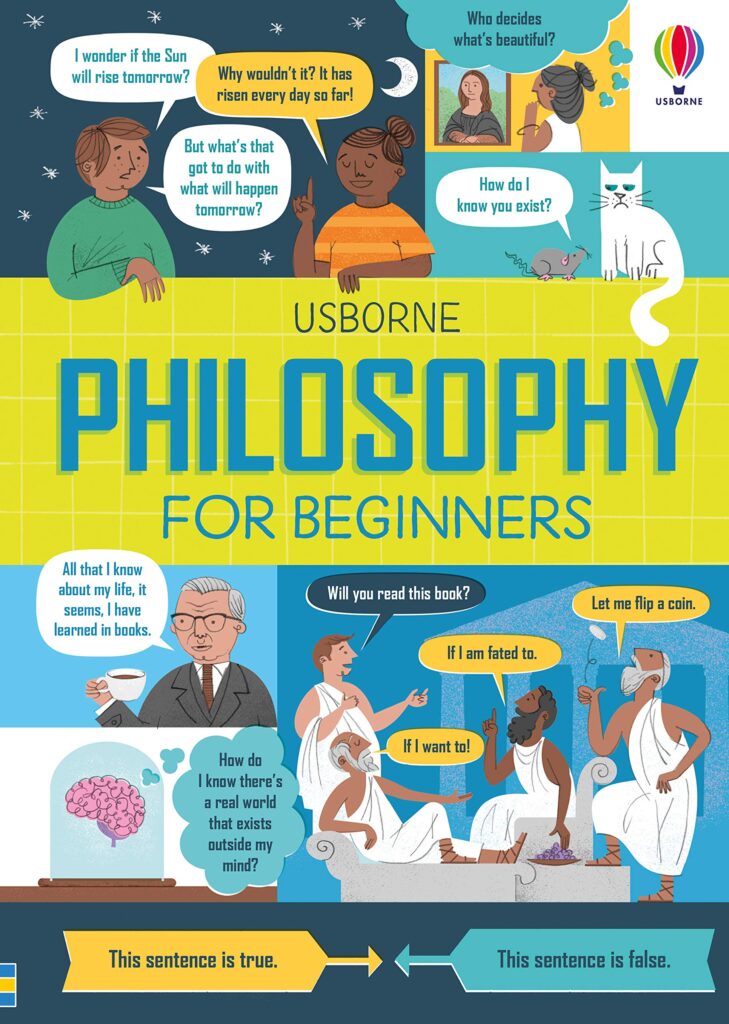
Philosophy For Beginners is the perfect book to introduce your child to the world of philosophical thinking. This book provides a great foundation for kids who are asking questions like “what is truth?” or “how can I be happy?”
With its funny illustrations, lively examples, and simple thought experiments, this book makes it easy for kids to understand the basics of philosophy – and have fun while doing so! Plus, there are suggested websites with videos, games, and activities to give extra insight into these topics. Philosophy For Beginners will get your children thinking about what matters in life – which would be an invaluable lesson for their future!

A Life Electric: The Story of Nikola Tesla is the perfect book for introducing kids to the fascinating and sometimes overlooked contributions of one of history’s most remarkable scientists.
A combination of Azadeh Westergaard’s lyrical storytelling and Júlia Sardà’s meticulously detailed illustrations evoke a vivid world where electricity is king and readers can explore Nikola Tesla’s secrets. Sure to become one of the best kids’ books on the market, A Life Electric enlightens young minds while filling them with awe-inspiring facts that bridge scientific innovation with everyday life. Enter into A Life Electric and discover why we should be celebrating this extraordinary genius now more than ever!
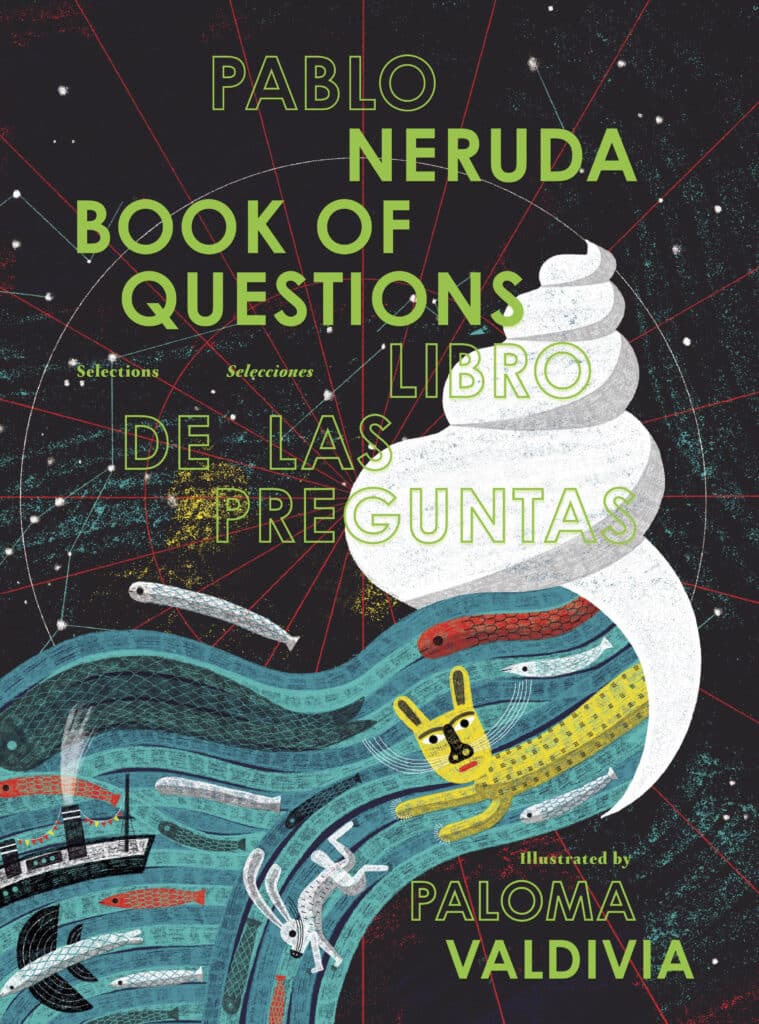
Reading Book of Questions is an experience that can help your child understand, appreciate, and even embrace life’s mysteries. Written by the famous Chilean poet Pablo Neruda, this classic book of poetic questions can open up conversations on a variety of subjects: the wonders and mysteries of childhood, lyrical and historical enquiries, surreal insights into human nature, spiritual allusions, and political reflections – the possibilities are endless.
Lushly illustrated by Paloma Valdivia in a style that doubles up Neruda’s already vivid visual questions to make them even more powerful and resonant, Book of Questions is sure to become one of your child’s favorite books.

The Boy Whose Head Was Filled with Stars: A Life of Edwin Hubble is a captivating and inspirational story of one man’s extraordinary journey. The young Edwin Hubble was obsessed with the unknown, often staring at the stars all night, trying to figure out their secrets. He refused to let anything hold him back from pursuing his dream of becoming an astronomer, and ultimately his hard work paid off.
Thanks to Hubble, we know that there are more galaxies than our own and that the universe is ever-expanding – monumental discoveries made possible by a little boy whose head was filled with stars! As such, your child must read this book to gain insight from Hubble’s incredible story, showing them how far dedication and passion can take you.