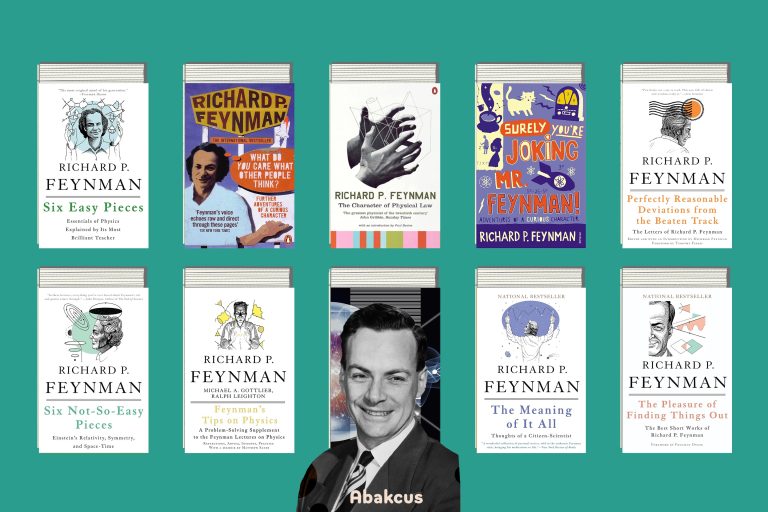
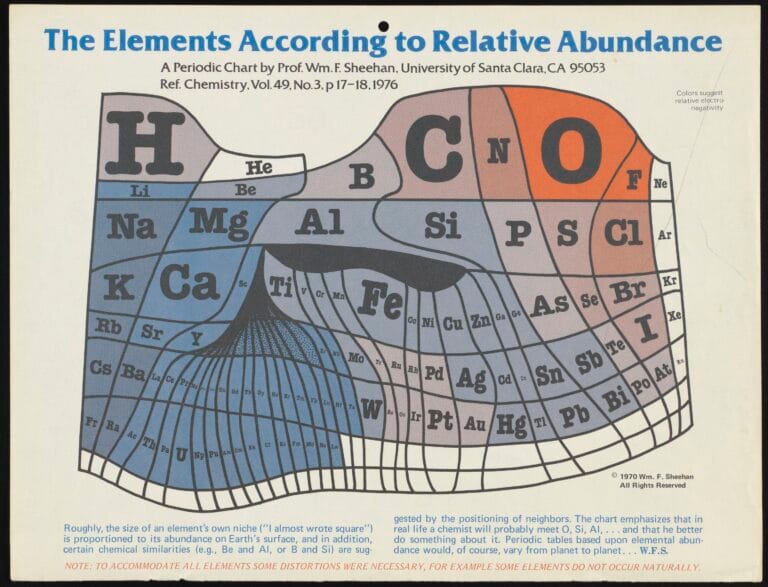
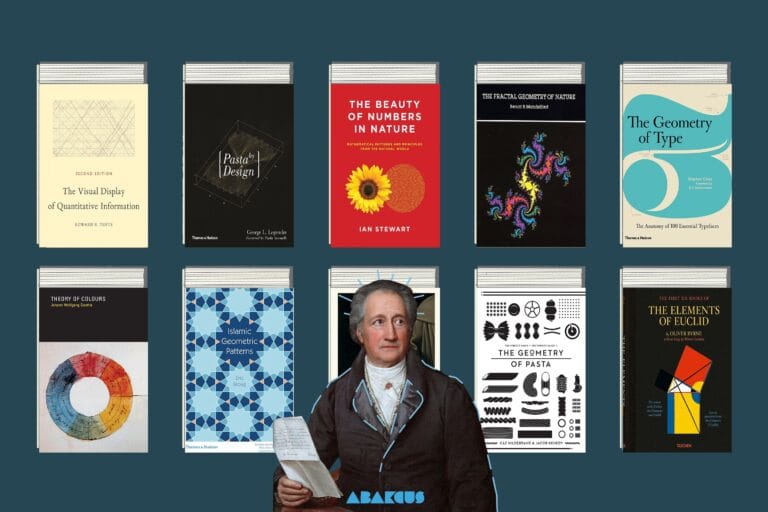
Have you ever considered learning how to think mathematically? Using math proofs requires logical reasoning, problem-solving skills, and the ability to make connections between concepts. By reading math books to learn mathematical proofs, you can unlock the power of this type of thinking and gain valuable insight into a variety of topics. Below, you will find 70 best math books to learn mathematical proofs.
The Benefits of Learning Math Proofs
Math proofs are used in various fields, such as engineering, economics, computer science, physics, and mathematics. Learning to think mathematically will benefit your studies in these fields and give you an edge in other aspects of life, such as problem-solving, decision-making, and critical thinking. Mathematical proofs provide a systematic way to analyze problems so that you can come up with solutions quickly and accurately.
Math Books to Learn Mathematical Proofs
Math books are essential if you want to learn mathematical proof. These books provide an easy-to-understand approach to understanding the fundamentals behind math proofs. They often include step-by-step instructions on how to solve problems as well as visual demonstrations of how these concepts work together. Reading these books is key to developing your skills in mathematical proof because they provide an accessible entry point into more advanced topics like abstract algebra or number theory.
While math books are great for getting started with learning mathematical proof, they have their limitations when it comes to tackling more complex problems. As you progress further down the road with studying math proofs, you must supplement your knowledge with online resources such as YouTube tutorials or online courses that give you a more comprehensive overview of various areas within mathematics.
Additionally, engaging in practice questions can help solidify your understanding and hone your skills when it comes to using logic and reasoning for problem-solving.
Mathematical proof is an invaluable skill that can be applied across multiple fields. It provides a framework for analyzing problems while helping develop your problem-solving abilities and critical thinking skills, which are transferable across many different domains in life. To get started with learning math proof, reading math books is essential as they provide an easy-to-understand introduction to this field while giving step-by-step instructions on how to solve various types of problems. However, as one progresses further into this area, more advanced resources should be utilized, such as online tutorials or courses along with practice questions which will help hone one’s understanding and application within this area even further!
Below, you can find 70 best math books to learn mathematical proofs. If you enjoy this book list, you should also check 30 Best Math Books to Learn Advanced Mathematics for Self-Learners.
Before I get started, I would like to suggest Audible for those of us who are not the best at reading. Whether you are commuting to work, driving, or simply doing dishes at home, you can listen to these books at any time through Audible.
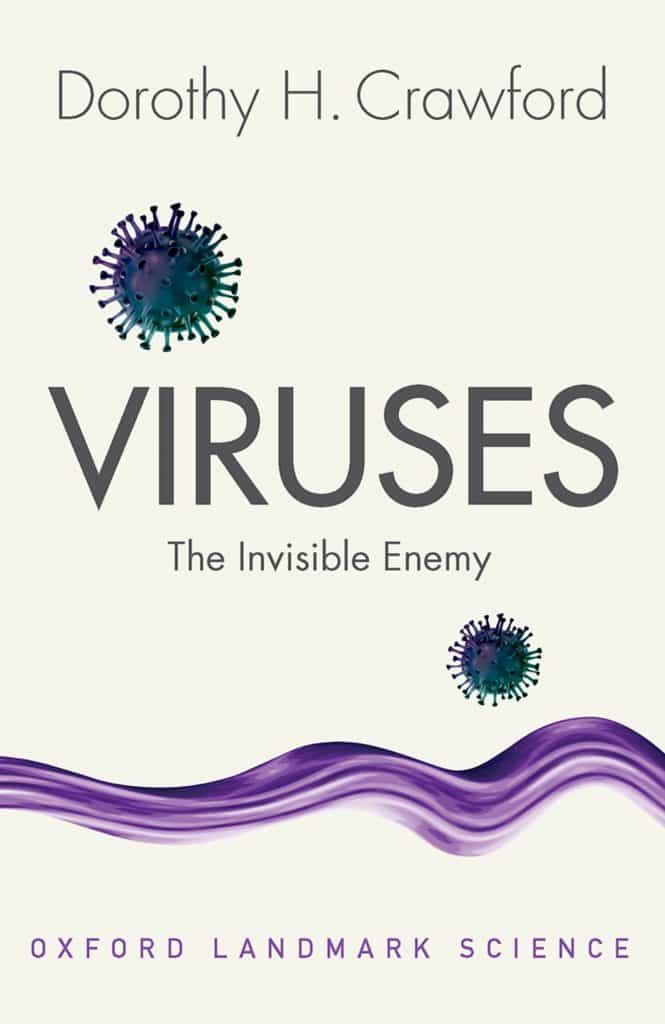
Viruses
All around us are minute entities that can damage and kill: the millions of viruses that permeate the natural world. Our bodies harbor many that we have long tolerated, but a new one that jumps into humans from another species can be lethal – as we have seen most recently with the virus
responsible for COVID-19. But what are viruses, how do they cause disease, and how can we fight them?
In Viruses: The Invisible Enemy, a brand new edition of her classic work, virologist Dorothy Crawford explores these questions. She takes the reader on a journey through the past to show how, as the human race evolved from hunter-gatherer to farmer to our present urban, industrialized society, viruses have taken advantage of each lifestyle change to promote their survival.
We have acquired many new viruses along the way, some spreading globally and causing killer diseases. But now, in the 21st century, as humans increasingly encroach into and exploit the natural world, the rate of emergence of novel viruses is accelerating. Already we’ve had a flu pandemic, large epidemics from SARS, Ebola, and Zika viruses, and most devastating of all, SARS-CoV-2, which swept around the world in 2020-21, causing the COVID-19 pandemic. The response of scientists has been rapid, producing vaccines in record time. But we can expect more such challenges in the future. This book discusses why and how SARS-CoV-2 and other killer viruses emerged and how we can win the battle against such an enemy.

When it comes to books about science, there are usually two types: ones that aim to explain complex concepts to the general public and ones that try to convince fellow scientists of a new theory. However, it’s rare to find a book that achieves both and has a significant impact on the field. Richard Dawkins’ The Selfish Gene is one such book.
Since its publication 40 years ago, The Selfish Gene has captivated readers and revolutionized scientific thinking. Dawkins’ gene-centric view of evolution, which he championed and crystallized in this book, has become central to evolutionary theory and even popular commentaries on natural history. It’s become widely accepted that animals risk their own lives to ensure their genes survive, rather than acting solely in the interest of their own survival or the survival of their species.
What sets The Selfish Gene apart is Dawkins’ radical assertion that genes are the primary unit of selection, with their digital information effectively immortal. This idea has had a profound impact on the field of genomics, even leading to the development of a new theory. In the book, Dawkins briefly mentioned the conundrum of excess DNA, which later inspired scientists to propose the theory of “selfish DNA.” This theory, now widely accepted, explains the presence of surplus DNA as a result of genes spreading copies of themselves or simplified versions of transposons.
Dawkins’ ideas have continued to shape our understanding of genomes and have stood the test of time, even as our knowledge of genetics has expanded. While Dawkins built upon the discoveries and insights of others, he brought a fresh perspective and a knack for explaining complex concepts in simple, untechnical language. His book not only explained the ideas of his predecessors but pushed the field forward in ways that surprised and impressed many research biologists.
The Selfish Gene is a testament to Dawkins’ brilliance and his ability to make complex scientific concepts accessible to a wide audience. It’s a book that changed the game, sparking new theories and transforming our understanding of evolution. From its intriguing origins to its enduring impact, The Selfish Gene is a must-read for anyone interested in biology and genetics.
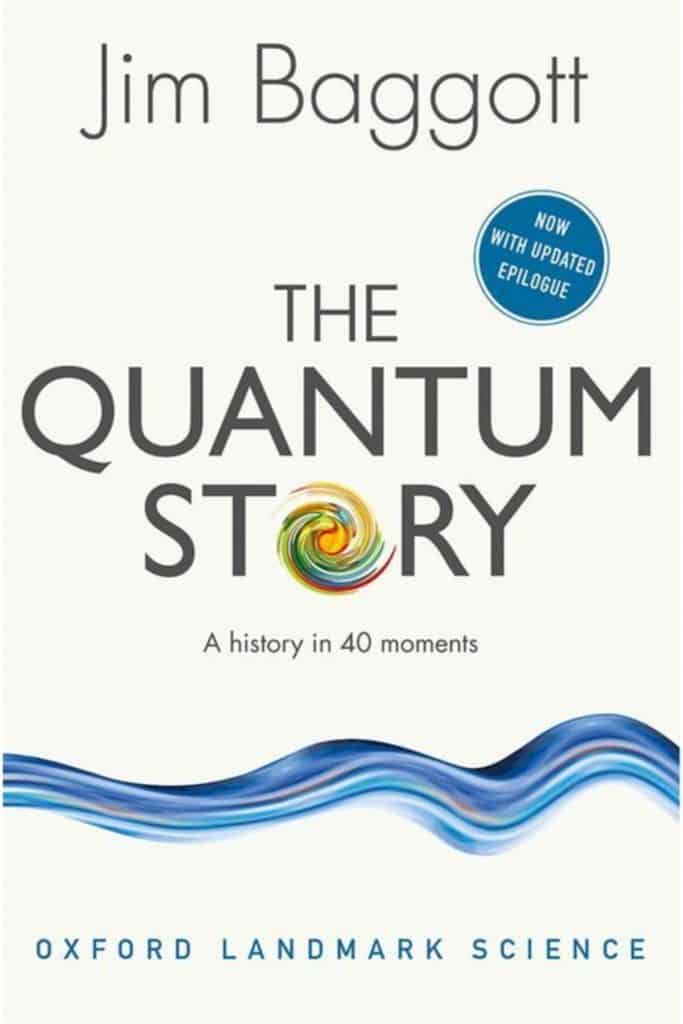
The Quantum Story: A History in 40 Moments
Physics defined the twentieth century. From the minds of the world’s leading physicists, there flowed a river of ideas that would transport humanity to the pinnacle of wonderment and the very depths of human despair. This century began with the certainties of absolute knowledge and ended with the knowledge of complete uncertainty. It was a century in which physicists developed weapons with the capacity to destroy our reality while at the same time denying us the possibility that we could ever properly comprehend it.
Almost everything we think we know about the nature of our world comes from one theory of physics. This theory was discovered and refined in the first thirty years of the twentieth century and became quite simply the most successful theory of physics ever devised. Its concepts underpin much twenty-first-century technology that we have learned to take for granted. But its success has come at a price, for it has at the same time completely undermined our ability to make sense of the world at the level of its most fundamental constituents.
Rejecting the fundamental elements of uncertainty and chance implied by quantum theory, Albert Einstein famously declared that ‘God does not play dice. Niels Bohr claimed that anybody who is not shocked by the theory had not understood it. The charismatic American physicist Richard Feynman went further: he claimed that nobody understands it.
This is quantum theory, and this book tells its story. Jim Baggott presents a celebration of this wonderful yet wholly disconcerting theory, with a history, told in forty episodes — significant moments of truth or turning points in the theory’s development. From its birth in the porcelain furnaces used to study black body radiation in 1900 to the promise of stimulating new quantum phenomena revealed by CERN’s Large Hadron Collider over a hundred years later, this is the extraordinary story of the quantum world.
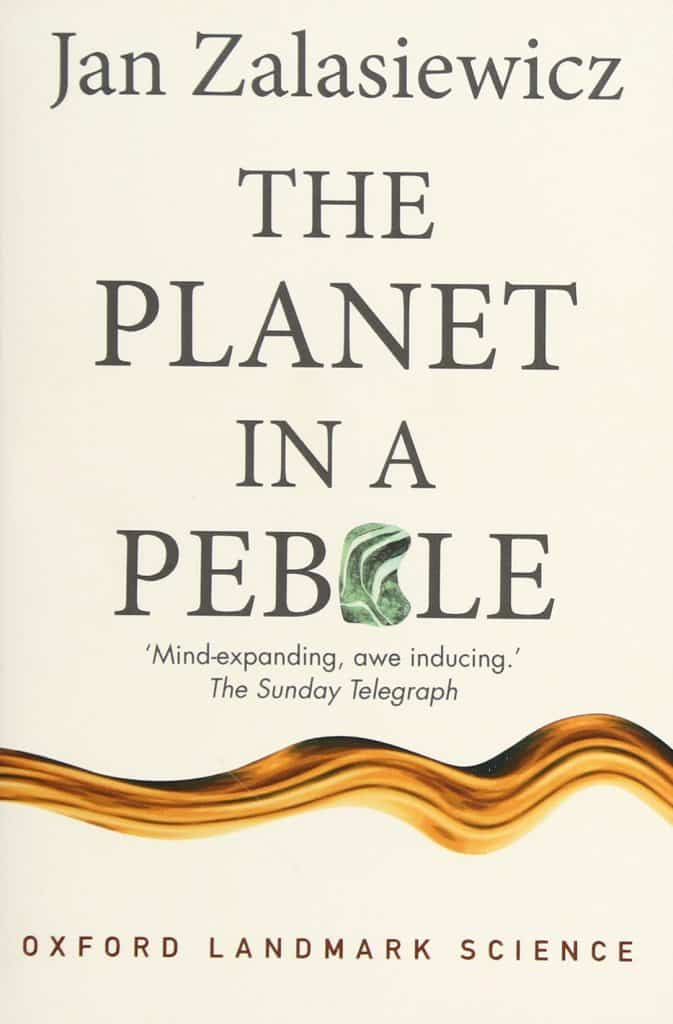
The Planet in a Pebble
This is the story of a single pebble. It is just a normal pebble, as you might pick up on holiday – on a beach in Wales, say. Its history carries us into abyssal depths of time and across the farthest reaches of space.
This is a narrative of the Earth’s long and dramatic history, as gleaned from a single pebble. It begins as the pebble-particles form amid unimaginable violence in distal realms of the Universe, in the Big Bang, and supernova explosions and continues amid the construction of the Solar System. Jan Zalasiewicz shows the almost incredible complexity present in such a small and mundane object. Many events in the Earth’s ancient past can be deciphered from a pebble: volcanic eruptions; the lives and deaths of extinct animals and plants; the alien nature of long-vanished oceans; and transformations deep underground, including the creations of fool’s gold and oil.
Zalasiewicz demonstrates how geologists reach deep into the Earth’s past by forensic analysis of even the tiniest amounts of mineral matter. Many stories are crammed into every pebble around us. It may be small and ordinary, this pebble – but it is also an eloquent part of our Earth’s extraordinary, never-ending story.

The Oxford Book of Modern Science Writing
Boasting almost one hundred articles and book excerpts, The Oxford Book of Modern Science Writing is a breathtaking celebration of the finest writing by scientists–the best such collection in print–packed with scintillating essays on everything from “The Discovery of Lucy” to “The Terror and Vastness of the Universe.”
Edited by best-selling author and renowned scientist Richard Dawkins, this sterling collection brings together exhilarating pieces by a who’s who of scientists and science writers, including Stephen Pinker, Stephen Jay Gould, Martin Gardner, Albert Einstein, Julian Huxley, and many dozens more.
A must-read volume for all science buffs, The Oxford Book of Modern Science Writing is a vibrant anthology that captures the poetry and excitement of scientific thought and discovery.
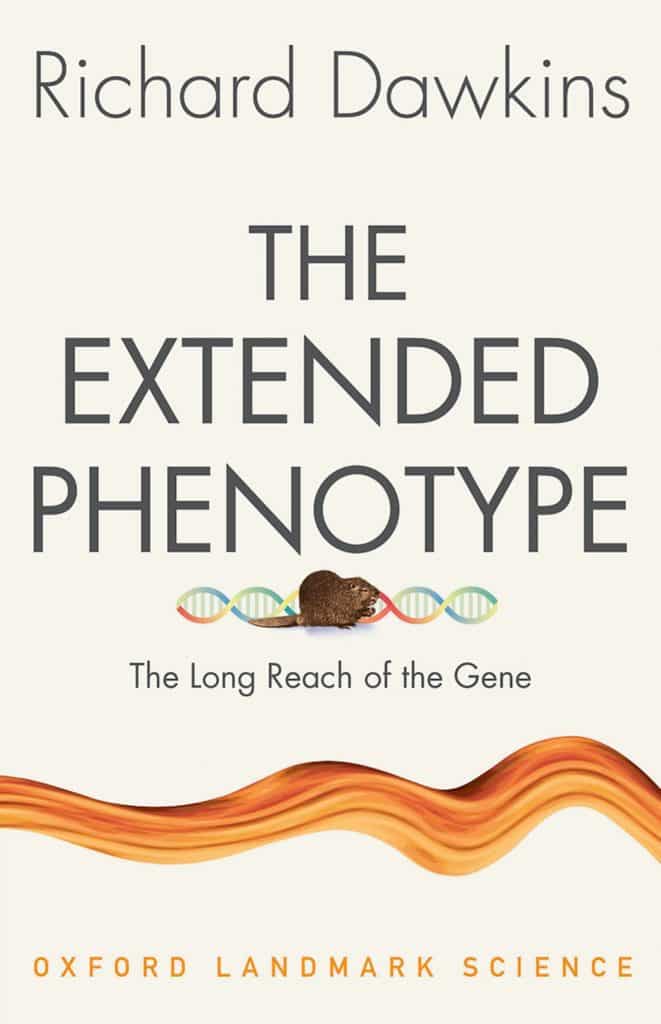
The Extended Phenotype: The Long Reach of the Gene
In The Selfish Gene, Richard Dawkins crystallized the gene’s eye view of evolution developed by W.D. Hamilton and others. The book provoked widespread and heated debate. Written in part as a response, The Extended Phenotype gave a deeper clarification of the central concept of the gene as the unit of selection; but it did much more besides. In it, Dawkins extended the gene’s eye view to argue that the genes that sit within an organism have an influence that reaches out beyond the visible traits in that body – the phenotype – to the wider environment, which can include other individuals. So, for instance, the genes of the beaver drive it to gather twigs to produce the substantial physical structure of a dam; and the genes of the cuckoo chick produce effects that manipulate the behavior of the host bird, making it nurture the intruder as one of its own. This notion of the extended phenotype has proved to be highly influential in understanding evolution and the natural world. It represents a key scientific contribution to evolutionary biology, and it continues to play an important role in research in the life sciences.
The Extended Phenotype is a conceptually deep book that forms important reading for biologists and students. But Dawkins’ clear exposition is accessible to all who are prepared to put in a little effort.
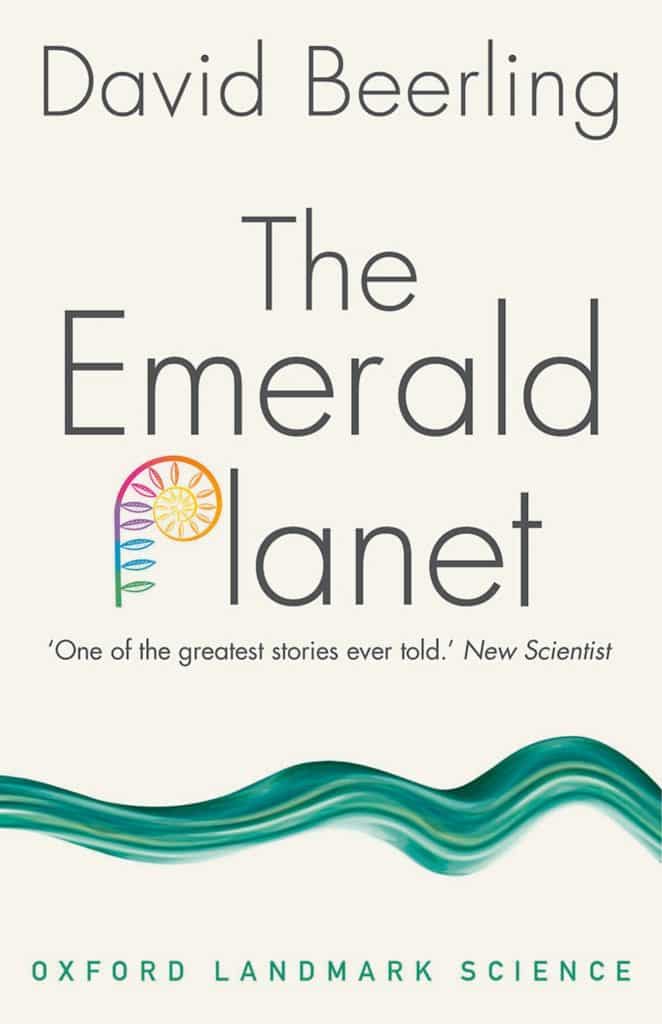
The Emerald Planet: How Plants Changed Earth’s History
Plants have profoundly molded the Earth’s climate and the evolutionary trajectory of life. Far from being ‘silent witnesses to the passage of time,’ plants are dynamic components of our world, shaping the environment throughout history as much as that environment has shaped them.
In The Emerald Planet, David Beerling puts plants center stage, revealing the crucial role they have played in driving global changes in the environment, in recording hidden facets of Earth’s history, and in helping us to predict its future. His account draws together evidence from fossil plants, from experiments with their living counterparts, and from computer models of the ‘Earth System’ to illuminate the history of our planet and its biodiversity. This new approach reveals how
plummeting carbon dioxide levels removed a barrier to the evolution of the leaf; how plants played a starring role in pushing oxygen levels upwards, allowing spectacular giant insects to thrive in the Carboniferous; and it strengthens fascinating and contentious fossil evidence for an ancient hole in the ozone layer. Along the way, Beerling introduces a lively cast of pioneering scientists from Victorian times onwards whose discoveries provided the crucial background to these and the other puzzles.
This understanding of our planet’s past sheds a sobering light on our climate-changing activities and offers clues to what our climatic and ecological futures might look like. There could be no more important time to take a close look at plants and understand the history of the world through the stories they tell.
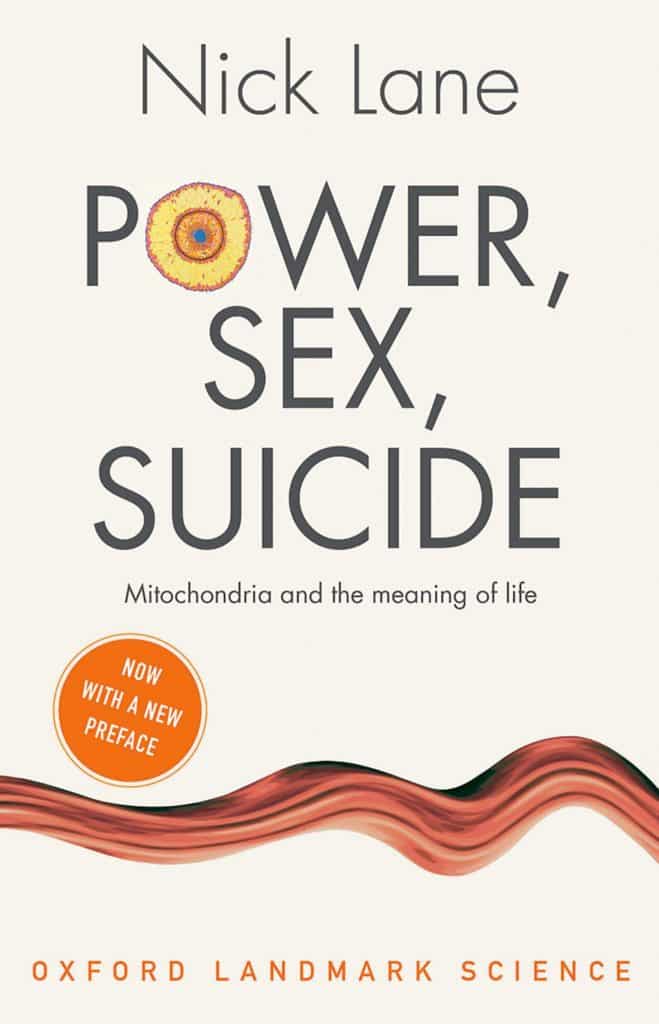
Power, Sex, Suicide: Mitochondria and the Meaning of Life
Mitochondria are tiny structures located inside our cells that carry out the essential task of producing energy. They are found in all complex living things, and in that sense, they are fundamental for driving complex life on the planet. But there is much more to them than that.
Mitochondria have their DNA, with their small collection of genes, separate from the cell nucleus. It is thought that they were once bacteria living independent lives. Their enslavement within the larger cell was a turning point in the evolution of life, enabling the development of complex organisms and, closely related, the origin of two sexes. Unlike the DNA in the nucleus, mitochondrial DNA is passed down exclusively (or almost exclusively) via the female line. That’s why some researchers have used it to trace human ancestry daughter-to-mother to ‘Mitochondrial Eve.’ Mitochondria give us important information about our evolutionary history. And that’s not all.
Mitochondrial genes mutate much faster than those in the nucleus because of the free radicals produced in their energy-generating role. This high mutation rate lies behind our aging and certain congenital diseases. The latest research suggests that mitochondria play a key role in degenerative diseases such as cancer by precipitating cell suicide.
Mitochondria, then, are pivotal in power, sex, and suicide. In this fascinating and thought-provoking book, Nick Lane brings together the latest research findings in this exciting field to show how our growing understanding of mitochondria is shedding light on how complex life evolved, why sex arose (why don’t we just bud?), and why we age and die. This understanding is of fundamental importance in understanding how we and all other complex life came to be, controlling our illnesses, and delaying our degeneration and death.
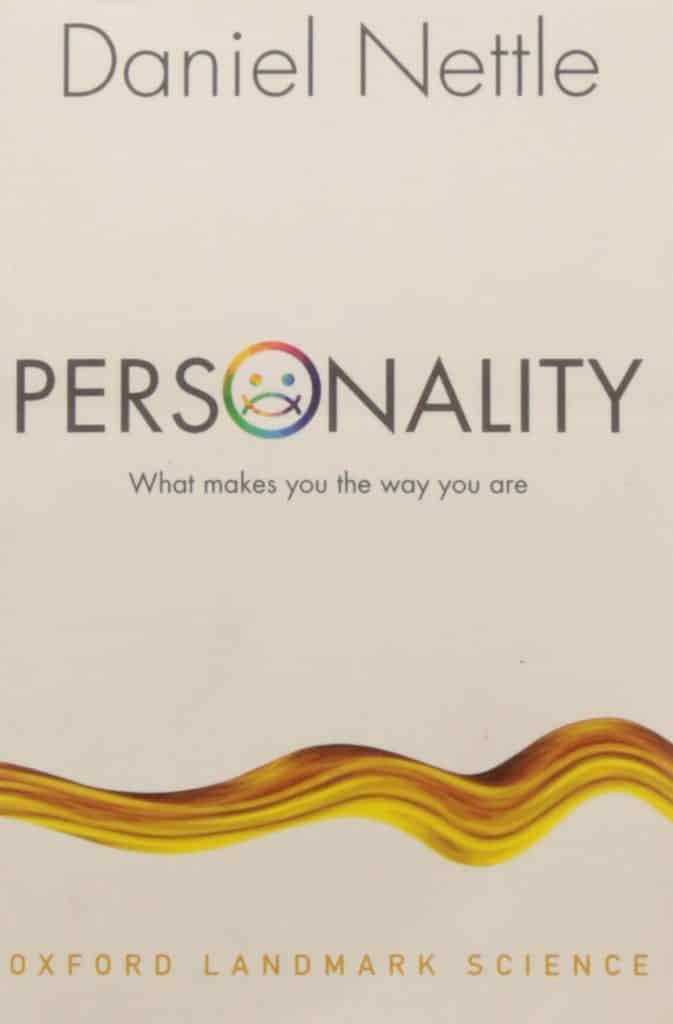
Personality
Why are some people worriers and others wanderers? Why do some people seem good at empathizing and others at controlling? We have something deep and consistent within us that determines our choices and the situations we bring about. But why should members of the same species differ so markedly in their natures? What is the best personality to have; a bold or a shy one, an aggressive one, or a meek one? And are you stuck with your personality, or can you change it?
Daniel Nettle takes the reader on tour through the science of human personality, introducing the five ‘dimensions’ on which every personality is based and using an unusual combination of individual life stories and scientific research. Showing how our personalities stem from our biological makeup, Nettle looks at the latest findings from genetics and brain science, considers the evolutionary origins and consequences of personality variation, and even includes a questionnaire for you to assess your personality against the five dimensions.
There is no optimal personality to have. Rather, every disposition brings both advantages and disadvantages. Life is partly the business of finding a niche where your characteristics work for you. Full of human and scientific insight, this book will enable you to understand the perils and potentials of your personality to the full.
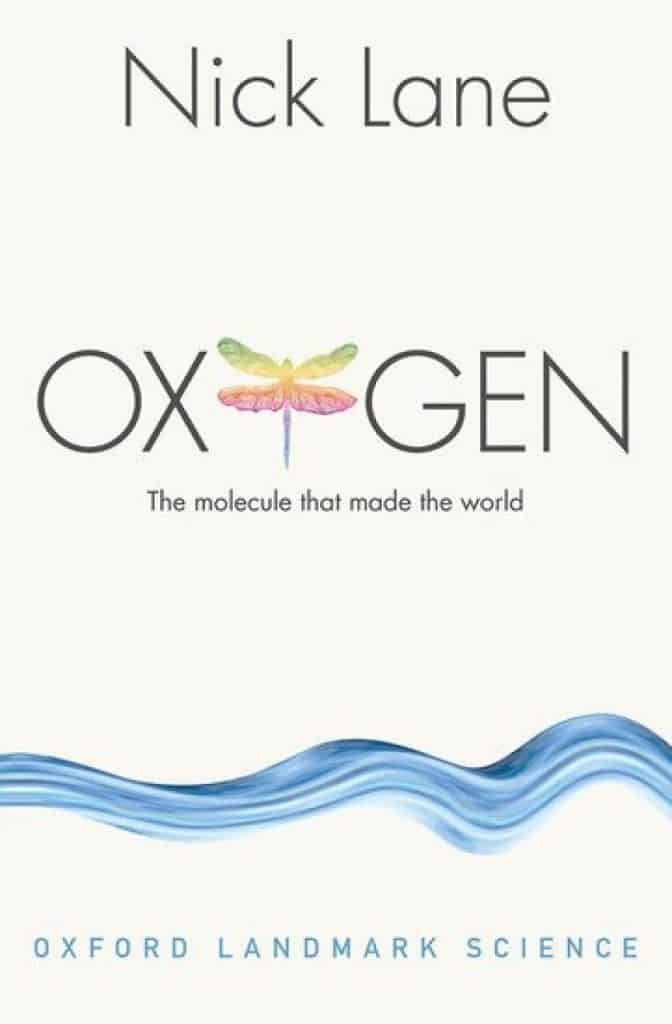
Oxygen
Three hundred million years ago, in Carboniferous times, dragonflies grew as big as seagulls, with wingspans of nearly a meter. Researchers claim they could have flown only if the air had contained more oxygen than today – probably as much as 35 percent. Giant spiders, tree ferns, marine rock formations, and fossil charcoals all tell the same story. High oxygen levels may also explain the global firestorm that contributed to the demise of the dinosaurs after the asteroid impact.
The strange and profound effects that oxygen has had on the evolution of life pose a riddle, which this book sets out to answer. Oxygen is a toxic gas., and divers breathing pure oxygen at depth suffer from convulsions and lung injury. Fruit flies raised at twice normal atmospheric oxygen levels live half as long as their siblings. Reactive forms of oxygen, known as free radicals, cause aging. Yet if atmospheric oxygen reached 35 percent in the Carboniferous, why did it promote exuberant growth instead of rapid aging and death?
Oxygen takes the reader on an enthralling journey, as for gripping as a thriller, as it unravels the unexpected ways in which oxygen spurred the evolution of life and death. The book explains far more than the size of ancient insects: it shows how oxygen underpins the origin of biological complexity, the birth of photosynthesis, the sudden evolution of animals, the need for two sexes, the accelerated aging of cloned animals like Dolly, the sheep, and the surprisingly long lives of bats and birds.
Drawing on this grand evolutionary canvas, Oxygen offers fresh perspectives on our own lives and deaths, explaining modern killer diseases, why we age, and what we can do about it. Advancing revelatory new ideas, following chains of evidence, the book ranges through many disciplines, from environmental sciences to molecular medicine. The result is a captivating vision of contemporary science and a humane synthesis of our place in nature. This remarkable book will redefine the way we think about the world.